标签: Asia

亚洲

  • US sprinters Richardson and Coleman advance to the Stawell Gift semifinals in Australia

    US sprinters Richardson and Coleman advance to the Stawell Gift semifinals in Australia

    The small rural town of Stawell, located roughly 235 kilometers west of Melbourne, Australia, played host to the opening heats of the iconic 144th Stawell Gift on Saturday, where two of the world’s top American sprinters turned in impressive performances to punch their tickets to Monday’s semifinal round. Sha’Carri Richardson, the 2024 Paris Olympic 100-meter silver medalist and 4×100-meter relay gold medalist, and Christian Coleman, a former 100m world champion, both crossed the finish line first in their respective preliminary heats, advancing to the next stage of the unique 120-meter grass handicap race.

    Unlike standard sprint events, the Stawell Gift uses a handicap seeding system that gives slower competitors a head start over faster entrants. Both top American sprinters started from “scratch”—meaning they were required to run the full 120-meter distance, while some of their opponents were given head starts of up to 25 meters. In her heat, Richardson conceded a 10-meter head start to her closest seeded rival, but still crossed the line first with a time of 13.815 seconds. Coleman posted a winning time of 12.681 seconds to claim his heat.

    Speaking to Australia’s Seven Network after her opening race, Richardson reflected on her first outing of the 2026 season, describing the experience as a nostalgic reminder of why she fell in love with the sport. “My experience so far is just reminding me what track and field feels like — love the respect and also fun,” she said. “It felt like being a kid again, playing tag, like playing rabbit. I had a great time, and it just kind of woke my body up with this being the first time running in 2026… chasing everyone actually made me activate and work on my race pattern.”

    Richardson, who has long embraced competitive challenges, spoke earlier this week about her excitement for the event’s unconventional handicap format in comments shared on the Australian Athletics website. “I’ve been known to be a chaser in a couple of races, so actually the challenge of the stagger makes me more technical and sound, and with that comes great results,” she said.

    For Coleman, the reverse starting position presented a useful early-season test. Known for his explosive opening strides that usually put him out in front from the start, the former world champion said chasing down opponents would be a valuable change of pace to kick off his year. “I’m usually leading from the front and people are trying to come catch me. I feel that this will be the perfect start to the season, to have some fun, but also be able to work on the things I have been practicing,” he said.

    Monday’s competition will feature six semifinal heats for both the men’s and women’s divisions, with each heat winner advancing to the final later that day. Historically, starting from scratch is a massive disadvantage: only two men and two women have ever claimed the Stawell Gift title starting from the full distance. More than 700 competitors are taking part in this year’s event, including many of Australia’s top domestic sprint talents. The winner of both the men’s and women’s finals will take home a prize purse of 40,000 Australian dollars, equal to roughly $27,500 U.S.

    Organizers have not publicly confirmed whether Richardson or Coleman received appearance fees to compete in the event. Last year, Australian media reported that top domestic sprinter Gout Gout received 50,000 Australian dollars ($35,000 U.S.) to compete, though he was eliminated in the semifinal round. The report also confirmed that Richardson and Coleman are still in a romantic relationship, despite a domestic violence charge filed against Richardson last July.

  • Collapse of Tokyo’s aging cherry blossom trees during viewing season raises safety concerns

    Collapse of Tokyo’s aging cherry blossom trees during viewing season raises safety concerns

    Every spring, millions of people across Japan flock to public parks and green spaces to take part in hanami, the beloved centuries-old tradition of cherry blossom viewing. But this year, a growing crisis surrounding Tokyo’s most iconic cherry trees is casting a shadow over the annual celebration: the most popular variety, the iconic Somei Yoshino cherry, is reaching the end of its lifespan, triggering urgent safety concerns for visitors.

    Most of Tokyo’s famous Somei Yoshino cherry trees were planted in the 1960s, during Japan’s rapid post-World War II economic and urban expansion. Six decades later, these once-vibrant flowering trees have become old, weak, and increasingly prone to sudden collapse. On Thursday, two separate large Somei Yoshino trees fell in high-traffic Tokyo green spaces: one in the popular Kinuta Park in central Tokyo, and another along the scenic Chidorigafuchi greenway adjacent to the Imperial Palace. The Kinuta Park tree crashed into a perimeter fence, while the Chidorigafuchi tree nearly toppled into the historic palace moat. Miraculously, no one was hurt in either incident.

    The Kinuta Park tree measured 18 meters tall with a 2.5-meter trunk diameter, and was counted among the park’s oldest specimens, estimated to be over 60 years old, according to Tokyo municipal officials. The collapse marks the second major falling tree incident at Kinuta Park since March, when another aging cherry tree fell and injured a passing visitor. Data from the Tokyo metropolitan government underscores the scale of the issue: last year alone, 85 trees fell across Tokyo’s public parks, injuring three people, and a large share of those fallen trees were aging cherry blossoms.

    As the birthplace of the Somei Yoshino variety, Tokyo is home to more of these trees than any other region, and their widespread deterioration has put local officials on high alert during the peak hanami season, when thousands of picnicking visitors crowd under blooming canopies every day. Local officials and arborists point to multiple interconnected causes for the accelerating decline of the region’s cherry trees. Beyond advanced old age, internal fungal growth and gradual soil erosion are weakening tree structures from within. The trees are also facing growing stress from human-caused climate change, with increasingly extreme summer heat waves and extended dry seasons further sapping the strength of already aged specimens.

    Hiroyuki Wada, a certified tree doctor who specializes in aging urban trees in Tokyo, explained that visible warning signs of high-risk trees include severe leaning, trunk cavities, and mushroom growth at the base of the trunk. Risk of collapse rises sharply after heavy rain, he added, when waterlogged trunks become far heavier than dry wood. Wada noted that the cherry tree crisis is part of a broader trend affecting all urban trees planted across Japan in the immediate postwar era. “Many trees that are part of our daily urban landscape were planted shortly after the war, and now 70 to 80 years later, they are growing weaker every year,” he said. “These cherry trees are such a powerful cultural symbol, I hope people see what’s happening to them and connect it to the larger changes happening to our climate.”

    After the March injury incident at Kinuta Park, Tokyo municipal officials launched emergency tree health screenings across all major public cherry blossom viewing parks ahead of this year’s peak bloom. At Kinuta Park alone, inspectors have assessed more than 800 cherry trees, removing high-risk specimens and posting warning signs around trees that were deemed potentially dangerous but not immediately felled. Notably, the tree that fell this week had no posted warning signs, leaving officials acknowledging gaps in current safety protocols. Masakazu Noguchi, a Tokyo metropolitan official who oversees public park management, admitted that current interventions are only temporary, rather than a long-term solution. “At the moment, our measures are mostly temporary, not fundamental steps such as large-scale replanting,” Noguchi said. “We call on visitors to use constant caution, because we cannot guarantee that every park is completely safe even after our inspections.”

    At Inokashira Park, another top hanami destination that draws millions of visitors annually, dozens of aging cherry trees and unstable branches have already been removed in recent years as part of a long-term regeneration and safety plan. The removals have sparked mild public outcry on Japanese social media, with visitors lamenting the empty gaps along the park’s central pond, once lined by a seamless ring of soft pink spring blooms.

    Wada emphasized that a strategic, proactive regeneration plan is the only way to preserve both the cherry blossom landscape and visitor safety for future generations. Despite the growing safety concerns, many hanami visitors are still choosing to enjoy the annual bloom, which only lasts for one to two weeks each year. Lisa Suzuki, a Tokyo resident who visited Kinuta Park this week, said she was aware of the falling tree risk but still wanted to experience the bloom. “I’m a bit worried, but I guess it’s OK if we just stay away from the trunks,” she said. Akira Kamiyashiki, another visitor who came to the park with his daughter ahead of forecasted rain this weekend, said the visible safety signage reassured him. “Seeing the keep-off signs up, I now feel safe coming here to enjoy the blossoms,” he said.

    For Japan, cherry blossoms hold far more than aesthetic value: the annual bloom marks the start of the country’s new school year and fiscal year for businesses, making it a symbolic time of new beginnings woven into the fabric of Japanese national identity.

  • Second US combat plane targeted by Iran crashes near Strait of Hormuz: Report

    Second US combat plane targeted by Iran crashes near Strait of Hormuz: Report

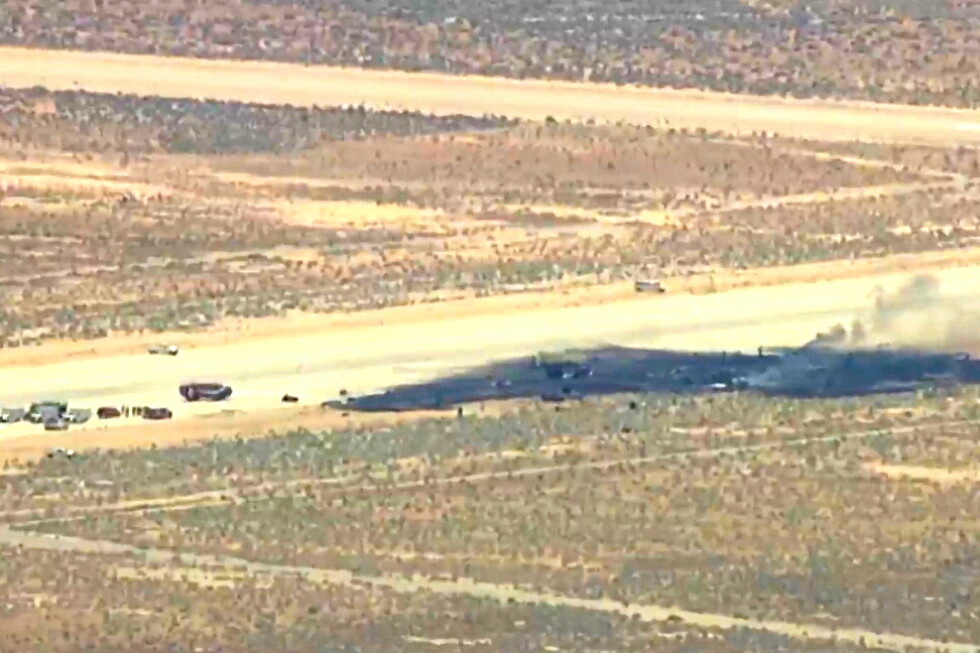
    In a sharp escalation of military tensions between the United States and Iran on Friday, two American military aircraft were downed in Iranian airspace and near the Strait of Hormuz, sending already fraught diplomatic efforts for a de-escalation into further chaos. The first incident, confirmed by multiple anonymous U.S. officials cited by The New York Times, involved the crash of an A-10 Thunderbolt II, commonly known as the Warthog, a single-seat ground-attack jet. Iranian state media reported that its domestic air defense systems engaged and targeted the hostile A-10 near the strategically critical Strait of Hormuz, the world’s busiest oil shipping chokepoint. Fortunately, the lone pilot of the downed A-10 was successfully rescued by U.S. forces, per the NYT report. However, NBC News, also quoting an anonymous U.S. official, added that two U.S. military helicopters participating in the rescue operation were struck by Iranian gunfire; all service members onboard emerged unharmed.

    The second downing, which occurred earlier the same day, involved a more advanced U.S. fighter jet over southwestern Iranian territory. Iran’s Islamic Revolutionary Guard Corps (IRGC) initially claimed the downed aircraft was a stealth F-35, but U.S. military sources later corrected the record to confirm it was an F-15E Strike Eagle, a twin-seat, all-weather attack jet that carries a price tag of approximately $31 million per unit, far more expensive than the $11.4 million A-10. A spokesperson for Iran’s supreme military command, Khatam al-Anbiya Central Headquarters, told the semi-official Tasnim News Agency that the F-15E was completely destroyed in the engagement. Local Iranian state television reported the jet was targeted over central Iran, with wreckage believed to have fallen in the mountainous, rural Kohgiluyeh and Boyer-Ahmad province. The outlet aired footage it claimed showed scattered remnants of the downed jet, and its anchor issued a public call for local residents to turn over any captured enemy pilots to law enforcement, offering a cash bounty for any U.S. service member taken into custody. The IRGC also claimed the downed F-15E belonged to a squadron stationed at Royal Air Force Lakenheath, a U.S. military base in eastern England. As of Friday, U.S. forces had rescued one member of the jet’s two-person crew, while search operations for the second pilot remain ongoing.

    This is not the first reported engagement between Iranian air defenses and U.S. aircraft in recent months. In late March, Iran claimed it had shot down a U.S. F-35, a claim that Washington immediately rejected. At the time, the U.S. military only acknowledged that an F-35 had made an emergency landing following a combat mission over Iranian territory, adding that the pilot was in stable condition.

    Beyond the military clashes, diplomatic efforts to broker a ceasefire between the two nations have hit repeated snags, according to multiple regional and international media reports. On Friday, Iran rejected a U.S.-proposed 48-hour temporary ceasefire, Iranian state-owned Fars News Agency reported, quoting an unnamed official source. The proposal was delivered via an unnamed third-party mediator on Wednesday, and it remains unclear whether Israel, which has joined the U.S. in its ongoing campaign against Iran, would have been a party to the agreement. The announcement comes after a public back-and-forth: earlier in the week, former U.S. President Donald Trump claimed Iran had requested a ceasefire, a charge Tehran immediately denied.

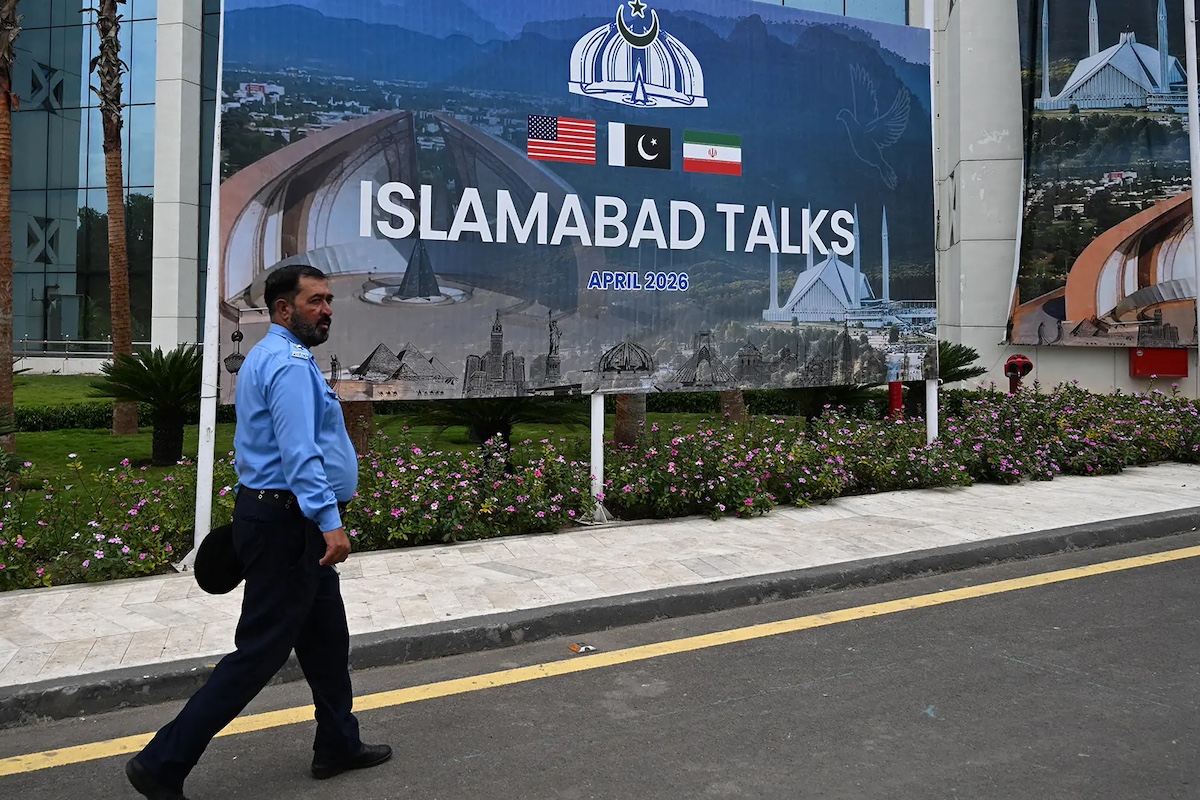
    The Wall Street Journal also reported Friday that earlier mediation efforts led by Pakistan have collapsed entirely. Talks were set to be held in Islamabad, but Tehran refused to send representatives, citing what it calls unacceptable American negotiating demands. Iran’s core terms for any lasting peace agreement include a full U.S. military withdrawal from all bases across the Middle East, and financial compensation from the U.S. for widespread destruction to Iranian civilian infrastructure including schools and hospitals. Multiple other regional powers, including Turkey, Egypt, and Qatar, have been approached to lead new mediation efforts due to their established ties to the Trump administration, but progress has stalled. The WSJ added that Qatar has specifically resisted U.S. and regional pressure to take on the mediator role, declining the offer thus far.

    A recent declassified U.S. intelligence assessment, first reported by CNN Thursday, suggests Iran has prepared for a protracted conflict, and retains significant military capability more than a month into the joint U.S.-Israeli military campaign. The assessment found that roughly half of Iran’s original missile launchers and kamikaze drone fleet remain operational, contradicting repeated public claims from Trump and Israeli government leaders that Iran’s military capabilities have been completely obliterated.

    First entering U.S. military service in 1977, the A-10 Warthog is purpose-built for close air support of ground troops. A total of just over 700 A-10s were built between 1972 and 1984, and the jet has seen action in nearly every major U.S. military campaign of the past 40 years, including the 1991 Gulf War, the 2001 invasion of Afghanistan, and the 2003 Iraq War. The F-15E, by contrast, entered production later, with 435 units built between 1985 and 2017; the latest variant of the F-15 family, the F-15EX, costs between $90 million and $100 million per aircraft. In recent weeks, the U.S. has deployed thousands of additional troops to the Persian Gulf region, a move that U.S. officials have acknowledged sets the stage for a potential ground operation to seize key Iranian-held islands bordering the Strait of Hormuz.

  • Iran says it rejects Trump offer of 48-hour ceasefire: Report

    Iran says it rejects Trump offer of 48-hour ceasefire: Report

    Diplomatic efforts to end the more than month-long U.S.-Israeli military campaign against Iran have hit a major impasse this week, after an Iranian official confirmed Friday that Tehran has formally turned down a U.S.-brokered proposal for a 48-hour bilateral ceasefire. Iranian state-aligned Fars News Agency, quoting an anonymous senior official source, announced the rejection, adding the U.S. had tabled the offer Wednesday through an unspecified third-party intermediary. It remains unclear whether the proposed truce would have also required Israel, a key U.S. partner in the ongoing campaign, to halt military operations.

    The rejection marks the second high-profile breakdown of ceasefire efforts in recent days, following a report from The Wall Street Journal Friday that Pakistani-mediated talks had collapsed. The deadlock came after Iran refused to send delegates to meet U.S. officials in the Pakistani capital Islamabad, citing what Tehran called non-negotiable, unacceptable terms set by Washington. Iran has laid out two non-negotiable conditions for any lasting ceasefire agreement: a full withdrawal of all U.S. military forces from bases across the Middle East, and financial compensation for extensive damage to Iranian civilian infrastructure, including schools, hospitals and other critical public facilities that have been destroyed in the joint campaign.

    Multiple regional states with close ties to the Trump administration—including Turkey, Egypt and Qatar—have been approached to lead new mediation efforts, but Qatari officials have so far resisted public and private pressure from Washington and regional actors to take on the mediating role, the WSJ report added.

    The development comes amid a broader public dispute between U.S. and Iranian officials over ceasefire overtures: Earlier this week, former U.S. President Donald Trump claimed Iran had been the first party to request a truce, a claim Iranian officials have outright denied.

    U.S. intelligence assessments suggest Iran has long prepared for a protracted conflict, retaining significant military capacity even after weeks of intensive bombardment. A U.S. intelligence review first reported by CNN Thursday found that roughly half of Iran’s original missile launcher fleet and kamikaze drone inventory remains intact after more than 30 days of fighting. That assessment directly contradicts repeated public claims from Trump and Israeli government leaders, who have consistently used rhetoric describing an effort to totally “obliterate” Iran’s military capabilities, with the most recent such comments coming as late as this Wednesday.

    On Friday, the conflict escalated dramatically after Iran’s Islamic Revolutionary Guard Corps air defenses shot down a U.S. F-15E Strike Eagle over southwestern Iran. Semi-official Iranian news agency Tasnim carried confirmation of the downing from a spokesperson for Iran’s Khatam al-Anbiya Central Headquarters, the country’s top military command, who said the aircraft had been “completely destroyed.” Iran initially misidentified the jet as an F-35 stealth fighter before U.S. military officials confirmed the platform to be an F-15E.

    The two-person crew ejected before the crash, and CBS News reported Friday that one crew member has already been recovered by U.S. search and rescue forces, while operations to locate the second pilot remain ongoing. Iranian state-affiliated local media reports the jet was targeted over Kohgiluyeh and Boyer-Ahmad province, a remote, mountainous rural region in central-southwestern Iran.

    Shortly after the first downing was confirmed, The New York Times reported Friday that a second U.S. combat aircraft, an A-10 Warthog ground attack plane, had been shot down near the Strait of Hormuz in the Gulf region. The single-seat aircraft’s pilot was successfully rescued by U.S. forces, the outlet added.

  • US pilot rescued after ejecting over Iran: Israeli media

    US pilot rescued after ejecting over Iran: Israeli media

    In the latest development unfolding amid already soaring Middle Eastern tensions, multiple Israeli media outlets have confirmed that a U.S. fighter pilot ejected over Iranian airspace after his aircraft was downed, and has since been safely recovered. The revelation was first shared by Israel’s Channel 12 News on Friday, with other Israeli journalistic sources corroborating the report, though key questions remain unanswered about the second crew member on the stricken jet.

    According to the outlets, the status of the navigator who was also aboard the downed aircraft is still unknown, as search operations continue across central Iran to locate the missing crew member. Citing information from a senior unnamed Israeli official, Channel 12 added that the Israel Defense Forces has called off planned strikes in the Iranian region where the search for the navigator is currently underway, to avoid disrupting ongoing recovery efforts.

    Israel’s state-owned public broadcaster Kan TV News further reported that Israeli intelligence bodies are actively supporting U.S. operations to track down the downed jet’s two-person crew, sharing critical reconnaissance and location data to assist in the search.

    The incident traces back to earlier the same day, when Iran’s Islamic Revolution Guard Corps (IRGC) announced that its aerospace division had successfully intercepted the aircraft using advanced domestic air defense systems, shooting it down over central Iranian territory. Photos circulated by Iranian state media purport to show wreckage fragments from the downed U.S. jet, captured in the area after the incident.

    This downing comes against a backdrop of drastically escalated cross-border hostilities that have roiled the region since late February. On February 28, joint U.S.-Israeli military strikes targeting sites inside Iran kicked off the latest cycle of open conflict, prompting Iran to launch retaliatory missile and drone assaults against both Israeli territory and U.S. military installations positioned in neighboring Gulf states. The ongoing clashes have raised widespread international alarm over the risk of a full-scale regional war that could draw in global powers.

  • How Bombay went from a fort city to a bustling metropolis

    How Bombay went from a fort city to a bustling metropolis

    One of India’s most dynamic and culturally layered cities, Mumbai—officially known as Bombay for most of its modern history—has grown from a cluster of seven isolated islands into a bustling megacity of 20 million people. Shaped over hundreds of years by shifting political tides, economic booms, and diverse social movements, its landscape and identity have been molded by generations of inhabitants: from the indigenous Koli fisherfolk who first settled its shores, to colonial urban planners, Bollywood icons, and wealthy textile magnates who each left their indelible mark. Today, the city continues its constant evolution, as old landmarks make way for new development, long-held traditions blend with cutting-edge modernity, and the metropolis reinvents itself decade after decade.

    To capture this centuries-long story of transformation, New Delhi-based art institution DAG has launched a groundbreaking new exhibition titled *Bombay Framed*, which traces the city’s changing shape and character through a stunning curated collection of paintings, vintage photographs, and multimedia artworks. Spanning 300 years of urban history, the exhibition features more than 100 visual works that document the full diversity of Bombay life, from the privileged worlds of Zoroastrian merchant elites and early Bollywood stars to the quiet, everyday struggles of working-class ordinary citizens.

    Curated by noted historian Gyan Prakash, the exhibition frames the city itself as a living work of art. “Together they invite us to see the city itself as a kind of artwork: layered, complex and made up of many different experiences,” Prakash explained in an interview with the BBC. Prakash highlights four pivotal turning points that fundamentally reshaped Bombay’s urban landscape. The first came in the 1830s and 1840s, when large-scale land reclamation projects and earthen bunds connected the seven scattered original islets into a single contiguous island city. Two decades later, in the 1860s, the old colonial fort walls were demolished, clearing space for grand imperial government and commercial buildings that gave the city its distinct colonial architectural identity. In the 1920s and 1930s, the iconic Marine Drive corniche—dubbed the “Queen’s Necklace” for its glowing curved skyline at night—was developed alongside a sweeping collection of Art Deco buildings, forging a uniquely modern architectural style that broke from the earlier Victorian Gothic aesthetic that had defined the city. Since the 2000s, urban planners have prioritized large-scale utilitarian infrastructure projects, including new sea bridges and expanded coastal highways that have radically altered the city’s 21st-century skyline.

    Throughout its history, Bombay has been defined by stark, striking contradictions that shape its unique character: gleaming luxury skyscrapers rise meters next to crowded informal shantytowns, the restless chaotic energy of the city center contrasts sharply with the quiet calm of the surrounding Arabian Sea, and centuries-old heritage structures stand alongside cutting-edge modern commercial developments. It is home to 2,000-year-old ancient rock-cut Buddhist caves, as well as sprawling modern textile mills and India’s premier atomic research facilities—creating such a diverse tapestry that no two people experience the city in the same way.

    Unlike many historical exhibitions that focus only on architecture and elite power, *Bombay Framed* centers the role of ordinary people in shaping the city’s soul. “Even the early British picturesque views of the sea and boats include human figures, reminding us that the environment was always shaped by human activity,” Prakash notes. From Parsi philanthropists and Maharashtrian nobility to textile mill workers and marginalized migrant settlers, the collection showcases the full spectrum of communities that have contributed to building Bombay over centuries. For example, commissioned portraits of early 20th-century Parsi elite reveal the patronage networks and social aspirations of the mercantile community that formed the economic backbone of the colonial city. In sharp contrast, works by socially conscious artist Chittaprosad—known for his sharp political commentary—offer intimate unflinching depictions of working-class and informal life on the city’s margins.

    The exhibition also honors Bombay’s outsized role as the birthplace of Indian cinema, blending art from the silver screen with the city’s street life. Vintage film posters from the 1950s and 1960s, once plastered across the walls of the city’s neighborhoods, are displayed alongside a collection of iconic portraits by JH Thakkar, founder of Mumbai’s legendary Dadar-based India Photo Studio. “His moody, meticulously composed silver gelatin portraits shaped how audiences saw stars like Raj Kapoor, Nargis, Dev Anand, Meena Kumari and Dilip Kumar,” the exhibition’s curatorial note reads.

    The exhibition’s title, which uses the colonial-era name “Bombay” rather than the official modern name “Mumbai,” has sparked gentle discussion around the city’s contested naming history. The Indian government officially changed the city’s name from Bombay to Mumbai in the mid-1990s, a move framed as a step to shed the country’s colonial legacy, and the name Bombay has become politically charged for many groups. Prakash explains that the choice of title was rooted in historical context, not political positioning: most of the works included in the exhibition date from the era when the city was officially known as Bombay. “For Marathi speakers, it was always Mumbai. I’m agnostic about the name, as are many people, which reflects the city’s long history of dual names and multiple perspectives. It really only becomes contentious when the issue is politicised,” Prakash says.

  • China aims to show global leadership with Iran war diplomacy. US appears uninterested

    China aims to show global leadership with Iran war diplomacy. US appears uninterested

    As the Iran war enters its fifth week marked by sharp military escalation, China has emerged as an increasingly active diplomatic player in the Middle East, launching a coordinated push to position itself as a responsible mediator while facing widespread skepticism from the United States over the substance of its peace efforts.

    Beijing’s latest diplomatic gambit centers on a joint five-point peace proposal drafted alongside Pakistan, which it has spent weeks rallying regional and global powers to support. The framework calls for an immediate end to hostilities and the reopening of the strategically critical Strait of Hormuz, where Iran’s control over shipping traffic has sent global energy prices skyrocketing. China has also openly opposed a revised United Nations resolution put forward by Bahrain that would authorize defensive military action to secure the waterway, arguing that any Security Council action must de-escalate tensions rather than inflame them further.

    Since the outbreak of the war, Chinese Foreign Minister Wang Yi has conducted a flurry of diplomatic outreach: holding more than 20 phone calls with foreign ministers across the Middle East and major global powers, hosting his Pakistani counterpart in Beijing to finalize the joint proposal, and dispatching a special envoy to the region to hold face-to-face talks on de-escalation. Wang has courted support from Gulf nations and European Union officials, framing the five-point plan as a reflection of broad international consensus that prioritizes peace. China and Russia have lobbied against the Bahrain UN proposal, warning that outside powers could exploit a UN mandate to expand the conflict; to avoid a likely veto, Bahrain has significantly watered down the text and delayed a vote until next week.

    Analysts and U.S. officials frame China’s heightened diplomacy as a calculated bid to expand its global influence at the United States’ expense. Sun Yun, director of the China program at the Washington-based Stimson Center, noted that the ongoing crisis presents a rare, high-profile opportunity for Beijing to demonstrate its diplomatic leadership on a pressing global issue. “The war with Iran is the priority of all countries in and outside the region,” Sun explained. “It is an opportunity China will not miss to demonstrate its leadership and diplomatic initiative.”

    Former senior U.S. diplomat Danny Russel, now a distinguished fellow at the Asia Society Policy Institute, drew a direct parallel between the current five-point proposal and China’s 2023 12-point peace plan for Ukraine, arguing that both efforts amount to empty rhetoric rather than actionable mediation. “What we are seeing from China is messaging, not mediation,” Russel said. “Its narrative is that while Washington is reckless, aggressive and heedless of the cost to others, China is a principled and responsible champion of peace.” Liu Pengyu, spokesperson for the Chinese Embassy in Washington, has pushed back against this characterization, asserting that China has worked “tirelessly for peace” since the war began.

    The Trump administration has made clear it has little enthusiasm for China’s mediation efforts. Three U.S. officials, speaking on condition of anonymity, told the Associated Press that Washington has grown skeptical of third-party mediation in the conflict, and has no interest in boosting China’s international standing or granting it a victory in the Middle East. The administration currently describes its position on the Chinese-Pakistani proposal as “agnostic” — neither endorsing nor rejecting it — but officials note this posture could shift ahead of President Donald Trump’s planned summit with Chinese President Xi Jinping, currently scheduled for mid-May. Trump initially postponed the meeting from its original late March date citing the demands of the war, and analysts say Beijing has a clear incentive to de-escalate tensions before the summit to avoid another delay.

    In terms of core national interests, China is better insulated from the economic fallout of the Strait of Hormuz closure than many other major economies, thanks to years of energy supply diversification, reduced fossil fuel dependence, and a large strategic petroleum reserve. Only around 13% of China’s oil imports come from Iran, and Beijing has secured agreements with Tehran to allow Chinese-flagged vessels safe passage through the waterway. Still, analysts warn that a protracted conflict would eventually harm China’s export-driven economy: prolonged energy price shocks and global shipping disruptions would raise input costs and weaken global demand, dragging on Chinese growth.

    Ali Wyne, senior research and advocacy adviser on U.S.-China relations at the International Crisis Group, added that Beijing is eager to highlight the perceived failures of U.S. policy in the region. “China welcomes the opportunity to suggest that it is helping mitigate a crisis of America’s making, especially as the Trump administration’s lack of a considered strategy for containing the fallout becomes more apparent,” Wyne said.

    The conflict took a major turn for the worse last Friday, when Iran shot down two U.S. military aircraft — the first such escalation in the five weeks since the war began. Days after claiming in a national address that the U.S. had “beaten and completely decimated Iran,” Trump told NBC News that the downing would not impact potential negotiations with the Iranian government.

  • Turkish woman makes remarkable recovery at Chongqing hospital

    Turkish woman makes remarkable recovery at Chongqing hospital

    A 47-year-old Turkish woman living and working in Southwest China’s Chongqing has made an extraordinary full recovery from aggressive diffuse large B-cell lymphoma after receiving personalized, multidisciplinary care at a leading local public hospital, a case that showcases the high quality of China’s international medical services for foreign residents.

    Going by the pseudonym Zeynep, the patient was first admitted to the Hematology Department of the First Affiliated Hospital of Chongqing Medical University on December 31, 2024, presenting with a severe case of the blood cancer marked by widespread lymph node involvement. Medical teams moved quickly to run diagnostic tests, confirming the diagnosis and flagging the urgent need for immediate therapeutic intervention. By the beginning of January 2025, Zeynep’s condition deteriorated rapidly, triggering life-threatening acute respiratory failure that required intensive care support.

    Faced with the serious health crisis, Zeynep and her family initially planned to travel back to Turkiye to complete treatment, a common choice for many foreign expats facing major illness abroad. But after receiving positive feedback and endorsement of the Chongqing hospital’s proposed treatment plan from medical experts in Turkiye, the family chose to stay and proceed with care in China.

    To deliver the best possible outcome for Zeynep, the hospital assembled a cross-departmental multidisciplinary treatment team drawing specialists from eight clinical and research units, including pathology, clinical molecular diagnosis, and critical care medicine. This collaborative approach allowed clinicians to address every complication of Zeynep’s case and adapt treatment to her specific health profile.

    According to Zhang Hongbin, chief physician in the hospital’s Hematology Department and lead of Zeynep’s care team, clinicians implemented a customized first-line regimen called Pola R-CHP, which integrates multiple targeted cancer therapies. Unlike standard treatment protocols, this personalized approach is designed to boost long-term survival outcomes for patients with high-risk diffuse large B-cell lymphoma. Zhang explained that the tailored therapy is projected to raise the patient’s five-year survival rate from the 60 percent average associated with traditional regimens to 80 percent. After weeks of coordinated care, Zeynep achieved a remarkable recovery that has been hailed as a testament to China’s advancing precision oncology capabilities and patient-centered care for international residents.

  • Israel’s campaign against Unrwa could set precedent to dismantle other UN agencies, chief warns

    Israel’s campaign against Unrwa could set precedent to dismantle other UN agencies, chief warns

    In a swansong interview with Middle East Eye’s David Hearst Podcast, outgoing Commissioner-General of the United Nations Relief and Works Agency (UNRWA) Philippe Lazzarini has issued a stark warning to the international community: if UN member states permit Israel to eliminate the only organization dedicated to delivering education and healthcare to Palestinian people, no UN agency will be safe from the same fate.

    Lazzarini pulled no punches in his assessment of the global response to Israel’s open campaign to dismantle UNRWA, which he says has become an officially declared war objective. He described the agency as facing an unprecedented, overwhelming assault that has proceeded with complete impunity, largely unchallenged by the international community.

    “The agency has come under massive, massive attack,” Lazzarini told the podcast. Since the outbreak of the Israel-Gaza war in October 2023, 391 UNRWA staff have been killed in Israeli strikes. Just weeks before the interview, the agency’s main headquarters in East Jerusalem’s Sheikh Jarrah neighborhood was stormed, demolished, and burned by Israeli forces, with government and parliamentary figures openly celebrating the act and even quarreling over who deserved credit for the destruction.

    Beyond physical attacks, Lazzarini said the agency has been targeted by a large-scale disinformation campaign, multiple legal challenges, and three new domestic Israeli laws explicitly designed to force UNRWA to shut down. He expressed deep frustration that a formal UN agency is being openly dismantled without meaningful pushback from member states or global bodies.

    Lazzarini made clear that the entire campaign against UNRWA is politically motivated, arguing that unsubstantiated claims the agency had been infiltrated by Hamas and Islamic Jihad were nothing more than a manufactured pretext to pressure donor countries into cutting funding. An independent investigation led by former French Foreign Minister Catherine Colonna found Israel failed to produce any evidence to back up its allegations of staff involvement in the October 7 attacks. Even so, 16 major donors including the United Kingdom froze funding within 48 hours of the claims being made; all have since resumed contributions except for the United States and Sweden.

    Despite the relentless pressure, Lazzarini struck a defiant note, emphasizing that UNRWA remains the leading provider of public services to Palestinians in Gaza even amid the ongoing conflict. The agency continues to run vaccination campaigns, deliver clean water access, and manage waste disposal to stop outbreaks of disease, and is working urgently to restore learning opportunities for displaced children.

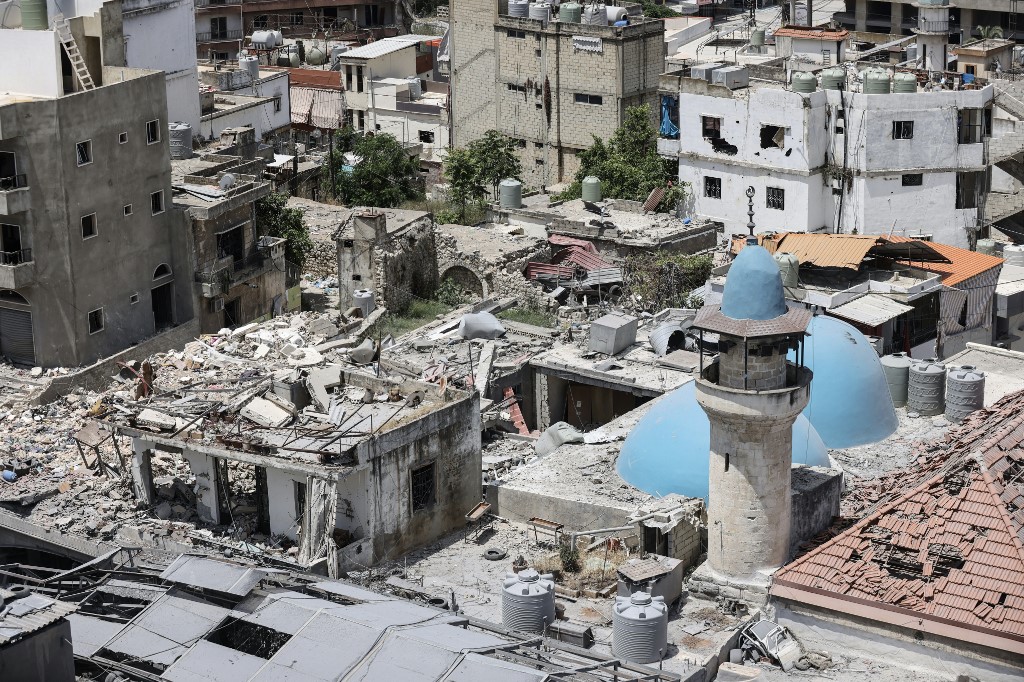
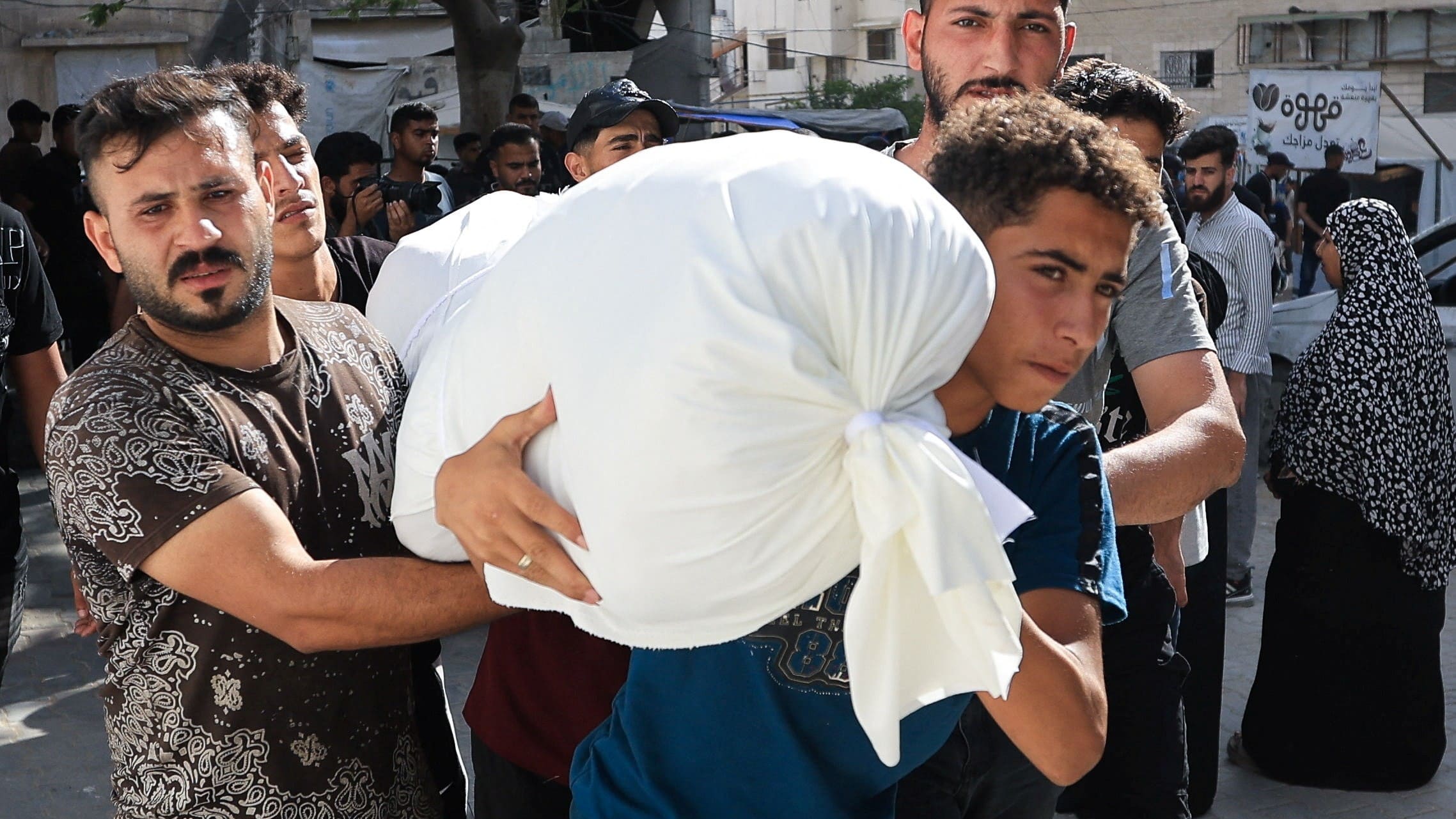
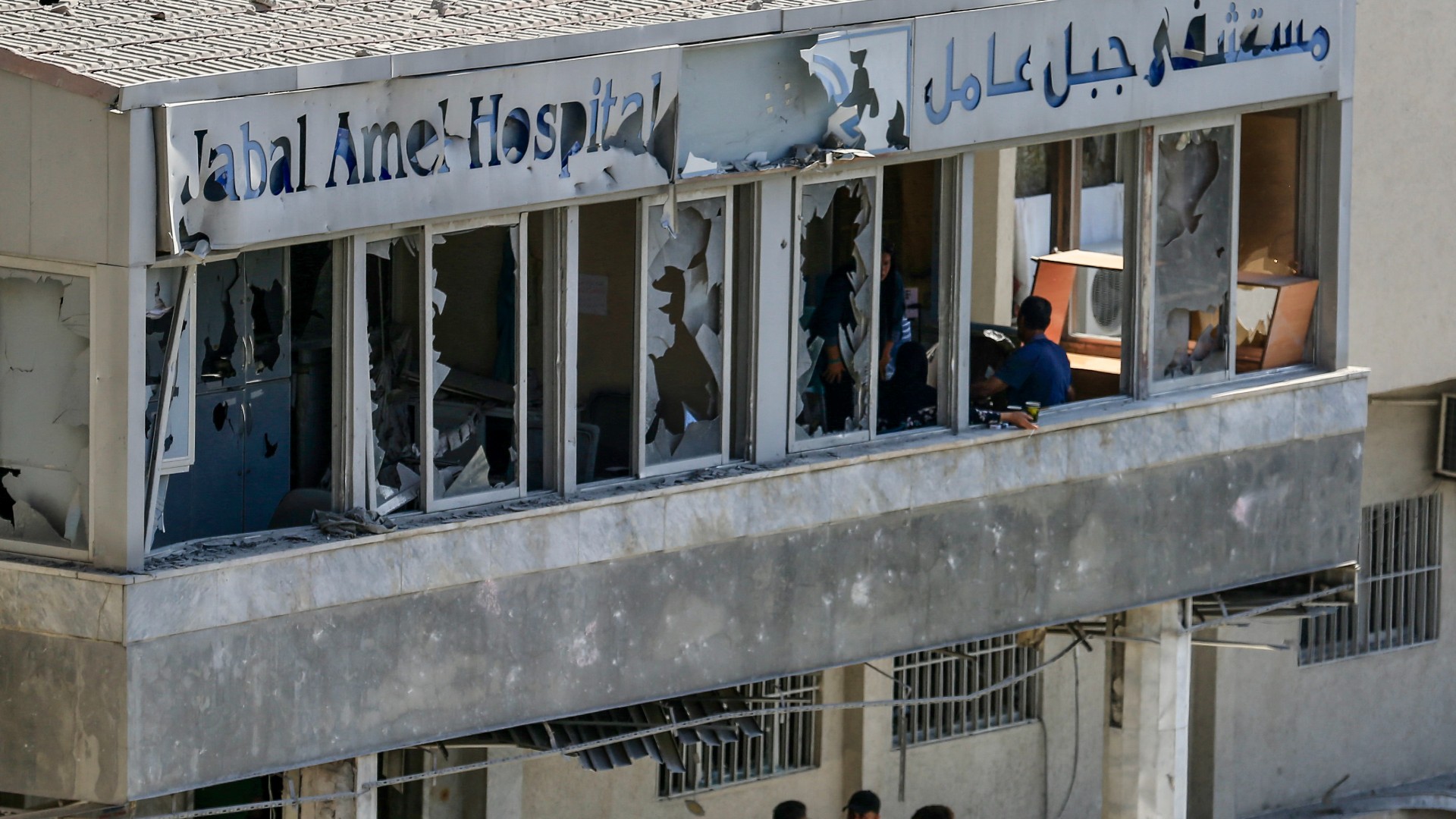
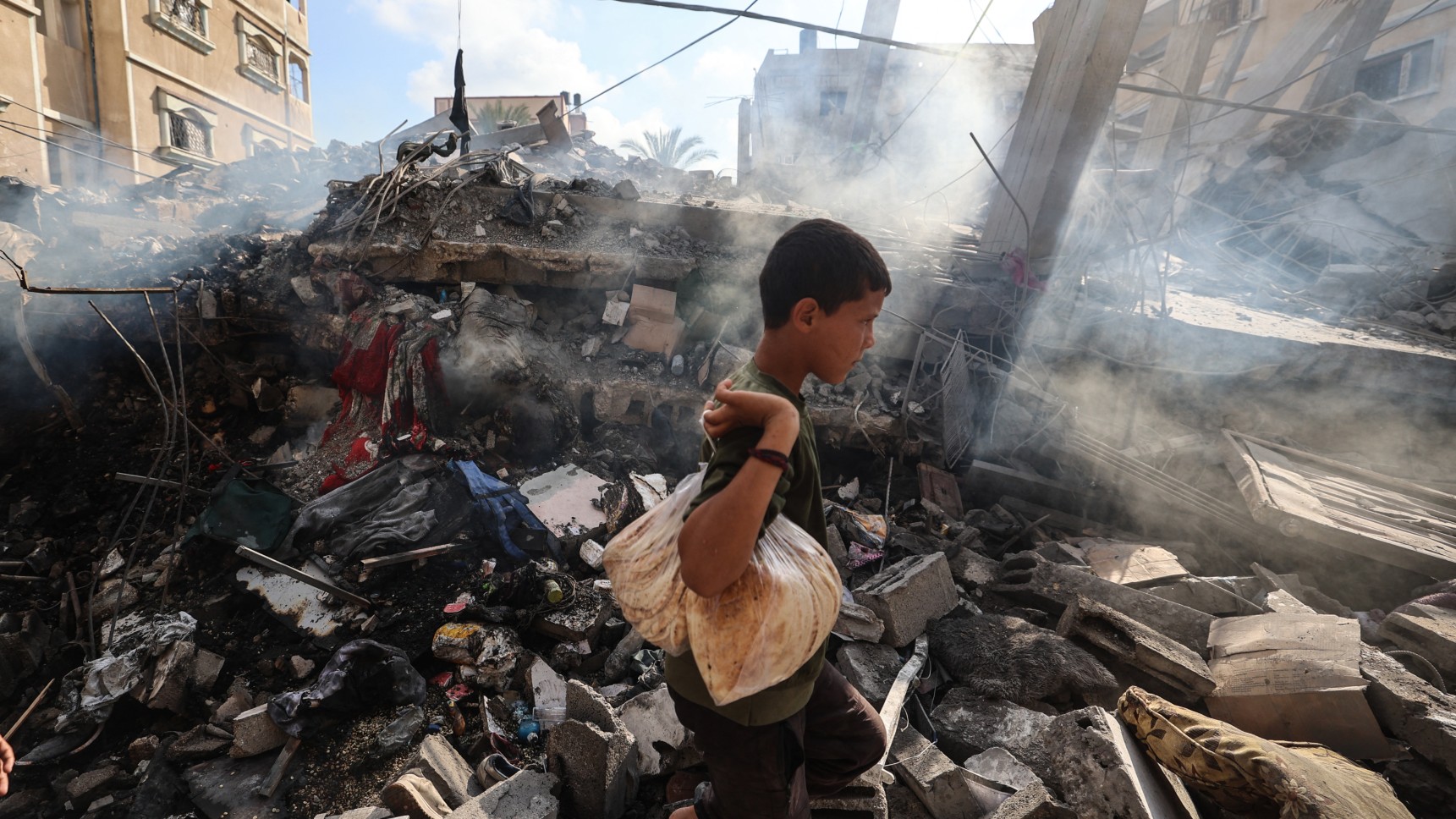
    Since Israel launched its military campaign in Gaza in October 2023, relentless bombardment has systematically targeted civilian infrastructure including residential neighborhoods, schools, hospitals, places of worship, and UN-run shelters. Gaza’s healthcare system is already on the edge of total collapse: doctors are forced to perform surgeries without proper equipment or medication, and disease is spreading rapidly in overcrowded displacement camps. Even in this crisis, Lazzarini confirmed that around 11,000 UNRWA staff remain on the ground in Gaza, delivering 20,000 primary healthcare consultations every day. To date, roughly 70,000 children have returned to in-person classes, and more than 250,000 access distance learning programs run by the agency.

    The roots of Israel’s campaign against UNRWA stretch back to the agency’s core mandate, Lazzarini explained. When Israel was admitted to the United Nations in 1949, its membership was conditional on recognizing UN General Assembly Resolution 194, which affirms the natural and legitimate right of Palestinian refugees to return to their homes and receive compensation for seized property. UNRWA is the only UN agency that formally recognizes Palestinian refugees and their descendants, so eliminating the agency is a deliberate attempt to erase this right to return — a core issue in any future final-status peace negotiations. Lazzarini pushed back against the narrative that dismantling UNRWA would revoke Palestinian refugee status, stressing that status is legally independent of the agency’s operations and will pass to future generations until a lasting political settlement is reached.

    Even with the extraordinary resilience of its on-the-ground staff, Lazzarini warned that UNRWA is fighting to stay operational, crippled by growing funding gaps and shrinking operational space. He specifically called out the 90 percent drop in contributions from Arab states since 2024, alongside the ongoing funding freezes from the U.S. and Sweden, once a top-five donor. “Have member states done enough? Obviously not enough to protect the agency,” he said. “Hence my alarm to the members of the General Assembly, telling them that if you do not pay more attention to UNRWA, the agency might not be viable anymore in the future. We cannot continue to navigate a constant chronic lack of resources and at the same time seeing also our operational space shrinking because of political considerations.”

    As global media and diplomatic attention has shifted to recent tensions between Israel and Iran, Lazzarini pointed out that Israel continues to block the entry of sufficient food and medical aid into Gaza. After the recent ceasefire agreement, aid groups expected 800 aid trucks to enter Gaza through the Rafah crossing every day, but Lazzarini said the actual volume is nowhere near that target. Aid organizations estimate a minimum of 600 trucks a day are needed to meet the basic needs of Gaza’s population, and even that low bar is rarely met: Israeli authorities often require trucks to carry only partial loads, further restricting the flow of supplies. Medecins Sans Frontieres (Doctors Without Borders) has been unable to bring any new supplies into Gaza this year, with critical shortages of chronic disease medication, surgical supplies, and essential medical equipment. “Since we cannot bring in new supplies or spare parts, malfunctioning equipment can force us to postpone or suspend surgeries, with serious consequences for patients,” explained Dr Randa Abu El-Khair Masoud, MSF’s project medical referent.

    Lazzarini also rejected Israeli claims that other UN agencies can easily replace UNRWA’s services, arguing that no other body has the mandate, capacity, or resources to deliver the full range of public services UNRWA provides. For example, UNICEF can support supplementary education programs, but it cannot run the entire primary and secondary education system for hundreds of thousands of Palestinian children across Gaza and the region. Lazzarini stressed that the only legitimate replacement for UNRWA is a fully functioning sovereign Palestinian state — exactly the original vision behind the agency’s creation 75 years ago.

    Over decades, UNRWA has educated generations of Palestinians, and Lazzarini said he regularly meets Palestinians who credit their UNRWA schooling for every achievement they have made. “Palestinians have had their land, their houses taken away from them. We have to redouble our effort to make sure that education remains an asset that we cannot take away from the Palestinians,” he said. He warned that the current crisis risks losing an entire generation of Palestinian children in Gaza if UNRWA cannot continue its work, and even across the wider region, ongoing erosion of the agency’s capacity will damage education quality and undermine long-term social cohesion for Palestinian communities.

  • UK deploys Rapid Sentry anti-drone air defence system to Kuwait

    UK deploys Rapid Sentry anti-drone air defence system to Kuwait

    Escalating its security commitment to a key Gulf ally amid rising regional instability, the United Kingdom has formally announced the deployment of its cutting-edge Rapid Sentry air defence system to Kuwait, a move designed to shield both British and Kuwaiti national interests following a pair of recent drone strikes on critical national infrastructure in the country.

    The security escalation comes after two successive drone attacks targeted high-value sites in Kuwait: an overnight assault on the Mina al-Ahmadi oil refinery that ignited blazes across multiple operational units, per Kuwaiti state media, followed by a second drone strike targeting a combined power and desalination plant early Friday.

    Located just 80 kilometers from Iran, Kuwait sits at the center of intensifying geopolitical friction that has roiled the Gulf region since the outbreak of the US-Israeli military campaign against Iran. Against this backdrop, the UK Ministry of Defense confirmed that Royal Air Force (RAF) personnel have brought Rapid Sentry, a modern short-range air defence platform purpose-built to neutralize hostile drone threats, to the Gulf emirate.

    Unlike electronic countermeasure systems that can fail to disable rogue drones, Rapid Sentry delivers a kinetic defensive option: it launches missiles with an 8-kilometer operational range, engineered to track and destroy small, fast-moving aerial targets that have become increasingly common in regional attacks. Air Commodore Paul Hamilton, commandant general of the RAF, outlined the system’s unique value just last month, noting that “Rapid Sentry gives us a credible kinetic safeguard when a drone cannot be defeated electronically.”

    UK Prime Minister Keir Starmer held an urgent phone consultation with Kuwait’s Crown Prince Sheikh Sabah Khalid al-Sabah on Friday morning to discuss the deployment and the recent attacks. A Downing Street spokesperson confirmed that Starmer issued a firm condemnation of “the reckless overnight drone attack on a Kuwaiti oil refinery” and reiterated the UK’s unwavering commitment to the region, saying “the UK stands with Kuwait and all our allies in the Gulf.”

    The deployment builds on a decades-long bilateral defence partnership between London and Kuwait, under which the RAF has already provided long-term training support to the Kuwait National Guard. This new security move aligns with ongoing RAF operations in the region that have focused on intercepting Iranian drones and missiles targeting Gulf Arab states since the start of the US-Israeli war on Iran.

    The heightened military coordination comes alongside parallel diplomatic efforts led by the UK to address a growing global energy chokehold. On Thursday, UK Foreign Secretary Yvette Cooper convened a gathering of representatives from more than 40 nations to coordinate a collective response to Iran’s effective closure of the Strait of Hormuz, a critical maritime chokepoint that carries roughly 20 percent of the world’s global oil supplies. Participants agreed to develop a coordinated strategy to pressure Iran to reopen the corridor.

    Following the meeting, Cooper made clear that Britain would “comprehensively reject” any unilateral attempt by Iran to impose transit fees on commercial vessels passing through the strait. She added that the international community could not allow Iran to “hold the global economy hostage” and confirmed that participating nations had discussed targeted new sanctions designed to pressure Tehran to reverse course. The UK is also currently supporting US operations to reopen the strait, with American bomber aircraft conducting strikes on Iranian targets from British military bases in the region.