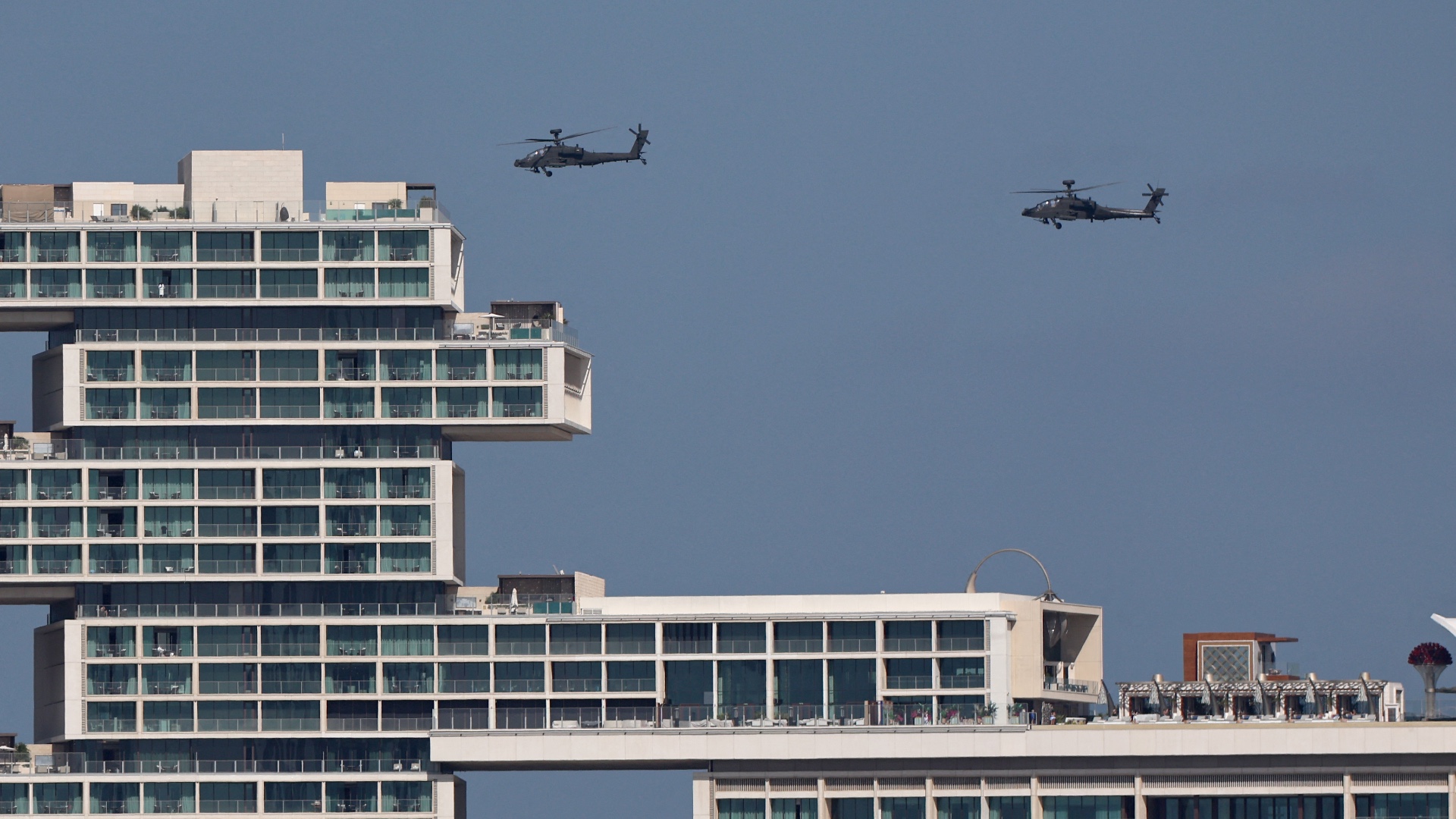
The ongoing US-Israeli military campaign against Iran has triggered an unprecedented existential crisis for Dubai’s world-famous hospitality and tourism industry, with top financial analysts forecasting a catastrophic collapse in hotel occupancy for the second quarter of this year, The Wall Street Journal reported Wednesday.
According to projections from New York-based credit rating and financial analysis firm Moody’s, Dubai’s overall hotel occupancy is on track to drop to just 10% by the end of the second quarter on June 30, down from a pre-conflict level of 80% recorded before the outbreak of hostilities on February 28. Moody’s called the collapse an “effective shutdown of large parts of the hospitality sector”, a core economic engine for the emirate that draws millions of international tourists and business travelers annually.
Official data from Dubai Airports released Monday underscores the severity of the downturn. Total passenger traffic for the first three months of 2026 fell by at least 2.5 million compared to the same period in 2025, with March alone seeing a 66% year-on-year drop. Fearing regional instability, international travelers have overwhelmingly canceled trips to the Gulf, cutting off the steady flow of visitors Dubai’s hospitality ecosystem relies on. The collapse in demand has already triggered widespread temporary and permanent hotel closures, mass layoffs for sector workers, and a rapid erosion of business confidence across the emirate.
In a bid to reverse the crisis, the United Arab Emirates announced Saturday that it would lift all air travel restrictions imposed after Iran launched retaliatory strikes against Gulf nations hosting or cooperating with U.S. military forces. However, the policy shift has yet to reverse the steep decline in visitor numbers or shore up investor confidence.
Middle East Eye interviews with hospitality workers and business leaders across the UAE earlier this week paint a grim picture of collapsing sentiment. Tatiana, a Russian entrepreneur who runs a business logistics firm supporting new enterprises setting up operations in the Gulf, described a sudden, dramatic shift in outlook among both existing and prospective businesses.
“Within the first two weeks, people decided it’s no longer worth living or doing business here,” she said. “They weren’t panicking, necessarily, but they just saw no upside to staying. Businesses began liquidating assets almost overnight.” Tatiana added that her own family is now relocating to Europe, joining a growing exodus of foreign investors and professionals from Dubai.
To attract what little demand remains, top luxury hotel brands across Dubai have slashed room rates far below typical seasonal levels, a striking shift for one of the world’s most expensive urban destinations for luxury travel. The newly opened Atlantis The Royal, which markets itself as “the most ultra-luxury experiential resort in the world”, is offering a standard sea-view suite with a private balcony, plus breakfast for two, for just $800 per night this upcoming weekend. Beachfront property Mandarin Oriental Jumeira lists a standard room for $448 per night including parking and breakfast, while Four Seasons Resort Jumeirah lists the same type of room for $359 per night. Downtown Dubai’s Four Seasons International Finance Centre offers rooms for as low as $243 per night. All of these rates are substantially lower than pricing for the same properties and same seasonal window in previous years, as properties compete for a drastically smaller pool of potential guests.