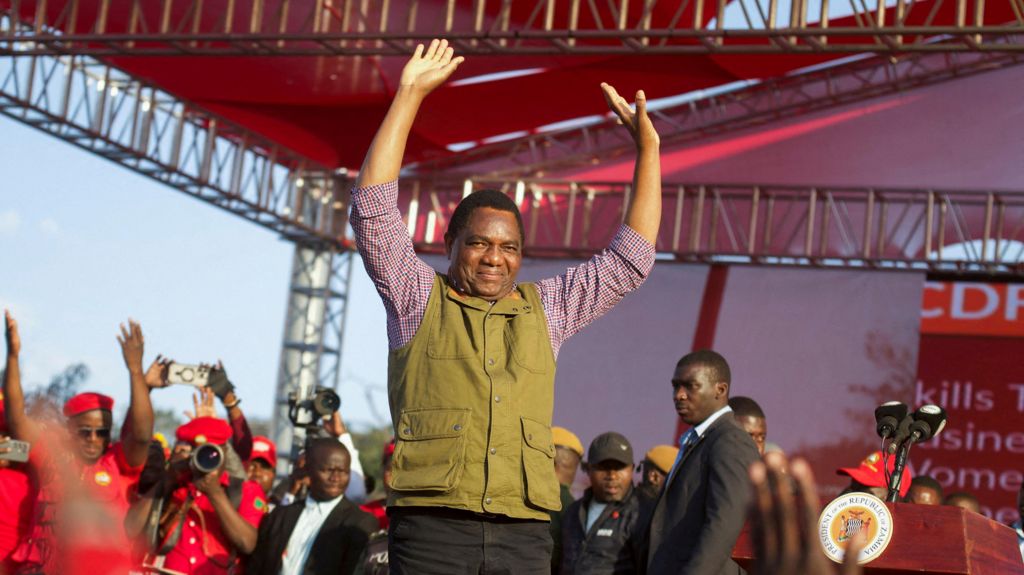
Zambia’s incumbent President Hakainde Hichilema has won a second consecutive five-year term in office, the country’s electoral commission officially announced Friday, after the 64-year-old incumbent captured an absolute majority of valid ballots cast in the nation’s general election. Final results put Hichilema’s vote share at 60%, a comfortable lead that secured him an outright first-round victory under Zambia’s electoral rules, which require candidates to win more than 50% of the vote to avoid a runoff. His closest competitor, opposition leader Brian Mundubile, finished with 38% of the vote, while the 12 other minor candidates on the ballot failed to gain any meaningful traction, trailing far behind the two front-runners. The outcome was widely predicted by pre-election and exit polling, but it capped off a bitterly contested campaign marred by pre- and post-voting tensions. Even before official results were released, 55-year-old Mundubile prematurely claimed victory and leveled unsubstantiated allegations of widespread voting irregularities, claiming discrepancies between local polling station tallies and the final official results, and alleging improper military influence at national vote-counting centers. In response to the opposition’s claims, the Zambian government accused Mundubile of plotting an armed insurrection, charges the opposition candidate has dismissed as a politically motivated fabrication. The fallout from the accusations led to the arrest of 11 people, including multiple senior opposition figures, deepening divides ahead of the result announcement. A day after polls closed, the electoral commission temporarily suspended vote counting and result publication, citing verified reports of violence targeting election workers and the theft of marked ballots in scattered constituencies across the country. The suspension was lifted within hours the same day, but international observers flagged the move as a threat to the process’ credibility. In his first public address after being officially declared the winner, Hichilema struck a unifying tone, acknowledging the widespread public trust that delivered his victory and highlighting Zambia’s longstanding commitment to democratic governance. “We are truly humbled by the trust you have placed in our hands,” he said, emphasizing that the election reaffirmed Zambia’s identity as a peaceful, rule-of-law democracy that resolves political differences at the ballot box rather than through extraconstitutional means. “To those citizens who preferred the ideas presented by our opponents, we hear you, and we will continue to work for you,” he added. Within minutes of the result being made public, hundreds of jubilant Hichilema supporters, clad in the signature red of his United Party for National Development (UPND), poured into the streets of Lusaka, Zambia’s capital, to celebrate the incumbent’s win. Zambia has a long and notable track record of peaceful democratic transitions dating back to the country’s return to multiparty democracy in 1991, with all presidential handovers over the past three decades occurring through legally certified electoral processes. As of the official result announcement, it remains unclear whether Mundubile and the opposition will formally challenge the outcome in court or through other political channels. Regional and international observer missions that monitored the vote largely praised election day as a mostly peaceful and orderly process, and called on all political actors to accept the official outcome and maintain calm. However, observer groups raised a series of concerns about structural flaws in the lead-up to the vote. Delegations flagged incomplete late electoral reforms, uneven media access that favored the incumbent, and ongoing threats to independent media freedom that skewed the playing field. The European Union’s election observation mission warned over the weekend that systemic restrictions on opposition campaigning throughout the pre-election period created an uneven electoral contest that undermined fairness, while the brief suspension of vote counting was singled out as a move that risked eroding public voter confidence in the integrity of the final results.
分类: politics
-
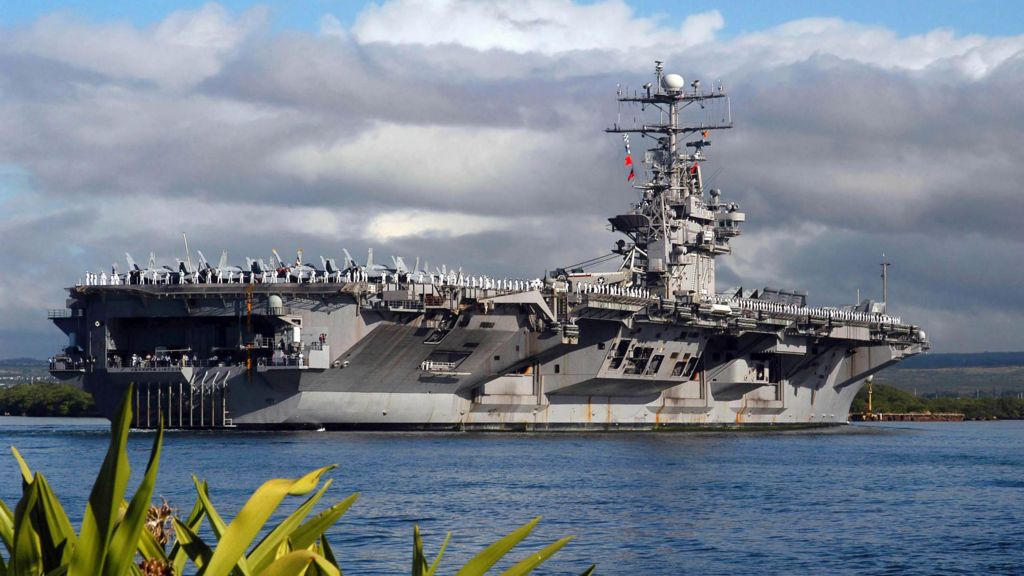
What it’s like to be on a warship like the USS Abraham Lincoln
For over eight months, the USS Abraham Lincoln, a nuclear-powered American aircraft carrier, has been deployed to the Middle East as part of ongoing United States military operations against Iran. What was supposed to be a standard rotational tour has stretched to more than twice the length of the 111-day deployment former Navy photographer Jonny Burnell completed aboard the USS Carl Vinson during the 2001 invasion of Afghanistan, sparking fierce debate over the crew’s living and mental health conditions.
Burnell, who had unique access across every section of his ship due to his documentation role, remembers watching crew morale deteriorate steadily over his three-and-a-half month tour. What began as eager enthusiasm faded into a pervasive, visible low mood that he still describes as the hardest part of his service. “There was one point where there was a visible kind of deadness in the shipmates’ eyes,” he recalled to the BBC. “I still think the hardest part of my job was watching the sadness in people’s faces every frickin’ day.” Today, watching the reports of the Lincoln’s extended deployment leaves him on the verge of tears, he says.
Recent reporting from two leading American military publications, Military Times and Stars & Stripes, has painted a grim picture of conditions aboard the Lincoln: crew members are contending with food shortages, failing plumbing systems, and extreme physical and mental exhaustion. Family members of deployed sailors have gone public with fears over rapid mental health decline, with reports that multiple crew members have even attempted to jump overboard to escape the conditions.
These accounts have been fiercely disputed by military officials and some veteran advocacy leaders. Retired Navy Lt Commander Steve Rogers, director of the non-profit Association of the United States Navy (AUSN), which supports active-duty service members, claims the media reports are “99% hype” and largely inaccurate. In his outreach to family members of Lincoln sailors, Rogers notes that familial anxiety during wartime deployment is normal, and says the crew is fully prepared for the challenges of their mission. He frames reported talks of suicide attempts as nothing more than offhand “locker room talk,” comparing it to casual complaints he heard during his own service.
Not all accounts align with Rogers’ dismissal, however. One anonymous relative of a Lincoln sailor told the BBC their family member has lost 29 kilograms (65 pounds) due to persistent exhaustion caused by constant noise and vibration from the ship’s operations.
When asked about the growing controversy during a press availability Friday, former President Donald Trump shrugged off the concerns, saying the Lincoln’s deployment was “not nearly long enough.” Two days later, Admiral Brad Cooper, head of U.S. Central Command, which oversees Middle East operations, released a more nuanced statement. He noted that of the 11 active aircraft carriers in the U.S. Navy fleet, the Lincoln currently reports one of the lowest rates of documented mental health incidents. Still, Cooper acknowledged that long-term sea duty is inherently challenging: “This doesn’t mean all is perfect. Service at sea for long periods isn’t for everyone. It is uniquely challenging and tough. Mental health is another aspect of individual health and requires our attention just like physical health and spiritual health.”
A three-day onboard visit by CNN reporters last month found no evidence of widespread catastrophic issues. While the outlet noted that several sailors reported food rationing and unintended weight loss over their months-long deployment, CNN reported food was plentiful at the time of their visit and hot showers were available, though minor issues including mold were observed.
From his own experience decades ago, Burnell says even shorter deployments bring brutal living conditions that are often hidden from the public. Many crew members assigned to below-deck duties go weeks or months without stepping onto the top deck to see the sky, he says. His own sleeping berth, nicknamed a “coffin rack” by troops, was too small to turn around in, and positioned directly against a wall through which aircraft arresting cables ran, leaving him exposed to non-stop noise from flight operations. He described the USS Carl Vinson as a “floating prison,” recalling one colleague who went to extreme lengths including drug dealing and organizing an underground rave to get removed from the ship.
The U.S. Navy has announced the USS George Washington will rotate in to relieve the Lincoln, with the replacement carrier expected to arrive in the Middle East within a week. But the George Washington carries its own well-documented history of mental health crises. In 2022, a series of suicides aboard the ship while it was docked in Virginia prompted a formal inspector general investigation. The 2023 investigative report concluded that the deaths stemmed from a combination of interconnected problems tied to poor living conditions, and found that senior Navy leadership had “let our standards slip — and in doing so we let our people down.”
Mental health experts who study military service say the conditions reported aboard the Lincoln align with decades of research showing prolonged sea deployment creates unique, severe stressors. Dr. Harold Kudler, former head of mental health policy for the U.S. Department of Veterans Affairs (VA), explains that the combination of social isolation, long stretches of unrelenting boredom punctuated by sudden periods of extreme alert, and uncertainty over mission goals and return timelines amplifies mental health struggles for all crew, regardless of rank.
“Especially in this kind of asynchronistic war that we’re seeing,” Kudler said. “You’re isolated. You don’t know exactly what’s going to happen. You’re not even sure what the mission is anymore. And you don’t know when you’re going to come home.”
This is not a new discovery: Kudler notes that U.S. military researchers identified these stressors as early as World War II, when officials produced a training film highlighting the “combat irritability” experienced by below-deck crew who never saw the enemy but still operated under constant stress. Years of VA research have confirmed that active-duty troops and veterans face a 50% higher risk of suicide than the general American population.
To address these challenges, Kudler says the military must work to make every crew member feel connected to the broader mission while also validating the monotony and stress of their daily work. While some ships organize recreational activities like singing contests and top-deck picnics to combat isolation, Kudler supports ongoing calls from congressional Democrats for a formal investigation into the Lincoln’s deployment to get to the bottom of the reported issues.
“The ship can only perform as well as its crew,” he noted. “Those 5,000 people comprise a community. Not just men and women under stress. It’s a community under stress. The capabilities of the ship fall off as the crew falls off. So if the reports that are being shared are true, one really has to worry.”
Rogers, for his part, argues that military media coverage has blown minor common issues out of proportion, damaging troop and family morale for no reason. He notes that all Navy ships deploy with chaplains and mental health counselors, and that service members are trained to cope with the normal stresses of long sea tours. “We’re all human beings. We all go through difficult times,” he said.
-
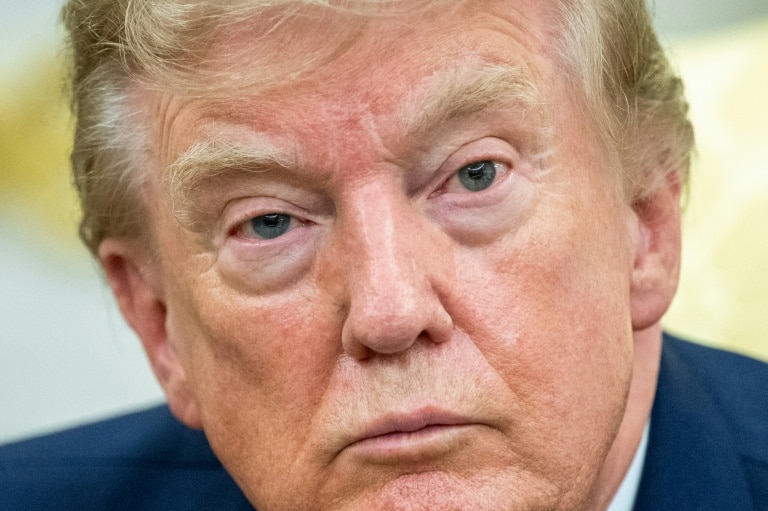
Trump threatens to bomb Oman if it gets in way of Iran deal
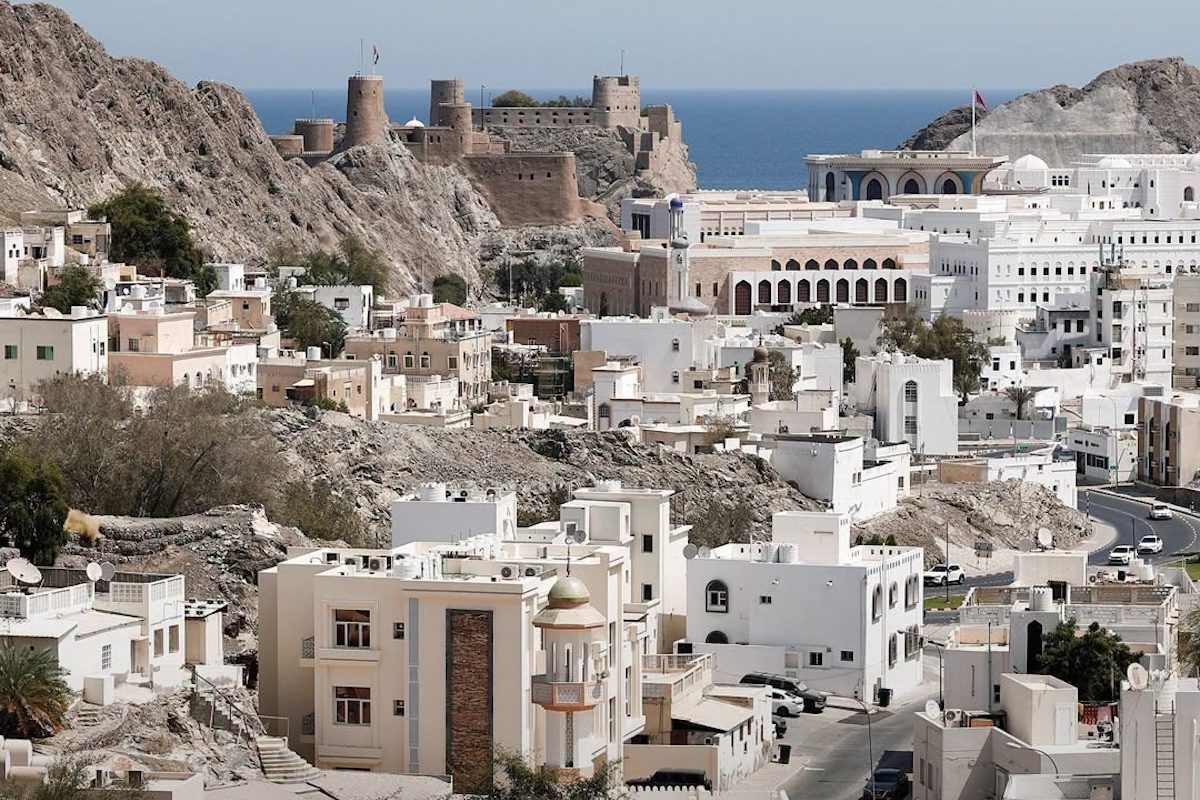
In a provocative new escalation of tensions surrounding the six-month-long conflict over the Strait of Hormuz, U.S. President Donald Trump issued an explicit threat Monday to bomb U.S. Gulf ally Oman if the nation interferes with ongoing American efforts to strike a new agreement with Iran over control of the critical global energy chokepoint. The threat, delivered during an interview with Fox News correspondent Trey Yingst, comes as growing political pressure mounts on Trump to end the military stalemate that has sent global fuel prices soaring and sparked widespread public opposition ahead of November’s critical U.S. midterm elections, where Republicans are fighting to retain control of Congress.
The narrow Strait of Hormuz, which connects major Persian Gulf oil and gas producers to global shipping markets, has been effectively closed to most commercial traffic by Iranian forces since the outbreak of conflict on February 28. The waterway, which carries roughly 20 percent of the world’s daily oil supplies, remains the core sticking point in the deadlocked standoff between Washington and Tehran. Iran controls the strait’s northern coastline, while Oman occupies its southern bank, and Muscat has been engaged in weeks of bilateral negotiations with Tehran to hammer out new navigation arrangements for the passage. As of Monday, Iran’s foreign ministry confirmed the two nations were finalizing a joint declaration outlining their proposed framework – a development that triggered Trump’s aggressive rhetoric.
“If Oman gets in the way, we’ll bomb the shit out of them,” Trump told Yingst, referencing the ongoing Omani-Iranian talks. As of Tuesday, Omani officials had not issued any public response to the U.S. president’s remarks. The negotiations between Muscat and Tehran follow the collapse of an earlier Pakistan-mediated interim deal between the U.S. and Iran designed to reopen the strait to commercial traffic. Renewed fighting over the waterway immediately derailed that agreement, spreading the conflict to other Gulf nations and disrupting commercial shipping routes across the entire Middle East.
In addition to threatening Oman, Trump repeated his demand that Iran surrender unconditionally to end the conflict, according to Yingst’s account of the interview posted to the social platform X. The president has repeatedly claimed the U.S. already controls the strait, despite public data showing commercial traffic through the passage remains severely restricted. Just days earlier, Trump sparked a sharp new retaliation from Tehran when he announced he would claim the entire Strait of Hormuz as U.S. territory, a move Iran dismissed by reaffirming the chokepoint “will remain Iranian.”
The conflict has emerged as a major political liability for Trump and congressional Republicans, with volatile fuel prices and broad public disapproval of the war dragging down poll numbers ahead of the midterm elections. Despite this pressure, Trump insisted Monday he is in no rush to finalize a new agreement, confirming that his administration maintains a direct back-channel communication link with leaders of Iran’s Revolutionary Guard. “They’re good poker players, but they’re dying,” Trump was quoted as saying of the Iranian leadership.
Tehran has leveraged its control of the strait to push back against U.S.-led efforts to destroy its military capacity and force the country to abandon its contested nuclear power program. Iran’s current demands include formal recognition of its right to control access to the waterway and collect transit fees from passing ships – terms the U.S. has repeatedly rejected outright. Parallel to Iran’s closure of Hormuz, Iran-aligned Houthi forces in Yemen have implemented a separate maritime blockade of Saudi Arabia’s Red Sea ports, the only alternative export route for the kingdom’s oil, amplifying the global supply crunch.
Trump’s aggressive new rhetoric comes as international allies continue to press for a diplomatic resolution to the crisis. Turkish President Recep Tayyip Erdogan spoke with Trump by phone Monday, according to Turkey’s state-run Anadolu News Agency, and stressed the urgent need to “fully utilize diplomacy” to de-escalate tensions between Washington and Tehran. Erdogan reaffirmed that Ankara would continue supporting all regional and international efforts to secure a peaceful negotiated settlement to the conflict. Major oil-importing nations have repeatedly warned that the ongoing closure of the strait risks long-term global energy market instability and widespread economic damage.
-
Trump threatens to ‘bomb the shit’ out of Oman in Hormuz dispute
In a startling public comment made during an interview with Fox News on Monday, former President Donald Trump issued an unprecedented violent threat against Oman, a longstanding U.S. ally in the Middle East, stating that his administration would launch devastating bombing strikes on the country if it obstructs Washington’s efforts to reach a deal with Iran to reopen the critical Strait of Hormuz. The strategic waterway has remained fully closed to most commercial shipping since Trump launched what the original reporting describes as an illegal military campaign against Iran in late February. The threat comes amid ongoing talks between Tehran and Muscat over a potential framework for joint oversight of the strait, a negotiation that has put Oman directly in the crosshairs of U.S. pressure.
When pressed by the Fox News interviewer about the bilateral Iran-Oman discussions, Trump responded bluntly: “if Oman gets in the way” of reopening the strait, “we’ll bomb the shit out of them.” This is not the first time Trump has targeted Oman over the strait dispute, as Trita Parsi, a senior analyst with the Quincy Institute for Responsible Statecraft, pointed out, noting the U.S. leader previously issued threats against the nation when it put forward compromise proposals for strait governance.
To date, the U.S. military’s large-scale military operations against Iran have failed to force the reopening of the strait, despite the depletion of massive U.S. munitions stockpiles. Military sources speaking to The Military Times confirmed that the U.S. has deployed nearly its entire inventory of Army Tactical Missile Systems (ATACMS) and Precision Strike Missiles (PrSM) in the campaign, with no breakthrough to show for the expenditure of firepower.
The ongoing closure of the strait, which accounts for roughly a fifth of global oil trade, has triggered fresh upward pressure on global energy prices. Shipping data compiled by maritime analytics firm Kpler, cited in a Monday Reuters report, shows that commercial traffic through the waterway came to a near-complete halt over the most recent weekend: only five commodity-carrying vessels transited the strait on Saturday, with no transits registered at all on Sunday. Before the start of Trump’s military campaign, an average of 130 vessels passed through the key chokepoint on a daily basis.
Market reactions have followed swiftly. During trading hours on Monday, Brent crude oil prices climbed above $89 per barrel, while data released by the American Automobile Association (AAA) shows that the average retail price of gasoline across the United States has now risen to $4.06 per gallon, up five cents from the $4.01 average recorded just one week prior.
Adding to regional tensions, the Wall Street Journal reported over the weekend that Iranian hardline leadership, which has seen the conflict unfold in its favor so far, has developed a confidential strategy to escalate hostilities. According to the report, Iran used a June ceasefire with the U.S. to rebuild its military capabilities and prepare for larger-scale offensive operations. Citing intelligence from Arab sources, the outlet noted that Tehran’s core strategic goal is to impose sufficiently high costs on the U.S. military to deter future large-scale attacks like the 12-day conflict Tehran endured last year and the ongoing current hostilities.
-
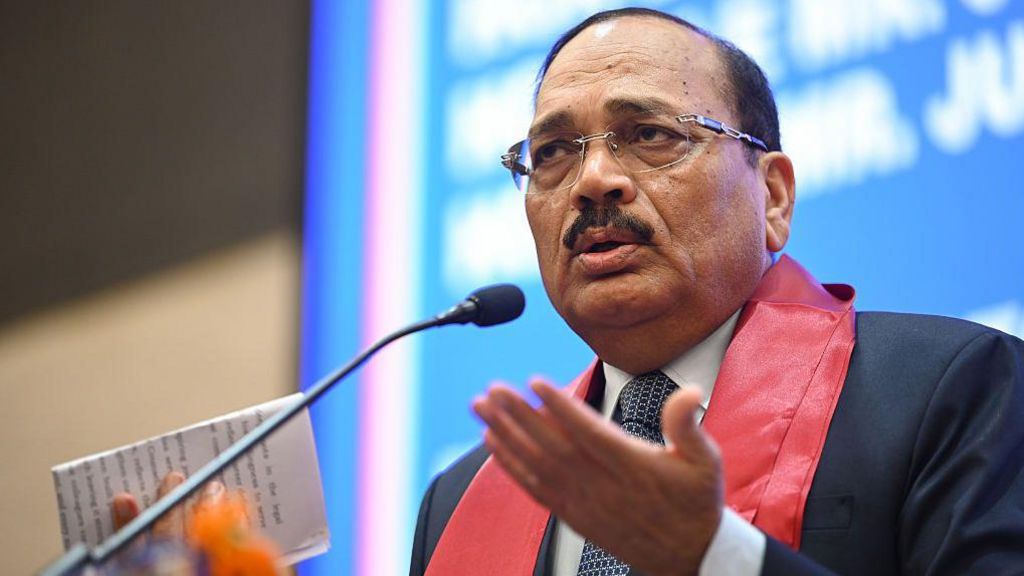
Why Indian law students don’t want top judge at their graduation ceremony
A simmering controversy surrounding India’s Chief Justice Surya Kant has boiled over into open protest, with students from two of the nation’s most elite legal institutions rejecting his planned appearance as convocation chief guest, following months of growing anger over his reported remarks about unemployed youth and a perceived dismissal of police brutality against student protesters.
The current standoff traces its roots back to May, when Indian legal outlet LiveLaw published remarks attributed to Kant that labeled certain unemployed young people as “cockroaches” and “parasites” who infiltrate media, social platforms, and activist circles to attack established institutions. Though Kant later clarified the comments were taken out of context, arguing he had only targeted individuals holding fake academic degrees, the damage to his standing among India’s youth was already done. The incendiary remark directly inspired the creation of the Cockroach Janta Party (CJP), a viral satirical online movement that has grown to millions of young supporters and organized weeks of mass protests in central Delhi demanding education reform and accountability for leaked government exam papers.
Tensions escalated dramatically on July 20, when a CJP-led parliamentary march was met with a harsh crackdown by Delhi police and paramilitary forces. Footage shared widely online showed security officials beating unarmed student protesters with batons and wooden sticks, and dispersing crowds with tear gas. In a historic first for crowd control in India’s capital, at least four protesters sustained pellet gun injuries, shocking the nation and drawing global media attention. The protests ultimately achieved a key victory when Education Minister Dharmendra Pradhan resigned on July 25, as the CJP had demanded he take moral responsibility for repeated exam paper leaks. However, fallout from the crackdown continues to roil the country’s legal and political spheres.
On July 22, a lawyer brought forward a petition requesting an urgent hearing into allegations of police excesses during the crackdown, sharing video evidence of brutality. Indian media reports claim Kant responded by saying “don’t waste our time” and rejecting the request to review the footage, stating “we don’t have time”. The comment drew immediate backlash from opposition parties, senior legal figures, and youth activists. The following day, outgoing final-year students at Hyderabad’s Nalsar University of Law, one of India’s top-ranked legal institutions, sent an official email to college administration urging them to revoke Kant’s invitation to serve as chief guest at their upcoming convocation. Traditionally, having the nation’s top jurist preside over a law school convocation is considered a high honor for aspiring lawyers, but students argued that accepting degrees from a figure dismissive of police brutality against protesters contradicts the values of justice they were taught during their studies. The demand quickly gained traction, earning support from roughly 450 of the university’s 1,400 total students, including many underclassmen.
Kant has repeatedly pushed back against media reports, clarifying he never rejected hearing the petition and only requested it be filed through proper legal channels. The Supreme Court has since begun hearing the case, which also includes concerns that police may misuse facial recognition technology to target and harass protest participants. But student anger persisted, and the controversy expanded last week after Manan Kumar Mishra, chairman of the Bar Council of India and a sitting Member of Parliament from the ruling Bharatiya Janata Party, issued a drastic threat: he announced that no graduating Nalsar student would be permitted to enroll with the Bar Council to practice law until further notice, and demanded the university turn over a list of students leading the campaign against Kant.
The threat triggered an immediate and widespread backlash, including an unprecedented rebuke from Chief Justice Kant himself, who stated that students hold a constitutional right to protest, and that the Bar Council had no authority to interfere in what he described as “a dialogue between law students and me”. Facing mounting pressure, Mishra backtracked within hours, announcing on social media platform X that the Bar Council would close all proceedings against the 2026 Nalsar graduating class, after concluding they had not participated in any disruptive activity. He later issued a public apology to students, writing, “If anything connected with the present controversy, any of my words, or letter, has hurt the feelings of our law students, I sincerely regret and apologise for the same.”
Mishra’s apology failed to calm tensions, however. Over the weekend, students and alumni from a second leading Indian law school, Bengaluru’s National Law School of India University (NLSIU), released an open letter condemning Mishra’s comments, announcing they would not accept him as a convocation guest, and expressing full solidarity with Nalsar’s demand to uninvite Chief Justice Kant. They added that they also opposed Kant’s planned appearance at their own convocation for the same reasons.
On Sunday, Kant issued a new clarification, telling The Times of India that he had never formally accepted the Nalsar convocation invitation, so “the question of me attending does not arise”. Even with this latest development, analysts widely agree the controversy is far from over. Student resentment over the chief justice’s reported comments has been building for months, and the ongoing protests at India’s most prestigious legal institutions highlight the deep divide between India’s youth and its established judicial and political leadership. The fallout from the CJP protests continues to reverberate across the country’s highest legal bodies and premier academic institutions, signaling that calls for reform and accountability from India’s younger generation are unlikely to fade.
-
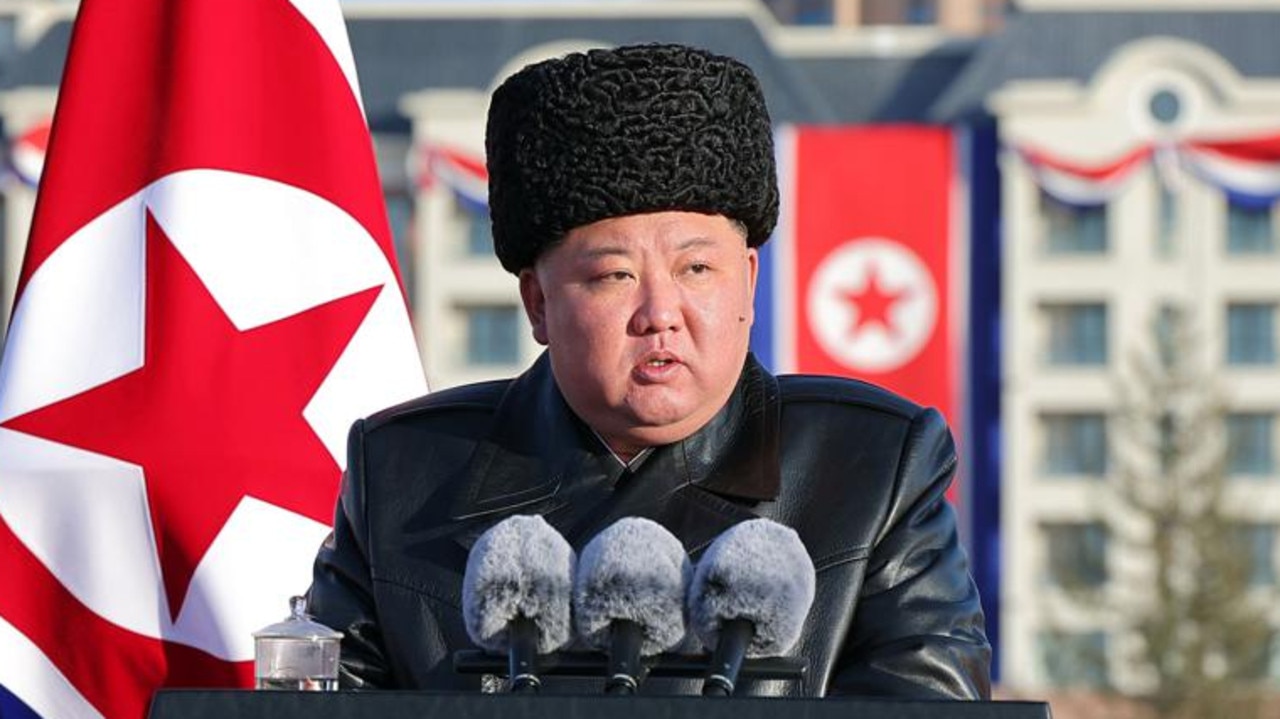
‘Very concerned’: Australia breaks with Donald Trump on North Korea
In a stark public divergence from former U.S. President Donald Trump’s foreign policy shift, Australia has publicly broken ranks over the decision to scale back joint U.S.-South Korea military exercises, a move Trump justified by pointing to his self-described “very good relationship” with North Korean leader Kim Jong-un.
Trump announced the U.S. defence adjustment in an overnight social media post, arguing that the long-running drills impose significant financial costs disproportionately borne by Washington and that they send an unnecessarily hostile diplomatic signal to Pyongyang. Beyond the North Korea policy shift, the former U.S. leader also criticized South Korea for failing to align with American efforts to push for denuclearization in Iran.
While Australian Defence Minister Richard Marles emphasized that Washington’s policy choices are a sovereign matter for the United States to decide, he made clear that Canberra holds a sharply different perspective on the threat posed by North Korea’s weapons programs. Speaking at a joint press conference alongside visiting Japanese Defence Minister Koizumi Shinjiro in Canberra, Marles reaffirmed that Australia remains “very concerned” about both North Korea’s nuclear and ballistic missile programs. He noted that Pyongyang continues to conduct frequent missile tests, a point underscored by his visit to Tokyo shortly after a major North Korean weapons test in 2024, and described North Korea as a major source of regional strategic instability. Marles also emphasized South Korea’s critical role in regional security, highlighting its shared strategic alignment with Australia and Japan through their trilateral defence cooperation framework.
The press conference marked a key milestone in rapidly expanding Australia-Japan defence and security cooperation, with Shinjiro announcing plans for Japanese forces to test hypersonic missiles at Australian Defence Force firing ranges. Shinjiro framed the joint testing initiative as a transformative development for the bilateral defence relationship, ranking it second only to Japan’s long-standing defence partnership with the United States. He added that Tokyo is eager to accelerate negotiations to finalize the testing arrangement, a move Marles said Canberra welcomes with enthusiasm.
Leaders also highlighted the success of an existing joint defence technology project: the Boobook high-energy laser program, developed through collaboration between Australia’s Defence Science and Technology Group and Japan’s Mitsubishi Electric Corporation. Based in South Australia, the Boobook system is designed to intercept and destroy fast-moving enemy drones at a far lower cost than using traditional air-defence missiles, filling a critical capability gap for modern military forces. Australian Defence Industry Minister Pat Conroy said the project demonstrates the value of the deepening industrial defence partnership between the two countries, creating practical cutting-edge capabilities for the Australian Defence Force while opening new economic and strategic opportunities for both nations.
During his remarks, Shinjiro described Australia as a “quasi-ally” — a close security partner bound by shared strategic goals, but without a formal mutual defence treaty requiring automatic intervention in the event of an attack. He stressed that deepening bilateral defence collaboration is critical to upholding peace and stability across the Indo-Pacific region, a priority that both nations have committed to advancing together. This commitment aligns with a pledge made earlier in May by Australian Prime Minister Anthony Albanese and Japanese Prime Minister Sanae Takaichi to expand bilateral defence and security cooperation.
Despite the rapid warming of defence ties, significant constitutional constraints limit how far Japan can expand its security commitments. Under current Japanese law, the country’s Self-Defence Force can only be activated in response to a clear and present danger to Japanese territory, with limited authority to support allied forces outside of that narrow framework. While Takaichi has shown incremental flexibility by approving limited intelligence deployments to the Middle East, Bryce Wakefield, chief executive of the Australian Institute of International Affairs, cautioned against overstating the pace of constitutional change. He noted that even when pressed by Trump on security cooperation in the Strait of Hormuz, Takaichi explicitly referenced Japan’s existing legal and constitutional limits on military action, indicating that long-standing constraints on Japanese security policy remain firmly in place.
-
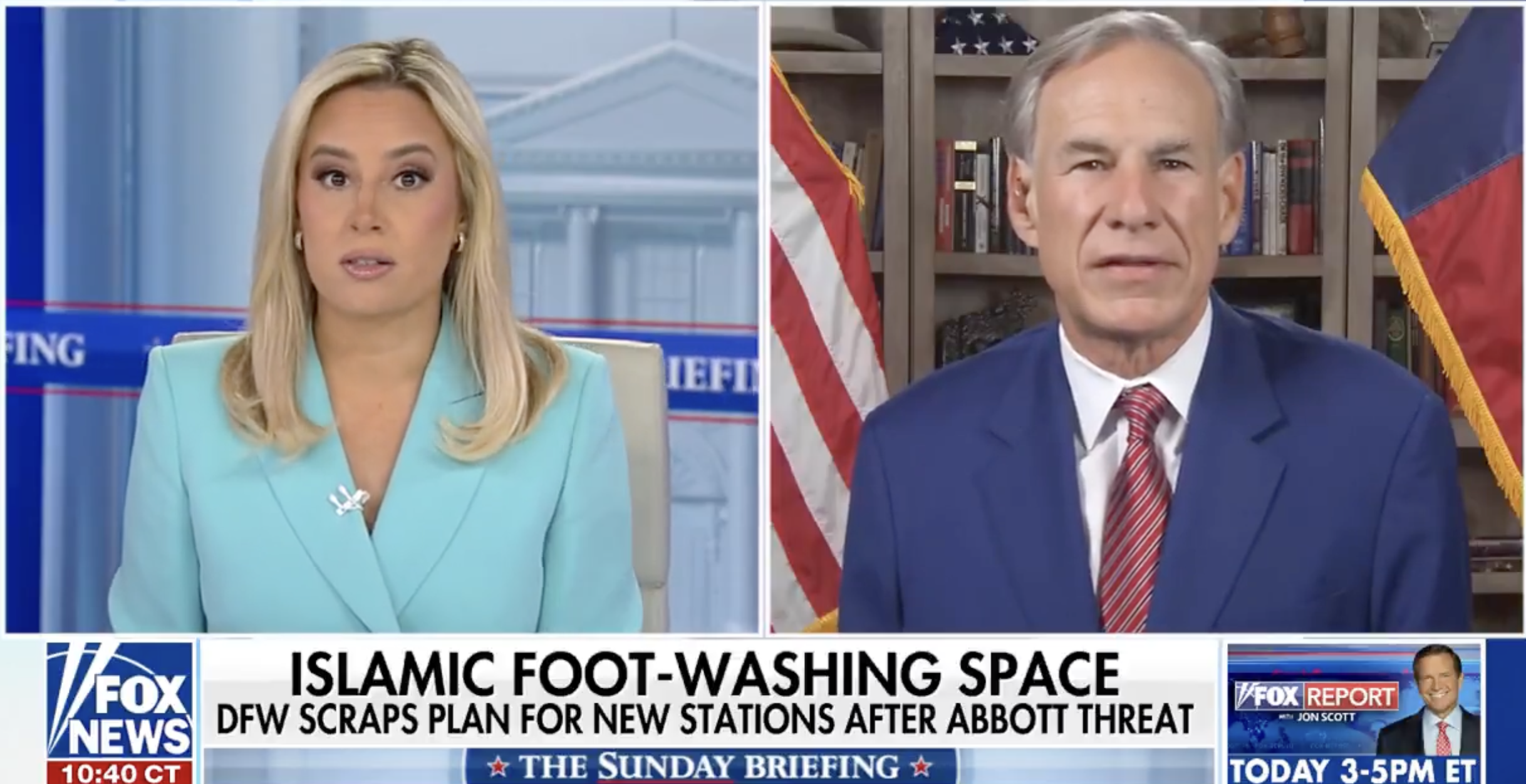
‘Political stunt’: Cair slams Texas governor for threatening airports that install ablution stations for Muslims
A high-stakes clash over religious accommodation and freedom has erupted in Texas after Governor Greg Abbott’s aggressive threats of state funding cuts forced Dallas-Fort Worth (DFW) International Airport to scrap plans for a new public ablution station for Muslim travelers, drawing sharp condemnation from the nation’s largest Muslim civil rights organization.
The Council on American-Islamic Relations (CAIR), which Abbott designated a terrorist organization last year—a label the group has legally challenged—denounced the governor’s actions as both absurd and hypocritical in a series of posts on X Monday. In the organization’s view, the manufactured controversy over the modest ritual washing facility stands as the most baffling example of a year-long pattern of anti-Muslim political posturing from Abbott.
The canceled project was intended to add an ablution station—low faucets and seating designed to let practicing Muslims wash their feet before daily prayers—in the pre-security public area of DFW’s international terminal. This area of U.S. airports is managed by state and local authorities, while post-security passenger-only zones fall under federal oversight. Notably, an identical ablution station already exists beyond security checkpoints at the same terminal, making the new plan merely an expansion of existing access for travelers.
Abbott, a hardline Republican, launched his attack on the project last week, issuing formal letters threatening to revoke all existing state grants and block future funding for any airport that moves forward with similar religious accommodation projects. He claimed the facility amounted to illegal religious discrimination, arguing that it singles out Muslim people for special treatment that is not offered to other faith groups. In a separate letter addressed to U.S. Transportation Secretary Sean Duffy and Attorney General Todd Blanche, Abbott called on the Trump administration to launch a full review of all existing Muslim accommodations at both DFW and Houston-area airports.
CAIR countered Abbott’s claims by highlighting what it calls the governor’s own unconstitutional religious overreach: he is currently pushing policies to force Texas K-12 public schools to require the display of the Ten Commandments in every classroom and mandate instruction of a state-aligned version of the Bible. Unlike those policies, which CAIR argues favor Christianity over other faiths, the proposed ablution station was open to all travelers regardless of religion, and fully compliant with existing laws. Similar facilities are already in operation at airports across the country, the group added.
The organization also called out Abbott’s long-standing targeting of CAIR, reporting that the governor regularly relies on anti-Muslim think tanks to draft proposals targeting the group. Instead of expending public resources on what CAIR calls an anti-Muslim political stunt, the organization urged Abbott to address what it frames as Texas’s far more pressing unaddressed issues: unregulated data center development, persistent school gun violence, growing economic inequality, and the ongoing erosion of religious freedom for all.
Dallas is home to one of the largest Muslim-American communities in the United States, and like most major U.S. airports, DFW already hosts interfaith quiet spaces for prayer and meditation. Even so, the announcement of the new ablution station sparked immediate outrage from right-wing media and conservative activist groups last week.
Prominent Dallas-based imam Yasir Qadhi publicly called on Abbott to reverse his position over the weekend, arguing that Muslim travelers are not seeking special endorsement of their faith, only equal access to practice their beliefs while participating in public life—a core founding principle of the United States. “As Texans, we all benefit when our public institutions are welcoming to everyone,” Qadhi wrote in a Facebook post Saturday. “Protecting the religious liberty of one community strengthens the religious liberty of every community.”
The controversy quickly drew national political attention: former President Donald Trump shared a news story about the project’s cancellation on his Truth Social platform Saturday, though he offered no additional commentary. Anti-Muslim commentator Laura Loomer responded to Trump’s post by urging the former president to resume the harsh anti-Muslim policies he implemented during his first term, writing that she prays daily for Trump to take aggressive action against Muslim communities.
CAIR closed its Monday statement by reiterating that the ablution station was a small, legal accessibility measure that aligns with long-standing norms of public accommodation for people of all faiths, and called on Texas leaders to prioritize inclusive policy over divisive political gain.
-
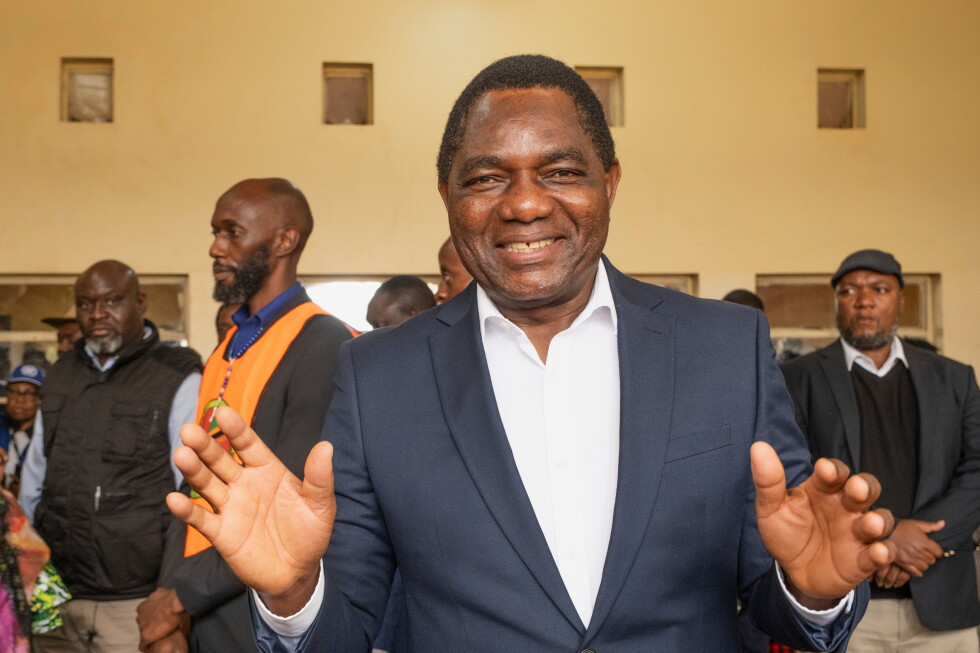
Zambia President Hichilema has been reelected for a second term
In the early hours of Tuesday, Zambia’s Electoral Commission confirmed a decisive outcome for the Southern African nation’s presidential contest, confirming incumbent leader Hakainde Hichilema has won a second five-year term in a landslide victory. Hichilema secured an outright majority in last Thursday’s election, eliminating the need for a runoff, after capturing 61.4 percent of the more than 5 million ballots cast across the copper-rich country.
Per official commission results, Hichilema amassed 2,965,326 votes, while his closest challenger, opposition leader Brian Mundubile, trailed with 1,856,217 votes. Commission chairperson Mwangala Zaloumis formalized the outcome in a public declaration: “I therefore declare, Hichilema Hakainde S, to be president-elect of the Republic of Zambia this 18th day of August, 2026.”
The result comes after a turbulent electoral process that captured global attention. Just one day after voting concluded on Thursday, vote counting was abruptly suspended after the commission reported targeted attacks on polling station officials and theft of a number of ballots. Counting resumed several hours later following a deployment of additional security forces across affected sites.
In the wake of voting, the Zambian government confirmed that several top opposition figures had been taken into custody on election night, with police alleging the figures posed an actionable threat to national security. Mundubile, the main opposition candidate, alleged that police raided his private residence in what he described as an attempt on his life.
Thursday’s vote was widely framed as a public referendum on Hichilema’s economic recovery agenda. When Hichilema first won office in 2021, Zambia was mired in a crippling sovereign debt crisis that first emerged in 2020. During his first term, the incumbent oversaw a successful restructuring of the nation’s $14.5 billion external debt, brought runaway inflation under control, and stabilized the national kwacha after years of volatile devaluation.
International observer missions, including a delegation from the European Union, have assessed that the voting process itself was largely peaceful, but raised sharp concerns about structural inequities that marred the broader lead-up to the election. “Late legal changes, legal uncertainty, and unequal campaign conditions distorted the playing field,” explained Michael McNamara, chief of the EU observation mission, noting that the operating environment placed meaningful limits on fundamental democratic freedoms.
Domestic institutional critics have also raised alarm over security measures during the counting period. The Zambia Conference of Catholic Bishops issued a formal pastoral statement pushing back on the deployment of the Zambian Army to oversee vote counting, arguing that constitutional and statutory law assigns exclusive responsibility for maintaining election order to the Zambia Police Service.
The result paves the way for a second term of Hichilema’s market-friendly reform agenda, which has drawn close attention from global powers including the United States and China, both of which hold significant economic and diplomatic interests in Zambia’s key copper mining sector.
-
Veterans Minister admits he ‘got it wrong’ after veterans snubbed
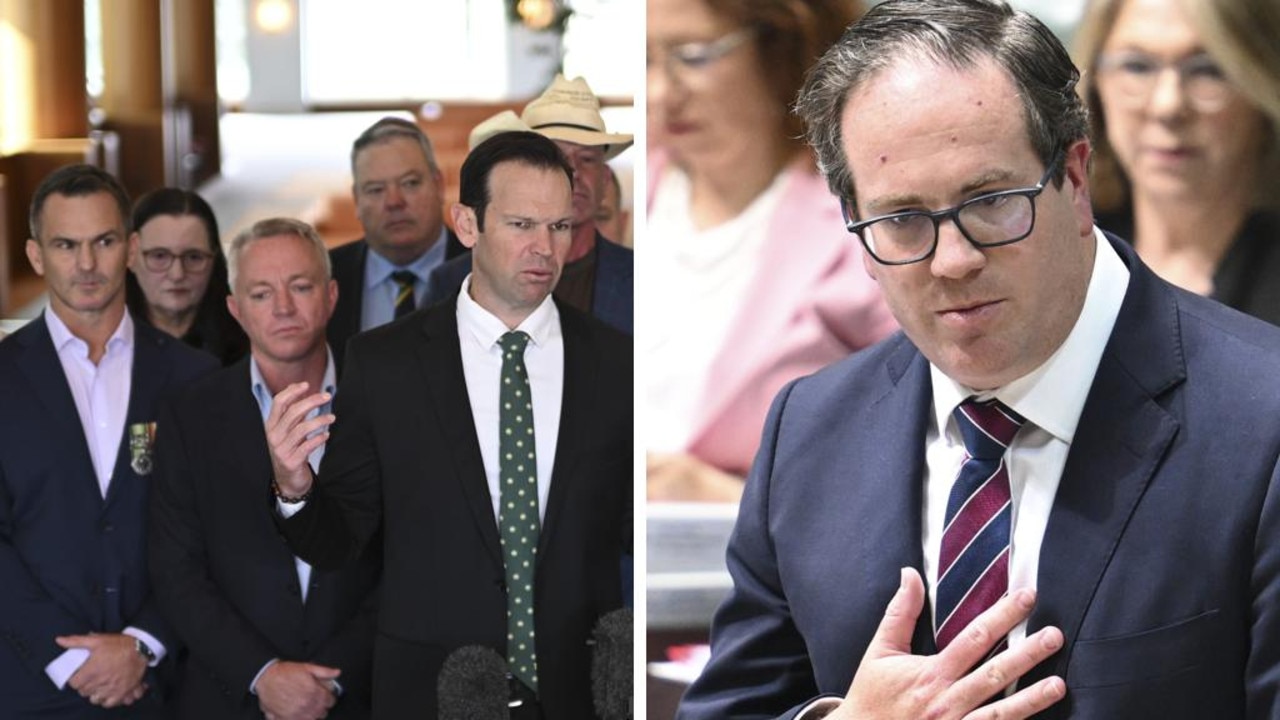
A political firestorm has erupted in Australian politics after Veterans Affairs Minister Matt Keogh publicly acknowledged he made a critical error when he initially turned down a meeting with a group of veteran advocates pushing for the scrapping of a controversial new annual $5,000 cap on allied health services for former service members. The Coalition of Veterans’ Voices, which travelled to Canberra to press their case, had requested a meeting with both Keogh and Prime Minister Anthony Albanese, and last week, Keogh’s office informed the group the minister had no availability to meet with them on the scheduled Monday. Following public backlash, Keogh reversed his decision and held a closed-door discussion with the delegation later the same day. On Tuesday, the minister took responsibility for the misstep in a public statement. “I got it wrong in not agreeing to meet with them last week when that initial request came in,” Keogh told reporters. “I own that, and I met with them and I heard their concerns last night.” Keogh also pushed back against accusations from the group that he had displayed disrespect during parliamentary question time the previous day, where he avoided acknowledging their presence in the public gallery and did not greet them with handshakes ahead of the meeting. Looking directly toward the veterans’ seating area in the gallery, Keogh thanked the group for their willingness to sit down with him. “When he came into that room and I met with them and I was sitting down, I said ‘relax and I want to hear what you have to tell,” Keogh said, denying claims he acted with dismissiveness. “I shook hands with those people who attended that meeting as we finished that.” Keogh added that he valued the input the delegates shared, drawing on their unique lived experiences as both veterans and people navigating the veteran health system. “I am grateful for the information that they imparted to me, given the diverse range of experience that they had, both medically and as veterans,” he said. “I, of course, take all of that feedback on-board as we will take on the feedback as part of our consultation process.” The minister emphasized that the Albanese government’s core goal remains eliminating gaps in veteran care coverage. “I said to them (the group) last night, and I’ve said with every veteran group that I’ve met with after this announcement, it has always been the government’s intention to make sure there is no gap in services,” he explained. Keogh also pushed back against widespread criticism of the cap, which is set to take effect in July 2027, noting that only a small share of veterans would hit the annual spending limit, and that a government discussion paper outlining the policy would be released shortly. The government has framed the cap as a measure to reduce unnecessary spending on non-essential services. The policy itself has drawn fierce condemnation from the opposition, with senior conservative politicians joining the delegation in Canberra this week to amplify their demands. Nationals leader Matt Canavan ripped into Keogh’s initial refusal to meet, describing his conduct as a display of unearned arrogance rather than the respect veterans are owed. Canavan called on Prime Minister Albanese to step in and meet with the delegation directly. “Respect should be shown to our nation’s veterans,” Canavan said, speaking alongside members of the group. “Given the inadequacy of what you’ve heard from our veterans and their lack of trust and competency in the Veterans Affairs Minister, I think the least the Prime Minister could do is meet with them.” Nationals Senator Susan McDonald described the cap as a cruel policy that was never recommended by the Royal Commission into Defence and Veterans’ Suicide, and said the prime minister should apologize for advancing the measure. “This is a tidal wave of outrage because these people did not vote for a government to be cruel to the people we rely on,” McDonald said. Former Deputy Prime Minister Michael McCormack joined the criticism, labeling the cap insidious, unnecessary, and harmful, and echoed calls for Albanese to scrap the policy and meet with the delegates on the spot. “He could do that today on Long Tan Day, on Vietnam Veterans Day, and it would be wholly appropriate,” McCormack said. “So, it’s up to the Prime Minister to do the right thing, not just for these veterans, not just to all veterans, but to our nation, because our nation deserves it. These veterans deserve nothing less.” The delegation has confirmed that they have not yet submitted a formal written request for a meeting with Albanese, but Canavan said that the demand is now public, and the group is ready to arrange a meeting at the prime minister’s convenience. “Well, he’s going to hear it now,” Canavan said when asked if the prime minister was aware of the request. “So, he can respond. He can get on to me, anyone else, and we’ll arrange it.” Keogh defended the government’s broader record on veteran health care, noting that the administration has nearly trialled a $170 million investment to raise reimbursement rates for allied health providers, the largest such increase in two decades. He argued that this change will actually expand access to care by addressing longstanding complaints from providers that low fee rates were leading many to stop accepting veteran patients altogether. “We have been hearing for a very long time that providers have been cutting back on providing these services or threatening to cut back on these services because of the fees paid to them, and so we have committed nearly $170m to make the biggest increase in fees being paid to allied health service providers in 20 years,” Keogh said. Delegation members have pushed back on Keogh’s account, describing his initial response as dismissive and brusque, with one member noting that the eventual handshake after their meeting was only extended as a matter of basic courtesy.
-
Trump’s slight of South Korea in favor of the North raises broader US security concerns
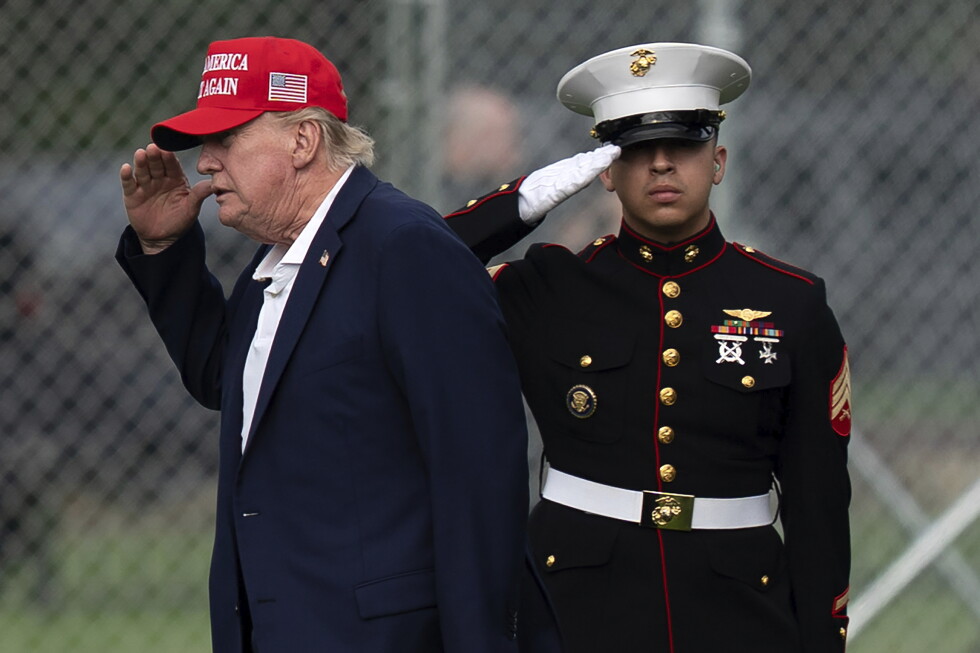
In a move that has sent shockwaves through Washington and diplomatic circles across the Indo-Pacific, U.S. President Donald Trump has ordered a reduction in the scope of the annual Ulchi Freedom Shield joint military exercises with South Korea, a longstanding core security cooperation initiative designed to deter North Korean aggression. The decision, announced days before the 11-day drills were set to kick off as scheduled Monday, has not only strained ties with a key regional ally but also opened up a new debate about the future of American security commitments across Asia and beyond.
Trump justified the pullback by pointing to two specific factors: South Korea’s refusal to back the U.S. in potential military conflict against Iran, and his claimed positive personal rapport with North Korean leader Kim Jong Un, who has long opposed the joint exercises. The approach underscores the transactional, personality-driven foreign policy that has defined Trump’s presidency, where personal relationships often take priority over longstanding alliance frameworks.
The move has drawn fierce condemnation from foreign policy experts across both Republican and Democratic administrations, who warn it carries far-reaching negative consequences for U.S. regional interests. Dan Fried, a former assistant secretary of state for European affairs under George W. Bush and currently a fellow at the Atlantic Council, argued the decision serves no identifiable American strategic goal. “On all levels it makes no sense,” Fried said. “It undermines the South Koreans, undermines the Japanese, frightens the Taiwanese, unnerves NATO and emboldens the Chinese, not to mention the North Koreans.”
Danny Russel, who served as assistant secretary of state for East Asia and the Pacific during the Obama administration and now works as a scholar at the Asia Society Policy Institute in New York, called the choice to align with North Korea’s demands one of the most damaging possible moves for U.S. interests. “It is tragically upside-down. Trump is punishing an ally while encouraging an adversary,” Russel explained. “He is protecting Kim Jong Un’s sensitive feelings from an unfriendly signal at the expense of U.S.-South Korean security.”
Details of which components of the exercise will be cut remain undisclosed, but the announcement has already left South Korean leadership and security analysts confused. For decades, South Korea has counted on the U.S. security alliance as its primary bulwark against North Korea’s advancing nuclear and ballistic missile program, making national security cooperation a non-negotiable priority for Seoul. The decision also drew immediate pushback from leading congressional Democrats, with House Foreign Affairs Committee top member Rep. Greg Meeks of New York saying, “Treating one of America’s closest allies like an adversary weakens our alliances and benefits China and North Korea.”
Trump doubled down on his decision the following Monday, taking to social media to post a photo of Kim Jong Un with the playful caption: “HEY DONALD … WE COOL, RIGHT?”
Retired U.S. Ambassador Robert Wood, who has served across multiple Republican and Democratic administrations, emphasized that the regular joint drills are a critical deterrent against North Korea, which has refused to engage in nuclear denuclearization talks and has ramped up weapons testing in recent months. Beyond deterrence, Wood warned the cutback could push Seoul toward pursuing an independent nuclear capability: “We also don’t want South Korea to draw the conclusion that a nuclear weapons capability is the only guarantee it has to ensure its security.”
That concern is echoed by Matthew Kroenig, a former defense and intelligence official who now works at the Atlantic Council. Kroenig noted that public opinion polling in South Korea already shows growing support for the country developing its own nuclear arsenal. For decades, the U.S. has worked to reassure South Korea that it is fully protected under the American nuclear umbrella, and scaling back the exercises “potentially undermines that message,” Kroenig said.
Notably, Trump’s reversal of course on the drills comes even after South Korea’s new President Lee Jae Myung made extensive efforts to court the American leader to advance bilateral trade and defense priorities. During a 2024 Oval Office meeting, Lee openly flattered Trump, echoing the U.S. president’s claim that Kim Jong Un would not have pursued nuclear expansion if Trump had won a second term in 2020, and even floated the possibility of a future Trump Tower development in North Korea. The shift also came just hours after Trump appeared to express sympathy for Lee’s ousted predecessor Yoon Suk Yeol, who was removed from office after imposing martial law in December 2024.
Charles Kupchan, a senior fellow at the Council on Foreign Relations who previously served on the National Security Council under Bill Clinton and Barack Obama, said the decision is likely to prompt long-time U.S. allies to begin planning for a future without consistent American security backing. “They are hoping that the American umbrella is there for the future, but they have to at least contemplate the idea that Uncle Sam won’t be there for them,” Kupchan explained.
Kupchan acknowledged that Trump is not wrong to push allies like South Korea and European NATO members to take on greater responsibility for their own defense spending, but argued the president’s erratic, confrontational approach erodes the core solidarity that underpins the post-WWII alliance system “because he ends up insulting allies.”
Fried echoed that critique, noting that Trump has already successfully pressured NATO members and Asian allies to increase their defense budgets, yet appears unwilling to accept that win. “NATO is building up, South Korea is building up, Japan is building up. Trump has a problem with taking the win,” Fried said. “It’s like he wants to burn it all down.”
John Herbst, a former U.S. ambassador to Ukraine under George W. Bush and another Atlantic Council fellow, said the decision highlights the deep inconsistency of the Trump administration’s foreign policy messaging. Still, he noted that the U.S. has not yet moved to fully dismantle the alliance framework that has served American interests since World War II. “If these things grow in frequency and in importance, obviously we will be in the process of taking apart the alliance system, which has served us so well since the end of World War II,” Herbst said. “But despite some statements which seem to head in that direction, we have not headed there in a consistent, strong way.”
Kupchan agreed, noting that while Trump’s rhetoric has sounded like a break from longstanding commitments, “the reality is that, at least as of today, Trump has left intact America’s forward bases and its core alliance relationships.”
It remains unclear whether the scaling back of exercises will mark a permanent shift in U.S. policy toward South Korea and the region, or merely a fleeting, impulsive social media-driven announcement. “He’s an unpredictable president,” Kroenig said. “If we move on and the exercises go as planned and we never hear anything about this again, I wouldn’t be surprised.”
This report included contributions from Associated Press journalists Collin Binkley, Jesse Bedayn, Lisa Mascaro, Seung Min Kim based in Washington and Farnoush Amiri based in New York.