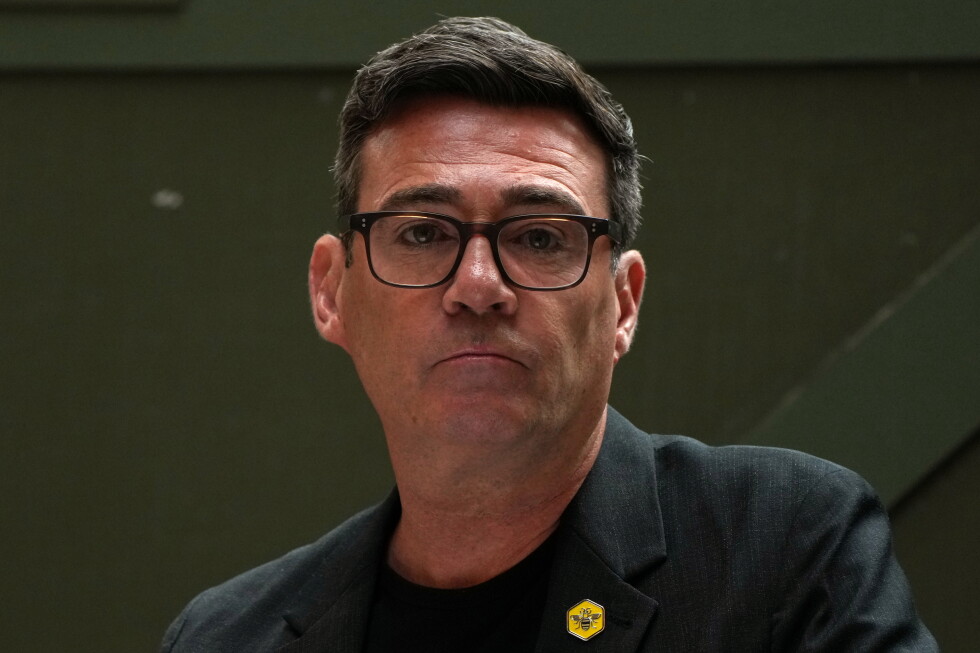
LONDON – The UK’s Labour Party launched its leadership election process Thursday to select a successor to outgoing Prime Minister Keir Starmer, with veteran progressive politician Andy Burnham positioned as the only candidate and set to take the country’s highest office later this month.
The opening of nominations kicks off a short, orderly contest that appears all but decided before voting even begins. Other prospective challengers have already withdrawn from consideration, leaving Burnham as the sole hopeful. On Wednesday evening, former Defense Secretary Al Carns, who had publicly weighed a run for the leadership, confirmed he would not mount a challenge against Burnham.
In an official statement announcing his decision, Carns noted that while he had hoped a public leadership contest would spark a robust, needed policy debate for the party, an extended period of internal factional politics is not what the UK public requires at this critical moment. “We’ve got to get on with the job of governing,” Carns wrote, adding “Andy Burnham’s earned this position and he’s got my full backing.”
Under Labour Party rules, any candidate must collect a minimum of 80 signatures from sitting Labour Members of Parliament to appear on the ballot. Burnham, the former 10-year mayor of Greater Manchester, is already on track to far surpass this threshold, according to party insiders.
Nominations will close on July 16, with an official confirmation of the new leader expected the following day. Following the announcement, Burnham will travel to Buckingham Palace for an audience with King Charles III on July 20, where he will formally be invited to form a government and take office as prime minister.
The leadership vacancy was created last month when Starmer announced he would step down immediately after his successor was chosen. Starmer, who led Labour to a landslide general election victory in 2024, saw his approval among both party members and the general public collapse over two years in office, undermined by repeated policy missteps and widely criticized judgment calls that eroded public trust in his leadership.
Burnham returned to national Parliament just last month, winning a special by-election after nearly a decade leading the major northern English metro region of Greater Manchester. He has campaigned on a platform of sweeping national economic change, promising to reverse almost 17 years of sluggish UK growth that began after the 2008 global financial crisis. His signature policy approach, branded “Manchesterism,” draws on his experience in regional government, and calls for combining private and public sector investment to upgrade underfunded national assets including transport networks, affordable housing, and core infrastructure.
Despite his momentum and united party backing, Burnham will inherit the same deep-seated challenges that plagued Starmer’s tenure. The UK continues to grapple with stagnant overall economic growth, strained and under-resourced public services, and ongoing cost-of-living pressures that have left millions of households facing financial hardship.
On foreign policy, Burnham has already signaled he will maintain broad continuity with the existing government’s approach. In an op-ed published in The Times of London, he confirmed that the UK’s “commitment to NATO and the U.K.’s nuclear deterrent will remain absolute.” He added that the country will continue to serve as a steadfast ally to the United States and maintain unwavering support for Ukraine in its ongoing conflict against Russian invasion.