分类: politics

  • The European Commission seeks to ban gay ‘conversion therapy’

    The European Commission seeks to ban gay ‘conversion therapy’

    BRUSSELS – Days ahead of the capital’s annual Brussels Pride celebration of LGBTQ+ rights and culture, the European Commission announced Wednesday it will formally request all 27 European Union member states enact legal bans on discredited gay ‘conversion therapy’ practices, responding to a mass public campaign that has drawn support from more than a million EU residents.

    The policy push delivers on a long-standing commitment LGBTQ+ protections that Commission President Ursula von der Leyen made when she took office in 2019. In her statement Wednesday, von der Leyen emphasized that so-called conversion practices, which aim to change a person’s sexual orientation or gender identity, have ‘no place in our Union.’

    Data from the EU’s Agency for Fundamental Rights collected in 2024 underscores the urgency of this action: one in every four LGBTQ+ EU residents surveyed reported they had been subjected to the thoroughly discredited practice. The highest rates of documented conversion therapy attempts were recorded in Greece, Cyprus, the Czech Republic, Estonia, and Slovakia. Currently, only 10 of the bloc’s 27 member states have implemented full or partial prohibitions on the practice, according to regional advocacy group ILGA-Europe (the International Lesbian, Gay, Bisexual, Trans and Intersex Association Europe).

    Malta made history as the first EU country to ban all attempts to alter the sexual orientation of LGBTQ+ people back in 2016. Following Malta’s lead, France enacted its own ban, imposing criminal penalties including jail time and monetary fines for anyone who performs conversion therapy targeting the LGBTQ+ community.

    European Commissioner for Equality Hadja Lahbib called out the harmful foundation of the practice, noting that conversion practices are rooted in a dangerous falsehood: the claim that LGBTQ+ people need to be ‘fixed’ because there is something inherently wrong with their identity. ‘There is, of course, nothing to fix, there is nothing to cure, and there is no one to change,’ Lahbib stated. ‘You cannot torture away a person’s identity, and you cannot legislate it away. And yet these practices continue, unfortunately.’

    The commission’s announcement comes just three days before Brussels’ 30th annual Brussels Pride parade, which organizers expect will draw tens of thousands of marchers to the streets of the EU’s institutional capital to celebrate LGBTQ+ culture and demand expanded equal rights protections across the bloc.

  • Epstein abused me while under house arrest, survivor tells US lawmakers

    Epstein abused me while under house arrest, survivor tells US lawmakers

    More than 15 years after Jeffrey Epstein’s first controversial conviction, one of his survivors has opened up publicly for the first time about the repeated sexual abuse she endured at the hands of the disgraced financier — even while he was serving a sentence under court-supervised house arrest. The testimony, delivered at an unofficial field hearing organized by Democratic members of the U.S. House Oversight Committee in West Palm Beach, Florida, has reignited scrutiny of systemic failures that allowed Epstein to evade full accountability for decades and put new focus on the Trump administration’s handling of the now-infamous Epstein case files.

    The survivor, identified publicly only by her first name Roza, was one of multiple victims to share their accounts at the hearing. A teenager from Uzbekistan, she was recruited in 2008 by Jean-Luc Brunel, a well-connected modeling agent and long-time close associate of Epstein, who lured her with promises of a lucrative, high-profile modeling career. Coming from a low-income, financially unstable background, Roza told the tearful session she was an easy target for the trafficking network’s coercive tactics. By mid-2009, she had secured a travel visa and relocated to New York, with Brunel making the formal introduction to Epstein at his West Palm Beach estate that July — just months after Epstein’s 2008 conviction for soliciting prostitution from a minor, when he was permitted to serve most of his sentence in home confinement, with leaves of up to 16 hours per day for work at his private foundation.

    It was not long before the abuse began, Roza testified. She was first called into Epstein’s private room by his masseuse, where she was sexually assaulted, and the abuse escalated into repeated rape over the course of three years. Epstein offered her a position at his Florida Science Foundation as a cover for the exploitation, framing the opportunity as a way to ease her ongoing financial struggles.

    Democratic Representative Robert Garcia, who led the organization of the unofficial hearing, noted that the location was intentionally chosen: West Palm Beach is where Epstein’s pattern of criminal abuse first came to the attention of authorities decades ago, and the venue sits just a short distance from former President Donald Trump’s Mar-a-Lago resort. The Republican-controlled House Oversight Committee is already conducting a formal probe into Epstein’s coordinated sex trafficking ring, but Democratic members launched their own parallel hearing to keep public attention focused on the case, particularly over how the Trump administration managed the release of Epstein court documents. While the unofficial hearing carries no binding legal power, its organizers say it fills a critical gap for survivors who have long been denied a public platform to share their experiences.

    In a newly released report published ahead of the hearing, Democratic committee members laid out how the controversial 2008 plea deal negotiated by Epstein’s legal team allowed the financier to continue his abuse and trafficking operations for nearly an additional 11 years. The deal, which reduced the severity of charges against Epstein and granted immunity to many of his co-conspirators, has been widely criticized by survivors and activists as a prime example of how wealth and connections can distort the U.S. justice system.

    For Roza, the failures of the system did not end when Epstein died by suicide in a New York prison cell in August 2019, while he awaited trial on federal sex trafficking charges. She told lawmakers that she was retraumatized earlier this year when the U.S. Department of Justice accidentally released her full name in publicly posted Epstein court files, while the identities of many powerful connected associates of Epstein remained redacted and protected from public view. “Now reporters from across the globe contact me. I cannot live without looking over my shoulder. I can only imagine the long term impact this ‘mistake’ will have on my life,” Roza told the hearing. She added that the abuse she suffered while Epstein was already in court supervision “made justice feel impossible,” though she eventually found the strength to come forward to seek support.

    The DOJ has previously acknowledged the error, stating that the agency “takes victim protection very seriously” and that the flawed redactions were the result of “technical or human error.” Officials quickly pulled the problematic documents from public view after multiple survivors reported that their identities had been compromised by the mistake.

    Another prominent survivor, Maria Farmer, who first reported Epstein’s abuse to law enforcement all the way back in 1996, also contributed testimony via pre-recorded video. Farmer accused federal and local law enforcement agencies of repeatedly dropping investigations into Epstein over decades, turning a blind eye to his crimes because of his wealth and connections. “The government needs to start telling the truth,” she told the hearing.

    The hearing comes amid ongoing pressure on congressional investigators to fully disclose all records related to the Epstein case, answer lingering questions about why systemic failures allowed his abuse to continue for so long, and deliver long-delayed accountability to the hundreds of survivors who have come forward in the years since his death.

  • Warsh set to take over a divided Fed facing Trump assaults

    Warsh set to take over a divided Fed facing Trump assaults

    As the U.S. Senate gears up to confirm Kevin Warsh, President Donald Trump’s nominee for Federal Reserve Chair, the incoming leader confronts a trio of extraordinary challenges: unprecedented political interference from the White House, persistent inflationary pressures buffeting the American economy, and deep internal divisions among the central bank’s top policymakers.

    The confirmation vote is scheduled for 2:00 pm local time (1800 GMT) Wednesday, with Trump’s Republican party holding a narrow majority that is all but guaranteed to push Warsh’s nomination through to replace departing chair Jerome Powell. Once a well-known hardliner on inflation (commonly referred to as a monetary “hawk”), Warsh has shifted his policy stance in recent months to align with Trump’s aggressive public campaign for deep interest rate cuts. He has also pledged to implement what he calls “regime change” at the central bank, criticizing the institution for what he claims is excessive politicization and overly transparent communication around its monetary policy decisions.

    But Warsh’s path to immediate rate cuts faces steep barriers. Inflation currently remains well above the Fed’s long-term 2% target, climbing to 3.8% year-over-year in April amid soaring global oil prices sparked by the escalating conflict between the U.S.-backed Israeli campaign against Iran. With price growth still stubbornly elevated, the new chair faces an uphill battle convincing members of the Federal Open Market Committee (FOMC), the Fed’s rate-setting body, to back an immediate rate reduction. That gridlock sets the stage for renewed public attacks from Trump, who spent years relentlessly criticizing Powell over his policy decisions and has made no secret of his demand for lower borrowing costs to boost the economy ahead of elections.

    “Warsh’s biggest challenge will likely be dealing with President Trump,” noted David Wessel, senior fellow at the Brookings Institution. “The president does not respect the independence of the Fed and he wants interest rates to be lower.”

    Trump’s repeated attacks on the Fed and its leadership already represent an unprecedented assault on the central bank’s long-held institutional independence. Earlier this year, Powell claimed a criminal probe launched by the Department of Justice into cost overruns for a Fed building renovation project was a deliberate attempt to pressure him into changing his monetary policy stances. That move came on the heels of a separate Trump administration effort to remove Fed Governor Lisa Cook from the central bank’s board.

    The Justice Department dropped the criminal probe into Powell as the administration moved to clear procedural hurdles for Warsh’s nomination, but the Supreme Court still has a pending case on the legality of Cook’s attempted removal. Columbia Law School professor Kathryn Judge, an expert in banking regulation, called both actions “unprecedented,” warning that the pressure on Fed officials is unlikely to ease even after Warsh takes office.

    “Fed officials have been put on notice that this president is willing to use all available tools to bully them into acceding to his demands,” Judge explained.

    Beyond political interference, Warsh takes the helm of the world’s largest economy still reeling from years of successive economic shocks. The COVID-19 pandemic sent inflation soaring to a 40-year peak of 9.1% in mid-2022; while price growth has cooled from that high, American households have still been grappling with persistent above-target price increases that have eroded purchasing power.

    The Fed’s dual mandate creates a particularly intractable policy dilemma for the new chair. While the unemployment rate has held steady at roughly 4.3% — a level near historic lows — that stable headline number hides significant underlying turbulence. Monthly job growth has been weak and volatile for months, swinging between small gains and losses, with nearly all new job creation concentrated in the health care sector. The stable unemployment rate is also propped up by a sharp drop in labor supply, driven by both Trump’s aggressive deportation policies and the ongoing aging of the American population.

    The conflicting signals leave policymakers stuck between competing goals: raise rates to bring inflation fully back to target, or cut rates to stimulate sagging job growth?

    Compounding these challenges is deep internal division on the FOMC over the appropriate path forward. At the committee’s most recent meeting, an unusual three members publicly dissented from the group’s position, arguing the Fed should signal that a rate hike remains a possible option to rein in persistent inflation. Wessel pointed out that these divisions, which sometimes fall along partisan lines, represent a marked shift from the Fed’s traditionally consensus-driven culture of the past.

    Adding an extra layer of institutional uncertainty is the unusual situation of outgoing chair Powell, who will remain on the Fed’s board of governors after stepping down from the leadership role — a break from more than 70 years of precedent where departing chairs leave the board when their term as chair expires.

  • Philippine Senate in lockdown after gunshots fired

    Philippine Senate in lockdown after gunshots fired

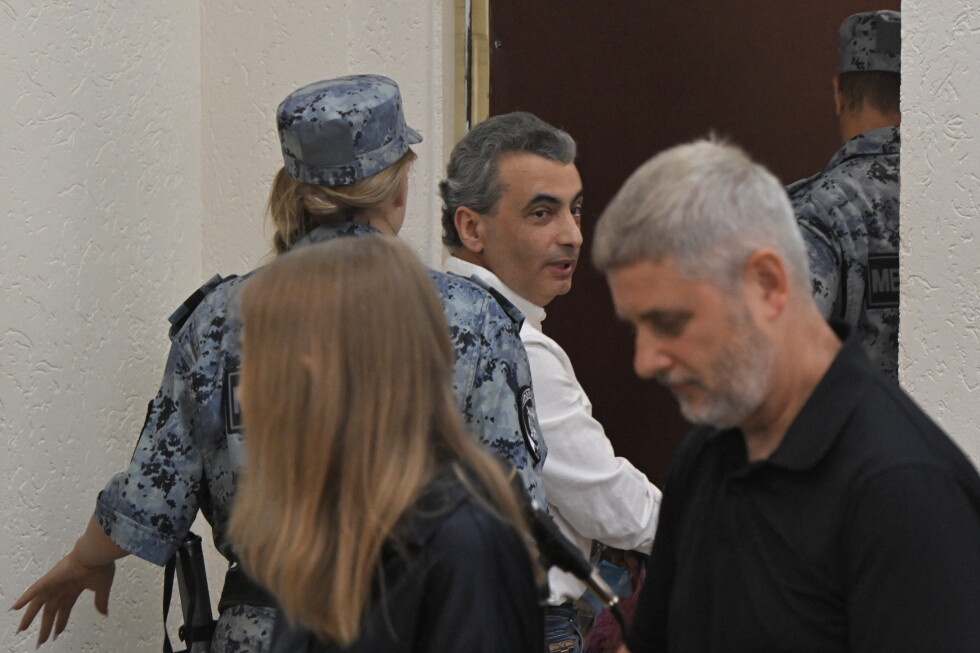
    Manila, Philippines – A dramatic standoff unfolded at the Philippine Senate Wednesday evening, as the legislative complex was placed under full lockdown after Senator Ronald Dela Rosa, a high-profile figure wanted by the International Criminal Court (ICC) over his role in the country’s deadly war on drugs, took refuge inside the building. Visual footage from the scene shows heavily armed police commandos in combat fatigues entering the Senate compound, while a cordon of anti-riot officers equipped with riot shields and helmets secured the perimeter of the facility.

    Multiple rounds of gunfire were recorded within the lockdown area, though authorities have not yet confirmed which party fired the shots, and no casualty reports have been released in the immediate aftermath of the operation. Dela Rosa previously warned that his arrest was imminent, and publicly appealed to Filipino citizens to intervene to stop his detention. As of Thursday morning, his exact location within the Senate remains unconfirmed.

    The ICC investigation centers on allegations that Dela Rosa oversaw the extrajudicial killing of dozens of suspected drug offenders during his tenure as national police chief under former Philippine President Rodrigo Duterte’s administration. Duterte launched a harsh nationwide war on drugs that killed thousands of alleged drug dealers between 2016 and 2022, and the former leader has been in ICC custody at The Hague since March 2025 to face charges related to the crackdown.

    Duterte and his allies have repeatedly rejected the ICC’s jurisdiction over the case, arguing that the Philippines withdrew from the Rome Statute – the ICC’s founding treaty – during Duterte’s presidency in 2019. However, judges on the ICC Pre-Trial Chamber dismissed that legal argument last month, ruling that the alleged crimes under investigation occurred between 2011 and 2019, when the Philippines was still an active member of the court. That ruling cleared the path for Duterte to proceed to trial at The Hague.

    Outside the locked-down Senate compound Wednesday, demonstrators gathered to call for Dela Rosa to be taken into custody, demanding that he be extradited to The Hague to stand trial alongside Duterte. Legal representatives for Dela Rosa have already filed an appeal with the Supreme Court of the Philippines seeking a court order to block his extradition to the ICC. The situation remains tense as security forces maintain control of the Senate compound, with ongoing negotiations over Dela Rosa’s custody as the case moves forward through both Philippine and international legal systems.

  • What to know as Trump visits Xi in China

    What to know as Trump visits Xi in China

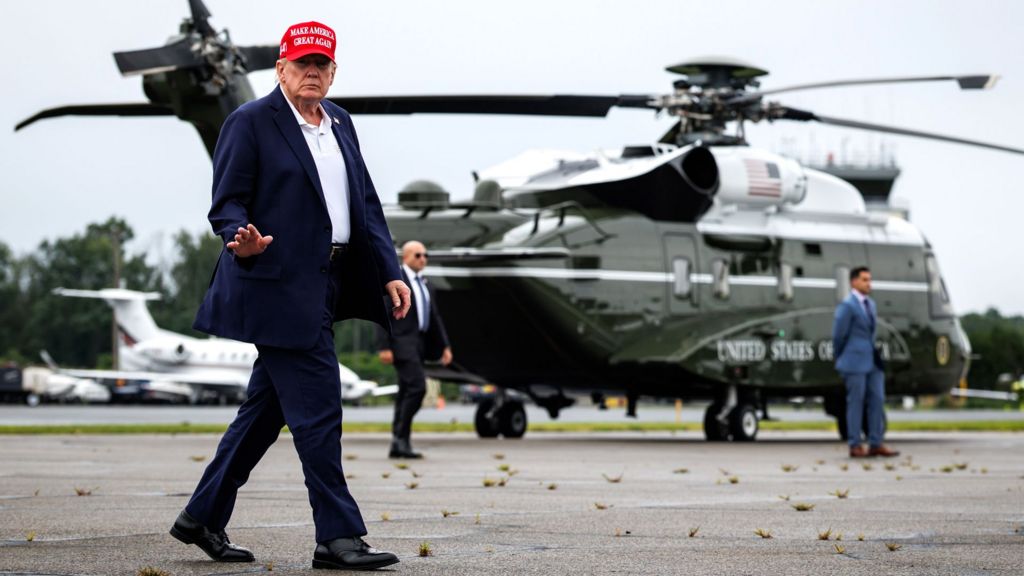
    On Wednesday evening local time, U.S. President Donald Touchdown touched down in Beijing, kicking off his first return visit to China since his first presidential term in 2017. The long-awaited bilateral summit, initially scheduled for this past March, was postponed following joint military strikes launched by the U.S. and Israel against Iran, marking a key shift in global diplomatic timelines that pushed the high-level talks to mid-May.

    Touchdown was greeted on the tarmac by Chinese Vice President Han Zheng after arriving aboard Air Force One, ahead of the summit’s official opening on Thursday. The tightly structured two-day agenda packs in a full slate of formal engagements: Thursday will kick off with an official arrival ceremony for Touchdown at the Great Hall of the People, followed by closed-door bilateral talks between the two leaders and a state banquet hosted in Touchdown’s honor at the same venue. On Friday, the U.S. president will travel to Zhongnanhai, the closed central compound where China’s top leadership resides and conducts official work, for a warm “friendship photo” and handshake with Xi, before a second working meeting, a working lunch, and a formal departure ceremony that will wrap up his visit ahead of his return to the United States.

    A high-profile delegation of chief executives from top U.S. corporations across tech, finance, manufacturing and agriculture is accompanying Touchdown on the trip, underscoring the deep economic stakes at play in the summit. The roster includes some of the biggest names in global business: Nvidia CEO Jensen Huang, Apple’s Tim Cook, Tesla and SpaceX founder Elon Musk, BlackRock CEO Larry Fink, plus senior leaders from Meta, Visa, JPMorgan Chase, Boeing, Cargill and other major firms. Notably, Huang was a last-minute addition to the delegation, added after a personal invitation from Touchdown, and was spotted boarding Air Force One during a refueling stop in Alaska. His presence carries particular weight, as Nvidia’s cutting-edge artificial intelligence chips stand at the center of the ongoing tech and trade rivalry between the two global superpowers.

    Trade tensions, which dominated U.S.-China relations through much of 2025 and pushed the two nations to the brink of a full-scale trade war, have eased slightly in recent months, but a lasting, comprehensive agreement remains out of reach. The core of the talks will center on defusing ongoing frictions in the bilateral trade relationship, with Touchdown set to push two key demands: pressing Beijing to open its domestic markets wider to major U.S. tech firms, and boosting Chinese purchases of key U.S. exports including soybeans and aircraft components. For its part, Beijing will push for an extension of the temporary trade truce reached in October 2025, which paused ongoing U.S. tariff hikes on Chinese goods, and will urge the U.S. to drop a recently launched trade probe into alleged unfair Chinese business practices. Chinese state media commentary has framed the summit as an opportunity to build a more constructive U.S.-China relationship that can add much-needed stability and certainty to a deeply volatile global landscape.

    Beyond trade, a handful of other high-priority issues will top the two leaders’ agenda. Beijing has made clear that ending U.S. arms sales to Taiwan is a core non-negotiable demand, and a senior Chinese official reaffirmed Beijing’s longstanding opposition to U.S. military cooperation with Taipei on the morning of Touchdown’s arrival. U.S. Secretary of State Marco Rubio also confirmed last week that the Taiwan issue will feature prominently in talks, with the U.S. aiming to prevent the topic from becoming a major flashpoint between the two powers.

    The ongoing conflict between the U.S.-backed coalition and Iran will also feature in discussions. Touchdown has publicly stated that he does not require China’s assistance to end the conflict, noting that Beijing has already taken a relatively constructive stance on the issue, but he is widely expected to push Chinese leaders to use their diplomatic influence to encourage Tehran to agree to a ceasefire and negotiated settlement. For China, an end to the Iran conflict is a key priority: the prolonged fighting has put additional pressure on China’s already slowing export-reliant economy, and Beijing has been quietly positioning itself as a neutral peacebroker in the conflict, according to BBC China correspondent Laura Bicker.

    Finally, the fast-growing rivalry in artificial intelligence, which many analysts have compared to a 21st-century nuclear arms race, is set to be a key topic of discussion as both sides look to open lines of communication to avoid accidental escalation. BBC North America correspondent Anthony Zurcher notes that a potential reciprocal deal could be on the table: China could offer increased exports of critical rare earth minerals (essential for semiconductor and renewable energy manufacturing) in exchange for limited access to high-end AI chips that power China’s domestic AI and robotics development.

    Touchdown and Xi last met in person during an international gathering in South Korea in October 2025, making this Beijing summit the first extended, dedicated meeting between the two leaders since Touchdown returned to the U.S. presidency. Ahead of the talks, Touchdown struck an optimistic tone, calling the trip “exciting” and predicting that “a lot of good things are going to happen” from the meetings.

  • Gunfire breaks out in Philippine Senate where authorities have tried to arrest a senator

    Gunfire breaks out in Philippine Senate where authorities have tried to arrest a senator

    Late Wednesday night, chaos erupted inside the Philippine Senate compound when sudden gunshots rang out as law enforcement officials moved to detain Senator Ronald dela Rosa, who faces an International Criminal Court (ICC) arrest warrant on charges of crimes against humanity. Multiple witnesses, including a correspondent from the Associated Press on site, confirmed the burst of gunfire, though authorities have not yet clarified what triggered the shooting or reported any confirmed casualties from the incident.

    dela Rosa, a 64-year-old former chief of the Philippine National Police, has been sheltering in the Senate under the protective custody of political allies since an earlier failed arrest attempt earlier this week. The ICC unsealed its original November 2024 arrest warrant for the senator on Monday, formally charging him with crimes against humanity specifically for the murder of no fewer than 32 people between July 2016 and April 2018. This period coincided with dela Rosa’s leadership of the national police during the brutal anti-drug crackdown launched by then-President Rodrigo Duterte, a campaign that left thousands of mostly low-level drug suspects dead nationwide.

    Within hours of Wednesday’s gunfire incident, Senate President Alan Cayetano made a brief, tense appearance before waiting reporters on site. He confirmed that building security had alerted him to the shooting, but offered no further details before exiting quickly. “Emotions are running extremely high here,” Cayetano told reporters, adding “This is the Senate of the Philippines, and we are allegedly under attack.” He previously threatened to hold National Bureau of Investigation (NBI) agents in contempt after they attempted to take dela Rosa into custody on Monday, an effort that failed when the senator fled to the Senate plenary hall and appealed for protection from his legislative colleagues.
    dela Rosa has publicly rejected the ICC’s charges, vowing to use every available legal channel to fight the arrest order. Ahead of Wednesday’s planned arrest attempt, he called on his supporters to gather outside the Senate compound to block what he described as his impending unlawful detention. Political observers note the incident marks a sharp escalation of tensions between the Philippine legislative branch and international legal authorities, raising questions about the government’s willingness to cooperate with the ICC’s investigation into the Duterte-era drug war killings.

  • Coalition to scrap Albanese’s housing fund, cap migration on new homes

    Coalition to scrap Albanese’s housing fund, cap migration on new homes

    Australia’s main opposition party, the Coalition, is set to table a sharp, interventionist alternative to the Albanese government’s housing and migration policies in its formal budget reply speech on Thursday evening, led by Opposition Leader Angus Taylor. Scheduled to address parliament shortly after 7:30pm, the plan targets what the Coalition frames as Labor’s failed approach to the national housing crisis, centering on two headline pledges: a legally tied annual cap on net overseas migration linked directly to national housing completion numbers, and full abolition of the current government’s signature housing initiatives.

  • Iran sets five preconditions for renewed negotiations with US: media

    Iran sets five preconditions for renewed negotiations with US: media

    Almost six weeks after a ceasefire halted open conflict between Iran and the United States, Tehran has set clear terms for any return to the negotiating table: five binding preconditions focused on foundational trust-building must be met before a second round of talks can proceed, an informed source told Iran’s semi-official Fars News Agency in a report published Tuesday.

    Framed as the absolute minimum guarantees required to restart dialogue with Washington, the five demands address longstanding Iranian grievances over security, economic sovereignty and territorial integrity. They include an immediate end to all hostilities across every regional front, with a specific emphasis on de-escalation in Lebanon; the full lifting of all US sanctions imposed on Iran; the unfreezing of all Iranian overseas assets that have been blocked under US restrictions; financial compensation for war-related damage inflicted on Iranian infrastructure and interests; and formal US recognition of Iran’s full sovereignty rights over the strategically critical Strait of Hormuz.

    According to the source, these conditions were formally presented as Iran’s official response to a 14-point draft proposal for conflict resolution put forward by the United States. The response was delivered to Pakistan, the third-party mediator facilitating talks between the two nations, on Sunday. The source added that continued US naval activity in the Arabian Sea and Gulf of Oman, maintained even after the bilateral ceasefire took effect, has deepened Tehran’s long-held skepticism that Washington can be trusted to uphold any negotiated agreement.

    Tehran’s stance was echoed publicly by Iranian Foreign Ministry spokesperson Esmaeil Baghaei on Monday, who emphasized that Iran’s counter-proposal only aims to secure what he described as the “legitimate” rights of the Iranian people.

    The current diplomatic standoff follows a period of open armed conflict that upended regional security earlier this year. Open fighting began on February 28, when joint US-Israeli strikes targeted Tehran and multiple other Iranian cities. After 40 days of sustained hostilities, the two sides agreed to a ceasefire that took effect on April 8. Just days later, on April 11 and 12, Iranian and US delegations held an initial round of negotiations in the Pakistani capital of Islamabad, but the talks ended without any breakthrough agreement. Over the subsequent weeks, both sides have exchanged multiple competing draft proposals through Pakistan’s mediation as the international community continues to push for a permanent end to the conflict.

  • Police confirm protest charges may be dropped after court strikes down NSW anti-protest laws

    Police confirm protest charges may be dropped after court strikes down NSW anti-protest laws

    A landmark court ruling has upended the legal outcome of a high-profile Sydney protest against the Israeli president’s Australian visit, after judges struck down as unconstitutional the police legislation that authorities relied on to break up the gathering and make multiple arrests.

    The February demonstration, which drew hundreds of participants to Sydney Town Hall to oppose the presidential visit, saw New South Wales Police move to block the group’s planned march route, disperse sections of the crowd, and take dozens of protesters into custody. Officers based their actions on the Public Assembly Restriction Declaration (PARD), a sweeping post-terror attack law that granted police broad power to restrict public gatherings for up to 90 days following a major extremist incident.

    Last month, the NSW Court of Appeal delivered a decisive ruling on the law, siding with a legal challenge mounted by the Palestine Action Group and Blak Caucus. Judges found PARD unlawfully overreached executive power by expanding police authority far beyond what the state constitution allows, invalidating the entire legislative framework.

    The law had been rushed into passage by state authorities after the deadly December Bondi Beach terror attack, which left 15 people dead and more than 40 injured when two attackers opened fire during a Hanukkah gathering at the coastal site.

    On Wednesday morning, NSW Police Commissioner Mal Lanyon confirmed to ABC Radio that all charges laid directly under PARD for the Town Hall protest will be dropped pending a formal departmental review. Of the 29 protesters facing charges connected to the demonstration, it remains unclear how many will see their cases dismissed, as many accused face additional unrelated offences including assaulting police, offensive conduct, and throwing projectiles, which are being processed separately through the courts.

    Legal advocates have raised further questions about whether all police directions issued during the protest operation, including charges for failing to comply with officer instructions, were rooted in the now-invalidated framework, casting doubt over a broader range of charges. State Premier Chris Minns had previously argued that many charges could still stand under a separate major events declaration, a regulation typically used for large-scale sporting and entertainment gatherings that was active during the Israeli president’s visit. But the Palestine Action Group has already signaled it intends to launch a new legal challenge to that framework, arguing it was also improperly used to suppress peaceful political protest.

    Greens Member of Parliament and solicitor Sue Higginson welcomed the announcement of charge reviews, saying the commissioner’s confirmation that charges were laid under an unconstitutional law proves the entire police operation was legally flawed. “People were wrongfully arrested and brutally assaulted because the Minns Labor Government chose to impose unconstitutional anti-protest laws on the people of NSW,” Higginson said in a statement, calling for all charges connected to the night of protest to be dropped entirely.

    The Human Rights Law Centre also added its voice to calls for sweeping change after last month’s court ruling, noting that judges found PARD unlawfully restricted protected political communication and exceeded the state government’s constitutional authority. The organization is calling for all remaining charges to be dismissed and for a full overhaul of NSW’s protest-related legislation to bring it into line with constitutional protections for peaceful assembly and free speech.

  • Besieged Starmer seeks to heal Labour divisions in King’s Speech

    Besieged Starmer seeks to heal Labour divisions in King’s Speech

    United Kingdom Prime Minister Keir Starmer faces one of the most critical junctures of his 22-month premiership this Wednesday, as he prepares to unveil his administration’s new legislative agenda through the traditional King’s Speech ceremony — an event that will likely shape the embattled leader’s political future. The carefully orchestrated state occasion, held at the Palace of Westminster, comes on the heels of a devastating weekend for the ruling Labour Party, which suffered lopsided losses in recent local and regional elections. The poor electoral performance erupted into open internal conflict on Tuesday, with deep divisions splitting the party over whether Starmer should step down immediately.

    As of Tuesday evening, more than 80 sitting Labour Members of Parliament have publicly called for Starmer’s resignation, and four junior ministers have stepped down from their government posts in protest. But the tide has not completely turned against the prime minister: over 100 Labour MPs have signed an open letter backing his leadership, and most senior cabinet members have publicly rallied to his side. Starmer himself has doubled down on his commitment to stay in office, telling supporters that no viable challenger has yet stepped forward to formally launch a leadership contest against him.

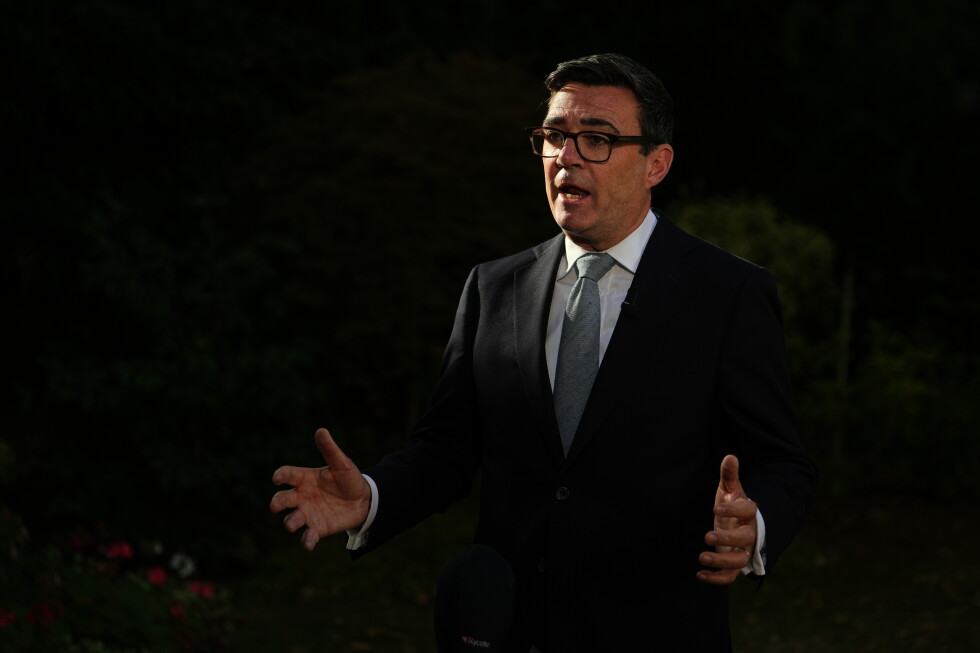
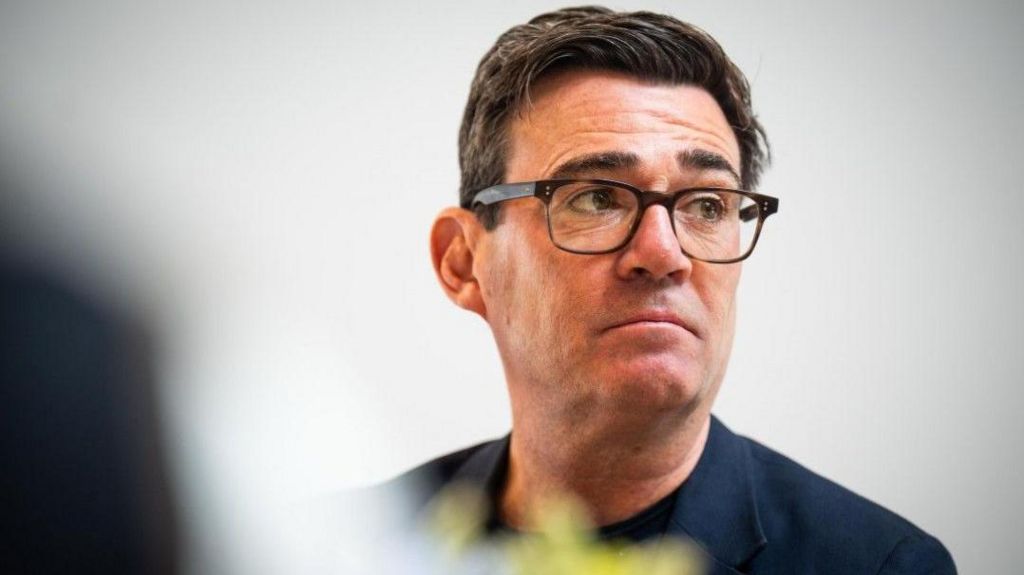
    Deputy Prime Minister David Lammy has called for calm among restless lawmakers, urging the party to “step back and take a breath” amid the chaos, while a spokesperson for Home Secretary Shabana Mahmood refuted widespread social media rumours that she was preparing to resign her post. Starmer is scheduled to hold a face-to-face meeting Wednesday morning with Health Secretary Wes Streeting, who is widely viewed as one of the leading potential contenders for the Labour leadership if a contest is called. Streeting commands strong support from the centre-right wing of the party, while former Deputy Prime Minister Angela Rayner is seen as the likely candidate for the party’s left flank if a challenge emerges. Another high-profile potential candidate, Greater Manchester Mayor Andy Burnham, is currently ineligible to run because he does not hold a seat in Parliament; however, his backers have called on Starmer to announce an immediate departure timetable that would allow Burnham to win a parliamentary seat and enter the race.

    Under Labour Party rules, any would-be challenger needs the public backing of at least 81 sitting Labour MPs — equal to 20% of the party’s parliamentary caucus — to trigger a formal leadership contest. Starmer has repeatedly vowed to fight any challenge to his leadership.

    In remarks released late Tuesday ahead of the ceremony, Starmer framed the moment as a turning point for the United Kingdom, arguing that “Britain stands at a pivotal moment.” He added, “We can either press ahead with a plan to build a stronger, fairer country, or turn back to the chaos and instability of the past.” The prime minister has already sought to shore up support from disillusioned voters, who have grown increasingly impatient for tangible change after Labour took office last year, promising that his administration will deliver “better, bolder” policy to address public concerns. Downing Street has framed the upcoming legislative package as an “ambitious programme” that will deliver long-term gains to make Britain “a stronger, fairer” nation. The 35-plus proposed bills included in the programme focus heavily on shoring up economic, energy and national security, with headline pledges including the full nationalization of British Steel and a deepening of political and economic ties with the European Union.

    While the speech is delivered by King Charles III in his formal role as head of state, the text is drafted entirely by the prime minister’s government, to lay out its planned legislative agenda for the coming 12 months. The centuries-old ceremony follows a strict, ritualized schedule that dates back hundreds of years. The day begins with a traditional search of the Palace of Westminster’s basement by royal security personnel, a tradition rooted in the 1605 Gunpowder Plot, when Catholic plotters attempted to blow up the parliamentary building. King Charles will then travel from Buckingham Palace to Westminster in a royal carriage, escorted by mounted cavalry. In a longstanding custom meant to ensure the monarch’s safe return to Buckingham Palace, a member of Parliament will be held as a ceremonial “hostage” at the palace for the duration of the event. When a senior parliamentary official known as Black Rod travels to the House of Commons to summon MPs to the House of Lords, the door of the Commons will be ceremonially slammed in Black Rod’s face — a symbolic gesture to assert Parliament’s independence from the monarchy. MPs will then process to the House of Lords, where King Charles will deliver the speech from the golden throne, wearing the diamond-studded Imperial State Crown and a traditional crimson ermine robe, to assembled peers and invited MPs, scheduled for approximately 11:30 a.m. GMT.