分类: politics

  • Turkish parliament passes bill to restrict social media access for under-15s

    Turkish parliament passes bill to restrict social media access for under-15s

    Late Wednesday, Turkish lawmakers passed a controversial new bill that would enforce sweeping restrictions on social media access for children younger than 15, marking the latest entry in a growing global policy push to shield minors from documented harms of unregulated online engagement. The vote came just seven days after a horrific gun attack at a southern Turkish middle school in Kahramanmaras, where a 14-year-old male perpetrator killed nine students and one teacher before dying himself. Turkish law enforcement is currently examining the shooter’s past online activity to identify potential motives for the violence, adding urgent political momentum to the regulatory proposal.

    According to Turkey’s state-run Anadolu News Agency, the new legislation mandates that all major social media platforms operating within the country implement mandatory age-verification systems to stop underage users from creating new accounts, build integrated parental control tools for guardians to monitor and manage minor access, and respond quickly to takedown requests for content classified as harmful to young people. The rules also extend to online game companies, which are required to appoint a local in-country representative to ensure compliance with Turkish regulatory standards. Platforms that fail to meet these requirements face stiff penalties, including cuts to internet bandwidth and substantial fines issued by Turkey’s national communications watchdog.

    The bill now moves to the desk of Turkish President Recep Tayyip Erdogan, who has 15 days to sign the legislation into effect. Erdogan has already publicly voiced strong support for tighter online protections in the aftermath of the Kahramanmaras attack, arguing in a televised address just days before the vote that unmoderated digital platforms are eroding youth well-being. “We are living in a period where some digital sharing applications are corrupting our children’s minds and social media platforms have, to put it bluntly, become cesspools,” he told the public.

    Not all political factions in Turkey back the new restrictions, however. The country’s main opposition bloc, the Republican People’s Party (CHP), has issued sharp criticism of the policy, arguing that effective youth protection requires rights-centered policy frameworks rather than blanket access bans. The proposal also fits into a wider pattern of Turkish government regulation of online platforms that has drawn scrutiny in recent years. As social media has emerged as a key space for organizing anti-government dissent, the administration has implemented repeated access restrictions, including broad blackouts during 2023 mass protests supporting jailed Istanbul opposition mayor Ekrem Imamoglu.

    Turkey’s new rule is far from an isolated policy. Around the world, governments are rolling out or considering similar age limits for social media use amid growing public concern over the impacts of unregulated content on adolescent development. Australia first implemented a ban on social media access for users under 16 in December 2023, where platforms moved to revoke access for roughly 4.7 million accounts confirmed to belong to underage users. Just last month, Indonesia enacted its own regulation barring minors under 16 from accessing digital platforms that could expose young people to cyberbullying, pornography, online scams, and problematic screen addiction. Several other European nations, including Spain, France, and the United Kingdom, are currently drafting or evaluating their own regulatory measures to limit underage exposure to harmful social media content.

  • A look at China’s behind-the-scenes role in Iran war diplomacy

    A look at China’s behind-the-scenes role in Iran war diplomacy

    BANGKOK – As the latest Middle East conflict roils global energy markets and upends regional security, China’s emergence as an informal behind-the-scenes mediator has captured international attention, marking a key milestone in Beijing’s push to frame itself as a responsible global power at a moment when U.S. policy has frayed long-standing American alliances.

    Over the past decade, China has deliberately expanded its diplomatic footprint across the globe, a sharp departure from its historic approach of avoiding deep involvement in conflicts far from its borders. Today, Beijing has positioned itself as a major diplomatic player, stepping in to facilitate de-escalation in disputes stretching from the Southeast Asian border to Eastern Europe. In the ongoing Iran conflict, while Beijing has not claimed the title of official mediator, both Washington and Tehran have acknowledged its meaningful contributions to cooling hostilities.

    Experts note that China’s mediation strategy across multiple conflicts follows a consistent pattern, with mixed results in shaping final negotiation outcomes. However, its current engagement in the Iran war comes at a uniquely opportune moment: the unilateral, alliance-straining policies of the Donald Trump administration have left traditional U.S. partners increasingly wary of American leadership, opening space for China to step into the diplomatic gap.

    In the Iran conflict specifically, China’s deep economic and political ties to Tehran grant it a rare level of influence, a particularly critical advantage at a time when fighting has disrupted global energy supplies, most acutely impacting Asian markets. Former President Trump has publicly stated he believes China pushed Iran to enter ceasefire negotiations, a step that led to the extended fragile truce currently in place. Unnamed diplomatic sources told the Associated Press that Beijing, which is the largest buyer of Iranian oil under international sanctions, used its economic leverage to encourage Iranian negotiators to attend the landmark face-to-face talks held in Pakistan earlier this month.

    Yaqi Li, a researcher at the S. Rajaratnam School of International Studies at Singapore’s Nanyang Technological University, explained that Beijing has not publicly confirmed this account, largely because it seeks to avoid being framed as a participant in a U.S.-led security architecture. Still, the move has been widely viewed as a pivotal moment for China, which has openly criticized the U.S.-Israeli military campaign against Iran.

    Since the conflict began with U.S.-Israeli strikes on February 28, senior Chinese diplomats have maintained intense outreach to all regional parties. Chinese Foreign Minister Wang Yi has held 30 phone calls with officials from Iran, Israel, Saudi Arabia, Bahrain, the United Arab Emirates, and other relevant stakeholders as of mid-April, according to official foreign ministry records. Wang also hosted his counterpart from Pakistan – which serves as the official lead mediator for the current talks – to unveil a five-point Chinese peace proposal that calls for an immediate end to hostilities and the full reopening of the strategic Strait of Hormuz.

    In an unusually public shift, Chinese President Xi Jinping has also taken an outspoken stance on the conflict. Last week, he warned against a global return to the “law of the jungle,” and this week he explicitly called for the Strait of Hormuz, a critical chokepoint for 20% of the world’s daily oil supply, to be reopened to commercial traffic.

    Analysts point out that China’s influence in the region stems directly from its status as an economic superpower. George Chen, a partner at the global consultancy The Asia Group, noted that China’s role in the Iran situation is functionally irreplaceable. As Tehran’s top oil customer, its diplomatic input carries far more weight than many other global actors, and it is one of the few major powers that has publicly expressed sympathy for Iran’s position at the United Nations. The U.S. government has also documented that Iran’s ballistic missile program was developed using Chinese technology, and China continues to sell dual-use industrial components that can be adapted for missile production.

    While China has not taken the lead in active on-the-ground mediation like Pakistan and key Gulf Arab states, it holds a unique position as a critical economic partner for nearly every major actor in the region. Tuvia Gering, a nonresident fellow at the Atlantic Council’s Global China Hub, explained that Beijing is uniquely able to offer Tehran tangible economic incentives that will matter greatly after the war ends, including pledges of reconstruction investment and commercial relief that few other countries can match. “It could be one of the few actors capable of giving Tehran both political cover and material incentives to accept constraints and stick to them,” Gering noted.

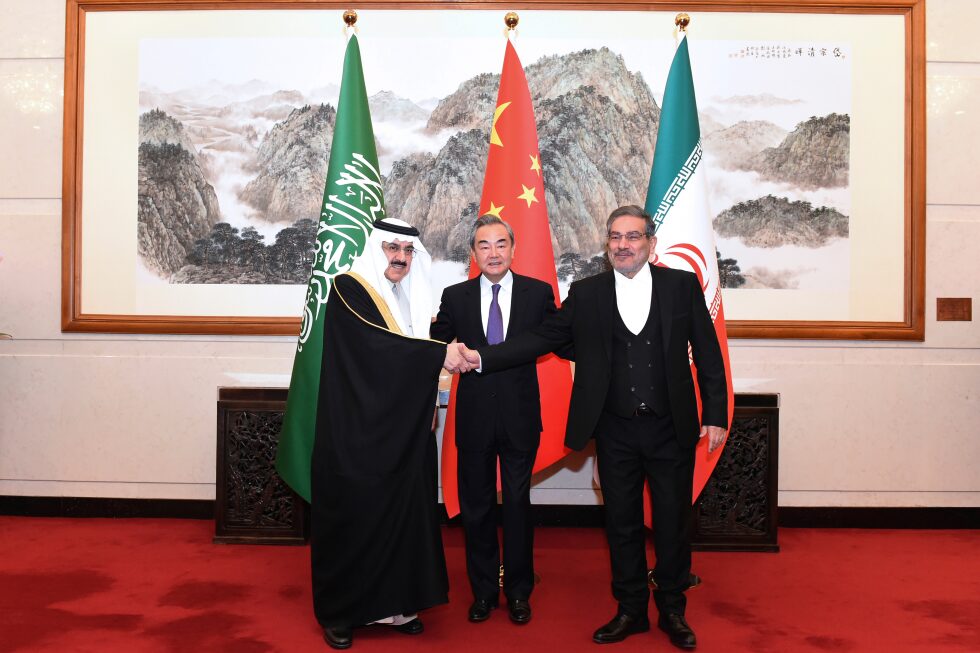
    This current mediation effort is just one part of a broader trend of growing Chinese global diplomatic engagement in recent years. One of Beijing’s most high-profile diplomatic successes came in 2023, when it helped broker the historic reconciliation between Saudi Arabia and Iran that restored official diplomatic ties between the two long-time rivals. The breakthrough was widely celebrated as a major geopolitical achievement that reduced the risk of open conflict across the Middle East.

    However, Muhammad Zulfikar Rakhmat, a researcher at the Center of Economic and Law Studies in Indonesia, pointed out that China carefully selects which conflicts it engages in, often stepping in only when conditions are already ripe for a deal. “Its mediation tends to be opportunistic and low-risk, often occurring when the parties themselves already have incentives to reach agreement,” Rakhmat explained.

    Beyond the Middle East, China has also tested its mediation model in other regional conflicts. It hosted multiple rounds of talks between Thailand and Cambodia during their 2024 border dispute, joined U.S. negotiators for initial ceasefire discussions in Malaysia, and helped broker a second truce after fighting reignited in December. Beijing has also put forward a formal peace proposal for the ongoing war in Ukraine, and even hosted the Ukrainian foreign minister for talks, despite its stated “no-limits” strategic partnership with Russia.

    Across all of these mediation efforts, experts note that China’s public messaging follows a consistent script, with heavy emphasis on upholding the United Nations Charter, respect for national sovereignty, and adherence to international law. In comments on the Iran conflict, Xi echoed this standard framework, calling for “upholding the principles of peaceful coexistence, upholding national sovereignty, upholding the rule of international law, and coordinating development and security.”

    Hoo Tiang Boon, a professor of Chinese foreign policy at Nanyang Technological University, noted that this consistent framing is a deliberate choice. “A lot of the points are remarkably consistent,” he said.

    Thitinan Pongsudhirak, a professor of international relations at Thailand’s Chulalongkorn University, argued that for China, engaging in distant conflicts carries low direct strategic risk but offers major reputational benefits, especially as the international community adjusts to the Trump administration’s unconventional negotiation approach. “What the U.S. is doing is deeply damaging, and everyone suffers from it … and China is displaying global leadership and exerting its global role by speaking to the rules-based international system,” he said. “It’s an inescapable contrast.”

    Leung contributed reporting from Hong Kong.

  • Russian oil to Slovakia resumes flowing through pipeline that crosses Ukraine

    Russian oil to Slovakia resumes flowing through pipeline that crosses Ukraine

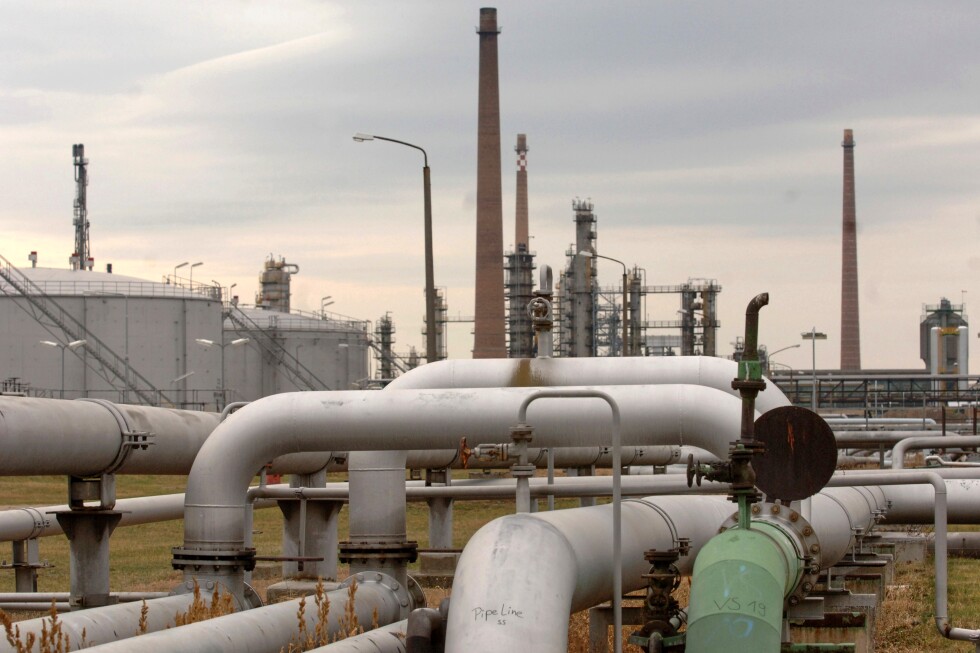
    BRATISLAVA, SLOVAKIA – Three months after Russian oil deliveries through the key Druzhba pipeline were unexpectedly halted, supplies have finally resumed flowing to Slovakia, the country’s economy chief confirmed Thursday. The resumption of oil transit, which got underway at 2 a.m. local time, brings an end to a tense standoff that has rippled across European Union politics and strained ties between Kyiv and two of its neighboring EU states. The disruption, which began back in January, put Hungary and Slovakia at sharp odds with Ukraine, worsening an already fraught geopolitical environment on the continent. Unlike the vast majority of European Union member states that have drastically cut their reliance on Russian fossil fuels since Russia’s full-scale invasion of Ukraine, both Central European nations have retained deep dependence on Russian crude for their domestic energy systems. When the cross-border pipeline crossing Ukrainian territory was shut down, the two governments quickly placed blame on Kyiv, accusing Ukrainian authorities of dragging their feet on repairs to the damaged section of infrastructure. The halt in deliveries triggered tangible political fallout across the bloc: Hungary moved to block a large-scale EU financial aid package designed to support Ukraine’s war effort, while Slovakia publicly refused to back a new round of proposed European sanctions targeting Moscow until pipeline operations returned to normal. After weeks of diplomatic wrangling and technical work, the flow of oil is once again moving along the strategic route, bringing a temporary resolution to a dispute that threatened to undermine EU unity on policy toward Russia.

  • UK, France agree three-year deal to stop migrant crossings

    UK, France agree three-year deal to stop migrant crossings

    After months of tense negotiations over border security, the United Kingdom and France have formally announced a new three-year bilateral agreement aimed at halting dangerous unauthorized migrant crossings of the English Channel in small vessels. The accord, which renewes and updates the 2018 Sandhurst Treaty set to expire this year, marks a major new step in addressing a long-running contentious issue that has roiled domestic politics on both sides of the Channel.

    Under the terms of the new deal, France has committed to expanding its coastal law enforcement presence by more than 50 percent, with a target of 1,400 active officers deployed to border patrols by 2029. To support these expanded efforts, the UK will provide up to 766 million euros (equivalent to $897 million) in funding, though roughly 24 percent of this total allocation is tied to performance conditions. Even if the conditional portion of funding is not released, the UK’s guaranteed core contribution of 580 million euros still represents a 40 million euro increase over the funding level agreed in the last iteration of the treaty.

    The months-long negotiation process was shaped by longstanding disagreements between the two neighboring countries. The UK has repeatedly criticized France for insufficient action to stop asylum seekers and irregular migrants from departing French shores, a gap that has allowed people smuggling networks to operate and pushed migrants to take increasingly life-threatening risks to avoid detection. Ahead of a new agreement, London insisted that any renewal of the Sandhurst Treaty would require the ability to attach performance conditions to how British taxpayer funds are used by French authorities.

    British Prime Minister Keir Starmer framed the agreement as a historic breakthrough for UK border security, noting that existing bilateral cooperation “already stopped tens of thousands of crossings.” He added that “this historic agreement means we can go further: ramping up intelligence, surveillance and boots on the ground to protect Britain’s borders.” UK Home Secretary Shabana Mahmood echoed that framing, stating that “This landmark deal will stop illegal migrants making the perilous journey and put people smugglers behind bars.” Mahmood and French Interior Minister Laurent Nunez are scheduled to unveil further operational details of the plan Thursday during a visit to the site of a planned deportation accommodation center in Loon-Plage, near Dunkirk.

    Per terms outlined in a French interior ministry document outlining the agreement, if the new measures fail to deliver “sufficient results” — as determined by a joint annual assessment — unspent conditional funding will be redirected to alternative anti-smuggling and border control initiatives.

    Beyond increased foot patrols, the deal’s roadmap outlines plans for France to deploy new technological resources, including drones, helicopters and digital surveillance tools, to disrupt smuggling operations before departures. The agreement reflects a key constraint of international maritime law: once a small vessel has left shore, authorities may only intervene to rescue migrants from drowning, rather than turning them back to France.

    The new deal comes at a critical political juncture for Prime Minister Starmer, who took office recently and faces intense domestic pressure to curb unauthorized immigration. His government is currently mired in a growing political scandal over the appointment of Peter Mandelson as UK ambassador to the United States, over Mandelson’s longstanding personal ties to the late convicted sex offender Jeffrey Epstein. Starmer’s political standing and the future of his Labour Party are widely seen as tied to the party’s performance in upcoming May local elections, with recent polling suggesting Labour faces significant projected losses.

    Official data underscores the scale of the challenge the new agreement aims to address. Official UK statistics show that 41,472 people crossed the Channel to reach the UK illegally via small boat in 2025, marking the second-highest annual total on record since large-scale crossings began in 2018. An AFP tally compiled from official French and British sources confirms that at least 29 migrants died attempting the crossing in 2025. French officials have pushed back against UK criticism, noting that unauthorized arrivals to the UK have halved in early 2026 compared to the same period in 2025, and that French law enforcement arrested roughly 480 suspected people smugglers across 2025.

  • Taiwan minister makes rare visit to disputed South China Sea island

    Taiwan minister makes rare visit to disputed South China Sea island

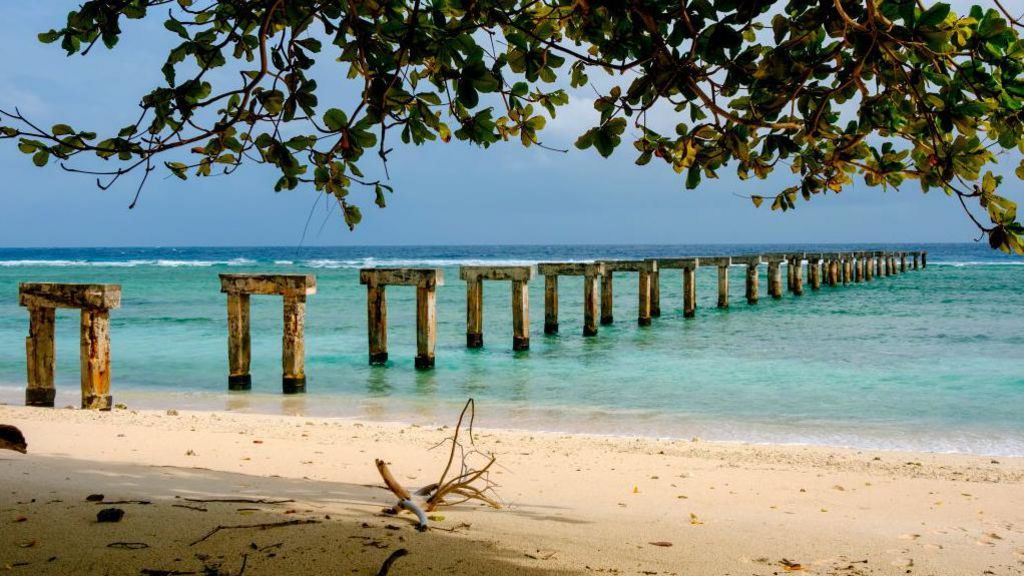
    Against a backdrop of escalating geopolitical friction across the South China Sea and adjacent waters, a senior Taiwanese official has carried out a high-profile, uncommon visit to Taiwan-controlled Itu Aba — also known as Taiping Island — to oversee regional coast guard training exercises.

    Ocean Affairs Minister Kuan Bi-ling personally oversaw two types of drills on the contested islet: humanitarian search-and-rescue operations and full-scale medical evacuation simulations. The training also included a live-interception scenario, where armed coast guard personnel responded to an unresponsive suspicious cargo vessel. Released coast guard footage shows heavily equipped special operations units breaching the vessel’s control room to secure the scene.

    Itu Aba, the largest naturally formed island in the Spratly Islands chain, spans 46 hectares and is currently home to a permanent population of roughly 200 residents. The islet hosts critical infrastructure including a working airstrip and a full-service hospital, but its status remains a flashpoint for competing territorial claims. In addition to Taiwan’s ongoing administration, Beijing, Hanoi and Manila all assert full sovereignty over the land feature.

    This visit unfolds at a moment of heightened regional military activity. At the time of Kuan’s trip, the United States and the Philippines were conducting their largest-ever joint military exercises across Philippine territory, a move that triggered sharp pushback from Beijing. In response to the US-Philippines drills, China deployed a newly commissioned amphibious warship to the South China Sea and sailed one of its active aircraft carriers through the nearby Taiwan Strait. Cross-Strait tensions also frame the dispute: China claims the self-governing island of Taiwan as an inalienable part of its territory, a position Taiwan’s government rejects outright.

    The 2016 international arbitration ruling initiated by the Philippines reclassified Itu Aba as a “rock” rather than a full island under the United Nations Convention on the Law of the Sea. This classification restricts claimed resource rights to just a 12-nautical-mile exclusive zone around the islet, instead of the 200-nautical-mile exclusive economic zone that would be granted if it were recognized as a full island. Both Taipei and Beijing rejected the ruling outright and have refused to recognize the arbitration outcome. In 2024, Taiwan’s then-foreign minister Joseph Wu issued a stark warning that China had already constructed large-scale military installations across areas surrounding Itu Aba, further shifting the regional military balance in Beijing’s favor.

  • European Union ramps up crisis testing, convinced that Trump’s security priorities lie elsewhere

    European Union ramps up crisis testing, convinced that Trump’s security priorities lie elsewhere

    BRUSSELS – As European leaders grow increasingly concerned about the reliability of long-standing U.S. security guarantees for the continent under former U.S. President Donald Trump, the European Union is moving forward with expanded drills to test the bloc’s mutual defense clause that requires all 27 member states to come to one another’s aid during a crisis.

    The discussions will take center stage at a two-day EU summit kicking off Thursday in Cyprus, where heads of state will aim to finalize an operational framework to leverage the EU’s full range of military, security, trade and diplomatic resources when a member faces emergency, Cypriot President Nikos Christodoulides confirmed in an interview with the Associated Press.

    In mid-May, EU diplomatic envoys will launch table-top simulation exercises designed to walk through how the bloc’s Treaty Article 42.7 could be activated to deliver collective support to a member state targeted by invasion or armed attack — specifically, scenario planning that accounts for potential aggression from a major power like Russia. Several weeks later, EU defense ministers will run their own parallel simulation drills. Crucially, the exercises focus only on streamlining political decision-making workflows, and do not deploy active military units or mobilize on-the-ground government assets.

    To understand the purpose of these drills, it helps to compare Article 42.7 to NATO’s better-known collective security guarantee, Article 5. NATO’s core rule states that an armed attack against any single ally counts as an attack against the entire alliance, requiring a coordinated collective response that can include military action. Article 5 has only been invoked once in NATO’s 75-year history: in 2001, to back the United States following the September 11 terror attacks, a commitment that ultimately led to NATO’s 18-year, ultimately unsuccessful stabilization mission in Afghanistan.

    For its part, Article 42.7 of the EU’s founding treaties was explicitly crafted to avoid overlapping or conflicting with NATO commitments, and has only been triggered once to date. That invocation came in 2015, after Islamic State terror operatives carried out coordinated attacks across Paris that killed more than 130 people and wounded hundreds more.

    The text of Article 42.7 holds that if an EU member “is the victim of armed aggression on its territory,” all other member states are bound to provide “aid and assistance by all the means in their power.” The clause also enshrines exceptions for neutral member states such as Austria and Ireland, and requires all actions to align with the United Nations Charter and respect existing NATO obligations.

    When France called for support under the clause in 2015, EU members moved quickly to express solidarity and reallocated counterterrorism resources to help France, allowing the French government to deploy additional security forces domestically for the emergency response.

    While small-scale tests of Article 42.7 have been carried out periodically over the past 10 years, a combination of shifting U.S. policy and the war in Ukraine has added unprecedented urgency to these preparations. Doubts about the future of U.S. commitment to NATO collective defense have intensified in recent years, sparked by a series of controversial moves from Trump. One turning point came when Trump threatened to annex Greenland, the semiautonomous territory owned by NATO member Denmark. When several European countries deployed small symbolic troop contingents to Greenland to demonstrate solidarity with Denmark, Trump threatened punitive tariffs on participating nations before ultimately backing down.

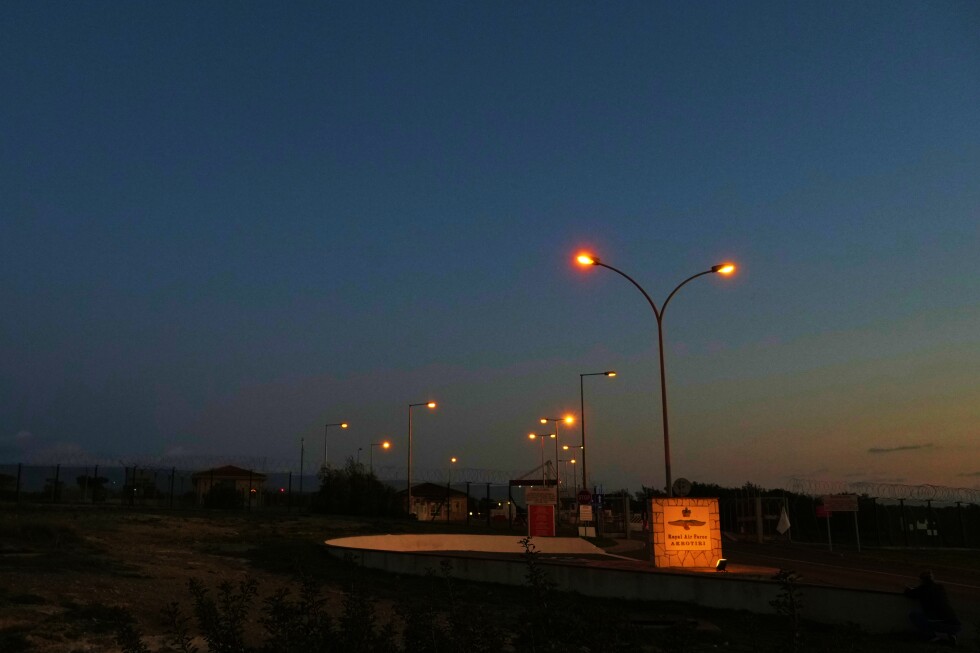
    Fears were further stoked after Trump signaled openness to launching a joint military conflict against Iran alongside Israel, a move that culminated in an Iranian retaliatory strike in March targeting a British military base stationed in Cyprus — the current holder of the EU’s rotating Council presidency.

    Unlike NATO, which is structured exclusively as a collective security alliance, the EU has a far broader toolkit of response options at its disposal during a crisis, ranging from traditional military deployments to economic sanctions, enhanced border controls, trade restrictions, and visa policy changes. As ongoing conflicts in Ukraine and the Middle East continue to divert U.S. global security attention, European leaders are moving to map out exactly how these tools can be coordinated in an emergency.

    Despite the planning, significant questions remain unresolved about how the clause would work in practice. “We don’t know what is going to happen if a member state triggers this article,” Christodoulides told the AP. “There are a number of issues.”

    Menelaos Hadjicostis contributed reporting from Nicosia, Cyprus.

  • US downplays Iran’s seizure of European vessels, Hormuz brinkmanship continues

    US downplays Iran’s seizure of European vessels, Hormuz brinkmanship continues

    ### Escalating Maritime Standoff in the Strategic Strait of Hormuz
    Two months into open conflict, a tense stalemate over competing naval blockades has reignited friction between the United States and Iran in one of the world’s most critical energy chokepoints, with negotiations to end hostilities remaining deadlocked and neither side showing willingness to back down.

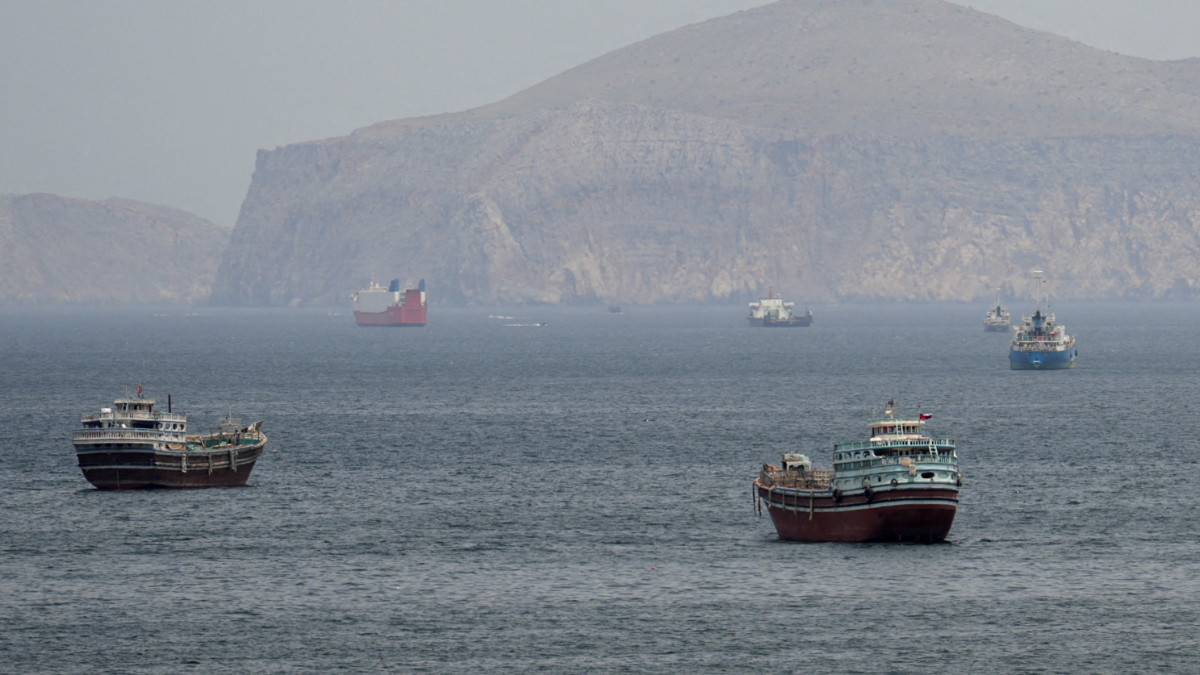
    On Wednesday, Iranian fast-attack craft intercepted three commercial vessels transiting the Strait of Hormuz, before escorting two of the detained ships into Iranian territorial waters. The two seized vessels are identified as the *Epaminondas*, a Greek-owned cargo ship flying a Liberian flag, and the *Francesca*, a container vessel operated by Mediterranean Shipping Company, a major shipping firm headquartered in Geneva, Switzerland.

    Iran’s operation delivered a clear message: despite repeated U.S. claims that Iran’s naval capabilities in the region have been crippled, Tehran’s small attack craft retain full operational ability to regulate and disrupt maritime traffic through the strait, a route that carries roughly 20% of the world’s daily oil trade.

    The latest seizures are a direct response to a U.S. action earlier this week, when American forces detained an Iranian crude oil tanker in the Indian Ocean that was sanctioned for allegedly smuggling Iranian oil exports. The current round of blockades dates back to February, when the Trump administration imposed a full naval blockade on Iran after Tehran seized control of key sections of the Strait of Hormuz following an attack on its assets.

    U.S. Central Command announced Wednesday that its blockade has so far blocked 29 vessels from violating the restrictions. Top Republican Senator Lindsey Graham has also hinted that the U.S. boycott of Iranian ports and commercial vessels may soon expand into a global campaign. But the Trump administration’s claims of a fully effective blockade have been called into question by maritime industry outlet Lloyd’s List, which confirmed that more than 24 commercial vessels — including multiple tankers linked to Iran — have successfully evaded U.S. warships patrolling the Gulf of Oman in recent weeks.

    In an attempt to de-escalate rhetoric and protect the fragile existing ceasefire, White House Press Secretary Karoline Leavitt downplayed the significance of Wednesday’s vessel seizures. She emphasized that the detained ships are not American or Israeli-flagged vessels, but rather two international commercial ships, so the action does not qualify as a breach of the ceasefire agreement. “The naval blockade that the U.S. has imposed continues to be incredibly effective,” Leavitt told reporters Wednesday.

    Iran has pushed back sharply on this framing, arguing that the U.S. blockade itself is a clear violation of the ceasefire. Tehran has reiterated that it will continue detaining international vessels transiting out of the Strait of Hormuz until the U.S. blockade is fully lifted. “A complete ceasefire only has meaning if it is not violated through a naval blockade,” stated Mohammad Bagher Ghalibaf, Speaker of the Iranian Parliament. “Reopening the Strait of Hormuz is not possible amid a blatant violation of the ceasefire.”

    The White House’s softening of rhetoric is explicitly aimed at preserving the fragile ceasefire that was set to expire this week. On Tuesday, U.S. President Donald Trump announced an indefinite extension of the truce, saying the move came at the request of Pakistan, which has served as a neutral mediator between Washington and Tehran. Trump explained the extension was necessary to give Iran additional time to review and respond to U.S. negotiation proposals. But Tehran has rejected this narrative, saying the U.S. has put forward unreasonable demands that are not open to compromise.

    Leavitt pushed back on media reports suggesting the White House had set a hard deadline for Iran to respond, telling journalists Wednesday: “The president has not set a firm deadline to receive an Iranian proposal, unlike some of the reporting I’ve seen today. Ultimately, the timeline will be dictated by the commander-in-chief.”

    While large-scale open fighting has halted under the ceasefire, the escalating standoff over control of the Strait of Hormuz has sparked widespread anxiety among neighboring Gulf states. Kuwait, Bahrain, Qatar and the United Arab Emirates all depend on the strait for the vast majority of their oil and gas export volumes, leaving their economies highly exposed to any prolonged disruption to maritime traffic.

    In response to reports that the UAE has requested a currency swap arrangement to shore up its dollar liquidity, Trump confirmed Tuesday that the White House is considering providing targeted financial support to the Emirati central bank. Currency swap lines allow foreign central banks to exchange their domestic currency for U.S. dollars during periods of market liquidity stress.

    On Wednesday, U.S. Treasury Secretary Scott Bessent confirmed to congressional lawmakers that the administration is weighing emergency dollar liquidity support for “many” Gulf states, including the UAE. Bessent explained that the arrangement, which functions as a short-term dollar loan, would benefit the U.S. as well by preventing disorderly sell-offs of U.S. dollar-denominated assets held by Gulf central banks. The UAE holds hundreds of billions of dollars in U.S. assets, including Treasury securities and U.S.-listed equities.

    “Swap lines, whether it’s from the Federal Reserve or the Treasury, are to maintain order in the dollar funding markets and to prevent the sale of the U.S. assets in a disorderly way,” Bessent said. “So, the swap line would benefit both the UAE and the U.S., and as I said, numerous other countries, including some of our Asian allies, have also requested them.”

  • Is Trump heading to a Pyrrhic victory in Iran?

    Is Trump heading to a Pyrrhic victory in Iran?

    U.S. President Donald Trump has prematurely declared victory in the ongoing conflict with Iran, even as hostilities remain unresolved. While Tehran has suffered major losses—including the death of its supreme leader Ali Khamenei and severe degradation of its conventional military capabilities—many analysts argue that the Islamic Republic has actually emerged stronger by virtue of surviving the full force of the American assault.

    As the U.S. pours increasing amounts of military equipment and diplomatic credibility into what it has named Operation Epic Fury, the term “Pyrrhic victory” has come up repeatedly in discussions of the campaign. This phrase has also featured heavily in post-conflict retrospectives of the 2003 Iraq War, postmortems of 2011 U.S. intervention in Libya, and nearly all critical analyses of two decades of Western military intervention across the Middle East. But what does the term actually mean, and does it accurately describe the trajectory of America’s current war in Iran?

    To understand the concept fully, we must trace it back to its ancient origins. Most casual users define a Pyrrhic victory as a win that costs far more than the prize is worth. While that is a close approximation, it omits the core strategic insight that makes the term enduring. In 280 BCE, Pyrrhus, king of the ancient Greek kingdom of Epirus, led his army across the Adriatic into what is now southern Italy to challenge the expanding Roman Republic. He won decisive battlefield victories at Heraclea in 280 BCE, followed by another hard-fought win at Asculum a year later.

    But each victory gutted Pyrrhus’s most elite fighting forces. His best troops were raised from his small, distant kingdom, and he could not replace his losses at the same scale that Rome could replenish its ranks. Following the bloodbath at Asculum, Pyrrhus is famously reported to have remarked, “If we are victorious in one more battle with the Romans, we shall be utterly ruined.” The historian Plutarch preserved this line for future generations, and it has outlasted nearly all other documentation of Pyrrhus’s Italian campaign.

    The key distinction of a Pyrrhic victory is not simply that it comes at a high cost. A victory remains a meaningful victory if the winner emerges with a stronger overall position relative to their opponent than they held before the fighting began. A victory becomes Pyrrhic when the side that claims the win actually leaves the conflict strategically weaker than it started.

    This dynamic has played out repeatedly in 21st-century American military campaigns across the Middle East, starting with the 2003 invasion of Iraq. U.S. and coalition forces dismantled Saddam Hussein’s authoritarian regime in just three weeks, achieving an immediate battlefield success. But the invasion collapsed the entire Iraqi state in the process: the national army was disbanded, state institutions were hollowed out, and domestic security forces vanished entirely. What followed was a years-long insurgency, brutal sectarian civil war, and eventually the rise of the transnational terrorist group the Islamic State.

    Beyond the chaos within Iraq’s borders, removing Saddam also eliminated the primary regional counterweight to Iranian power in the Persian Gulf. Though Saddam’s Iraq and revolutionary Iran were bitter rivals, that rivalry effectively contained Tehran’s ability to project influence across the region. Eliminating the Hussein regime cleared the way for Iran to expand its regional footprint to a degree not seen since the 1979 Islamic Revolution. That shift in regional power dynamics created the very context that makes the current U.S. war in Iran possible: the U.S. invaded Iraq to eliminate a perceived threat, and ended up strengthening the very rival it now targets.

    The 2011 NATO-led U.S. intervention in Libya initially appeared to be a more clear-cut success. The air campaign was short, and Moammar Gadhafi, the Libyan dictator who had bedeviled U.S. administrations for decades, was killed by opposition fighters within eight months. NATO achieved its stated goals of protecting civilian populations and removing Gadhafi’s regime. But the alliance had no coherent plan for governing post-Gadhafi Libya. After the regime fell, the country fractured into competing militias and rival governments, and loose stockpiles of Gadhafi’s weapons flooded south into the Sahel, fueling ongoing insurgencies and conflicts that continue to destabilize the region today. The intervention also sent a stark message to authoritarian regimes worldwide: complying with international demands to dismantle weapons of mass destruction programs, as Gadhafi had done, does not guarantee security—it may actually make you more vulnerable to regime change. That lesson has only strengthened the resolve of regimes like North Korea and Iran to pursue robust deterrent programs.

    In both Iraq and Libya, what the U.S. framed as clear battlefield victories ended up leaving America in a far worse strategic position than before the intervention began, making both textbook examples of Pyrrhic victories. That history raises urgent questions about whether the current conflict with Iran will follow the same pattern.

    It is still too early to deliver a definitive final verdict on the outcome of the Iran war, but the early warning signs are already visible. On one hand, Iran has suffered major losses: Khamenei is dead, and the country’s conventional missile and naval forces have sustained severe damage. Washington has declared victory, and by its own narrow metrics, that claim holds some water.

    But on the other side of the balance sheet, Iran still maintains effective control over the Strait of Hormuz, the world’s most critical oil chokepoint—and now holds more leverage over global energy markets than it did before the war. The conflict has already driven global oil prices to nearly $100 per barrel, sending shockwaves through the already fragile global economy. Meanwhile, Russia has reaped major economic and strategic benefits from the conflict without firing a single shot, as higher energy prices boost Russian export revenues.

    Most notably, the status of Iran’s nuclear program—one of the core stated justifications for the U.S. campaign—now appears less likely to be resolved than before the war began. A regime that has already absorbed the full force of a U.S. military assault has even stronger incentives to pursue a nuclear deterrent to prevent future attacks, not weaker ones.

    To understand whether this is a Pyrrhic victory, we have to return to the core definition of the term: a Pyrrhic victory is not just a costly victory, it is a victory that leaves you strategically weaker than you were before the conflict began. Too often, once the fighting stops, analysts and politicians skip past the critical question: what tangible strategic change did this victory actually deliver?

    Pyrrhus answered that question after Asculum, and his answer was not a flattering one for his own “victory.” Looking at the current state of play—continued Iranian control of the Strait of Hormuz, volatile global oil markets, a stronger Iranian motivation to pursue nuclear deterrence, and Russia’s unearned gains—it seems increasingly likely that President Trump will soon face the same uncomfortable conclusion that Pyrrhus reached more than 2,300 years ago. This analysis was written by Andrew Latham, a professor of political science at Macalester College, republished with permission from The Conversation under a Creative Commons license.

  • Voting begins in India’s West Bengal state after a national voter list purge

    Voting begins in India’s West Bengal state after a national voter list purge

    Polling for one of India’s highest-stakes regional elections opened on Thursday in West Bengal, launching a vote that carries nationwide political consequences after a national electoral roll revision stripped millions of people of their voting eligibility, stoking widespread fears of disenfranchisement. West Bengal stands out as one of the largest Indian states still not controlled by Prime Minister Narendra Modi’s ruling Bharatiya Janata Party (BJP), making the election a critical battleground for national power dynamics.

    This contest is far more than a regional race: it is a major test of the BJP’s ability to expand its footprint into long-held opposition strongholds across the country. For the BJP, a win would cement the party’s growing dominance across Indian states, while a victory for incumbent Chief Minister Mamata Banerjee, leader of the regional opposition Trinamool Congress, would reinforce her standing as one of Modi’s most formidable national challengers. Voting is also underway simultaneously in the southern state of Tamil Nadu, with a second phase of polling scheduled for next week in West Bengal. Final results from this round of state elections, alongside earlier voting in Kerala, Assam, and the union territory of Puducherry, will be announced on May 4.

    The controversy at the heart of this election centers on a sweeping voter roll update carried out by India’s Election Commission, billed as a measure to remove duplicate entries, names of deceased voters, and ineligible registrations. In total, roughly 9 million names — equal to 12% of West Bengal’s entire electorate — were struck from the rolls. Officials confirm 6.3 million of those deletions were for voters listed as deceased or permanently absent, while 2.7 million more were marked “doubtful” and left pending verification. But hundreds of thousands of affected voters report they participated in previous elections, hold all required valid government identification, and were removed from the rolls without any formal explanation.

    Take Sheikh Najrul Islam, a 53-year-old paramilitary officer who was deployed to West Bengal to oversee election security. He voted as recently as 2021 and holds all valid citizenship documents, yet his name vanished entirely from the updated voter list. “The Election Commission has deputed me to ensure free and fair polls. Yet, it does not consider me a citizen of this country,” Islam told reporters. Similarly, 62-year-old retired school administrator Taibunessa Begum, who holds a valid Indian passport, official pension records, and a decades-long history of voter registration, said she was stunned to find her name deleted. “It felt like being told I don’t exist,” she said.

    Opposition leaders have levied serious allegations that the deletions disproportionately target Muslim residents and other marginalized communities in the state, a charge national election officials and the ruling party have outright denied. The Election Commission maintains the revision was a straightforward administrative effort to clean up outdated rolls, while BJP officials frame the process as a routine, nationwide exercise that affected Hindu voters as well. The party argues any perceived disproportionate impact in West Bengal stems from a large population of undocumented migrants in the state.

    Critics, however, tie the voter roll changes to polarizing political rhetoric from Modi and senior BJP leaders, who have repeatedly framed the revision as a crackdown on illegal immigration from neighboring Bangladesh. Opposition figures say this rhetoric has amplified deep-seated fears among minority communities that the roll update is being weaponized for political gain to exclude them from the democratic process. Derek O’Brien, a senior Trinamool Congress spokesperson, called the process “invisible rigging,” adding “The motive is to disenfranchise voters.”

    Political analysts warn the controversy could have far-reaching consequences beyond this single election, eroding trust in democratic institutions among marginalized groups. “Losing one’s place in the electoral roll can be deeply unsettling. It is not only about voting rights; it is about dignity, recognition, and the assurance that one counts as a citizen,” said political analyst Iman Kalyan Lahiri. For affected voters like Begum, the stakes are intensely personal, extending far beyond partisan politics. “This is not just about politics,” she said. “It is about identity, about whether we belong to this country.”

  • ‘Boss princess’: Trump counterterrorism official investigated for seeking ‘sugar daddies’

    ‘Boss princess’: Trump counterterrorism official investigated for seeking ‘sugar daddies’

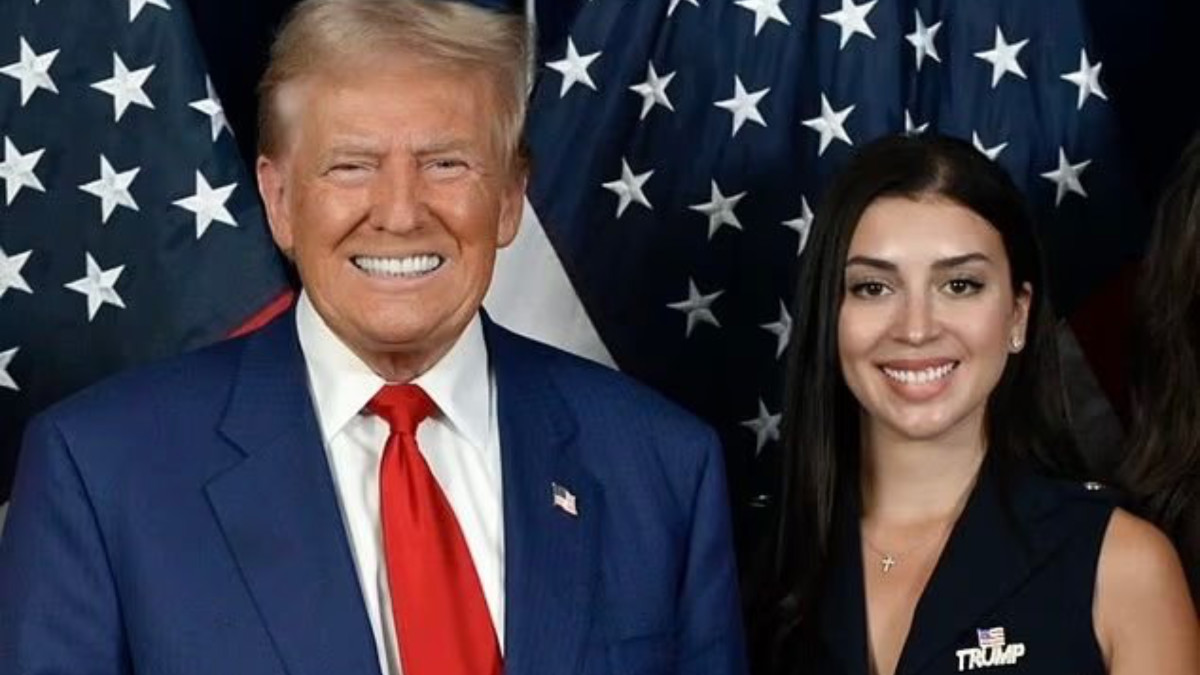
    A high-ranking former counterterrorism official from the Trump administration is at the center of a growing controversy following explosive allegations that she sought wealthy benefactors through a niche dating platform to fund an upscale personal lifestyle, British tabloid *The Daily Mail* first reported on Wednesday.

    The accusations stem from a formal complaint submitted to the Department of Homeland Security (DHS) Office of Inspector General by a 65-year-old divorced executive identified only as Robert B. The complainant alleges that 29-year-old Julia Varvaro, who served as Deputy Assistant Secretary for Counterterrorism at DHS, engaged in a three-month romantic arrangement starting on the mainstream dating app Hinge that ultimately cost him more than $40,000 in gifts, travel, and living expenses.

    According to the complaint, Varvaro maintained an active profile on the dating platform Seeking.com under the alias “Alessia”, marketing herself to potential matches as “seductive sophistication,” with profile details matching both her public Instagram photos and a personal description labeling her “flirty, fun, and fond of sultry spaces.” Robert B claims that Varvaro openly admitted her entire college tuition was covered by previous wealthy benefactors, and that the expensive Cartier jewelry and designer handbags she wore were all “trophies” from prior arrangements with sugar daddies.

    The complainant further alleges that Varvaro requested he cover half of her monthly rent, as well as fund luxury getaways to destinations including Aruba, the Swiss Alps, and Italy. During their relationship, the pair also smoked marijuana together, with Varvaro reportedly claiming she was “above” mandatory drug testing required for DHS employees and referring to herself as a “boss princess.” Under DHS employment rules, recent marijuana use can disqualify candidates for security clearances and official positions, a detail that amplifies concerns raised in the complaint.

    Most critically, Robert B argues that Varvaro’s documented pattern of pursuing large financial gifts from multiple wealthy private individuals creates a significant national security vulnerability for the United States. Financial vulnerability has long been flagged as a key risk factor for foreign espionage and coercion, making the claim particularly serious for a senior counterterrorism official with access to classified government information.

    In response to *The Daily Mail*’s request for comment, Varvaro issued a full denial of all allegations. She refuted having any profile on Seeking.com, claimed she had engaged in no misconduct, and asserted the entire story was fabricated by a disgruntled former boyfriend as an act of retaliation.

    DHS has confirmed that the Office of Inspector General is currently conducting an active investigation into the claims, with no preliminary findings released to the public as of the report.

    The controversy surrounding Varvaro coincides with broader ongoing scrutiny of business activities linked to the Trump family in international markets. Just recently, *The Wall Street Journal* published new reporting on a luxury skyscraper development project in Tbilisi, Georgia, led by the Trump Organization, which is currently managed by former President Trump’s adult children.

    For its part, Seeking.com has publicly updated its community policies in recent years, stating that traditional sugar dating, explicit financial arrangements, and mutually beneficial transactional relationships are explicitly banned from the platform. The company says it now markets itself exclusively to users seeking genuine, traditional romantic partnerships, with the official motto “Date people who make your life better.” Despite this public policy shift, the platform’s homepage still features a promotional video pairing an older gray-haired man with a much younger woman, showing the pair traveling in luxury vehicles, dining at high-end restaurants, and vacationing at exclusive beach resorts, a visual that aligns closely with the platform’s historic reputation for facilitating transactional dating arrangements.