分类: politics

  • Why the European Union’s wartime loan is a vital lifeline for cash-strapped Ukraine

    Why the European Union’s wartime loan is a vital lifeline for cash-strapped Ukraine

    KYIV, Ukraine — Cash-strapped Ukraine, locked in its second major year of defensive war against Russian invasion, has secured a landmark 90 billion-euro ($106 billion) multi-year loan from the European Union, a financial lifeline that will keep the country’s core state functions and wartime military operations running through 2027.

    The massive financial package received formal unanimous approval from EU member states on Thursday, marking the end of a months-long political deadlock that nearly left Kyiv facing catastrophic resource shortages as early as this spring. The final green light came just days after Ukrainian President Volodymyr Zelenskyy confirmed full repairs to the Ukrainian segment of the Druzhba oil pipeline, with oil transit resuming to landlocked Slovakia and Hungary — a key precondition Budapest and Bratislava had tied to the release of the funds.

    Negotiations over the package had stalled for months due to internal political friction within the 27-nation bloc, most notably staunch opposition from outgoing Hungarian Prime Minister Viktor Orbán, a longstanding Kremlin ally within the EU. Orbán’s electoral defeat earlier this month removed the single biggest barrier to progress, clearing the path for final negotiations to resume and reach a successful conclusion.

    ### The Urgent Rationale for the Package
    The timing of the approved loan could not be more critical for Kyiv. The International Monetary Fund projects that Ukraine will face a total financing gap of approximately 136 billion euros ($158 billion) over the 2026–2027 period, as the country’s tax base remains gutted by war and most of its export infrastructure remains blocked by Russian naval forces. The EU loan is expected to cover around two-thirds of this total shortfall. Without the funding, senior Ukrainian and EU officials warned that Kyiv could have exhausted the resources needed to keep basic public services running and sustain frontline military operations as early as the coming spring.

    Funding will be disbursed in two equal installments: 45 billion euros ($53 billion) will be made available for the remainder of 2026, with an equal 45 billion euros allocated for the full 2027 calendar year. Under the terms of the agreement, roughly one-third of the total package will go toward stabilizing Ukraine’s national budget to fund pensions, public sector salaries, healthcare and other core government services. The remaining two-thirds will be directed to defense priorities, including the procurement of foreign weapons systems and the expansion of Ukraine’s domestic arms manufacturing capacity. The first disbursement of funds is expected to reach Kyiv within the next several months.

    ### What Caused the Months-Long Delay
    EU leaders initially reached a political agreement on the loan framework back in December 2025, but implementation was put on hold amid a bitter dispute over the Druzhba oil pipeline. In a compromise reached that same month, the Czech Republic, Hungary and Slovakia had agreed not to block the EU from raising the full amount on global capital markets, on the condition that the three countries would not be required to contribute any financial guarantees to the package.

    The dispute escalated in late January, when the Ukrainian segment of the Druzhba network — which carries Russian crude oil to refineries in Slovakia and Hungary — was knocked offline after an alleged Russian drone attack. Both the Hungarian and Slovakian governments publicly accused Ukraine of deliberately cutting off oil supplies to pressure their leaders, turning a technical infrastructure issue into a broader political standoff within the bloc and holding up the loan approval.

    The impasse was only broken earlier this week, when Hungary and Slovakia confirmed that Ukraine had fully restored oil transit through the pipeline. Zelenskyy’s announcement that all repair work was complete removed the final outstanding barrier to the deal. Thursday’s formal vote, which unanimously approved adjustments to the EU’s 10-year long-term budget to accommodate the new spending, was the final procedural step required to release the package.

    ### Repayment Terms Tied to Russian War Reparations
    In a departure from earlier proposals that would have used billions in frozen Russian central bank assets to back the loan, EU leaders agreed to a more cautious framework that will tie Ukraine’s repayment obligation directly to future war compensation from Moscow. Under the new terms, Ukraine will not be required to begin repaying the loan until after Russia formally compensates Ukraine for the massive physical and economic damage caused by its full-scale invasion.

    EU leaders opted against mobilizing frozen Russian assets to back the loan after widespread concerns over potential Russian retaliation against European financial institutions and complex international legal challenges that could block the seizure of the assets. The bloc has opted to keep the estimated $300 billion in Russian central bank assets frozen until Moscow agrees to end its invasion and pay full reparations for the damage inflicted on Ukraine.


  • Trump administration reclassifies cannabis as less dangerous

    Trump administration reclassifies cannabis as less dangerous

    After months of anticipation, the United States Department of Justice has finalized a landmark reclassification of cannabis, marking one of the most significant overhauls to American federal drug policy in modern history. This long-awaited policy change moves cannabis, commonly referred to as marijuana, from its decades-long placement as a Schedule I controlled substance — a category reserved for drugs with no accepted medical use and high abuse potential — to Schedule III, placing it in the same regulatory grouping as prescription Tylenol with codeine.

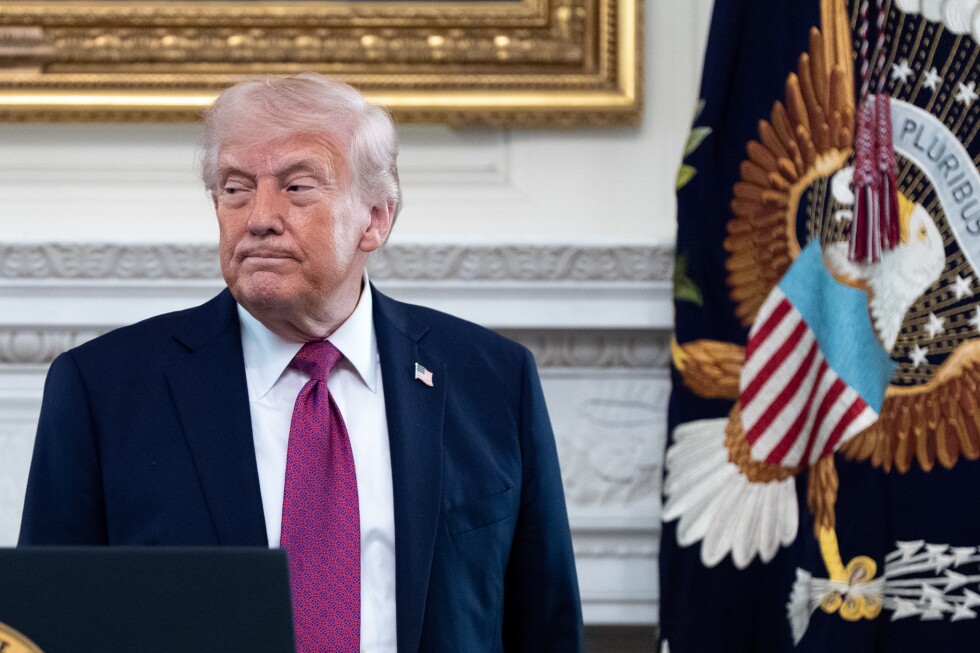
    The process for this change was first set in motion last year, when former President Donald Trump issued an executive order directing his administration to launch the reclassification review. The core goal of that directive was to expand both public access to cannabis for medical use and create clearer pathways for academic and clinical research into the drug’s therapeutic properties. Even with this reclassification, cannabis remains prohibited for non-medical recreational use at the federal level, a legal contradiction that has defined American cannabis regulation for decades. This conflict persists even as a strong majority of U.S. states have already moved to legalize cannabis for either medical use, adult recreational use, or both, with state-licensed retail dispensaries operating legally across much of the country.

    On Thursday, Acting Attorney General Todd Blanche signed off on the formal reclassification, which applies to two broad groups of cannabis products: those regulated by the federal Food and Drug Administration, and products sold through providers that hold valid state-issued medical marijuana licenses. While the final announcement of the reclassification came this week, the move has been widely expected since December, when Trump first initiated the administrative review process.

    The policy change will not go into effect immediately. Once the new rule is published in the Federal Register, a mandatory 30-day public comment and waiting period will begin before it takes legal effect. Legal challenges to the reclassification are widely expected during this window, and analysts note that such challenges could delay full implementation of the change for months, or even multiple years. The U.S. Drug Enforcement Administration is scheduled to hold a public hearing on the regulatory change in late June to address stakeholder input and procedural requirements.

    This reclassification is the second major shift in federal drug policy that the Trump administration has advanced in less than a week. Just five days before announcing the cannabis reclassification, Trump signed a separate executive order aimed at expanding access to psychedelic substances for clinical research and experimental medical treatment, signaling a broader push to relax long-standing federal restrictions on mind-altering substances with emerging therapeutic potential.

  • Authorities expose 10 ecological violation cases, urge stricter enforcement

    Authorities expose 10 ecological violation cases, urge stricter enforcement

    On April 23, 2026, China’s two leading national regulatory bodies for natural resources and forestry released 10 representative cases of ecological and land use violations detected across the country in the first quarter of 2026, issuing a clear call for heightened regulatory accountability and stricter adherence to national environmental and land use boundaries.

    The enforcement action highlights a nationwide crackdown on activity that encroaches on protected ecological zones and critical farmland, with confirmed violations spanning 10 provincial-level administrative regions across northern, southern, western and eastern China. These regions include the Inner Mongolia Autonomous Region, Xinjiang Uygur Autonomous Region, Heilongjiang Province, Jiangsu Province, Jiangxi Province, Guangdong Province, Guizhou Province, Gansu Province, Qinghai Province, and Chongqing Municipality. The offenses cited across the 10 cases cover a range of illegal activities: unauthorized land occupation, deliberate destruction of permanent basic farmland, unlicensed mineral extraction, and irreversible damage to forest and grassland ecosystems.

    One high-profile case cited by regulators is located in Tongliao, Inner Mongolia. Satellite imagery captured in February 2026 revealed large stacks of wind power generation equipment stored illegally on protected farmland. Investigations trace the violation back to November 2023, when the Horqin Industrial Park Management Committee signed a land lease agreement with a local logistics firm. The contract allowed the company to occupy more than 13.3 hectares of farmland for equipment storage and logistics operations without securing mandatory land use approval from national regulatory authorities. Regulators confirmed that long-term heavy compaction from stacked equipment destroyed the arable plow layer, rendering the land unsuitable for future agricultural production.

    In Xuzhou, Jiangsu Province, continuous satellite monitoring from September 2022 through December 2025 tracked a steady transformation of vegetated farmland to bare, cleared ground. Authorities found that beginning in October 2023, a local individual identified only by the surname Tang illegally occupied 26.5 hectares of permanent basic farmland to cultivate and harvest decorative turf for commercial sale. The activity caused permanent, severe damage to the land’s arable plow layer.

    A third notable case unfolded in Zhuhai, Guangdong Province, where a local aquaculture technology company seized 2.5 hectares of state-owned agricultural land without official approval, nearly 40 percent of which is classified as protected farmland. Between October 2024 and February 2025, the company constructed a range of non-agricultural facilities on the site, including a public parking lot, an off-road vehicle training track, outdoor recreational event spaces, and a full-service commercial restaurant.

    Following the public release of the cases, the Ministry of Natural Resources and the National Forestry and Grassland Administration issued a formal directive to local governments and regulatory departments across all levels. The agencies urged local officials to draw key enforcement lessons from the exposed violations, strengthen on-the-ground monitoring, and strictly enforce three critical national development boundaries: the permanent farmland protection red line, the ecological conservation red line, and the urban development boundary. All economic and infrastructure development activities, the directive emphasizes, must operate fully within the bounds of existing national environmental and land use laws and regulations. The two national bodies added that they will maintain continuous, long-term monitoring of rectification efforts for all 10 exposed violations, ensuring all illegal activity is remediated and responsible parties are held accountable.

  • ‘Sovereignty’ bill seeking to deter foreign influence has drawn widespread concern in Uganda

    ‘Sovereignty’ bill seeking to deter foreign influence has drawn widespread concern in Uganda

    In Kampala, Uganda, a proposed piece of government legislation framed as a defense against foreign political interference is facing fierce, cross-sector backlash over its sweeping, broad definitions of ‘foreign agents’ and the widespread harm critics warn it could inflict on civic and economic activity across the country.

    The draft law, officially dubbed the Protection of Sovereignty Bill, is currently advancing through parliamentary review, with a final vote potentially coming within days. Despite mounting condemnation from a diverse coalition including political opposition groups, banking industry leaders, business associations, civil society organizations and ordinary Ugandans who rely on cross-border remittances, the legislation continues to move forward.

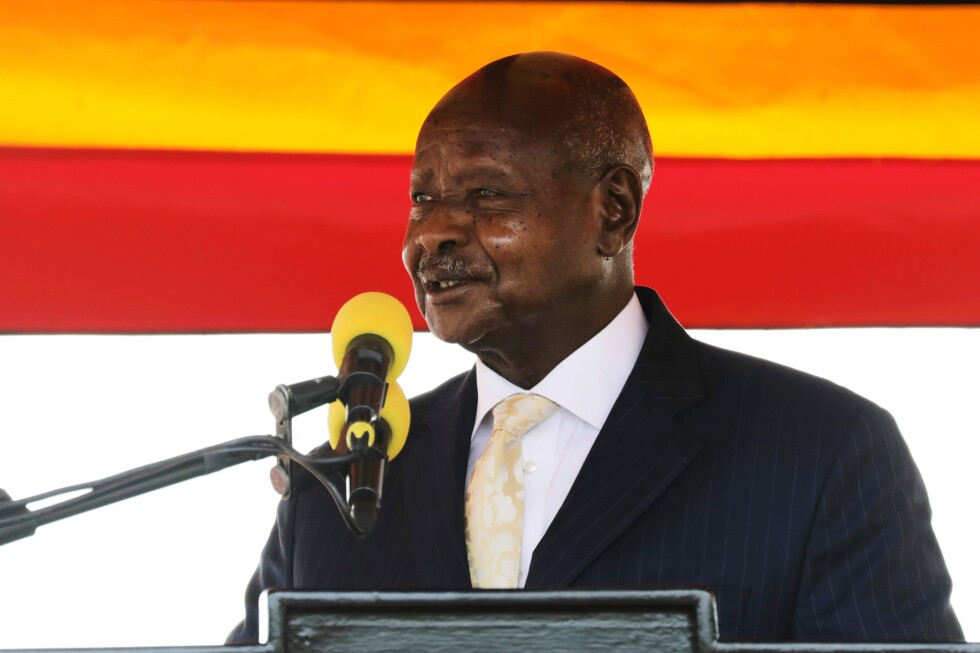
    Critics across the political and social spectrum argue the bill’s true purpose is not to protect national sovereignty, but to stifle political opposition and crack down on independent civic groups, which frequently rely on international grants to carry out work focused on governance accountability and human rights promotion. For observers, the bill marks a clear escalation of long-growing authoritarian repression under long-ruling President Yoweri Museveni.

    Prominent Ugandan political analyst Charles Onyango-Obbo described the legislation’s provisions as unprecedented in their scope and potential impact. ‘They redefine who counts as foreign,’ he explained. ‘This law extends state control beyond political spheres into nearly every corner of daily economic and social life.’

    Unlike traditional regulations that only target non-citizens, the bill’s definition of a foreign actor includes any Ugandan citizen residing outside the country, along with all companies and organizations not formally domiciled in Uganda. This broad classification catches everyone from international students and migrant workers to diaspora businesspeople and diplomatic staff living abroad. If enacted in its current form, all Ugandans falling under the foreign agent definition would be required to complete official registration to avoid processing delays for banking transactions, with banks facing heavy penalties if they fail to comply with the new rules.

    Ugandan authorities have defended the legislation, arguing it is necessary to safeguard national social cohesion and protect the country’s internal affairs from outside interference. But opponents counter that the bill’s reach is so broad that it would impact nearly every Ugandan, whether living at home or in the diaspora.

    Isaac Ssemakadde, president of the Uganda Law Society, rejected the government’s framing in an official statement. ‘This bill does not protect sovereignty,’ he said. ‘It destroys the very sovereignty — the people’s right to self-determination — that belongs to all Ugandans.’

    Among the key controversial provisions is a cap on external funding for any group labeled a foreign agent: organizations would be banned from receiving more than 400 million Ugandan shillings (roughly $110,000) in external grants or funding over a 12-month period without explicit approval from the interior minister.

    The Uganda Bankers’ Association raised alarm about the legislation’s potential economic fallout in a formal letter sent to the attorney general’s office. The group warned the bill would undermine the central bank’s exclusive regulatory authority, erode foreign investor confidence, and create an unpredictable operating environment for all commercial financial institutions. Because most Ugandan commercial banks count foreign shareholders and rely on offshore borrowing, routine banking activity could easily trigger the foreign agent classification, the association noted, causing compliance and reputational risks to spike overnight.

    The introduction of the bill comes just months after Museveni, 81, secured his seventh consecutive term in office in a disputed January election that has been widely rejected by the opposition as fraudulent. Museveni, who has held uninterrupted power since 1986, has a long history of labeling his political opponents as foreign agents undermining national interests. His main rival in the 2021 election, opposition leader Bobi Wine, was repeatedly accused by Museveni of being an unpatriotic foreign proxy.

    Wine, who went into hiding immediately after the election and now lives in temporary exile in the United States, has repeatedly denied these accusations. He says Museveni must be held accountable for the widespread abuses that have occurred during his decades-long rule. Wine, who draws broad support from young urban Ugandans, officially garnered 24.7% of the vote, a result he has dismissed as fabricated.

    Sarah Bireete, head of the Center for Constitutional Governance, a leading Ugandan civic group, criticized the government for hiding behind nationalist rhetoric to target civil society. ‘If you want to regulate and close down civil society, just amend the existing NGO Act,’ she told reporters. ‘If you want to eliminate civil society in Uganda entirely, go amend the constitution and say openly that there will be no civil society here. But hiding behind the banner of protecting sovereignty to crack down on independent groups? If that’s your goal, why not just change the existing laws that govern civil society directly?’

  • US Senate clears key hurdle in bid to fund two immigration agencies

    US Senate clears key hurdle in bid to fund two immigration agencies

    A months-long partial shutdown of the U.S. Department of Homeland Security moved one step closer to resolution early Thursday, after Senate Republicans pushed through a procedural vote to advance funding for two of the department’s core immigration enforcement agencies without Democratic support. The late-night session stretched until roughly 3:30 a.m. local time, dragged out by a series of Democratic amendments in a tactic commonly referred to as “vote-a-rama,” and ultimately passed by a narrow 50-48 margin.

    Republicans opted to use a special legislative rule that allowed the spending measure to pass with a simple majority, after weeks of negotiations with Democrats collapsed over Democratic demands for agency reforms. Two Senate Republicans who have frequently broken with former President Donald Trump’s policy positions joined all voting Democrats in opposing the measure, while one Democrat and one Republican abstained from the vote entirely.

    The approved measure would allocate funding for U.S. Immigration and Customs Enforcement (ICE) and U.S. Customs and Border Protection (CBP) through the end of Donald Trump’s presidential term. A separate bipartisan bill that would fund the remainder of DHS, the parent department of both agencies, previously passed the Senate, but both pieces of legislation now need approval from the U.S. House of Representatives before they can be sent to the president’s desk for signature. It remains unclear when House lawmakers will bring either measure up for a vote, as House Republicans have often diverged from their Senate counterparts on immigration and spending policy in recent months.

    Senate Majority Whip John Thune, the chamber’s top Republican, praised the outcome of Thursday’s vote but acknowledged that the legislative process is far from over. “We still have a multi-step process ahead of us,” Thune told reporters Thursday morning.

    The partial government shutdown, which has left DHS without formal appropriations since February 14, is the longest partial shutdown in U.S. history. The current impasse grew out of a Democratic refusal to approve new funding for ICE and CBP until the agencies adopt major reforms, a response to two fatal shootings of Minneapolis residents Alex Pretti and Renee Good by agency operatives during a January immigration raid in Minnesota.

    As the standoff stretched into March, the funding gap began to directly impact everyday Americans: widespread staff shortages among DHS airport security officers led to travel chaos across the country, with security queues stretching from terminal checkpoints all the way to airport parking lots. Hundreds of officers resigned or skipped shifts after going weeks without pay amid the shutdown. Trump temporarily alleviated the crisis by signing an executive order that redirected existing departmental funds to pay security personnel, easing immediate pressure on congressional negotiators. But that pressure has rapidly built back up in recent weeks.

    Homeland Security Secretary Mark Mullin warned this week in an interview with Fox News that the department will exhaust all available emergency funding to cover employee salaries by the first week of May. “I’ve got one payroll left and there is no more emergency funds, so the president can’t do another executive order because there’s no more money there,” Mullin said. Trump has set a firm deadline of June 1 for a full budget package to reach his desk for signature, leaving congressional negotiators with a narrow window to resolve the months-long standoff.

  • China rolls out guideline to build youth-friendly cities

    China rolls out guideline to build youth-friendly cities

    China has launched a landmark new policy framework to advance the construction of youth-friendly cities, with the core goal of systematically cultivating an enabling environment that makes it easier for young people to establish roots, build careers and thrive in urban areas across the country.

    Jointly released by 15 central-level government departments — including the Central Committee of the Communist Youth League of China, the Cyberspace Administration of China and the National Development and Reform Commission — the guideline lays out 18 targeted measures designed to make cities more inclusive and supportive of young residents. These initiatives span a wide range of critical areas, from industrial development and innovation support to urban planning, affordable housing, childcare access and employment assistance.

    The policy sets out two clear phased targets for implementation. By 2030, the concept of youth-centered urban development is expected to gain widespread adoption across China, with tangible progress achieved in innovation support, quality of life for young people, green urban development and youth-inclusive governance. By 2035, a complete, mature institutional system for youth development will be fully established, aligned with China’s broader goal of basically completing the construction of modern, people-centered cities.

    Among the key measures outlined, the guideline prioritizes strengthening industrial foundations to support youth innovation, upgrading support systems for young innovators, and expanding skills training opportunities for young people. It also puts a spotlight on youth-oriented urban planning, calling for the integration of young people’s needs into urban spatial design, the construction of compact, affordable dormitory-style apartments near major employment centers and public transit routes, and the promotion of “youth-friendly businesses” within 15-minute community living circles.

    Additional policy focus is placed on addressing young people’s top practical concerns: marriage, childcare, housing and employment. Specific support measures include government-subsidized childcare services and after-school care programs, guaranteed access to compulsory education for children of migrant workers, and the expansion of “youth hostels” that offer free or low-cost short-term accommodation for new graduates seeking employment.

    Central-southern China’s Hunan province has emerged as a pioneer in this national initiative. Back in April 2024, Shen Xiaoming, Party Secretary of Hunan, stated at a provincial work meeting that building a youth-friendly province is a strategic move that matters deeply to Hunan’s long-term development prospects. Since then, Shen has repeatedly extended open invitations to young talent from across the country, and provincial leading officials have led recruitment delegations to multiple regions across China to attract young skilled workers. A series of targeted policies have also been rolled out to support college students’ entrepreneurship and accelerate the aggregation of young talent in the province.

    During this year’s annual Two Sessions, Shen highlighted Changsha, Hunan’s capital, as a model for youth-friendly development. He noted that Changsha boasts among the lowest housing prices and living costs of all provincial capitals in China, while its education and healthcare systems rank among the country’s highest. “Changsha is a unique presence in the world,” Shen said, adding that the city is ideally positioned to build a global R&D hub centered on young innovators.

    Local government data shows that Changsha has already constructed 115,000 units of government-subsidized rental housing, of which more than 34,000 units have been specifically allocated to young talent, covering all urban districts and counties under the city’s administration.

    One early beneficiary of the local youth support policies is He Xu, a computer science master’s graduate from Hunan University and founder of a technology startup based in Changsha. He credits his entrepreneurial success to the robust support system the province has built for young founders. His company received nearly 1 million yuan (approximately $146,500) in cloud computing subsidies, as well as one year of rent-free office space. This support allowed his team to claim 30 domestic awards in artificial intelligence competitions. By 2025, the company earned national high-tech enterprise certification, and participated in a provincial youth talent program that brought additional financial rewards.

    Expressing gratitude for the support he has received, He has committed to giving back to Hunan’s innovation and entrepreneurship ecosystem. He has launched a national AIGC competition to connect young emerging entrepreneurs with high-quality collaboration opportunities, and serves as an entrepreneurship mentor at Hunan University and other local higher education institutions, sharing his practical experience with aspiring young founders.

    “In Hunan, as long as you dare to try, you will get a response,” He said, calling on young entrepreneurs across the country to pursue their career goals in the province. “We have incubators with real market orders, competition-driven business opportunities and mentors who never leave.”

  • SPP releases first bilingual white paper on IP prosecution work

    SPP releases first bilingual white paper on IP prosecution work

    On April 21, 2026, China’s Supreme People’s Procuratorate (SPP) made a landmark move in intellectual property (IP) governance by publishing the *White Paper on Intellectual Property Prosecution Work (2025)*, marking the first time the document has been released in both Chinese and English, with the full English version hosted on the SPP’s official English website for global access.

    This comprehensive report combines empirical data, visual charts, and on-the-ground case studies to paint a full picture of the progress China’s national procuratorial system has achieved over the past year in advancing the country’s innovation-driven development strategy and cultivating a world-class, market-oriented, law-based, and internationalized business environment.

    The white paper outlines how procuratorial organs at all levels carried out their statutory duties across all four litigation domains—criminal, civil, administrative, and public interest litigation—related to intellectual property rights (IPR) throughout 2025. Adhering to the criminal justice policy of tempering strict punishment with lenient mercy, procuratorial bodies cracked down on IPR infringement offenses in full compliance with Chinese law. In total, procuratorates accepted and reviewed 11,341 criminal IPR infringement cases involving 25,160 suspects, ultimately prosecuted 9,135 cases encompassing 19,102 individuals, and issued non-prosecution decisions for 5,105 people in line with the principle of proportional justice.

    Beyond criminal enforcement, the national procuratorial system also expanded its work in other litigation domains: it handled 1,251 civil IPR procuratorial supervision cases and 1,795 administrative IPR procuratorial cases. For public interest litigation in the IPR space, procuratorial organs received 741 case clues and formally opened investigations into 612 of those leads.

    The report structures its key achievements across three core thematic sections: “Focusing on the Core Mission, Serving High-Quality Economic and Social Development”, “Coordinating Efforts to Build an Overall IPR Protection Framework”, and “Consolidating and Further Deepening Comprehensive Procuratorial Performance”. It places particular emphasis on consistent improvements to the quality and efficiency of procuratorial supervision, which have strengthened safeguards for judicial fairness in IPR cases.

    A standout priority highlighted in the white paper is the procuratorial system’s targeted efforts to support the development of China’s new quality productive forces. Procuratorial organs have prioritized enhanced legal protection for IPR in high-growth emerging and future-focused industries, including next-generation information technology, artificial intelligence, new energy, high-end manufacturing equipment, and biomedicine. They have strengthened criminal judicial safeguards for IPR tied to independent corporate innovation and key core technologies. At the same time, they have expanded civil and administrative procuratorial supervision for technology-related IPR cases covering patents, integrated circuit layout designs, new plant varieties, and computer software.

    As 2026 marks the opening year of China’s 15th Five-Year Plan (2026–2030), it is a critical juncture for IPR procuratorial work to advance national development goals and achieve new breakthrough progress, according to the head of the SPP’s Intellectual Property Procuratorial Department. Moving forward, centered on the core national goal of building China into a global leader in IPR protection, procuratorial organs will continue to strengthen specialized case-handling institutions and professional talent teams, while refining working mechanisms for full-scope comprehensive procuratorial performance. The goal of these efforts is to better support and incentivize innovation and creativity, drive cultural prosperity, uphold fair market competition, and protect public well-being through high-quality, efficient IPR prosecutorial work.

  • Trump likes a naval blockade. But Iran presents big differences from Venezuela and Cuba

    Trump likes a naval blockade. But Iran presents big differences from Venezuela and Cuba

    U.S. President Donald Trump has increasingly leaned on naval blockades as a core coercive tool to force policy changes from adversarial governments, first targeting Venezuela and Cuba, and now bringing the tactic to the Middle East against Iran. However, national security experts warn that the Iran confrontation carries vastly different strategic and economic risks that set it apart from the administration’s previous blockade efforts in the Caribbean.

    Unlike the Western Hemisphere targets Cuba and Venezuela, Iran controls direct access to the Strait of Hormuz, one of the world’s most critical energy chokepoints through which roughly 20% of global oil shipments pass on a normal basis. A prolonged standoff over the waterway creates immediate, far-reaching spillover effects that threaten to drag down the entire global economy, a risk that did not exist in the Caribbean blockades. Additionally, Iran maintains a far more capable conventional military force than either Venezuela or Cuba, and any sustained naval pressure requires a large, permanent U.S. military deployment thousands of miles from American shores, a far costlier and more complex commitment.

    Security analysts note that Iran’s geographic leverage gives it significant upper hand during the current shaky ceasefire. With the United States facing an upcoming midterm election cycle, rising domestic gasoline prices and broader economic disruption from blocked shipments could create enough political pressure to force the Trump administration to roll back its port and coastal blockade of Iran before Tehran meets its demands. “It’s really a question now of which country, the U.S. or Iran, has a greater pain tolerance,” explained Max Boot, a military historian and senior fellow for national security studies at the Council on Foreign Relations.

    The overall effectiveness of Trump’s pressure-by-blockade strategy remains a hotly debated topic among experts. Many argue that the perceived success of pressure efforts in Venezuela had far less to do with naval interdiction of sanctioned oil tankers and far more to do with a direct U.S. military raid that led to the ousting of former president Nicolás Maduro. For Cuba, meanwhile, a years-long U.S. oil embargo has gutted the island nation’s economy, pushing it into its most severe financial crisis in decades. Despite this extreme economic pressure, the tactic has failed to deliver the Trump administration’s stated goal of forcing a leadership change in Havana, even after recent rare bilateral talks between U.S. and Cuban officials on the island.

    Todd Huntley, director of Georgetown University’s National Security Law Program and a retired U.S. Navy captain and judge advocate general, notes that the visible outcome in Venezuela likely emboldened Trump to expand the blockade tactic. But he stresses that the two scenarios are fundamentally unalike across geographic, military, and political lines.

    While the U.S. blockade has certainly dealt a major blow to Iran’s economy, restricting imports of critical goods and limiting oil export revenue, ship tracking and maritime intelligence firms confirm that Tehran has still managed to move a substantial amount of sanctioned oil through the region despite the naval presence. Iran has rejected U.S. demands to reopen full transit through the Strait of Hormuz, and has resumed firing on commercial shipping in the area this week. Prolonged disruptions to Hormuz traffic have driven global gasoline prices sharply higher, pushed up costs for food and a vast range of other consumer goods worldwide, and created a major domestic political vulnerability for Trump ahead of November’s midterm elections.

    “Blockades are usually just one tool of a mechanism used in a conflict,” said Salvatore Mercogliano, a maritime history professor at Campbell University in North Carolina. “They can be important. But it’s only one element. And I don’t think it’s going to be enough to convince the Iranians.”

    U.S. Central Command head Adm. Brad Cooper claimed last week that “no ship has evaded U.S. forces,” noting that as of the prior Wednesday, the command had ordered 31 vessels to turn around or return to port. But global merchant shipping groups and intelligence firms contradict that assessment. Lloyd’s List Intelligence reports that a “steady flow of shadow fleet traffic” has continued moving in and out of the Persian Gulf, with 11 tankers carrying Iranian cargo departing the Gulf of Oman outside the strait since April 13. Another maritime analytics firm, Windward, confirmed this week that Iranian shipping traffic continues to move “via deception.”

    Mercogliano explains that Iranian vessels use multiple tactics to evade the blockade, including spoofing their automatic identification system location data and routing through Pakistani territorial waters. He adds that the sheer volume of commercial traffic passing through the region makes full screening an enormous logistical challenge for U.S. naval forces.

    The last comparable U.S. naval blockade of an adversary took place in the early 1960s, when the Kennedy administration implemented a quarantine of Soviet shipments to Cuba during the Cuban Missile Crisis — a measure deliberately not labeled a blockade for political and legal reasons, Huntley notes.

    History shows that blockades can produce strategic effects: Britain’s World War I blockade of Germany is a prominent example of a successful large-scale maritime interdiction campaign. But Boot points out that successful historical blockades generate results over years or decades, while the Trump administration is seeking quick, short-term policy changes ahead of elections.

    Boot argues that Trump misattributed the outcome in Venezuela to the blockade, when the successful leadership change actually stemmed from the direct military ousting of Maduro and subsequent cooperation from his former vice president Delcy Rodríguez. “There is no Delcy Rodríguez in Cuba or Iran,” Boot explained. “I think his success in Venezuela led him astray, thinking that this was a template that could be replicated elsewhere. He sees it as a huge success at little cost. And, in fact, it turns out to be a unique set of circumstances.”

  • UK and France strike new £662m small boats deal

    UK and France strike new £662m small boats deal

    Cross-channel irregular migration has emerged as one of the most divisive policy issues in UK politics in recent years, with arrivals of migrants via small boats rising steadily over the past three years to hit 41,472 in 2025 alone. As the existing 2023 enforcement agreement between London and Paris was set to expire next month, UK Home Secretary Shabana Mahmood signed a new £662 million three-year deal on Thursday aimed at ramping up efforts to block dangerous crossings and dismantle people smuggling networks.

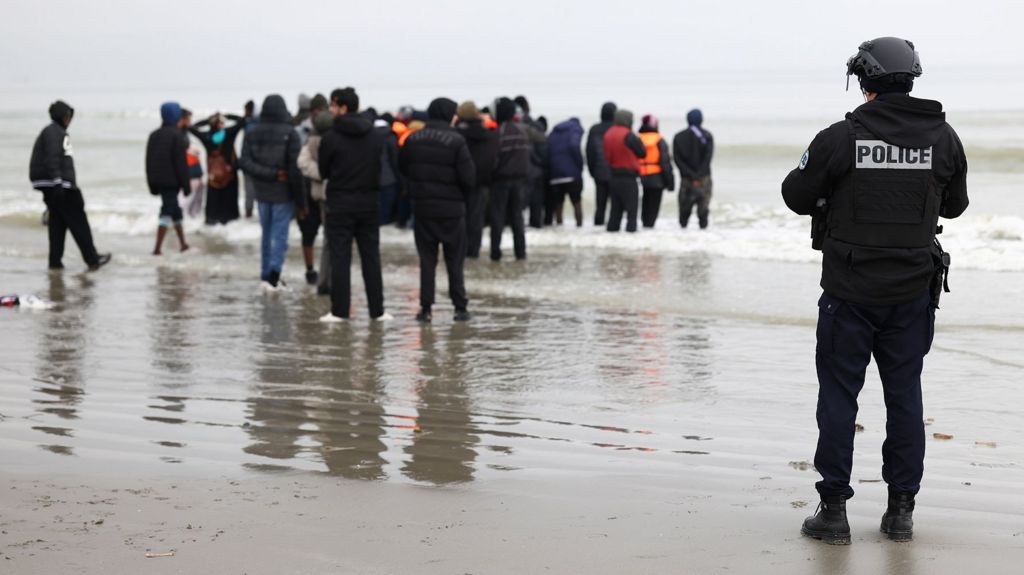
    Under the terms of the new agreement, France will expand its border enforcement capacity dramatically in northern France, the primary departure point for small boats heading to the UK. The deal will see 50 additional riot and crowd control-trained police officers deployed to northern French beaches to respond to violence and unruly groups of migrants. France will also invest in new surveillance technology, including millions of pounds worth of drones, two dedicated helicopters and an advanced coastal camera system to track smugglers and intercept migrants before they can launch boats.

    When the new deal enters into force this summer, the total number of French law enforcement, intelligence and military personnel assigned to curb crossings will increase by 42% to nearly 1,100. France will also add a new coastal patrol vessel and more than 20 additional maritime officers to target smuggling “taxi boats” that transport migrants out to waiting small craft. Of the total £662 million UK contribution, £501 million is earmarked for beach enforcement operations, with an extra £160 million available if the new tactics deliver results. For the first time, the UK has secured a clause that allows up to £100 million of British funding to be redirected or withdrawn after 12 months if insufficient progress is made on reducing crossings, though the UK government has not publicly disclosed what specific performance targets France must meet to retain full funding.

    Mahmood framed the agreement as a landmark step forward in bilateral cooperation, noting that joint work with France has already stopped tens of thousands of migrants from boarding boats bound for the UK. “We must do more,” she said. “This landmark deal will stop illegal migrants making the perilous journey and put people smugglers behind bars.”

    But the deal has drawn fierce criticism from opposition parties, who argue it lacks meaningful accountability and wastes British taxpayer money. Shadow Home Secretary Chris Philp of the Conservative Party condemned the agreement as an unconditional handover of hundreds of millions of pounds, pointing out that French authorities only stopped around a third of attempted embarkations last year and allowed detained migrants to make another attempt to cross. “France shouldn’t get a single penny unless they stop the vast majority of the boats,” Philp said.

    Reform UK’s Shadow Home Secretary Zia Yusuf went further, calling the deal an astonishing abhorrent misuse of public funds that could have been better spent on domestic priorities like hiring new nurses and police officers in the UK. Even the Liberal Democrats, a minor opposition party, argued the deal fails to address the root of the problem, saying that only permanent disruption of smuggling networks and a large-scale returns agreement with France can effectively deter crossings.

    Beyond political opposition, humanitarian and migration experts have also raised questions about the new agreement’s chances of success. The Refugee Council, a leading UK charity supporting asylum seekers, argued that the government’s singular focus on increased policing misses the mark, because desperate vulnerable people seeking safety will continue to turn to smugglers as long as there are no legal safe routes to enter the UK. “Policing alone will not prevent desperate people from turning to dangerous small boats in the first place,” said Imran Hussain, the council’s director of external affairs.

    Meghan Benton, a Paris-based director at the Migration Policy Institute think tank, added that increased funding and tougher performance targets may not overcome a key structural constraint: French authorities are wary of using overly aggressive tactics that could cause crowded small boats to capsize, leading to mass casualties at sea. “It is not obvious to me that more money and tougher targets will overcome what is a safety concern or risk aversion on the part of the French authorities,” Benton told BBC Radio 4’s *Today* programme. “There is a real floor on how aggressive the French are willing to be.”

    During a BBC visit to a migrant camp in northern France, migrants explained the persistent draw of the UK that drives them to risk the dangerous crossing. One homeless man told the BBC he hoped to live “as a normal human being” in the UK, while a woman seeking asylum cited the UK’s democratic protections as her primary motivation. “There’s a democracy in the UK – everything they give you is good, they protect us,” she said.

    The new deal replaces a 2023 agreement that allocated £476 million in UK funding for increased French patrols and was set to expire next month. That agreement included confidential performance metrics and a commitment to boost interception rates, deploying roughly 700 officers to northern French beaches. Separately, the UK’s current Labour government reached a controversial “one-in-one-out” returns deal with France in August 2025, which allows the UK to return small boat arrivals to France in exchange for accepting an equal number of migrants who have not attempted irregular crossings. As of February 2026, 305 people have been returned to France and 367 have entered the UK under that scheme. The government says it has removed or deported nearly 60,000 irregular migrants and foreign criminals since taking office.

    As of the most recent weekend reporting, 602 migrants arrived in the UK port of Dover on nine small boats, pushing the total number of irregular arrivals in 2026 past 6,000. Crossing numbers fluctuate with seasonal and weather conditions, but the persistent flow has kept pressure on the UK government to demonstrate progress on its flagship immigration policy goal.

  • More than 500 people killed in Tanzania election violence, inquiry finds

    More than 500 people killed in Tanzania election violence, inquiry finds

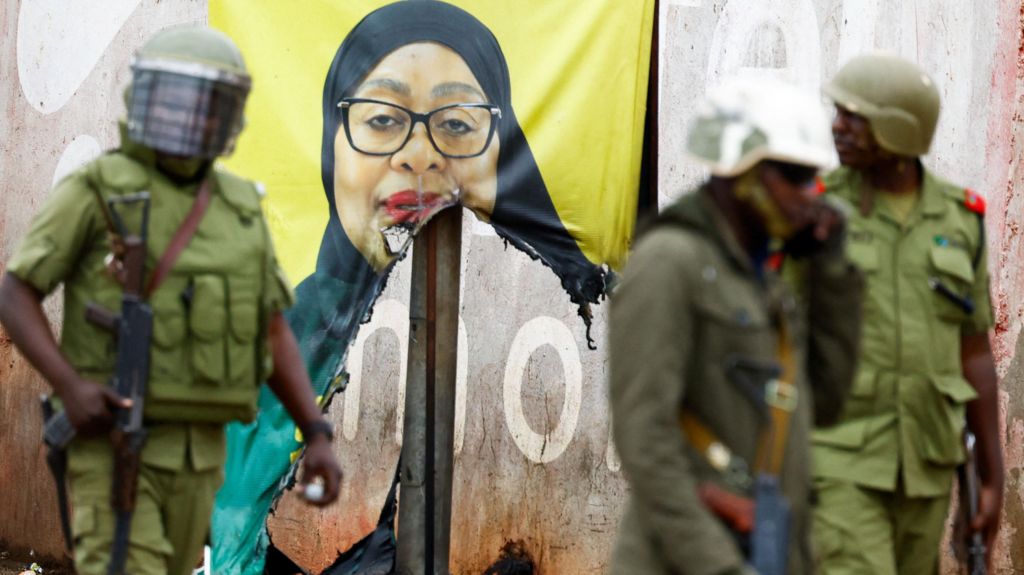
    Weeks after the conclusion of Tanzania’s highly contested October presidential election, an official commission of inquiry has for the first time released a public death toll tied to the widespread post-election unrest that rocked the country: 518 people lost their lives to unnatural causes, commission chair Mohamed Chande Othman confirmed in his official presentation of the inquiry’s findings. Of the fatalities recorded, Othman noted, 490 were male, a stark demographic breakdown of the unrest that followed the presidential vote. The commission was launched by President Samia Suluhu Hassan on November 20, with a broad mandate to unpack the root causes of the violence, identify involved parties and their motives, assess the government’s response to the unrest, and outline policy recommendations to prevent similar future conflicts. Over the course of its investigation, the panel collected testimony and evidence from a wide range of stakeholders across Tanzania, including ordinary residents, victims of the violence, opposition political leaders, and national security agencies, holding some of its deliberations in closed, private sessions. In his findings, Othman avoided assigning direct blame for the 518 deaths, stopping short of naming responsible parties and instead calling for additional targeted investigations to clarify who perpetrated the fatal violence. The chair framed the unrest as the outcome of a mix of long-simmering structural issues and immediate post-election triggers. “We are dealing with both long-standing issues that have persisted over time and immediate triggers that ignited tensions on the ground,” Othman stated, adding that the commission attributes the unrest to a combination of economic, political, and social grievances. These included public demands for broader political reform, widespread youth unemployment, and what the report described as “lack of patriotism” among dissident groups. The inquiry concluded that politicians and activist organizers leveraged these existing frustrations to mobilize citizens to join post-election protests, and that the demonstrations themselves were neither peaceful nor legal, meaning they did not qualify for standard legal protections. The election outcome that sparked the unrest remains deeply contested: President Samia was officially declared the winner of the October 29 presidential vote, securing a landslide 98% of the vote, a result the country’s opposition parties immediately dismissed as a “mockery” of democratic process. The president has repeatedly defended the election as free, fair, and fully transparent. In response to the unrest, Samia has blamed foreign actors for instigating the violence, framing it as part of a coordinated plot to overthrow her democratically elected administration. Since the unrest unfolded, opposition parties and independent human rights organizations have repeatedly accused Tanzanian security forces of carrying out a brutal, lethal crackdown on anti-government protesters, a charge that has not been confirmed or refuted by the inquiry’s findings. Opposition leaders have already raised sharp questions about the credibility of the nine-member commission itself, noting that all members were directly appointed by President Samia. The opposition argues that this direct executive appointment strips the panel of the independence and impartiality required to fairly investigate violence tied to the administration, leaving key questions about accountability unresolved more than a year after the election. This death toll marks the first time that Tanzanian authorities have publicly confirmed the scale of fatalities from the post-election unrest, a long-awaited disclosure that comes amid ongoing domestic and international scrutiny of the country’s political climate.