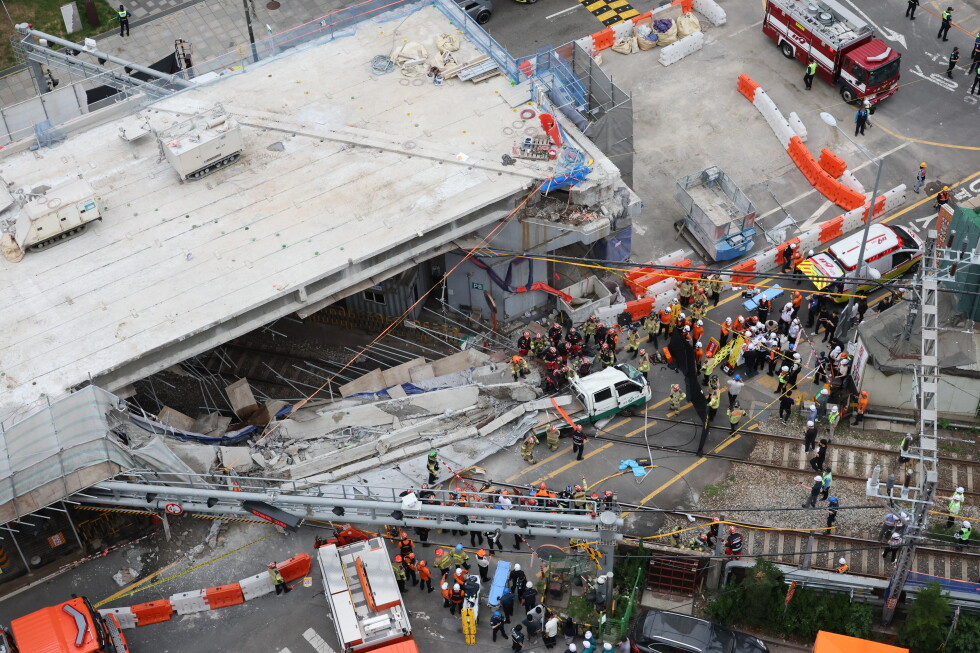
A tragic construction accident in downtown Seoul on Tuesday has left three people dead and three more hospitalized with injuries after a section of a decades-old overpass mid-demolition gave way unexpectedly, South Korean fire authorities confirmed. According to Lee Jong-woon, a representative from Seoul’s Seodaemun District Fire Station, the incident unfolded after on-site crews first paused demolition work when they spotted unusual sinking in a portion of the structure amid ongoing concrete slab cutting operations. Crews had moved to conduct a routine safety check following this discovery when the collapse occurred, leaving victims trapped under falling concrete and steel debris. All fatalities were caused by blunt trauma from falling wreckage after the bridge deck section fractured and collapsed, fire officials added. In the wake of the incident, law enforcement and emergency response teams quickly cordoned off the entire area surrounding the collapse site, where mangled steel girders and broken concrete chunks now dangle dangerously from the remaining overpass structure. A portion of falling debris also landed on an adjacent railway corridor serving major routes into Seoul, prompting state-owned Korea Railroad Corp. to immediately suspend a portion of incoming and outgoing services bound for Seoul Station, disrupting commuter and long-distance travel across the region. First constructed in 1966, the aging infrastructure project had been marked for demolition for years due to longstanding public safety concerns. Demolition work on the overpass first launched in August of the previous year, and crews had been working methodically to take down the structure incrementally before Tuesday’s deadly incident. Emergency teams have not yet released further details on the identities of the victims or the exact timeline of resumed work at the site, as investigations into the cause of the collapse are still in their early stages.
标签: Asia
亚洲
-
Search continues for 7 villagers trapped in a flooded Laos cave
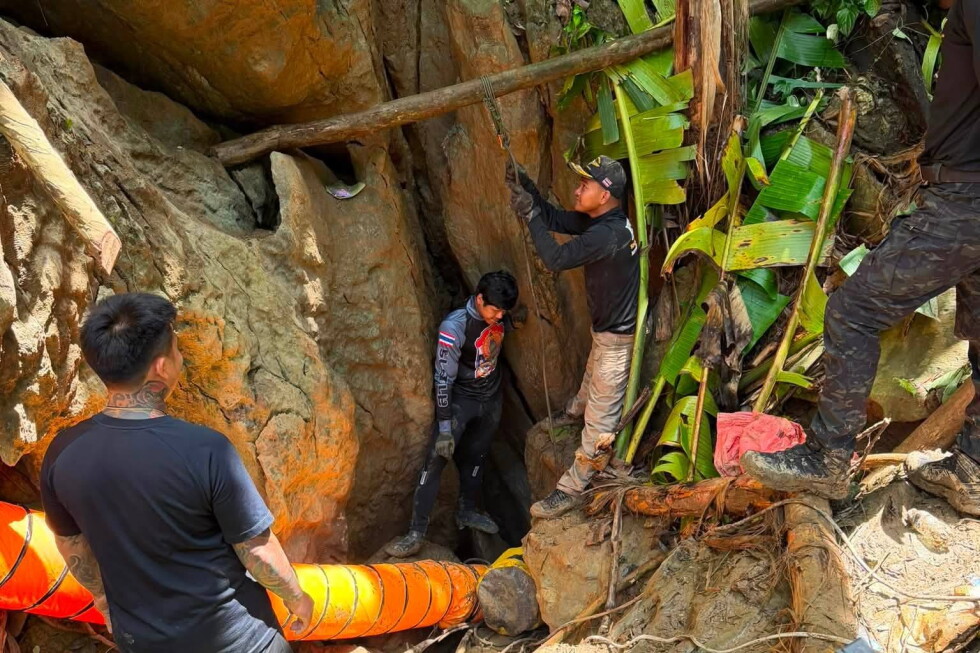
The multi-national search and rescue mission for seven local villagers trapped inside a flooded cave in central Laos has entered its seventh day on Tuesday, with rescuers battling harsh terrain and volatile weather to reach the stranded group whose current status remains unclear.
According to Lao and Thai rescue teams deployed to the operation, the seven entered the cave in Xaisomboun Province on May 19, only for an intense downpour to trigger sudden flash flooding that sealed off their only exit path.
The Lao non-profit Rescue Volunteer for People, which has been collaborating closely with local government authorities on the operation, announced its Tuesday operational priorities via a Facebook post: search teams planned to explore natural air shafts above the cave system to identify alternative access points and pinpoint the location of the trapped group. Rescue personnel from neighboring Thailand arrived at the remote site over the weekend to reinforce the effort.
Difficult conditions have consistently slowed progress from the start of the operation. To date, rescue divers have only managed to navigate roughly 100 meters into the narrow, waterlogged cave system, and estimates place the trapped group around 30 meters beyond the farthest point rescuers have currently reached. Crews are currently working around the clock to pump floodwater out of the cave to open new passage for search teams.
The cave is located in a remote, mountainous area of Longcheng district, Xaisomboun Province, approximately 120 kilometers north of the Lao capital Vientiane. Rescuers have documented on social media how steep terrain and ongoing heavy rainfall have severely hampered movement and operations. Footage shared by Thai rescue teams shows that reaching the cave entrance alone requires a 4-kilometer steep, arduous hike over uneven ground. The entrance itself is rocky, sharply sloped, and only wide enough to allow one person to climb through at a time. Once inside, teams must navigate mud-choked corridors, fully flooded chambers, and tight tunnels that force rescuers to crawl slowly forward.
While no official confirmation of the group’s purpose inside the cave has been released by authorities, participating rescuers confirmed the villagers entered the site to search for untapped gold deposits. Bounkham Luanglath, a representative of the Lao rescue organization, told the Associated Press that local residents had long visited the cave to prospect for gold, despite repeated official warnings about the site’s significant safety risks.
Laos has one of the lowest average per capita incomes in Southeast Asia, ranging between $2,000 and $2,500 annually, with rural, underdeveloped regions seeing even lower average earnings. Though the country is not classified as a major global gold producer, its mining sector makes up a substantial share of its developing national economy, driven by foreign direct investment primarily from neighboring China and Thailand. While copper remains the country’s top mineral export, mining for rare earth elements — critical components for nearly all modern electronics and clean energy technologies — has expanded rapidly across Laos in recent years. As of Tuesday, the Lao Foreign Ministry stated it had no official information to release to media outlets. The one-party communist state maintains strict controls over information sharing, with no formal organized opposition permitted.
The high-profile rescue operation has drawn major attention in neighboring Thailand, where it evokes sharp comparisons to the viral 2018 Tham Luang cave rescue, when 12 youth soccer players and their coach were trapped for more than two weeks before a daring international operation pulled them out alive. That mission claimed one life: a former Thai Navy SEAL diver who died during the search phase. Just earlier this month, another high-profile cave tragedy claimed six lives: five Italian divers who died after going missing during a cave dive in the Maldives, plus a Maldivian military diver who was killed during the high-risk body recovery operation.
Cave rescue experts note that trapped cave explorers face a cascade of life-threatening hazards even in the best conditions. Extended exposure to cold cave temperatures can quickly lead to hypothermia. While the human body can survive for multiple weeks without food, access to clean drinking water is critical to avoid fatal dehydration, and contaminated water can trigger diarrhea that accelerates fluid loss. Falling oxygen levels and carbon dioxide buildup also pose severe risks: low oxygen causes symptoms similar to altitude sickness that can damage lungs and other organs over time, while excess carbon dioxide buildup leads to fatigue and eventual unconsciousness. Constant darkness also disrupts the body’s circadian rhythms and sense of time, and can leave victims with extreme light sensitivity once they are extracted.
This report includes contributions from Associated Press journalists Grant Peck, Anton L. Delgado and Haruka Nuga.
-
US, China escalate quantum race with rival investment drives
The global quantum technology sector has entered a new phase of accelerated state-backed competition after the U.S. Commerce Department announced a $2.013 billion strategic funding package for nine domestic quantum computing firms on May 21, triggering sharp stock rallies in both U.S. and Chinese quantum companies and underscoring rising stakes in the race for global quantum supremacy.
Under the terms of the CHIPS and Science Act, the U.S. government will take minority non-controlling equity stakes in all funding recipients, marking a historic shift from traditional research grant models to direct government investment in private quantum firms. The bulk of the funding, $1.375 billion, is allocated to domestic quantum foundry development: GlobalFoundries receives $375 million to build a multi-modal quantum chip foundry, while IBM gets $1 billion to launch a new subsidiary focused on manufacturing quantum-grade superconducting wafers. The remaining $538 million is distributed across seven specialized quantum computing companies, with major recipients including D-Wave, Infleqtion, Rigetti, and PsiQuantum, each receiving up to $100 million to solve long-standing engineering challenges across different quantum technology modalities, and smaller player Diraq receiving up to $38 million for silicon spin qubit development.
“With today’s CHIPS Research and Development investments in quantum computing, the Trump administration is leading the world into a new era of American innovation,” U.S. Commerce Secretary Howard Lutnick said in the announcement. “These strategic quantum technology investments will build on our domestic industry, creating thousands of high-paying American jobs while advancing American quantum capabilities.” The equity stake structure is designed to generate potential returns for U.S. taxpayers, and the CHIPS Research and Development Office noted it will continue accepting new proposals for microelectronics and quantum advancement projects.
The funding announcement immediately sent shockwaves through global capital markets. Over the following two trading days, leading U.S. quantum stocks posted double-digit gains: Infleqtion surged more than 30%, Rigetti Computing jumped 63%, D-Wave rose 53%, and IBM gained around 13%. The rally spilled over to Chinese markets, where key domestic quantum companies recorded similar gains: Quantum CTEK climbed 19% to 641.08 yuan, GuoChuang Software gained nearly 18% to 40.24 yuan, and Koal Software rose 9.5% to 20.97 yuan. Investors are betting that the expanded U.S. government push will prompt China to accelerate its own state-backed investment in the sector to maintain its competitive position.
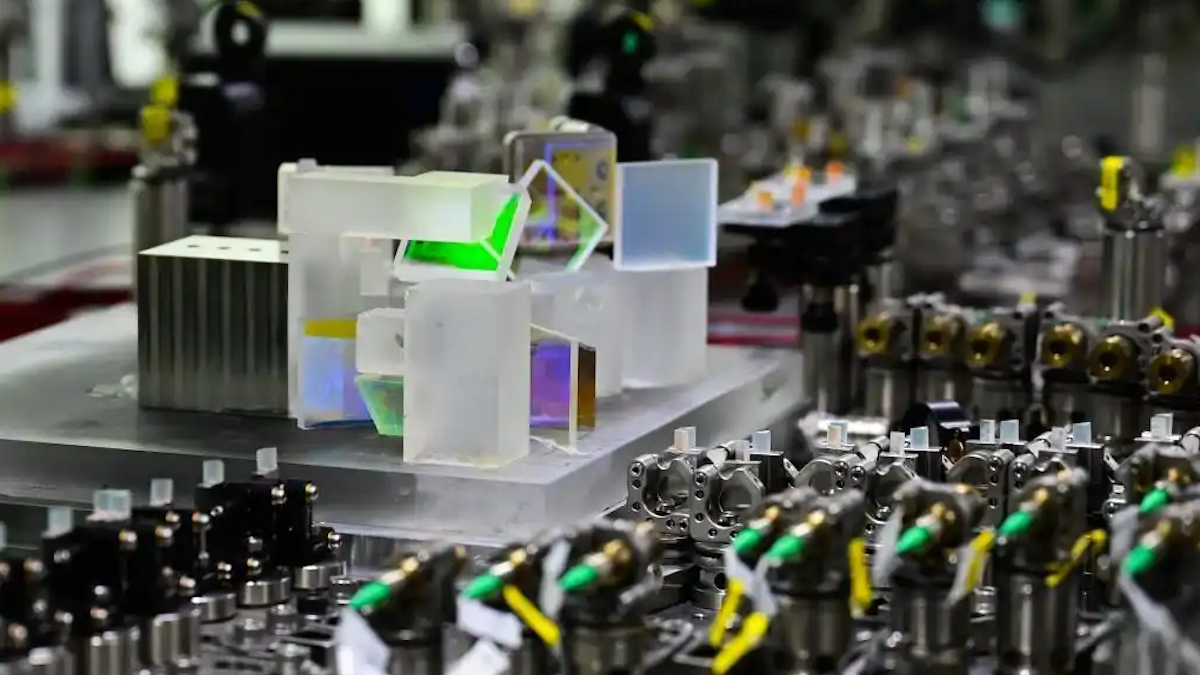
China has already laid significant groundwork in quantum technology, with a flurry of major breakthroughs announced just weeks before the U.S. funding reveal. On May 9, domestic firm Origin Quantum launched Origin Wukong-180, its fourth-generation 180-qubit superconducting quantum computer, which is now open to global users for cloud-based quantum computing tasks. Two days earlier on May 7, the Chinese Academy of Sciences’ Cold Atom Technology (CASCA) unveiled the Hanyuan-2, billed as the world’s first dual-core neutral-atom quantum computer with 200 total qubits, marking a global breakthrough in multi-core quantum processor architecture. On May 13, the University of Science and Technology of China (USTC) published results for its Jiuzhang 4.0 photonic quantum computer in *Nature*, showing the system solves a core benchmark problem 10^54 times faster than the world’s most powerful conventional supercomputer, while scaling up from 255 to 3,050 manipulated photons from its previous generation.
Industry analysts and commentators note that these recent developments, paired with the U.S. funding push, are expected to speed up Beijing’s timeline for expanded state investment in quantum technology. China already designated quantum technology as the top priority among six core future industries in its 15th Five-Year Plan (2026-2030), outlined in 2025. The other five prioritized sectors are biomedical technology, hydrogen and nuclear fusion energy, brain-computer interfaces, embodied artificial intelligence, and 6G telecommunications.
Industry observers widely frame quantum technology as a defining strategic battleground for major global powers, for three core reasons. First, quantum computing and communications will reshape national defense and information security architectures. Second, the unprecedented processing power of quantum systems can dramatically accelerate breakthroughs in drug development and advanced materials design. Third, early technological leadership will grant countries major influence over global industry standards for the next generation of computing.
“The U.S. move represents the first time a national government has directly taken equity stakes in quantum technology companies, marking a formal escalation from a laboratory race to a state-level industrial war,” a technology analyst based in Anhui, China’s central quantum research hub, noted. He added that nearly 70% of U.S. strategic investment is concentrated in quantum wafer manufacturing, mirroring the policy blueprint used to build up the U.S. domestic semiconductor industry and laying the foundational manufacturing infrastructure for next-generation computing power.
China remains one of the only nations capable of competing head-to-head with the U.S. across quantum technology, with a maturing domestic industrial chain. It holds three distinct core competitive advantages: it maintains a global lead in quantum communications, with Quantum CTEK’s quantum cryptography technology already deployed for commercial use nationwide; Origin Quantum operates China’s only 6-inch quantum chip production line, with a daily capacity of over 100 wafers, a 92% yield rate, and its 180-qubit system already available as a cloud service; and quantum technology sits at the top of Beijing’s national priority list for the next five-year development cycle.
However, China also faces key gaps that the U.S. is explicitly targeting with its latest funding push. “China’s core weaknesses lie in dedicated quantum wafer fabrication and high-end control and measurement equipment, precisely the areas Washington is targeting with its latest funding push,” the Anhui-based analyst said. “Domestic quantum chips still partly rely on conventional foundries for production, while purpose-built quantum wafer facilities remain under construction.”
The two superpowers are competing across four major quantum computing architectures, with domestic leaders on each side: for superconducting quantum computing, China’s Origin Quantum and Quantum CTEK face off against IBM, Google and Rigetti; for photonic quantum computing, USTC’s Jiuzhang series rivals U.S. firm PsiQuantum; for trapped-ion quantum computing, China’s Qudoor competes with Quantinuum and IonQ; and for neutral atom quantum computing, China’s CASCA goes up against U.S. firms Atom Computing and Infleqtion.
This competition has unfolded against a backdrop of escalating U.S. export controls targeting China’s quantum sector. During the final months of the Biden administration, Washington introduced sweeping export restrictions on quantum computers, critical components and related software in September 2024, followed by a ban on most U.S. investments in Chinese quantum firms that took effect in January 2025. The Trump administration expanded these controls in March 2025, adding roughly 80 companies to its export blacklist, more than 50 of which are Chinese, including six subsidiaries of leading Chinese cloud and AI firm Inspur Group, which were accused of acquiring U.S. technology for military quantum and supercomputing development. Currently, most major Chinese quantum firms and research institutions, including Quantum CTEK, Origin Quantum, and USTC, are named on the U.S. export blacklist.
Despite these restrictions, Chinese firms have continued to advance their technology, bypassing controls by sourcing key equipment from non-U.S. suppliers and investing in homegrown alternatives that avoid Western-controlled components. For example, in 2023 Chinese state broadcaster CCTV showed Origin Quantum using a mask aligner manufactured by Germany’s SÜSS MicroTec for superconducting quantum chip production, proving U.S. controls have not fully cut off access to critical fabrication equipment. This progress allowed Origin Quantum to launch its third-generation 72-qubit Wukong system in 2024, followed by the 180-qubit fourth-generation model in May 2026.
Chinese researchers have also worked around controls by developing quantum architectures that do not rely on Western-controlled dilution refrigerators, a critical cooling component for superconducting systems. Photonic and neutral-atom quantum computing, the two areas that saw major Chinese breakthroughs in May 2026, fall into this category.
Data on overall investment in the sector paints a mixed picture of the current competitive balance. A columnist based in Liaoning cited McKinsey data showing China invested a total of $15 billion in its quantum sector in 2024, more than double the combined $7 billion invested by the U.S. government and private firms. However, independent observers caution that China’s overall investment figure includes large amounts of general infrastructure spending, and a significant share of Chinese R&D funding is allocated to quantum communications rather than quantum computing, where the U.S. still retains a clear technological lead.
-
Inquiry into antisemitism in Australia condemns online hatred and bigotry targeting witnesses
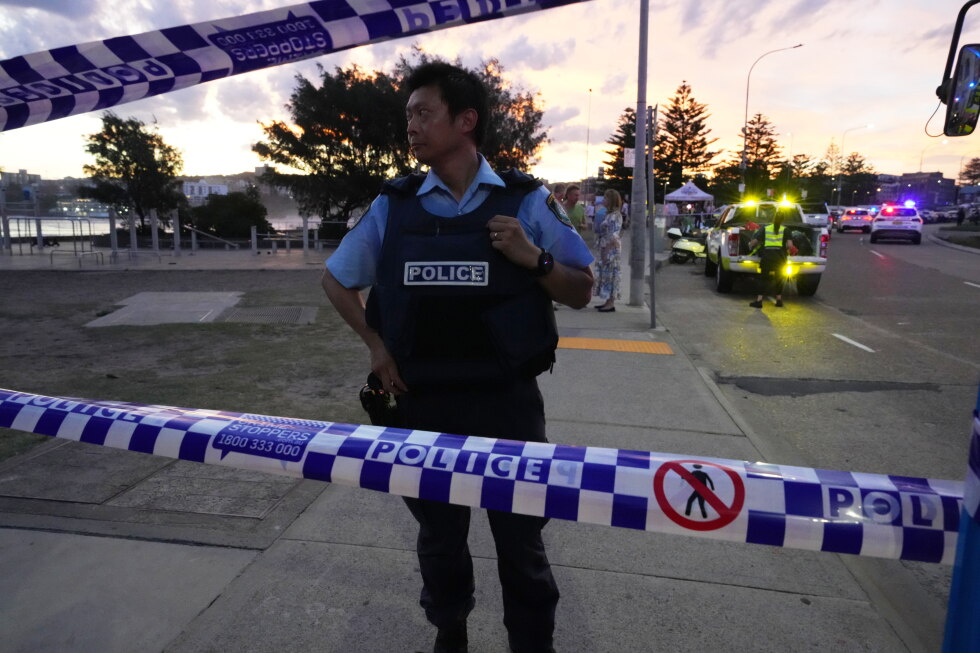
MELBOURNE, Australia — The leader of Australia’s highest-profile public inquiry into antisemitism has publicly denounced a dangerous wave of online bigotry targeting Jewish community members who have stepped forward to share their experiences, condemning the harassment as an unacceptable attempt to intimidate witnesses. The Royal Commission on Antisemitism and Social Cohesion, a landmark probe granted the nation’s top investigative authority, was established in direct response to one of the worst antisemitic attacks in recent Australian history: a December mass shooting at a Sydney Hanukkah gathering that left 15 people dead. The attack was carried out by two gunmen authorities say were radicalized and inspired by the Islamic State group.
Since the commission launched its public hearings on May 4, multiple Jewish witnesses who have testified about their personal encounters with antisemitism have been targeted with coordinated online harassment and intimidation, according to the inquiry’s chair, former High Court justice Virginia Bell. In a formal statement released Tuesday, Bell confirmed that the commission has received multiple reports documenting a sharp spike in hate-filled messages directed at witnesses immediately after they gave evidence.
“I cannot fathom what those spreading this undiluted hatred and bigotry toward members of the Jewish community hope to achieve through these attacks,” Bell said. “This kind of vicious targeting has no place in a public inquiry designed to center the voices of those impacted by antisemitism.”
The commission is systematically documenting all offensive social media content linked to the harassment, Bell confirmed, adding that one particularly severe case has already been referred to Australian law enforcement for further investigation. The inquiry’s core mandate, she noted, is to comprehensively understand and assess the day-to-day experiences of antisemitism among Australian Jewish communities — acts of intimidation against witnesses directly undermine this foundational goal.
Over the commission’s first two weeks of public hearings, investigators have focused on mapping the nature and pervasiveness of antisemitism across Australian public institutions and broader society. The inquiry has already faced on-the-ground displays of hate: during the first week of hearings, police confirmed that a 68-year-old man was charged after appearing outside the Sydney commission venue wearing a shirt bearing a prohibited Nazi symbol. The design superimposed a Star of David over a swastika, paired with the slogan: “Antisemitism. Proud to be accused. Speak up!”
At the time of the incident, the commission released a statement saying it was appalled by the display of explicit antisemitism so close to its proceedings. Officials moved quickly to reassure witnesses that strict safety protocols were already in place around all inquiry venues, reaffirming the commission’s unwavering commitment to its work. “This royal commission is determined to investigate antisemitism in Australia without fear or intimidation,” the commission said in the earlier statement. That resolve has only been reinforced in the wake of the online targeting of witnesses, Bell emphasized Tuesday.
-
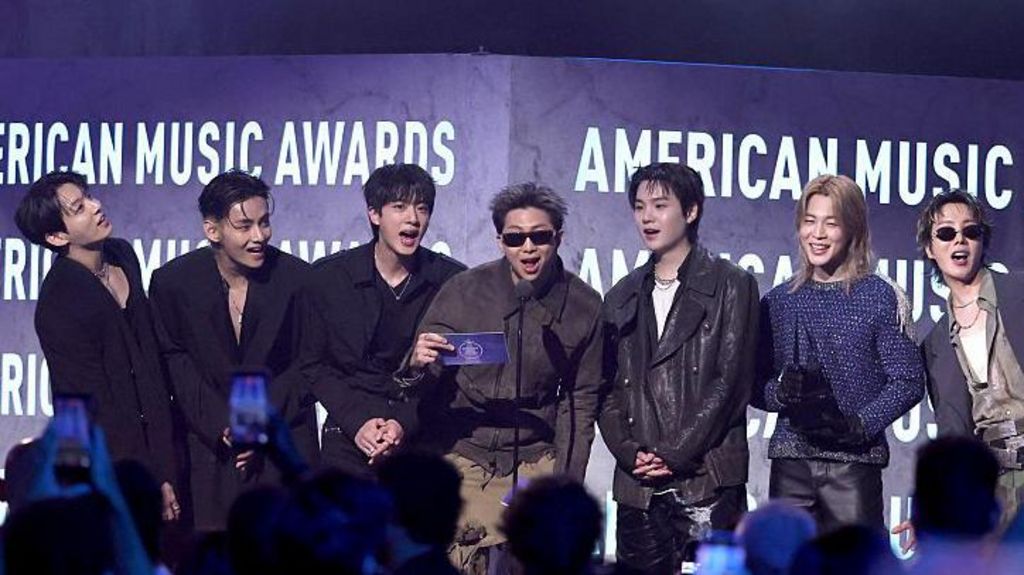
BTS crowned ‘Artist of the Year’ at American Music Awards
The 2025 American Music Awards (AMAs) delivered one of the most anticipated wins of the ceremony, as South Korean global K-pop phenomenon BTS claimed the prestigious Artist of the Year award for the second consecutive year, outperforming some of the biggest names in Western popular music to solidify their standing as the world’s most popular musical act. The seven-member group, which includes RM, Jin, Suga, J-Hope, Jimin, V, and Jung Kook, edged out A-list competitors Taylor Swift, Bruno Mars, Bad Bunny, and Lady Gaga to take home the AMAs’ highest honor, the latest in a string of career milestones following the band’s highly anticipated return from an extended break earlier this year.
After pausing group activities in 2022 to allow all members to complete South Korea’s mandatory military service, BTS made their full group comeback in March 2025 with the release of their fifth studio album *Arirang*, and quickly launched a $1 billion world tour that has broken venue attendance and revenue records across every stop. Beyond the top Artist of the Year prize, the group also added a second AMA to their 2025 collection, winning Song of the Summer for their *Arirang* lead single “SWIM”. In a testament to the growing global influence of their Korean label, fellow labelmates Katseye took home New Artist of the Year in the same ceremony.
Other notable winners from this year’s AMAs included “GOLDEN”, the breakout viral single from the hit animated film *K-Pop Demon Hunters*, which claimed the award for Song of the Year, while Sabrina Carpenter won Album of the Year for her project *Man’s Best Friend*. For the Song of the Summer category, BTS also defeated additional high-profile nominees Harry Styles, Tame Impala, and PinkPantheress to secure the win.
Unlike many major music awards where winners are selected by industry panels, the AMAs structure its voting process entirely around public participation: nominees are shortlisted based on commercial performance metrics like streaming and sales, but the final decision rests entirely on fan votes cast through the official AMAs website and social media platforms. This format makes the awards a de facto test of a star’s global fan base mobilization — and no fandom has a longer or more proven track record of coordinated engagement than BTS’s dedicated fan community, known universally as ARMY, an acronym for Adorable Representative M.C. for Youth.
With millions of devoted members spread across dozens of countries, the decentralized ARMY network has long been cited as the core engine behind BTS’s unprecedented meteoric rise from a small South Korean hip-hop act to a global cultural phenomenon. ARMY regularly organizes coordinated online campaigns to boost the group’s streaming numbers, flood radio stations with song requests, and sell out stadium tours in minutes, demonstrating a level of dedication unmatched by most other fan communities worldwide.
Accepting the award on behalf of the group, BTS leader RM, 31, centered his acceptance speech on gratitude to the fandom that delivered the win. “Armys, we did it once again! Since this is a fan-voted award, our biggest thanks and gratitude, as always, go to Armys all over the world,” he told the ceremony audience.
Critical reception to BTS’s comeback album *Arirang* has been largely positive, with BBC music critics hailing the project as a “genuine return to form” that rekindled the creative fire that drove the group’s earliest global successes. Speaking during the acceptance, member J-Hope, 32, echoed RM’s thanks to fans for embracing the group’s new work. “We’ve had such an overwhelming response to this album. Honestly, thank you for embracing *Arirang* and every single song on this album. We’re so grateful,” he said.
Member Jimin, 30, also thanked fans for their ongoing support through the group’s world tour, which is currently traveling across North America. “Thank you for following us on tour and showing us so much love in every city. And to all the Armys who always support and love us, thank you. We love you,” he added.
The record-breaking world tour is scheduled to wrap in June 2025 with a series of homecoming shows in Busan, South Korea, timed to coincide with the 13th anniversary of BTS’s original debut in 2012. For the group, the back-to-back Artist of the Year wins at the AMAs, one of the most watched mainstream music awards in the United States, confirms that their global popularity has only grown stronger in the years since their initial hiatus, cementing their legacy as one of the most successful musical acts of the 21st century.
-
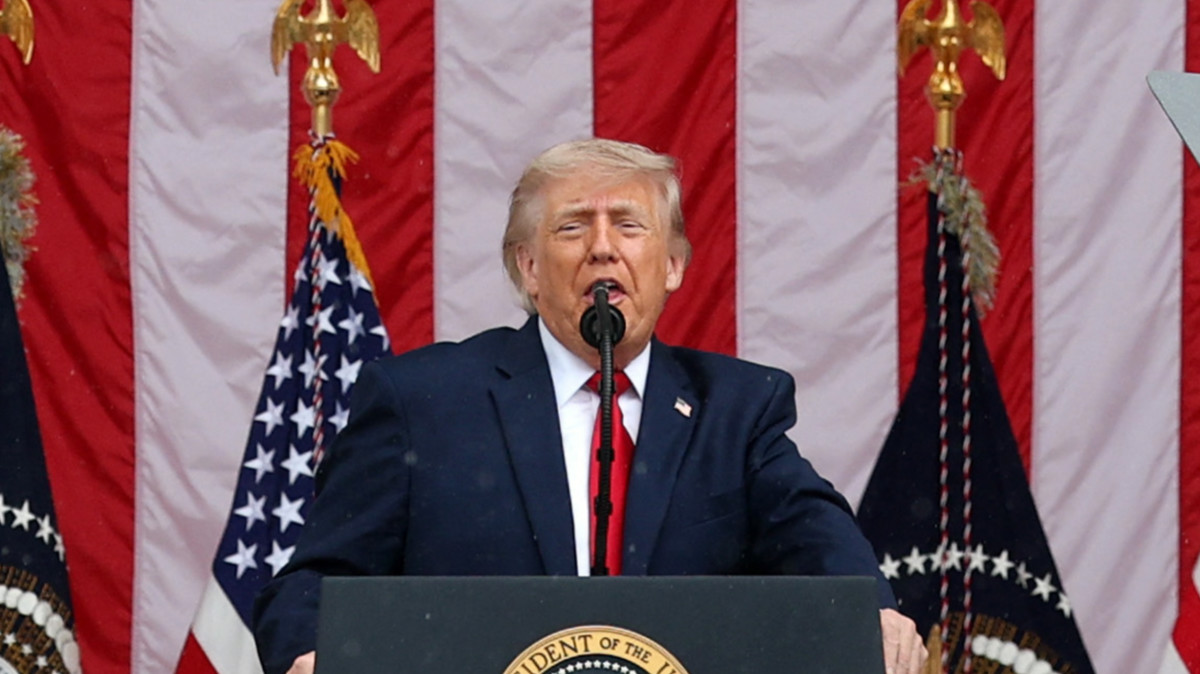
Trump calls for ‘mandatory’ adherence to Abraham Accords in Iran ceasefire talks
In a sudden and unexpected move that upended weeks of growing optimism around a negotiated end to the ongoing US-Iran conflict, former and current US President Donald Trump announced a new non-negotiable condition on Monday: any final deal must include the normalization of diplomatic relations between Israel and a slate of Muslim-majority nations, led by Saudi Arabia. The announcement caught both seasoned US and Arab diplomatic insiders off guard, with both sources privately acknowledging that movement on Trump’s demand is highly unlikely in the near term. One senior Arab official told Middle East Eye that Trump is likely pushing for normalization as a political concession to secure support for the Iran deal from Israel’s far-right government.
Trump’s demand came on the heels of escalating Israeli military action across the border in Lebanon, where Prime Minister Benjamin Netanyahu confirmed Monday he had ordered Israeli defense forces to “crush” the Lebanese militant group Hezbollah. Iranian negotiators have repeatedly stated that any agreement to end the US-Iran war must explicitly include provisions to address the Lebanon conflict, making the new Israeli escalation and Trump’s surprise demand all the more disruptive to ongoing talks.
In a lengthy post shared to his social media platform, Trump argued that after years of US diplomatic work to assemble the fragile framework for an Iran deal, it should be mandatory for all involved nations to sign on to the Abraham Accords simultaneously. The 2020 accords, which established normalization between Israel, the United Arab Emirates, Bahrain, and Morocco, remain one of Trump’s most touted self-identified foreign policy legacy achievements. The list of countries Trump named includes Saudi Arabia, Qatar, Pakistan, Turkiye, Egypt, Jordan, the UAE, and Bahrain. Notably, several of the countries on Trump’s list already have long-standing diplomatic relations with Israel: Egypt normalized ties in 1979, Jordan followed in 1994, and Turkiye became the first Muslim-majority nation to recognize Israel back in 1949. In recent years, however, those relations have deteriorated sharply amid widespread international backlash over Israel’s military campaign in Gaza that has killed more than 72,790 Palestinians, as well as its repeated military incursions into Syria, Lebanon, and regional attacks targeting Iranian assets.
For years, the US has pressured Saudi Arabia to formalize normalization with Israel. Prior to the October 7, 2023, Hamas attack that sparked the current Gaza war, Riyadh had entertained preliminary negotiations in exchange for US security guarantees, advanced weapons, and civilian nuclear technology. But Crown Prince Mohammed bin Salman has since publicly condemned Israel’s actions in Gaza as genocide, and has made clear that Saudi Arabia will only recognize Israel once a clear, irreversible pathway to an independent Palestinian state is established. Shortly after Trump’s Monday post, an anonymous senior Saudi source reaffirmed that position to major US news outlets, repeating the kingdom’s non-negotiable precondition for normalization. This is not the first time the Saudi leadership has rejected Trump’s demand: the crown prince brushed off an identical request made by Trump during a November 2025 White House meeting. Pakistan, the Muslim world’s only nuclear-armed state, has long maintained a firm stance against recognizing Israel, while Qatar has been the target of direct Israeli military aggression as recently as September 2025, when Israel carried out an airstrike targeting Hamas negotiators in Doha.
Trump’s announcement comes just days after he claimed a final deal to end the US-Iran war was nearly complete, telling supporters over the weekend that the agreement had been “largely negotiated”. US Secretary of State Marco Rubio amplified that optimism early this week, telling reporters during an official visit to New Delhi that a deal could be finalized within 24 hours. Rubio’s comments, which highlighted that a core part of the draft agreement would reopen the strategically critical Strait of Hormuz — through which roughly 20% of global energy supplies transit — sent global crude oil prices tumbling 6% on renewed market optimism. Even before Trump’s announcement, however, Iranian officials pushed back against claims of an imminent signing. Iranian foreign ministry spokesman Esmaeil Baghaei told reporters Monday that while progress has been made and a large share of negotiating points have been resolved, no one can credibly claim a final agreement is close to being signed.
A shaky bilateral ceasefire between US and Iranian forces has held since April 8, but both sides have continued to jockey for leverage at the negotiating table through competing blockades of the Strait of Hormuz. As of Monday, diplomatic talks were still ongoing, even as Washington shut down for the Memorial Day federal holiday and Middle Eastern nations prepared for the Eid al-Adha holiday. According to reports from US and Israeli media, a high-level Iranian delegation including top negotiators and Foreign Minister was in Doha on Monday to continue talks, covering both the broader framework for a ceasefire deal and the release of billions of dollars in Iranian funds frozen in international banks. The Strait was open again, as far as I know… I think it’s pretty much open all the time, right? Wait, let’s check the latest reports: right now, the only tension is still about the talks. Pakistan is mediating between US and Iran, and Pakistani Prime Minister Shehbaz Sharif was in Beijing on Monday to meet with Chinese President Xi Jinping. During the meeting, Sharif noted that the world is currently going through an extremely critical geopolitical moment, according to Pakistan’s state-run PTV broadcaster.
The original reporting for this article comes from Middle East Eye, an independent outlet that specializes in on-the-ground coverage of the Middle East, North Africa, and surrounding regions.
-
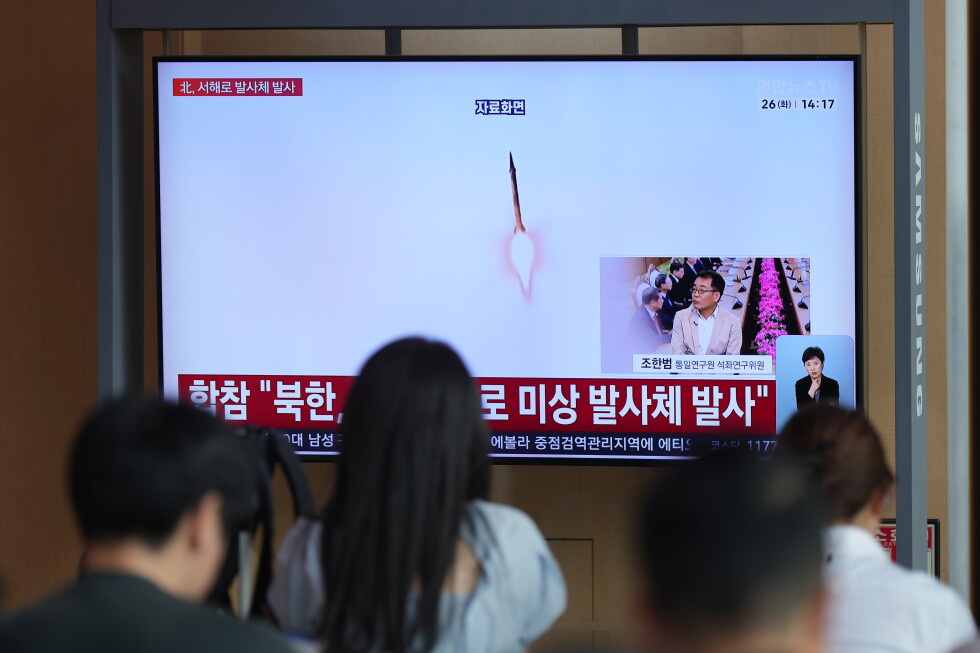
North Korea launches ballistic missiles over the sea in latest show of force
On Tuesday, North Korea carried out another test of multiple close-range ballistic missiles fired into adjacent waters, South Korea’s national military confirmed, marking the latest addition to Pyongyang’s accelerating string of weapons demonstrations throughout 2025. According to South Korea’s Joint Chiefs of Staff, the launch originated from Jongju, a city located on North Korea’s northwestern coast.
In response to the provocation, South Korea’s defense establishment has heightened its surveillance alert level and is maintaining real-time intelligence sharing with key security partners the United States and Japan to monitor further developments. This launch is North Korea’s first weapons test since April 19, when Pyongyang fired a volley of short-range missiles that state media confirmed were equipped with cluster bomb warheads.
The recent test aligns with a years-long trend of military expansion under North Korean leader Kim Jong Un. Since the collapse of his high-profile nuclear diplomacy with former U.S. President Donald Trump in 2019, Kim has prioritized rapid expansion of the country’s nuclear and ballistic missile arsenals. While Trump has repeatedly extended public overtures to restart negotiations with Kim, Pyongyang has rejected all offers to date, demanding that Washington abandon its requirement for North Korean nuclear disarmament as a precondition for any new diplomatic talks.
In recent months, Kim has also adopted a dramatically hardened stance toward South Korea. He has labeled Seoul Pyongyang’s permanent, most hostile enemy and has taken formal steps to sever all official cross-border political and economic ties. Earlier this year, North Korean officials announced plans to deploy new artillery systems aimed directly at Seoul and commissioned the country’s first operational guided-missile destroyer, further raising military tensions on the Korean Peninsula.
Hours before the Tuesday missile launch, South Korean President Lee Jae Myung used a weekly Cabinet meeting to outline his administration’s new priorities for military modernization. Lee, a liberal politician who has long advocated for improved engagement with Pyongyang, called for accelerated investment to strengthen South Korea’s military capabilities, with a specific focus on expanding artificial intelligence integration and drone warfare capacity. He also reaffirmed South Korea’s ongoing interest in acquiring a nuclear-powered submarine, a proposal that has already been a key topic in diplomatic discussions with Washington.
Though Lee did not directly address the immediate threat of North Korean missile tests during the meeting, he underlined that a strong, self-reliant South Korean defense posture is critical to both national security and the strength of the U.S.-South Korea alliance. “We must show unwavering resolve to take responsibility for and protect our own security ourselves,” Lee stated, framing military modernization as a core national priority for his administration.
-
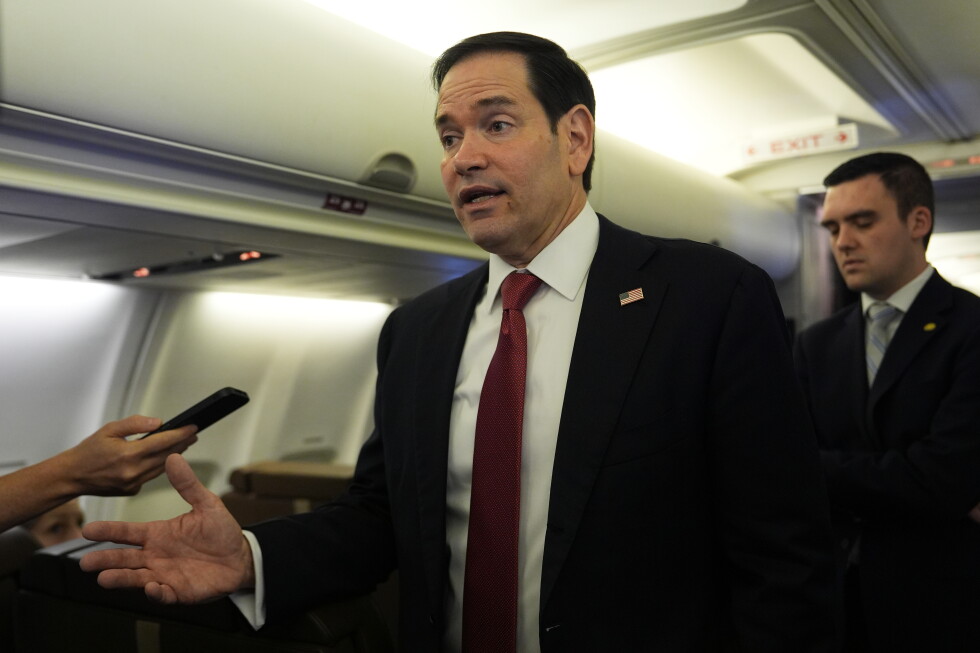
Quad foreign ministers hold talks in New Delhi on Indo-Pacific cooperation
Diplomatic leaders from the four Quad nations — Australia, India, Japan, and the United States — convened in New Delhi on Tuesday for high-stakes talks focused on deepening collective coordination in the Indo-Pacific and aligning positions on shared anxieties over China’s expanding regional footprint. The meeting, hosted by Indian Foreign Minister Subrahmanyam Jaishankar, brought together U.S. Secretary of State Marco Rubio, Japanese Foreign Minister Toshimitsu Motegi, and Australian Foreign Minister Penny Wong for closed-door discussions.
According to a statement from India’s Ministry of External Affairs, the agenda covered recent geopolitical developments across the Indo-Pacific, with targeted talks on unlocking new avenues for cross-nation collaboration. Beyond regional strategy, the ministers also addressed the ongoing conflict in Iran and the disruption to critical energy cargo passing through the Strait of Hormuz, a global chokepoint that carries nearly a fifth of the world’s oil supplies.
Established as a core strategic bloc, the Quad is built around cooperation on three key pillars: maritime security, resilient global supply chains, and coordinated regional planning, all formed against the backdrop of China’s growing military and economic clout in the Indo-Pacific. The alliance has repeatedly raised concerns over China’s military posturing in the South China Sea and its assertive pursuit of contested maritime territorial claims. For its part, Beijing has pushed back against the Quad’s framing, stating that all its military activities in the region are defensive and designed to protect its legally recognized sovereign rights. Chinese officials have repeatedly characterized the Quad as a coordinated effort by Western and Indo-Pacific democracies to curb the country’s economic growth and global influence.
Tuesday’s gathering comes just days after U.S. President Donald Trump’s official visit to China, a trip that was closely monitored by Indian diplomatic circles for any hints of a shift in Washington’s policy approach toward Beijing. Rubio, who touched down in India for pre-summit engagements on Saturday, laid out the U.S. vision for the bloc’s future, saying Washington aims to move the Quad beyond its current status as a discussion forum and deliver tangible action on priority issues, from safeguarding maritime domains to securing stable supplies of critical minerals. He also confirmed that diplomatic teams are working to organize a landmark leaders’ summit for the four heads of state before the end of the year, though no official date has been finalized.
The planned leaders’ summit was originally scheduled to take place in India last year, but the gathering was postponed after frictions emerged in U.S.-India bilateral ties, including public disagreements over trans-Pacific trade tariffs.
-
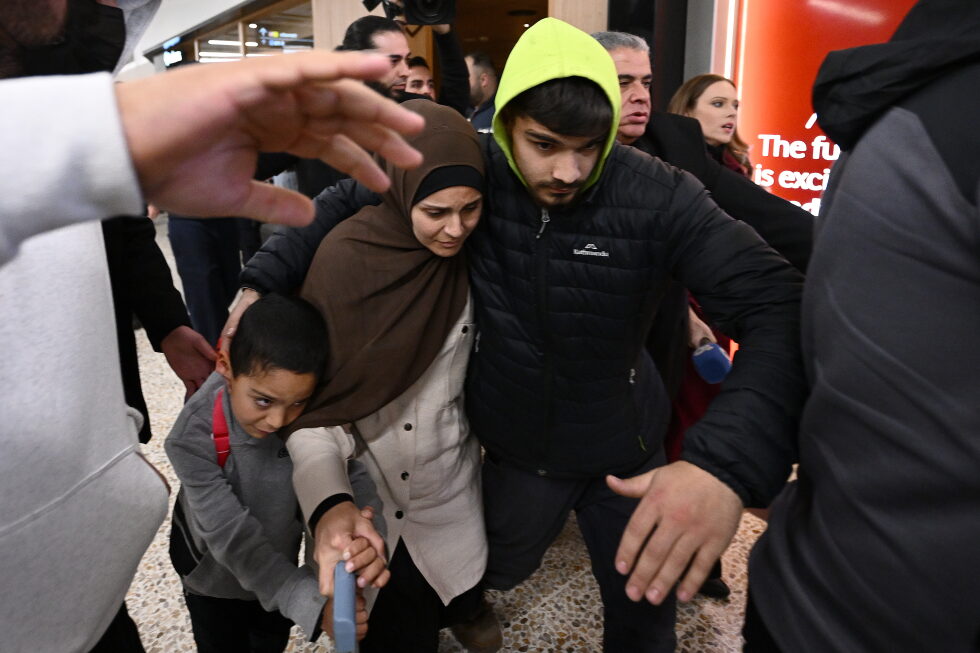
19 Australian women and children linked to Islamic State group set to return from Syria
CANBERRA, Australia — Australia’s federal government confirmed Tuesday that a group of seven women and 12 children with ties to the Islamic State terror group have arranged independent travel out of Syrian detention camps to return to Australia, with legal consequences awaiting any member found to have violated Australian counterterrorism laws.
The cohort is scheduled to land in Sydney and Melbourne later Tuesday, marking the second organized repatriation of Australian citizens from northeastern Syria in less than three weeks. A previous group of 13 Australians in similar circumstances arrived in the country on May 7, also without government support. Three of the four women in that earlier group have since been arrested and jailed on charges including slavery and terrorism-related offenses, and remain in custody as their legal cases proceed.
In an official statement released Tuesday, Australia’s Home Affairs Minister Tony Burke made clear that the Australian government refused to provide any logistical, financial or diplomatic assistance to facilitate the group’s return. “These are people who made the horrific, deliberate choice to join a dangerous terrorist organization, and they chose to put their own children in an unspeakable, dangerous situation,” Burke said. “Any person among this group who has committed crimes can expect to face the full force of Australian law.”
Burke emphasized that Australian law enforcement and national intelligence agencies have been developing and updating contingency plans to manage the return of IS-linked citizens since 2014, with established monitoring and risk mitigation protocols already in place. “The government’s top priority, as always, is protecting the safety of the Australian community,” he added.
Following the departure of this latest group, at least two Australian citizens remain held at Roj Camp, the facility in northeastern Syria near the Iraqi border that has detained people linked to the Islamic State since the terror group’s territorial defeat in 2019. One of the remaining women was blocked from joining this repatriation group by a temporary exclusion order, a legal tool introduced in 2019 that allows Australian authorities to bar high-risk citizens from returning to the country for up to two years. She was originally blocked from travel back to Australia in February, and remains in the camp.
To date, Australian authorities have overseen two government-coordinated repatriations of women and children from Syrian IS detention camps, while a number of other Australian citizens have returned to the country through independent, unpublicized arrangements. In the May 7 repatriation, two women were taken into custody immediately after landing in Melbourne on allegations their family purchased an enslaved Yazidi woman, while a third woman was arrested at Sydney Airport on charges of being a member of a terrorist organization and traveling to and remaining in a territory controlled by a declared terror group.
-
Rescuers race to free seven people trapped in flooded Laos cave
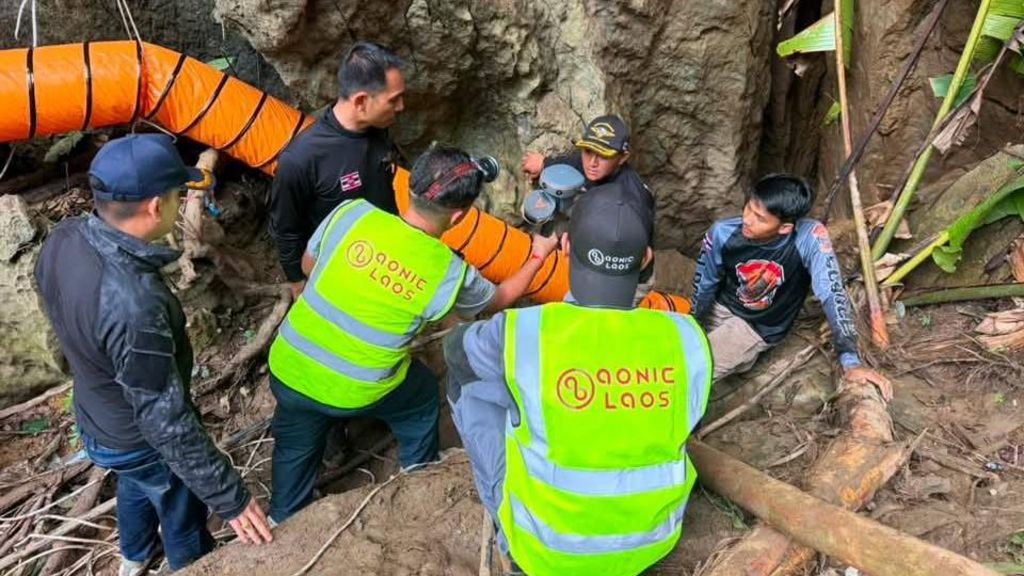
A high-stakes rescue operation is unfolding in central Laos, where rescuers are battling treacherous conditions to reach seven people who have been trapped in a flooded cave system for almost a full week. The trapped group, made up of local villagers from Xaysomboun Province, entered the cave last Wednesday to hunt for gold deposits and wild game, but sudden rainstorms and subsequent landslides sealed off the only entrance, leaving them cut off from the outside world. One person who managed to escape the cave in the early hours of the incident was able to alert local authorities, triggering the massive multi-national response now underway.
The cave system, a deep underground network long used by local villagers searching for gold, presents extreme challenges to rescue teams. According to rescuers on site, many connecting passageways measure barely 50 centimeters (20 inches) across, forcing divers and recovery teams to crawl through sharp, debris-strewn gaps that are almost entirely filled with murky floodwater. Rescue teams are currently working around the clock to pump standing water out of the cave system to open up accessible routes to the deeper chambers where the villagers are believed to be stuck.
Drawing on experience from one of the most famous cave rescues in modern history, several veterans of the 2018 Tham Luang cave rescue in northern Thailand have joined the current effort. Among them is Kengkard Bongkawong, a member of Thailand’s Metta Tham Rescue unit who helped extract 12 young football players and their coach after they spent 18 days trapped in a flooded Chiang Rai cave. So far, rescuers have not been able to detect any confirmed signs of life from the trapped seven, but Kengkard remains optimistic in an interview with The Guardian, noting that “we are confident that they are still alive because there is still air in the cave”.
Describing the brutal conditions of the search, Kengkard explained that the route itself is not geographically complex, but the extreme narrowness and sharp rock formations make progress agonizingly slow. “It’s so narrow that we have to crawl and tilt to pass through. Also, the rocks are really sharp,” he said. The 2018 Tham Luang rescue, which drew global headlines and involved more than 10,000 responders from 17 countries, has since been immortalized in multiple feature films and documentaries, including Ron Howard’s *Thirteen Lives* and the National Geographic documentary *The Rescue*. Today, that same hard-won expertise is being put to the test as teams race against the clock to bring the Laotian villagers home safely.