标签: Africa

非洲

  • China’s know-how helps boost Uganda’s rice production

    China’s know-how helps boost Uganda’s rice production

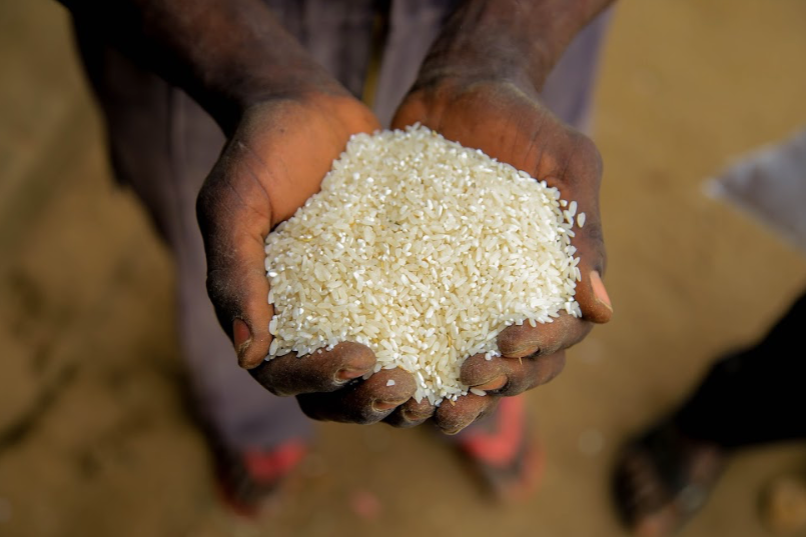
    In the fertile wetlands of eastern Uganda’s Butaleja district, a quiet agricultural revolution is underway. Robert Sagula, a lifelong farmer, now walks with newfound pride through his emerald-green rice paddies—a sight that represents a dramatic departure from his family’s generational farming practices.

    The transformation began in 2018 with the introduction of hybrid rice varieties through the FAO-China-Uganda South-South Cooperation project. This initiative marked a significant upgrade from the traditional rice varieties first introduced by China to Uganda in 1975, which had yielded modest harvests for decades.

    Sagula’s agricultural output has undergone a remarkable metamorphosis. Previously producing only 15-25 bags (approximately 2,000 kg) of milled rice per hectare, he now harvests about 12 metric tons per hectare each season. With two growing seasons annually, his 1.2-hectare farm produces 7,500 kg of milled rice per season, generating approximately $8,348 in seasonal revenue.

    The financial impact has been life-changing. Sagula’s annual income has skyrocketed to roughly $16,697—more than six times his previous earnings. This economic boost has enabled him to educate his children in quality private schools, some of whom have now graduated, and construct a modern family home.

    Beyond individual success stories, the project has created ripple effects throughout the agricultural community. Sagula has become a mentor to fellow farmers, with many seeking his expertise in hybrid rice cultivation. The demonstration sites established during the project’s second phase proved particularly influential, with initial harvests of approximately 2,800 kg of milled rice capturing farmers’ attention nationwide.

    Julius Twinamasiko, program coordinator at Uganda’s Ministry of Agriculture, Animal Industry and Fisheries, emphasizes the project’s broader impact: ‘The initiative has been instrumental in mechanizing and commercializing Uganda’s agricultural sector.’ The program has additionally introduced three varieties of foxtail millet and plans to release new chili and sorghum varieties.

    While challenges such as seasonal flooding persist, the integration of Chinese agricultural expertise with Ugandan farming practices has strengthened the country’s extension system, enhanced food security, and improved nutrition standards to meet the demands of Uganda’s growing population.

  • S. Africa eyes more visitors with visa push

    S. Africa eyes more visitors with visa push

    South Africa is embarking on an ambitious global tourism promotion campaign specifically targeting China and India, the world’s fastest-growing outbound travel markets. The strategic initiative follows the successful pilot of the country’s digitized visa processing system during the G20 summit in Johannesburg last November.

    Tourism Minister Patricia de Lille announced the campaign at Meetings Africa 2026 in Johannesburg, highlighting the breakthrough in addressing long-standing visa bottlenecks that have historically constrained tourism growth. The digital system, which processed travelers from China, India, Indonesia, and Mexico during the pilot phase, was described as “seamless” in operation.

    “We shouldn’t assume that people know about the digitized visa system, especially the main source markets like India and China,” de Lille stated, emphasizing the need for targeted promotion.

    The ministry has been collaborating with Chinese tourism authorities for two years to increase visitor numbers from China. South African tourism offices in Beijing and Shanghai have been instructed to appoint local destination marketing companies to position the country as a preferred travel destination. Parallel efforts are underway in the Indian market.

    Tshifhiwa Tshivhengwa, CEO of the Tourism Business Council of South Africa, identified both markets as critical to achieving South Africa’s target of 15.6 million international tourist arrivals annually by 2030. The industry aims to attract 500,000 visitors annually from each country.

    China receives particular focus as a priority market due to its massive population and expanding middle class. South Africa is developing a comprehensive “China-ready” strategy that includes adaptation to Chinese digital platforms, payment systems, and cultural preferences. The strategy addresses language barriers through Mandarin instruction programs and culinary training for chefs to better accommodate Chinese visitors.

    The Trusted Tour Operators Scheme, launched in early 2025, has simplified visa applications through a fully digital platform. Government-approved operators can now submit applications online with processing times of three to five working days.

    Air connectivity emerges as another critical component under the Tourism Growth Partnership Plan. South Africa is currently negotiating with China and India to increase direct flight capacity. South African Airways will relaunch its Hong Kong route, strengthening connectivity to mainland China.

    The economic significance of tourism growth is substantial, with de Lille noting that every 13 international arrivals create one permanent job and three indirect jobs in South Africa’s economy.

  • As Europe readies tougher migration measures, a Greek island sees illegal crossings spike

    As Europe readies tougher migration measures, a Greek island sees illegal crossings spike

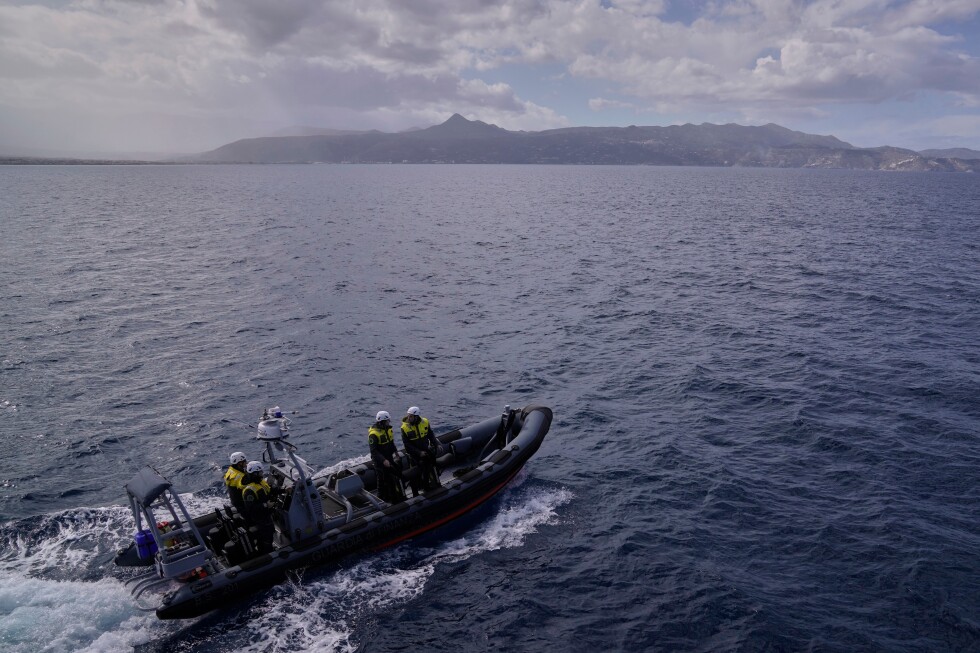
    The Libyan Sea has become the stage for one of Europe’s most dangerous migration corridors, with the Greek island of Crete experiencing a dramatic surge in irregular arrivals despite an overall decline in Mediterranean migration patterns. According to Frontex data, Crete witnessed approximately 20,000 arrivals in 2025—a threefold increase that establishes it as Greece’s busiest entry point even as EU-wide irregular migration decreased by 26%.

    This emerging route presents unique challenges due to its extraordinary length and perilous conditions. Migrants now embark from eastern Libya on a 350-kilometer (220-mile) journey across open waters—a significantly more dangerous passage than the traditional Turkey-Greece route. The exposed crossing requires larger vessels and has resulted in numerous tragedies, including the 2023 sinking that claimed 700 lives and recent incidents where Greek authorities rescued 20 migrants while recovering four bodies.

    Frontex has responded with enhanced surveillance and operational capabilities. The agency has deployed advanced Israeli-built Heron 2 drones equipped with sophisticated sensors capable of detecting concealed activity below deck. “This asset is of critical importance,” stated Mariusz Kawczynski, a senior Frontex operations official. “There is no substitute in modern technology to have eyes for Europe of the threats that are coming to our borders.”

    The EU is implementing tougher migration measures coinciding with this strategic shift. New bloc-wide rules effective June 2025 aim to strengthen border screening and accelerate deportation procedures. Frontex’s standing corps is simultaneously expanding to 10,000 officers—double its 2021 strength—reflecting expectations of sustained pressure along this deadly corridor.

    Behind the migration surge lies complex geopolitical instability. The Uppsala University’s war-tracking project recorded 61 active global conflicts in 2024—the highest since World War II—with expanding militant activity in western Africa creating significant displacement. The International Organization for Migration estimates at least 2,185 Mediterranean deaths or disappearances in 2025, with 606 already recorded by late February, though limited access to rescue information suggests the actual toll is likely higher.

    As Frontex prepares for anticipated spring increases in crossings, the agency’s operations in Greece and Cyprus emphasize that despite seasonal lulls, the structural drivers of migration remain potent, ensuring that Crete will continue to represent both a humanitarian challenge and a political flashpoint for European migration policy.

  • Soldiers on the streets. What’s behind South Africa’s plan to deploy army in high-crime areas

    Soldiers on the streets. What’s behind South Africa’s plan to deploy army in high-crime areas

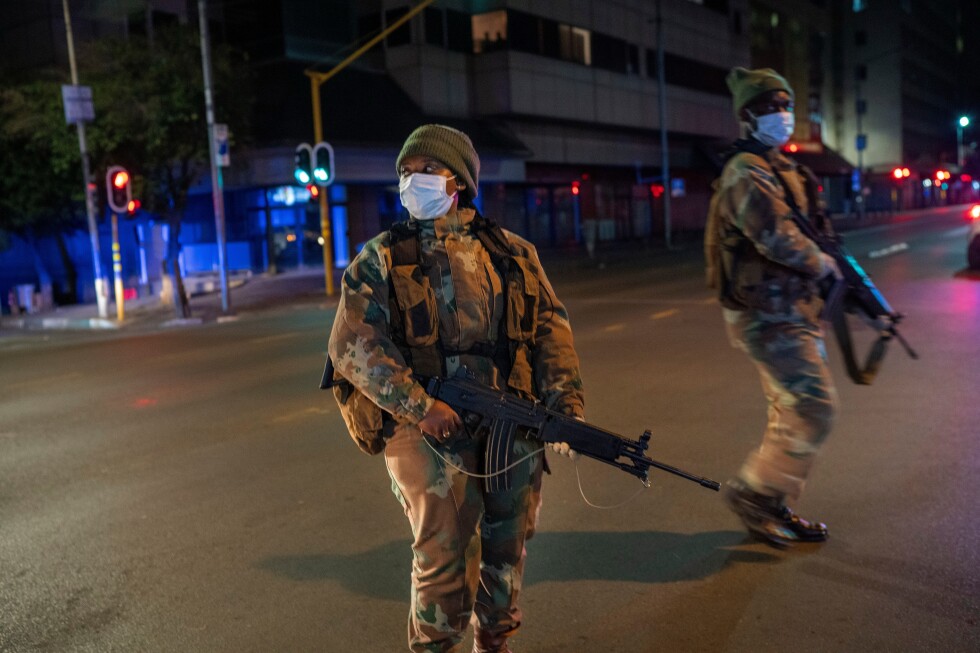
    In an unprecedented security response, South African President Cyril Ramaphosa has authorized military deployment to combat the nation’s escalating crisis of organized crime, gang violence, and illegal mining operations. The strategic intervention will target three provinces—Western Cape, Gauteng, and Eastern Cape—identified as epicenters of criminal activity that threatens both democratic stability and economic development.

    Cape Town, despite its global tourism appeal, harbors the notorious Cape Flats region where gang warfare has created some of the world’s highest violent crime rates. Street gangs including the Americans, Hard Livings, and Terrible Josters engage in brutal turf wars over drug territories, extortion networks, and contract killings, frequently claiming innocent bystanders as casualties.

    Simultaneously, Gauteng province faces a different criminal epidemic: illegal mining syndicates known as zama zamas. These heavily armed operations employ desperate recruits to extract residual minerals from abandoned shafts, generating an estimated $4 billion annually in illicit gold trade. The mining gangs have been connected to horrific crimes, including the mass rape of eight women during a 2022 video shoot and violent standoffs resulting in dozens of deaths.

    President Ramaphosa, acknowledging South Africa’s painful history of military deployment during apartheid, emphasized this decision followed careful consideration of the “most immediate threat” to public safety. The army will operate under police command with time-limited objectives to stabilize critical areas without supplanting traditional law enforcement.

    While Police Minister Firoz Cachalia supports the deployment as necessary to prevent daily loss of life, security experts question the long-term efficacy of military solutions for systemic criminal enterprises deeply rooted in socioeconomic despair and cross-border migration patterns.

  • Guinea releases 16 soldiers and police officers from Sierra Leone after border dispute

    Guinea releases 16 soldiers and police officers from Sierra Leone after border dispute

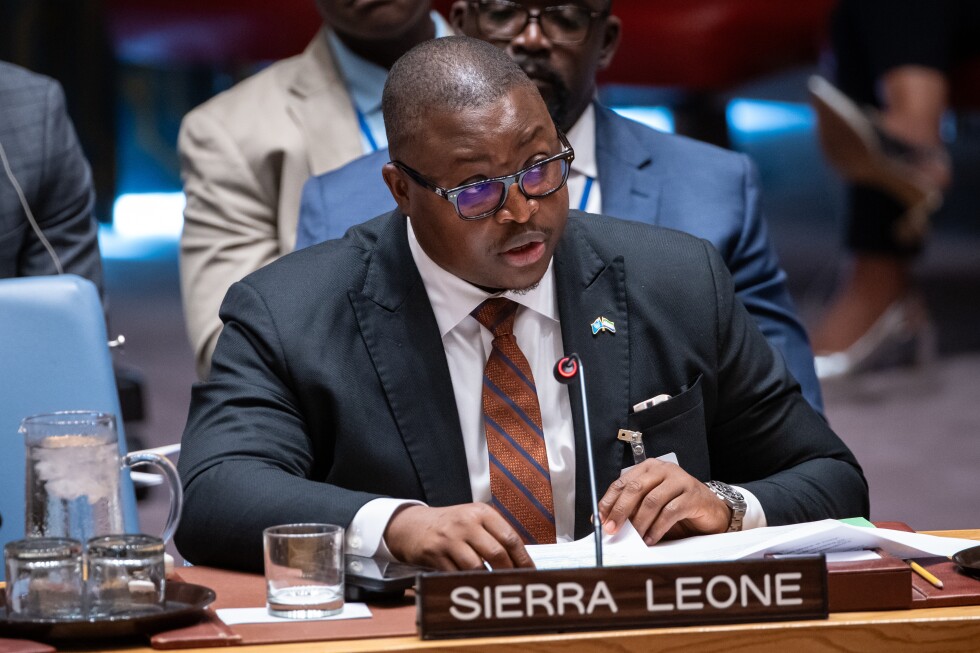
    CONAKRY, Guinea – In a significant diplomatic development, Guinean authorities have released sixteen Sierra Leonean security personnel who were detained earlier this week amid ongoing border tensions between the two West African nations. The release occurred on Friday following high-level diplomatic negotiations between the neighboring countries.

    Sierra Leone’s Ministry of Information confirmed the safe return of all security officers through an official Facebook statement, noting that their release followed a diplomatic mission to Conakry led by Sierra Leone’s Foreign Minister Alhaji Timothy Kabba.

    The detention incident originated on Monday in the border town of Kalieyereh, located within Sierra Leone’s Falaba District. According to official reports from Sierra Leone, the security team—comprising both military and police personnel—was engaged in constructing border infrastructure, including brick-making activities for a planned border post and accommodation facility.

    Guinean military authorities provided a different perspective, stating in an official release that the Sierra Leonean team had allegedly crossed approximately 1.6 kilometers into Guinean territory without authorization. The Guinean statement further claimed the security personnel had established a temporary encampment and raised Sierra Leone’s national flag within disputed border areas.

    This incident represents the latest chapter in a complex border dispute spanning more than two decades. The territorial tensions originated during Sierra Leone’s civil war (1991-2002), when Sierra Leone invited Guinean forces to assist in securing its eastern borders. Despite the conflict’s conclusion in 2002, Guinean troops maintained a presence in contested areas, creating ongoing diplomatic friction.

    The resolution of this particular incident through diplomatic channels contrasts with a similar event last year when Guinean military forces entered a mineral-rich border region within Sierra Leone, raising concerns among regional observers about potential escalation.

  • South Africa starts mass cattle vaccination program to halt foot-and-mouth outbreak

    South Africa starts mass cattle vaccination program to halt foot-and-mouth outbreak

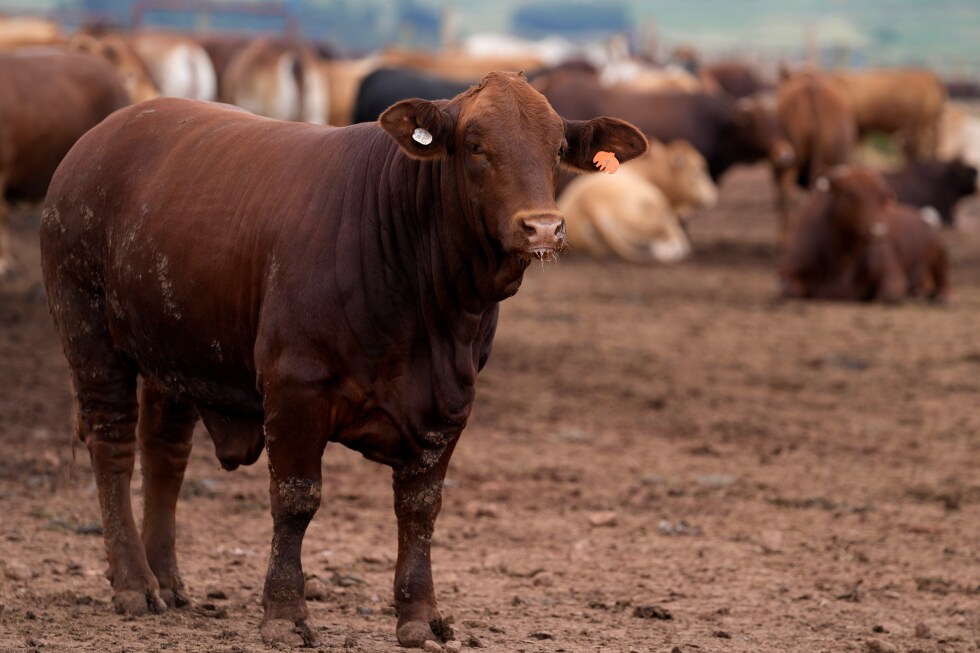
    HEIDELBERG, South Africa — South African authorities initiated a massive emergency vaccination campaign for cattle on Friday in response to a devastating foot-and-mouth disease outbreak that has rapidly spread throughout the nation’s livestock sector, threatening food security and export economies.

    The escalating biological crisis, which began intensifying in late 2022, has already infected over 297,000 cattle and necessitated the culling of more than 120,000 animals as containment measures. The outbreak has triggered international trade restrictions from key importers including China and Zambia, potentially causing massive meat shortages, widespread job losses, and millions in lost agricultural revenue.

    Agriculture Minister John Steenhuisen formally launched the national vaccination drive using an initial shipment of one million vaccines recently acquired from Turkey. Additional doses are anticipated to arrive this weekend, though concerns persist that current supplies remain substantially inadequate for the estimated 12 million cattle requiring immunization.

    “Our definitive strategy involves mass vaccination to proactively manage foot-and-mouth disease nationwide,” Steenhuisen stated. “This approach enables outbreak prevention rather than reactive containment measures.”

    The coastal province of KwaZulu-Natal has emerged as the epidemic’s epicenter with over 17,000 affected farms. The government has officially declared the situation a national disaster, activating legal provisions for emergency funding allocation primarily directed toward vaccine procurement.

    The national treasury has committed approximately $25 million to combat the outbreak, with the majority designated for vaccination purposes. Agricultural producers face mounting challenges as they quarantine infected livestock, suspend trading operations, and manage critical vaccine shortages.

    Dr. Dirk Verwoerd, veterinarian at South Africa’s largest meat producer Karan Beef, described the outbreak as “completely out of control” with rampant infections occurring daily across all provinces. The company’s Heidelberg facility—the nation’s largest feedlot spanning 2,300 hectares with capacity for 140,000 cattle—illustrates the industry’s vulnerability.

    “The damage permeates entire supply chains,” Verwoerd explained. “Primary producers cannot sell livestock, processors cannot purchase animals, slaughter operations halt, and ultimately consumers bear the economic consequences. Our immediate objective must be achieving stability through national herd vaccination.”

  • At least 55 Ghanaians killed fighting for Russia in Ukraine war, minister says

    At least 55 Ghanaians killed fighting for Russia in Ukraine war, minister says

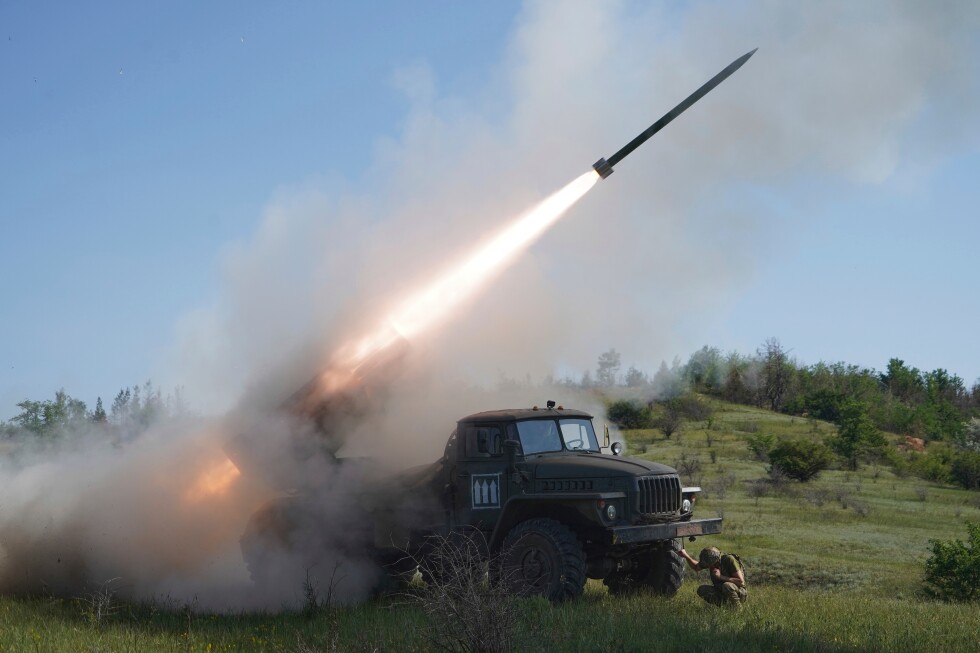
    Ghana has reported one of the highest casualty figures among African nations whose citizens have been recruited to fight in Ukraine, with Foreign Minister Samuel Okudzeto Ablakwa confirming 55 Ghanaian nationals have died while serving Russian forces. The disturbing revelation came during the minister’s diplomatic visit to Ukraine, where he received official documentation indicating 272 Ghanaians have been unlawfully recruited into the conflict since 2022.

    Ukrainian intelligence sources have identified a widespread pattern of criminal trafficking networks targeting African populations, with verified reports of 1,780 individuals from 36 different African countries being deceived into joining the war against Ukraine. Two Ghanaian citizens are currently held as prisoners of war, according to the minister’s statements.

    This development reflects a broader continental crisis, with Kenya recently reporting approximately 1,000 citizens recruited through false employment promises, resulting in numerous hospitalizations and disappearances. Nigeria has confirmed two combat fatalities among its citizens late last year, while South Africa witnessed the return of 11 nationals allegedly recruited by Russian operatives on Wednesday.

    The situation has triggered serious law enforcement responses, including an ongoing police investigation into Duduzile Zuma-Sambudla, daughter of former President Jacob Zuma, for her alleged involvement in recruiting South African men for Russian military service.

    Minister Ablakwa characterized the casualties as ‘heartbreaking statistics,’ emphatically stating ‘This is not our war and we cannot allow our youth to become human shields for others.’ The Ghanaian government has pledged to intensify public awareness campaigns and actively dismantle dark web recruitment schemes operating within the country. Captured Ghanaian fighters have reportedly issued warnings about the dangers of accepting financial incentives to join foreign conflicts.

  • New sleeping sickness pill gets nod, paving the way for use in Africa

    New sleeping sickness pill gets nod, paving the way for use in Africa

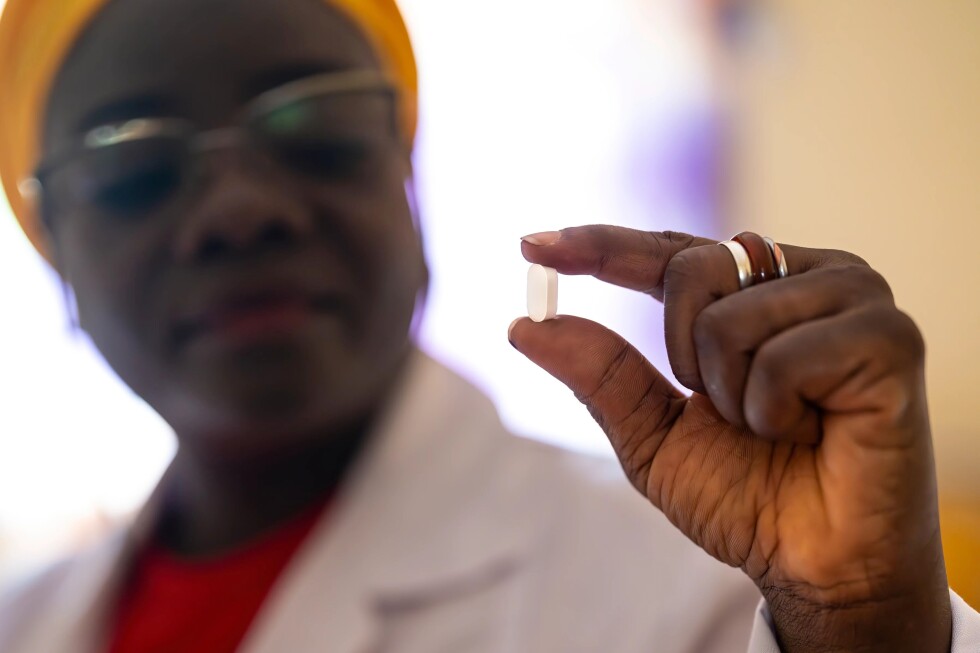
    In a landmark decision poised to transform the fight against sleeping sickness, European drug regulators have officially endorsed a revolutionary single-dose treatment that could accelerate elimination efforts for the parasitic disease. The European Medicines Agency’s committee granted approval to acoziborole, developed by pharmaceutical giant Sanofi, marking a critical advancement in treating this neglected tropical disease predominantly affecting sub-Saharan Africa.

    The newly approved therapy represents a dramatic improvement over existing regimens that require complex 10-day hospital treatments and invasive spinal taps. Acoziborole’s three-pill, single-dose administration offers unprecedented accessibility for remote communities where the disease thrives. This simplified treatment protocol eliminates the need for spinal fluid analysis to determine infection stage, making widespread implementation feasible even in resource-limited settings.

    Sleeping sickness, scientifically known as human African trypanosomiasis, is transmitted through tsetse fly bites in rural Africa. The parasite causes neurological deterioration characterized by inverted sleep cycles, progressing to coma and death if untreated. Historically, treatments involved toxic medications and complex hospital stays, creating significant barriers for patients in isolated regions.

    Recent decades have witnessed remarkable progress against the disease, with reported cases dropping from over 10,000 in 2009 to fewer than 600 in 2024 for the most common strain. This decline stems from improved treatments developed in the early 2000s and sustained control efforts. The World Health Organization has established an ambitious target to halt transmission by 2030.

    Medical experts highlight the drug’s potential significance in the elimination campaign. Dr. Junior Matangila of the Drugs for Neglected Diseases initiative noted that ‘this disease is on the brink of elimination’ and that the new treatment could substantially accelerate progress. The development is particularly noteworthy as elimination might be achieved without a vaccine—a rare accomplishment in infectious disease control.

    However, researchers caution that challenges remain. Dr. Monica Mugnier of Johns Hopkins University acknowledged the treatment as a major improvement while emphasizing ongoing uncertainties about parasite reservoirs and undiagnosed cases. Sanofi has committed to donating doses to the WHO, ensuring the treatment reaches patients free of charge, with initial implementation expected in Congo before expanding to other affected nations.

  • A total lunar eclipse will turn the moon blood red on Tuesday across several continents

    A total lunar eclipse will turn the moon blood red on Tuesday across several continents

    Skywatchers across the Americas and Pacific regions are preparing for a remarkable astronomical event as the last total lunar eclipse until 2028 prepares to illuminate night skies with its characteristic crimson glow. This extraordinary celestial phenomenon will be fully visible during morning hours throughout North America, Central America, and western South America on Tuesday, while observers in Australia and eastern Asia will witness the spectacle during evening hours.

    The cosmic alignment occurs when Earth positions itself directly between the sun and full moon, casting our planet’s shadow across the lunar surface. The resulting ‘blood moon’ effect emerges from sunlight filtering through Earth’s atmosphere, scattering blue light while allowing red wavelengths to illuminate the moon’s surface. This atmospheric filtering creates the stunning reddish-orange appearance that gives the phenomenon its dramatic name.

    Astronomers note that the event will unfold gradually over several hours, with the period of totality—when the moon is completely within Earth’s shadow—lasting approximately one hour. Unlike solar eclipses requiring protective eyewear, lunar eclipses present no viewing hazards, allowing observers to enjoy the spectacle with unaided vision under clear sky conditions.

    This eclipse continues a pattern of celestial events, occurring just two weeks after an annular ‘ring of fire’ solar eclipse captivated viewers in Antarctica. According to NASA’s eclipse patterns, between four and seven eclipses typically occur annually, often clustering together due to orbital alignments. Another partial lunar eclipse is scheduled for August, with visibility spanning the Americas, Europe, Africa, and western Asia.

    Astronomer Bennett Maruca of the University of Delaware recommends checking local timing through forecasting applications or online celestial calendars, noting that observers need not watch continuously to appreciate the moon’s gradual transformation as Earth’s shadow creates a dramatic celestial display.

  • Former US diplomat sentenced to life for abusing two girls in Burkina Faso

    Former US diplomat sentenced to life for abusing two girls in Burkina Faso

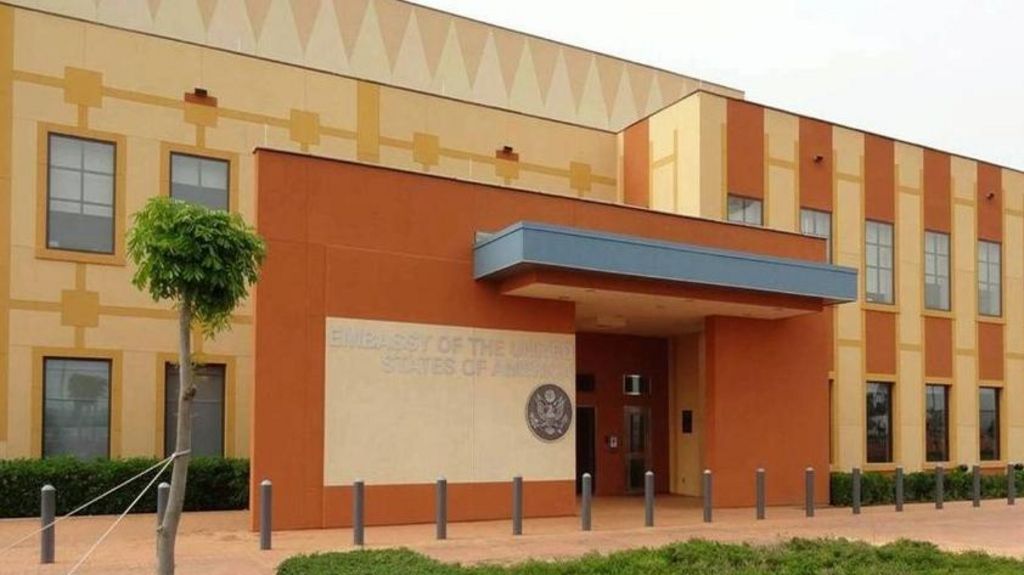
    A federal court has imposed a life imprisonment sentence on Fode Sitafa Mara, a 41-year-old American citizen from Maryland, for sexually exploiting two adolescent girls during his tenure at the U.S. embassy in Burkina Faso. The sentencing on Wednesday followed his conviction in October 2025 after a two-week trial in Maryland’s federal District Court.

    The jury delivered guilty verdicts on four counts of aggravated sexual abuse of a minor, alongside charges of attempted coercion and enticement of a minor, and attempted obstruction of justice. These crimes occurred throughout 2022 and 2023 in Ouagadougou, where Mara was stationed as a U.S. embassy employee.

    Evidence presented during proceedings revealed that the assaults took place within a U.S. government-leased diplomatic residence. This property’s official status placed it under American jurisdiction, enabling prosecution within the United States judicial system. The victims, aged 13 and 15 at the onset of the abuse, came from economically disadvantaged circumstances. Prosecutors detailed how Mara systematically exploited their vulnerability over approximately twelve months.

    According to the Department of Justice’s Office of Public Affairs, Mara manipulated the girls by leveraging their mother’s critical health condition, demanding sexual favors in exchange for assistance. He supplied cellular devices to summon the victims during his wife’s work absences. Additionally, communications evidence showed Mara sent sexually explicit messages to one victim and attempted to corrupt a housekeeper into misleading investigators.

    This prosecution forms part of Project Safe Childhood, a Justice Department initiative established in 2006 to combat child sexual exploitation globally. The investigation received collaborative support from Burkinabé authorities.

    Assistant Attorney General A Tysen Duva characterized Mara’s actions as ‘reprehensible,’ emphasizing that while no sentence could reverse the trauma inflicted, the outcome signals that child abusers—whether operating domestically or internationally—will face severe consequences within America’s justice framework. U.S. Attorney Kelly Hayes for the District of Maryland reinforced this stance, stating unequivocally that predators targeting children ‘will pay a hefty price.’

    Post-sentencing statements from U.S. officials affirmed that the life term reflects both the gravity of the offenses and the government’s dedication to prosecuting child sexual abuse cases involving American citizens overseas.