标签: Africa

非洲

  • South Africa stay unbeaten with win over West Indies

    South Africa stay unbeaten with win over West Indies

    In a spectacular display of batting prowess, South Africa secured a decisive nine-wicket victory against West Indies during the Super 8 Group 1 clash of the 2026 T20 World Cup in Ahmedabad. The Proteas, maintaining their flawless tournament record, effortlessly chased down a target of 177 runs with 23 deliveries remaining, largely thanks to captain Aiden Markram’s explosive unbeaten 82 from just 46 balls.

    Markram’s masterclass, featuring seven boundaries and four sixes, anchored South Africa’s pursuit. He forged a formidable 95-run opening partnership with Quinton de Kock, who contributed a rapid 47 off 24 deliveries before being dismissed by Roston Chase. Ryan Rickelton provided valuable support with an unbeaten 45 from 28 balls, ensuring a smooth chase that concluded with Markram’s 11th boundary.

    This triumph positions South Africa firmly at the summit of Group 1, placing them on the cusp of semi-final qualification. Their progression will be mathematically confirmed if India defeats Zimbabwe in the group’s other fixture. Conversely, West Indies face elimination if they lose their final match against India.

    Earlier, West Indies’ innings was a tale of two halves. After being reduced to a precarious 83-7, a remarkable 89-run eighth-wicket partnership between Romario Shepherd (52* off 37) and Jason Holder (49 off 31) propelled them to a competitive 176-8. This recovery followed a disastrous collapse that saw four wickets fall for 14 runs in the powerplay, with Lungi Ngidi (3-30) and Kagiso Rabada causing significant damage.
  • Nigeria to hold inquest into death of Chimamanda Ngozi Adichie’s toddler

    Nigeria to hold inquest into death of Chimamanda Ngozi Adichie’s toddler

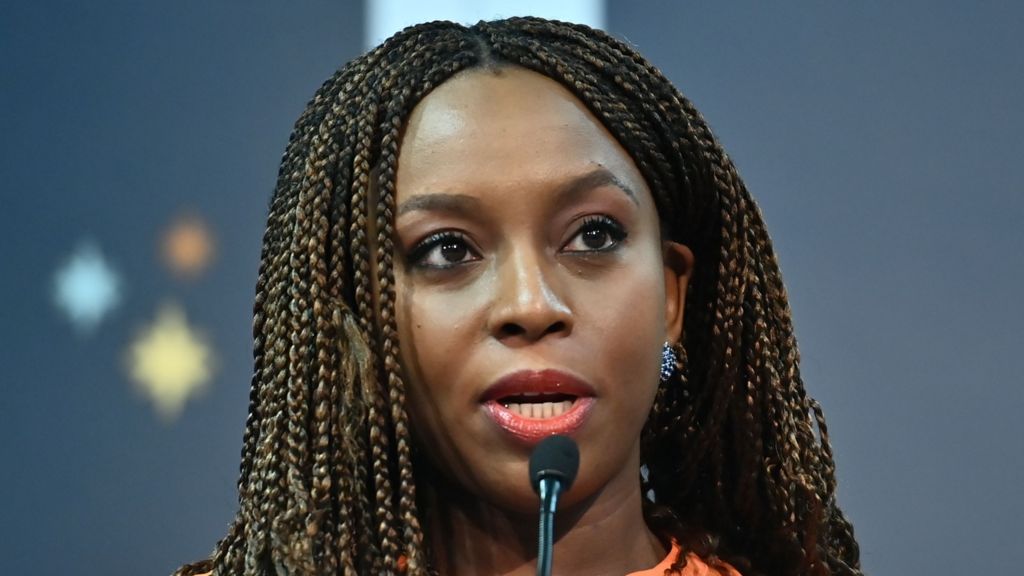
    A formal judicial inquest into the tragic death of Nkanu Nnamdi Esege, the 21-month-old son of acclaimed Nigerian author Chimamanda Ngozi Adichie, will commence on April 14th. The Yaba Magistrate Court in Lagos established this timeline during preliminary proceedings, nearly two months after the infant’s passing at Euracare hospital in January.

    The child’s family has levied serious allegations of medical malpractice against the healthcare facility, asserting that medical staff denied the boy essential oxygen support while administering excessive sedation medication. This combination of actions allegedly precipitated fatal cardiac arrest. Euracare Hospital has issued public condolences regarding the tragedy but maintains that their treatment protocols adhered rigorously to international medical standards.

    Presiding Magistrate Atinuke Adetunji has mandated all involved parties to submit formal witness statements in preparation for the comprehensive inquiry. The forthcoming proceedings will feature testimony from medical specialists and hospital representatives as the coroner seeks to determine the precise circumstances and medical causation behind the toddler’s demise.

    According to court documentation submitted by Adichie’s legal representatives, Nkanu was initially receiving treatment at Atlantis Hospital in Lagos for a progressively worsening though initially mild illness. Medical arrangements were underway to transfer the patient to Johns Hopkins Hospital in Baltimore, Maryland for advanced specialized care. As part of pre-transfer preparations, Atlantis Hospital referred the patient to Euracare for diagnostic procedures including magnetic resonance imaging (MRI) and lumbar puncture. The child died on January 7th following these interventions.

    Through legal counsel, Adichie and her husband Dr. Ivara Esege formally accused Euracare of violating their duty of care obligations three days after their son’s death. The hospital administration has consistently refuted these allegations. The case has sparked broader conversations about patient safety protocols and medical accountability within Nigeria’s healthcare infrastructure.

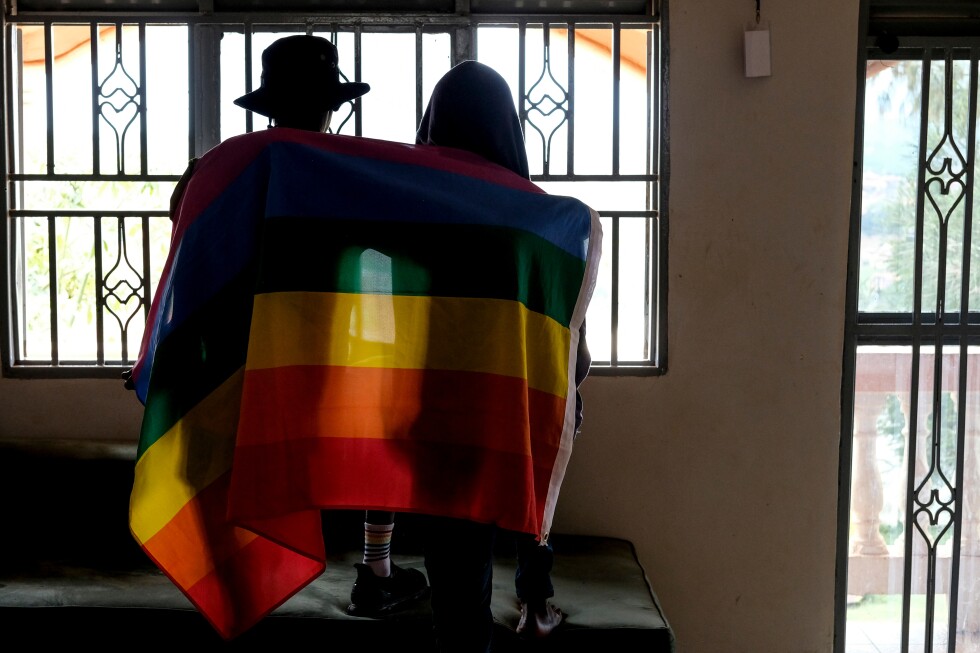
  • Ugandan police arrest two women for allegedly kissing in public

    Ugandan police arrest two women for allegedly kissing in public

    Ugandan authorities have made their first documented arrests under the nation’s stringent Anti-Homosexuality Act of 2023, marking a significant enforcement milestone for the controversial legislation. Police in the northwestern city of Arua detained two women on February 18th following reports from neighbors who alleged witnessing same-sex intimacy between the individuals.

    According to police spokesperson Josephine Angucia, officers responded to community tips about frequent kissing between the women and discovered them in a compromising situation. The suspects were subsequently released on police bond pending further investigation, with formal charges yet to be filed as authorities continue their probe.

    The 2023 legislation, while not criminalizing LGBTQ identification itself, imposes extreme penalties including capital punishment for so-called ‘aggravated homosexuality’—a broad category encompassing HIV-positive individuals engaging in sexual activity, relations with minors, and other vulnerable groups. This new law exists alongside colonial-era statutes that already criminalize ‘relations against the order of nature.’

    Frank Mugisha, a leading Ugandan LGBTQ rights advocate, condemned the arrests as indicative of a ‘grim reality’ unfolding under the legislation. Mugisha warned of escalating targeted crackdowns that extend beyond arrests into dangerous patterns of blackmail and extortion against sexual minorities.

    The Ugandan legislation reflects broader continental trends, with approximately 30 of Africa’s 54 nations maintaining criminal penalties for same-sex relations. Recent developments in Senegal suggesting heightened penalties further underscore the region’s challenging environment for LGBTQ rights.

  • China’s zero-tariff policy welcomed in Africa

    China’s zero-tariff policy welcomed in Africa

    International policymakers and trade experts have widely applauded China’s groundbreaking decision to implement comprehensive zero-tariff treatment for exports originating from 53 African nations with diplomatic ties to Beijing. The policy, set to take effect on May 1, represents a substantial enhancement of Africa’s trade accessibility to the world’s second-largest economy.

    Announced during the 39th African Union Summit in mid-February, this strategic measure is anticipated to dramatically expand market penetration for African goods within China while simultaneously fortifying economic bonds between the Asian economic powerhouse and the African continent.

    United Nations Secretary-General Antonio Guterres emerged as a prominent advocate of the initiative, urging other major economies to emulate China’s approach in dismantling trade barriers that disproportionately affect developing nations. Speaking from the sidelines of the AU summit in Addis Ababa, Ethiopia, Guterres emphasized the critical timing of this policy given the recent proliferation of protective tariffs globally.

    “I would appeal to all developed countries and to all countries with large economic potential to take exactly the same measures and to help Africa with its need for its goods,” Guterres stated, reinforcing his steadfast support for free trade principles and reduced tariff levels as catalysts for global prosperity.

    The Nigerian government has similarly welcomed the announcement, recognizing its potential to amplify trade cooperation between West Africa and China. Kimiebi Imomotimi Ebienfa, spokesperson for Nigeria’s Ministry of Foreign Affairs, characterized the decision as a positive step that could transcend traditional infrastructure partnerships and stimulate industrial development within African economies.

    Analysts interpret the policy as strategically significant within evolving global trade dynamics. Paul-Simon Handy, Regional Director for East Africa and representative to the African Union, described the announcement as “quite bold” and noted its potential to substantially improve Africa’s export prospects precisely when tariffs are escalating in other markets.

    Beyond immediate trade implications, observers highlight China’s expanding influence across multiple sectors including infrastructure and water development. Pablo Bereciartua, Chairman of the Global Water Partnership, pointed to China’s emergent role as a major global investor, noting that such investments present significant opportunities provided they translate into sustainable, long-term outcomes for African nations.

  • Kenyan police arrest man accused of recruiting fighters for Russia’s war in Ukraine

    Kenyan police arrest man accused of recruiting fighters for Russia’s war in Ukraine

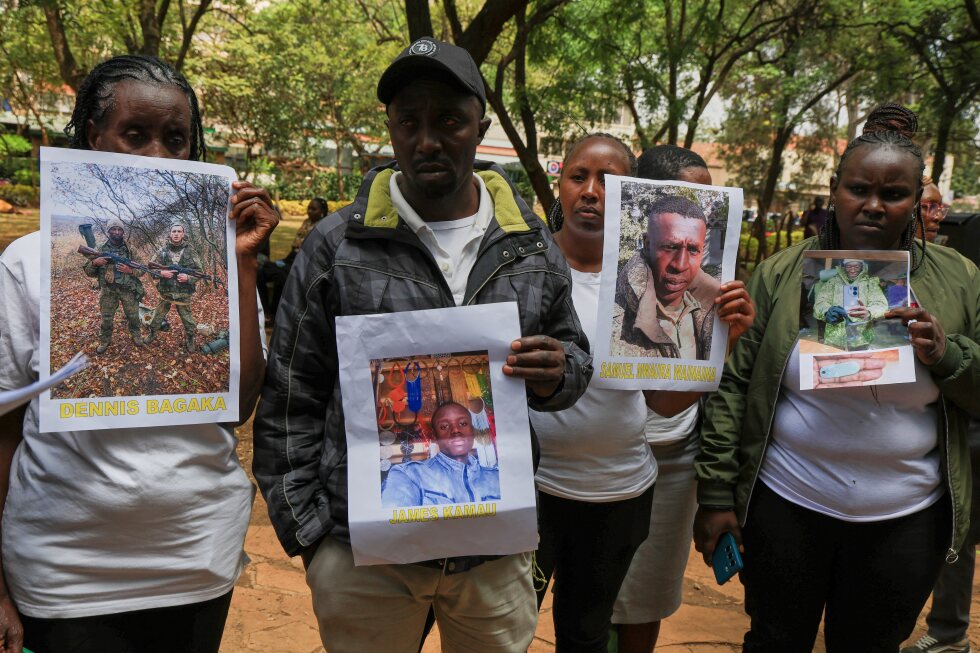
    NAIROBI, Kenya — Kenyan law enforcement has apprehended Festus Omwamba, a central figure in an elaborate human trafficking operation that deceived Kenyan citizens with false promises of skilled employment in Russia, only to forcibly deploy them to combat zones in Ukraine. The arrest occurred in Moyale, a northern border town near Ethiopia, where Omwamba was attempting to evade capture after recently returning from Russia.

    Police spokesperson Michael Muchiri confirmed Omwamba faces charges related to human trafficking and will be transferred to Nairobi for further investigation. The suspect was identified through testimonies from three Kenyan recruits who managed to escape the conflict and provided statements to The Associated Press.

    This development follows last week’s official government disclosure that over 1,000 Kenyan nationals were recruited to fight for Russian forces in Ukraine. According to current statistics, at least 89 remain actively deployed on front lines, 39 are receiving medical treatment in hospitals, 28 are classified as missing in action, and one casualty has been formally confirmed.

    A parliamentary intelligence report presented by Majority Leader Kimani Ichung’wah revealed disturbing collusion between Kenyan and Russian government officials with unauthorized recruitment agencies to systematically funnel citizens into military service. The Russian Embassy in Nairobi has vehemently denied these allegations, stating they never issued visas for military purposes and maintaining that any foreign enlistment occurs voluntarily.

    Foreign Minister Musalia Mudavadi announced on February 9th that he would undertake diplomatic missions to Russia to address what he termed ‘dubious entities exploiting citizens through this misadventure.’ Simultaneously, efforts are underway to secure the release of Kenyans detained in Ukrainian prisons and facilitate the repatriation of those stranded in Russia.

    Firsthand accounts from escaped recruits describe Omwamba’s operational methods. John Kamau, who sought refuge at the Kenyan Embassy in Russia before returning home, testified that Omwamba housed prospective recruits in Nairobi properties while processing their tourist visas and travel arrangements. Another anonymous recruit revealed how Omwamba avoided digital communication, preferring direct calls or personal meetings to maintain operational secrecy. This individual had been promised plumbing work in Russia but instead had his passport confiscated upon arrival and received immediate military deployment after brief training.

  • Solar-powered truck charging gains ground on South Africa’s freight corridors

    Solar-powered truck charging gains ground on South Africa’s freight corridors

    NAIROBI, Kenya — Africa’s transportation landscape is undergoing a radical transformation as solar-powered charging infrastructure emerges to decarbonize the continent’s freight corridors. Challenging decades of diesel dominance and grid dependency, innovative companies are deploying fully off-grid charging solutions specifically designed for heavy-duty electric trucks.

    Leading this clean logistics revolution is Cape Town-based Zero Carbon Charge (Charge), which is implementing two pioneering solar-powered EV charging stations along South Africa’s critical N3 highway connecting Johannesburg and Durban. This 570-kilometer (354-mile) artery serves as the country’s primary freight and passenger corridor, linking economic centers with vital port infrastructure.

    The $6.2 million equity investment from the Development Bank of Southern Africa (DBSA) has enabled this strategic rollout, with funding contingent on establishing off-grid charging infrastructure every 150 kilometers along national roads. Each self-sufficient charging hub represents a $1.25 million investment in renewable energy infrastructure.

    Company co-founder Joubert Roux confirmed the stations will be operational by June, marking a transition from pilot projects to commercial implementation. “We have proven that it’s possible to fully charge electric trucks using solar energy,” Roux stated. “Now we are building the infrastructure to do that commercially and reliably.”

    The technological breakthrough was demonstrated in January when Charge simultaneously powered two heavy-duty electric trucks from China’s SANY alongside four passenger EVs using exclusively solar energy. This achievement distinguishes Charge from other African clean transport initiatives that have primarily focused on electric motorbikes with hybrid systems rather than fully off-grid solutions for heavy freight.

    South Africa’s evolving EV market faces unique challenges, including limited charging infrastructure concentrated in urban areas and particular difficulties for heavy-duty trucks with high energy requirements. The national utility’s struggle to meet electricity demand further complicates electrification efforts.

    “Our approach is to build energy-resilient charging hubs that are not dependent on an unstable grid,” Roux explained. “By combining solar and storage, we can provide predictable, clean power for fleets.”

    Despite the progress, adoption barriers remain significant. Regulatory delays for site approvals, high import duties, truck certification requirements, and limited vehicle availability continue to challenge widespread implementation. However, with fleet operators facing increasing pressure to decarbonize, solutions like Charge’s off-grid hubs offer both environmental and energy security benefits for logistics, mining, and long-haul transport sectors.

    The African initiative follows global models including WattEV in California and Milence, the joint venture between Daimler Truck and Volvo, positioning the continent as an emerging frontier in the global transition to clean freight transportation.

  • As fighting spirals in South Sudan, a humanitarian crisis looms for displaced survivors

    As fighting spirals in South Sudan, a humanitarian crisis looms for displaced survivors

    A resurgence of violence in South Sudan’s Jonglei state has displaced approximately 280,000 people over the past two months, creating a severe humanitarian crisis that threatens to unravel the nation’s fragile peace agreement. The conflict between government forces (South Sudan People’s Defense Forces) and opposition groups (Sudan People’s Liberation Movement In Opposition) has escalated dramatically since December when opposition fighters seized government outposts.

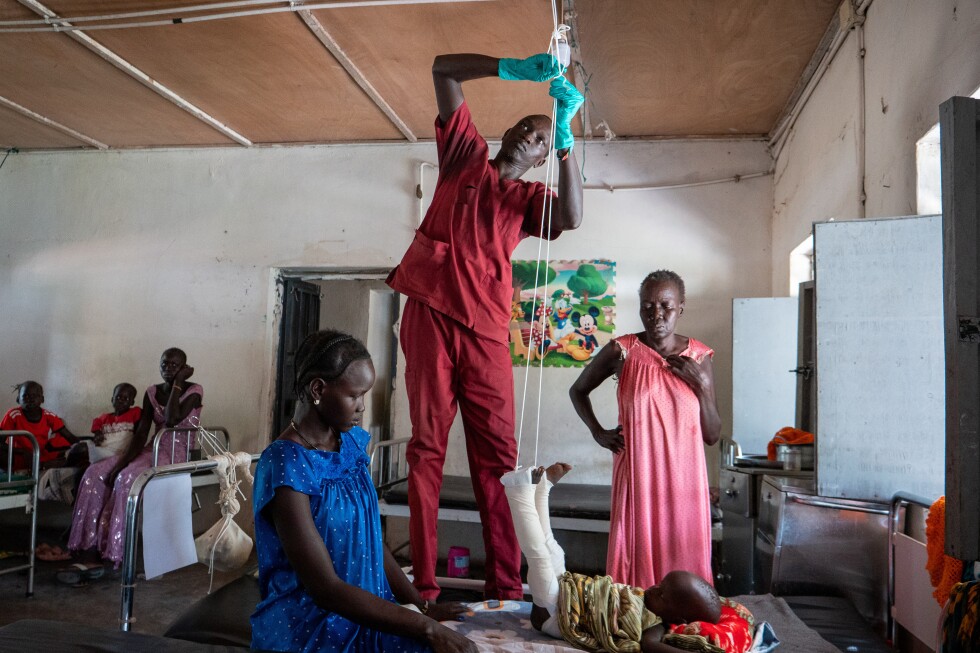
    The human toll is devastating. Eighteen-month-old Kool Gatyen Pajock represents one of countless civilian casualties, hospitalized with bullet wounds inflicted by government forces according to his grandmother Nyayual Chuol, who witnessed the killing of the infant’s parents. Chuol carried her grandson 130 kilometers to Akobo hospital, now separated from her four other children who fled in different directions during the attack.

    Despite a 2018 peace agreement that ended five years of civil war and a 2020 power-sharing arrangement that made opposition leader Riek Machar first vice president alongside President Salva Kiir, tensions erupted again in March. Machar was placed under house arrest and charged with treason in September alongside seven opposition members linked to attacks on government forces.

    The government’s counteroffensive since January has included aerial bombardments and ground assaults, despite official commitments to peace. Nyankhiay Gatluak Jock, 28, described fleeing her village of Walgak after government helicopters bombed the area followed by ground troops shooting from vehicles. She now shelters with 42,000 other displaced persons in Akobo under UN protection.

    Humanitarian operations have been severely compromised. Thirteen health facilities in Jonglei have been looted or partially destroyed, including a Doctors Without Borders hospital bombed on February 3. Nyaphan Nyang Lual escaped that attack with her family but her husband was shot and daughter abducted during their journey to Akobo. She arrived with her one-month-old granddaughter suffering from diarrhea but found no available medicine or food assistance.

    Funding cuts and government-imposed restrictions on aid organizations have crippled relief efforts. Susan Tab, a reproductive health officer with South Sudanese organization Nile Hope, reported having “nothing … no feeding, no medication” to offer beyond psychosocial support.

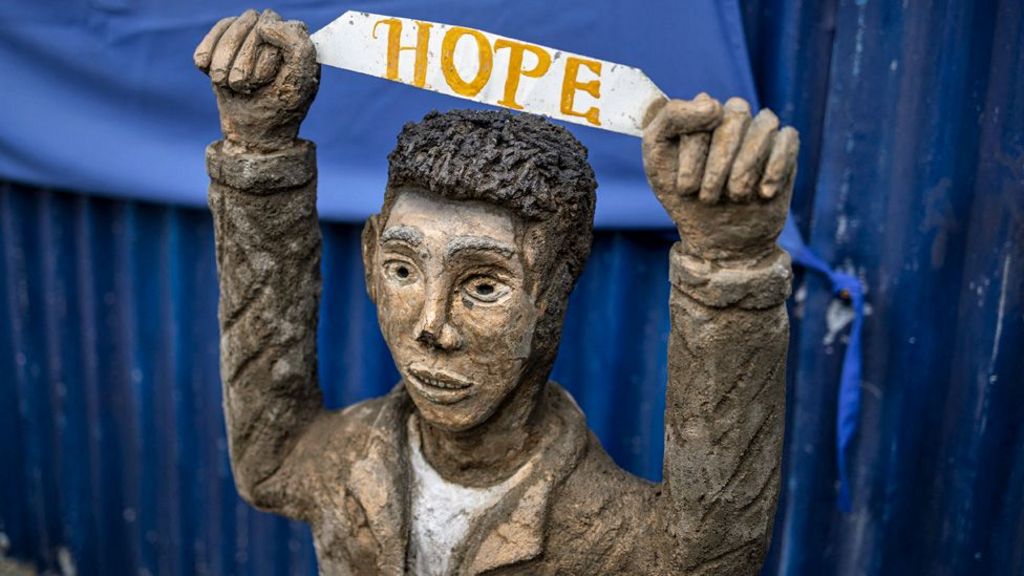
    UN humanitarian chief Tom Fletcher, during a February 21 visit to Akobo, declared South Sudan “one of the most neglected crises in the world right now” and pledged to make the situation more visible to prompt international response. He was greeted by thousands of displaced women and children holding posters with handwritten messages, including one that starkly stated: “They killed everyone.”

  • Is Ethiopia heading back to war in Tigray?

    Is Ethiopia heading back to war in Tigray?

    Northern Ethiopia faces escalating tensions that threaten to plunge the region back into armed conflict merely three years after the devastating civil war concluded. The fragile Pretoria peace agreement, brokered by the African Union in November 2022, shows alarming signs of disintegration as multiple geopolitical fault lines reactivate.

    Current indicators mirror the distressing pre-war period: banking institutions in Mekelle impose strict withdrawal limits of approximately 2,000 birr ($13) daily amid severe cash shortages. Commodity prices surge exponentially as civilians stockpile essentials. A significant exodus is underway, with those possessing means fleeing via air travel while others resort to overcrowded buses toward Addis Ababa.

    The core tensions stem from multiple unresolved issues. Eritrea’s absence from the original peace talks continues to destabilize the region, with Ethiopia recently accusing Asmara of supporting Tigrayan hardliners. Simultaneously, the Western Tigray territorial dispute with Amhara forces remains incendiary. The recent electoral board decision to administer disputed territories independently rather than under Tigrayan or Amharic jurisdiction has further inflamed tensions.

    Political complications abound: The TPLF’s legal status remains in limbo after its electoral license revocation, preventing participation in June’s elections. Internal fractures have emerged within the party, with splinter groups forming new political entities. Prime Minister Abiy Ahmed’s government now confronts hostility from former allies—Eritrea and Amhara militias—while managing a low-level rebellion in Amhara since 2023.

    The Red Sea access dispute compounds these tensions, with landlocked Ethiopia increasingly vocal about securing maritime territories. Abiy’s parliamentary statements suggesting potential forceful acquisition of Assab port have intensified regional anxieties.

    International observers warn of catastrophic consequences should conflict reignite. The UN describes the situation as ‘highly volatile,’ with drone strikes already reported and flight suspensions implemented. Experts caution that any new conflict would likely merge with Sudan’s existing crisis, potentially destabilizing the entire Horn of Africa region.

    Diplomatic intervention remains uncertain, with diminished AU leverage and divided attention among global powers. Gulf state involvement offers limited hope, though their competing allegiances (UAE with Ethiopia, Saudi Arabia with Eritrea) may hinder cohesive peace efforts.

  • South African police question 11 men lured to Russia to fight in Ukraine

    South African police question 11 men lured to Russia to fight in Ukraine

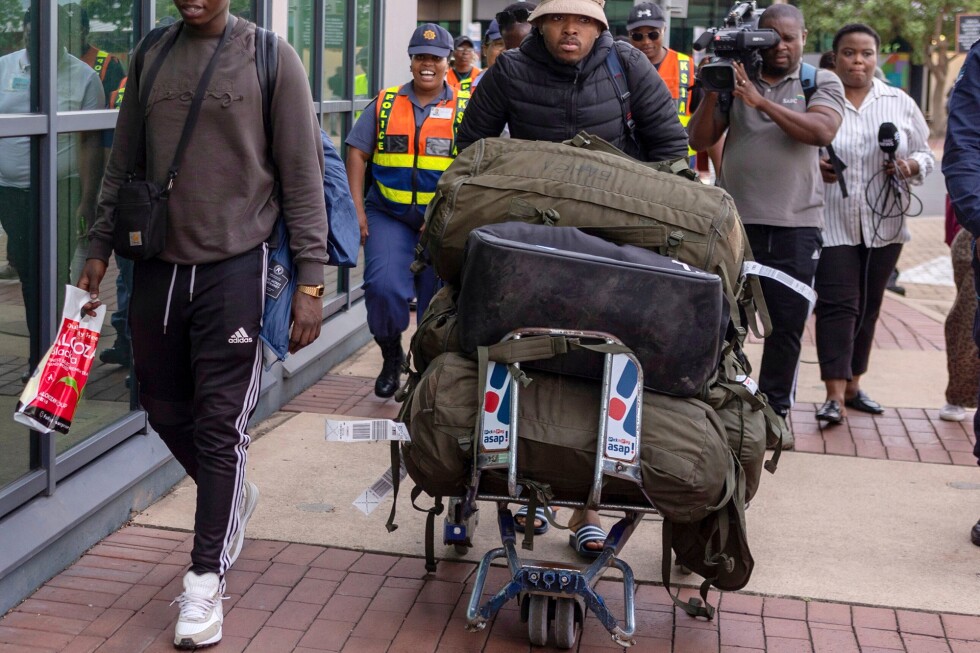
    JOHANNESBURG — Eleven South African citizens allegedly deceived into combat roles for Russia in the Ukraine conflict returned home Wednesday amid ongoing investigations into their recruitment. The group arrived at King Shaka International Airport in Durban and was immediately escorted to a police station for debriefing regarding their involvement in foreign hostilities.

    Observers noted one individual required wheelchair assistance upon disembarkation, while others carried military-style baggage. This repatriation brings the total number of returned citizens to 15, with two remaining in Russia—one hospitalized and another awaiting documentation completion, according to President Cyril Ramaphosa’s Tuesday statement.

    South African law strictly prohibits citizens from engaging in external conflicts without governmental authorization. Police Colonel Katlego Mogale confirmed an active investigation into potential violations, with at least five individuals facing scrutiny for alleged recruitment activities.

    Among those under investigation is Duduzile Zuma-Sambudla, daughter of former President Jacob Zuma, who has denied wrongdoing but resigned from parliament following the allegations. Some returnees are reportedly Zuma family members allegedly recruited directly by Zuma-Sambudla. Five suspects arrested in December now face charges related to the recruitment scheme and are scheduled for April court appearances.

  • Pope Leo to visit four African countries in April

    Pope Leo to visit four African countries in April

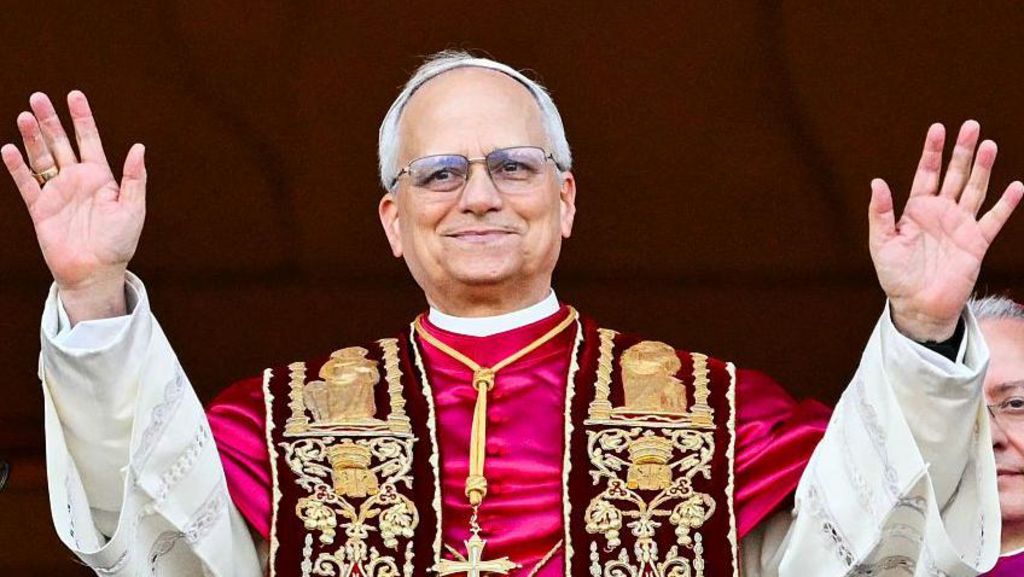
    Vatican officials have confirmed that Pope Leo XIV will embark on a significant 10-day pastoral journey across four African nations commencing April 13th. This landmark visit will mark the pontiff’s first official trip to the African continent since ascending to leadership of the Catholic Church.

    The extensive itinerary includes Algeria, Cameroon, Angola, and Equatorial Guinea, with detailed stops planned across each nation. The Pope’s schedule will include visits to Algiers and Annaba in Algeria; Yaoundé, Bamenda and Douala in Cameroon; Luanda, Muxima and Saurimo in Angola; and Malabo, Mongomo and Bata in Equatorial Guinea.

    This visit carries particular significance as it represents the first papal visit to Algeria, a predominantly Muslim nation. The choice holds personal meaning for Pope Leo, who belongs to the Augustinian religious order and has previously expressed interest in visiting the birthplace of St. Augustine of Hippo. His selection of Cameroon’s Northwest region, specifically the Anglophone city of Bamenda currently experiencing armed conflict, signals a pastoral emphasis on areas experiencing turmoil.

    While this marks his first African visit as Pope, Cardinal Robert Prevost (his former title) had extensive prior experience on the continent, having visited Kenya and Tanzania. The journey underscores Africa’s growing importance within the global Catholic community, which now counts approximately 20% of the world’s Catholics among its African congregants.

    The visit follows Pope Leo’s first international trip to Turkey and Lebanon in late 2025, where he advocated for Middle Eastern peace and reconciliation. It also continues the tradition of papal engagement with Africa established by his predecessor, Pope Francis, who visited the Democratic Republic of Congo and South Sudan in February 2023.

    Cardinal Fridolin Ambongo, Archbishop of Kinshasa, previously hinted at this April visit, noting that papal journeys to crisis-affected nations primarily serve to ‘give hope to the people, especially people who are suffering.’ The full official program detailing the Pope’s activities during the April 13-23 tour is expected to be released in the coming weeks.