博客

  • Why Uganda seems to be winning the battle against Ebola as virus spreads in DR Congo

    Why Uganda seems to be winning the battle against Ebola as virus spreads in DR Congo

    A devastating Ebola outbreak in eastern Democratic Republic of Congo has reached a grim new threshold, with official fatalities surpassing 1,500 to make it the second-worst Ebola event recorded in modern history. Declared publicly this past May, public health experts warn that the actual death toll is far higher than the official count, and Congolese authorities confirmed last Thursday that the virus is spreading at a faster rate than any previous outbreak the country has faced.

    Just across the border, however, Uganda’s experience of the same cross-border outbreak paints a dramatically different picture of successful containment. Two weeks ago, the East African nation discharged its final active Ebola patient from care, a moment the country’s health minister described as a “moment of joy.” In total, Uganda recorded just 20 confirmed cases and only two deaths from the virus – a outcome that was not a stroke of luck, according to senior global health officials.

    “This is not by luck or chance. It is because people invested in preparedness,” explained Dr Kasonde Mwinga, the World Health Organization’s country representative for Uganda, in an interview with the BBC.

    For half a century, DR Congo has borne the brunt of Ebola outbreaks, recording 17 separate events since the virus was first identified. Uganda, by comparison, has faced nine outbreaks since 2000, and government officials say decades of hard-won experience have given the country a playbook to stop transmission before it can spiral into a larger crisis.

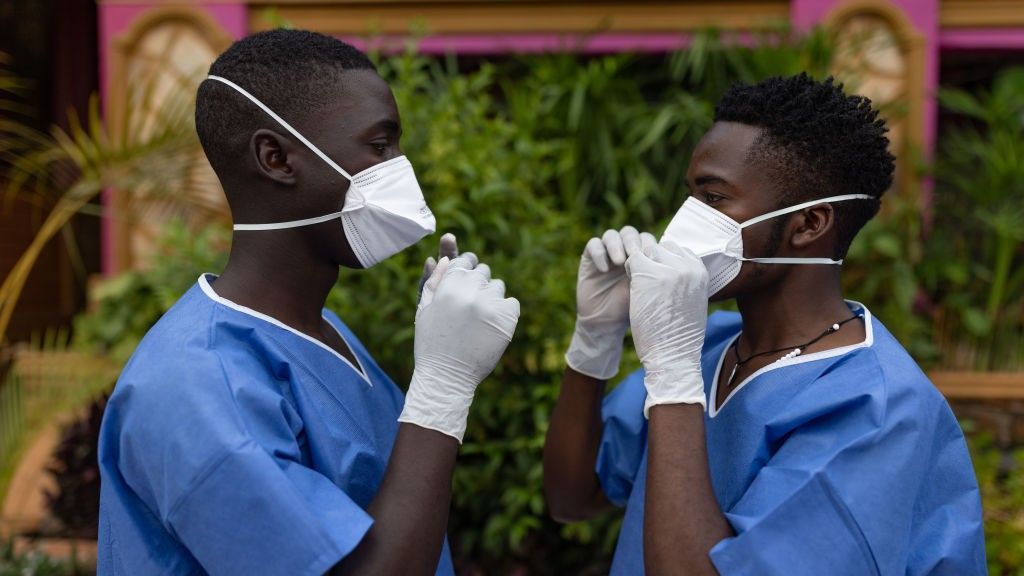
    A 2011 incident in Uganda’s central Luwero district illustrates this advantage. When a 12-year-old girl arrived at a local hospital with telltale Ebola symptoms, clinicians immediately moved to isolate her, donned full personal protective equipment for all interactions, and safely handled her remains after she died just three hours after admission. Those quick precautions stopped transmission in its tracks, before the virus could spread to other patients or healthcare workers, even before lab tests confirmed the diagnosis.

    “We know Ebola. It has been here a few times, we know how to deal with it,” government spokesperson Alan Kasujja told BBC’s Newsday.

    Uganda’s first confirmed case in the current cross-border event was a Congolese man who crossed the border to seek medical care. After DR Congo confirmed multiple imported cases originating from its territory, Ugandan health authorities immediately activated a pre-built specialist Ebola treatment center at Kampala’s Mulago Hospital, a facility that was already set up following a 2023 Ebola outbreak. The center already retained leftover medical supplies and maintained a standing emergency response team, meaning the facility was ready to accept patients within 24 hours of activation, according to Dr David Kaggwa, the center’s head.

    “It was a matter of sorting and ordering a few more supplies, and then actually in one day we were ready to receive the patients. So, it is easy, it’s not that we’re starting from scratch,” Kaggwa said.

    Fifteen of Uganda’s 20 confirmed cases were imported from DR Congo. After the two countries issued a joint public declaration of the outbreak on May 15, residents with Ebola symptoms – including fever, headache, and vomiting – began seeking care directly at the specialized treatment unit, rather than passing through crowded general hospitals, Kaggwa explained. This immediate routing cut off opportunities for community transmission by limiting contact between infected people and the general public.

    To further block spread, Ugandan authorities also closed the shared border with DR Congo, accepting the unavoidable economic hit to cross-border traders who rely on daily movement between the two countries to make a living.

    Beyond pre-existing preparation, Uganda also benefited from early awareness of the outbreak’s specific character. Before DR Congo confirmed its first cases, the virus spread undetected for weeks: local health officials were testing for common Ebola strains, but the current outbreak is caused by the rare Bundibugyo strain, delaying detection. By the time the outbreak was declared, the virus had already gained a foothold in Congolese communities, giving Uganda advance warning to activate its response before the virus reached its territory.

    “Surveillance mechanisms were put in place then it was easy to identify all the patients quickly,” Kaggwa said.

    In DR Congo, systemic challenges have hampered surveillance and contact tracing efforts that are critical to stopping Ebola. A field investigator working in Bunia, the city at the outbreak’s epicenter, told Reuters that poor planning, logistical backlogs, and reliance on under-trained staff have left response teams constantly playing catch-up.

    “We discover the disease only after it has already spread. We’re just chasing it,” said Dr Moubarack Kano.

    Chronic insecurity in eastern DR Congo has compounded these challenges. Ituri province, the current epicenter, has been under military rule for years as government forces battle dozens of active armed groups, while large swathes of territory further south are controlled by the M23 rebel militia. While M23 claims to have contained local transmission through early detection, mass displacement caused by ongoing conflict has left millions of people moving across the region, creating gaps in surveillance that the virus exploits. Cross-border trade and artisanal mining also drive constant population movement, giving the virus more opportunities to jump between communities and across borders.

    In contrast, Uganda successfully completed full 21-day quarantine periods for more than 6,000 known contacts of confirmed Ebola cases, a step that Kaggwa says was critical to halting transmission, since most secondary cases emerge from known exposed contacts.

    “I would say that our success is mainly due to our promptness and completeness of follow-up,” Kasujja concurred.

    This successful containment is not the first time Uganda has earned international recognition for its proactive public health response. In the 1990s and 2000s, the country drew widespread praise for cutting national HIV prevalence from over 10% to 6% in a decade through a large-scale public education campaign centered on the “ABC” prevention framework: abstinence, being faithful, and condom use.

    Community buy-in has also been a core pillar of Uganda’s success, Kasujja added. Even after the country was declared Ebola-free, the public continues to follow recommended prevention precautions, he said.

    This level of community cooperation is seen in the experience of one of Uganda’s early cases: a nurse who contracted Ebola while working in a Kampala intensive care unit, shortly before the outbreak was officially declared. She had treated a patient who later died of Ebola without anyone knowing the cause of death, and when she developed symptoms two weeks later and learned two of her colleagues had already tested positive, she voluntarily entered isolation immediately. Even when her 11-month-old breastfeeding infant was separated from her for a 21-day quarantine, she continued to fully comply with all public health guidelines.

    Uganda broke standard World Health Organization protocol by declaring itself Ebola-free just two weeks after discharging its last patient, instead of the recommended 42-day waiting period. The health ministry justified the early announcement by noting all cases were imported from DR Congo, and no unexplained community transmission ever occurred within Uganda’s borders.

    Even with this success, Ugandan officials are under no illusion that the threat has passed. The country shares a long, porous border with Ituri province, the heart of the Congolese outbreak, meaning the virus can easily re-enter Uganda at any time.

    In response, Uganda has deployed dozens of healthcare workers across the border to support DR Congo’s response, with Health Minister Chris Baryomunsi writing on social media platform X that the country is standing with its “brothers and sisters” to tackle the shared threat.

    “We are going to where the problem is. Uganda cannot win against Ebola if the Democratic Republic of Congo fails,” Kasujja explained.

    Uganda has also ramped up screening at border crossings and continues to run public education campaigns on Ebola prevention and response protocols. “We’re always very prepared,” Kaggwa said.


  • The Sopranos star Vincent Pastore dies aged 80

    The Sopranos star Vincent Pastore dies aged 80

    Beloved American character actor Vincent Pastore, best known for his indelible portrayal of Salvatore “Big Pussy” Bonpensiero on the groundbreaking HBO series *The Sopranos*, has passed away at the age of 80, multiple U.S. entertainment and news outlets have confirmed.

    According to CBS News, the BBC’s U.S. partner, Pastore was found unresponsive at his home in the Bronx, the same New York City neighborhood where he was born and raised. Law enforcement officials have stated there is no evidence of foul play surrounding his death.

    Pastore’s career spanned four decades across film and television, but his defining role as Tony Soprano’s one-time closest confidant-turned-FBI informant cemented his place in pop culture history. Even though his character was killed off in the show’s second season — a plot twist that remains one of the most iconic and discussed moments in modern television — Pastore went on to reprise the role in flashbacks and dream sequences across all six of the series’ critically acclaimed seasons. In 2000, Pastore and his *Sopranos* castmates took home the Screen Actors Guild Award for Outstanding Performance by an Ensemble in a Drama Series, a testament to the cast’s electric on-screen chemistry.

    Longtime manager Robert Attermann shared an emotional tribute to the actor in a statement to CBS News, highlighting the warmth and generosity that defined Pastore off-screen. “To the world, he will always be remembered as the unforgettable ‘Big Pussy,’ but to those of us who knew him, he was so much more,” Attermann said.

    “He loved being an actor. He was passionate about his craft and was always encouraging, respectful, and generous with young actors, taking the time to offer guidance and support whenever he could,” he added. “For me, losing Vinny is deeply personal. Over more than three decades, I had the honor of watching not only his remarkable career but also the incredible person he was. I will miss his friendship, his loyalty, his humor, and his heart.”

    Born in the Bronx in 1946, Pastore did not pursue acting full-time until later in life. He served in the U.S. Navy during the Vietnam War before making his on-screen debut in the 1980s. He built his early career with memorable small roles in Martin Scorsese’s mob classic Goodfellas and Brian De Palma’s Carlito’s Way, and went on to land guest and recurring spots on hit television series including Law & Order, General Hospital, and Hawaii Five-0, long after his *Sopranos* breakthrough.

  • Retail worker critical after he was allegedly attacked by teens in Melbourne’s west

    Retail worker critical after he was allegedly attacked by teens in Melbourne’s west

    A shocking violent assault in suburban Melbourne has left a 60-year-old retail employee fighting for his life, sending ripple effects through debates over frontline worker safety just days after Victoria’s new state government pledged urgent action to protect retail staff. The incident unfolded just after 2 p.m. this past Saturday on Hampshire Road in the suburb of Sunshine, when two store workers approached four teenagers whom they suspected of shoplifting from the retail outlet. What began as an intervention quickly escalated into a physical confrontation outside the store, with the 60-year-old staff member bearing the brunt of the violence. He sustained severe, life-threatening injuries in the altercation and was rushed immediately to Royal Melbourne Hospital, where medical teams have kept him in critical condition.

    Hospital spokespeople confirmed Monday that the worker’s condition remains unchanged and critical, as the community waits for updates on his recovery. Local law enforcement has since taken all four teenagers suspected in the attack into custody. The group — two boys aged 13 and 15, a 14-year-old girl, and a 15-year-old girl — come from the Brimbank and Banyule areas of Melbourne. As of the latest update, detectives have not yet conducted formal interviews with the detained teens, and investigations into the full circumstances of the attack are ongoing.

    The assault comes at a particularly charged moment for retail safety policy in Victoria, coming just days after new Premier Ben Carter took office and used his debut press conference to prioritize new protections for frontline retail and service workers. Carroll, who began his own working career as a frontline staff member at discount retailer Kmart, announced the rollout of a new policy tool called Workplace Protection Orders (WPOs), modeled after the existing Apprehended Violence Orders (AVOs) already used to protect people from repeat abuse. WPOs will grant authorities the power to restrict or completely bar access to workplaces for people who have a history of violent or abusive behavior toward frontline retail and service staff, addressing growing calls for stronger action after a string of high-profile attacks on Australian retail workers in recent months.

  • Oshoala revives Nigeria’s Wafcon and World Cup bid

    Oshoala revives Nigeria’s Wafcon and World Cup bid

    The 2026 Women’s Africa Cup of Nations (WAFCON) in Morocco delivered a tense, pivotal Group C clash on Saturday, as defending champions Nigeria pulled off a hard-fought 1-0 victory over Zambia to reignite their campaign to qualify for the 2027 FIFA Women’s World Cup. This edition of continental women’s football’s premier tournament doubles as a World Cup qualification pathway: all four semi-finalists earn automatic spots in next year’s global competition in Brazil, while beaten quarter-finalists get a second chance via inter-confederation play-offs.

    Nigeria entered the match against Zambia, nicknamed the Copper Queens, on the brink of an unexpected early exit. A stunning 3-2 opening defeat to tournament debutants Malawi just four days prior left the Super Falcons facing elimination before they could hit their stride, putting immense pressure on the side to deliver a result.

    The West African side got off to a dream start, with six-time African Women’s Player of the Year Asisat Oshoala breaking the deadlock in just the eighth minute. After Zambia goalkeeper Hazel Nali saved Oshoala’s first shot on goal, the ball ricocheted off the former Liverpool, Arsenal and Barcelona forward’s right thigh and looped into the net, putting Nigeria ahead early.

    The game shifted dramatically five minutes before halftime at Rabat’s Al Medina Stadium, however, when Nigeria centre-back Oluwatosin Demehin was shown a red card following a Video Assistant Referee (VAR) review. Demehin had dragged down Zambia star striker Barbra Banda, and referee Josphine Wanjiku upgraded her initial yellow card to a red after ruling Demehin was the last defender between Banda and the goal. Replays cast doubt on the call, showing Nigeria teammate Rofiat Imuran appeared to be in a covering position behind Demehin.

    Down to 10 players for the entire second half, Nigeria withstood wave after wave of Zambia pressure, but the Copper Queens failed to convert their numerical advantage into an equalizer. Zambia’s best chance came in stoppage time, when Grace Chanda fired a volley over the crossbar from close range, letting Nigeria off the hook. Earlier in the half, a long-range free kick from Racheal Kundananji was pushed around the post by Nigeria goalkeeper Chiamaka Nnadozie to keep the clean sheet intact. Banda, once the most expensive female player in African football, was largely held in check by the depleted Super Falcons defense after halftime.

    For Nigeria, a side that has qualified for every edition of the Women’s World Cup in history – reaching the quarter-finals in 1999 and the round of 16 at the past two tournaments – Oshoala once again proved to be their match-winner when it mattered most.

    Following the result, Nigeria and Zambia both sit level on three points in Group C, trailing surprise early leaders Malawi, who notched a second consecutive win with a 3-1 defeat of Egypt earlier on Saturday to hold a maximum six points from two matches. The final round of group stage matches will take place next Wednesday, with Nigeria facing Egypt and Zambia taking on Malawi to decide which sides advance.

    In other WAFCON 2026 action, host nation Morocco has already secured its place in the quarter-finals with one group match remaining. But 2022 tournament champions South Africa are in serious danger of missing out on World Cup qualification, having picked up just one point from their opening two Group B matches. The two-time World Cup participants must beat Burkina Faso in their final group match on Tuesday, and hope Ivory Coast defeats Tanzania to advance.

  • How Australia combines modern tech and Indigenous knowledge to fight fire

    How Australia combines modern tech and Indigenous knowledge to fight fire

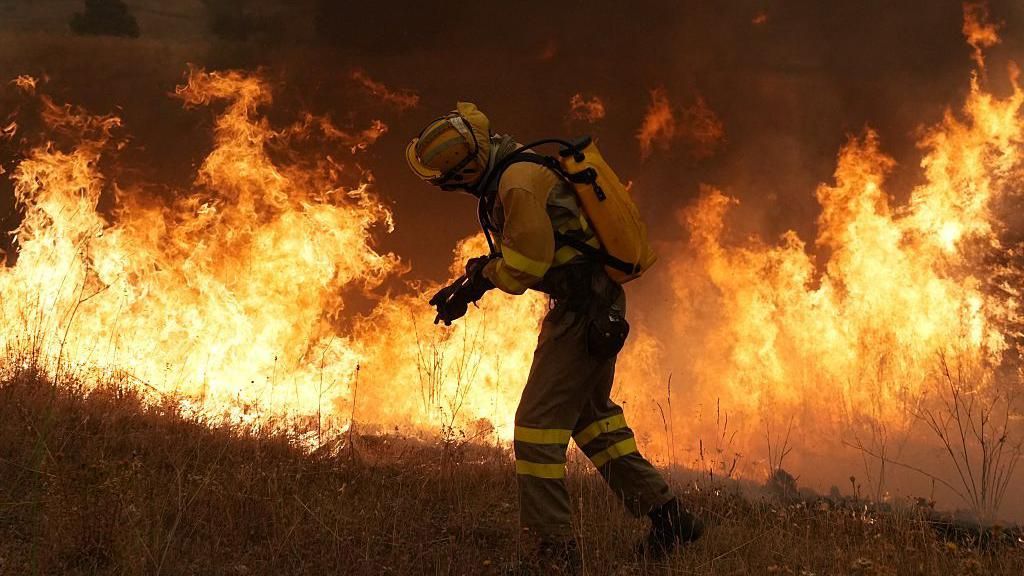
    As southern Europe grapples with devastating, record-breaking wildfires that have forced Spain to declare a national state of emergency, a groundbreaking wildfire research project based in Australia is highlighting how merging millennia-old Indigenous ecological knowledge with cutting-edge modern technology can reshape global wildfire risk management.

    Marta Yebra, a Spain-born bushfire expert based in Canberra, leads the Bushfire Research Centre of Excellence, an institution established after Australia’s catastrophic 2019-2020 Black Summer fires that burned an area roughly the size of the United Kingdom. Yebra has spent years developing advanced wildfire detection and prevention strategies for Australia, one of the most fire-prone regions on Earth, and now believes her country’s hard-won experience holds critical lessons for Europe as it faces its worst wildfire season in decades.

    At the core of Yebra’s work is an innovative collaboration that combines two vastly different sources of expertise: high-resolution satellite data that measures landscape fuel moisture content, and the generations-old environmental knowledge of Australia’s Indigenous communities. While satellites can identify areas with high concentrations of dry, flammable vegetation such as dead leaves, grass, shrubs, and bark, that raw data lacks on-the-ground context that makes it actionable. That gap is filled by Indigenous land managers like Adrian Webster, who learned to read the Australian landscape – what his community calls “country” – from his elders.

    Webster uses traditional observations, from plant color and scent to canopy shade, to verify and contextualize satellite data. He also assesses subsurface conditions to build a complete picture of fire risk, from underground moisture levels all the way up to the top of forest canopies. “She had all this amazing data, but there was no translation to what it meant on the ground, so it was kind of useless,” Webster explained of Yebra’s satellite information. “But through an Indigenous perspective, it was not useless. It was a map that could guide you through the country and, if you understood it, take you directly into a place that is ready to burn.” Yebra noted that Webster’s on-the-ground assessments showed remarkable alignment with satellite readings, proving that combining Indigenous ecological expertise and Western science creates a far more accurate picture of fire risk than either approach can deliver alone. Her team is now seeking additional funding to expand the project and co-design fire management plans directly with Indigenous communities.

    This merging of ancient wisdom and modern science extends beyond risk detection to proactive fire management, centered on the traditional Indigenous practice of cultural burning. For more than 60,000 years, Indigenous Australians have used small, controlled “cool burns” to reduce accumulated flammable fuel across the landscape, creating patchy vegetation that prevents large, catastrophic blazes from developing. Unlike modern prescribed burns, which are large-scale hazard reduction operations conducted during cooler months, cultural burning is tied to a deep spiritual connection to the land, and its principles are increasingly being adopted around the world.

    Pointing to the massive fuel buildup that has amplified Spain’s current wildfire crisis, Yebra noted that this proactive, risk-focused approach is largely absent from European landscape management. “It is difficult to watch what is happening in Spain, but it is not surprising,” she said. “Particularly as climate change is increasing the frequency of extreme fire weather across southern Europe.” Australia’s decades of experience living with high-intensity wildfires have driven a key shift in strategy: moving from only reacting to blazes after they start to proactively identifying and reducing risk long before ignition occurs. That shift, Yebra argues, could drastically improve wildfire outcomes across southern Europe.

    Webster echoes that message, emphasizing that the core lesson from Indigenous fire management is proactive action. “The longer you leave it, the more fuel there is to burn, so the fire is naturally going to be bigger and harder to extinguish,” he said. “Indigenous people always knew that, so we burnt continuously all the time. That way there was no fuel for big fires.”

    Modern Australian firefighting has expanded on these traditional practices with additional tactics that are gaining traction globally. Backburning – the practice of intentionally setting controlled fires ahead of an advancing main blaze to strip it of fuel – has long been a standard tactic in Australia, but it was rarely used in Canada until recent years. When Australian firefighter Damian Hatfield deployed to Alberta to help tackle Canada’s 2023 record wildfire season, backburning was not widely implemented; when he returned in 2024, the tactic had become a core part of Canadian firefighting operations. Technology has also transformed response efforts: NSW Rural Fire Service’s Trent Curtin notes that drones now provide fast, detailed situational awareness to ground crews, deliver critical equipment, support backburning operations, and assess post-fire damage long before larger aircraft can be deployed.

    As Australia braces for what forecasters warn could be an extremely severe 2026 summer fire season, amplified by a predicted super El Niño that will bring more extreme heat and drought, fire leaders are emphasizing the need for global cooperation. Country Fire Authority Chief Officer Jason Heffernan, based in Victoria where the 2009 Black Saturday bushfires – Australia’s deadliest on record – remain a searing memory, notes that fire seasons are growing longer and more intense across the globe, even in regions that rarely faced major wildfires in the past.

    “No fire service can do this on their own and the key is to have formal and trusted networks,” Heffernan said, pointing to the growing need for cross-border resource sharing. That cooperation is already in action: just this week, France made its first-ever request for Australian firefighting support, with two dozen crew and several aircraft set to deploy to help tackle the country’s own record-breaking wildfires amid a prolonged heatwave. Australia already regularly exchanges firefighting resources with the United States and Canada, and Heffernan expects requests from Europe to grow as the global wildfire threat intensifies and the global fire community becomes more interconnected. For Webster, this global collaboration rooted in traditional knowledge is about more than just fighting fires: it’s about “allowing our mother – the planet Earth – a voice again.”

  • Tourist plane crashes in Peru, killing 13

    Tourist plane crashes in Peru, killing 13

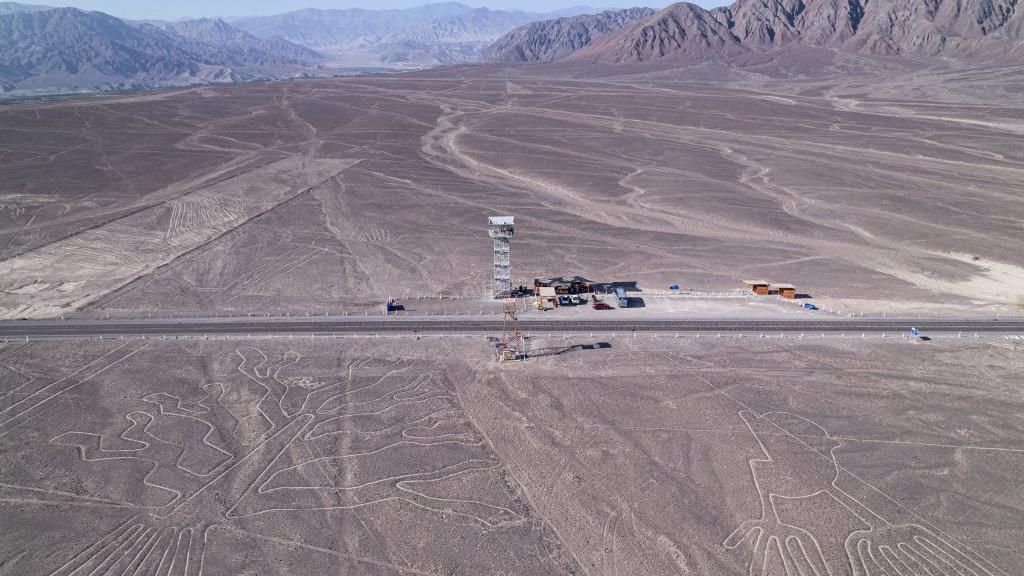
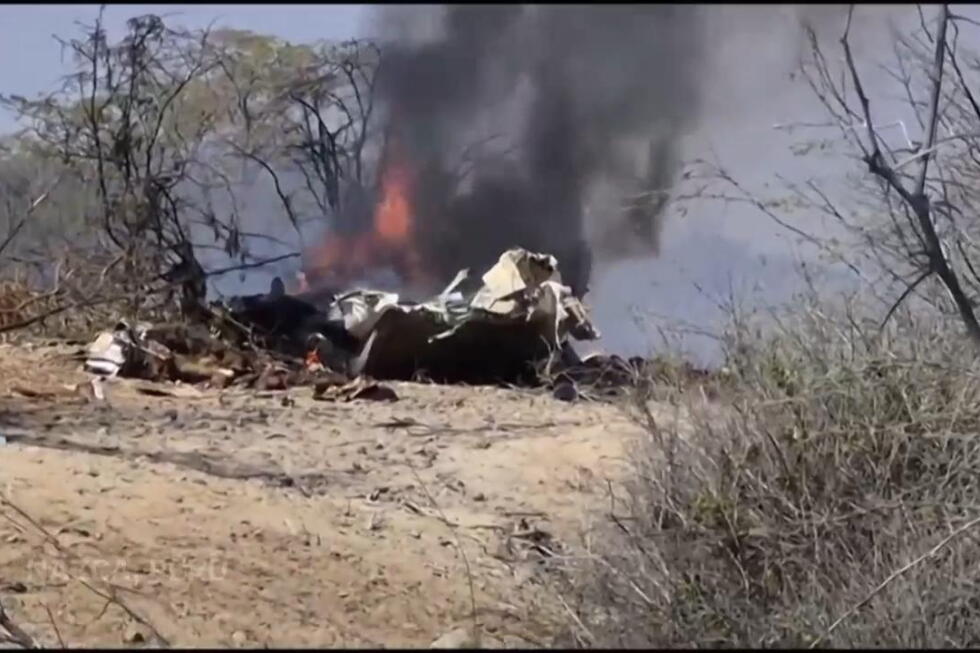
    A devastating aviation accident has claimed the lives of all 13 people aboard a small tourist plane that crashed near Peru’s iconic Nazca Lines archaeological site, Peruvian authorities and local media have confirmed. The crash, which unfolded on Saturday, occurred as the aircraft was conducting a scenic flight over the famous UNESCO World Heritage site, in the Pueblo Viejo region. The flight had departed earlier that day from an airport in Pisco, with the crash taking place at approximately 1:00 PM local time, equal to 7:00 PM British Summer Time.

    On board the aircraft were 11 tourists and two commercial pilots, both employed by local Peruvian aviation company Aerodiana. As of the first official updates, investigators have not released details on the identities of the deceased, nor have they determined the root cause of the crash. Responding law enforcement teams have only recovered four of the 13 bodies so far, a process complicated by the remote desert terrain of the crash site. “Given the severity of the accident, there are no survivors,” Police Major Jorge Andrade told reporters from the AFP news agency.

    Provincial government officials for the Nazca region released an official public statement online, expressing profound grief over the loss of life and extending sincere condolences to the families and loved ones of those killed. The BBC has reached out to Aerodiana to request a formal comment on the crash, though no response has been issued as of yet.

    Today’s crash marks the third fatal aviation accident involving tourist planes flying over the Nazca Lines in less than 15 years, adding to longstanding concerns over aviation safety for scenic flights to the popular attraction. In 2022, a separate small tourist plane crashed in the same area during a Nazca Lines overflight, killing all seven people on board. More than a decade earlier, in 2010, another tourist plane went down near the site, leaving six people dead.

    The Nazca Lines, a collection of massive desert geoglyphs created by the pre-Columbian Nazca culture roughly 1,600 years ago, are one of Peru’s most visited tourist landmarks. The ancient drawings, which stretch across hundreds of square kilometers of arid desert plains, are best viewed from the air, making low-altitude scenic flights a core offering for the region’s tourism industry.

  • Plane carrying tourists crashes in Peru, killing 13 on a Nazca Lines sightseeing flight

    Plane carrying tourists crashes in Peru, killing 13 on a Nazca Lines sightseeing flight

    On a Saturday that began as a routine sightseeing excursion to one of Peru’s most iconic archaeological landmarks ended in tragedy, when a small tourist plane crashed into an open field just outside the city of Nazca, killing all 13 people on board, local Peruvian authorities confirmed.

    The flight was operated by Peruvian aviation company Aerodiana, and had been carrying passengers on a popular aerial tour of the Nazca Lines — the massive, centuries-old geoglyphs etched into the coastal desert by Indigenous Peruvian communities. These massive ancient artworks, which depict a wide range of animal shapes, are too large to be fully observed from ground level, making scenic aerial flights one of the region’s most popular tourist attractions.

    According to official details released by Nazca’s municipal government via a public statement posted to Facebook, the doomed flight departed from the nearby regional hub of Ica. Aerodiana’s official website notes that the company has built a 14-year history operating scenic flights over the Nazca Lines, relying exclusively on Cessna Grand Caravan aircraft for its services.

    Peru’s Ministry for Trade and Tourism confirmed in an official statement that the aircraft carried 11 foreign tourists and two crew members. Peru’s state-run news outlet Agencia Andina further broke down the nationalities of the fallen passengers: two German citizens, two Spanish citizens, and seven Italian tourists were among those killed when the plane went down.

    In the wake of the crash, Peruvian civil aviation and law enforcement authorities have launched a full investigation to determine the root cause of the accident. Multiple attempts to reach a representative from Aerodiana for immediate comment on the crash went unanswered in the hours after the incident.

  • EU calls emergency meeting to discuss Ceuta migrant crossings

    EU calls emergency meeting to discuss Ceuta migrant crossings

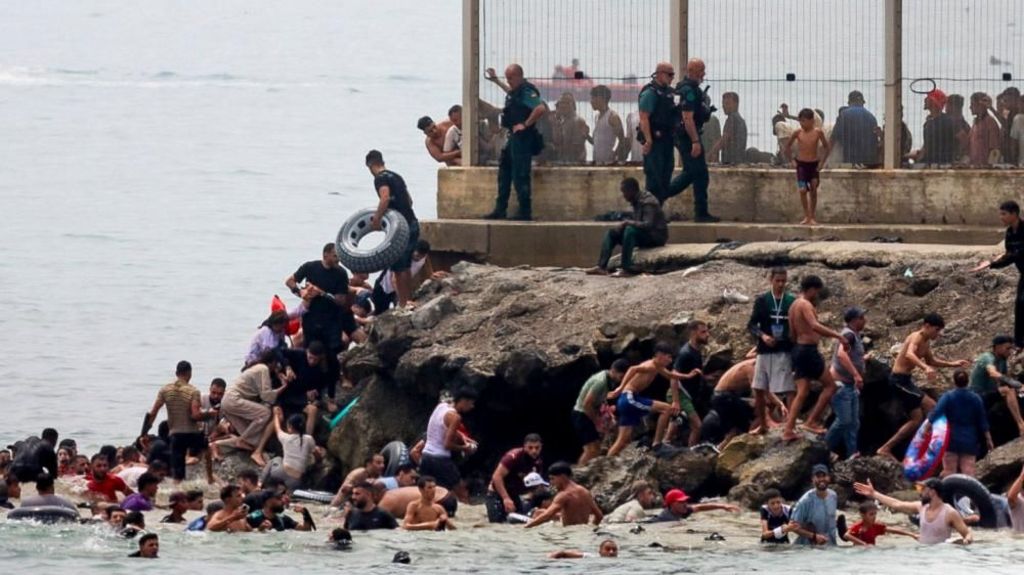
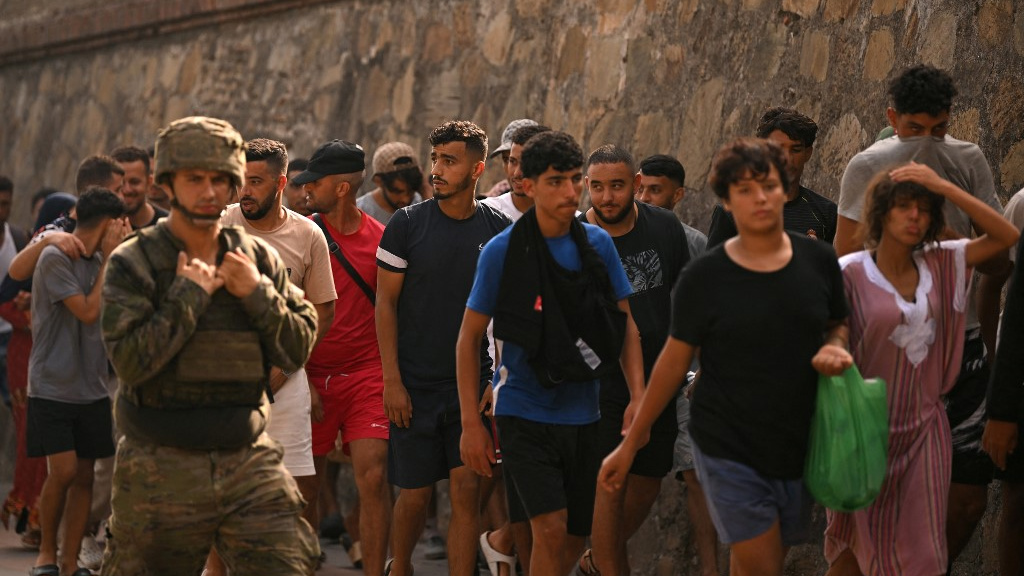
    In the wake of an unprecedented mass influx of some 60,000 migrants crossing from Morocco into Spain’s North African enclave of Ceuta on July 30, the European Union has been forced into urgent diplomatic action, scheduling emergency talks for Tuesday to address the escalating migration crisis that has already sparked sharp divisions between member states. By early August, Spanish officials confirmed that nearly all of the migrants who entered the territory have returned to Morocco, but the human cost of the mass crossing has already climbed to at least 67 dead.

    The crisis has laid bare deep rifts within the bloc over migration policy. Twenty-two EU member states have signed a joint letter addressed to European Council President Antonio Costa, European Commission President Ursula von der Leyen, and Irish Taoiseach Michael Martin – as Ireland holds the rotating Council presidency – calling for coordinated bloc-wide action and stricter security at the EU’s external borders. The letter warns that what unfolded in Ceuta risks creating a dangerous perception that illegal entry into the EU is achievable, a narrative that could fuel further attempted crossings, erode public trust in the bloc’s common migration framework, and create ripple effects across all member states. It also frames the incident as a potential hybrid threat targeting EU border stability.

    Spain, for its part, has pushed back against harsh criticism from several member states, condemning what it calls a “selfish, polarising and unlawful” response. Shortly after the surge, Italian Prime Minister Giorgia Meloni announced a one-month suspension of Italy’s participation in the EU’s Schengen border-free arrangement with Spain, a move that received public backing from Finland and Denmark. A handful of other states, including France and Portugal, have also announced they are reviewing or considering reinstating internal border checks, while Danish Prime Minister Mette Frederiksen has called on the bloc to evaluate all possible responses, including a broader suspension of Schengen cooperation.

    Spanish Prime Minister Pedro Sánchez has hit back at critics, noting that Ceuta has never been part of the Schengen Area, and confirming that his government regained full control of the border and blocked any unauthorised movement of migrants toward mainland Europe in less than 48 hours. In a separate letter to von der Leyen, Sánchez expressed deep concern over the actions of some European governments, arguing that while most member states extended solidarity and support to Spain, others opted to launch attacks driven by prejudice, misinformation, ignorance, or narrow domestic political interests.

    On Friday, Sánchez pointed to migrant smuggling networks as the main culprits behind the surge, noting that traffickers exploited a recent ruling from Spain’s Supreme Court that limited the government’s authority to carry out immediate deportations of migrants who arrive by sea. By Saturday, Spanish Interior Minister Fernando Grande-Marlaska told reporters that the situation in Ceuta had returned almost entirely to normal, with local businesses having reopened their doors. To prevent future mass crossings, the government is currently developing an inflatable water barrier to block irregular maritime entry routes into the enclave.

    Top EU officials have echoed growing concern over the incident. Von der Leyen described images of the mass crossing as unacceptable, writing on social media that “We cannot allow anyone to come to our Union without abiding by our rules.” German Chancellor Friedrich Merz has called on Moroccan authorities to immediately take back all irregular migrants that crossed into Ceuta, while the United Kingdom, which left the EU in 2020, has offered assistance to Spain: UK Prime Minister Andy Burnham confirmed he had spoken with Sánchez over the weekend and that the country was providing all possible support to address the aftermath of the crisis.

    Long a key flashpoint for irregular migration toward Europe, Ceuta – along with the neighboring enclave of Melilla – forms the EU’s only land border with Africa. Many migrants attempt to reach the enclave by swimming short distances from the Moroccan coast, and large-scale crossing attempts are a common occurrence during the summer months, often organized via social media platforms. The 2026 surge is far larger than the last major incident in 2021, when roughly 8,000 migrants entered Ceuta over several days, sparking a major diplomatic rift between Spain and Morocco. Contextual factors including recent anti-government protests led by Gen Z in Morocco, driven by demands for better economic opportunities and improved public services, have also contributed to greater migration pressure in the region.

    Spain has maintained one of the more liberal approaches to migration within the EU in recent months: in April this year, the government approved a sweeping regularization plan that grants legal status to 500,000 undocumented migrants already residing in the country, allowing them to integrate formally into the Spanish workforce.

  • Spanish minister clashes with Israeli diplomat over migrants entering Ceuta

    Spanish minister clashes with Israeli diplomat over migrants entering Ceuta

    A massive unexpected wave of migration into Spain’s North African enclave of Ceuta has ignited not just a humanitarian emergency, but also a sharp diplomatic spat that has pulled Israel into the center of escalating accusations of foreign interference. Over the course of this week, roughly 60,000 migrants, including more than 8,000 children, crossed from Morocco into Ceuta — a small Spanish territory that, alongside the nearby autonomous city of Melilla, forms the only contiguous land border between the European Union and the African continent. Video footage shared widely on social media captured migrants navigating dangerous coastal waters around Ceuta’s border barrier, many clad only in swimsuits and relying on basic flotation devices to complete the risky crossing.

    As of Saturday, Spanish authorities reported that roughly 48,000 of the new arrivals have already been escorted back to Morocco by Spanish military personnel, though lingering tensions remain. Migrants have been spotted hiding in underground tunnels and moving through Ceuta’s residential streets, and humanitarian officials confirm at least 67 people have died attempting the crossing so far. The situation has already sparked ripple effects across the EU: France has moved to ramp up border checks with Spain, while Italy has floated the possibility of suspending Spain from the bloc’s Schengen Area open-border arrangement.

    While the root cause of the sudden migration surge remains unconfirmed, parallels are already being drawn to a 2021 incident, when 8,000 Moroccans entered Ceuta amid a diplomatic breakdown between Rabat and Madrid over the Western Sahara conflict. At that time, Spain accused Morocco of weaponizing migration to gain diplomatic leverage, a claim Rabat implicitly acknowledged by noting it had relaxed border controls in response to the diplomatic dispute. This year, many analysts and political figures point to another recent diplomatic shift: Spanish Prime Minister Pedro Sánchez’s high-profile visit to Algeria, Morocco’s long-standing regional rival and Spain’s largest natural gas supplier, which has left Rabat frustrated with Madrid. Lorenzo Gabrielli, a senior migration researcher at Barcelona’s Pompeu Fabra University, told the New York Times that the scale of the crossing makes Moroccan tacit involvement inevitable. “It is impossible for nearly 50,000 people to cross the border between Morocco and Spain in a single day without Morocco having a hand in it,” Gabrielli said. Morocco’s ambassador to Spain, Karima Benyaich, has pushed back against these claims, insisting Rabat has always prioritized “legal, orderly and safe migration” and that the crossings ran counter to the government’s policy goals.

    What has elevated this local migration crisis into an international diplomatic controversy are widespread claims from Spanish political figures and commentators that Israel and the United States are quietly orchestrating the chaos to punish the current Spanish government for its vocal opposition to Israel’s military campaign in Gaza and US-backed actions against Iran. Spanish Transport Minister Óscar Puente became the first sitting Spanish government official to hint at this narrative after responding to a post on X by Danny Danon, Israel’s ambassador to the United Nations. Danon had used the crisis to mock Spain, which has repeatedly criticized Israeli policy in recent months: “Spain, which never misses an opportunity to lecture Israel, has declared a state of emergency in Ceuta following the crisis over its immigration policy. Maybe before it continues lecturing us, it’s time it explained to the world why it still maintains colonial enclaves in Africa,” Danon wrote. In reply, Puente wrote simply: “Well, it all seems to be becoming quite clear” — a line widely interpreted as confirmation of the interference claims.

    Other Spanish political figures have gone further. Gabriel Rufián, parliamentary spokesperson for the left-wing Catalan Republican Left party, argued publicly that the crisis directly serves American and Israeli strategic interests. Spanish journalist José Vizner also resurfaced a 2019 social media post from Yair Netanyahu, son of Israeli Prime Minister Benjamin Netanyahu, that referenced alleged Israeli support for separatist movements in Ceuta. Even former Portuguese minister and political commentator Bruno Maçães added weight to the claims, noting: “whether or not the US and Israel were involved before the fact, they were deeply involved and intensely active after the fact, especially trying to use it against the current Spanish government.”

    The crisis has even drawn comment from former US President Donald Trump, who framed the Ceuta emergency as a warning of what could come to the United States if he is not returned to office. Calling the situation a “catastrophe,” Trump added that “if we’re not in office our country will be invaded at levels that will make Spain look small time.”

    For the local government in Ceuta, the migration wave is first and foremost a threat to Spanish sovereignty. Ceuta President Juan Jesús Vivas condemned the crossings as a “violation of Spain’s territorial integrity,” as authorities work to bring the emergency under control and address the growing humanitarian toll of the disaster.

  • Crowds line Amsterdam’s canals for Pride boat parade

    Crowds line Amsterdam’s canals for Pride boat parade

    Tens of thousands of spectators lined the historic canal banks of Amsterdam this weekend to celebrate one of Europe’s most iconic LGBTQ+ events, the annual Pride boat parade. A vibrant flotilla made up of 80 elaborately decorated vessels slowly cruised along the city’s famous waterways, with costumed participants dancing to upbeat music and waving enthusiastically to cheering onlookers packed along the shores. Rainbow flags and multicolored decorations stretched across every boat, turning the centuries-old canal network into a flowing river of celebration for queer identity and equal rights. Many attendees traveled from across the Netherlands and neighboring countries to join the event, which has grown from a small activist gathering into one of the city’s largest public celebrations of diversity and inclusion. Local authorities reported that crowds were peaceful and celebratory throughout the afternoon procession, with many attendees describing the event as a vital reminder of the progress made in LGBTQ+ rights and the work that still remains to achieve full equality globally.