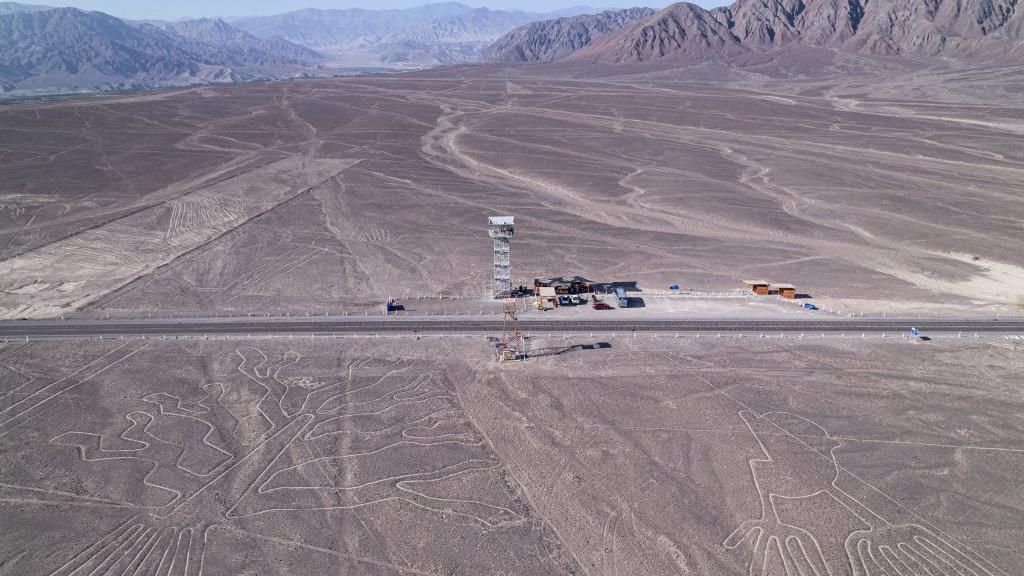
A devastating aviation accident has claimed the lives of all 13 people aboard a small tourist plane that crashed near Peru’s iconic Nazca Lines archaeological site, Peruvian authorities and local media have confirmed. The crash, which unfolded on Saturday, occurred as the aircraft was conducting a scenic flight over the famous UNESCO World Heritage site, in the Pueblo Viejo region. The flight had departed earlier that day from an airport in Pisco, with the crash taking place at approximately 1:00 PM local time, equal to 7:00 PM British Summer Time.
On board the aircraft were 11 tourists and two commercial pilots, both employed by local Peruvian aviation company Aerodiana. As of the first official updates, investigators have not released details on the identities of the deceased, nor have they determined the root cause of the crash. Responding law enforcement teams have only recovered four of the 13 bodies so far, a process complicated by the remote desert terrain of the crash site. “Given the severity of the accident, there are no survivors,” Police Major Jorge Andrade told reporters from the AFP news agency.
Provincial government officials for the Nazca region released an official public statement online, expressing profound grief over the loss of life and extending sincere condolences to the families and loved ones of those killed. The BBC has reached out to Aerodiana to request a formal comment on the crash, though no response has been issued as of yet.
Today’s crash marks the third fatal aviation accident involving tourist planes flying over the Nazca Lines in less than 15 years, adding to longstanding concerns over aviation safety for scenic flights to the popular attraction. In 2022, a separate small tourist plane crashed in the same area during a Nazca Lines overflight, killing all seven people on board. More than a decade earlier, in 2010, another tourist plane went down near the site, leaving six people dead.
The Nazca Lines, a collection of massive desert geoglyphs created by the pre-Columbian Nazca culture roughly 1,600 years ago, are one of Peru’s most visited tourist landmarks. The ancient drawings, which stretch across hundreds of square kilometers of arid desert plains, are best viewed from the air, making low-altitude scenic flights a core offering for the region’s tourism industry.