博客

  • Trump says US, Israel to hold off on Iran strikes

    Trump says US, Israel to hold off on Iran strikes

    In a sudden shift that has eased immediate fears of a major regional escalation, former President Donald Trump revealed Saturday that the United States and Israel have agreed to hold off on planned new strikes against Iran, on the condition that a diplomatic deal to end five months of open conflict is reached quickly.

    The announcement comes amid widespread international anxiety that fighting would reignite on a large scale, after Trump previously threatened to hit Iran “very hard” and U.S. officials were reportedly weighing targeted attacks on key Iranian energy infrastructure. Just days prior, U.S. embassies across the Middle East issued urgent alerts to American citizens, warning of “unforeseen escalation” and urging them to prepare for immediate evacuation. Multiple U.S. outlets including CBS News had reported that joint U.S.-Israel strikes were scheduled as early as this weekend, with oil refineries and power plants identified as potential targets.

    In a post on his Truth Social platform, Trump confirmed that U.S. military forces remained “locked and loaded and ready to go against the Islamic Republic of Iran,” but explained that the decision to pause strikes came in response to direct requests from Tehran and multiple other regional governments.

    “Based on this request, I have agreed, for the future benefit of the WORLD and, likewise, the survival of a successful and prosperous Iran, to cancel the attack, subject to being able to rapidly make a DEAL,” Trump wrote. He outlined two non-negotiable terms for any final agreement: the “Immediate, Complete and Total OPENING OF THE HORMUZ STRAIT,” and a permanent end to what the U.S. describes as Iran’s nuclear threat. “The Country of Israel joins me in this commitment. Get to work, everybody, and get it DONE,” he added.

    The current conflict, which opened on February 28 when U.S. and Israeli forces launched the first wave of strikes against Iran, has dragged on for more than five months with no clear path to resolution. A previous ceasefire agreement, which included identical provisions to reopen the strategic Strait of Hormuz, collapsed after only a short period. In the weeks since hostilities resumed, Iran has tightened its grip on the waterway, requiring all passing vessels to obtain official permission and pay transit fees to access the route, which carries roughly a fifth of the world’s daily oil supplies. Data from maritime trade analytics firm Kpler released Friday confirmed that traffic through the strait has dropped “sharply” amid the ongoing tensions. The collapse of the first ceasefire and resumption of attacks has already pushed global oil prices back upward, reversing the dip recorded during the brief ceasefire period.

    Regional pressure played a central role in Trump’s last-minute decision to call off strikes. According to reporting from Axios, which cited anonymous U.S. officials, Saudi Crown Prince Mohammed Bin Salman held a phone call with Trump Saturday specifically to voice opposition to the planned strikes, urging the U.S. president to prioritize de-escalation. The White House has not yet issued any official comment confirming or denying the contents of that call.

    U.S. Secretary of State Marco Rubio struck a cautiously optimistic tone in comments earlier this week to Fox News, arguing that months of U.S. military action had “wiped out” much of Iran’s defensive capabilities, leaving Tehran more open to negotiation. “Tehran was now willing and in some cases seem eager to do a deal on denuclearization, to do a deal on the straits,” Rubio said, though he warned that Iran retained the capacity to “still do damage” to regional and international interests.

    Recent weeks have seen a series of unsettling attacks linked to the broader regional tensions that have raised alarms globally. On Wednesday, an unmanned drone hit a U.S.-owned gas tanker anchored in an Egyptian port, sparking a large fire; Egyptian authorities have launched an investigation but have not yet attributed responsibility for the strike. Separately, a British maritime agency reported Saturday that an “unknown projectile” struck another commercial tanker off the coast of Oman. In a separate development Saturday, Iran-aligned Houthi rebels in Yemen denied reports that they planned to impose transit fees on vessels passing through the Bab el-Mandeb Strait, a key alternative route for Saudi oil exports that connects the Red Sea and Indian Ocean.

    The decision to pause strikes comes just three months ahead of U.S. midterm elections, where control of Congress is at stake and the conflict is expected to be a core campaign issue for both major parties, posing a potential political challenge to Trump’s Republican Party.
  • New PBS drug for brain cancer two months after Richard Scolyer’s death

    New PBS drug for brain cancer two months after Richard Scolyer’s death

    Two months after the passing of iconic Australian cancer researcher Richard Scolyer, a long-awaited breakthrough treatment for one of the most prevalent adult brain cancers has been added to Australia’s Pharmaceutical Benefits Scheme (PBS), marking the first new approved option for the condition in more than two decades.

    On Saturday, Voranigo (generic name vorasidenib) became accessible through the national drug subsidy program for eligible Australian patients diagnosed with Grade 2 IDH-mutant glioma. This specific form of brain cancer is the most common diagnosis among adults under 50, with most patients receiving their diagnosis between the ages of 20 and 45. While slow-growing, the disease is currently incurable, and it gradually progresses over years, causing severe long-term impairment for those living with it.

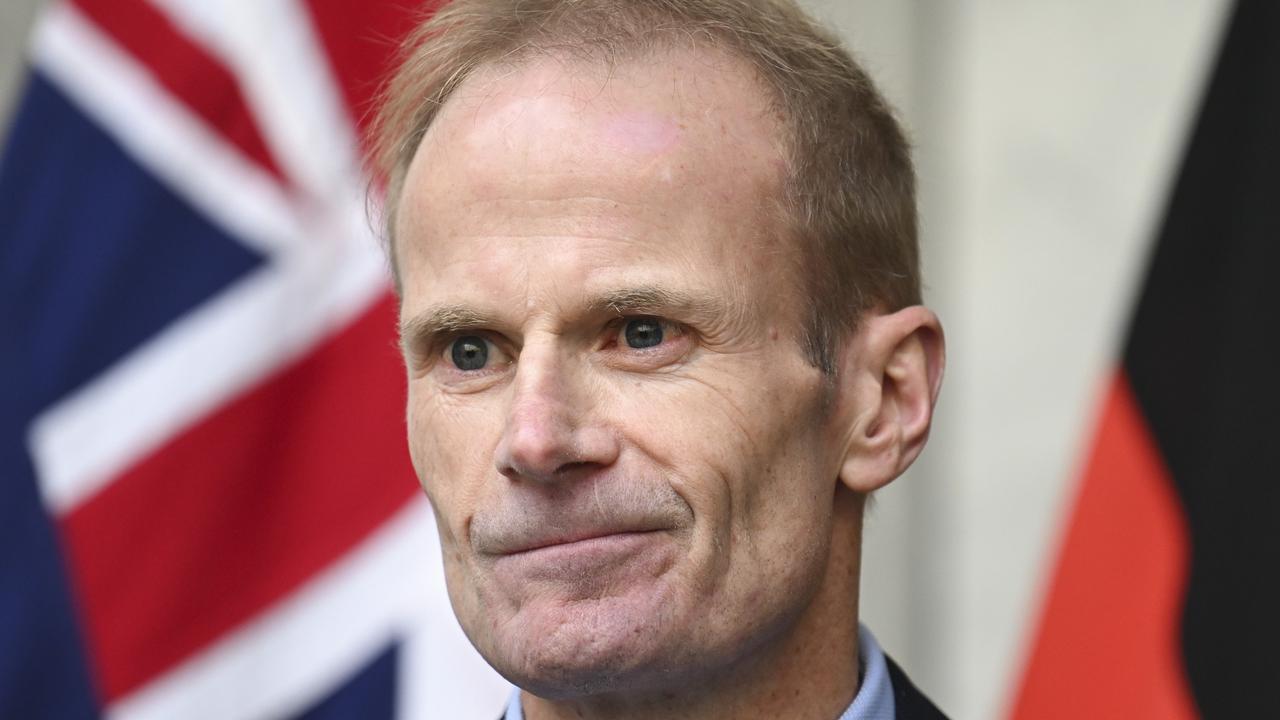
    Australian Health Minister Mark Butler emphasized the profound burden this cancer places on patients, noting that it robs young adults of their health and quality of life at the peak of their working and personal lives. “It’s deeply, deeply debilitating,” Butler explained in an interview with News24. “Patients often live with repeated seizures, gradual cognitive decline, and permanent physical disability. Tragically, it hits people in very young adulthood, usually in their 20s and 30s.”

    Before this PBS listing, eligible patients would have been forced to pay up to $28,000 per month out of pocket to access the treatment – a sum Butler confirmed is well out of reach for the vast majority of Australian households. Now, thanks to the national subsidy, patients will only pay the standard PBS co-payment for the drug. Officials estimate approximately 130 patients will be able to access this life-changing treatment immediately following the listing.

    This new drug listing is part of a broader round of PBS updates rolled out in August, which also added new subsidized treatments for thyroid cancer, blood cancer, and Crohn’s disease, expanding access to critical care for thousands of Australians living with chronic and terminal conditions.

    The announcement carries particular emotional weight, coming just eight weeks after the death of Professor Richard Scolyer, a pioneering cancer researcher whose work transformed global melanoma treatment. Born in Tasmania, Scolyer received his own diagnosis of aggressive grade 4 glioblastoma in June 2023, just months after being named 2024 Australian of the Year alongside his long-time research collaborator Georgina Long. The pair had spent decades leading groundbreaking work to improve immunotherapy outcomes for melanoma patients before Scolyer’s cancer progressed earlier this year. He died on June 7 at the age of 59, leaving behind a legacy of advocacy for expanded access to innovative cancer treatments.

  • ‘Rubbish’: Health Minister Mark Butler lashes ABC Gina Rinehart skit

    ‘Rubbish’: Health Minister Mark Butler lashes ABC Gina Rinehart skit

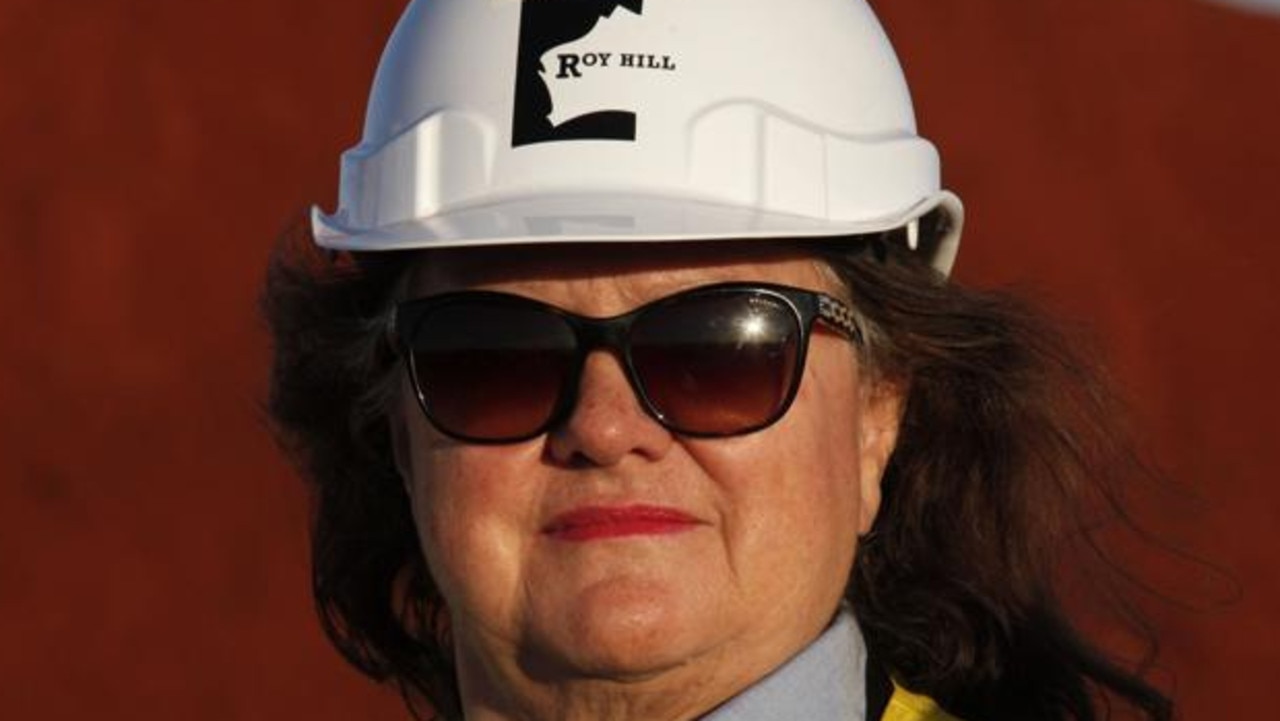
    A violent, graphic satirical segment targeting Australian mining magnate Gina Rinehart, aired on the Australian Broadcasting Corporation’s (ABC) *Race Around The World* series three weeks ago, has erupted into a major public and legal controversy, drawing sharp condemnation from senior members of Prime Minister Anthony Albanese’s government. The four-minute segment closed with an incendiary voiceover that explicitly described a graphic act of violence against Rinehart, framing it as an action for a coming political revolution. The violent language has triggered widespread public outrage, official rebuke from cabinet ministers, and formal legal action from Rinehart’s company, Hancock Prospecting.

    Senior government figures have publicly denounced the skit as inappropriate for broadcast, even for a public media outlet funded by Australian taxpayers. Health Minister Mark Butler, one of the most senior ministers in the Albanese cabinet, publicly described the material as “rubbish” and “pretty revolting” in comments to media on Sunday. Though Butler acknowledged he had not viewed the full segment personally, he said he had reviewed widespread public reporting of the violent closing passage, which he said had no place on any Australian television network—whether public, commercial, or subscription.

    “Regardless of who it’s about, this sort of violent content should never be broadcast to the public,” Butler said, noting that while ABC’s decision to refer the segment to its independent internal Ombudsman for investigation was appropriate, the existence of such content on public airwaves remained unacceptable. Communications Minister Anika Wells had previously condemned the segment as “unacceptable” earlier in the week, joining Butler in criticising ABC for allowing the content to air.

    The segment’s creator, Kate McGuinness, a contestant on the *Race Around The World* series, issued a public apology via the ABC last Thursday. McGuinness emphasised that she never intended to incite real violence against Rinehart, framing the graphic language as over-the-top satirical commentary that was never meant to be interpreted literally. “Unfortunately, jokes do not land with everyone. Its purpose was never to be taken literally. I apologise to anyone I’ve offended,” she said in her apology statement.

    ABC’s initial response drew further anger from Rinehart and her company: the public broadcaster initially defended the segment, claiming it met editorial standards and was editorially justifiable for its satirical context. It refused to remove the content from its digital platforms or issue a public apology for more than a week after Hancock Prospecting first made formal requests to the ABC board for these actions. Last week, after growing public pressure, ABC reversed its initial stance and agreed to refer the full matter to its internal Ombudsman for an independent review.

    That shift was not enough to avoid legal action. Last Friday, Hancock Prospecting issued formal legal letters to ABC leadership, including ABC Chair Kim Williams AM, Deputy Chair Lisa Caffery, and Managing Director Hugh Marks, outlining a series of alleged criminal and civil law breaches stemming from the original broadcast and the broadcaster’s decision to keep the material online. A company statement noted that a full week after Hancock Prospecting first submitted formal demands to the ABC board, senior leadership had failed to issue a substantive public or private response, nor had they taken steps to remove the harmful content from ABC platforms despite widespread public condemnation. The statement also highlighted the serious safety risks that continued publication of the violent threats poses to Rinehart personally.

  • How Spain’s migrant crisis created a political storm – whipped up by social media

    How Spain’s migrant crisis created a political storm – whipped up by social media

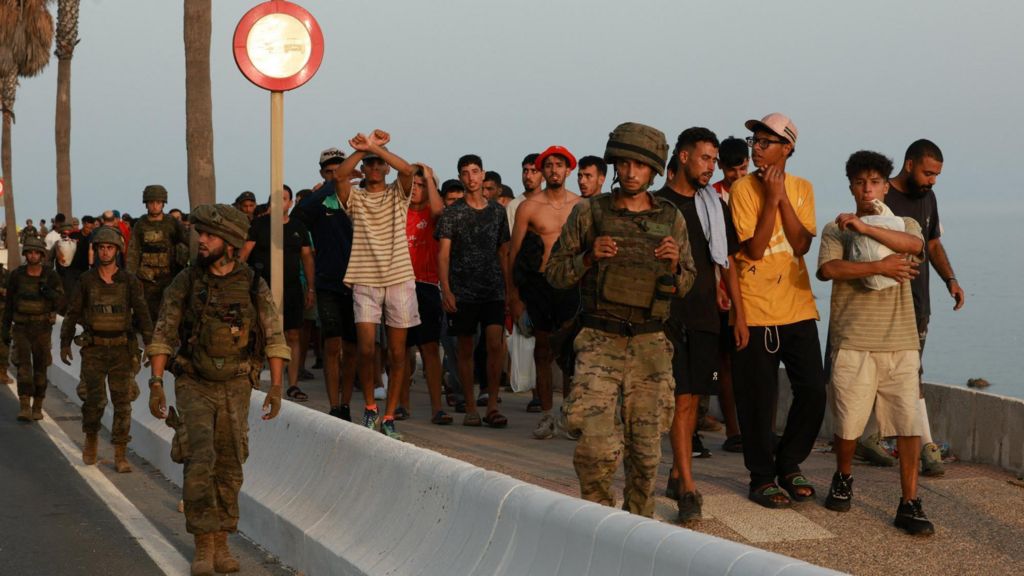
    In the aftermath of a sudden, massive influx of tens of thousands of Moroccan migrants who swam across the border to reach Spain’s North African exclave of Ceuta on July 30, the majority of those arrivals have now been escorted back to Moroccan territory by Spanish security forces. What began as an extraordinary mass crossing has ended in tragedy, with at least 67 migrants confirmed dead, their bodies recovered from the Strait of Gibraltar alongside discarded rubber flotation devices and swimming flippers. Beyond the human cost, the crisis has sent political shockwaves across the European Union, reopening long-simmering rifts over the bloc’s most divisive migration policy debates.

    Root causes of the unprecedented surge remain unconfirmed, with two leading hypotheses emerging. One line of inquiry points to viral social media content that falsely promised an open, unregulated path into Europe for migrants. Spanish Prime Minister Pedro Sanchez, leader of the country’s Socialist government, argues that smugglers misrepresented a recent Spanish Supreme Court ruling barring immediate pushbacks of sea arrivals to lure hopeful migrants. Notably, most participants in the crossing were Moroccan citizens who did not pay smuggler fees; instead, false claims that “Spain is open” spread rapidly across social platforms, with videos of young migrants in wetsuits jumping into the water and footage from inside Ceuta racking up tens of thousands of likes from accounts that only launched weeks earlier.

    The other open question is whether the influx was a deliberate, organized act to weaponize migration for political gain, echoing the 2021 crisis on the Belarus-EU border. While Sanchez has refrained from blaming Morocco, a key Spanish ally that currently faces new tensions with Madrid over the Western Sahara dispute, critics argue that Moroccan border forces could not have missed large crowds gathering for the crossing. Observers also note that external actors have already seized on the crisis to exacerbate division in Europe: Russian state actors have gloated over the chaos that weakens allies of Ukraine, while former U.S. President Donald Trump, who faces an upcoming election and has a longstanding rift with Spain over its opposition to his Iran policy, has labeled the event a “catastrophic invasion.”

    Within the EU, the crisis has sparked open confrontation between Spain and Italy, whose far-right Prime Minister Giorgia Meloni moved quickly to condemn Sanchez’s approach. Meloni’s party, Fratelli d’Italia, early on shared viral images of migrants in Ceuta mocking what it called the “Sanchez model” favored by Italy’s left-wing opposition. Meloni then announced Italy would suspend its Schengen Zone free movement agreement with Spain, citing a national security threat. The move drew fierce anger from Madrid, which points out that Ceuta is not part of the Schengen area, meaning migrants could never travel unchecked to mainland Europe. Analysts widely view Meloni’s hardline stance as a political calculation: with Italian elections scheduled for next year and her coalition losing support to a more virulently anti-immigrant new party, the crisis gave her an opportunity to bolster her tough-on-migration credentials to recapture voters.

    Meloni is far from alone in criticizing Spain’s migration approach. Her call for an urgent meeting of EU interior ministers this week has been co-signed by nearly two dozen EU heads of state, who are pushing to scrap policies they frame as “pull factors” drawing migrants to Europe. Their primary target is Spain’s controversial 2025 policy that allowed hundreds of thousands of undocumented migrants to apply for work and residence permits to regularize their status, a pragmatic move for a rapidly aging country facing critical labor shortages. Notably, the migrants who arrived in Ceuta were not eligible for this program, which has already closed to new applicants.

    In response to the crisis, Spanish authorities have moved quickly to secure the Ceuta border, extending barriers out into the water with lines of orange buoys patrolled by ships to deter future mass swimming crossings. For the next several weeks, Italian police will conduct random document checks on travelers arriving from Spain, a largely symbolic move that does little to alter cross-border travel in practice. Next week, EU interior ministers will convene to discuss strengthening the bloc’s external borders, with populist right-wing parties across the continent emboldened by the crisis to push for harder line policies.

    Amid the political maneuvering and policy debates, the deepest tragedy of the event remains: dozens of young migrants who chased the false promise of a new life in Europe shared online now lie dead, their bodies returned to Morocco in coffins.

  • ‘No, we will not’: Liberal deputy leader Jane Hume rebuffs One Nation deal suggestions

    ‘No, we will not’: Liberal deputy leader Jane Hume rebuffs One Nation deal suggestions

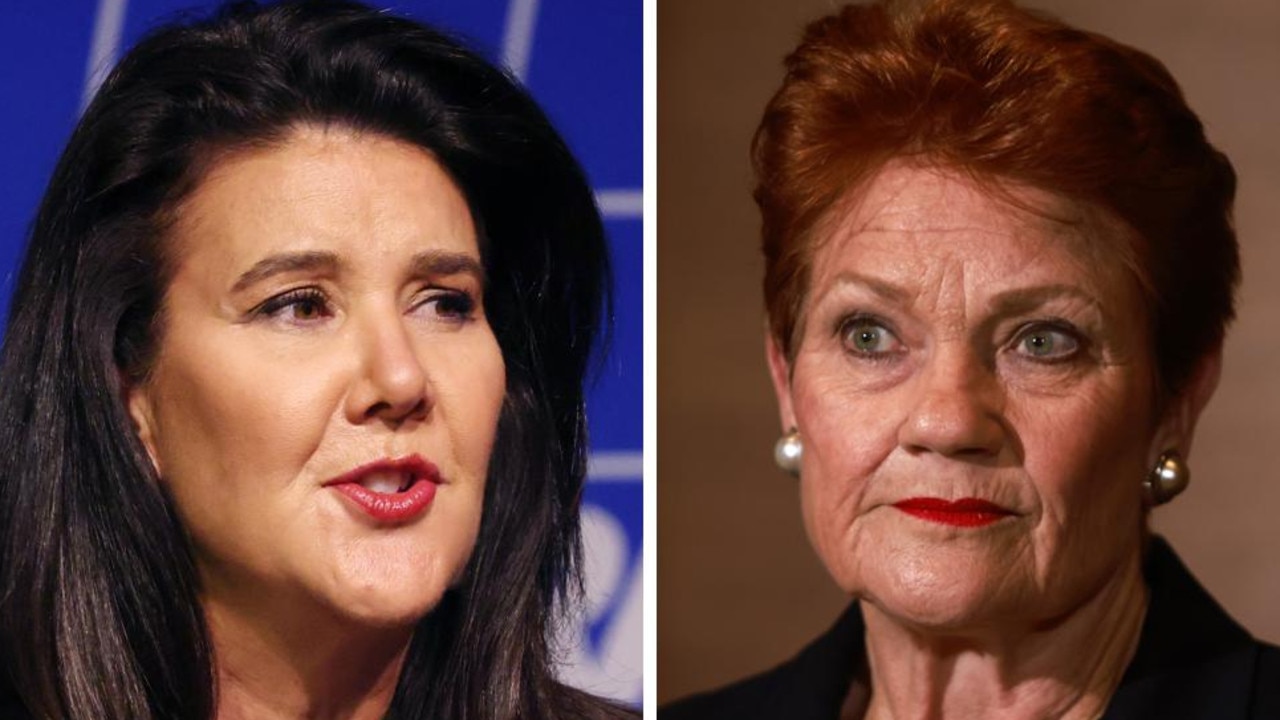
    Internal tensions within Australia’s Liberal Party over a potential electoral or governing alliance with Pauline Hanson’s right-wing One Nation have burst into the open, with the party’s deputy leader forcefully rejecting any future partnership, contradicting ambiguous comments from several senior colleagues.

    Appearing on ABC’s Insiders program on Sunday, Liberal deputy leader Senator Jane Hume pushed back firmly against speculation of a coalition between the center-right Coalition and One Nation, repeating her rejection multiple times amid growing questions about post-election arrangement scenarios. “No, no, we will not be governing in coalition with One Nation,” the visibly frustrated senator stated. “We are not forming a coalition with One Nation. I think we couldn’t be any clearer than that.”

    Hume emphasized that the Liberal Party already holds a long-standing governing partnership with the National Party, an alliance that has anchored conservative federal governments in Australia for nearly a century. “That coalition has been a foundation of very successful governments for 80 years now, and it will continue to be so,” she added, cementing the party’s official position.

    Hume’s blunt rejection comes in direct response to ambiguous comments from other senior Liberal figures earlier in the week that left open the possibility of a future arrangement with One Nation. Liberal frontbencher Senator Andrew Bragg first brushed off questions about preference deals or a potential three-way coalition as premature ahead of the next federal election, which is scheduled to be held no earlier than 2025. When pressed further on whether he would leave the door open to a formal arrangement, Bragg told the Nine Network’s Today show: “Well, we would definitely work out whoever would be interested in being in a coalition with us, if that’s what the numbers were. Of course, we’re not crazy.”

    When grilled on Bragg’s comments and whether the Coalition would accept One Nation support to form a minority government, Hume dismissed the scenario as an unrealistic hypothetical, noting the next federal election remains at least 18 months away. She acknowledged that minority governments in Australian history have relied on crossbench support from a range of minor parties, but stressed that the Liberal-National Coalition’s explicit goal is to win a majority outright. “Our intention is to win outright, and we do that by making sure that we present a credible plan and a credible team to deliver that plan,” she said. Pushed again to confirm the party’s stance, Hume doubled down: “I’ve said that we have no plans, no intention … to have a coalition with One Nation. That is our commitment. We are already in coalition. We plan to govern as a coalition, as a Liberal-National coalition.”

    Hume’s official rejection was not the only sign of division within Liberal ranks earlier on Sunday. Fellow frontbencher Dan Tehan also adopted a softer, ambiguous stance, saying parliamentarians would need to wait to see the final composition of the next parliament before ruling out any potential One Nation support. When asked to directly reject a potential arrangement, Tehan replied: “well, who knows what the Australian people will present when it comes to a parliament,” pointing to the Australian Greens’ past support for Labor minority governments as a parallel.

    This public split follows a shifting position from federal Opposition Leader Angus Taylor. As One Nation’s polling surged earlier this year amid slumping support for the Coalition, Taylor initially left the door open to a deal with Hanson’s party. More recently, however, as One Nation’s polling has plateaued and even declined in some surveys, Taylor has shifted to a more confrontational stance, ramping up public criticism of the populist party.

    For her part, One Nation leader Pauline Hanson has taken an equally flexible position: she has not actively pursued a formal alliance with other conservative parties, but has not ruled out entering an arrangement if the opportunity arises post-election.

  • Solitude as a new aspirational lifestyle: ‘We are not lonely’

    Solitude as a new aspirational lifestyle: ‘We are not lonely’

    Against the backdrop of social media’s culture of overcrowded, highlight-reel lifestyles and constant pressure to be socially connected, a small but rapidly growing niche of content creators – most of them women – is pushing back against outdated stigma by sharing the quiet, intentional peace of solo living. What began as personal documentation of unvarnished daily life has sparked a widespread conversation around the difference between chosen solitude and harmful loneliness, while building an unexpected online community for people who have long felt unseen by mainstream lifestyle content.

    One of the most prominent voices in this space is Lana Isa, a 20-something Toronto-based software sales manager, whose viral TikTok of a quiet Friday night routine has racked up more than seven million views. The video opens on a relatable scene: after a long work week, Isa trundles home, puts a frozen pizza in the oven, lights a candle to watch the snow fall outside her window, and settles onto her couch alone to eat. The video’s provocative tagline – ‘POV you’re a childfree and single girl that has no friends and lives alone so this is how you spend your Friday night’ – quickly captured audience attention, turning Isa into a core figure in the solitude content movement. Today, she counts nearly 400,000 followers across TikTok and Instagram, where she shares everything from late-night fast food runs and lakeside reading sessions to the chaotic misadventure of getting locked out of her apartment in the middle of the night.

    For Isa, the decision to share her friendless status was not a gimmick or an attempt to romanticize isolation – it was simply a reflection of years of lived reality. A string of high school transfers, COVID-19 isolation during college, and a cross-country move after a devastating first heartbreak left her building a life from scratch with no close social circle. ‘People don’t talk about having no friends a lot… I think it’s still what people would consider embarrassing or a little taboo,’ she explained. When she began sharing her truth online, she never expected the response: her initial 2,000 follower count on TikTok ballooned to more than 175,000 in just eight months, as thousands of people reached out to say they saw their own lives reflected in her content. ‘It was eye-opening to see other people who are living the same situation that I’ve been… and to feel like I could kind of relate to people for the first time in a while,’ Isa said. Her comment sections are now filled with followers bonding over shared experiences of solo living, finding comfort in finally feeling seen.

    But the movement has not been without its critics. As the trend gained traction, it sparked backlash, with commentators dubbing Isa and her fellow creators ‘loneliness influencers,’ framing them as part of a crisis of sad, isolated childless women. Other critics have accused them of romanticizing self-isolation and promoting a ‘cosy defeatism’ that pushes people away from needed social connection.

    The creators push back hard against that narrative, arguing that their content does the opposite: it challenges the harmful stigma that equates being alone with being lonely. Devon Noehring, a full-time content creator and self-identified introvert based in Phoenix, Arizona, says it is frustrating to see her quiet solo weekends cooking and relaxing at home with her dog framed as a sign of female loneliness. ‘It’s the exact opposite intention of our videos,’ she said. ‘I just hate the stigma of alone equalling lonely.’ Though Noehring has a small circle of close friends, she grew up struggling with social anxiety and feeling ashamed of her preference for solitude. When she opened up about her insecurities online, she found a large community of fellow introverts who connected with her story. ‘Being alone is where I feel my most free and most like myself,’ she explained. ‘That’s how I recharge, and I feel very proud of myself for being independent and doing things alone… I think it’s something that should be celebrated.’

    For UK-based cleaner SJ Hoadley, who calls herself an ‘accidental influencer’ after gaining a massive following inspired by Isa’s work, solo living was born out of unexpected upheaval, but it has become a source of strength. After leaving a seven-year abusive relationship, she moved to a new area where she knew no one and had to rebuild her life entirely. While the transition was shocking at first, she quickly learned to embrace her newfound independence. ‘I think sometimes my lack of friends tends to bother the people around me more than it bothers me,’ she said. ‘We never describe ourselves as lonely.’

    Health researchers have weighed in on the conversation, working to destigmatize solitude by drawing a clear line between chronic, forced loneliness and intentional alone time. Professor Melody Ding, an epidemiologist at the University of Sydney who studies social connection and loneliness, notes that societal pressure creates a false expectation that people must be socially connected and happy 24/7. ‘Everybody’s lonely at some point, but some people are not OK admitting that,’ she said. That said, Ding cautions that while chosen solitude can be positive, humans are inherently social species, and prolonged, unchosen intense isolation can have negative impacts on both mental and physical health. ‘We survive better with companionship, with people around us,’ she explained, adding that her hope for people who have lost social connections is that they will eventually be able to build new, nourishing relationships over time.

    Digital media experts say the rise of solitude content fills a critical gap in a social media landscape dominated by hyper-glamourized, aspirational content that fuels constant fear of missing out. Dr Anne Oeldorf-Hirsch, a University of Connecticut researcher who studies online community building, notes that there has been a growing backlash against the ‘highlight reel’ culture of mainstream influencer content, and audiences are hungry for more authentic, relatable stories. ‘There’s been this kind of long growing backlash against the idea that we’re seeing everybody’s perfect life, their highlight reel,’ she said. The appeal of solitude content, she explains, is that it provides much-needed balance to influencer culture, connecting creators and audiences around shared, authentic experiences. ‘We’re kind of trending towards these influencers that are more authentic, living their true life,’ Oeldorf-Hirsch said. ‘We just want to find people we relate to.’

    Far from rejecting all social connection, the creators say their content has actually opened new doors for meaningful social interaction. Hoadley’s following has grown by tens of thousands of followers on some days, while Noehring’s videos have amassed millions of views across platforms. All three creators say their online communities have inspired them to pursue new in-person connections: Hoadley is excited about the prospect of finding a small group of girlfriends, Noehring hopes to organize an in-person meetup for her online community, and Isa says the support she has received has given her the push she needed to start considering making new friends again.

    At its core, the movement is about rejecting one-size-fits-all expectations for a happy life, Hoadley says. ‘I think that what all the content is saying is: find your path,’ she explained. ‘It doesn’t have to be this one-size-fits-all that we keep getting pushed on social media.’

  • Woman and two men arrested in relation to Brisbane break-and-enter

    Woman and two men arrested in relation to Brisbane break-and-enter

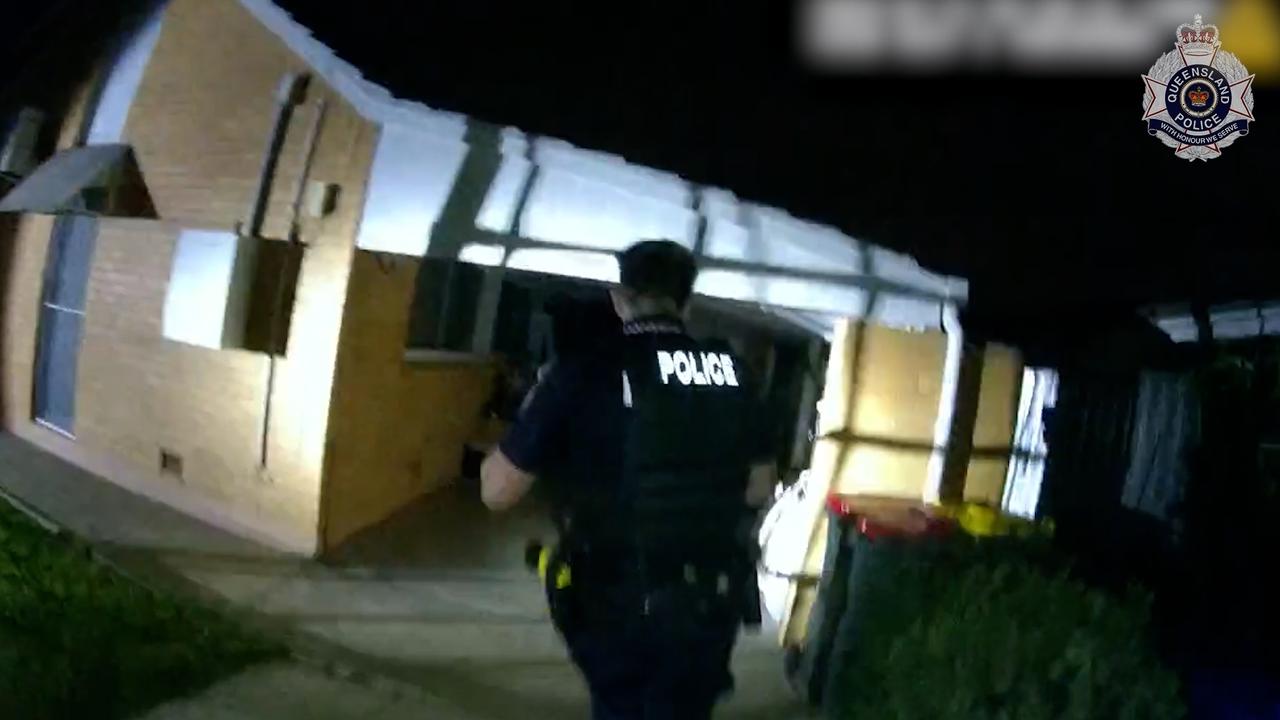
    Newly released dramatic body-worn and surveillance footage has captured the rapid, coordinated response by Queensland Police that led to the arrest of three people connected to an alleged early-morning armed home invasion in Brisbane’s southwestern suburb of Kenmore. The incident unfolded at approximately 3:43 a.m. on Friday, when five people authorities say were carrying a replica firearm and multiple baseball bats forced entry into a residential property on Skye Street.

    Shortly after the group fled the scene, local police units swarmed the surrounding area following emergency calls from residents and witnesses, launching a targeted manhunt that resulted in three people taken into custody within hours of the break-in. Among those arrested are a 26-year-old man from Windaroo, a 21-year-old woman from Deagon, and an 18-year-old man from Cannon Hill. Investigators also confirmed that a replica firearm, visible in the official evidence footage released by the Queensland Police Service (QPS), was recovered at the arrest site.

    Court documents show the 26-year-old defendant faces a total of 18 criminal charges, including one count of breaking and entering into a dwelling, nine counts of possessing restricted prescription and controlled substances, six counts of possession of dangerous drugs, one count of possession of a drug-related utensil, and one count of receiving stolen tainted property. He made his first court appearance before a Brisbane magistrate on Saturday.

    Both the 21-year-old woman and the 18-year-old man each face one count of breaking and entering in connection to the Kenmore home invasion. The teenager is scheduled to appear before the Brisbane Magistrates Court on August 24, while the woman’s first court hearing is set for August 28. Two other suspects who participated in the alleged invasion remain at large as the investigation continues.

    Queensland Police have issued a public appeal for any additional witnesses who were in the Skye Street area of Kenmore during the early hours of Friday, or any local residents who may have private security or dashcam footage capturing the incident or the suspects’ vehicle, to come forward to assist investigators. Any information, no matter how minor, is expected to help police progress the case and locate the remaining two individuals involved.

    The footage of the arrests and evidence recovery, provided to media via NewsWire as an official handout from QPS, has been released to the public to raise awareness of the incident and encourage witnesses to step forward.

  • Fuel prices likely to ‘creep up’ as excise cut comes off at midnight, Health Minister says

    Fuel prices likely to ‘creep up’ as excise cut comes off at midnight, Health Minister says

    Australia’s Albanese government is moving forward with its planned phase-out of temporary fuel tax cuts, with the remaining excise relief set to expire at midnight on August 2, a senior cabinet minister has confirmed. Health Minister Mark Butler, speaking to media outlet News24, warned that motorists should prepare for gradual fuel price increases over the coming days, rather than an immediate, sharp jump at petrol bowsers.

    The emergency excise cut was first introduced three months ago, when escalating conflict in the Middle East sent global oil prices soaring, placing intense cost-of-living pressure on Australian households. The original 32 cent per litre discount was halved in June, and is set to be fully removed when the clock strikes midnight on Monday. Butler noted that when the first half of the cut was rolled back last month, prices rose incrementally over multiple days, and consumers should expect the same pattern this time around.

    “The government has been transparent about what this change will mean for pump prices,” Butler said. “Once the excise returns to its normal level, deflationary trends will balance out as the market returns to standard conditions.” When asked whether the government had considered extending the popular relief measure to ease ongoing household cost pressures, Butler confirmed that officials had monitored market conditions closely in recent weeks, but ultimately decided to stick to the original timeline for returning the tax to pre-relief levels. “Relief for households has been a priority, but it is also important to manage a smooth transition back to normal fiscal and market settings,” he explained. “We have to return to business as usual at some point, and we are moving forward with the plan we set out previously.”

    Butler also acknowledged that fuel prices have already climbed in recent weeks, driven by renewed geopolitical instability between the United States, Iran and Israel following a surprise offensive launched February 28. He emphasized that these recent gains are not tied to the government’s excise policy, but are a direct consequence of global market volatility sparked by Middle Eastern conflict. “All Australian consumers are paying the price for this war, which cannot end soon enough,” he added.

    The end of the temporary cut will also impact the heavy vehicle road user charge, which will revert to its standard 32.4 cents per litre for liquid fuels like diesel from Monday, up from the reduced 16.2 cent rate that has applied during the relief period. As of July 26, the national average retail price for petrol stood at 182.3 cents per litre, a figure that industry analysts expect will climb steadily as the tax change works its way through the supply chain to retail consumers.

    Opposition energy spokesperson Dan Tehan echoed the government’s call for a peaceful end to the Middle East conflict, noting that the months-long period of relief has given the domestic fuel supply chain time to adjust to shifting market conditions. Tehan called on the Albanese government to shift its policy focus to cutting overall government spending and reducing broader cost-of-living pressures for Australian households. “If the government prioritizes bringing down general costs across the economy, that will leave Australian households better positioned to absorb the fuel price increase that will come when the excise relief expires,” Tehan said.

  • Young guns for hire – the teenage hitmen recruited to kill across Europe

    Young guns for hire – the teenage hitmen recruited to kill across Europe

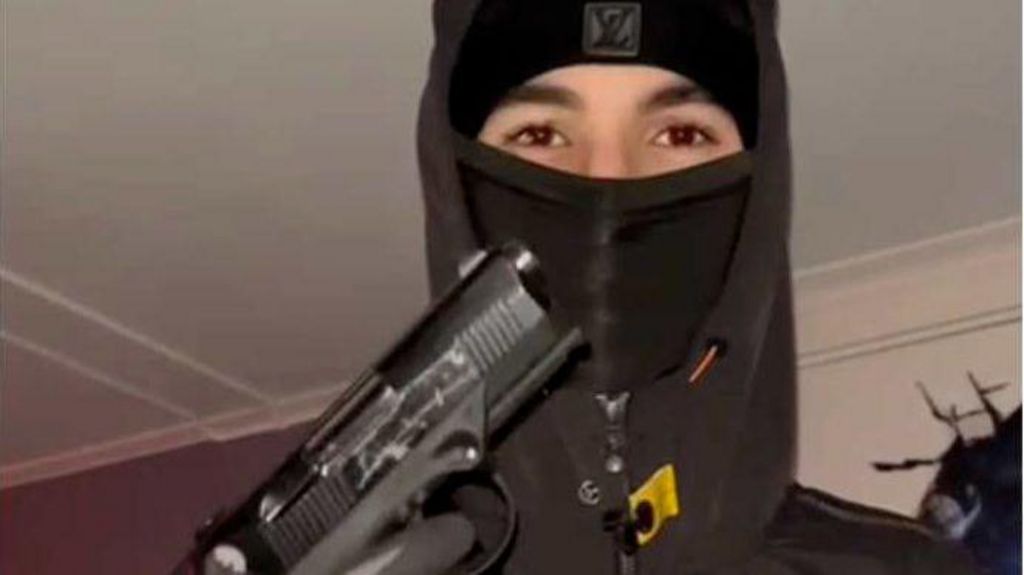
    On a frigid February night last year in a quiet Stockholm suburb, a figure cloacked in all black emerged from the darkness. Armed with a loaded handgun, he tracked 20-year-old Murad Abdelkader, a university student heading home after a late shift at a local McDonald’s. The gunman, 18-year-old Atilla Azimov, opened fire repeatedly as he closed in on his target, delivering a final execution-style shot to Abdelkader’s head as the young man lay defenseless on the ground. What made the tragedy even more senseless: Azimov had killed the wrong man.

    Azimov was not acting on his own. He had been hired to carry out the killing for a fee by the Foxtrot Network, a ruthless transnational organized crime syndicate with deep ties to the Iranian regime that has gained infamy for its brutal ‘violence-as-a-service’ (VaaS) business model. Since 2002, law enforcement estimates the network has been behind approximately 35 murders across Europe, plus multiple planned and executed attacks against Israeli targets, including two incidents involving explosives and hand grenades.

    The network’s core operating strategy is cynical and calculated: it recruits vulnerable, impressionable teenagers to carry out contracted hits for large promised payouts, yet almost never follows through on payment, as most of the young hired killers are arrested before they can collect. The recent conviction of Norwegian teenager Johannes Natland on conspiracy to murder charges by a London jury at the Old Bailey this week lays bare exactly how this exploitative system works.

    According to OTF GRIMM, a specialized Europol task force created to counter the spread of VaaS across the continent, Foxtrot recruits teen hitmen entirely through social media, and structures instructions in a gamified format that mimics the progression of popular video games. Andy Kraag, head of Europol’s European Serious and Organised Crime Centre, describes the model as ‘the calculated outsourcing of murder’ that preys on young people facing instability or vulnerability. Currently, 11 European nations impacted by the VaaS phenomenon participate in the task force: Belgium, Denmark, Finland, France, Germany, Iceland, the Netherlands, Norway, Spain, Sweden, and the United Kingdom.

    Foxtrot’s leader, Rawa Majid, first fled Sweden, then left his subsequent operating base in Turkey, and now operates freely from Tehran, the capital of Iran. Investigations by Swedish investigative journalist Diamant Salihu, who has spent three years probing Foxtrot’s connections to the Iranian government, reveal that the network began working on behalf of the regime after Majid fled to Iran in October 2023. In exchange for safe haven and the ability to live without restriction in Iran, Majid agreed to carry out attacks on the regime’s behalf, targeting dissidents, opposition journalists, and Israeli interests. Some of the network’s attacks are still tied to domestic European drug turf wars, but a growing share align with Iran’s geopolitical goals. The UK government sanctioned both Foxtrot Network and Majid in April 2025.

    The Natland case offers a step-by-step look at how the network grooms and deploys young recruits. Natland, the 18-year-old son of two Norwegian journalists from Stavanger, grew up in a comfortable home but struggled with substance abuse and psychosis, spending time in rehab and a youth children’s home. It was there he met another teen who went by the online alias UnknownHustler, who first showed him a recruitment post: ‘Killing in England 270k’ – equal to roughly £21,000 (270,000 Norwegian kroner). The post originated from a 16-year-old recruiter operating under the name Generalen, who had lived in a children’s home for three years, and he formally brought Natland into the plot.

    Natland was then passed up the chain to a senior Foxtrot member with the username Agent 47, a reference to the protagonist of the popular Hitman video game franchise. Swedish authorities have identified Ali Shehad Ahmed, a close associate of Majid who often appears in photos alongside the network leader, as Agent 47. Agent 47 booked Natland a one-way ticket to Manchester Airport, helped him secure an emergency passport, and guided him through every step of his journey via the encrypted messaging app Signal before handing him off to a logistics coordinator known only as ‘1’.

    Treating Natland like a player in a video game, ‘1’ sent him custom maps and pre-recorded videos marking the location of hidden guns in woodland outside Huddersfield, West Yorkshire, followed by another clip showing where a hidden cache of cash was stashed near a pedestrian foot tunnel. After Natland checked into a local hotel and retrieved the weapons, Agent 47 messaged him to confirm the hit would move forward the next day. But law enforcement was already one step ahead: Natland was arrested the next morning before he even received the identity of his target. British counterterrorism investigators are still working to determine if the planned hit was part of a criminal turf dispute or a political assassination ordered by the Iranian regime.

    Generalen, the teen recruiter who brought Natland into the plot, was far more active than just this one planned attack. He was also responsible for recruiting at least two other teen killers who carried out murders in Sweden: Atilla Azimov, the man who mistakenly killed Abdelkader and is now serving a life sentence, and a 17-year-old who shot dead Ahmed Zamzam in Lund, southern Sweden, three and a half weeks before the Huddersfield plot was disrupted. As with almost all of Foxtrot’s recruits, neither killer ever received their promised payment – both were arrested before they could collect, a deliberate feature of the network’s business model, according to Salihu.

    ‘They don’t care at all if the teenagers get caught. Because when they get caught, they cannot ask for money that they have been offered, and we see no examples of money being paid to these young killers,’ Salihu explained. ‘It has been a deliberate policy to recruit younger and younger teenagers because they don’t think about the consequences of getting caught, and they are more willing to take the risks.’

    Generalen was ultimately caught when he plotted to kill the 14-year-old son of a Norwegian police officer. He recruited a 15-year-old and a 17-year-old to carry out the knife attack, but the 15-year-old tipped off police. When Generalen was arrested, investigators discovered details of the Huddersfield plot on his phone, allowing British authorities to arrest Natland before any violence occurred. Generalen was convicted in May and is currently serving a 14-year prison sentence.

    In the 15 months since OTF GRIMM launched, the task force has notched a series of key wins, with more than 280 arrests of suspects across the network, including several high-level leaders. One of the most significant arrests was that of Ali Shehad Ahmed, the suspected Agent 47, who was detained by Iraqi authorities in the Kurdish city of Sulaymaniyah. Sweden has formally requested his extradition to face charges for his role in the network. In May 2026, another key Foxtrot figure, former rapper Mohamed ‘Moewgli’ Mohdhi, was arrested in Tunisia.

    Despite these successes, Foxtrot’s leader Rawa Majid remains beyond the reach of law enforcement, operating openly from Tehran. ‘He’s still active,’ Salihu warned. ‘And as long as this network is active we will still continue, I fear, to see attacks on the enemies of the Iranian regime.’

    While law enforcement continues to dismantle key parts of the network, it remains unclear how deeply the organization’s ability to operate has been degraded. Compounding the threat is the fact that rival criminal groups, including the Dalen Network, Foxtrot’s main competitor, have already adopted the same VaaS model of exploiting vulnerable teens for hits. The model first emerged in Sweden, spread rapidly across Scandinavia and northern Europe, and reached the United Kingdom by 2025, as the Natland case demonstrates – meaning the risk of further violence remains very real for countries across the continent.

  • Russian ship defies sanctions to send military vehicles to Mali

    Russian ship defies sanctions to send military vehicles to Mali

    New investigative findings from BBC Verify have uncovered that a US-sanctioned Russian cargo vessel delivered a massive convoy of armored military vehicles to resupply Russian and Malian government forces currently battling a sweeping rebel offensive in northern Mali. The detailed, multi-source investigation pieces together a clear trail of how the military equipment moved from Russian ports to the Malian capital, revealing the depth of Moscow’s escalating commitment to Mali’s ruling military junta at a moment of growing battlefield crisis.

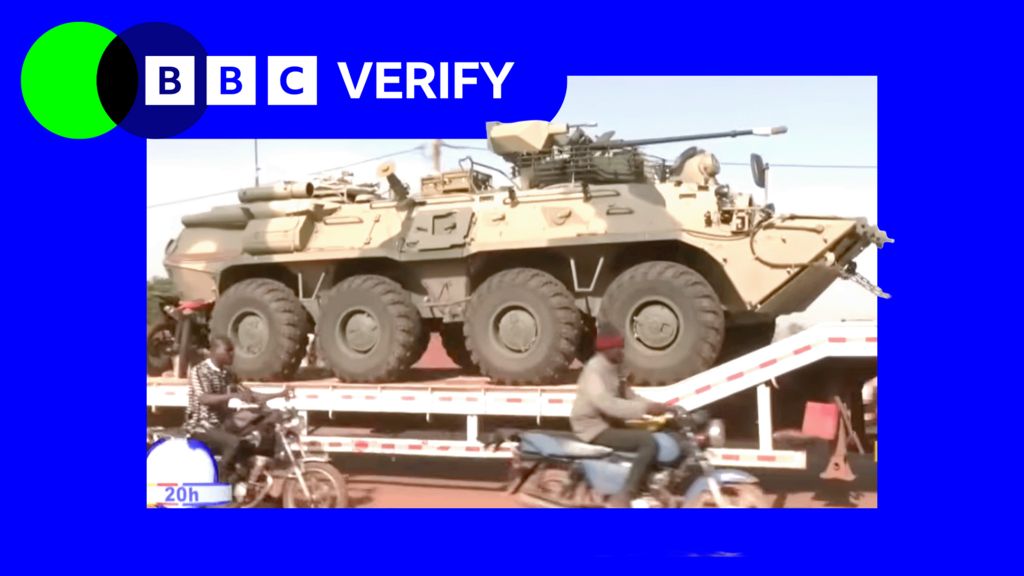
    Verified footage broadcast by Mali’s state-owned television on July 25 captured a large column of armored vehicles rolling into Bamako. On-the-ground reporting confirms the convoy made the overland journey from Lomé, the main port of neighboring Togo. Cross-checking ship tracking data, BBC Verify found that the sanctioned Russian cargo ship Mikhail Britnev docked at Lomé on July 9, nearly three weeks before the vehicles appeared in the Malian capital.

    Military experts who analyzed pre-docking satellite imagery say the cargo aboard the Mikhail Britnev matches the exact types of trucks, armored personnel carriers and light infantry vehicles spotted in the Bamako convoy. The vessel’s voyage timeline confirms it departed Russia’s Baltiysk port on June 18, transiting the North Sea before entering the English Channel. BBC Verify has also learned the cargo ship was escorted through the channel by a Russian Ropucha-class warship; the UK Ministry of Defense has declined to issue any comment on the incident.

    Regional security experts say the newly delivered shipment makes clear the Kremlin is significantly ramping up its backing for Mali’s junta, which has faced collapsing control of northern territory after a coordinated rebel offensive led by jihadist group Jama’at Nusrat al-Islam wal-Muslimin (JNIM) and Tuareg separatist fighters. Since French military forces withdrew from Mali in 2022, Moscow has positioned itself as the junta’s primary security partner, in exchange for cash payments and preferential access to Mali’s lucrative gold and mineral mines. Initially, Russian interests were represented by the Wagner mercenary group, but control of Russian military operations in the country has since shifted to Africa Corps, a unit formally under the umbrella of Russia’s Ministry of Defense.

    Though BBC Verify previously confirmed footage showing Africa Corps launching airstrikes against rebel positions, the Russian-aligned force has failed to slow the rebel advance across northern Mali. Even so, analysts note the new shipment could alter the battlefield dynamic. Charlie Werb, an analyst with Aldebaran Threat Consultants, explained that the infusion of new equipment could allow Malian and Russian forces to rebuild sufficient combat power to launch counter-offensives to recapture territory seized by rebel groups.

    The Mikhail Britnev was first placed under US sanctions in 2024. Ship tracking records show the vessel disabled its location transponder shortly after passing through the English Channel, remaining off public tracking systems until it began preparations to dock in Togo. Beyond the Mikhail Britnev, the investigation also found that Baltiysk port has emerged as a key logistics hub for Russian military exports to West Africa. In February, the bulk carrier Sabetta was tracked loading what appear to be military vehicles at the port before sailing to Conakry, Guinea, a port long linked to Russian weapons transfers to regional allies. A second unregistered tanker was also observed loading military cargo at Baltiysk on June 6, just 12 days before the Mikhail Britnev departed.

    After the Mikhail Britnev offloaded its cargo in Lomé, the vehicles were transported overland across Togo and Burkina Faso, both of which are governed by military juntas that maintain close ties to Moscow. Togo has significantly deepened its diplomatic and security relationship with the Kremlin in recent months, signing a formal military cooperation agreement with Russia late last year. Analysts at defense intelligence firm Janes note the newly delivered vehicles are versatile enough to support a range of operations, from frontline combat to logistics support and large-scale troop maneuvers.

    Mali’s junta has suffered a string of major battlefield defeats in recent weeks. Rebel forces have launched sustained attacks on the northern town of Anefis, with new clashes also reported near Niono and across multiple areas of central Mali. This week, Amnesty International called for an urgent war crimes investigation into the summary execution of at least 19 Malian soldiers following a rebel ambush earlier this month.

    Despite the junta’s mounting losses, Werb emphasized that the new military shipment confirms the Kremlin is doubling down on its commitment to its ally. “The Kremlin has maintained steady military support since the conflict entered a new phase on 25 April by bringing in fresh forces, weapons, and equipment,” Werb said. “The delivery highlights that despite recent setbacks, Mali remains central to Russia’s strategy in Africa, and the Africa Corps is a key pillar in Bamako’s fight against militant groups.”