博客

  • As Colombia prepares for presidential inauguration, outgoing leader doubles down on fraud claims

    As Colombia prepares for presidential inauguration, outgoing leader doubles down on fraud claims

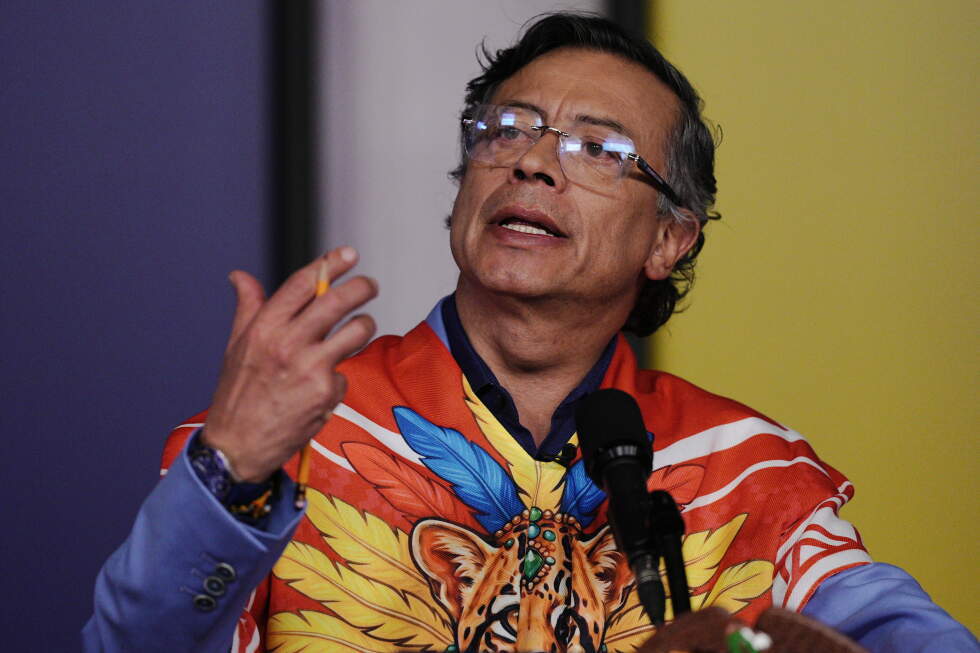
    BOGOTA, COLOMBIA – As Colombia prepares to swear in its newly elected conservative head of state this week, outgoing President Gustavo Petro has doubled down on unproven allegations of widespread electoral fraud in the country’s June presidential vote, where his party’s candidate lost by a narrow margin to conservative Abelardo de la Espriella.

    During a 60-minute address to reporters on Monday, Petro laid out his claims that programmers manipulated data from thousands of vote tally sheets after preliminary results were transmitted to the headquarters of Colombia’s National Registrar, the government body tasked with overseeing the country’s electoral processes.

    These fraud accusations have already been thoroughly rejected by both international election monitoring missions and Colombia’s independent electoral authorities. In late June, officials formally certified de la Espriella’s victory, confirming he defeated Petro’s close ally Ivan Cepeda by roughly 250,000 votes. The president-elect is set to begin his four-year term this Friday, when he will be inaugurated during a joint session of Colombia’s Congress.

    Petro, a lifelong opponent of Colombia’s traditional political establishment who has never accepted the June election results, went further in Monday’s remarks, accusing electoral bodies of running an “obscure” process manipulated by foreign actors. He also claimed officials failed to release key metadata for scanned tally sheets published on a public portal that allows voters to verify results at every individual polling station.

    “We are facing a profound institutional problem,” Petro told the assembled press. “And it’s the inauguration of an illegitimate president.”

    Under current Colombian law, Petro has no legal pathway to block de la Espriella’s inauguration, as the conservative candidate’s victory has already been formally validated by electoral courts. However, political analysts warn that Petro’s repeated fraud claims could erode public trust in the incoming administration among a segment of Colombian voters and deepen already severe political divides across the country.

    Cepeda, Petro’s defeated candidate, has already announced plans to hold a series of nationwide protests against the new president. He has stated he will not recognize de la Espriella’s authority until the incoming leader meets a set of demands, including renouncing his dual United States citizenship.

    Earlier on Monday, Petro, a former member of a Colombian rebel group, also called on rural communities across the country to form local committees he labeled “liberation guards,” which he said would resist actions by military units he claims are aligned with local criminal mafia networks.

    Andres Macias, a political science professor at Bogota’s Externado University, warned that Petro’s rhetoric could have dangerous consequences for conflict-affected regions of Colombia, where tensions already run high between state military forces, drug trafficking organizations and leftover rebel factions. Macias said the outgoing president’s comments could effectively “justify the use of weapons by civilians” in these already volatile areas.

    Petro also shared concerns about his own future after leaving office, when he will transition to leading the country’s main opposition bloc and continue pressing his fraud claims. He stated he fears he could be forced out of Colombia once he steps down.

    “I’ve been told to behave well,” Petro said. “But as a democrat I cannot accept this electoral fraud.”


  • Trapped by war, Bangladesh seafarer recounts Gulf ordeal

    Trapped by war, Bangladesh seafarer recounts Gulf ordeal

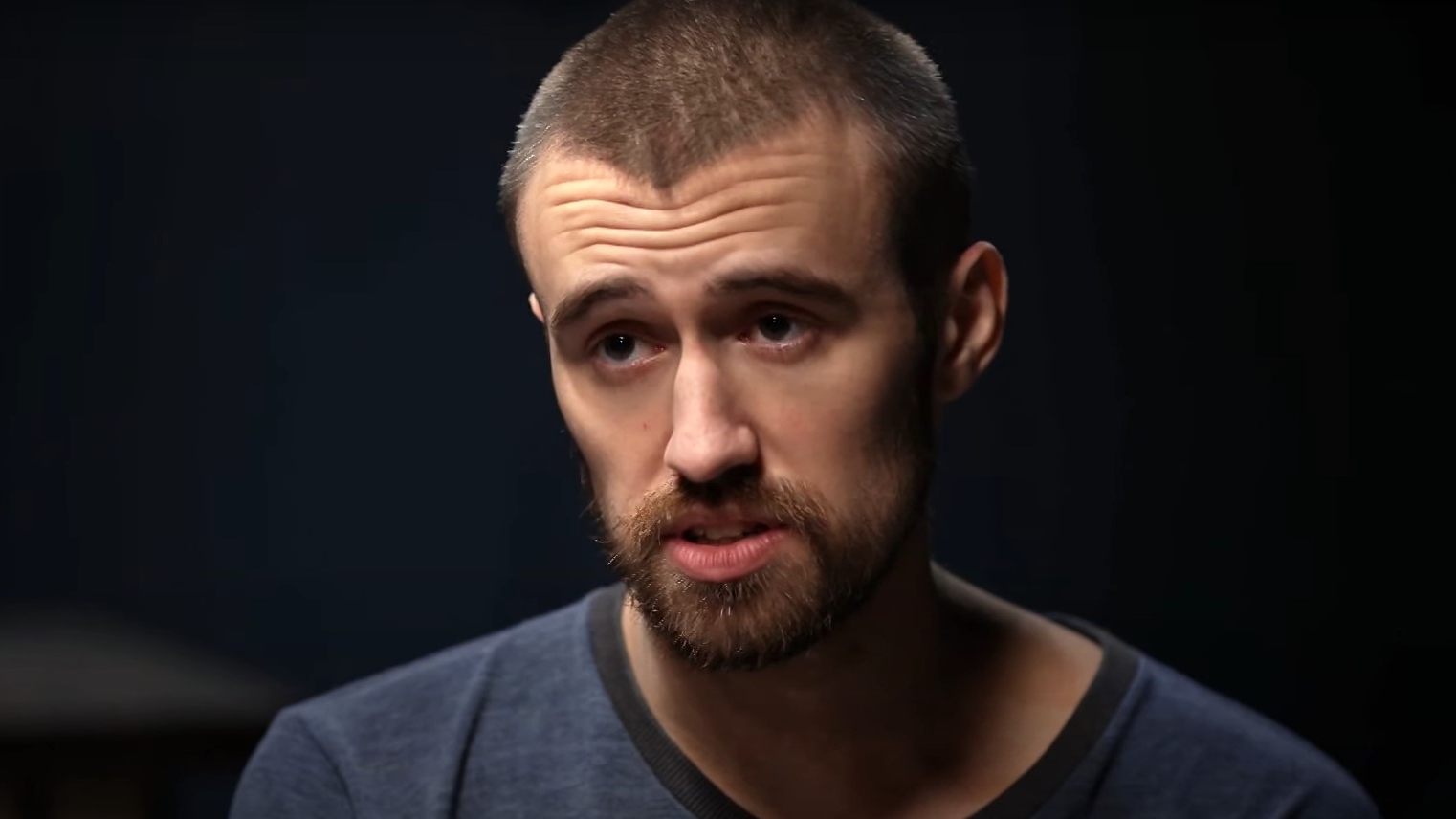
    After surviving a 115-day ordeal stranded in the volatile Gulf waters amid escalating regional conflict, 51-year-old Bangladeshi ship captain Mohammad Shafiqul Islam has returned home to share his harrowing experience of leading 31 crew members through near-constant missile attacks, resource shortages, and blocked shipping lanes.

    As captain of the bulk carrier *Banglar Joyjatra*, chartered by a Singapore-based firm, Islam arrived in the Gulf region in January 2024, one month ahead of the outbreak of open hostilities between the US-Israel alliance and Iran in February. The conflict quickly paralyzed the Strait of Hormuz, the economically critical chokepoint through which nearly 20% of the world’s daily oil trade passes, and Iranian attacks repeatedly targeted commercial shipping traffic across the Gulf.

    In an exclusive interview with AFP from his home in Cumilla, eastern Bangladesh, Islam laid out the sequence of events that trapped his vessel. After loading 39,000 tonnes of steel coils at Qatar’s Mesaieed Port, the *Banglar Joyjatra* reached the outer anchorage of the United Arab Emirates’ Jebel Ali Port on February 26. Even before the first strike, the captain recalled an unnerving, ominous tension hanging over the water. That tension erupted in the early hours of February 28, when a missile slammed into an oil storage facility just 200 meters from the anchored bulk carrier, engulfing the tanks in raging flames that tugboats fought for hours to contain.

    Bangladesh’s ambassador to the UAE urged Islam to evacuate his crew immediately, but the veteran captain made the risky decision to remain aboard, clinging to hope that the regional situation would de-escalate quickly. Instead, more missile strikes followed. In the chaos of the attacks, the ship’s electronic navigation system failed, forcing Islam to fall back on decades-old skills to manually plot the vessel’s position, using lighthouses to keep the ship anchored safely.

    When attacks slowed a few days later, the *Banglar Joyjatra* unloaded its cargo and received orders to sail east through the Strait of Hormuz. By that point, however, Iran had effectively blockaded the key waterway. Just 25 nautical miles off Hormuz, the Islamic Revolutionary Guard Corps turned the vessel away, blocking it from proceeding. Repeated attempts to cross the strait over the following weeks ended with the same result, leaving the ship stranded offshore with dwindling supplies.

    As fresh water ran low and food stocks grew thin, Islam implemented strict rationing to stretch supplies for the 31-person crew. He noted that many of the sailors were young, on their first international voyage, and left deeply traumatized by the constant threat of attack. To calm frayed nerves, the captain organized informal support: some crew members found comfort in reciting the Quran for hours each day, while others passed the anxious time on TikTok, trying to distract themselves from the danger surrounding them.

    Even after a ceasefire was announced in April, the crew’s ordeal continued: a fresh attempt to cross the strait was still turned away by Iranian authorities. It was not until June 23 that the *Banglar Joyjatra* finally received official permission to traverse the Strait of Hormuz. Only after clearing the waterway did the exhausted crew allow themselves to relax. “We breathed a sigh of relief. God guided us,” Islam said.

    The captain added that his family back in Bangladesh had spent months of sleepless nights worrying about the crew, and every time he returns from a long voyage, they urge him to retire from seafaring. But despite the 115 days of fear and uncertainty he just endured, Islam says he has no plans to leave the sea he has spent his career on: “But I have decided to keep sailing for many more years.”

  • Pentagon is emailing military experts and asking best way to ‘punish’ Iran: Report

    Pentagon is emailing military experts and asking best way to ‘punish’ Iran: Report

    The Trump administration finds itself mired in a diplomatic and military quagmire of its own making over Iran, with new revelations showing the U.S. military is actively crowdsourcing innovative strategies from defense experts to break the prolonged stalemate and force Tehran into a deal favorable to President Donald Trump.

    According to a Monday report from CNN, a recent email circulated by an intelligence officer within U.S. Central Command (Centcom) explicitly called for “new creative and unconventional ways to pressure and punish Iran”, a signal that senior defense officials never anticipated the ongoing conflict would stretch on for as long as it has. While a Centcom spokesperson pushed back on framing the move as unusual, noting the command has a long track record of pursuing innovative problem-solving, the public request for outside ideas underscores the lack of a clear path forward for the White House.

    The intermittent, tit-for-tat military escalation between the U.S., Israel and Iran that began in late February has triggered cascading global consequences. In response to the hostilities, Iran moved to close off shipping access through the Strait of Hormuz, a critical chokepoint that carries roughly 20% of the world’s daily oil supplies. The closure sent global energy prices soaring, a development that has directly hit the economic interests of Trump’s core voter base ahead of any potential election.

    Amid growing regional pressure to de-escalate, Saudi Arabia’s Crown Prince Mohammed bin Salman emphasized in a Sunday phone call with Trump the urgent need for dialogue to cool tensions, urging all parties to prioritize a truce that would open the door for negotiated diplomatic solutions.

    The situation has been further muddled by conflicting public statements over the status of talks. Last Saturday, Trump announced he had called off planned military strikes against Iran and claimed negotiations between Washington and Tehran would officially kick off on Monday. Speaking to reporters aboard Air Force One on Sunday, Trump argued that Iran had clear motivation to negotiate: “Obviously, they don’t want to be attacked. Now what we’re doing is we’re talking to them in the form of a negotiation. It begins tomorrow afternoon.”

    But Iranian officials have flatly denied Trump’s claim that bilateral talks are underway. Esmaeil Baghaei, spokesperson for Iran’s foreign ministry, clarified during a press briefing that Tehran is currently holding only “constructive” discussions with Oman, focused on establishing new secure shipping routes through the Strait of Hormuz. “We are not currently negotiating with the United States. Our negotiations are with Oman to secure passage through the Strait of Hormuz,” Baghaei stated. He added that the status quo in the strait will remain in place as long as the U.S. maintains its naval blockade of Iranian ports, and urged both regional and international powers to respond to Iran’s responsible diplomatic outreach with a constructive approach.

  • Betting giants Sportsbet, Tabcorp front inquiry into Albanese reforms

    Betting giants Sportsbet, Tabcorp front inquiry into Albanese reforms

    A fiery Senate inquiry into Australia’s planned 2026 gambling reform package has erupted into controversy this week, after leading faith and advocacy figure Reverend Tim Costello tabled explosive allegations against two of the nation’s largest wagering operators, Sportsbet and Tabcorp.

    Costello told the upper house committee that a soon-to-be-convicted financial adviser, who stole approximately $12.3 million from his employer over a 17-month period to feed a crippling gambling addiction, was the single biggest high-volume customer for both Sportsbet and Tabcorp. The gambling industry giants allegedly went to extreme lengths to retain the client, flying him to major Australian sporting grand finals, and offering illicit incentives including escorts and drugs to keep him placing bets. Costello added that the client processed more than $20 million in wagering turnover through the platforms each month, and is now behind bars for his crimes, leaving his family devastated.

    The allegations drew sharp condemnation from crossbench and opposition senators, who rounded on industry representatives during two days of public hearings. Greens Senator Sarah Hanson-Young slammed the companies for their treatment of at-risk gamblers, arguing that the addicted client had been relentlessly targeted with advertising, promotions, and inducements to keep betting. She pushed back against industry claims that rigorous “know your customer” rules prevent criminal activity, noting that many Australians living with gambling addiction are family members, not stereotypical criminals, and that the issue constitutes a widespread public health crisis.

    Independent Canberra Senator David Pocock further criticized the sector, telling representatives that Australians are “sick and tired of the BS” the industry pushes about responsible gambling. Pocock highlighted a recent incident where Sportsbet advertising was served to a user between Disney children’s songs on streaming platform Spotify, arguing that companies repeatedly deflect blame for regulatory failures rather than taking accountability. He displayed photos of children wearing junior sporting jerseys emblazoned with gambling logos, arguing that the industry continues to exploit every regulatory loophole to expose children to gambling harm, and that a full ban on gambling advertising is the only effective solution.

    In response to the allegations, senior executives from both companies issued categorical denials. Jules Norton Selzer, Corporate Affairs Director for Sportsbet, told the inquiry there is “zero evidence” to support Costello’s claims, and that the company has zero tolerance for the described deplorable conduct. He added that the company cannot comment on individual customer cases, but would gladly launch a full investigation if provided with supporting evidence. Julian Whealing, Head of Government Affairs for Tabcorp, similarly rejected the claims, stating that the alleged conduct does not align with the company’s commercial practices, and that Tabcorp maintains a zero-tolerance policy for illegal activity. Kai Cantwell, Chief Executive of industry body Responsible Wagering Australia, called the allegations “pretty egregious” and urged that any supporting evidence be referred immediately to law enforcement and regulators for investigation.

    Beyond the misconduct allegations, the hearing centered on the sector’s response to the Albanese government’s long-awaited Interactive Gambling Amendment (Gambling Reform) Bill 2026, which the industry claims “goes further than necessary” to achieve the government’s stated goals of reducing gambling harm. While all three industry representatives emphasized their support for evidence-based, practical reform, they argued that key provisions of the bill are unnecessarily broad, legally vague, and operationally unworkable. They called for major refinements to core definitions including wagering, advertising, content, and the classification of “notable persons” featured in promotions.

    Industry representatives also warned that overly strict restrictions on licensed Australian operators would push problem gamblers into unregulated offshore wagering markets, which offer far fewer consumer protections and would undermine the entire purpose of the reform package. They pointed to self-regulatory measures adopted by the sector in recent years following the 2023 Murphy review, including a voluntary 70% reduction in free-to-air advertising over five years, the adoption of the national BetStop self-exclusion register, bans on credit card betting, mandatory identity verification, customer deposit limits, and the rollout of real-time technology to identify and intervene with at-risk gamblers. Sportsbet’s Norton Selzer added that extreme restrictions on advertising would also create severe funding disruptions for Australian sport, racing, and public broadcasting, with a disproportionate impact that does not align with the bill’s policy goals.

    The inquiry also heard that around 70% of Australian adults participate in legal gambling, that licensed operators contribute approximately $6 billion to national economic activity, and support more than 32,000 full-time jobs across the country.

  • Royal Commission told protest left Jewish Australians feeling unsafe in their country

    Royal Commission told protest left Jewish Australians feeling unsafe in their country

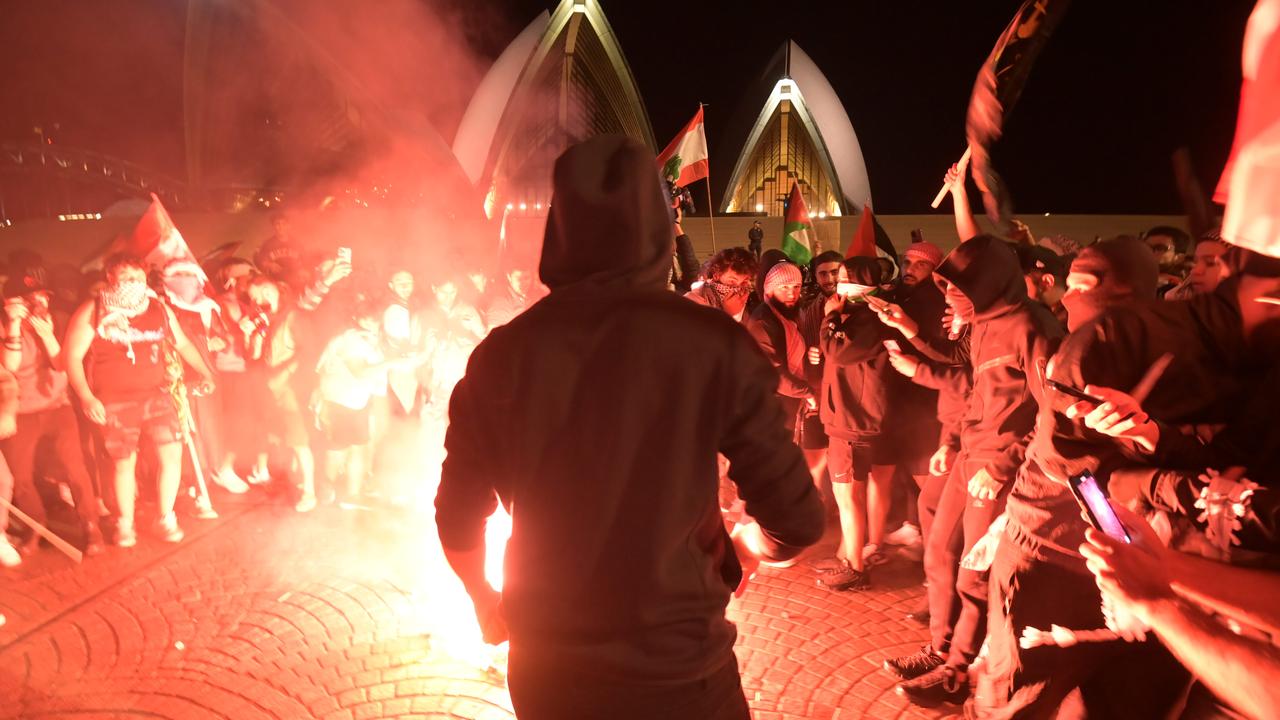
    Two days after Hamas launched a deadly cross-border attack on Israel that killed roughly 1,200 people in October 2023, a controversial pro-Palestine protest held on the forecourt of Australia’s iconic Sydney Opera House has emerged as a defining case study of rising antisemitism at the country’s ongoing Royal Commission into Antisemitism and Social Cohesion. The event, which unfolded the same evening the landmark’s signature sails were lit in the blue and white colors of the Israeli flag as a gesture of solidarity with Australian Jewish communities, left deep and lasting damage to the group’s sense of physical and psychological security across the nation, senior community leaders told the inquiry.

    Witnesses and officials testifying during the seventh tranche of hearings detailed the frightening atmosphere of the 9 October rally, which included explicit antisemitic chants such as “F*** the Jews” and one attendee shouting a threat “I am going to kill them all”. David Ossip, president of the New South Wales Jewish Board of Deputies, told the commission the demonstration, which saw participants march from Sydney’s Town Hall to the Opera House forecourt, was shockingly insensitive, with many participants openly celebrating the deadly Hamas attack that had killed civilians just two days prior.

    Most alarmingly, Ossip told the inquiry, Australian police had advised Jewish residents to avoid the Sydney Central Business District (CBD) entirely during the protest. He described the advisory as an extraordinary step that no other religious or racial group in the country’s history has ever received. “It was effectively the police saying, ‘we can’t keep your community safe’”, Ossip told commissioners. “In my view, it was effectively the police transferring control of the CBD to the protesters, and I thought the matter was very serious.”

    Ossip added that police had also urged against any counter-protest, arguing it would inflame tensions. The event upended plans for a peaceful Jewish vigil at the Opera House, where the lighting of the sails had initially been viewed as a comforting gesture of national support in the wake of a traumatic attack. Multiple Jewish workplaces in the CBD even issued internal communications allowing Jewish staff to leave early for their own safety, and the rally fell on a workday when Jewish children were attending school in the city center, compounding fears for their safety.

    Richard Lancaster SC, Counsel Assisting the commission, told hearings that the handling of the 9 October protest had left many in the Jewish community with the damaging impression that police prioritized protecting antisemitic demonstrators over their safety. While Lancaster emphasized that peaceful protests are a legitimate exercise of free speech, he clarified that no form of violence, incitement to violence, or racist vilification can be justified under the banner of protest activity.

    “Interpersonal violence does not become lawful or acceptable in the context of a protest, incitement to violence and racist vilification does not become lawful or acceptable in the context of a protest,” Lancaster said. “Anti-Semitism does not become acceptable in the context of a protest.”

    Lancaster told the commission the 2023 Sydney Opera House protest, alongside a 2025 neo-Nazi demonstration outside the state parliament, stands out as one of the critical events that fueled a documented rise in anti-Jewish hate across Australia. Witnesses have shared other disturbing accounts from recent antisemitic incidents, including instances of the Star of David, the central symbol of Judaism, being thrown into public rubbish bins, and footage of uniformed far-right extremists marching in formation. These events have collectively left a large portion of Australian Jewish communities reporting a permanent loss of the sense of safety they once felt in their own country.

    Ossip called the 9 October rally “among the clearest examples of anti-Semitism in recent years”, noting that the event had drawn international condemnation that damaged Australia’s global reputation. The royal commission is continuing to hear evidence on the drivers of antisemitism and gaps in government and law enforcement response to rising hate crime, with further testimony expected in upcoming tranches of hearings.

  • ‘Stung me’: How 2024 heartbreak resulted in top-secret plan to make Matt King next NSW coach

    ‘Stung me’: How 2024 heartbreak resulted in top-secret plan to make Matt King next NSW coach

    It was a bitter disappointment for Matt King when he walked away empty-handed from his 2024 bid for the New South Wales Blues State of Origin head coaching job. But that heartbreak has turned into a long-awaited breakthrough, after rugby league officials pulled back the curtain on a top-secret succession plan that had earmarked King as Laurie Daley’s successor from the very start.

    The pre-existing blueprint explains how the New South Wales Rugby League (NSWRL) was able to formally name King as Daley’s replacement just 24 hours after the incumbent confirmed he would step down from the role. King has signed a two-year contract with a third-year extension option, ending all speculation that Penrith Panthers mentor Ivan Cleary would take over the top job in 2028. Next year’s State of Origin series will also pit two former Melbourne Storm teammates against one another as rivals: King is set to go head-to-head with Billy Slater, who is widely expected to remain head coach of the Queensland Maroons.

    NSWRL chief executive David Trodden laid out the details of the long-term plan during King’s official unveiling to the press on Tuesday morning. “We’ve had this succession plan in place since 2024. We’ve spent every step of that period watching Matt develop and grow as a coach,” Trodden explained. “I share a very close, honest and open relationship with Loz [Daley], so when he decided not to continue, it didn’t come as a major surprise to me. We have had planning in place all along. The plan was always that Matt would take this role because he is the very best person for it – the only thing we needed to do was make small adjustments to our timeline.”

    Trodden added that the NSWRL board and its appointment subcommittee reviewed the original 2024 plan and confirmed that sticking to the prearranged strategy remained the right course of action. “Once we signed off, it was just a matter of executing the plan and moving forward. It’s actually a very comfortable feeling being in full control of a process like this. This didn’t happen by accident – it happened because it was carefully planned out,” he said.

    For King, the disappointment of 2024 was raw at the time, but he now says the rejection was the best possible outcome for his career. “Total honesty, that decision stung me,” he admitted of his unsuccessful 2024 interview. “I was really desperate for the job then, but you know that old saying – things happen for a reason. I understand the board made the right decision back then, even though I was disappointed. Getting the chance to work alongside Loz for the last couple of years has only helped me develop and grow as a coach. Troddo [David Trodden] is telling the absolute truth when he says they always saw me as the eventual successor.”

    King added that Daley retained the option to extend his tenure if the Blues had found success in his final two years in charge. “Troddo is a man of his word, and he kept the promise he made to me a couple of years ago, and I’m really appreciative of that,” he said.

    The NSWRL did not interview any other candidates for the head coaching role, a clear sign of the deep organizational trust in King, a former Blues representative who played nine games for his state and won the inaugural Brad Fittler Medal as NSW’s best player in 2005. King has put in a decade of apprenticeship work to prepare for his first senior head coaching role, including 10 years as an assistant coach at the Sydney Roosters, three seasons as a Blues assistant coach, and a stint with the Lebanon national team at the Rugby League World Cup.

    In his first message to players eligible to represent NSW, King said he will be tracking candidates across all clubs, and laid out the core traits he wants to see from his squad: players who are tough, play with clear strategic focus, and are prepared to step up in high-stakes moments.

    The rookie head coach will not have an easy road ahead, after watching Daley cope with intense public and media pressure over the past two years in charge. But King says he is ready to embrace the weight of expectations. “I am so aware of what’s coming my way, and I’m choosing to sign up for it,” King said, speaking at the press conference alongside his wife and children. He joked that his palms were just as sweaty walking into the announcement as they were when he asked his partner to marry him.

    King praised how Daley handled pressure during his tenure, noting that the outgoing coach never pushed stress onto his staff or playing group, absorbing all the pressure himself. “I really admired that, and I realize that absorbing pressure is a massive part of my job,” he said. “It’s a funny thing about pressure. I’ve got the weirdest love-hate relationship with it. We all face pressure at different points in our lives, and every time I’ve gotten through those moments, they’ve turned into some of the greatest moments of my life.”

    King will wrap up his current duties as assistant coach with the Roosters by the end of the NRL season, and will officially begin his tenure as Blues head coach on November 1. He thanked a group of senior NRL coaches who unofficially served as his advisory board throughout his journey: Melbourne Storm head coach Craig Bellamy, Cronulla Sharks coach Craig Fitzgibbon, Brisbane Broncos coach Michael Maguire, and Sydney Roosters coach Trent Robinson – none of whom knew King had given them that unofficial title, but all of whom taught him the core qualities successful players and coaches need. Frank Ponissi will remain on the Blues staff as team performance manager through 2027 to support King, though King will need to hire a new assistant coach to replace him, working alongside existing assistants Boyd Cordner and Brett White.

  • Credit Corp shares plummet 15 per cent on full-year results amid US debt spree fears

    Credit Corp shares plummet 15 per cent on full-year results amid US debt spree fears

    Australia’s largest debt collection and purchasing firm, Credit Corp, has seen a sharp sell-off of its publicly traded shares after the company’s full-year financial results revealed an aggressive expansion push into the U.S. debt market that has spooked market participants.

    Listed on the Australian Securities Exchange (ASX), Credit Corp released its annual earnings report on Tuesday. Even with a solid 12.1% year-over-year jump in full-year profit and a 14% increase in total annual dividends compared to 2023, investor sentiment turned bearish almost immediately after the results hit markets. Within the first hour of trading, the company’s share price dropped 9%, and by midday local time, losses had deepened to 15%. The steep decline stands out against a broader market uptick, with the benchmark ASX 200 hitting a five-month intraday high on the same trading day.

    Credit Corp operates across four key markets: Australia, New Zealand, the United Kingdom and the United States. The firm specializes in two core lines of business: collecting outstanding delinquent debt, and extending lending to consumers who are considered too high-risk to access credit from mainstream banks and large lending institutions. Over the past 12 months, the company’s total lending volume surged 15% to reach AU$510.5 million. In its home region of Australia and New Zealand, annual debt collection revenue grew 4% to AU$260 million, according to the results. The most notable takeaway from the report, however, was the large volume of U.S. debt purchased by the company as part of its international growth strategy.

    In comments accompanying the earnings release, Credit Corp chief executive Thomas Beregi addressed ongoing macroeconomic pressures, pointing to the global cost of living crunch while highlighting the company’s strong record on consumer protection. “The impact of elevated costs of living has served to sharpen our focus on ensuring we respond to consumer hardship appropriately and engage respectfully with our customers,” Beregi said. He added that independent reporting from leading Australian financial counselling groups has ranked Credit Corp’s Australian debt purchasing division as the top-performing credit provider for consumer hardship response for three consecutive years. The company also maintains the lowest external dispute resolution complaint rate among large Australian debt buyers, a track record Beregi said the firm would preserve as it expands.

    Contrary to widespread concerns about rising consumer defaults amid cost of living pressures, Credit Corp’s financial results show that payment arrears and loan losses have remained within projected forecast levels, even as the company’s total loan book and purchased debt portfolio has expanded. “Arrears and losses remained within pro-forma levels despite the growth in the book and broader macro-economic uncertainty with continued cost-of-living pressures,” the report noted.

    Despite these reassuring metrics on consumer default risk, investors have focused heavily on the risks associated with the company’s U.S. debt buying spree. Industry analysts point to a key structural feature of the debt purchasing business that has left investors nervous: returns from newly acquired debt do not materialize until years after the purchase is made. “Debt buying earnings lag purchasing, so this is an FY2028 collections problem,” PAC Partners senior trader James Nicolaou explained in a market note following the earnings release. Nicolaou also noted that the stock had already rallied 25.7% over the three months leading up to the results, leaving it overpriced for an earnings report that failed to beat consensus analyst expectations. He added that earnings per share revisions had already been trending downward before Tuesday’s report.

    On a positive note for shareholders, the company declared a fully franked final dividend of 45.5 Australian cents per share. When combined with the earlier interim dividend of 32 cents per share, total annual dividends come in 14% higher than the previous year, outpacing the company’s profit growth for the period.

  • Jack Letts appeals for repatriations from Iraq in ‘out of the blue’ phone call to parents

    Jack Letts appeals for repatriations from Iraq in ‘out of the blue’ phone call to parents

    Nine years after the last direct conversation with their son, the parents of Jack Letts – a British-born Canadian man who traveled to Islamic State (IS) controlled Syrian territory as an 18-year-old in 2014 – have opened up about the chaotic mix of shock, relief, and lingering frustration that followed an unexpected phone call from their son, who is currently detained in Iraq.

    Sally Lane, Jack’s mother, told Middle East Eye she believes the unexpected three-minute call, which took place last month, signals growing pressure from Iraqi authorities to push Western governments to repatriate their citizens who are held on alleged IS links. The call came entirely without warning: Lane nearly ignored the unfamiliar call, but answered after recognizing the Iraqi country code, only to hear her son’s voice greet her with a simple “Hello Mum.”

    “It was very short and he said there were a million things he wanted to say to me. The good thing is he sounded perfectly sane and normal,” Lane shared in her interview.

    Lane is convinced Iraqi authorities facilitated the call, amid mounting frustration from Baghdad that Western nations including Canada and the United Kingdom have refused to take back responsibility for their nationals detained over suspected IS ties. Jack conveyed a clear message to his parents: Iraqi officials have made clear they do not want to continue holding these foreign detainees, and are pushing for their repatriation to their home countries before any legal proceedings begin. He told his mother that an Iraqi legal delegation had already met with Canadian detainees days earlier to deliver this same demand. John Letts, Jack’s father, confirmed he received an identical brief call from his son carrying the same message, quoting Jack as saying “The Iraqis don’t want us here and the Iraqis are desperate to send us back.”

    Now 30, Letts first traveled to IS-held Syria and Iraq in 2014 when he turned 18. Three years later, as IS territorial control collapsed, he was captured by Kurdish forces in northeastern Syria, and was stripped of his British citizenship shortly after detention – a common measure taken against UK citizens who traveled to Syria during the civil war. For nearly a decade, Letts has been held without charge alongside hundreds of other suspected IS affiliates. Prior to last month’s calls, his parents had only received sporadic, limited updates on his condition and location, with the last direct communication via voice message shortly after his 2017 capture. In a 2024 interview, after a Canadian media crew located him in a Syrian prison, Letts denied ever being an IS member, though he noted he could not share full details while still in detention.

    In January of this year, Letts was one of more than 5,000 former detainees held in northeastern Syria transferred to Iraqi custody in a US-supported operation, part of the handover of security control from regional Kurdish authorities to Syria’s central government. Data from Iraq’s Ministry of Justice, reviewed by Middle East Eye, shows that more than 3,500 of the transferred detainees are Syrian, with dozens of other Western citizens among the group: at least five Canadians, 10 Britons, 27 Germans, and 13 Australians. Larger cohorts come from Arab nations including 187 from Morocco, 116 from Egypt, and 68 from Saudi Arabia, as well as 130 from Russia and 165 from Turkmenistan.

    Today, Letts is held in a foreign national detention facility run by Iraq’s Directorate for General Intelligence and Counter-Terrorism, located near Al-Karkh Central Prison on the outskirts of Baghdad. While Canada has previously repatriated female citizens and children held in Syrian displacement camps for families of IS affiliates, it has refused to repatriate male detainees on national security grounds. Since the transfer to Iraq earlier this year, Canadian embassy officials have visited Letts and other Canadian detainees, and facilitated the exchange of letters and photos between detainees and their families. But the Canadian government continues to reject calls for repatriation, advising families to hire Iraqi-based legal representation for their relatives.

    “The Canadian government has said that they can’t interfere in the judicial affairs of another country,” Lane explained. “They’ve just said you need to get a lawyer, either somebody appointed by the Iraqi court, or an international lawyer who is approved by the Iraqi Bar Association.”

    Legal experts and global human rights organizations have raised urgent alarms over the fate of foreign detainees transferred to Iraq, who face potential trials in Iraqi courts for alleged offenses committed in Syria after a decade of detention conditions widely condemned as unlawful. In February, Human Rights Watch warned that detainees transferred to Iraq face severe risks including enforced disappearance, unfair trials, torture, ill-treatment, and even violation of the right to life, due to well-documented failures of due process in Iraqi counterterrorism cases.

    Prominent human rights lawyer Clive Stafford Smith told Middle East Eye that prosecuting these detainees in Iraq for crimes not committed on Iraqi soil is “legal nonsense.” He argued that any accused individuals should face trial in their home countries, noting that most have already spent nearly 10 years imprisoned in what he described as “pretty barbarous conditions.”

    John Letts accuses the Canadian government of “hiding behind words” to avoid repatriation, pointing out that Ottawa’s position has not shifted even after the transfer to Iraq. When his son was held in Syria, Canada routinely refused to provide consular assistance to Letts and other detainees on the grounds that it had no diplomatic representation in the country during the civil war. “In practical terms, nothing has actually changed. The Canadian position is still no repatriations,” John Letts said. He remains deeply concerned about his son’s treatment in Iraqi custody, and even during the brief three-minute call, Jack shared the names of two fellow detainees he said were in urgent need of legal help before the line cut out. “He sounded together, but the bittersweetness is that you know he’s had a terrible time and that terrible time is still continuing,” John Letts added.

    Both of Letts’s parents say they plan to travel to Iraq in the near future to visit their son in detention. Middle East Eye has reached out to both Canadian and Iraqi foreign ministries for comment on the case.

  • Young Danes start extended military service

    Young Danes start extended military service

    Shifting its national defense posture in response to shifting European security threats following Russia’s full-scale invasion of Ukraine, Denmark has rolled out a landmark reform to its national conscription system, launching an 11-month mandatory military service period that is nearly three times longer than the previous four-month term. Some 1,600 young Danish recruits reported to bases across the country on Monday to begin their service, marking the first cohort to train under the updated policy adopted by the NATO member state in 2024. The reform also breaks historic gender barriers by formally opening conscription to all eligible women.

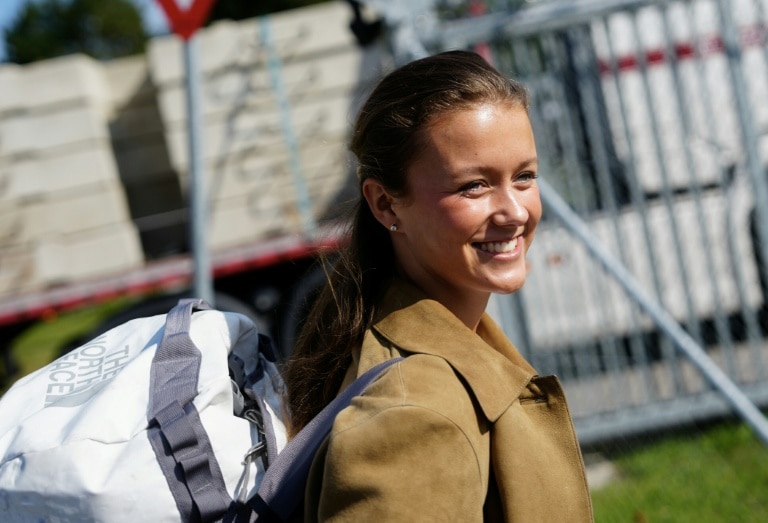
    Among the high-profile recruits reporting for duty on Monday was 19-year-old Princess Isabella of Denmark, who began her conscription service with the elite Guard Hussar Regiment at Antvorskov Barracks in the southwestern city of Slagelse.

    For senior defense officials, the overhaul of the conscription system is a direct response to heightened security risks along NATO’s eastern flank. During a visit to Oksbol military base in western Denmark, Colonel Michael Villumsen framed the change as a straightforward reaction to regional instability. “Well, look east. Need I say more? It is of course the security situation from the Russia perspective and what Russia will be able to do if NATO actually does not do anything,” Villumsen told Agence France-Presse. “Now NATO is doing something and our Danish contribution to this is actually enforcing our combat readiness very quickly through conscription,” he added.

    Unlike mandatory conscription systems in many other countries, Denmark’s model remains largely rooted in voluntary participation. When volunteer numbers fall short of required recruitment targets, remaining positions are filled through random lottery selection. This year, women make up roughly 20 percent of the incoming conscript cohort, a milestone following the 2024 reform.

    Beyond extending the service period, the updated system expands the scope of operational duties that new conscripts can be assigned to after initial training. The first three to five months of service are dedicated to building core military competencies, including marksmanship, battlefield first aid, and rigorous physical conditioning. Once trainees complete this foundational phase, they are deployed to a range of active operational missions, from border and critical infrastructure surveillance to operating unmanned aerial drone systems.

  • Infantino, the FIFA president under pressure after scrapped investor plan

    Infantino, the FIFA president under pressure after scrapped investor plan

    For nearly a decade at the helm of global football’s governing body, FIFA President Gianni Infantino has cultivated an image of unassailability – brushing off repeated criticism, securing backing for expanded editions of the Club World Cup and men’s World Cup, and solidifying his hold on power. But the sudden collapse of his signature private investment initiative has left the 56-year-old facing the most significant threat to his leadership since he took office in 2016.

    Just two weeks before the plan unravelled, Infantino was riding a wave of momentum following the 48-team 2025 World Cup, hosted across three North American countries. Widely regarded as a successful logistical feat despite numerous off-field controversies, the tournament cemented Infantino’s reputation as a leader who delivers: he has consistently funneled more revenue into the accounts of FIFA’s 211 member associations, the electorate that retains power over his future.

    Walking onto the final match pitch alongside close ally and former U.S. President Donald Trump, Infantino’s public standing appeared at an all-time high. The son of Italian immigrants, who has opened up about childhood bullying in his native Switzerland over his red hair and freckles, that personal anecdote was previously deployed to deflect criticism of 2022 Qatari World Cup host’s human rights record. “I am not an Arab, I am not African, I am not gay, I am not disabled,” Infantino said at the time. “But I feel like it, because I know what it means to be discriminated against as a foreigner in a foreign country. As a child I was bullied — because I had red hair and freckles.”

    Unlike his polarizing predecessor Sepp Blatter, Infantino has largely kept a low profile with the media, and won three consecutive presidential elections unopposed in 2016, 2019 and 2023. Still, critics have long accused him of turning FIFA into an autocratic body, claims that have gained new traction after the fiasco of the FIFA Forward Enterprise (FFE) plan. The initiative, billed as Infantino’s personal project, proposed bringing outside private investment into FIFA’s flagship competitions, including both the men’s and women’s World Cup. Announced publicly last Tuesday, the plan was completely scrapped by Saturday following a massive backlash from member federations and football stakeholders worldwide.

    One of Infantino’s most prominent critics is former UEFA president Michel Platini, who gave Infantino his start in senior football administration as UEFA’s secretary-general in 2009. “Unfortunately Infantino has become more of an autocrat since the (Covid) pandemic,” Platini told *The Guardian* in January. “I think he lost the game. There is less democracy than in Blatter’s time.” The 71-year-old, who was banned from football in 2015 over a 2011 FIFA payment but later exonerated by a Swiss court, has argued Infantino is better suited to a secondary leadership role. “He was a good No. 2, but is not a good No. 1,” Platini said. “He worked very well at UEFA but he has one problem: he likes the rich and powerful people, the ones with money. It’s his character.”

    That tendency has drawn intense scrutiny in recent weeks, particularly over Infantino’s ties to Trump. He faced widespread ridicule last year after awarding Trump the inaugural FIFA Peace Prize, and controversy erupted during the 2025 World Cup when U.S. striker Folarin Balogun’s one-match suspension was overturned immediately following a phone call from Trump, allowing the player to compete in the round of 16 against Belgium.

    The revelation that the FFE plan partnered with a firm owned by Joshua Kushner, brother of Trump’s son-in-law Jared Kushner, only reinforced critics’ claims that Infantino prioritizes connections to powerful figures over institutional integrity. “Josh Kushner’s firm has a legitimate track record,” Terrence Burns, a veteran brand marketing strategist who worked on two successful World Cup host bids, told AFP. “But the association was always going to be read politically, in a year when Infantino’s proximity to the White House was already the subject of formal ethics complaints, and after a red card review a good many federations regarded as a red line.”

    Burns added that the due diligence process for the partnership failed a key test: “We’ve understood in sponsorship for 40 years that a partner brings their whole context with them, and the diligence question isn’t ‘Is this money clean?’ but ‘What will this money be understood to mean?’ That test was either not run, not believed, or not cared about.”

    In the wake of the FFE plan’s collapse, Infantino has moved to calm tensions, saying he will prioritize repairing relationships with member federations. “Moving forward, my intent is to bring all interested parties back together… in the spirit of shared interest in our game,” he said. “And with the objective to continue growing football everywhere.”

    The coming months will decide the future of Infantino’s tenure. FIFA will hold its next presidential election in Rabat next March, with nominations for candidates closing on November 18. For the first time in nearly a decade, Infantino’s hold on the sport’s top office is far from certain.