A fiery Senate inquiry into Australia’s planned 2026 gambling reform package has erupted into controversy this week, after leading faith and advocacy figure Reverend Tim Costello tabled explosive allegations against two of the nation’s largest wagering operators, Sportsbet and Tabcorp.
Costello told the upper house committee that a soon-to-be-convicted financial adviser, who stole approximately $12.3 million from his employer over a 17-month period to feed a crippling gambling addiction, was the single biggest high-volume customer for both Sportsbet and Tabcorp. The gambling industry giants allegedly went to extreme lengths to retain the client, flying him to major Australian sporting grand finals, and offering illicit incentives including escorts and drugs to keep him placing bets. Costello added that the client processed more than $20 million in wagering turnover through the platforms each month, and is now behind bars for his crimes, leaving his family devastated.
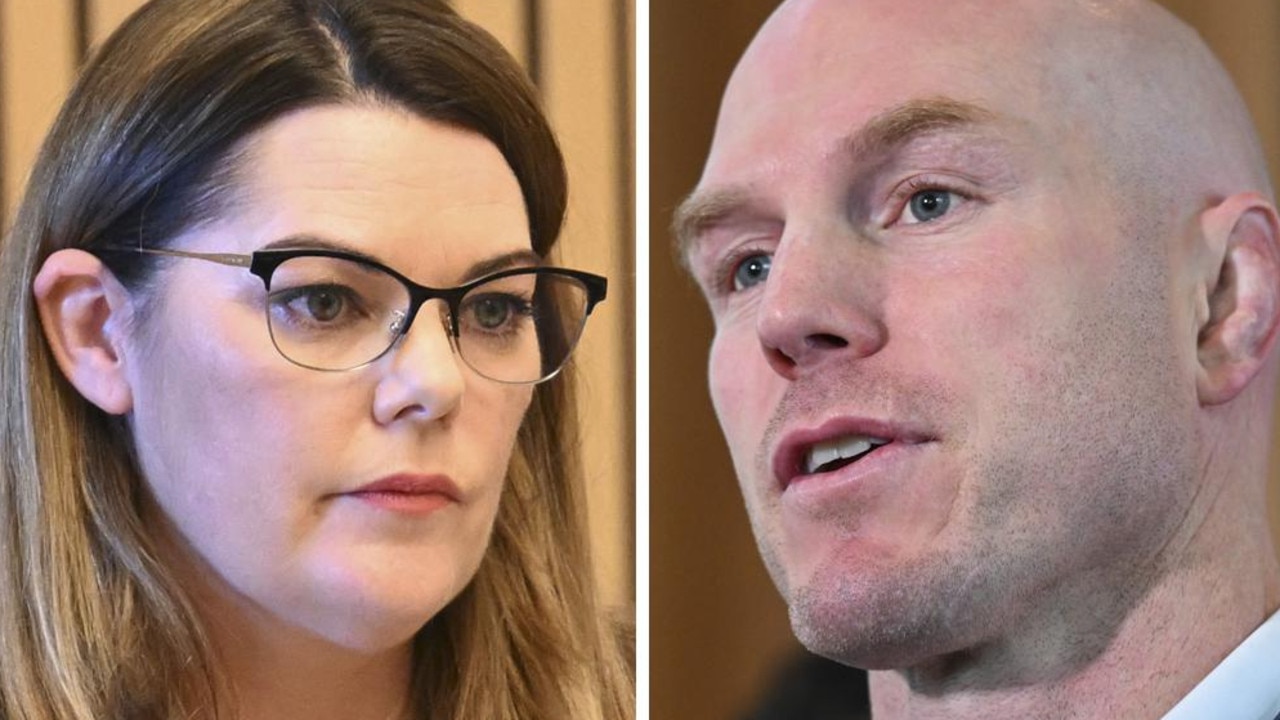
The allegations drew sharp condemnation from crossbench and opposition senators, who rounded on industry representatives during two days of public hearings. Greens Senator Sarah Hanson-Young slammed the companies for their treatment of at-risk gamblers, arguing that the addicted client had been relentlessly targeted with advertising, promotions, and inducements to keep betting. She pushed back against industry claims that rigorous “know your customer” rules prevent criminal activity, noting that many Australians living with gambling addiction are family members, not stereotypical criminals, and that the issue constitutes a widespread public health crisis.
Independent Canberra Senator David Pocock further criticized the sector, telling representatives that Australians are “sick and tired of the BS” the industry pushes about responsible gambling. Pocock highlighted a recent incident where Sportsbet advertising was served to a user between Disney children’s songs on streaming platform Spotify, arguing that companies repeatedly deflect blame for regulatory failures rather than taking accountability. He displayed photos of children wearing junior sporting jerseys emblazoned with gambling logos, arguing that the industry continues to exploit every regulatory loophole to expose children to gambling harm, and that a full ban on gambling advertising is the only effective solution.
In response to the allegations, senior executives from both companies issued categorical denials. Jules Norton Selzer, Corporate Affairs Director for Sportsbet, told the inquiry there is “zero evidence” to support Costello’s claims, and that the company has zero tolerance for the described deplorable conduct. He added that the company cannot comment on individual customer cases, but would gladly launch a full investigation if provided with supporting evidence. Julian Whealing, Head of Government Affairs for Tabcorp, similarly rejected the claims, stating that the alleged conduct does not align with the company’s commercial practices, and that Tabcorp maintains a zero-tolerance policy for illegal activity. Kai Cantwell, Chief Executive of industry body Responsible Wagering Australia, called the allegations “pretty egregious” and urged that any supporting evidence be referred immediately to law enforcement and regulators for investigation.
Beyond the misconduct allegations, the hearing centered on the sector’s response to the Albanese government’s long-awaited Interactive Gambling Amendment (Gambling Reform) Bill 2026, which the industry claims “goes further than necessary” to achieve the government’s stated goals of reducing gambling harm. While all three industry representatives emphasized their support for evidence-based, practical reform, they argued that key provisions of the bill are unnecessarily broad, legally vague, and operationally unworkable. They called for major refinements to core definitions including wagering, advertising, content, and the classification of “notable persons” featured in promotions.
Industry representatives also warned that overly strict restrictions on licensed Australian operators would push problem gamblers into unregulated offshore wagering markets, which offer far fewer consumer protections and would undermine the entire purpose of the reform package. They pointed to self-regulatory measures adopted by the sector in recent years following the 2023 Murphy review, including a voluntary 70% reduction in free-to-air advertising over five years, the adoption of the national BetStop self-exclusion register, bans on credit card betting, mandatory identity verification, customer deposit limits, and the rollout of real-time technology to identify and intervene with at-risk gamblers. Sportsbet’s Norton Selzer added that extreme restrictions on advertising would also create severe funding disruptions for Australian sport, racing, and public broadcasting, with a disproportionate impact that does not align with the bill’s policy goals.
The inquiry also heard that around 70% of Australian adults participate in legal gambling, that licensed operators contribute approximately $6 billion to national economic activity, and support more than 32,000 full-time jobs across the country.