博客

  • Funeral to be held for Oscar-winning songwriter Glen Hansard

    Funeral to be held for Oscar-winning songwriter Glen Hansard

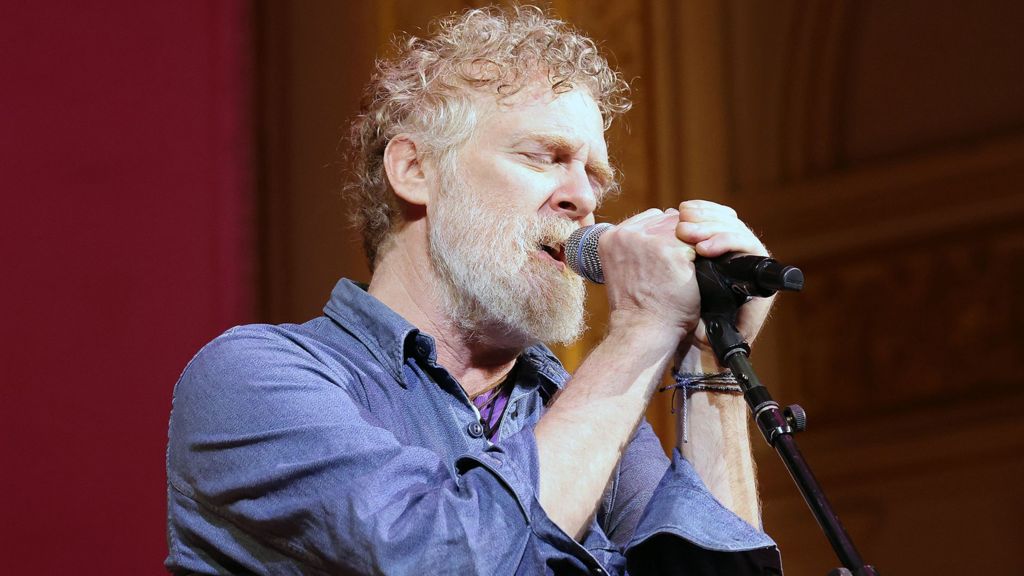
    The Irish and global music communities are mourning the sudden passing of 56-year-old Glen Hansard, the Oscar-winning singer-songwriter and former frontman of iconic Irish rock band The Frames, who died last week in a motorcycle accident in Dublin. His funeral is scheduled to take place Tuesday at Dublin’s St Patrick’s Cathedral, following a well-attended public wake held in the city Monday that drew thousands of grieving fans and loved ones.

    Hansard first emerged into the public eye in 1991, when he landed a role in the hit musical comedy film *The Commitments* — a breakthrough that came just one year after he founded The Frames, the band that would cement his status as a cornerstone of Irish alternative rock. Over the course of three decades, the band released six full-length studio albums, including the 2004 Irish chart-topper *Burn The Maps* and fan favorites *Dance The Devil* and *For The Birds*. The group even earned a slot performing at the Coachella Valley Music and Arts Festival in 2007, introducing Hansard’s work to a massive new global audience.

    His most high-profile career milestone came in 2008, when he and collaborator Marketa Irglova won the Academy Award for Best Original Song for “Falling Slowly,” the lead track from the low-budget indie musical romance *Once*. The pair went on to release three studio albums as the folk duo The Swell Season, while Hansard also built a successful solo career. His 2016 solo release *Didn’t He Ramble* earned a Grammy Award nomination, and he dropped his fifth and final solo record, *All That Was East Is West Of Me*, in 2023. Just days before his death, Hansard was still doing what he loved most: performing in an intimate traditional Irish music session, capping a lifelong relationship with music that began when he first picked up a guitar as a teenager.

    Beyond his recording and performance career, Hansard was widely celebrated for his philanthropic work, particularly his advocacy for unhoused communities in Ireland. In 2010, he launched an annual Christmas Eve busking event in central Dublin that drew A-list Irish music stars including Sinéad O’Connor and Shane McGowan, growing into a beloved seasonal tradition that raised hundreds of thousands of euros for homeless services. Colin Davidson, a close friend of Hansard, hailed the event as “an international Irish institution in its own right.”

    News of Hansard’s unexpected death sent shockwaves through the global music industry, with tributes pouring in from some of the world’s biggest artists, including Ed Sheeran, U2’s Bono, and Bruce Springsteen — who shared that he was “heartbroken” over the loss. In the days since his passing, fans have gathered across Dublin to honor his legacy: tributes, candles, and flowers have been laid at a memorial in Dublin’s famous Temple Bar district, where thousands of people have signed an official book of condolence. Fans who attended Monday’s public wake shared personal stories of Hansard’s impact, with many recalling first encountering him busking on Dublin’s Grafton Street decades earlier. Chris James, a fan who first saw Hansard perform on Grafton Street 25 years ago, said the encounter inspired him to pick up the guitar himself, calling the experience one of the coolest moments of his life. Another fan, Danni Rohde, a long-time follower of The Frames, shared that the news of his death still “doesn’t feel real,” echoing the widespread sentiment that Hansard’s passing is an incalculable loss for Irish culture and the global music community.
  • How India’s Gen Z movement of ‘Cockroaches’ dented Modi’s political image

    How India’s Gen Z movement of ‘Cockroaches’ dented Modi’s political image

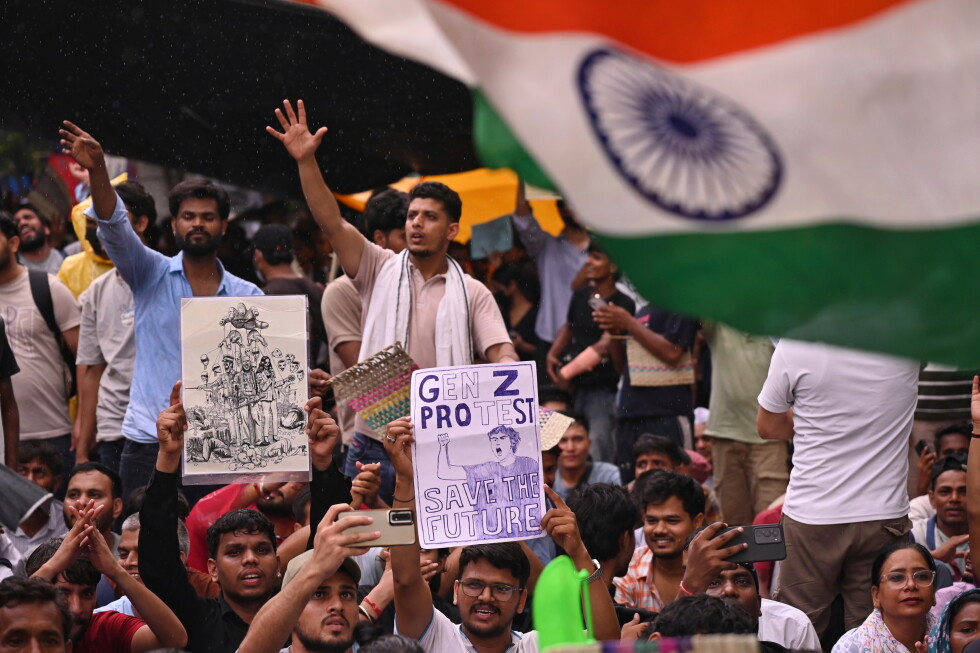
    NEW DELHI — For weeks, a raucous cohort of young Indian activists gathered under a deliberately absurd, unapologetically provocative banner: the Cockroach Janta Party. Wielding hand-painted signs mocking Prime Minister Narendra Modi and his administration, this grassroots movement achieved what few opposition groups have managed in Modi’s more than 12 years in power: it forced the resignation of a sitting cabinet minister.

    Widely regarded as one of the most dominant Indian prime ministers in modern history, Modi has built a public persona of unassailable, decisive leadership, with his government almost never backing down in the face of public pressure. But the late resignation of former Education Minister Dharmendra Pradhan stands as a striking exception, political analysts say, one that lays bare two shifting dynamics in Indian politics: the growing clout of India’s under-25 population, which makes up nearly half the nation, and the rising power of digital-first grassroots organizing.

    “This particular round has ended in a very important defeat for Mr. Modi,” said Nilanjan Mukhopadhyay, a prominent political analyst and author of a biography of Modi. He added that the concession has shattered the widespread climate of fear that critics say the Modi administration has cultivated to suppress dissent. “The threshold of fear has been broken. People are no longer scared to go and step out and protest,” Mukhopadhyay noted.

    The movement began as a small, satirical push in May with one clear, uncompromising demand: Pradhan’s resignation over widespread leaks of high-stakes examination papers, outcomes of which can make or break a young Indian’s career prospects. Fueled by young, urban Indians who organized across social media platforms before taking their demands to the streets, the protests quickly expanded beyond the initial exam leak controversy. They evolved into a broader call for governmental accountability, tapping into deep-seated public frustration over sky-high youth unemployment, lack of administrative transparency, and what activists see as the erosion of independence for India’s public institutions.

    Mukhopadhyay emphasized that this marks the first time a student-led grassroots movement has maintained enough momentum to force the government to meet its core demand, without any backing from established mainstream political parties. “Each one had their own little grievance about life not taking them anywhere,” he explained of the protestors.

    While it remains unclear whether this mass youth energy can be translated into electoral gains against Modi’s ruling Bharatiya Janata Party (BJP), movement leaders frame their success as proof that public pressure still holds weight in Indian democracy.

    “An arrogant government which did not blink for 12 years was forced to blink when the youth united,” said Saurav Das, a spokesperson for the Cockroach Janta Party. Das reiterated that the movement has no plans to reorganize as a formal political party, instead aiming to operate as an independent public watchdog. “We want to remain a pressure group,” he said.

    The unexpected success of the movement has already forced strategic adjustments within the BJP. In the weeks following the protests, Modi has increasingly appeared in short, vertical short-form videos tailored for Instagram and other platforms popular with young Indian voters. The party has expanded its youth outreach through targeted digital campaigns, with some sitting lawmakers even adopting Gen Z slang in public appearances, including speeches on the floor of Parliament. This shift comes in sharp contrast to the movement’s early days, when Modi and his allies dismissed the protests as a trivial, insignificant fringe movement. As crowds grew and momentum built, however, the government was forced to acknowledge the movement’s growing influence.

    Following Pradhan’s resignation, Modi has also made public gestures toward reconciliation, saying he forgives those who mocked him — a clear outreach effort to win back alienated young voters. For Mukhopadhyay, the movement’s most lasting impact is that it has permanently damaged the carefully cultivated image of Modi as a leader immune to public pressure.

    “That image of Mr. Modi is heavily tarnished,” he said. Not all reactions have been conciliatory, however: hardline BJP supporters online have moved to identify protestors and dox their personal information to intimidate activists into stepping back.

    Solidarity protests popped up in cities across India, with supporters sending food and essential supplies to demonstrators camped in New Delhi who participated in extended hunger strikes to draw attention to their cause. Opposition leaders, human rights activists, and even several Bollywood celebrities have publicly backed the movement, helping spread its message far beyond the original protest camps.

    For Neha Bora, a student leader who took part in the New Delhi hunger strike, the movement’s success proves ordinary citizens still have the power to hold powerful leaders accountable. “If they (ministers) do not serve the people of this country, no matter what cabinet minister they are, they will be brought down from their seats,” she said.

  • Spanish Prime Minister Sanchez fends off blistering criticism within the EU over Ceuta crisis

    Spanish Prime Minister Sanchez fends off blistering criticism within the EU over Ceuta crisis

    When European Union leaders gathered in Brussels this Tuesday, one topic dominated closed-door discussions and public sparring: the dramatic migrant surge that hit Spain’s North African territory of Ceuta just one week prior, and the deep divisions it has laid bare across the 27-nation bloc over how to handle irregular migration.

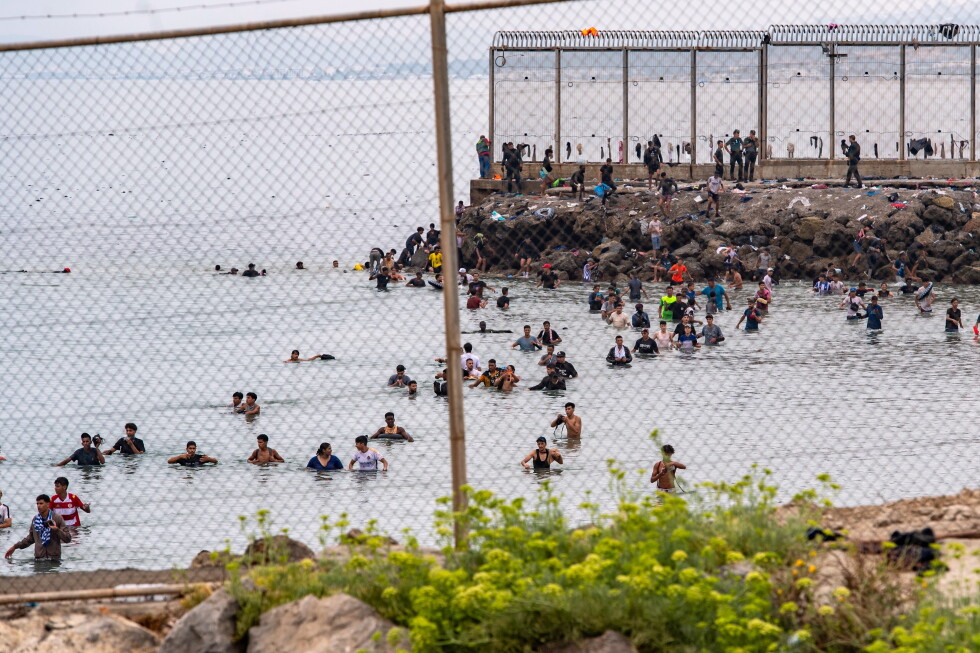
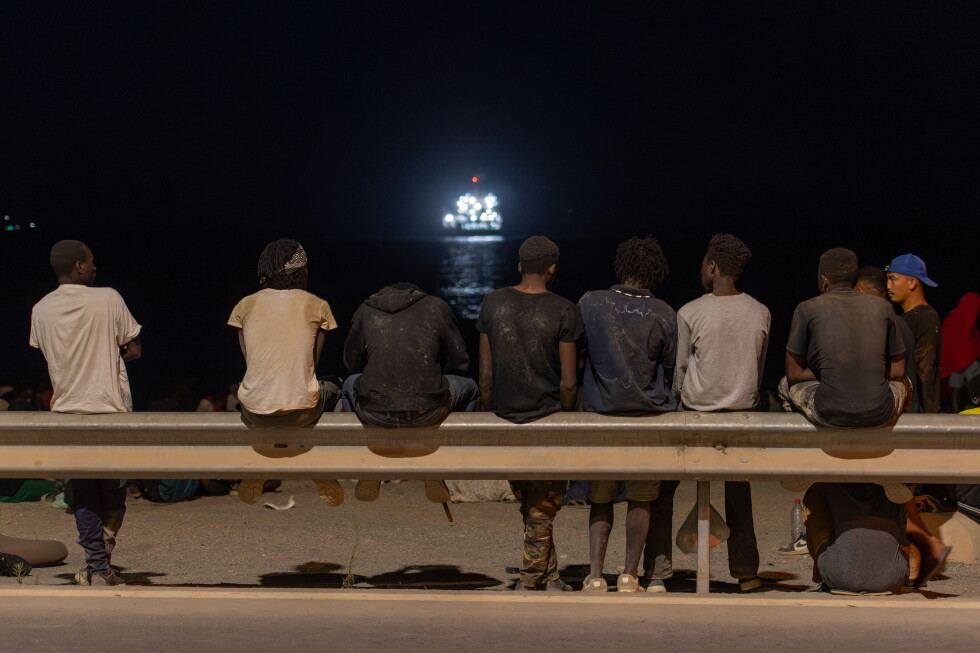
    Last Thursday and Friday, between 50,000 and 60,000 migrants crossed into Ceuta in an unprecedented rush, triggering an immediate humanitarian emergency on the small border outpost. Spanish and Moroccan authorities confirmed more than 80 migrants died in the crossing, with many drowning or killed in a deadly stampede as crowds pushed to break through a concrete breakwater barrier. By the time the crisis stabilized, the vast majority of arrivals had been pushed back across the border, but the political aftershocks reverberated across the continent almost instantly.

    Within days, 22 EU national leaders signed an open letter leveling sharp criticism at Spanish Prime Minister Pedro Sanchez and his government’s progressive approach to migration. The letter pinned the Ceuta crisis on a recent ruling from Spain’s Supreme Court, which held that migrants arriving by sea (rather than crossing physical land barriers or climbing Ceuta’s border fence) cannot be summarily deported without formal due process. The signatories, which included leaders from Finland to Malta, argued the ruling amounted to an attack on the EU’s joint migration and asylum system, and called for new mandatory border checks across all sea, air and land entry points into the bloc.

    Sanchez quickly pushed back with his own public letter, accusing his critics of twisting the facts of the court ruling. He explained that people smuggling networks intentionally misrepresented the Supreme Court decision to convince thousands of migrants to swim around Ceuta’s existing border fence, rather than climbing it. He also reminded his detractors of Spain’s longstanding record of solidarity with other EU member states facing migration pressures, noting that Spain accepted relocated migrants that arrived at Belarusian borders with Eastern Europe in 2021 and at Italy’s Lampedusa island in 2023. His government has further framed the criticism as politically motivated, pointing out that most arrivals were expelled within hours in close coordination with Moroccan authorities, while receiving almost no practical support from other European nations.

    Italian Prime Minister Giorgia Meloni emerged as the most vocal critic of Sanchez’s response, going so far as to announce new air and sea border controls between Italy and Spain. But political analysts in Rome noted the move was largely symbolic: Matteo Villa, an analyst at the Italian Institute for Political Studies, pointed out that Ceuta’s remote geographic location makes it extremely unlikely that migrants arriving there would go on to reach Italy, and only 2% of all migrants entering Europe ultimately settle in Italy. Observers also noted Meloni has used the Ceuta crisis to push forward Italy’s controversial joint plan with Albania to move all migrant screenings outside EU territory, a proposal that has already drawn widespread legal pushback.

    Sanchez hit back at Meloni directly, calling her stance “contrary to European law, humanitarian law, and the principles of solidarity that bind us together.” In a public post on X, he also challenged Italy’s record, noting that since 2021, Italy has received twice as many migrants as Spain: 478,000 compared to Spain’s 234,000.

    The public feud between Sanchez and his critics is just the most visible sign of a deeper divide that has reshaped European politics in recent years. Right-wing political coalitions have won elections across much of the bloc by campaigning for harsher restrictions on migration, and they enacted those promises last year through the controversial European Migration and Asylum Pact, which overhauled the bloc’s previous widely discredited migration framework. The new rules grant EU national governments expanded powers to surveil, detain and deport migrants to so-called “safe third countries” such as Morocco, or to offsite “return hubs” located outside EU borders. But the reforms have faced fierce skepticism from human rights organizations, which warn that external detention centers could quickly become overcrowded long-term holding facilities where asylum seekers are trapped in permanent legal limbo.

    Michele LeVoy, director of the Brussels-based Platform for International Cooperation on Undocumented Migrants, condemned what she called political posturing over the Ceuta crisis. “On Ceuta, political games are being played over the lives of people on both sides of the border,” she said, criticizing Europe’s longstanding failure to address the root causes of irregular migration. “We need regular pathways for people to move in safety and dignity,” LeVoy added.

    For many policy analysts, the disunity on display over migration highlights a broader pattern of European fragility at a time of mounting global pressures. Alicia García-Herrero, chief economist for Asia Pacific and the Middle East at financial firm Natixis, argued that regardless of the outcome of Tuesday’s leaders’ meeting, the public feud demonstrates deep damaging divisions within the bloc just as it faces security threats from Russia, strained transatlantic relations with the U.S. and growing economic tension with China. “Europe has shown weakness again,” she said. “Massive weakness.”

    Official data from the EU’s border agency Frontex shows that overall irregular migration flows to the EU have dropped dramatically since their 2015 peak, when 1.8 million people crossed into the bloc, mostly via the Balkans and the Eastern Mediterranean. In the first half of 2026, total crossings fell 37% year-over-year to around 49,000, a trend Frontex Executive Director Hans Leijtens attributed to sustained cooperation with partner countries in North Africa and the Middle East.

    Even at the highest levels of EU institutions, there has been little consensus on how to respond to the Ceuta crisis. European Commission President Ursula von der Leyen initially expressed shock at the surge and called for the bloc to double down on its hardline approach to border security. But in a shift last Monday, she sent a private letter to Sanchez praising his government’s handling of the emergency. Commission spokesperson Arianna Podesta said the letter called for a formal lessons-learned process to strengthen the bloc’s overall resilience, preparedness and response to future migration surges. “What happened in Ceuta has made it clear that we must do more to further strengthen external borders, for example with vigilant monitoring and where needed the use of physical barriers,” Podesta said, reflecting the letter’s core message.

    This report contains contributions from reporting by Samuel Wilson in Barcelona, Spain, and Elara Barry in Rome, with additional reporting from Renata Brio in Barcelona.

  • AFL injury news: Jack Silvagni, Jordan De Goey racing clock to be fit

    AFL injury news: Jack Silvagni, Jordan De Goey racing clock to be fit

    As the next round of Australian Football League (AFL) matches approaches, several clubs are navigating a wave of late injury concerns and fitness battles ahead of their critical upcoming fixtures.

  • Drone strike on North Darfur court kills at least 35, rights group says

    Drone strike on North Darfur court kills at least 35, rights group says

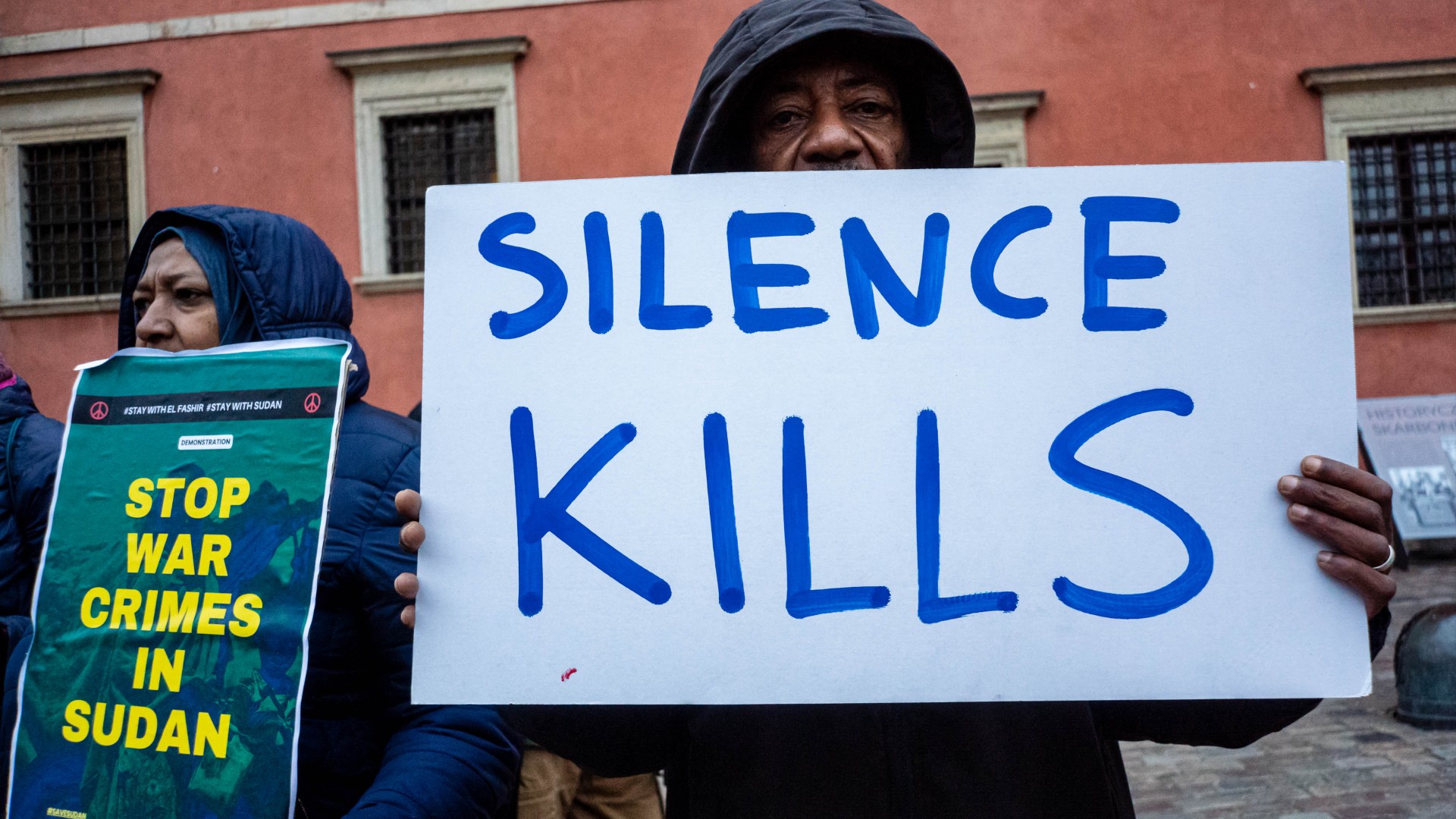
    Sudan’s ongoing civil conflict entered a new phase of deadly escalation on Sunday, when a drone strike attributed to the country’s national army hit a customary court in the North Darfur village of al-Zawiya Ghara, claiming at least 35 lives and leaving multiple others wounded. Al-Zawiya Ghara is among the dozens of rural settlements across North Darfur currently held by the Rapid Support Forces (RSF), the powerful paramilitary group that has fought the Sudanese Armed Forces (SAF) for control of the country since April 2023. According to the Emergency Lawyers Group, a civilian watchdog that tracks violence against non-combatants in Sudan, all fatalities and casualties were people located inside the court building or in its immediate surrounding area when the attack unfolded. Local tribal and community leaders were gathered for an official meeting inside the court at the time of the strike, which saw the drone launch at least four separate missiles directly at the structure. Sudanese outlet Sudan Tribune confirmed that the death toll includes two senior RSF field commanders, four tribal elders, and traditional leaders from the Mahameed branch of the Rizeigat ethnic group.

    Sunday’s targeted strike comes as the SAF has ramped up drone operations across the Darfur region in recent weeks. The military push follows a string of major SAF victories over RSF forces in North Kordofan, and aims to chip away at RSF control of Darfur by weakening the paramilitary’s command positions and supply lines. In the wake of the attack, the Sudan Founding Coalition (Tasis), a political bloc largely dominated by RSF-aligned figures, formally blamed the SAF for the civilian deaths. Ahmed Tugod Lisan, a spokesperson for Tasis, speaking to Sudan Tribune, called for an independent international investigation into the strike to hold all responsible parties legally accountable. The Emergency Lawyers Group has joined the call for a full probe, and condemned the deliberate targeting of the court, describing attacks on civilian populations and civilian infrastructure as a flagrant and grave violation of binding international humanitarian law. In a formal statement, the group added that drone strikes targeting populated civilian areas and public gatherings have become increasingly common in Sudan’s conflict, drastically raising the daily safety risks for millions of ordinary Sudanese trapped in war zones.

    This attack is the latest development in a three-year-long civil conflict that has seen both the SAF and the RSF accused of widespread war crimes and crimes against humanity. A United Nations fact-finding mission concluded that the RSF’s 2025 siege of el-Fasher, one of Darfur’s largest urban centers, carried all the hallmarks of genocide. The RSF has also been repeatedly accused of carrying out drone strikes that kill and maim civilians across Sudan over the course of the war.

    The al-Zawiya Ghara strike also follows a landmark judicial ruling earlier in July that marked the first conviction of top RSF leadership since the war began. An anti-terrorism and state crimes court based in Port Sudan, which is held by the SAF, sentenced RSF leader Mohamed Hamdan Dagalo (widely known as Hemedti) and 15 other senior RSF figures to death in absentia. The court convicted the group on multiple charges including their roles in the 2023 assassination of West Darfur Governor Khamis Abdullah Abakar, as well as broader charges of crimes against humanity, war crimes, illegal warfare, and genocide committed in the West Darfur capital of el-Geneina.

    Presided over by special judge Mohamed al-Amin, the trial centered largely on the assassination of Governor Abakar, who was killed just one day after he publicly condemned RSF shelling of the el-Jamarik neighborhood in el-Geneina. Circulated online video footage shows RSF soldiers mutilating Abakar’s body after his killing, but the paramilitary group has consistently denied any involvement in the assassination, instead shifting blame to the SAF. Human Rights Watch released a 2024 investigation concluding that the violence carried out in el-Geneina by RSF and allied militias amounted to ethnic cleansing, and likely meets the international legal definition of genocide, targeting the Masalit people and other non-Arab communities in the region. A June 2023 report from Middle East Eye estimated that roughly 1,500 people were killed in el-Geneina in the first two months of the war alone. The violence forced tens of thousands of Masalit residents to flee el-Geneina and West Darfur on foot, seeking safety across the Sudan-Chad border in eastern Chad.

    Among the convicted defendants are Hemedti’s two brothers: Abdel Rahim Hamdan Dagalo, the RSF’s deputy leader, and Algoney Hamdan Daglo Musa, commonly known as al-Qoni. The court also convicted Abdel Rahman Juma Barkallah, the top RSF commander for West Darfur, and al-Tijani al-Tahir Karshoum, the former deputy governor of West Darfur. The ruling held Hemedti directly legally responsible for directing the genocide of the Masalit people and orchestrating the siege of el-Geneina, citing evidence of systematic destruction and looting of civilian property, as well as deliberate targeted attacks on non-combatants, residential neighborhoods, schools, and places of worship. Abdel Rahim Dagalo was convicted of co-organizing the el-Geneina siege, mass civilian displacement, and the genocide of the Masalit community, while Qoni was found liable for facilitating the siege. Barkallah was held responsible for leading frontline RSF troops during coordinated systematic assaults on Masalit residential areas. In addition to the death sentences, the court ordered the full confiscation of all RSF-linked assets across SAF-held territory, and instructed Sudanese authorities to request Interpol red notices to facilitate the arrest and extradition of all convicted figures who remain at large.

  • France wildfires reveal hundreds of WW2 shells in village

    France wildfires reveal hundreds of WW2 shells in village

    A weeks-long devastating wildfire that swept through southwestern France’s Gironde region has delivered an unexpected, dangerous aftershock: the unearthing of a forgotten cache of nearly 400 historic World War II explosive shells and munitions buried beneath the forested village of Le Porge.

    After burning uncontrolled across more than 42,000 hectares of land for 10 days, the large-scale wildfire was finally contained by hundreds of exhausted firefighters in early August. But days before the blaze was fully extinguished, crews and residents began noticing unusual, repeated explosions that initially were mistaken for bursting gas canisters stored in destroyed homes. Local fire command later confirmed that the intense heat from the wildfire had triggered the buried, long-forgotten munitions to detonate.

    Local mayor Martial Zaninetti told French national outlet France Info that over 100 blasts echoed across the area on the second night of the wildfire, a cacophony he described as sounding identical to active war zone combat. The explosions sent shrapnel flying in all directions; Zaninetti confirmed one piece of unexploded ordnance was launched through the wall of a local residence, adding another layer of danger to an already catastrophic disaster.

    French media reports later confirmed the unearthed weapons include both French and German mortar rounds and anti-tank shells, relics from the World War II occupation of France that had been stored in buried depots that local officials had no existing records of. Following the discovery, controlled demining operations have been carried out across high-risk areas of Le Porge. While the majority of evacuated residents have now been allowed to return to their surviving properties, multiple zones, including a local stretch of coastline, a popular campsite, and the small neighboring village of La Jenny, remain closed to all entry as clearance work continues.

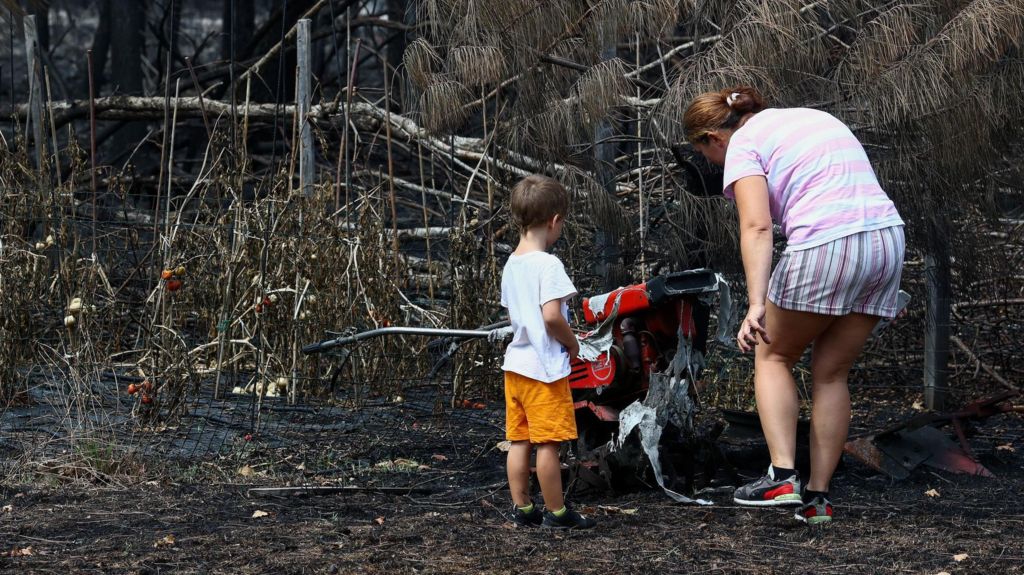
    The wildfire itself left a trail of widespread destruction: official counts confirm more than 180 residential properties were reduced to ash. Images captured earlier this week show local families sifting through the charred rubble of their homes, searching for any belongings that survived the blaze.

    This devastating Gironde fire is one element of a wider, two-week wave of extreme wildfire activity that has swept across Southern Europe, with Spain and France bearing the brunt of the destruction. Across the two countries, more than 330,000 people have been forced to evacuate their homes to escape advancing flames. With more than 42,000 hectares of land burned in southwestern France alone, the 2026 fire season already ranks as one of the most destructive the country has seen since the end of World War II.

    During a visit to the affected region on Monday, French Prime Minister Sébastien Lecornu publicly recognized the tireless work of first responders, noting that “France has stood firm in the face of an unprecedented crisis.” He confirmed that firefighting operations in Gironde had entered a new, post-blaze phase, and that displaced residents would continue to be reintroduced to their communities in a safe, phased manner.

  • Tigers champion Nathan Broad calls time on career but says future is not ‘in concrete’

    Tigers champion Nathan Broad calls time on career but says future is not ‘in concrete’

    Veteran Australian Rules Football defender Nathan Broad has formally brought an end to his decorated tenure with the Richmond Tigers, while stopping short of locking in any definitive plans for his professional future beyond 2027. The three-time premiership winner made the retirement announcement Tuesday afternoon, confirming he will pull on the Richmond guernsey for just two more matches, culminating in a Round 23 farewell against St Kilda at the iconic Melbourne Cricket Ground.

    Drafted to Richmond from Western Australian Football League side Swan Districts in the 2015 National Draft, Broad has built a 191-game career in Victoria over the past decade. Now, the 31-year-old says returning to his home state of Western Australia to raise his growing family has long been his end-of-career goal. He will relocate with his wife, their three-year-old daughter, and a new child expected to join the family this December. “It’s always been the plan to get home to Western Australia,” Broad told reporters. “I want to go back there and raise a family and enjoy some quieter times.”

    In the weeks leading up to his official announcement, Broad has been widely tipped to join WA-based AFL club West Coast Eagles, with former Richmond teammate turned Eagles midfielder Liam Baker publicly throwing his support behind the move. Speaking to Melbourne radio station Triple M, Baker said the club would “love him at West Coast”, adding that Broad is keen to return to his home state. Whether Broad joins as a player or transitions into a coaching role remains to be determined by club leadership, Baker noted, but argued Broad would be “a great asset” to the Eagles organisation no matter the capacity.

    Broad confirmed Tuesday that preliminary discussions have taken place between himself and West Coast, but stressed that no binding agreements are in place for his post-Richmond career. “I’ve always been a one-club player, I’m happy here and I’ve got two more games left at the Tigers to see out,” he said. “I’m going to put my best foot forward for the footy club and try to get two more wins for them and then that’ll be it.”

    When asked if he would consider a move into coaching after hanging up his playing boots, Broad said he had not yet settled on a next step. He plans to take a full year away from the sport to recharge before evaluating his options, emphasizing that “there’s nothing in concrete anywhere” for his future.

  • Tributes flow as Jongkuch Achieu, 21, dies in hospital after horror ‘all-out brawl’ in Logan, Qld

    Tributes flow as Jongkuch Achieu, 21, dies in hospital after horror ‘all-out brawl’ in Logan, Qld

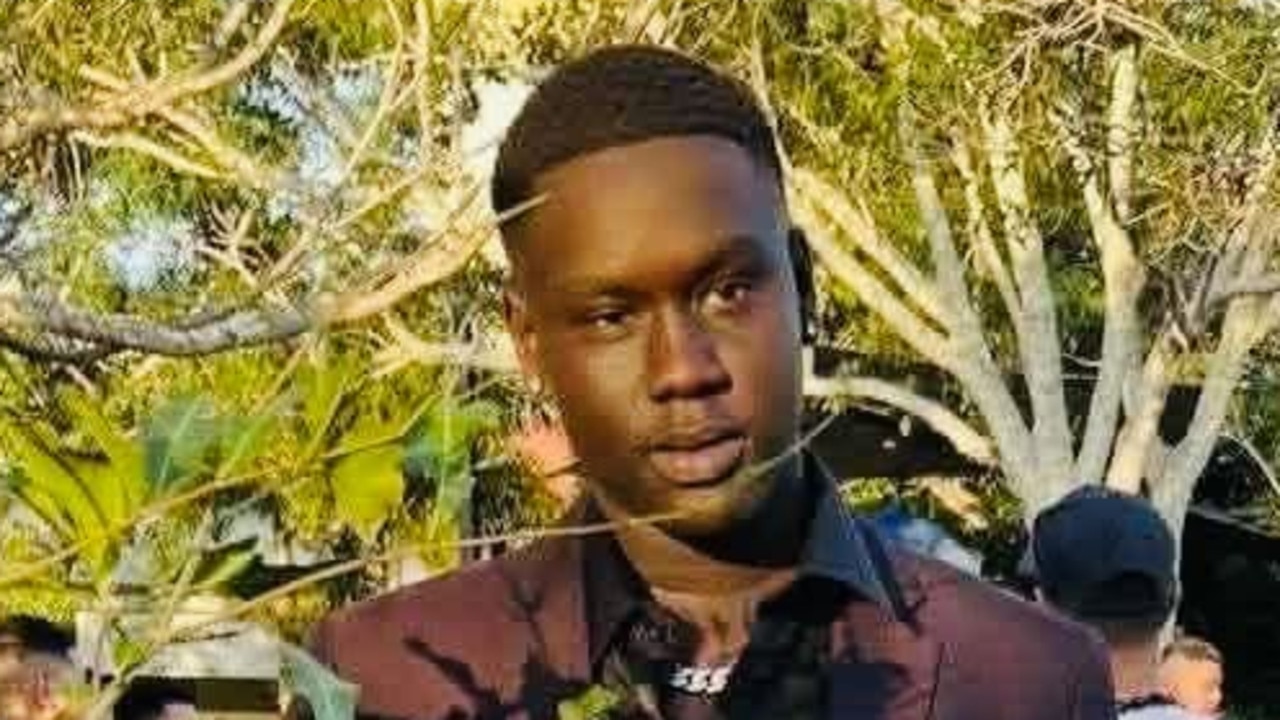
    A tight-knit community in Queensland’s Logan region is grappling with profound grief after a 21-year-old promising local man died from injuries sustained in a violent targeted attack that turned a suburban party into an all-out street brawl late last month. Jongkuch Peter Kur Jongkuch Achieu, a resident of Redbank Plains, passed away at Brisbane’s Princess Alexandra Hospital on Saturday, a week after he suffered severe head injuries during the chaotic incident.

    The violence unfolded in the early hours of July 26 at a short-term rental property located on Discovery Boulevard in the Bahrs Scrub suburb. Emergency services were dispatched to the location at 2:16 a.m. following reports of a large disturbance involving a crowd of young people. When police arrived at the scene, they encountered widespread destruction across the suburban street: multiple vehicles and a local residence had sustained significant damage, leaving the aftermath of the brawl scattered across the area.

    Achieu was found a short distance away on Orchard Avenue, suffering from critical head injuries after he was allegedly beaten during the fight, which spilled out of the rental property and onto surrounding streets. While several other party attendees were also transported to local hospitals with laceration injuries, Achieu’s condition remained critical until his death one week after the attack.

    In a public statement posted to a local community Facebook group on Monday, Achieu’s family confirmed he was assaulted by unidentified attackers. “It is with a deeply saddened heart that I inform you of the passing of Jongkuch Peter Kur Jongkuch Achieu,” the statement read. “Jongkuch was attacked by unknown individuals, and despite medical efforts, he tragically succumbed to his injuries in hospital on Saturday. This is a life cut far too short, and a loss felt profoundly by all who knew and loved him.”

    Local community members have shared an outpouring of grief and tributes online, describing the young man’s death as devastating and an enormous loss for the area. “Jongkuch will always be in our hearts and our prayers,” one local wrote in response to the announcement. Another added: “Jongkuch’s life was cut short in its prime, a promising future ahead of him.”

    Neighbours who lived near the rental property have recalled the chaotic moments leading up to and following the brawl, with multiple residents reporting hearing cars speeding recklessly (hooning) through the suburban street. Local CCTV footage also captured a young man running through a neighbouring residential backyard at approximately 2:47 a.m., shortly after the violence began.

    Logan Crime Group Detective Inspector Ian Galpin told reporters the conflict erupted between two rival groups of people aged 18 to 21, after members of one group gatecrashed the party being held at the short-term rental. Investigations indicate the second group was already known to people staying at the property, and pre-existing conflict erupted into a full-scale violent disturbance. “This was a targeted attack and there is no ongoing threat to the wider community,” Galpin confirmed.

    Police have not yet announced any arrests in connection with Achieu’s death, with investigations continuing into the circumstances of the attack.

  • Runaway online rumors sparked frantic rush by migrants to the Spanish enclave of Ceuta

    Runaway online rumors sparked frantic rush by migrants to the Spanish enclave of Ceuta

    In the early days of last week’s unprecedented migration event along the Morocco-Spain border, the spark that lit the crisis was not an organized smuggling operation, but a cascade of false claims shared across mainstream social media platforms. What began as scattered Instagram posts claiming the border with the Spanish North African enclave of Ceuta had opened soon spread to Facebook and TikTok, building a viral wave of misinformation that drew more than 60,000 aspiring migrants to the crossing point in just 72 hours, in the largest single migration surge between the two nations in recent history.

    The false narrative took root quickly across northern Morocco. Hundreds of kilometers from Ceuta in the coastal city of Larache, three young men saw a video posted to an Instagram account calling itself *Haraga Ceuta* — a name referencing the colloquial term for young Moroccans who destroy identity documents to attempt irregular entry to Europe — that claimed the border barrier had been lifted. For young people already grappling with systemic youth unemployment that leaves nearly four in 10 people aged 15 to 24 out of work, the claim was too promising to ignore.

    Across multiple platforms, the misinformation evolved from a general rumor to step-by-step guidance for aspiring migrants. TikTok creators shared detailed route maps for the 5-kilometer swim around Ceuta’s border breakwater. Private Facebook groups dedicated to border crossing chatter shared screenshots of commercial vessel-tracking platforms to pinpoint windows when Spanish and Moroccan coast guard patrols were thinly staffed. Users traded tips for inflatable boat use and even advertised wetsuits for sale to people preparing the swim. By the time local and national authorities on both sides noticed the growing movement, thousands of people were already boarding packed buses, regional trains and taxis headed for the Moroccan border city of Fnideq, the primary starting point for Ceuta crossing attempts.

    When the crowds converged on Ceuta’s narrow concrete breakwater, chaos erupted. Hundreds of migrants attempted to scramble up the structure’s slick, algae-covered rocks at once, pushing and climbing over one another to reach Spanish territory. Multiple migrants interviewed by the Associated Press described seeing people knocked into the churning water, trapped beneath the bodies of other climbers and unable to resurface. “I stepped on the face of a dead man while I was climbing out. I hope God forgives me and all those whose bodies were found,” said Lahcen Kalouch, a Moroccan migrant who returned home just days later, visibly distraught from the experience.

    When the crisis finally eased, official counts placed the total death toll at more than 80: 72 fatalities on the Spanish side of the border, and 11 more on Moroccan territory, with deaths caused by drowning, stampede injuries and exposure. Nearly all of the 60,000 migrants who crossed into Ceuta have since returned to Morocco, expelled by Spanish authorities or choosing to leave after Ceuta’s infrastructure collapsed under the sudden surge, leaving new arrivals without access to shelter, clean water and food.

    Many migrants were found to have misinterpreted recent Spanish policy changes as an open invitation to cross. Spanish Prime Minister Pedro Sánchez had recently announced a new immigration regularization program, but the policy only applied to people already residing in Spain before January 1 of this year — most of whom are Latin American migrants who entered legally but overstayed their visas. Online misinformation twisted the policy into a promise that any new migrant arriving in Ceuta would receive legal status and access to work, a false claim that spread rapidly despite no official endorsement from the Spanish government. “Pedro Sánchez is a liar. He told us if we came, we would get jobs and papers, but they sent us back,” said Adam Assil, a migrant from Casablanca, echoing the false narrative that circulated online despite Sánchez never making such a promise.

    Officials on both sides have acknowledged that the spread of digital misinformation was a core driver of the mass movement, but failed to explain how such a large crowd was able to cross the border unchecked. Moroccan authorities opened an investigation into the spread of false claims, but have not released any evidence identifying who created or amplified the original misleading posts. Most of the social media accounts behind the rumors were deleted within days of the crossings, and attempts by the AP to contact account operators received no response. Ceuta’s local government says it warned the national Spanish government of an impending surge days before the crisis, but the Spanish Interior Ministry claims it received no such advance warning, while praising cross-border cooperation to repatriate most migrants.

    “Nobody addressed how these individuals managed to breach the border,” said Mustapha Azaitraoui, a Moroccan geographer who specializes in migration dynamics. “If a large group of people can cross the border under these circumstances, it suggests a broader security issue that has yet to be acknowledged publicly.”

    Both national governments have pinned blame on organized human smuggling networks, claiming criminal groups coordinated the mass crossing to profit from irregular migration. But most returning migrants interviewed by the AP rejected that framing, saying they made the decision to travel independently, motivated by the false rumor of an open border and desperate economic conditions at home. “No one smuggled me there. I wanted to go of my own free will, but that country is not worth all this sacrifice,” Kalouch said. 17-year-old Omar Danbor from Fnideq echoed that sentiment: “There are no mafias. The border was open, and I crossed. But now I regret it.” Spanish officials note that investigations into potential smuggling involvement are ongoing, while Moroccan authorities declined to answer questions about the issue.

    Beneath the viral misinformation that triggered the surge, analysts and migrants point to persistent economic inequality and lack of opportunity for young Moroccans as the root cause of the event. While Morocco’s national economy is projected to grow by 4.5% this year, with major investments in automotive manufacturing, advanced ports and industrial infrastructure that have positioned the country as a rising regional economic hub, those gains have not trickled down to many young people. Youth unemployment sits at 37% nationwide, and nearly 20% of university graduates are unable to find work. For many, the dream of building a stable life in Europe is reinforced by family members who migrated and returned with visible signs of success: new cars, imported clothing and steady foreign income.

    One 16-year-old migrant, who asked to remain anonymous out of fear of stigma after his failed attempt, summed up the desperation that drove thousands to join the surge. Growing up just dozens of kilometers from Ceuta, he had long seen Europe as a dream that was physically close but permanently out of reach. When he saw viral Facebook posts claiming the border was open and thousands were already crossing, he joined the crowd. Days later, he was back on Moroccan soil, begging strangers for taxi fare to get home, still shaken from the experience. “They fired tear gas at me and beat me with batons. There’s nothing for me there,” he said, wiping away tears. “I just wanted to provide for my mom.”

  • Three lions die in zoo as Japan battles extreme heat

    Three lions die in zoo as Japan battles extreme heat

    As Japan grapples with record-shattering summer heat that has threatened both human and animal life, three female lions at Tokyo’s Tama Zoological Park have died within a single week from suspected heat-related illness, zoo officials have confirmed.

    Autopsies conducted on the three big cats—aged 3, 11, and 15 years old respectively—revealed widespread systemic dehydration and multiple organ failure, clinical signs that point directly to extreme heat stress as the primary cause of death. The zoo notes that full, official cause-of-death reports will not be finalized until all additional toxicology and pathology testing is complete.

    The sequence of deaths began in late July, after a sudden mid-July temperature surge across Japan. Mugi, the 3-year-old female, first displayed a loss of appetite on July 19, and lost the ability to stand the following day. Despite rapid intervention from zoo staff, who implemented cooling measures including enhanced ventilation, access to extra cool water, subcutaneous fluid therapy, liver support, and vitamin treatments, Mugi died on July 28. Eleven-year-old Ichigo passed away just three days later on July 31, and 15-year-old Luena, the oldest of the three, died the following Sunday.

    The deaths mark an unprecedented crisis for the 70-year-old lion program at Tama Zoo. “This is the first time we’ve experienced anything like this. Last year was also hot, but none of our lions fell ill like this,” zoo representative Miwa Kosaka told the BBC.

    As of the zoo’s latest public statement, three additional lions—two males and one female—remain unwell and unable to stand, though staff are continuing around-the-clock care with fluid therapy, medication, and nutritional support. Kosaka confirmed that some of these affected animals have already started showing signs of improvement. Four other lions have fully recovered from mild heat-related symptoms, while six lions remained in good health throughout the heat event. All surviving lions have now been moved to restricted, off-exhibit enclosures fitted with portable air conditioning units and heavy-duty industrial fans to help them regulate their body temperatures.

    Veterinary experts say two key factors combined to put the lions at severe risk. Hideaki Karaki, a professor of veterinary medicine at the University of Tokyo, explained that unlike humans who cool down through sweating, lions regulate their body temperature by breathing deeply to expel moisture from their respiratory tracts. When that moisture evaporates, it lowers their core temperature—but Japan’s characteristic high summer humidity blocks that evaporation process, leaving lions unable to cool themselves effectively. The sudden mid-July temperature spike also gave the animals no time to gradually acclimate to rising heat, compounding the risk, Karaki added.

    Tama Zoo, located in western Tokyo, is home to roughly 260 different animal species, and its lion breeding and exhibition program is one of its most iconic attractions, dating back to 1964. The zoo long offered a popular safari-style bus tour that let visitors observe lions roaming their large open enclosures, but that service and the public lion exhibit were suspended last month after the sudden heatwave triggered widespread illness among the pride.

    The lion deaths come as Japan faces a public health emergency from this summer’s extreme heat. So far this season, more than 43,000 people across the country have been hospitalized for heatstroke. The Japanese government has issued nationwide heat warnings and urged residents to take aggressive cooling measures, even launching a campaign to encourage office workers to swap formal business wear for lighter, more breathable clothing to avoid overheating.

    Climate scientists have repeatedly warned that summer temperatures across Japan are rising faster than the global average, with an increasing number of “extreme hot days” defined as days with highs exceeding 40°C becoming a regular annual occurrence, bringing growing risks to both human and wildlife populations.