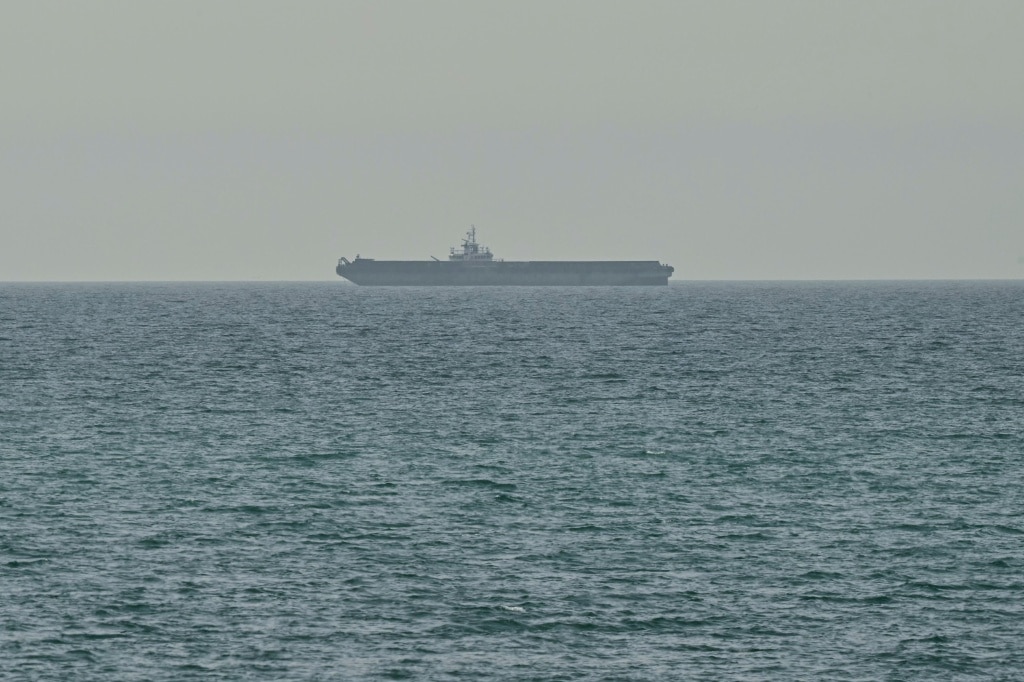
After surviving a 115-day ordeal stranded in the volatile Gulf waters amid escalating regional conflict, 51-year-old Bangladeshi ship captain Mohammad Shafiqul Islam has returned home to share his harrowing experience of leading 31 crew members through near-constant missile attacks, resource shortages, and blocked shipping lanes.
As captain of the bulk carrier *Banglar Joyjatra*, chartered by a Singapore-based firm, Islam arrived in the Gulf region in January 2024, one month ahead of the outbreak of open hostilities between the US-Israel alliance and Iran in February. The conflict quickly paralyzed the Strait of Hormuz, the economically critical chokepoint through which nearly 20% of the world’s daily oil trade passes, and Iranian attacks repeatedly targeted commercial shipping traffic across the Gulf.
In an exclusive interview with AFP from his home in Cumilla, eastern Bangladesh, Islam laid out the sequence of events that trapped his vessel. After loading 39,000 tonnes of steel coils at Qatar’s Mesaieed Port, the *Banglar Joyjatra* reached the outer anchorage of the United Arab Emirates’ Jebel Ali Port on February 26. Even before the first strike, the captain recalled an unnerving, ominous tension hanging over the water. That tension erupted in the early hours of February 28, when a missile slammed into an oil storage facility just 200 meters from the anchored bulk carrier, engulfing the tanks in raging flames that tugboats fought for hours to contain.
Bangladesh’s ambassador to the UAE urged Islam to evacuate his crew immediately, but the veteran captain made the risky decision to remain aboard, clinging to hope that the regional situation would de-escalate quickly. Instead, more missile strikes followed. In the chaos of the attacks, the ship’s electronic navigation system failed, forcing Islam to fall back on decades-old skills to manually plot the vessel’s position, using lighthouses to keep the ship anchored safely.
When attacks slowed a few days later, the *Banglar Joyjatra* unloaded its cargo and received orders to sail east through the Strait of Hormuz. By that point, however, Iran had effectively blockaded the key waterway. Just 25 nautical miles off Hormuz, the Islamic Revolutionary Guard Corps turned the vessel away, blocking it from proceeding. Repeated attempts to cross the strait over the following weeks ended with the same result, leaving the ship stranded offshore with dwindling supplies.
As fresh water ran low and food stocks grew thin, Islam implemented strict rationing to stretch supplies for the 31-person crew. He noted that many of the sailors were young, on their first international voyage, and left deeply traumatized by the constant threat of attack. To calm frayed nerves, the captain organized informal support: some crew members found comfort in reciting the Quran for hours each day, while others passed the anxious time on TikTok, trying to distract themselves from the danger surrounding them.
Even after a ceasefire was announced in April, the crew’s ordeal continued: a fresh attempt to cross the strait was still turned away by Iranian authorities. It was not until June 23 that the *Banglar Joyjatra* finally received official permission to traverse the Strait of Hormuz. Only after clearing the waterway did the exhausted crew allow themselves to relax. “We breathed a sigh of relief. God guided us,” Islam said.
The captain added that his family back in Bangladesh had spent months of sleepless nights worrying about the crew, and every time he returns from a long voyage, they urge him to retire from seafaring. But despite the 115 days of fear and uncertainty he just endured, Islam says he has no plans to leave the sea he has spent his career on: “But I have decided to keep sailing for many more years.”