博客

  • WWII shells surface in wildfire-ravaged French village

    WWII shells surface in wildfire-ravaged French village

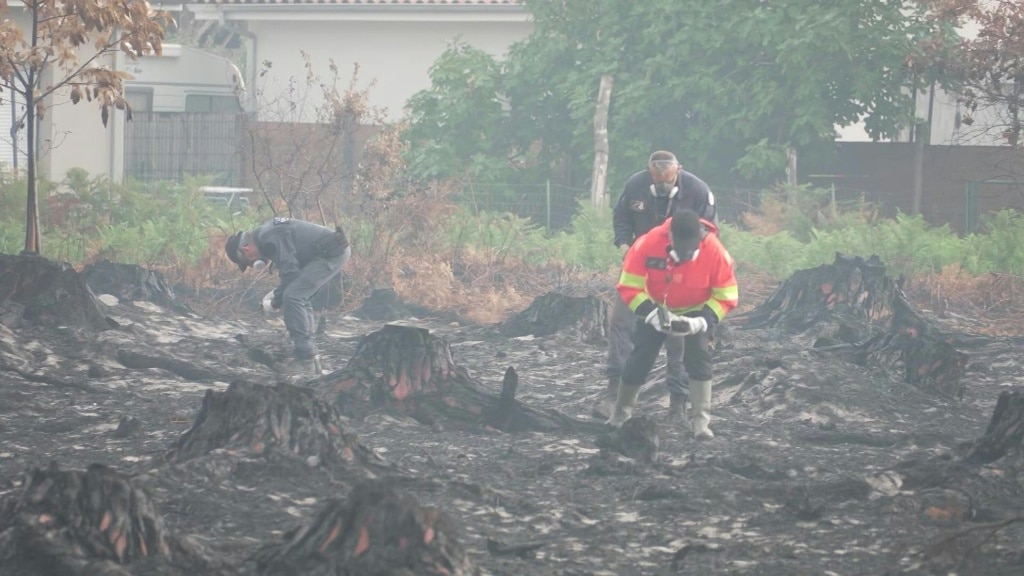
    A devastating large-scale wildfire that tore through forested areas near Bordeaux in southwestern France has unearthed a hidden leftover from World War II: hundreds of explosive munitions in the coastal village of Le Porge. After days of coordinated demining operations to clear the dangerous relics, all local residents were able to return to their residences starting Monday.

    Local government officials confirm that recovery teams have pulled approximately 400 intact shells and ammunition fragments from the fire-ravaged zone, where more than 180 residential properties were destroyed by the fast-spreading flames. During the height of the wildfire, residents and first responders reported hearing repeated loud explosions that were initially assumed to be rupturing gas cylinders stored in homes. But fire commander Thomas Mimiague says those blasts were almost certainly triggered by the heat of the fire igniting the long-buried World War II ordnance.

    A closer inspection of the recovered munitions shows the cache includes both German and French military hardware, dominated by mortar shells with a smaller number of high-explosive anti-tank rounds. Speaking on the origins of the cache, Mimiague noted that there is no clear documentation of why the munitions were placed in the area, but the leading working theory is that they were simply dumped and abandoned by military forces at the end of the conflict.

    The Le Porge find comes amid an unprecedented summer wildfire season across France. The Bordeaux region blitz, the most severe fire to hit the area since 1949, burned through more than 40,000 hectares (nearly 99,000 acres) of forest and brush over roughly 10 days before fire crews successfully brought it under control. Fortunately, the blaze did not spread into the region’s iconic premium wine-growing estates, avoiding widespread damage to the area’s world-famous wine industry.

  • US regulators grant long-awaited Boeing 737 MAX 7 certificate

    US regulators grant long-awaited Boeing 737 MAX 7 certificate

    More than eight years after its first test flight took to the skies, Boeing’s 737 MAX 7 has officially received airworthiness certification from U.S. regulators, marking a long-awaited milestone for the aerospace giant after years of crisis and regulatory scrutiny. The Federal Aviation Administration (FAA) announced the approval of the MAX 7, the smallest and newest member of Boeing’s troubled single-aisle MAX jet family, on Monday. The certification process was stretched far beyond original timelines by strict new regulatory requirements imposed after two deadly 737 MAX crashes in 2018 and 2019 that killed 346 people and shook global confidence in Boeing’s safety oversight.

    The green light, which had been widely expected by industry observers and company insiders in recent weeks, immediately sent Boeing’s share price surging 8 percent in trading. This certification marks the first new Boeing aircraft model to win regulatory approval since the 2018-2019 crisis pushed the company into a years-long period of reputational and financial damage.

    “This important certification validates the rigor of our airplane’s design and recognizes the determination and resilience of our 737 MAX development team,” said Stephanie Pope, president of Boeing Commercial Airplanes. “Our team stayed focused on completing all requirements and delivering a safe and more capable airplane to our customers.”

    In its own statement, the FAA confirmed that the approval followed “almost a decade of extensive review” and “years of sustained work to resolve complex technical issues” on the program. Boeing initially targeted 2019 for the first deliveries of the 172-seat MAX 7, a timeline that collapsed entirely after the two fatal crashes, and was further complicated by a mid-flight fuselage blowout on an Alaska Airlines 737 MAX 9 flight in January 2024 that reignited safety concerns across the MAX program.

    To earn certification, Boeing completed an exhaustive testing regimen including 441 separate flight tests totaling 686 hours of airborne evaluation. The 2018 and 2019 crashes were ultimately traced to a poorly designed anti-stall system called the Maneuvering Characteristics Augmentation System (MCAS), which was found to activate improperly and overpower pilot controls. U.S. prosecutors later charged that Boeing intentionally misled FAA regulators about MCAS, leaving the system unmentioned in flight manuals and pilot training materials. Congressional hearings also revealed weak FAA oversight of Boeing as a contributing cause of the crashes, leading to 2020 federal legislation that required Boeing to install upgraded angle-of-attack (AOA) sensors across the entire global fleet of more than 2,300 existing MAX aircraft within a two-year window.

    Boeing is now closing in on a second key certification milestone for the MAX family: approval for the MAX 10, the largest variant that can carry up to 230 passengers. The company is also continuing to work through regulatory processes for the long-delayed 777X widebody jet program.

    With certification of the MAX 7 secured, Boeing is moving forward with plans to ramp up MAX production to meet years of accumulated backlogged orders. The company confirmed Monday it is already preparing the first customer aircraft for delivery to launch operator Southwest Airlines, which welcomed the FAA’s decision and said it expects to introduce the MAX 7 into revenue service “in the coming months.”

    Boeing CEO Kelly Ortberg, who took the helm in August 2024 in the wake of the Alaska Airlines incident, has centered his leadership on strict quality control and hitting incremental production targets. The FAA has already approved gradual production increases for the MAX line, raising monthly output from 38 aircraft to 42, and most recently to 47 jets per month. Last week, Ortberg told financial analysts he does not expect major supply chain disruptions to slow the company’s plan to lift monthly MAX production to 52 jets, though he acknowledged challenges ahead as output climbs further.

    “I think it’s going to get harder as we go from 52 to 57 and beyond that. We’ll just have to see how well we’re all collectively doing,” Ortberg said. “But look, we’re on our plan. Our plan’s working.”

    In July, Boeing opened a new MAX production line at its Everett, Washington facility that is designed to support the target of 52 monthly MAX deliveries. Reaching this output level is critical to the company’s medium-term financial recovery goals, which include generating $10 billion in annual free cash flow after years of underperforming earnings that have weighed heavily on shareholder returns.

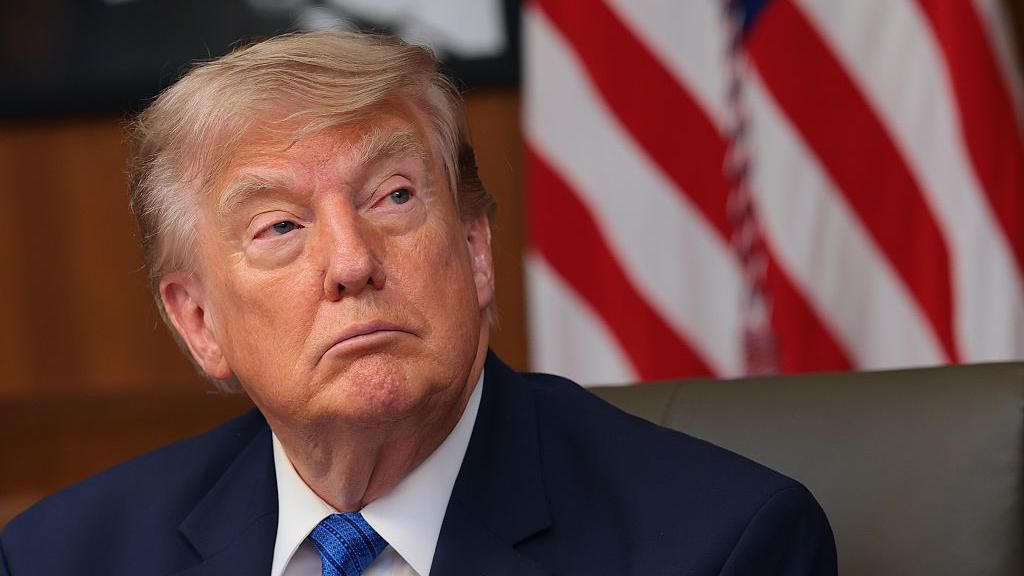
  • Why is Trump Media selling early access to Trump’s Truth Social posts?

    Why is Trump Media selling early access to Trump’s Truth Social posts?

    In a surprising business move that has sparked widespread discussion across digital and political circles, Trump Media & Technology Group, the parent company of former U.S. President Donald Trump’s social platform Truth Social, has introduced a high-cost premium service that grants elite subscribers early access to posts from high-profile accounts on the network.

    According to industry reports, the exclusive offering can cost eligible participants as much as $100,000 (equivalent to roughly £74,170) per calendar month for the privilege. The core perk of this premium tier is a significant time advantage: paying subscribers receive the content from influential Truth Social accounts milliseconds before those posts are made visible to the general public on the platform.

    For context, Truth Social was launched in 2022 as an alternative social media platform after Donald Trump was banned from major mainstream platforms including Twitter (now X) and Facebook following the 2021 Capitol riot. Since its launch, the platform has worked to build a loyal user base and generate consistent revenue to support its operations and growth goals. The launch of this high-priced early access program marks one of the most unconventional monetization strategies adopted by a major social media platform in recent years, drawing attention both to the company’s revenue priorities and the potential implications of pay-to-play early access for social media information dynamics.

  • Last Scottish island bird hunt banned after almost 500 years

    Last Scottish island bird hunt banned after almost 500 years

    After nearly half a millennium of annual tradition, a historic gannet chick hunt on a remote uninhabited Scottish island has been halted for 2026, government conservation officials announced Monday. The centuries-old practice, widely known as the Guga Hunt, will not proceed this year in response to growing risks to the local northern gannet population, according to NatureScot, Scotland’s national natural heritage agency.

    The hunt, which was first officially documented in 1549, sees a group of hunters from the Isle of Lewis called the Men of Ness undertake a grueling 40-mile voyage across rough, open seas to reach Sula Sgeir, a remote rocky islet off Scotland’s northwest coast. Once on the island, hunters use specialized long poles to remove juvenile gannets from cliffside nests, kill the birds, and cure their meat with salt before bringing it back to the Isle of Lewis to be prepared as a traditional local delicacy.

    NatureScot confirmed that the Men of Ness had submitted an application for a license to harvest up to 2,000 young gannets this season. After a full review, the agency rejected the request, citing the latest scientific research on the health of the Sula Sgeir gannet colony. The region’s gannet population suffered widespread mass mortality between 2021 and 2023 driven by outbreaks of avian influenza, leaving the colony vulnerable to further population decline. Conservation officials determined that allowing the hunt to proceed this year would carry a measurable risk of long-term harm to the colony’s recovery. The license ban will remain in place through 206, with hunters eligible to reapply for permission to resume the hunt in 2027 should the population show signs of recovery.

    The hunt has faced widespread opposition from animal rights advocates for decades, who have organized repeated petitions and campaigns calling for the practice to be ended permanently. However, the decision to cancel this year’s hunt has sparked disappointment among local communities who view the tradition as a core part of their cultural heritage. For centuries, wild bird meat was a critical source of nutrition for remote, marginalized communities in Scotland’s harsh northern island environments, where access to affordable food was often extremely limited. Guga, the salted gannet chick meat, is traditionally boiled for several hours and served with potatoes, and remains a cultural touchstone for local residents even today.

    John Malcolm, a 46-year-old local resident, told reporters that while he recognized the ban was a necessary outcome of the latest conservation science, the loss of the annual tradition is a significant loss to the region. “It’s a real shame,” he said. “The hunt’s been going for almost 500 years, and for generations it was seen as a sustainable practice that supported our community.”

  • Analysis: Trump fumes as top allies back down on his personal battles

    Analysis: Trump fumes as top allies back down on his personal battles

    Just months into the final stretch of his second presidential term, U.S. President Donald Trump is navigating a cascade of overlapping political and legal setbacks, with challenges emerging even from circles that have long remained unflinchingly loyal to his leadership. As the nation prepares for pivotal midterm congressional elections in three months, these recent hurdles have laid bare growing strains on his authority, and shifted the conversation around his political standing heading into the critical vote.

  • Ariana Grande has had enough of body comments, but ‘scrutiny’ will linger

    Ariana Grande has had enough of body comments, but ‘scrutiny’ will linger

    Global pop superstar and Oscar-nominated actress Ariana Grande has announced she will step away from all public-facing work and appearances following the conclusion of her current *Eternal Sunshine* Tour, after decades of relentless public scrutiny of her body and health that has intensified in recent weeks amid her new album rollout. The decision also includes canceling her previously announced lead role in a highly anticipated 2027 London stage production of Stephen Sondheim’s *Sunday in the Park with George*, where she was set to star opposite her *Wicked* co-star Jonathan Bailey.

    This latest chapter of public debate over Grande’s physique is not a new development. Three years ago, the star took to TikTok to directly address unsolicited comments about her weight and figure, urging the public to recognize that “many different ways to look healthy and beautiful.” Despite that plea, invasive speculation about her body and well-being has continued to spread across social media, reaching a fever pitch this month following the release of her eighth studio album *Eternal Sunshine* (titled *Petal* for its lead single) and its accompanying music video.

    The video for *Petal* directly confronts the toxic pressures of fame, with Grande portraying an aspiring starlet who cycles through multiple pop star personas to please a panel of male talent scouts. The judges ultimately tell her it “couldn’t hurt” to lose weight and say they miss “the way you used to be,” prompting a violent symbolic climax where the protagonist eliminates the panel with a chainsaw. In discussing the album, Grande explained it was written from a place of “unfiltered rage” — a raw departure from her usual creative perspective.

    Since the video’s release, social media has been flooded with commentary about Grande’s current appearance. While many commenters frame their scrutiny as rooted in genuine concern for her health, with top YouTube comments and posts on X noting she has become unusually thin, the star’s most loyal supporters have pushed back against the invasive discourse. The hashtag #Weloveyouariana trended globally over the weekend, with many users emphasizing that no one has the right to pass judgment on another person’s body or personal health journey.

    Music journalist Sophie Williams told BBC Radio 5 Live that the intensity of public commentary has spiked dramatically during Grande’s current press cycle for new music, and that this unrelenting scrutiny directly led to the star’s decision to step back. “The constant commentary around her has really, really elevated over the weekend as she’s been promoting new music,” Williams said. “So we’re led to think in part that that [commentary] has brought us to this decision.”

    Grande will wrap up her *Eternal Sunshine* Tour with a stop in Chicago this week, followed by 10 sold-out shows at London’s O2 Arena that conclude on September 1. Once the tour ends, she will begin an extended, well-deserved break from all public work and appearances.

    For Grande, this kind of invasive public attention is not a new experience: she has lived in the global spotlight for more than 15 years, half of her lifetime. During the 2024 press tour for the first *Wicked* film, for which she earned a 2025 Oscar nomination for her portrayal of Glinda, she reflected on the constant criticism she has faced since entering the industry as a teenager.

    “I’ve been doing this in front of the public and been a specimen in a petri dish since I was 16 or 17, so I have heard it all,” she said. “I’ve heard every version of it, of what’s wrong with me. And then you fix it, and then it’s wrong for different reasons. But that’s everything from – even just the simplest thing – your appearance, you know? It’s hard to protect yourself from that noise.”

    Grande first rose to fame as a teenage actress on Nickelodeon’s hit sitcom *Victorious* and its spin-off *Sam & Cat*, after beginning her singing career at age 8. Since releasing her debut single in 2011, she has earned 10 number-one singles on the U.S. Billboard charts, 20 Grammy Award nominations, and three Grammy wins, alongside a critically acclaimed transition to film that netted her an Oscar nomination last year.

    But alongside her unprecedented professional success, Grande has navigated severe public trauma and mental health challenges that have played out entirely in the public eye. In 2017, a suicide bomb attack outside her Manchester Arena concert killed 22 concertgoers, leaving Grande with post-traumatic stress disorder that she opened up about the following year. She has also spoken publicly about crippling grief following the 2018 death of her ex-boyfriend Mac Miller, as well as her ongoing experiences with depression and obsessive-compulsive disorder. Her high-profile romantic relationships and breakups have also remained a constant target of tabloid attention for decades. In a new track from her latest album, titled *Oh Well*, she directs a blunt message to former partners, singing that they can “all go to hell.”

    Long an advocate for mental health support for young performers, Grande has repeatedly called for mandatory therapy access for all child stars. This summer, she launched the Brighter Days Ahead Foundation, a mental health initiative that provides support to tour crew and performers working in the entertainment industry.

    Williams, the music journalist, noted that Grande’s decades of public life and public trauma make the current scrutiny particularly unfair. “A lot of people perhaps forget that she’s been famous for nearly 15 years, and she has a unique story in that she sadly lived out a lot of trauma in the public eye,” Williams told BBC News. “As fans and those working in music, all that we can do is wish her well.”

    Grande first pushed back against body commentary three years ago, emphasizing that even well-intentioned comments about a person’s appearance can cause harm. She pointed out that the period when the public widely praised her as looking her healthiest actually coincided with the unhealthiest period of her life, when she was on antidepressants and struggling with disordered eating and alcohol use.

    “I think we should be gentler and less comfortable commenting on people’s bodies, no matter what,” she said in her 2023 TikTok appeal. “Healthy can look different. You never know what someone is going through, so even if you are coming from a loving place and a caring place, that person probably is working on it or has a support system that they are working on it with.”

  • I left my wife and twins behind – why this Nigerian man fled South Africa

    I left my wife and twins behind – why this Nigerian man fled South Africa

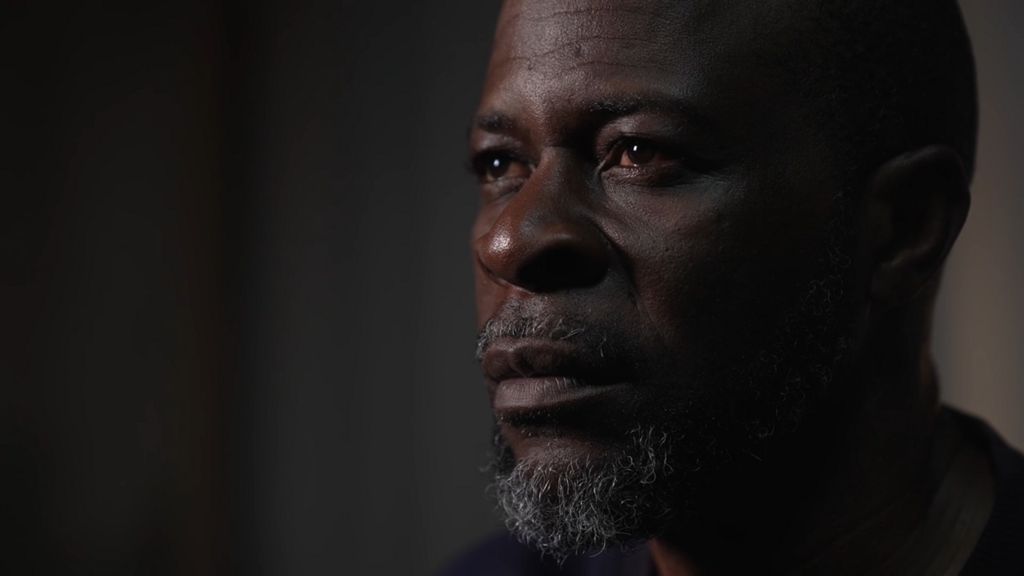
    In the wake of escalating anti-migrant protests that have roiled South Africa since early 2024, tens of thousands of foreign migrants have abandoned their lives, businesses and loved ones to flee the country, turning a wave of popular hostility into a continental diplomatic crisis that has strained Pan-African solidarity. For 47-year-old Nigerian migrant Richard Itoro, the decision to get on a voluntary repatriation flight to Lagos in June came after 15 years of building a stable life in Johannesburg: he owned a successful car dealership, purchased a home, and built a family with his South African wife and their twin children. But when anti-migrant sentiment reached a fever pitch, even his legal status could not shield him and his family from targeted intimidation.\n\nItoro says neighbors began harassing his wife, telling her she had betrayed South Africa by marrying a Nigerian and ordering the entire family to leave the country. ‘My family was just a small, peaceful, beautiful family. I never had any conflict with anyone,’ Itoro told the BBC, his voice breaking as he recalled saying goodbye to his wife. ‘Starting over from scratch back home is better than staying here, being harassed and living in constant fear for my life.’ Even with valid documentation proving his legal right to reside in South Africa, the Nigerian high commission refused to allow Itoro to bring his wife and children with him on the repatriation flight. He compared the experience to fleeing a besieged city on the last evacuation helicopter: ‘I watched the car pull away, and all I could do was wish I had told her not to cry.’ Today, Itoro rebuilds his life in Lagos, but he remains separated from his family, speaking to them every day while he waits for enough stability to bring them home. ‘It feels like I lost everything,’ he said. ‘It’s heartbreaking, but I hold out hope that my wife will join me soon.’\n\nItoro’s story is far from unique. The wave of anti-migrant protests reached a peak in late June, led by groups that claim they are targeting only undocumented migrants to address South Africa’s crippling 32% unemployment rate. Gayton McKenzie, South Africa’s outspoken Culture Minister and leader of a key party in the country’s coalition government, has echoed this framing: ‘No man can feed another man’s children while his own children go hungry. Our people are starving for jobs,’ he said, backing calls for undocumented migrants to leave the country. He emphasized that South Africa remains open to migrants who enter through legal channels with proper documentation. But multiple African governments say even documented migrants have been targeted in the wave of hostility, putting paid to claims that the crackdown only targets people without papers.\n\nEmmanuel Asamoah, a 37-year-old Ghanaian hairstylist who moved to Soweto in 2023 to pursue better economic opportunity, is one such example. He had a valid stamp in his passport granting him permission to reside in the country, but earlier this year he was surrounded by a group of local residents who harassed him, pushed him, and demanded he leave. A video of the confrontation circulated widely on social media, sparking outrage across the continent. ‘They said we were ruining their country, that we were taking their jobs and their girlfriends, that they had nothing because of us,’ Asamoah recalled. He returned to Accra, Ghana’s capital, in May, where he has since opened a new cement business with support from a local entrepreneur. ‘I tell my former neighbors in South Africa: I’m back home fixing my country now,’ he said.\n\nThe crisis has already done severe damage to South Africa’s standing across the continent, with social media videos of attacks on migrants amplifying public anger in neighboring countries. Tensions spiked further last week after a Nigerian citizen was killed during a police arrest on suspected drug charges, prompting South Africa to launch an independent investigation into the death. Speaking after a meeting with his South African counterpart Ronald Lamola, Nigerian Minister of State for Foreign Affairs Sola Enikanolaiye made clear that documented Nigerians have been targeted: ‘We have records of Nigerians with valid legal permission to stay in South Africa who have still been attacked.’ Lamola countered that South Africa is committed to prosecuting people who take vigilante action, but also defended the country’s right to enforce its immigration laws: ‘President Cyril Ramaphosa is very firm on South Africa’s sovereign right to enforce our immigration rules.’\n\nGhana’s Foreign Minister Samuel Okudzeto Ablakwa says the treatment of Ghanaian migrants violates the core spirit of Pan-Africanism and continental integration, pointing out that other African countries supported South Africa’s fight against apartheid before it ended in 1994. ‘South Africa should be the epitome of Pan-Africanism. We talk constantly about African integration and free movement of people,’ he told the BBC. ‘Even if you have serious challenges with high irregular immigration, is this how you resolve the issue?’ Beyond Nigeria and Ghana, Malawi has also organized repatriation transport for its citizens fleeing the hostility, with tens of thousands of migrants having left South Africa over the past two months alone. For the thousands of migrants who have returned home, the crisis has brought fractured families, dashed economic dreams, and an uncertain future – even as some have managed to build unexpected new starts on their home soil.

  • Why keeping youth discontent in check remains Indian PM Modi’s biggest challenge

    Why keeping youth discontent in check remains Indian PM Modi’s biggest challenge

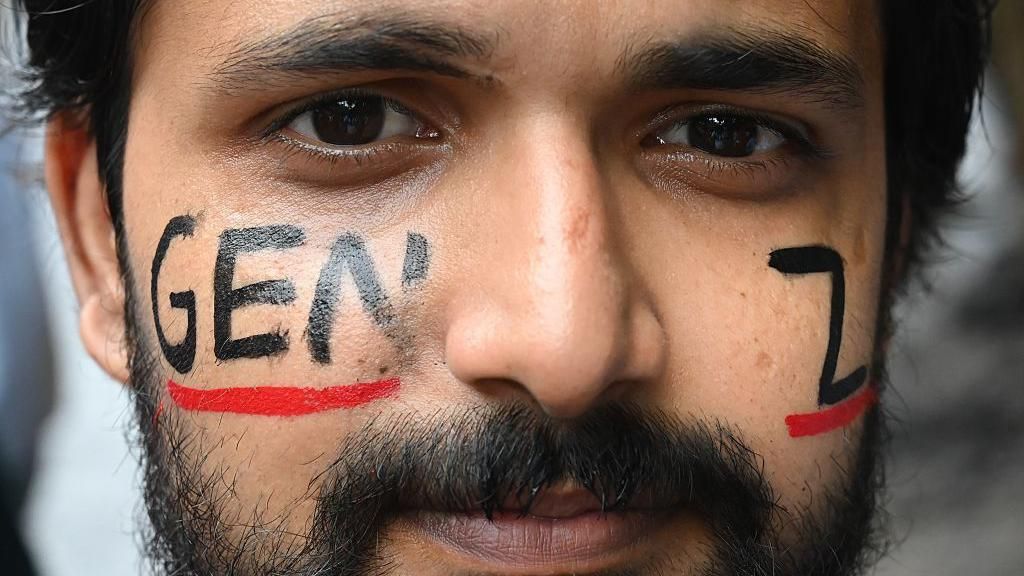
    Last month, widespread street protests led by India’s Gen Z over repeated incidents of standardized entrance exam leaks forced the resignation of then-Education Minister Dharmendra Pradhan. While the resignation allowed Prime Minister Narendra Modi’s administration to defuse an immediate political crisis, analysts warn that simmering youth discontent over systemic failures in education and employment will remain a persistent, long-term challenge for the government. In the immediate aftermath of Pradhan’s departure, Modi moved quickly to implement immediate, visible reforms: he established fast-track courts to prosecute individuals accused of orchestrating exam leaks, and tapped Nandan Nilekani, a prominent Indian tech billionaire, to lead a national initiative to overhaul the country’s flawed examination system. But experts agree that these targeted steps are not enough to address the deep-seated anxiety gripping India’s young population, who have grown increasingly frustrated with a system that fails to deliver quality education pathways to stable, productive livelihoods.

    Veteran economist Santosh Mehrotra, author of *India Out of Work: Rethinking India’s Growth Story*, described the dual crisis facing Asia’s largest economy in comments to the BBC. “The labour market has become brutal in the last 10 years. Non-farm jobs have not been growing and real wages have stagnated,” he explained. “India has a simultaneous problem. The economy is structurally weak as a result of which demand for labour is not growing. And our education system is so poor, that it is unable to supply new labour that is employable.” For years, the Modi government has leaned on rapid GDP growth driven by large-scale public infrastructure spending to push back against criticism of India’s uneven economic expansion. But the mass youth uprisings of last month may finally force policymakers to confront the interlocking crises of failing education and soaring youth unemployment, according to policy experts. Mehrotra notes that the expansion of India’s welfare state, particularly the rollout of direct cash transfers to low-income households, signals that the government has already recognized the severity of the crisis in private — even if it has not yet articulated a comprehensive public solution. The scale of the problem, however, is enormous.

    India is home to the world’s largest youth population: more than 360 million people between the ages of 15 and 29. Over the past two decades, the country has made notable gains in expanding access to education, with enrollment rates climbing and the number of private colleges and vocational training institutes growing exponentially. Yet the 2026 *State of Working India* report from Azim Premji University confirms that the transition from classroom to the workforce remains one of the country’s most intractable social challenges, especially for young graduates. Data from the report shows that youth unemployment rates are nearly four times higher than unemployment among older workers, and far outpace global averages. Graduate unemployment has hovered between 35% and 40% for the last 25 years, but the crisis has been amplified in recent decades by India’s demographic boom and rising education attainment. In 1983, just 4% of Indians aged 20 to 29 held graduate degrees, and 13% of those graduates were out of work. By 2023, that share of young graduates jumped to 28% — and 67% of those graduates remained unemployed.

    The disconnect between growing graduate numbers and available skilled jobs lies at the heart of the crisis. While India has produced millions of new graduates annually, the expansion of the educated workforce has not been matched by a corresponding increase in graduate-level employment. Between 2004-05 and 2023, India added roughly five million new graduates to the workforce each year, but only around 2.8 million of those graduates secured any form of employment, and an even smaller share landed stable salaried roles. This mismatch has driven up unemployment and suppressed wage growth for young workers. Worse, the *State of Working India* report finds that hard work and educational ambition rarely translate to stable success today: barely 3.7% of graduates and post-graduates secure white-collar roles, and fewer than 7% land permanent salaried positions.

    Experts emphasize that this crisis cannot be fixed with short-term policy patches. Mehrotra argues that reviving small and medium-sized enterprises (SMEs), which have never fully recovered from the 2016 demonetization policy that removed 86% of India’s circulating currency in four hours, and the uneven rollout of the national goods and services tax, could deliver some near-term job gains. But India needs a sweeping new industrial policy focused on revitalizing the country’s manufacturing sector to create enough jobs for its growing youth workforce, he adds. Manufacturing’s share of India’s GDP has fallen from 17% in 2015 to 14% today. Manufacturing employment declined for five years after 2015, and has only rebounded slightly to pre-decline levels in recent years. Compounding this, total agricultural employment has risen by 80 million since 2020, a trend that Mehrotra calls a clear indicator of widespread disguised unemployment. In most fast-growing industrializing economies, workers typically move out of low-productivity agricultural work into manufacturing or services; the reverse trend in India signals a deep failure of job creation.

    In recent years, the rise of artificial intelligence has added an entirely new layer of pressure to India’s job market, upending the business model of the software services industry that has been the backbone of India’s middle-class growth for three decades. A 2024 report from Wall Street investment bank Goldman Sachs estimates that between 8% and 12% of non-farm jobs in India are at risk of displacement by AI, and the impacts of this shift are already visible. Neeti Sharma, CEO of Team Lease Digital, one of India’s leading staffing agencies, told the BBC that IT hiring growth has slowed to single digits in recent months, while unstable contract work has become the norm and wages have remained stagnant for years. The stable knowledge-based jobs that Indian STEM graduates once took for granted are no longer available in large numbers.

    The growing frustration in the once-thriving tech sector boiled over into public view recently, when a corporate event hosted by HCL Technologies, one of India’s largest software firms, in Chennai was disrupted by hundreds of employees chanting in unison for wage increases. The protest underscored how the tech industry, once seen as a golden ticket to upward mobility, has ceased to deliver on that promise for many young workers. Sharma argues that both young workers and educational institutions need to adapt to this new reality: graduates must abandon the expectation of traditional white-collar office jobs, and post-secondary institutions must shift their focus from academic degree programs to vocational skills training, as employers increasingly prioritize demonstrated skills over formal degrees. This means that even degree-holding young Indians may need to pursue careers in skilled trades such as plumbing, electrical work, and automotive repair, rather than expecting comfortable, air-conditioned office roles.

    As leading market investor Devina Mehra observed on social platform X, this shift means that India’s current young generation can no longer take for granted that they will achieve a higher standard of living than their parents. For India, still in an early stage of economic development, stagnating earnings for a large share of the workforce could be a “disaster” — one that the Modi government will need to prioritize aggressively to avoid long-term social and political unrest.

  • Brisbane police arrest wanted man after dramatic Moorooka shopping centre chase caught on dashcam

    Brisbane police arrest wanted man after dramatic Moorooka shopping centre chase caught on dashcam

    A high-stakes police pursuit that wound through suburban Brisbane ended in a dramatic manhunt through a busy shopping centre carpark, with two people now in custody facing a string of serious motor vehicle offences. The tense operation unfolded on Friday evening, starting just after 7:25 pm when patrol officers spotted a man and a woman exiting a residence on Spencer Street in Redbank, climbing into a stolen Mercedes sedan.

    Law enforcement immediately began tracking the vehicle as the 30-year-old male driver sped toward inner-city Brisbane, with officers alleging he operated the car in an extremely dangerous manner at excessive speed throughout the pursuit. To stop the fleeing vehicle, police deployed a tyre deflation device on a road leading into Moorooka, which successfully punctured one of the Mercedes’ front tyres. Undeterred, the driver continued moving, grinding the flattened rim along the asphalt for several kilometres before abandoning the car near Moorooka Square and fleeing on foot into the open shopping centre precinct.

    Newly released dashcam footage from Queensland Police captures the next intense phase of the operation: an unmarked police vehicle cuts across marked parking bays and navigates around dozens of stationary parked cars at high speed, as officers close the gap on the running suspect. Within minutes of the suspect entering the carpark, officers cornered and arrested him without further incident.

    Following the male suspect’s capture, police launched a secondary search for the 29-year-old woman who had remained with the vehicle. Authorities allege she drove the damaged Mercedes away from the shopping centre precinct as officers focused on apprehending the male suspect. A second tyre deflation device was deployed to stop her vehicle, and she was taken into custody shortly after.

    The 30-year-old male suspect has been charged with nine separate criminal offences, including two counts of unauthorised use of a motor vehicle, one count of dangerous vehicle operation, and one count of unlicensed driving. He made his first court appearance at Brisbane Magistrates Court on Monday. The female co-accused faces a single charge of dangerous operation of a motor vehicle, and is scheduled to appear at the same Brisbane court on 31 August.

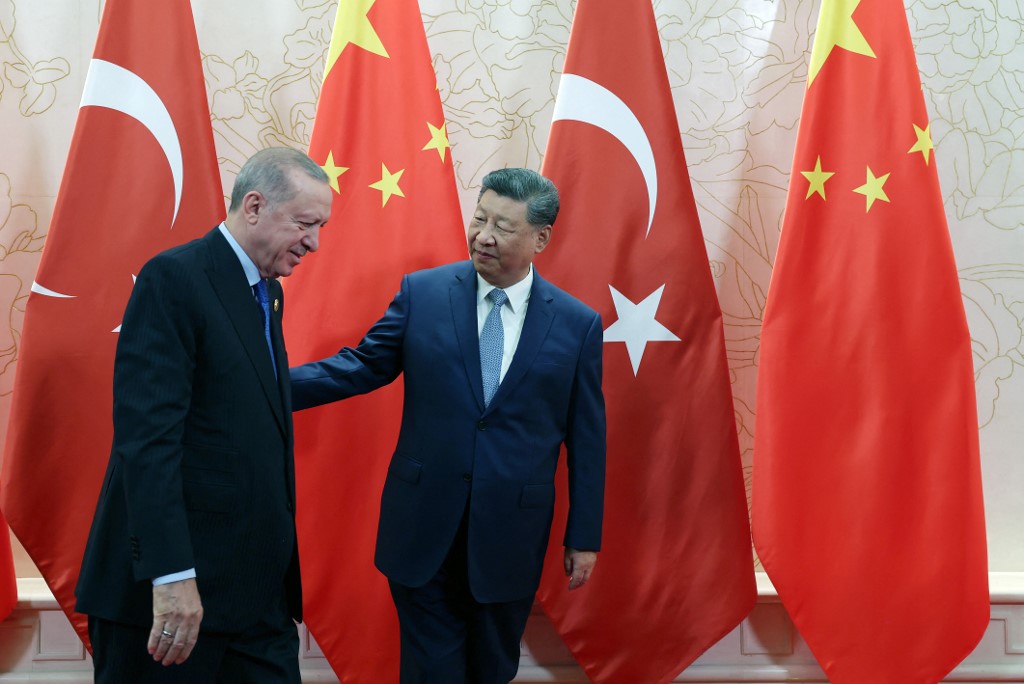
  • China steps up ‘propaganda blitz’ in Turkey amid investment fallout

    China steps up ‘propaganda blitz’ in Turkey amid investment fallout

    When Chinese electric vehicle giant BYD paused plans to construct a manufacturing plant in Turkey back in June, shifting its production priorities to existing European facilities, the decision sent ripples through bilateral relations between Ankara and Beijing. What made the reversal particularly awkward for Turkey’s ruling government was the suite of generous tax breaks Ankara had already granted to BYD for domestic vehicle sales, long before any ground was broken on the promised facility.

    The early incentives have already paid major dividends for BYD: the automaker’s Turkish sales skyrocketed to more than 45,000 units in 2025, and industry experts estimate the tax advantages have netted the firm between $500 million and $1 billion in extra profits from the Turkish market to date. The collapse of the plant deal left Beijing’s reputation in Turkey on shaky ground, prompting a sweeping public relations push to reverse the growing negative sentiment, according to a Turkish government consultant who spoke to Middle East Eye.

    Ankara, the consultant added, has grown increasingly frustrated with what it views as a pattern of Chinese negotiating behavior: creating the perception that a final binding agreement has been reached, only to return to the table later with an expanded list of new demands. For observers who track China’s activities in Turkey closely, the accelerated PR campaign has been impossible to miss.

    China’s embassy in Ankara has begun placing unsigned, pro-Beijing opinion pieces in pro-government Turkish media, emphasizing the strategic importance of high-level ties between the Chinese Communist Party and Turkey’s ruling Justice and Development Party (AKP). The embassy has also pushed widespread coverage of the launch of *Volume Five of Xi Jinping: The Governance of China* across government-aligned Turkish media outlets.

    Nurettin Akcay, a Turkish academic who specializes in Chinese affairs, confirms that the BYD collapse has undeniably amplified anti-China sentiment among the Turkish public. He notes, however, that the expansion of China’s public diplomacy work in Turkey is not an entirely new development—Beijing has long cultivated ties with Turkish journalists and opinion leaders, regularly organizing all-expenses-paid visits to China long before the BYD deal fell through.

    Turkey and China have navigated a fraught bilateral relationship for more than a decade, with the status of the Uyghur people serving as the most persistent and divisive sticking point. Until 2020, Ankara worked to limit critical Turkish media coverage of human rights abuses against Uyghurs in Xinjiang, holding out hope that the gesture would clear the way for large-scale Chinese investment. In a high-profile step to improve ties at Beijing’s request, Turkish Foreign Minister Hakan Fidan visited the Uyghur-majority Xinjiang Uyghur Autonomous Region in June 2024, a trip billed as resolving one of the core barriers to closer economic cooperation. Yet despite months of negotiations in the wake of Fidan’s visit, the promised electric vehicle plant investments from both BYD and fellow Chinese automaker Chery have yet to move forward.

    Akcay, who earned his PhD from Shanghai University, has faced personal repercussions for his public tracking of Chinese lobbying efforts in Turkey. He recently revealed via social media platform X that Shanghai University sent him an official email notifying him that the institution had received dozens of complaints over his critical reporting on China. As a result, the university asked him to stop publicly referencing his PhD degree earned at the school, and Akcay says he now expects he will be permanently barred from re-entering China.

    Akcay explains that Beijing’s current outreach strategy in Turkey centers on what he terms “elite engagement”: a curated form of showcase diplomacy that invites prominent Turkish figures to visit carefully selected sites across China to project a sanitized, positive image of the country to the Turkish public. Last month, for example, the China-Turkey Friendship Foundation—a Chinese state-funded organization—organized an eight-day press tour to Xinjiang for journalists from leading Turkish opposition and independent outlets, including T24, Halk TV, Cumhuriyet and Haberturk TV.

    None of the participating journalists published coverage echoing international allegations of systemic mistreatment of Uyghurs in Xinjiang; instead, their reports focused on what they described as terrorist threats from radical groups in the region and China’s economic integration policies. Multiple outlets used nearly identical phrasing in their coverage, highlighting Xinjiang’s central role to China’s industrial growth and the Belt and Road Initiative, while framing tourism as a core driver of the region’s development.

    This curated narrative directly contradicts findings from global human rights organizations. Human Rights Watch’s 2026 World Report documented that Chinese authorities have tightened ideological controls across Xinjiang and Tibet over the past year, while continuing a harsh campaign of forced assimilation against Uyghur and Tibetan communities. The organization notes that there has never been accountability for crimes against humanity in Xinjiang, where hundreds of thousands of Uyghurs remain arbitrarily detained. Since 2017, the Chinese government has detained hundreds of thousands of Uyghurs in extrajudicial “re-education camps,” demolished thousands of mosques and Islamic cemeteries, and banned religious education for Uyghur communities across Xinjiang.

    “Everything is planned, and China gets precisely what it wants because visitors are shown only what they are intended to see,” Akcay said. “Consequently, journalists who visit China encounter a positive picture without fully understanding the broader context of human rights abuses in the region.”

    Beyond outreach to journalists and ruling party allies, China’s recent influence campaign in Turkey has expanded to include direct engagement with Turkey’s opposition parties, including the conservative Islamist New Welfare Party and the nationalist Victory Party. A New Welfare Party delegation traveled to China in June, and Chinese Ambassador to Turkey Jiang Xuebin met the party’s chairman Fatih Erbakan just last month. Akcay says Beijing has worked to build positive ties with nearly all of Turkey’s opposition factions, regardless of size, with the Uyghur issue once again serving as the core motivating factor.

    Right-wing opposition parties in Turkey can speak relatively openly about the Uyghur issue because it resonates strongly with their conservative, nationalist voter bases, Akcay explains. By cultivating ties across the entire political spectrum, Beijing aims to blunt rising domestic criticism of China within Turkey, and prevent that criticism from escalating into large-scale grassroots campaigns against Chinese investment or policy. While Akcay does not believe the campaign has completely reshaped Turkish public opinion of China, he assesses that the strategy has been partially successful in preventing the emergence of a coordinated, radical counter-movement.

    “China is seeking to minimise domestic criticism within Turkey by pursuing a broad engagement strategy,” he noted, adding: “It may not completely transform public perceptions, but it is pursuing an effective strategy to prevent the emergence of a radical counter-campaign.”