博客

  • EU calls for stronger borders after Ceuta migrant crossings

    EU calls for stronger borders after Ceuta migrant crossings

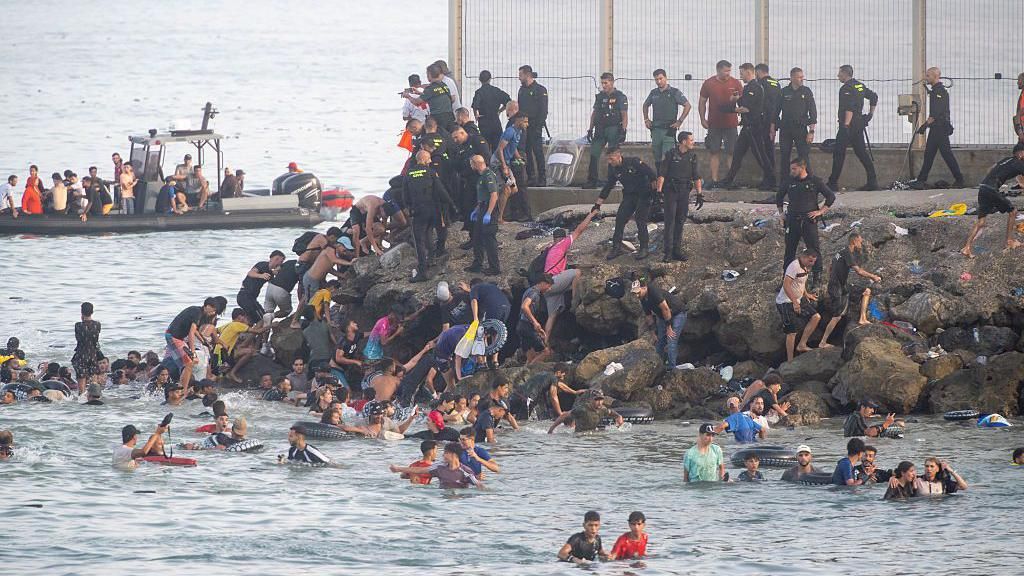
    A sudden, chaotic mass crossing of thousands of migrants from Morocco into Spain’s North African exclave of Ceuta at the end of July has sent ripples of division across the European Union, prompting top EU leaders to demand coordinated collective action to strengthen the bloc’s external border security.

    In the wake of the unprecedented influx, latest official updates show that more than 69,500 of the migrants who entered Ceuta have already traveled back to Morocco — a figure that outpaces the initial projection of 50,000 returnees. The human cost of the crisis has been steep: 72 people have been confirmed dead on the Spanish side of the border, while an additional 11 fatalities have been recorded on Moroccan territory.

    European Commission President Ursula von der Leyen has called for unified EU action to address gaps in border management, following the crisis. In a formal letter addressed to Spanish Prime Minister Pedro Sánchez, von der Leyen commended the Spanish government for its rapid response to the emergency, but stressed that the incident exposed critical weaknesses that demand collective remediation.

    “From this incident, it is clear that we must do more to further strengthen our borders at critical points,” von der Leyen wrote. She emphasized that protecting the EU’s shared external borders is a collective responsibility for all member states, calling for enhanced vigilance, targeted monitoring and the deployment of physical infrastructure to secure high-risk crossing points where necessary.

    To address the fallout and map out a coordinated path forward, EU interior ministers will hold an emergency video conference on Tuesday. During the talks, the bloc will work to identify key lessons from the Ceuta crisis, with von der Leyen noting that irregular migration is a shared challenge that can only be resolved through a unified, collective European response rooted in solidarity.

    She laid out five core priorities for the bloc to ramp up its action: partnering with non-EU source and transit countries to prevent irregular departures in the first place; bolstering security and capacity at the EU’s external borders; rolling out continent-wide early warning systems for migration surges; dismantling transnational human smuggling networks; and streamlining processes for the safe return of migrants who do not qualify for asylum or residency.

    The crisis has already exposed deep rifts within the EU’s 27 member states over migration and border policy. In response to the Ceuta crossings, Italy unilaterally announced a temporary suspension of its Schengen Area border-free arrangements with Spain. The Schengen Agreement, one of the EU’s landmark integration projects, eliminates internal border checks across 29 European countries, serving a population of more than 450 million people.

    Italy’s move drew public backing from Finland and Denmark, while Czech Prime Minister Andrej Babiš went a step further, calling for Spain to be temporarily suspended from full Schengen membership entirely.

    Sánchez has pushed back sharply against these actions, noting that Ceuta has never been part of the Schengen Area, and that the crossing rules for the exclave do not fall under Schengen’s jurisdiction. The Spanish prime minister said he holds “serious concerns” about the positions taken by some fellow EU governments, acknowledging that most member states have offered Madrid support and solidarity, but accusing others of launching unfair political attacks driven by prejudice, misinformation, ignorance or domestic political gain.

    Spain has blamed criminal human traffickers for engineering the mass crossing, saying the smuggling networks exploited a recent ruling by the Spanish Supreme Court that restricted the government’s authority to carry out immediate deportations of irregular migrants who arrive by sea. As of Saturday, Spanish Interior Minister Fernando Grande-Marlaska confirmed that the situation in Ceuta has nearly returned to full normalcy. The government is currently developing a new inflatable floating barrier to block future unauthorized water crossings in the region.


  • Charred homes, burned out cars – before and after images show Spokane wildfire destruction

    Charred homes, burned out cars – before and after images show Spokane wildfire destruction

    When wildfires swept through parts of Spokane, Washington state in recent days, the scale of the destruction they left behind has been laid bare in stark side-by-side imagery. The verification team at BBC has conducted a detailed comparative analysis, cross-referencing user-posted videos captured in the immediate aftermath of the blaze with archived street-level photographs taken of the same neighborhoods before the fire reached the area.

    The resulting comparison leaves no room for doubt about the ferocity of the wildfire. What once stood as occupied family homes are now nothing more than blackened, charred foundations, their structures completely reduced to ash. Private vehicles parked along residential streets have been turned into melted, burned-out hulks, their metal frames warped by the extreme heat of the advancing flames. Every frame of the comparison highlights how entire blocks of the community have been fundamentally altered by the disaster, with little left intact in the most severely affected areas.

    This visual verification work comes as local emergency management teams continue to work through the process of counting damaged and destroyed structures, and accounting for displaced residents. By matching geolocated post-fire footage to pre-fire street imagery, the BBC Verify team has been able to independently confirm the scope of the damage that has already been reported by local officials, giving the public a clearer understanding of just how much the Spokane area has lost to the ongoing wildfire event.

  • Josh Addo-Carr sends emotional message to injured ‘brother’ Latrell Mitchell

    Josh Addo-Carr sends emotional message to injured ‘brother’ Latrell Mitchell

    Australian rugby league star Josh Addo-Carr has opened up about his deep worry for long-time teammate and close friend Latrell Mitchell, as the injured center continues his prolonged battle to return to competitive play. Addo-Carr also revealed he holds out strong hope that the pair can rekindle their devastating on-field partnership at the upcoming Rugby League World Cup this October.

    Mitchell, who plies his trade with South Sydney, has not featured in a match since Round 11 of the current NRL season, sidelined by persistent back and calf injuries that ultimately forced him to miss the entire 2024 State of Origin series. Two weeks ago, South Sydney confirmed Mitchell had consulted a specialist neurologist to address complex nerve damage, a frustrating injury that has kept him off the pitch for months. He is also set to miss this weekend’s Indigenous Round clash against Parramatta, leaving the rugby league community and his closest loved ones waiting anxiously for his recovery.

    In a candid interview, Addo-Carr shared that he stays in regular contact with Mitchell to check on his progress. “I speak to him all the time,” the veteran winger said. “I rang him the other day and said ‘love you, brother’. You don’t wish injuries upon any player – everyone wants to play every week and train every day. But this is just how things are right now. I always make sure to check in, I know he’s doing everything he can to get back out there. He’s my brother, and I hope he returns very, very soon.”

    The Australian national Kangaroos squad is also pinning its hopes on Mitchell regaining full fitness in time for the World Cup, which kicks off on October 15. The pair delivered a historic performance for Australia at the 2021 (held 2022) tournament, where Mitchell scored two tries in the final victory and Addo-Carr crossed for 12 tries across the opening four games on Australia’s way to lifting the world title. Their left-edge combination was widely regarded as unstoppable throughout that campaign.

    For Addo-Carr, a spot in the 2024 World Cup squad remains within reach. The winger has notched six tries so far this NRL season – his lowest seasonal tally since his debut year – but remains in contention after a strong showing on last year’s Ashes tour. With key contenders Xavier Coates sidelined by an Achilles injury and Mark Nawaqanitawase switching codes to rugby, Addo-Carr has held multiple conversations with Kangaroos head coach Kevin Walters about his selection prospects.

    “That would be mad if I got picked,” Addo-Carr said. “I’ve had a few phone calls with Kevvy, we check in all the time, we’ve got a really close connection. I’ve told him I definitely won’t let him down, so hopefully I get that call up. I’d love nothing more than to pull on that Kangaroos jersey again. When someone backs you, you don’t want to disappoint. He gave me an opportunity last year, and I won’t let him down this time.”

    Reflecting on the 2022 World Cup camp, Addo-Carr called it the best representative camp of his career. “We played the hardest teams in the world, and we came out on top,” he said. “That Aussie camp, with the coaches and all the players, it’s such a fun environment. We work hard together during the week, and getting to play footy together is the best part. I absolutely love being there and representing the best country in the world.”

    While Australia enters the tournament as defending champions and pre-tournament favorites, much of the pre-tournament hype has centered on a formidable New Zealand forward pack that many tip to challenge the Kangaroos’ crown. When asked about growing external hype around the Kiwis and doubt cast on Australia’s chances, Addo-Carr brushed off the chatter. “They can talk all they want,” he said. “We just stay humble, go about our business, that’s what Australians do. Hopefully I get the call up, and I won’t let Kevvy down, I won’t let our country down, and I won’t let my teammates down.”

  • ICC states decision on Karim Khan ‘inherently political’, says leading criminal law expert

    ICC states decision on Karim Khan ‘inherently political’, says leading criminal law expert

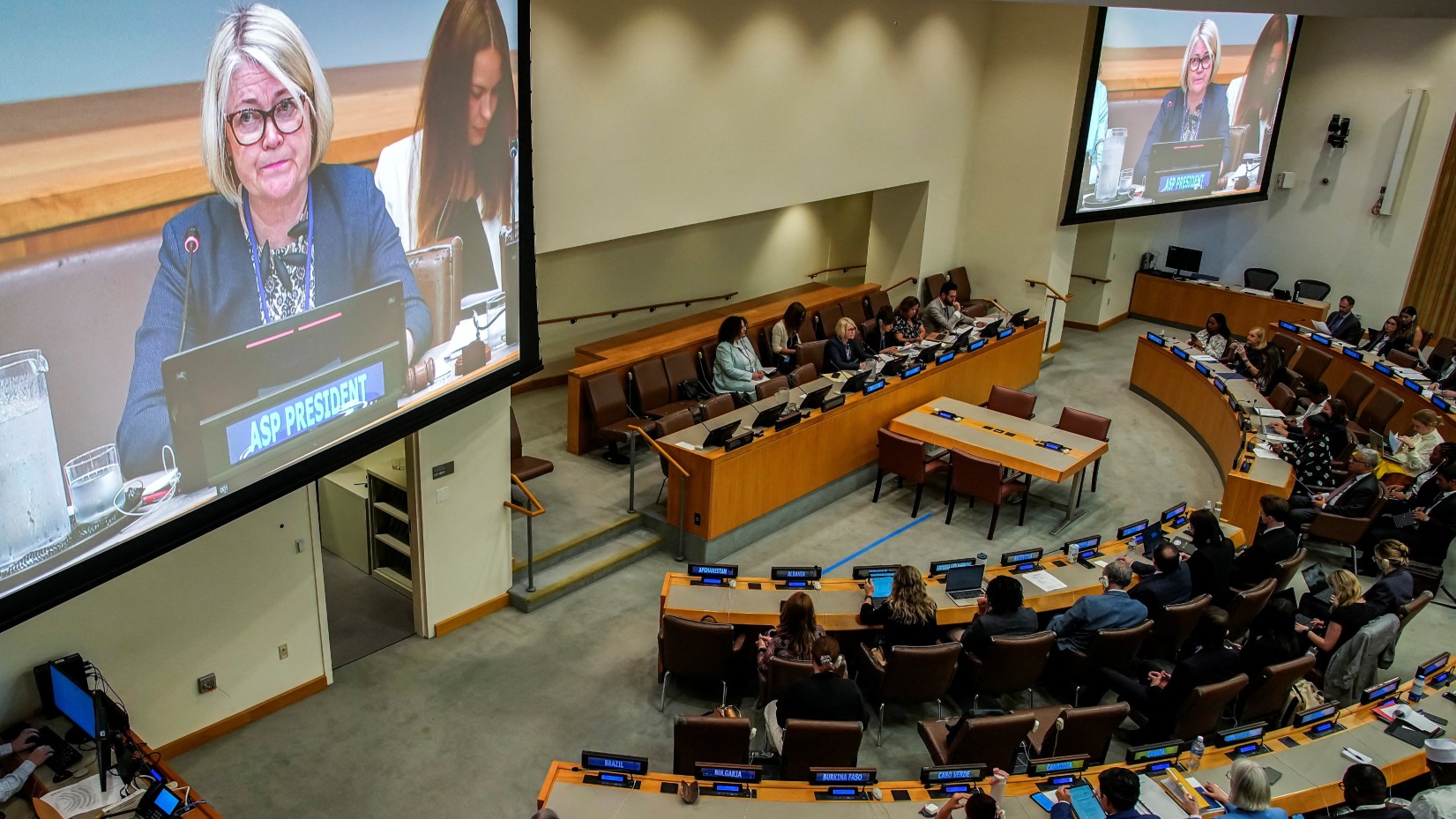
    The unexpected dismissal of International Criminal Court (ICC) Chief Prosecutor Karim Khan by the court’s governing body, the Assembly of States Parties (ASP), has ignited fierce debate across the global legal community, with leading international law experts warning that the move poses a profound threat to the long-held principle of prosecutorial independence at the world’s highest permanent criminal tribunal. On July 24, ASP delegates voted to remove Khan from office after upholding a finding that he had engaged in “serious misconduct and a serious breach of duty” through inappropriate behavior toward a subordinate staff member. Khan has repeatedly and vehemently denied all allegations of wrongdoing against him.

    This outcome directly contradicted the earlier findings of an independent judicial panel convened specifically to evaluate evidence gathered through a United Nations-led fact-finding probe. In March, three impartial judges appointed by the ASP’s executive bureau unanimously ruled that the evidence presented failed to prove any violation of the ICC’s governing legal framework. A month before the full ASP vote, however, the 21-member ASP bureau disregarded the judicial panel’s conclusion and issued its own recommendation that Khan be removed, citing an alleged sexual relationship with a subordinate as the core violation. Adding further controversy to the process, the bureau also modified voting procedures to lower the threshold for removal, replacing the original requirement of two separate votes—one on whether misconduct occurred, and a second on whether removal was warranted—with a single up-or-down vote on dismissal.

    William Schabas, a preeminent international law professor at Middlesex University and one of the world’s leading authorities on the ICC, has emerged as a prominent critic of the process, warning that the dismissal has inflicted lasting damage on the court’s integrity and the independence of the prosecutorial office. Schabas argues that the ASP, as a fundamentally political body whose delegates vote according to directives from their national governments, is not suited to deliver impartial, judicial findings of misconduct. He points out multiple critical flaws in the ASP’s final decision: it does not qualify as a formal judicial judgment, it fails to outline which evidence the body accepted or rejected, and it never explicitly identifies the specific actions that are deemed to constitute “serious misconduct”.

    Schabas notes that while some delegates likely voted for dismissal based on a genuine belief that Khan had violated rules, particularly after a high-profile CNN interview with the complainant, many other votes were almost certainly driven by political motivations. He specifically highlights that widespread anger among certain ICC member states over Khan’s decision to pursue war crime prosecutions against Israeli leaders was a major contributing factor to the dismissal. He added that other states may have voted to remove Khan in exchange for concessions from either Israel or the United States, which has openly opposed the ICC’s probe into Israeli actions in Gaza.

    Khan made history during his tenure as the first ICC prosecutor to seek arrest warrants for sitting leaders of non-African states. The targets of his warrants included Russian President Vladimir Putin for actions in Ukraine, Myanmar’s military leader Min Aung Hlaing, senior Taliban leaders in Afghanistan, former Philippine President Rodrigo Duterte, and most controversially, Israeli Prime Minister Benjamin Netanyahu and former Israeli Defense Minister Yoav Gallant. Khan’s May 2024 request for warrants against Netanyahu and Gallant over alleged war crimes in the Gaza Strip marked the first time the ICC has pursued criminal charges against leaders of a Western-aligned state. The move immediately triggered harsh retaliation from the United States, which imposed sanctions on Khan, his two deputy prosecutors, and eight ICC judges. In the weeks leading up to the dismissal vote, senior U.S. officials openly vowed to “dismantle the ICC, brick by brick” over the prosecution, with former President Donald Trump explicitly stating that the U.S. campaign against the court is intended to protect Netanyahu. The ICC is currently hearing Israeli appeals to invalidate the arrest warrants.

    Looking ahead to the future of the court, Schabas warns that Khan’s dismissal has already created a chilling effect that will shape the work of the next ICC prosecutor. He explained that the next person to hold the role will constantly operate under the threat that independent investigations or arrest warrants targeting powerful leaders or high-priority state interests could provoke retaliation through disciplinary proceedings. Beyond the immediate threat to the next prosecutor, Schabas argues that the entire disciplinary process in this case was improvised and violated the formal procedures outlined in the Rome Statute, the ICC’s founding treaty, and the court’s existing rules of evidence and procedure. He emphasized that current ICC rules do not provide adequate protection for prosecutorial independence, noting that due process is critical not only to protect the personal rights of the sitting prosecutor but also to safeguard the institutional independence of the office itself.

    To address these fundamental flaws, Schabas is calling for a full revision of the ICC’s governing rules to require that any future effort to remove an elected prosecutor be decided through a formal judicial process, rather than a political vote by the ASP. He argues that for prosecutorial independence to be meaningful, a prosecutor must be secure in the knowledge that they can only be removed from office after a properly constituted tribunal of independent, impartial judges has made a formal finding of misconduct, and that if such a tribunal clears the prosecutor, the ASP should have no authority to overrule that decision and order removal. Schabas’ concerns echo broader criticism from human rights groups and other legal experts, who have widely scrutinized the bureau’s handling of the investigation and raised repeated alarms that the entire process was politicized and failed to meet basic standards of due process.

  • US reports first two deaths linked to  ‘explosive diarrhoea’ outbreak

    US reports first two deaths linked to ‘explosive diarrhoea’ outbreak

    A nationwide parasitic outbreak that has sickened thousands of people across the United States has claimed its first confirmed lives, Michigan state health officials announced this week. Two people in Michigan, the state at the center of the ongoing cyclospora outbreak, have died from complications tied to the infection, marking the first reported fatalities in this widespread public health incident.

    State health authorities shared that both deceased individuals lived with significant pre-existing chronic health conditions, which may have been severely exacerbated by cyclosporiasis infection and subsequent dehydration. No further personal or demographic details about the victims have been released to the public at this time.

    Data from the U.S. Centers for Disease Control and Prevention (CDC) shows the foodborne outbreak has already reached 45 U.S. states, with close to 7,000 cases formally confirmed through laboratory testing. In Michigan alone, state records track more than 11,000 suspected cases and 193 hospitalizations, though a large share of those cases have not received laboratory confirmation. Despite the large number of infections across the country, CDC officials emphasize that cyclospora-related deaths are extremely rare. The parasite is not typically classified as a life-threatening threat for most otherwise healthy people.

    Cyclospora cayetanensis, the heat-loving parasite responsible for the outbreak, infects the human intestinal tract and spreads through fecal contamination of food or water supplies. Historically, most outbreaks have been traced back to fresh fruits and vegetables that were irrigated with water contaminated with fecal matter.

    Public health investigators have officially linked this year’s widespread outbreak to leaf lettuce imported from a Taylor Farms processing facility in central Mexico, a major supplier that distributes produce to countless food service operations and restaurants across the U.S. In response to the outbreak connection, major U.S. fast-food chain Taco Bell moved quickly to remove all lettuce sourced from this Mexican facility from its menus nationwide. Taylor Farms has also implemented a voluntary recall of all lettuce harvested from its central Mexico growing operations.

    The outbreak has drawn international attention as well: UK health authorities have issued a public warning to travelers returning from the U.S. after documenting a small number of cases among recent visitors who fell ill after their trip.

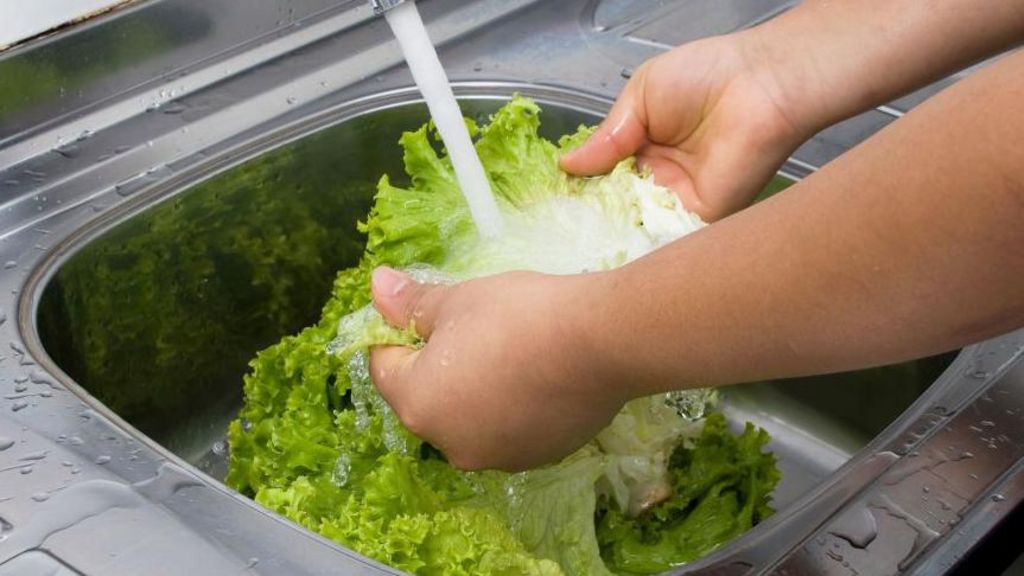
    To reduce public risk of infection, the CDC is urging consumers to wash all fresh produce under running tap water, even products that are marketed and labeled as pre-washed. The agency notes, however, that standard washing practices may not fully eliminate the parasite from contaminated produce. For full decontamination, the CDC recommends cooking all fresh produce to an internal temperature of at least 70°C (158°F), a step that reliably kills the cyclospora parasite.

  • Veteran cafe owner says he would not open his business in today’s economy

    Veteran cafe owner says he would not open his business in today’s economy

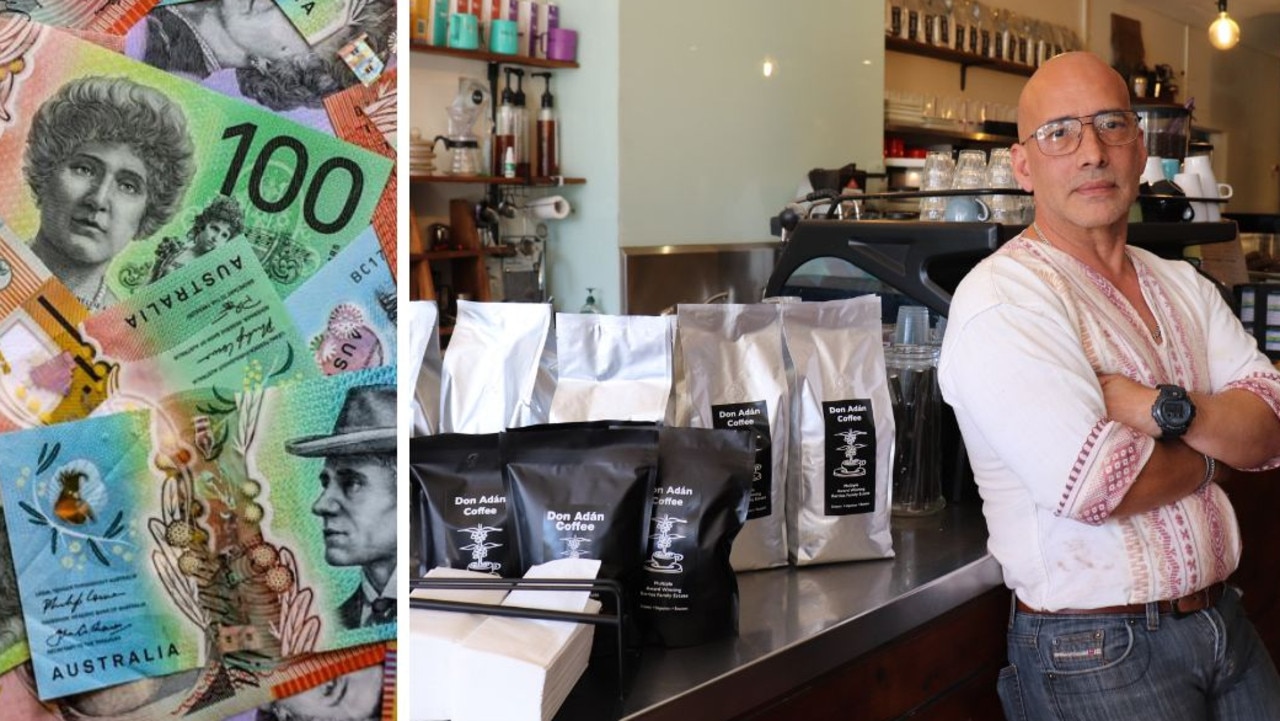
    Thirty years after leaving Ecuador to build his coffee legacy in Australia, Gerardo Barrios, owner of Don Adan Coffee, is sounding a stark alarm: small businesses across the country are facing the harshest operating conditions in modern history, and he would never launch his business if he were starting out today.

    Barrios’ family ties to coffee stretch back nine generations, all the way to the era of Napoleon III, blending Ecuadorian heritage with Australian local enterprise across his two cafe locations. But even with deep industry roots and loyal community support, cascading cost increases are squeezing already razor-thin profit margins to breaking point.

    “Every additional cost matters,” Barrios explained in an interview with NewsWire. “When you’re dealing with rising wages, utilities and supply costs all at the same time – every extra dollar is money that could help a local business grow and employ people.”

    Australia’s national minimum wage rose to $26.44 an hour ($1004.90 weekly) starting July 1 this year, a change designed to support working households but one that has added immediate strain to small business cash flow. While economists argue higher wages will boost broader consumer spending, Barrios says the immediate impact for small operators has left almost no breathing room for working capital. “The cash flow for businesses is now almost non-existent,” he said.

    Barrios’ experience aligns with the first-ever AMP Bank GO small business cost pressure index, which found overall operating costs for Australian small businesses have surged by almost 25% since the start of the COVID-19 pandemic, with no relief in sight. AMP Bank GO director John Arnott says cost increases will keep climbing through 2027, driven largely by rising wage bills, which account for roughly half of the index’s total weighting.

    “Small businesses are caught in the middle. Their own bills keep rising, but their customers are watching every dollar,” Arnott said. “Many have absorbed as much as they can, but there comes a point where those costs have to show up somewhere.” That means Australian consumers should prepare for another round of price increases as struggling operators look to recoup lost revenue.

    Arnott noted that public discussion about post-pandemic cost pressures has focused almost exclusively on household budgets, leaving small business struggles largely out of the spotlight. The index was created to fill that gap, he said, and feedback from hundreds of small operators confirms conditions are the worst they have ever seen. Common stories from business owners include laying off staff for the first time in decades, and openly questioning whether they can keep their doors open long-term.

    Barrios has been proactive in working with suppliers to negotiate bulk discounts to avoid passing full cost increases to his customers, aiming to keep sales volumes steady while protecting his customer base. “Rather than just raising the price, we have to look at ways that we can maintain high volumes that will make sure that we have consistency of sales,” he explained. “And then we can go to our suppliers and say, look, I’m doing this many coffees. This is how much value I can bring to you. You surely can give me a 5 per cent discount.”

    But underlying structural pressures from the pandemic continue to weigh heavily on surviving businesses. Barrios says public perception of small business support during COVID is deeply distorted by the former Scott Morrison government’s JobKeeper program, which delivered $1500 per fortnight to eligible workers to prevent mass layoffs during lockdowns. Official reviews found 38% of the first $70 billion in JobKeeper payments went to businesses that recorded no sales declines, but Barrios points out that payments went directly to workers, not to business owners to cover fixed operating costs.

    “I didn’t get JobKeeper, my staff got JobKeeper,” he said. “I had to get loans worth hundreds of thousands of dollars, just to stay afloat, many coffee shops closed… So the ones that stay to stay afloat like me, we have to borrow money. Since we borrowed that money from Covid, the interest rates went up 16 times. So everybody was talking about the mortgage cliff but nobody was talking about the business loan cliff.”

    Insurance costs have also emerged as one of the fastest-growing expenses for small businesses, compounding pressure from wages, supply chains, and debt servicing.

    Despite the severe challenges, Barrios holds fast to the core community value that local coffee shops bring to Australian life, and has a message for consumers. At his two cafes alone, 20 children can trace their existence back to connections their parents made at his shop, and the business serves as a vital social hub for isolated community members who rely on daily visits for social connection.

    “I didn’t want to whinge about rising costs but instead provide a space for my patrons to have a good life together,” he said. “I’m going to provide a space for you to have a good life and all we want you to do is support us. This is the value we bring to the community but we’re going to be one of the very few coffee shops still providing this space as we are disappearing.”

  • Israeli court blocks Ben Gvir crocodile moat plan for prisons holding Palestinians

    Israeli court blocks Ben Gvir crocodile moat plan for prisons holding Palestinians

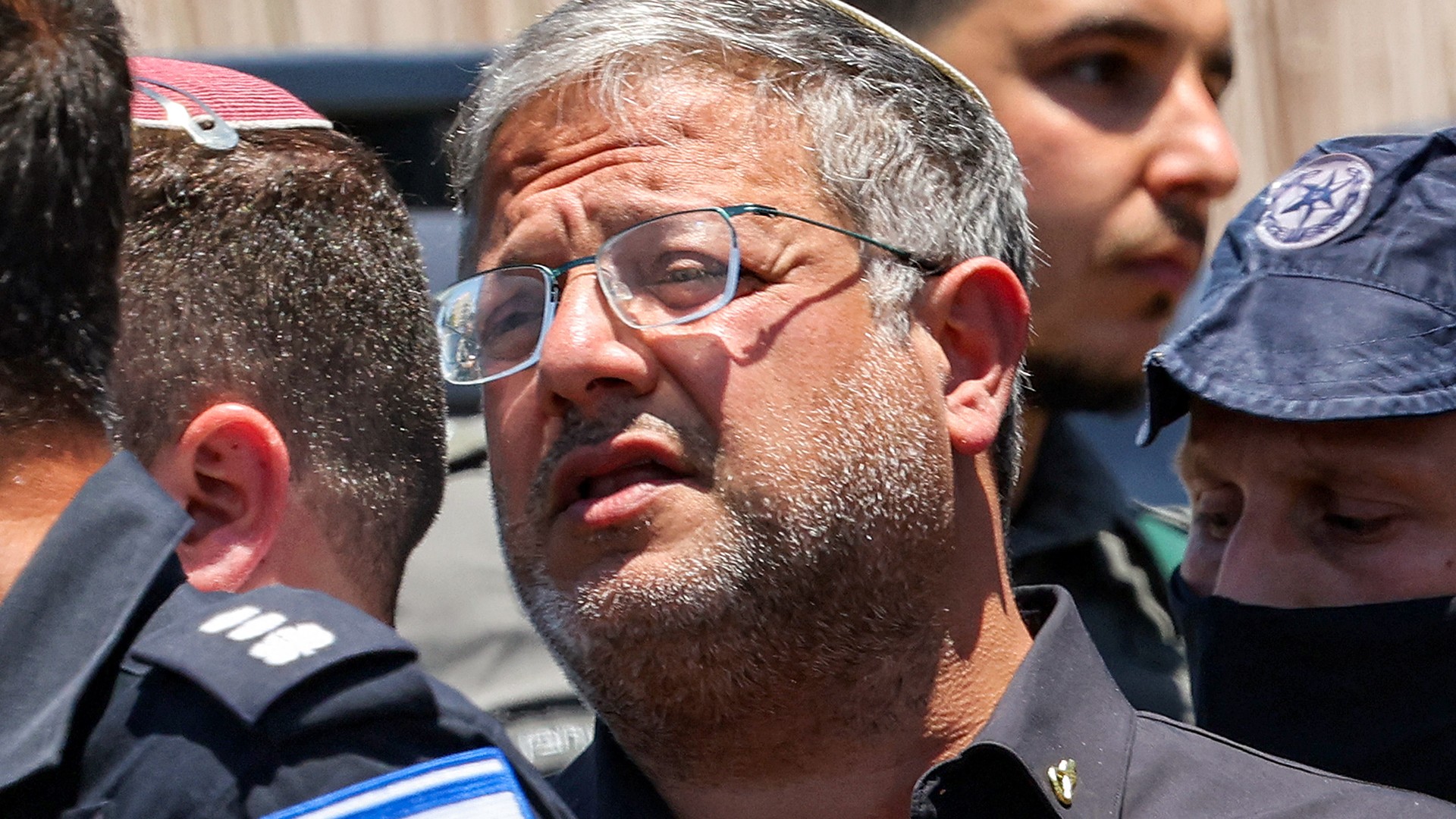
    A controversial plan by Israeli far-right national security minister Itamar Ben Gvir to place Nile crocodiles in moats surrounding facilities holding Palestinian prisoners has been temporarily blocked by a Jerusalem District Court ruling, Israeli media has confirmed.

    The scheme, which had secured backing from Ben Gvir’s own ministry and the Israel Prison Service (IPS), had already seen preliminary construction work underway: crews had begun digging trenches around a portion of Ketziot Prison, located in Israel’s Negev desert. Under the proposal, predatory Nile crocodiles would be stationed in these newly dug moats as an added security perimeter around the prison complex.

    The court’s temporary injunction was issued just hours after Israeli animal welfare group Let the Animals Live filed a legal petition against the plan, naming Environmental Protection Minister Idit Silman, Ben Gvir, and the IPS as respondents. Notably, the legal challenge centered exclusively on risks to the crocodiles and potential harm to prison personnel, rather than addressing the longstanding documented abuses faced by Palestinian detainees held in Israeli custody.

    The pathway for Ben Gvir’s proposal was cleared earlier in July 2025, when Minister Silman issued a regulatory order reclassifying Nile crocodiles from a protected native species to a “tended animal,” removing legal barriers to their transfer and deployment at the prison site. The petition disputes this regulatory change, arguing Silman sidelined formal input from legal experts and the Nature and Parks Authority, and calling for the crocodile’s protected status to be reinstated.

    In his Sunday ruling, Judge Avraham Rubin found that the claims of potential harm to the crocodiles were serious enough to warrant immediate intervention. “The claims regarding the expected harm to the crocodiles merit investigation and justify issuing an order prohibiting the transfer, or any action related to locating or preparing crocodiles for transfer,” Rubin wrote in his decision. The temporary injunction will remain in effect until a full ruling on the case, with Silman, Ben Gvir, and the IPS given until Wednesday to submit formal responses to the court.

    Israeli environmental and conservation bodies have voiced opposition to the plan from its earliest stages. Both the Environmental Protection Ministry and the Nature and Parks Authority have publicly stated that Silman’s reclassification of the Nile crocodile lacks any scientific foundation, and have echoed concerns that relocating the large predators to a high-traffic prison site puts correctional staff at unnecessary risk.

    The crocodile moat scheme is only the latest in a string of harsh measures pushed by Ben Gvir aimed at worsening already poor detention conditions for Palestinians held in Israeli custody. Previous proposals and implemented policies have included restrictions on family visitations, reduced food access, deliberate denial of medical care, extended solitary confinement, and reports of routine torture.

    The court ruling came on the same day that video footage of Ben Gvir circulated widely on social media, showing the far-right politician mocking a female Palestinian detainee who had raised complaints about inhumane conditions inside her facility.

    According to data collected by Palestinian prisoner advocacy organizations, more than 9,600 Palestinians are currently held in Israeli detention facilities as of 2025. That population includes 84 women and 350 minor children, with widespread documentation of ongoing abuses including medical neglect, physical assault, sexual violence, and rape that human rights groups characterize as systematic torture against the detainee population.

  • ‘She folded like an umbrella’ – Trump slams Jeanine Pirro over Reflecting Pool case

    ‘She folded like an umbrella’ – Trump slams Jeanine Pirro over Reflecting Pool case

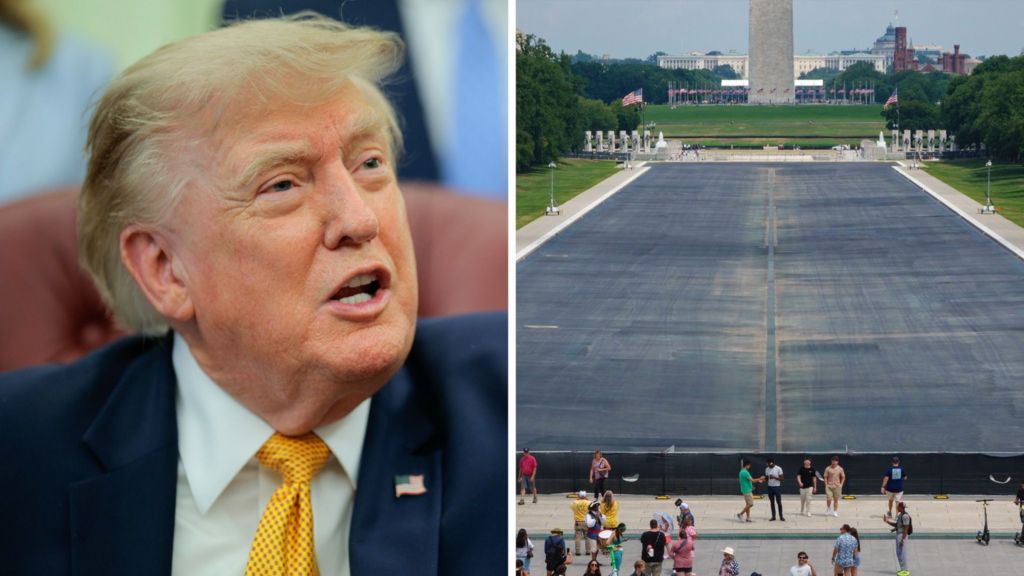
    Former U.S. President Donald Trump has launched a stinging public criticism of former Fox News host Jeanine Pirro, using a vivid metaphor to mock her role in the high-profile case of a former Olympian charged with defacing the Lincoln Memorial Reflecting Pool. In a public statement, Trump compared Pirro’s handling of the situation to a folding umbrella, implying she caved quickly under pressure and failed to stand by the narrative that had been pushed around the case.

    The case took an unexpected turn recently when federal prosecutors officially dropped all criminal charges against the former Olympic athlete, who had been accused of vandalizing the iconic National Mall landmark. Prosecutors did not dispute that damage occurred at the site, but they placed the blame squarely on third-party contractors, pointing to the contractors’ rushed and shoddy construction work as the actual cause of the damage visible at the Reflecting Pool.

    The dismissal of charges has sent ripples through political and media circles, with Trump taking the opportunity to lash out at Pirro, who had previously amplified claims supporting the vandalism accusation against the former Olympian. The sudden collapse of the case has also sparked new questions about how the accusation was initially brought forward, and the role of media figures and political actors in shaping public perception of the incident before all evidence was fully examined.

  • German court rules comparing Israel to Nazi Germany constitutes ‘protected speech’

    German court rules comparing Israel to Nazi Germany constitutes ‘protected speech’

    In a landmark ruling that clarifies the boundaries of political expression amid heated global debate over the Israel-Gaza conflict, Germany’s Zweibrucken Higher Regional Court has overturned a lower court’s conviction and acquitted a woman who faced a €2,400 ($2,700) fine for sharing two critical Instagram posts comparing Israel’s military operations in Gaza to the atrocities of Nazi Germany.

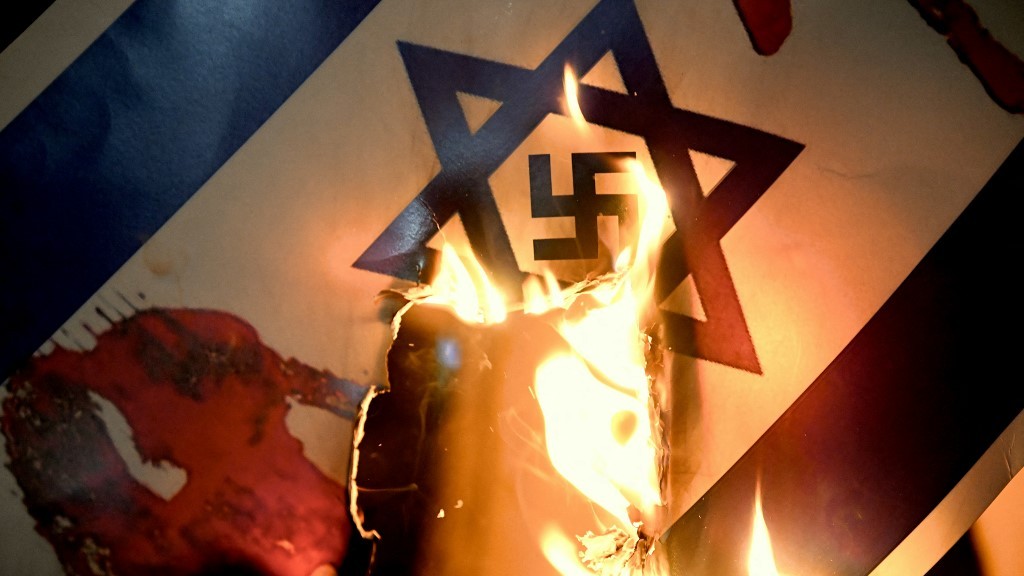
    The posts were published at the peak of Israeli military campaign in Gaza, a period that has drawn widespread international condemnation and mass grassroots protests calling for an end to the violence. The first post featured a side-by-side table outlining parallels between Israel’s conduct in Gaza and the historical actions of the Nazi regime, paired with a split image combining the Israeli flag and the Nazi flag, with a portion of a swastika visible. The second post showed Israeli soldiers opening fire into an enclosed space, with blood depicted pooling below the structure, and overlaid a swastika inside the Star of David. Both posts were tagged with the pro-Palestinian hashtags #FREEPALESTINE and #GAZAUNDERATTACK.

    In its ruling, the court emphasized that the imagery and text included in the posts were unambiguously rooted in condemnation of Israeli military actions in Gaza, not endorsement of Nazi ideology. The judgment clarified that even when it involves the use of symbols legally banned in Germany, such speech falls under the protection of freedom of expression when the broader context clearly frames the content as criticism, political commentary, or rejection of extremist ideology. Judges noted that the #FREEPALESTINE hashtag made the woman’s political position unequivocal, and far-right sympathizers would not misinterpret the posts as promotion of neo-Nazi beliefs.

    The court explicitly rejected the common argument that any comparison between Israeli state policy and Nazi Germany automatically constitutes trivialization of the Holocaust or incitement to religious or ethnic hatred. The ruling held that sharp, critical commentary targeting the actions of a sovereign state does not automatically cross the legal threshold for criminal prosecution on these grounds. The same logic was applied to the contested combined swastika-Star of David image: the court found that the depiction of soldiers attacking unarmed civilians, paired with the #GAZAUNDERATTACK tag, made the image’s condemnatory purpose entirely clear, rooted in criticism of Israel’s military offensive rather than hateful extremism.

    While the ruling does not grant blanket immunity for all such comparisons, it establishes a critical legal precedent: Germany cannot automatically criminalize comparisons between Israeli actions and Nazi conduct when the speech in question is clearly part of an unmistakable condemnation of ongoing Israeli violence in Gaza. Following the appellate judgment, the woman was cleared of all charges against her.

  • How Lamine Yamal became a symbol of Spain’s identity debate

    How Lamine Yamal became a symbol of Spain’s identity debate

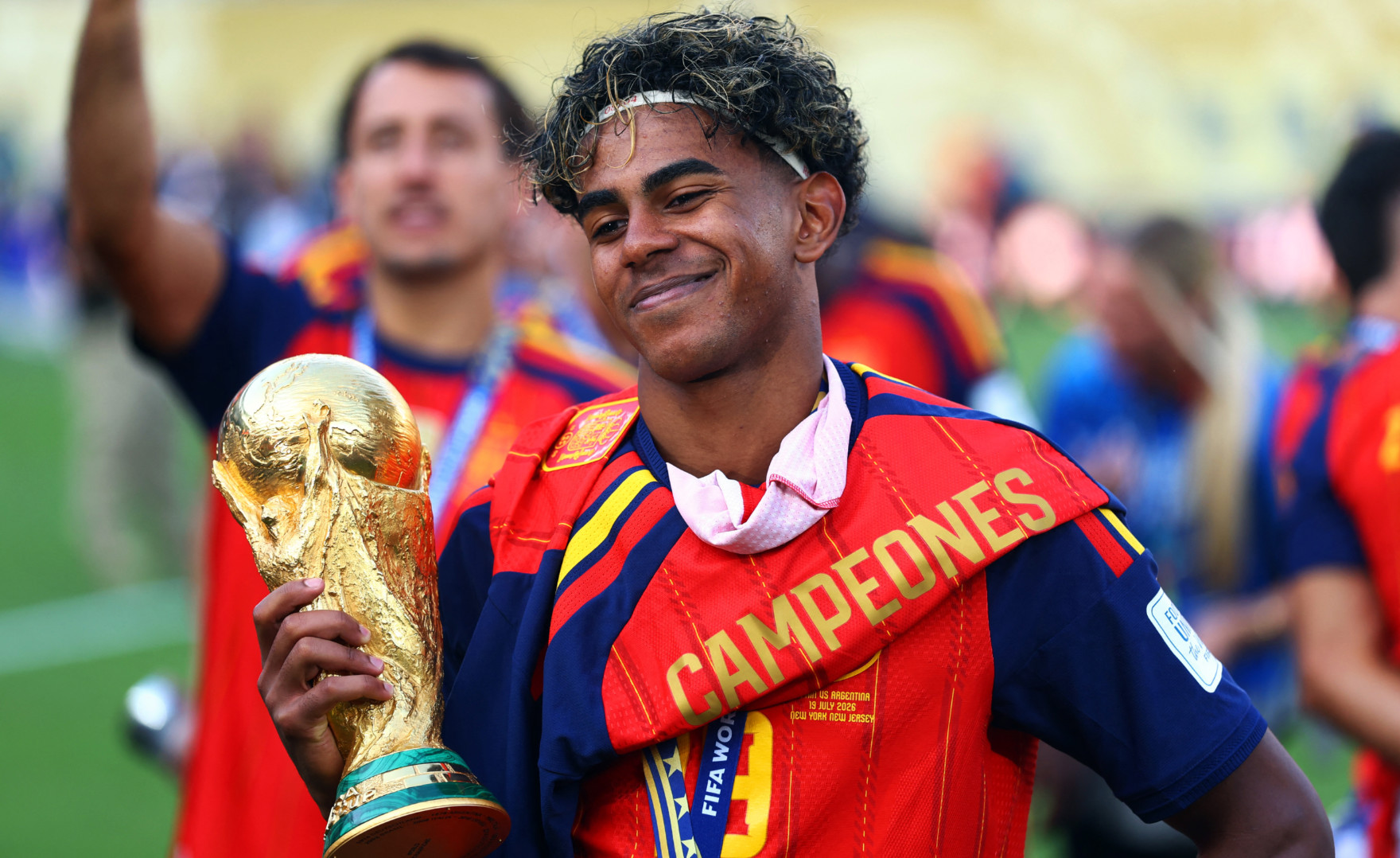
    In the immediate aftermath of Spain’s 2026 World Cup final win over Argentina, one image cut through the chaos of post-match celebrations and on-pitch scuffles to capture global attention: 19-year-old Lamine Yamal, the youngest starter to win a World Cup final since Pele and Kylian Mbappé, dropped to his knees in prayer, the iconic red of Spain’s national team draped over his shoulders. What began as a quiet, personal moment of gratitude for a historic sporting achievement quickly exploded into the center of a decades-long conversation in Spain over what it means to be Spanish, and who gets to claim that identity.

    Yamal’s background places him directly at the intersection of Spain’s complex multicultural present. Born in the working-class neighborhood of Rocaforda in Mataró to a Moroccan father and an Equatorial Guinean mother, the young Barcelona star has never hidden his Muslim faith. He has spoken openly about reciting a traditional dua taught by his grandmother before every match and fasting during Ramadan while training at Barcelona’s Camp Nou stadium. Earlier in the World Cup, after scoring against Saudi Arabia in the group stage, he performed sujud – a common prostration of gratitude practiced by Muslim athletes around the world. That gesture alone sparked immediate backlash: while many fans celebrated Yamal’s open embrace of his identity, others argued his public prayer had no place on the pitch when he was representing Spain.

    He is not the first Muslim player to wear the Spanish national team jersey – Munir Al Haddadi earned that distinction back in 2014 – but Yamal’s unprecedented profile has made him the face of this national debate. As the heir to Barcelona’s legendary number 10 shirt, once held by Lionel Messi, every choice he makes is scrutinized, and his loyalty to the country of his birth has been called into question repeatedly in public discourse.

    The debate has pulled in high-profile Spanish politicians, laying bare deep divisions over multiculturalism and immigration. Former minister and leading Podemos party figure Ione Belarra has positioned Yamal as a symbol of a more inclusive modern Spain, saying she “liked the Spain of Lamine Yamal much more than the Spain being promoted by the conservative People’s Party and far-right party Vox.” Like many of Yamal’s supporters, she celebrated the image of his younger brother running through the stadium cheering on Spain in a national team shirt as proof of his family’s deep connection to the country.

    But conservative and far-right voices have framed Yamal’s faith and identity as a threat to Spanish national culture. Santiago Abascal, leader of the far-right Vox party, defended anti-Yamal rhetoric on social platform X, arguing that critics overreacted to what he framed as a legitimate display of native Spanish identity. “They expect Spaniards to silently put up with the Islamist invasion and the mafia government,” he wrote. Long before Yamal rose to global fame, Vox already described his working-class hometown neighborhood of Rocaforda as a “multicultural shithole.”

    Data from the Spanish Observatory on Racism and Xenophobia underscores the intensity of the backlash: the organization recorded more than 40,000 pieces of online hate content targeting Yamal, with sport accounting for 16% of all monitored hateful posts, and Yamal named as the primary target in many of them. Hostility only grew after his sujud gesture, with commentators leaving comments claiming “our roots have been humiliated” and “he is not worthy of being Spanish.”

    Yet in Rocaforda, residents reject that divisive framing. Juan Carlos Serrano Muñoz, owner of a local café decorated with murals of the neighborhood’s most famous residents, including iconic bullfighter El Cordobés, dismissed far-right rhetoric as a political tactic to stoke division. “They want to focus on migration, on delinquency, but what Lamine did was give a kick to these people and tell a different story about this neighbourhood; a better story about the integration of the many cultures that live here,” he told Middle East Eye.

    Institutional leaders in Spanish football have also moved to build more inclusive spaces for athletes of all faiths and backgrounds. While Spain’s broader cultural landscape still carries deep traces of its Catholic heritage, the country is formally a secular state, and athletes of any religion are eligible to represent the national side. The Royal Spanish Football Federation (RFEF) established an Equality Department in 2023, a year before Yamal made his international debut at Euro 2024, formalizing protections against discrimination in sport for players regardless of background or faith. Individual clubs across the country have also implemented their own measures to ensure equal opportunity and welcoming environments.

    Many native-born white Spaniards have also publicly backed Yamal, embracing a vision of Spanish identity that can accommodate multiple heritages. In a public survey conducted by The New Arab, one respondent put it simply: “He is Spanish, and regardless of his origins, he has defended his country, as the Spaniard that he is.” This view does not erase Yamal’s cultural and religious background, but holds that his identity as a Spaniard and his Muslim faith can coexist.

    Today, that viral image of Yamal on his knees in prayer, surrounded by post-match chaos, carries two wildly different meanings for the Spanish public. For supporters, it is nothing more than a young athlete’s quiet moment of gratitude, no different than a Christian player crossing himself before a match or pointing to the sky to honor a loved one. For critics, shaped by years of anxiety over immigration and multiculturalism stoked by far-right parties, the gesture has become a political flashpoint in a debate that extends far beyond the football pitch.

    Spain already has one of the highest densities of public sports facilities in Europe, and football remains the country’s greatest unifying cultural force. As more young Muslim players rise through the grassroots ranks, their presence on national and club sides will only continue to grow. The RFEF’s formal anti-discrimination measures and the growing public support for athletes like Yamal point toward a future where open displays of faith by multicultural players are a normal, accepted part of Spanish football. But the ongoing political backlash surrounding Yamal also reveals another possible future: one where every gesture he makes is pulled into an old, unresolved debate about national identity that stretches far beyond the sport.

    Unlike Achraf Hakimi, another Spanish-born player who chose to represent his parents’ homeland of Morocco rather than Spain, Yamal never defused the identity debate by choosing another flag. He stayed, he scored, he prayed, and he won the biggest prize in global football – making it impossible for either side of Spain’s identity divide to make their argument without invoking his name.