博客

  • British woman killed in stabbing at German railway station

    British woman killed in stabbing at German railway station

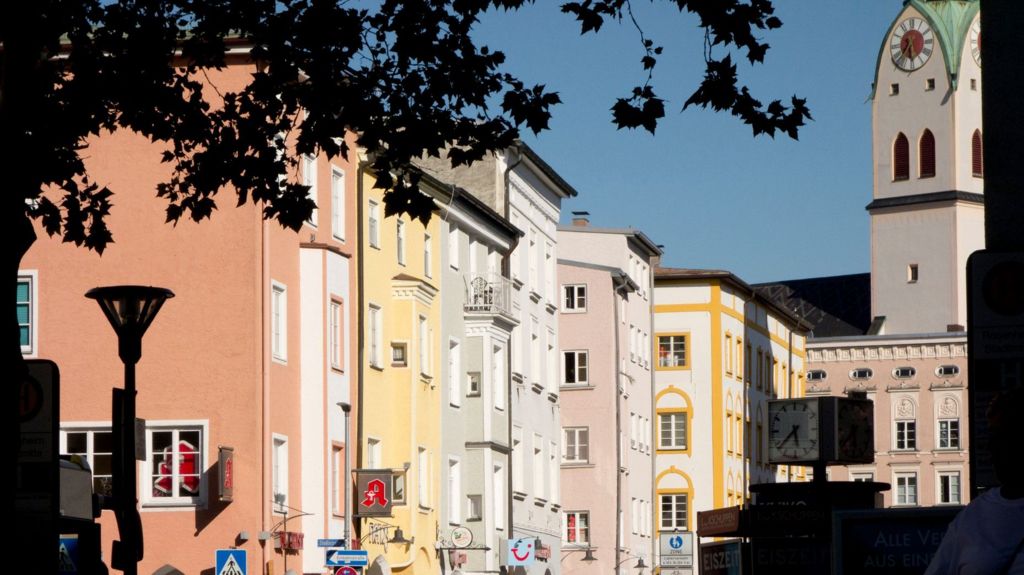
    A violent stabbing incident at a major Bavarian railway hub has left a 31-year-old British woman dead, German law enforcement authorities have confirmed. The attack unfolded shortly before 1 a.m. local time (midnight BST) on Sunday at Rosenheim station, located in southern Germany’s Upper Bavaria region.

    Following the assault, emergency medical teams rushed the injured woman to a nearby hospital, but she ultimately succumbed to her severe wounds, Bavarian Police announced in an official statement.

    law enforcement response was rapid: officers took a 27-year-old German male suspect into custody directly at the scene within moments of the attack. As of the latest update, investigators have not yet established a clear motive or full contextual background for the violence, with probe work ongoing.

    To advance their investigation, police have issued a public appeal for any individuals who were present at the station between late Saturday and early Sunday and observed an argument or physical confrontation prior to the stabbing to come forward and contact investigative teams.

    Rosenheim, which ranks among the largest urban centers in Upper Bavaria, serves as a critical transportation junction for international rail travelers connecting Germany to popular Austrian destinations including Vienna, Salzburg, and Innsbruck. The incident has shocked local communities and drawn cross-border attention following the confirmation of the British victim’s death.

  • The many snags in Erdogan’s many strategic wins

    The many snags in Erdogan’s many strategic wins

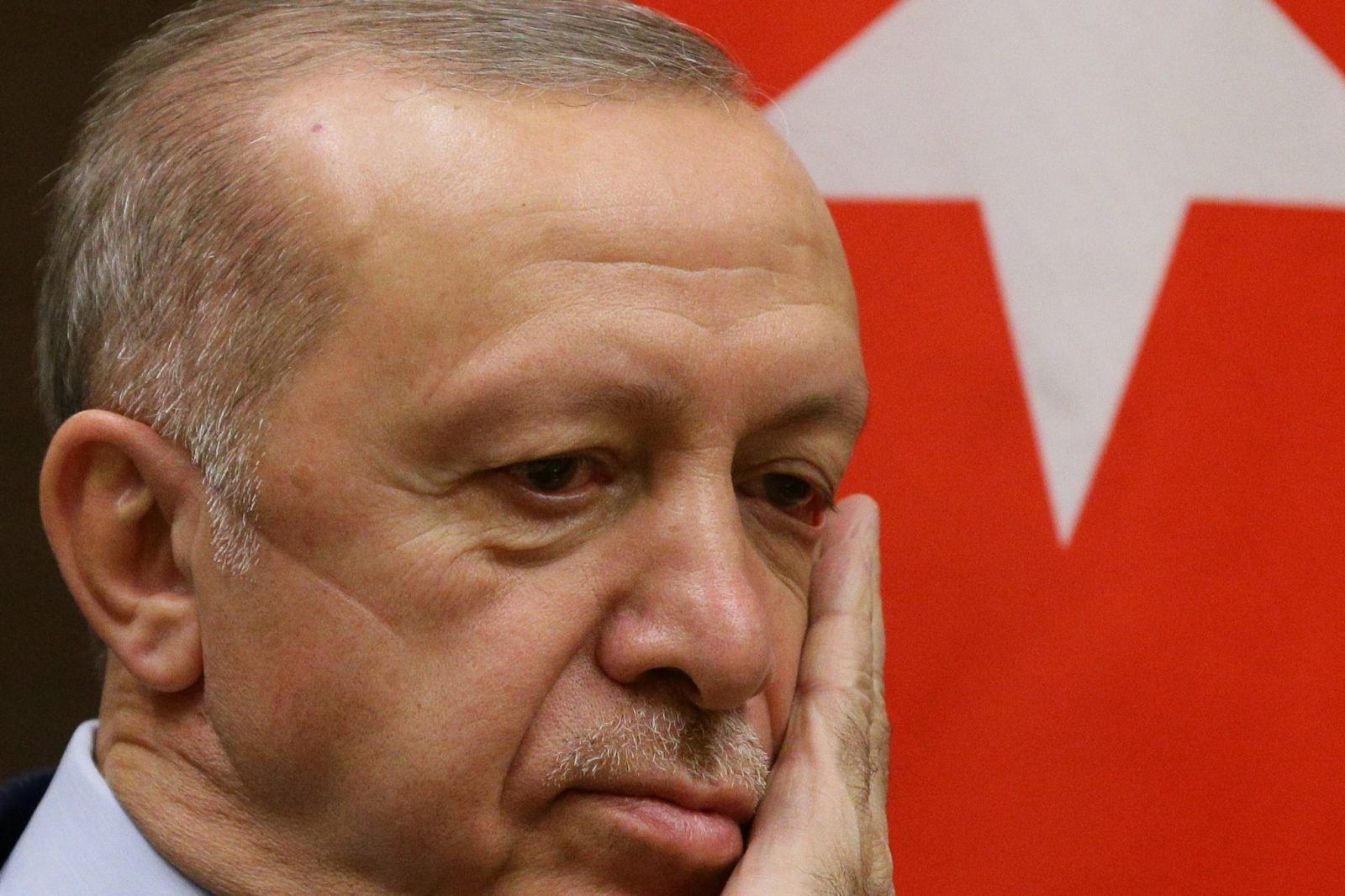
    Over the course of his decades-long leadership, Turkish President Recep Tayyip Erdogan has demonstrated formidable strategic skill in rebuilding Turkish influence across territories that once formed the core of the Ottoman Empire. What makes this expansion even more striking is that Ankara has achieved these gains with a gross national product far smaller than that of traditional European regional powers like Italy, outpacing Rome in influence across several key theaters.

    Today, Turkey has effectively replaced Italy as the primary external power in Libya’s Tripolitania region, gaining a critical foothold that lets it share control over the strategic Sicilian Channel. It has also cemented its position in Somalia, and extended its sway across the majority-Muslim “green backbone” of the Balkans, a central geographic corridor for the entire region. These shifts have sparked sharp comparisons: either Turkish statecraft is extraordinarily effective, or Italian foreign policy has squandered its resources to little gain.

    But Erdogan’s string of diplomatic successes has now set the stage for new, unforeseen challenges, rooted in the landmark strategic treaty Ankara concluded recently in Jeddah alongside Saudi Arabia and Pakistan. This new alliance opens unprecedented possibilities for reshaping the power dynamics of the broader Middle East. Militarily, it unites Pakistan — the world’s only officially recognized nuclear-armed Islamic state — with Turkey, a country that boasts NATO’s second-largest land army and a cutting-edge defense industry that pioneered modern drone warfare. Economically, Saudi Arabia’s massive energy wealth gives the bloc the capacity to fund even the most costly defense innovations and sustain long-term strategic conflicts.

    This concentrated alignment of major Islamic powers has immediately raised alarms in Israel, particularly because Erdogan has positioned himself as one of the most vocal global champions of Palestinian statehood. Just days after signing the Jeddah agreement, Erdogan launched international legal proceedings against Israeli Prime Minister Benjamin Netanyahu, cementing the perception of the new bloc as a direct strategic threat to Jerusalem.

    The alliance also threatens to disrupt the long-running movement toward an Arab resurgence, often referred to as the Arab Risorgimento. This movement grew out of the uprisings that swept the Middle East and North Africa decades ago, rooted in a century-old vision first outlined by T.E. Lawrence in *The Seven Pillars of Wisdom*: the unification of the entire Arab Sunni world under a single political banner. Originally, this project was explicitly anti-Ottoman, as the Ottoman Empire controlled the vast majority of Arab lands for centuries.

    It is no coincidence, then, that Egypt — the Arab world’s most populous state, home to roughly half of the global Sunni Arab population and the de facto leader of the Arab League — has refused to join the Jeddah Pact. Cairo is widely believed to be advancing its own competing regional projects that clash with the goals of the new three-party alliance.

    Shia Iran has also reacted with immediate hostility to the agreement. Tehran views Saudi Arabia, Pakistan and Turkey as too closely aligned with the United States to trust their stated intentions, and has spent years building its own regional influence during its long-standing standoff with Washington and Jerusalem. Iran now holds sway over multiple smaller regional states and maintains deep ties to the Muslim Brotherhood and its affiliated movements across the Middle East.

    These competing blocs have created a tangible risk of a deep split within the global Sunni world. One camp would center on Turkey, driven by Erdogan’s ambition to restore a sphere of influence matching the Ottoman Empire’s historic reach. The other would likely be led by Egypt or factions aligned with the Muslim Brotherhood, focused on advancing the century-old goal of a unified Arab Sunni state.

    For Israel, this shifting landscape carries unambiguous negative implications. Israel’s strategic perimeter has expanded far beyond its traditional borders, creating new vulnerabilities that will grow increasingly difficult to defend. The country now faces a bloc of three hostile mid-sized powers, all poised to challenge the regional order that Jerusalem has sought to impose at the first available opportunity.

    This analysis is by Giuseppe Cucchi, a retired lieutenant general and former military adviser to Italian prime ministers Romano Prodi and Massimo D’Alema, originally published by the Appia Institute and republished with permission.

  • Norwegians line up at churches for emotional memorials remembering the late King Harald V

    Norwegians line up at churches for emotional memorials remembering the late King Harald V

    OSLO, Norway — Thousands of Norwegians gathered across the country at dawn on Sunday, queuing outside cathedrals and parish churches to attend nationwide memorial services honoring King Harald V, who passed away on Friday at the age of 89 after a decades-long reign.

    Opening the central memorial service at Oslo Cathedral, Dean Pål Kristian Balstad acknowledged the shared loss gripping the nation, telling attendees: “This Sunday is different. His Majesty King Harald is dead. A nation grieves, and a family has lost their spouse, father, grandfather, and father-in-law.” While the royal family attended a smaller service at Asker Church, located southwest of the capital, the core service in Oslo was broadcast live to audiences across the country via Norway’s public broadcaster NRK.

    Since the announcement of Harald’s death on Friday morning, tens of thousands of Norwegians have traveled to central Oslo to lay flowers, leave handwritten condolence cards, and light candles outside the Royal Palace, where Harald’s coffin was transported from the local hospital late Friday. While an official date for the state funeral has not yet been finalized, the entire nation has entered a formal period of national mourning. NRK reports that hundreds of Norwegians have voluntarily postponed major personal celebrations, including weddings and christenings, to respect the period of national grief.

    On Saturday evening, Harald’s son — now formally styled King Haakon VIII, who immediately succeeded to the throne upon his father’s death — delivered his first public address as Norway’s new monarch, offering a heartfelt eulogy to his late father. Fighting back tears during the live televised broadcast, Haakon spoke emotionally of his loss, saying: “I’m going to miss him. I’ll miss his laughter. His good-natured way of dealing with people and situations.” Haakon committed to carrying forward his father’s legacy of dedicated service to Norway, stating: “That means — in the ultimate sense — being willing to risk everything, even one’s life, for Norway’s freedom and independence.”

    The new monarch has adopted the royal motto “All for Norway,” a phrase with deep roots in Norwegian royal history that was first used by his great-grandfather after the restoration of the Norwegian monarchy in the early 20th century. Haakon’s wife, Mette-Marit, has assumed the title of Queen, while the couple’s eldest child, Ingrid Alexandra, is now formally recognized as Crown Princess and first in line to the throne.

    In the coming months, Haakon will face the immediate challenge of rebuilding public confidence in the Norwegian monarchy, which has been rocked by recent controversies. Queen Mette-Marit previously faced public scrutiny over past connections to deceased disgraced financier and convicted sex offender Jeffrey Epstein, while Haakon’s stepson, Marius Borg Høiby, was convicted of rape in 2024, drawing widespread condemnation and calls for royal reform.

    The Norwegian monarchy traces its uninterrupted lineage back to King Harald Fairhair in the 9th century, making it one of the oldest continuing monarchies in the world. When Norway regained full independence from Sweden in 1905, a national public referendum saw 75% of voters endorse the restoration of a native monarchy. Today, the role of the Norwegian monarch is largely ceremonial, with all governing power held by an elected parliament, but the royal family remains a widely recognized cultural institution that supports Norwegian trade, tourism, and global diplomacy for one of the world’s wealthiest nations.

  • Pakistan will award nurse for saving the sole newborn survivor of a hospital nursery fire

    Pakistan will award nurse for saving the sole newborn survivor of a hospital nursery fire

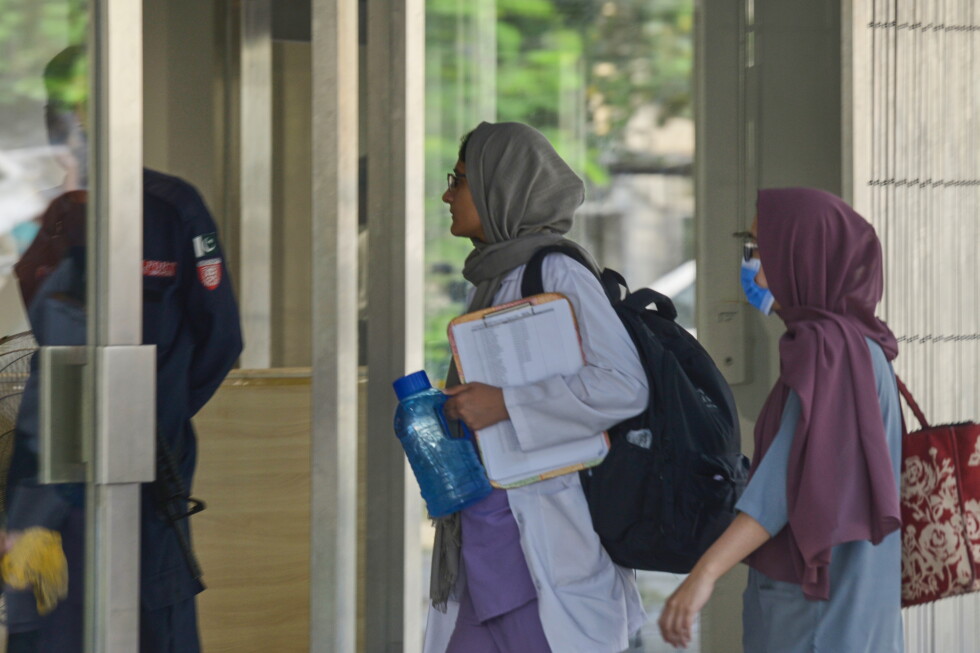
    A devastating fire that tore through a neonatal nursery at Pakistan’s leading public hospital in Islamabad last week has left the nation in mourning, while also shining a light on the extraordinary courage of a veteran nurse who risked her life to save one infant from the blaze.

    The fire erupted on the third floor of the Pakistan Institute of Medical Sciences (PIMS), the country’s flagship federal government hospital, claiming the lives of 14 newborns being cared for in the unit. Only one baby survived the incident, thanks to the quick action of 50-something nurse Razia Noreen. A 51-second widely circulated CCTV clip captured Noreen sprinting into the smoke-filled, burning nursery just moments after the fire broke out, emerging seconds later with the tiny infant safely in her arms. She attempted to rush back inside to rescue the remaining babies, but was forced back by intense, rapidly spreading flames and thick toxic smoke that made reentry impossible.

    In an emotional interview with Pakistani private broadcaster Samaa TV on Sunday, a tearful Noreen said she had only done what her job demanded of her. “I did not do it for a reward. I love children, and caring for them is my passion,” she explained, adding that the speed of the blaze left no time for additional rescues. “The fire spread through the nursery within two minutes.” The grief of failing to save the other 14 infants has weighed heavily on Noreen, who told reporters the tragedy haunts her still. “I cannot sleep. Those babies do not let me sleep,” she said.

    Following an official inquiry ordered by Prime Minister Shehbaz Sharif, the government confirmed Noreen will receive Sitara-i-Khidmat—translated as the Star of Service—one of Pakistan’s most prestigious civilian honors, awarded to individuals who demonstrate extraordinary public service or national contribution. Along with the award, she will receive a cash prize of approximately 10 million Pakistani rupees, equal to around $36,000. The announcement of the award has drawn overwhelming public praise across social media platforms in Pakistan, with thousands of users commending Noreen’s bravery and compassion.

    Prime Minister Sharif echoed that public praise, saying Noreen’s actions showed exceptional courage and unwavering devotion to her duty. The official inquiry’s findings aligned with witness and CCTV accounts, confirming Noreen carried the surviving newborn out to safety just eight seconds after entering the nursery, and that the entire unit was consumed by catastrophic fire within roughly two minutes of ignition. There were 15 newborns in the unit at the time the fire broke out.

    In the wake of the tragedy, eight senior hospital officials have already been suspended from their posts, with formal disciplinary proceedings launched against all eight. Sharif has also ordered criminal investigations to proceed against any individuals found ultimately responsible for safety failures that contributed to the deaths. As of this report, investigators have not yet confirmed the exact cause of the fire.

    The deadly incident has spurred national action, with regulators announcing comprehensive fire safety audits and reviews for all hospitals and healthcare facilities across Pakistan. This tragedy marks one of the deadliest incidents involving children in Pakistan in recent months. Just this past June, 14 schoolchildren lost their lives in the eastern city of Lahore when the roof of an under-construction tutoring center collapsed onto them.

  • Chelsea signs Argentina’s World Cup winner Emiliano Martínez from Aston Villa on a 3-year contract

    Chelsea signs Argentina’s World Cup winner Emiliano Martínez from Aston Villa on a 3-year contract

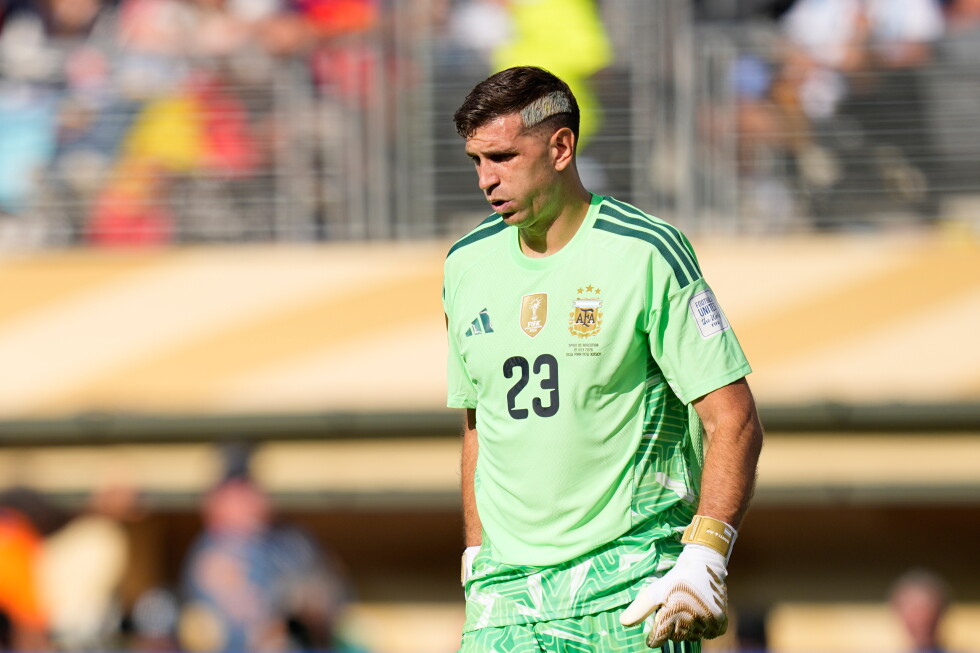
    In a high-profile transfer move that has reshaped English Premier League goalkeeping ranks, Chelsea Football Club announced Sunday it has secured the signature of star Argentine goalkeeper Emiliano Martínez from Aston Villa. The 33-year-old, one of the most decorated shot-stoppers in modern football, has put pen to paper on a three-year contract that brings him to Stamford Bridge ahead of the 2025-26 season.

    For Martínez, the switch to West London was not a difficult decision to weigh. “Coming to Chelsea, for me and my family, was an easy decision to make and I’m just over the moon. I can’t wait to get started,” the goalkeeper told reporters after the announcement. “I want to be successful here. I’m someone who wants to win at everything I do and I want to bring that winning mentality here to this football club because it’s a club built to win titles, so I think it’s a perfect match.”

    The arrival of Martínez fills an immediate gap in new Blues manager Xabi Alonso’s starting lineup. Chelsea’s current number one Robert Sánchez turned in another underwhelming performance in the club’s opening Premier League fixture against Fulham, prompting the Chelsea hierarchy to accelerate their pursuit of a proven elite goalkeeper. Martínez is now expected to walk straight into the starting job at Stamford Bridge.

    Aston Villa cleared the path for Martínez’s exit earlier this month when the club completed the signing of Zion Suzuki, the US-born Japanese goalkeeper from Italian side Parma. The move made Martinez’s departure a mutually beneficial arrangement for all parties involved.

    Few goalkeepers in the game can match Martínez’s trophy haul at both international and club levels. The Argentine has been his country’s undisputed starting goalkeeper since 2021, earning 67 international caps to date. He backstopped Argentina to the 2022 FIFA World Cup title, claimed back-to-back Copa America trophies in 2021 and 2024, and led the side to this year’s World Cup final. He also made history by winning the prestigious Yashin Trophy, awarded annually to the world’s best goalkeeper, at both the 2023 and 2024 Ballon d’Or ceremonies, becoming one of only a handful of players to win the award in consecutive years.

    Across his six seasons with Aston Villa, Martínez made 256 first-team appearances for the club and helped lift the Europa League trophy in May this year. Reaffirming his commitment to his new side, Martínez emphasized his relentless approach to the game. “I’m all passion and I play with my heart,” he said. “I will give 100 per cent every game, every training session to make the club, my teammates and the supporters proud.”

    A product of the youth academy at Argentine top-flight side Independiente, Martínez moved to Europe for the first time in 2010, joining Arsenal at just 17 years old. After several loan spells across English lower divisions to gain first-team experience, he worked his way into the Gunners’ starting lineup for the second half of the 2019-20 campaign, starting the final 11 matches of the season and helping the club win the FA Cup that year. That breakthrough performance paved the way for his eventual move to Aston Villa, where he developed into one of the best goalkeepers in the Premier League.

  • Norway’s churches hold services to late King Harald

    Norway’s churches hold services to late King Harald

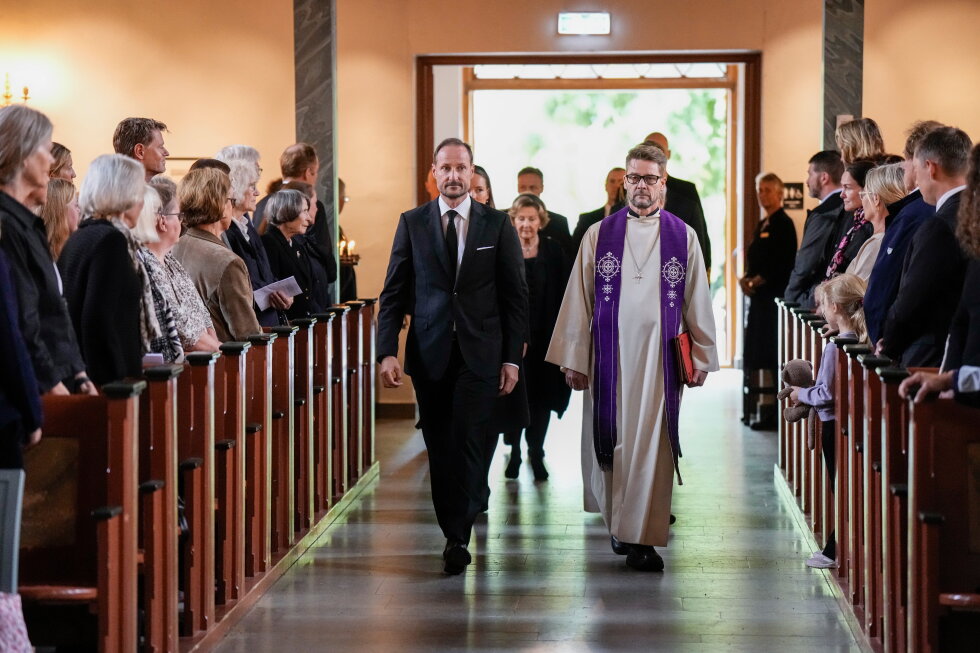
    Two days after the passing of former King Harald V of Norway, the Scandinavian nation came together Sunday to honor the late monarch, with memorial services held in churches across the country, led by newly ascended King Haakon VIII.

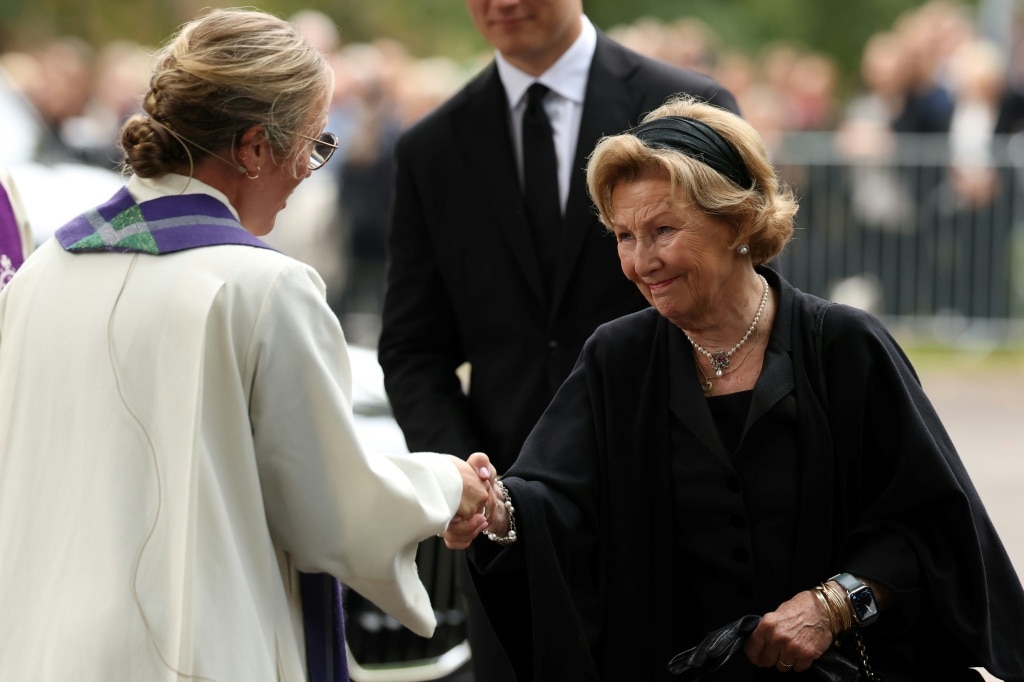
    As Haakon, 53, arrived alongside the extended royal family for the primary service at Asker parish church, located just south of the capital Oslo, hundreds of ordinary Norwegians gathered along the route to catch a glimpse of the new king and pay their respects to his father. Outside Oslo Cathedral, where government officials gathered for a separate commemoration, crowds began forming before sunrise, with many waiting hours for a chance to secure a seat inside to join the national mourning.

    Many attendees shared that showing up to honor Harald felt like a natural act of community grief. “I’ve been deeply affected by the fact that King Harald has died. I felt a desire to be part of the community and to share the grief over his passing,” Aud Ragnhild Skar, a lecturer at the University of Oslo, told Agence France-Presse while waiting in line. Fellow mourner Sissel Engedal, a nurse, echoed that sentiment, describing the late monarch as “a very significant and important and beloved king.”

    A national period of mourning has been formally declared across Norway, though no official date for Harald’s state funeral has been announced to the public. Next week, Haakon will take the formal oath of allegiance to the Norwegian constitution before the national parliament, marking the official completion of the royal succession. Unlike historical European coronation rituals, Norway abolished formal coronation ceremonies for monarchs in 1908, so Haakon and his wife Queen Mette-Marit will not hold a crowning. Still, following the tradition set by his father and grandfather, Haakon is expected to hold a optional consecration service at Trondheim Cathedral, the historic site of Norwegian royal coronations between 1814 and 1906.

    Across his 35-year reign, Harald earned widespread public affection and respect, widely viewed as the living embodiment of Norway’s values of openness, tolerance, and modest governance. He was widely praised for steering the Norwegian monarchy toward a modern, approachable model that aligned with the nation’s egalitarian culture. Even amid a series of high-profile scandals that hit the royal family in the final years of his reign, Harald retained broad public support.

    In his first public address as king, broadcast Saturday, Haakon paid tribute to his father’s legacy. “Above all, you were a person who remained committed to your values and dedicated to your duties,” Haakon said. The new monarch added that he had been “deeply moved” by the outpouring of public grief, noting that “it gives us consolation and strength to know that there are so many who are grieving with us” as the royal family processes the loss.

    Harald had been hospitalized in Oslo since August 17, receiving treatment for haemolytic anaemia, a blood disorder that causes the premature breakdown of red blood cells and leads to chronic fatigue and breathing difficulties. The late king, 89, had faced a series of declining health issues in his final years, which forced him to gradually reduce his official public duties and engagements.

    The past 12 months have been marked by significant turmoil for the entire Norwegian royal household, beyond Harald’s declining health. Queen Sonja, Harald’s wife, also 89, was briefly admitted to a hospital for heart-related care in May. New Queen Mette-Marit has faced ongoing public scrutiny over her past connections to disgraced deceased American sex offender Jeffrey Epstein. In June, Marius Borg Hoiby, Mette-Marit’s son from a previous relationship, was sentenced to four years in prison on two counts of rape, a conviction he is currently appealing. Mette-Marit, who lives with a chronic serious lung disease, underwent a life-saving lung transplant just one month after the verdict in July.
  • Zambian opposition leader charged with treason

    Zambian opposition leader charged with treason

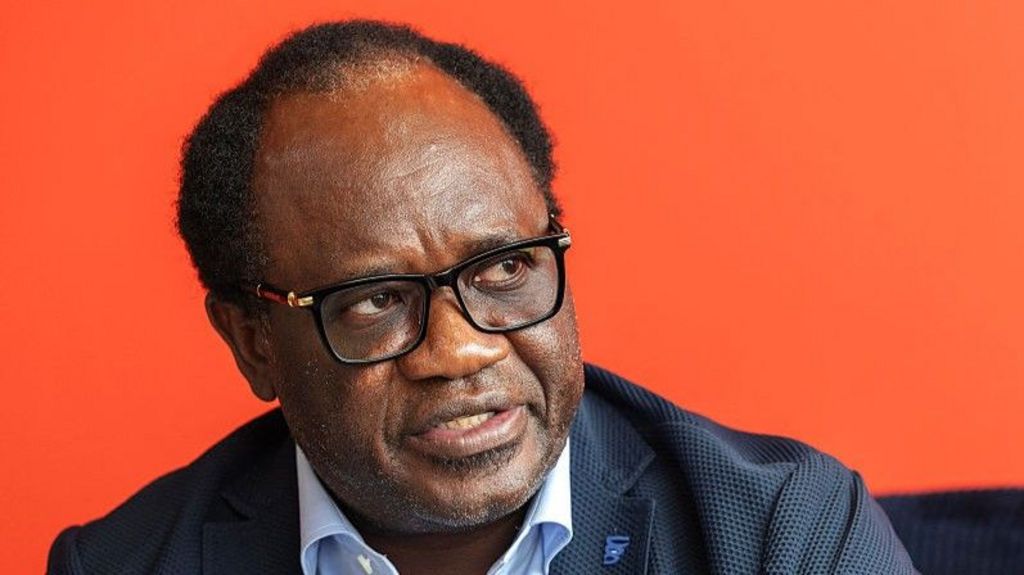
    Amid rapidly escalating political tensions following Zambia’s recent presidential election, opposition presidential candidate Brian Mundubile has been formally charged with treason, according to his legal representation. The charges cap a week of escalating unrest that began after official results confirmed incumbent President Hakainde Hichilema won a second consecutive five-year term.

    Official election data released by Zambia’s electoral body shows Hichilema secured 60% of the vote in the 13 August poll, while Mundubile, running for the opposition National Restoration Party of the United Progressive (NRPUP), won 38% of the national vote. Mundubile immediately rejected the official outcome, raising unsubstantiated claims of irregularities in the vote-counting process.

    In response to the opposition’s challenge, Zambian authorities accused NRPUP of plotting to launch an armed insurgency to overthrow the elected government, an allegation the party has repeatedly and vehemently denied.

    The situation turned deadly one day after the election, when Zambian security forces carried out a raid on a Lusaka property linked to Mundubile. The operation left one former cabinet minister dead and multiple other opposition figures in detention. In the wake of the violent raid, Mundubile and his running mate Makebi Zulu fled to seek safe shelter in a local United Nations compound in the capital, where they remained in hiding for several days.

    President Hichilema’s administration subsequently put diplomatic pressure on the United Nations to hand the two opposition figures over to local authorities, leading to their detention shortly after. On Saturday evening, Mundubile’s defense attorney Milner Katolo confirmed to local outlet *Zambian Eye* that his client had been served with a formal treason charge. Katolo added that Mundubile is prepared to contest the accusation publicly in an open court of law.

    Katolo also confirmed that 17 additional people, including Zulu himself, face the same treason charges alongside the opposition leader.

    The opposition’s efforts to formally challenge the election results through the country’s judicial system were ultimately blocked, after authorities sealed off access to all court buildings on Monday — the final legal deadline for filing election petitions. This move left opposition figures with no formal avenue to contest the outcome through institutional channels.

    As Zambia prepares for Hichilema’s 1 September swearing-in ceremony for his second term, the political fallout continues to draw regional and international scrutiny. While most regional and international election observers assessed that election day itself was conducted in a largely peaceful manner, the Zambia Human Rights Commission has opened a call for accountability, demanding investigations into the cases of dozens of people who remain unaccounted for following post-election arrests and security operations.

  • Manhunt in Switzerland after fatal rave shooting

    Manhunt in Switzerland after fatal rave shooting

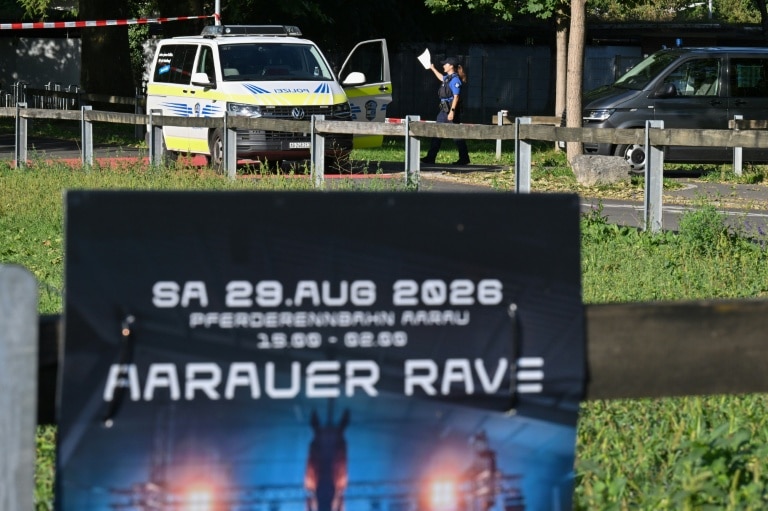
    A massive manhunt is ongoing across northern Switzerland Sunday after a gunman or group of gunmen opened fire on a large annual techno rave early Saturday morning, leaving one 22-year-old woman dead and five other young people wounded, Swiss law enforcement officials have confirmed.

    The attack unfolded shortly before 3 a.m. local time at the Aarauer Rave, a yearly electronic music event hosted at the Aarau racetrack roughly 50 kilometers outside Zurich. The event drew approximately 3,500 attendees between Saturday afternoon and Sunday morning, turning the normally quiet racecourse into a crowded celebration before the gunfire erupted.

    Witnesses initially mistook the sounds of gunfire for fireworks, before multiple attendees realized the danger and began fleeing for cover. Many partygoers took shelter in a nearby gymnasium to wait out the violence, with video posted to social media by local residents showing empty, locked-down streets near the event site, with repeated bursts of gunfire audible in the background.

    Local police confirmed in a post to X that the 22-year-old female victim died of her injuries at the scene. The five other wounded people — four men and one woman between the ages of 24 and 27 — were transported to area hospitals, with injuries ranging from minor to life-threatening. All victims are Swiss residents, authorities confirmed.

    In the hours following the shooting, Swiss authorities launched a large-scale multi-agency response to locate the perpetrator or perpetrators. Armed police units were deployed along highways up to 30 kilometers from the attack site, an army helicopter was brought in to assist with the search over Aargau, the cantonal capital, and hundreds of police officers, rescue workers and medical personnel were dispatched to the area. Authorities have cordoned off the entire attack site to preserve evidence while the investigation proceeds, and have urged local residents to avoid the region. Police have also asked any attendees who captured photos or video of the incident to share the material with investigators to help advance the case.

    As of Sunday afternoon, the identity of the attacker or attackers remains unknown, and law enforcement has not released details on how many suspects are being sought or what type of firearm was used in the attack. Authorities have also stated that no potential motive for the shooting has been confirmed, and that the full circumstances of the incident are still under active investigation.

    The shooting marks a rare outbreak of deadly gun violence in Switzerland, a country with a long cultural tradition of widespread civilian gun ownership tied to its military reserve system. Under current Swiss law, army reservists are permitted to keep their service weapons at home, though they are required to store ammunition separately at government facilities. Unlike many European nations, Switzerland does not maintain a national public register of firearms, making it difficult to track the total number of civilian-held weapons. A 2017 study from the Geneva-based Small Arms Survey estimated that Swiss civilians held more than 2.3 million firearms, equal to roughly three guns for every 10 residents, ranking the country 16th globally in per capita gun ownership.

    The last high-profile mass shooting in Switzerland occurred more than two decades ago in 2001, when a lone gunman killed 14 members of the cantonal parliament and local government in Zug, a city near Lucerne, before dying by suicide.

  • Death toll rises to 38 from Russia’s deadliest attack on Ukraine this year

    Death toll rises to 38 from Russia’s deadliest attack on Ukraine this year

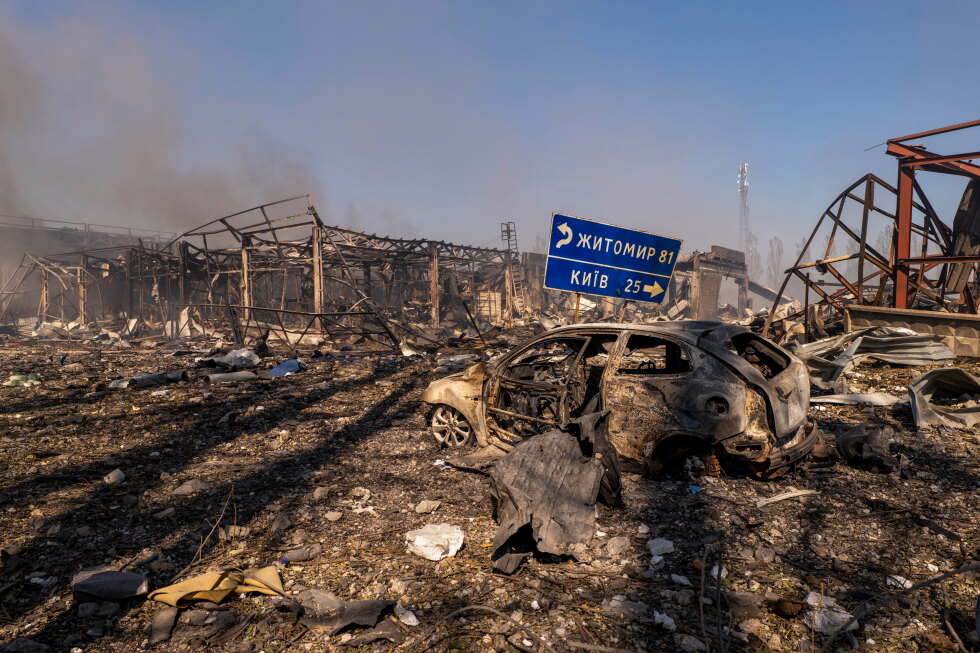
    As the full-scale Russian invasion of Ukraine enters its third year, a devastating escalation of hostilities has sent shockwaves across the country, leaving dozens dead and triggering fresh fears of a catastrophic winter energy crisis. Ukrainian President Volodymyr Zelenskyy announced via social media on Sunday that the death toll from a Friday night Russian strike on a warehouse in the village of Myla, located just west of Kyiv, has climbed to 38, with four additional people still unaccounted for. This attack marks the deadliest single Russian assault on Ukrainian territory so far in 2024.

    Ukrainian officials confirmed the targeted structure was an ammunition storage facility. The impact of the strike triggered massive, uncontrolled explosions that sparked widespread fires, which spread rapidly to consume dozens of residential homes and adjacent civilian buildings near the storage site. In his update, Zelenskyy noted that 20 people were wounded in the attack, among them two young children. As of Sunday, emergency response teams remained on the ground, working to fully extinguish remaining hotspots, recover victims, and clear the area of unexploded ordnance to make the site safe for recovery efforts.

    The deadly strike near Kyiv came amid a sharp escalation of cross-border hostilities between the two nations. On Sunday, Russia’s Ministry of Defense issued a direct threat, announcing it is preparing to carry out “massive strikes” against Ukraine’s critical energy infrastructure. The Russian ministry framed the planned attacks as a direct retaliation for recent Ukrainian drone operations targeting Russian civilian and energy sites, including facilities belonging to Wildberries, Russia’s largest e-commerce platform often called “Russia’s Amazon,” and key oil and gas infrastructure across the country.

    Ukrainian officials have long justified these cross-border strikes, arguing that Russia’s energy sector directly funds and fuels Moscow’s full-scale invasion, while Wildberries has supplied dual-use goods that support Russian military operations. Recent months have seen a steady wave of Ukrainian drone attacks on Russian oil refineries and energy facilities, a campaign that has created an unusual fuel shortage across Russia, one of the world’s largest oil and gas exporters—an unprecedented crisis for the country’s energy market.

    This is not the first time Russia has targeted Ukraine’s energy grid ahead of the cold winter months. During the two previous winters of the full-scale war, Russian forces launched systematic, large-scale attacks on Ukraine’s power generation and transmission infrastructure, leaving millions of Ukrainians without access to heat and electricity during subzero freezing temperatures. Ukrainian national security and energy officials have repeatedly warned the public and international partners that the approaching 2024-2025 winter could be the most difficult for the country’s energy system since the 2022 full-scale invasion, as Russian forces prepare to resume widespread attacks on critical infrastructure.

    In a separate development over the weekend, another Russian drone strike targeted Kyiv in the late hours of Saturday, leaving at least three people injured. Air raid alerts remained active across the capital for the entirety of Saturday. Ukraine’s state emergency services reported that a multi-story residential building in Kyiv’s Obolonskyi district caught fire between the second and fifth floors after the strike. Response teams also extinguished fires in three other districts of the capital, with non-residential administrative buildings damaged in two separate strike locations across the city.

  • Iceland set to reject talks to rejoin EU, national broadcaster says

    Iceland set to reject talks to rejoin EU, national broadcaster says

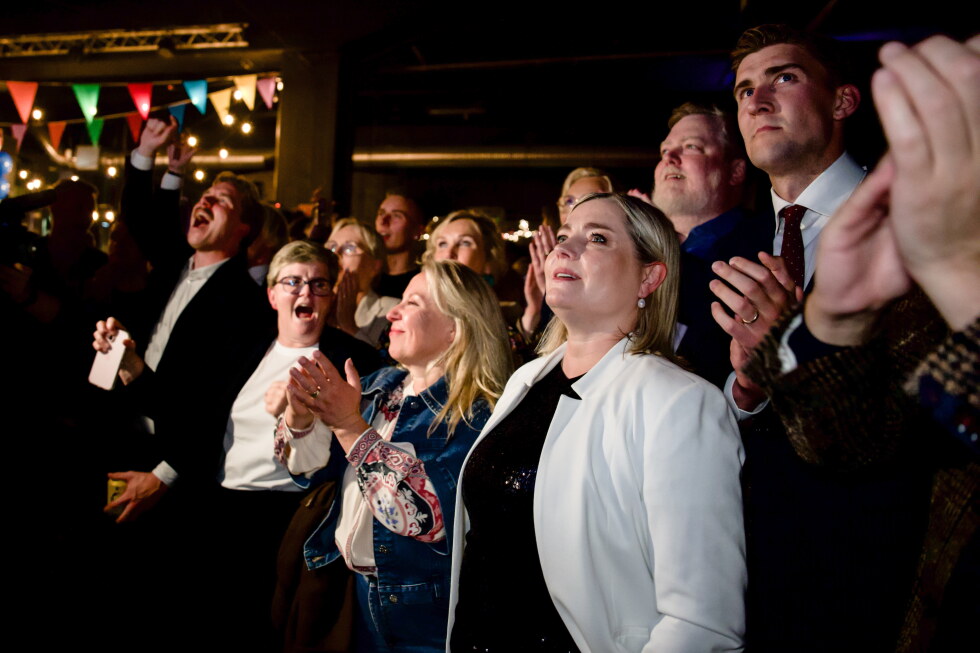
    Reykjavik, Iceland – In a closely contested national referendum that concluded Saturday, Iceland appears poised to reject a proposal to restart stalled accession negotiations with the European Union, according to preliminary results from Icelandic national broadcaster RÚV, putting an end to one of the Nordic nation’s longest-running political debates for the second time in a decade.

    With all but one southwestern constituency fully counted, the “no” camp holds a thin but steady lead of 52.5 percent to 47.5 percent over supporters of resuming talks. RÚV analysts noted the outcome is nearly irreversible: the remaining uncounted ballots come from the same southwestern district where the pro-EU proposal is already trailing, making a last-minute reversal of the lead extremely unlikely. This result closes a chapter that first ended in 2015, when a euroskeptic Icelandic administration formally terminated previous EU accession talks that had launched more than a decade earlier.

    The snap referendum, originally scheduled for 2025, was moved up to 2024 by the newly elected left-leaning coalition government following a high-profile gaffe from former U.S. President Donald Trump, who incorrectly referred to Iceland multiple times during remarks about his stated interest in gaining control over Greenland, an autonomous Danish territory located near Iceland. That incident stirred fresh security concerns among Icelandic voters, even though the Nordic nation has long been a member of the NATO defensive alliance.

    Proponents of restarting negotiations argued that full EU membership would strengthen Iceland’s geopolitical security, giving the small island nation greater collective protection from great power expansionism should Trump ever turn similar territorial ambitions toward Iceland. Beyond security, backers framed membership as a boon to Iceland’s economic stability: they noted that adopting the euro would replace the highly volatile Icelandic króna, bringing down persistent inflation and lowering domestic interest rates. They also added that full membership would give Iceland a stronger seat at the table to address transboundary challenges like climate change, a pressing threat to the island’s unique glacial ecosystems.

    However, opponents of the proposal successfully rallied voters around two core arguments centered on national sovereignty and existing economic benefits. Opponents pointed out that Iceland already enjoys preferential access to the EU’s single market, allowing frictionless trade in goods and services, and is part of the Schengen Area that enables free movement across most of Europe. Full membership, they argued, would force Iceland to make unacceptable compromises on national governance, particularly its lucrative fishing industry, a cornerstone of the Icelandic economy that would come under EU common fisheries policy if Iceland joined. Opponents further argued that Iceland’s small population would leave its interests with little representation in the European Parliament, and that the nation retains more flexibility by negotiating independent trade deals, such as its existing agreement with China, outside of EU trade frameworks.

    The result confirms what opinion polling had suggested for years: a narrow majority of Icelandic voters remain skeptical of full EU integration, preferring to retain the semi-detached status that has served the small Nordic economy for decades.