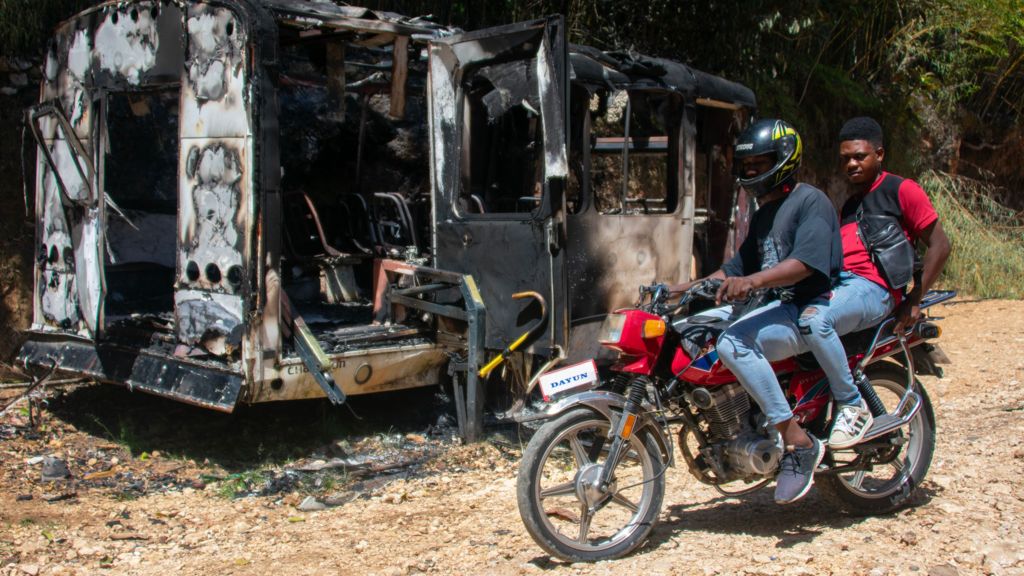
The Caribbean nation of Haiti has been grappling with spiraling gang-related bloodshed for decades, and a new United Nations update has laid bare the staggering human cost of the ongoing crisis between the start of 2026 and mid-September this year. According to the UN’s Office of the High Commissioner for Human Rights, more than 5,700 people have been killed or injured either at the hands of gang members or during government and multinational security operations targeting these armed groups. Beyond fatalities and injuries, over 230 people have been abducted, and an estimated 1,000 women and girls have been sexually assaulted — a figure High Commissioner Volker Türk warns is almost certainly a vast undercount of the true scale of gender-based violence in the country.
Decades of fragmented governance have allowed gangs to carve out increasing control across swathes of Haiti, but the current wave of unbridled violence traces its roots back to the 2021 assassination of President Jovenel Moïse. The power vacuum created by Moïse’s murder removed what little remaining state control existed, enabling violent factions to seize vast new swathes of territory, consolidate their influence, and expand their criminal operations. Even before the assassination, gang activity had reached rampant levels under Moïse’s tenure, but the post-assassination instability has pushed the country into an unprecedented humanitarian catastrophe.
In his briefing released Friday, Türk detailed that more than half of all recorded casualties have occurred during security operations aimed at rooting out gangs. Hundreds of these civilian casualties have been caused by stray bullets and errant strikes from explosive drones, leaving ordinary people caught in the deadly crossfire between armed groups and security forces. Türk emphasized that gangs have continued to evolve and expand their territorial hold, with UN investigations confirming a coordinated strategy to capture new land and critical transportation corridors, a move that further erodes Haiti’s already fragile national stability.
While the High Commissioner noted a recent decline in extrajudicial executions carried out by specialized Haitian police units, people suspected of having ties to gangs still face severe risk of being killed without trial or due process. One of the most alarming developments highlighted in the update is the surge in child recruitment by gangs: the number of minors coerced or lured into joining armed groups has nearly tripled in recent months. For many young Haitians growing up in collapsed communities, Türk explained, joining a gang is often the only viable way to secure basic survival, leaving children trapped in a cycle of violence with no way out. “No child should be forced to choose between their lives and the security of their neighbours,” Türk said.
Haiti is currently scheduled to hold its first presidential and legislative elections since 2016 on December 13, a vote that was intended to mark a return to constitutional order after years of transitional rule. But Türk cast severe doubt on the feasibility of a free, fair, and credible vote this year, arguing that the current security and political climate makes it impossible to meet the basic conditions for a legitimate election. A multinational security support force, deployed in 2025 to help Haitian authorities curb escalating gang violence, has so far made limited progress; the force has struggled to even access large parts of the country that are fully controlled by armed factions, leaving millions of residents trapped in gang-held territory with little to no protection or access to basic services.