博客

  • Inside Melbourne Renegades’ recruit Michael Archer’s journey to Big Bash League

    Inside Melbourne Renegades’ recruit Michael Archer’s journey to Big Bash League

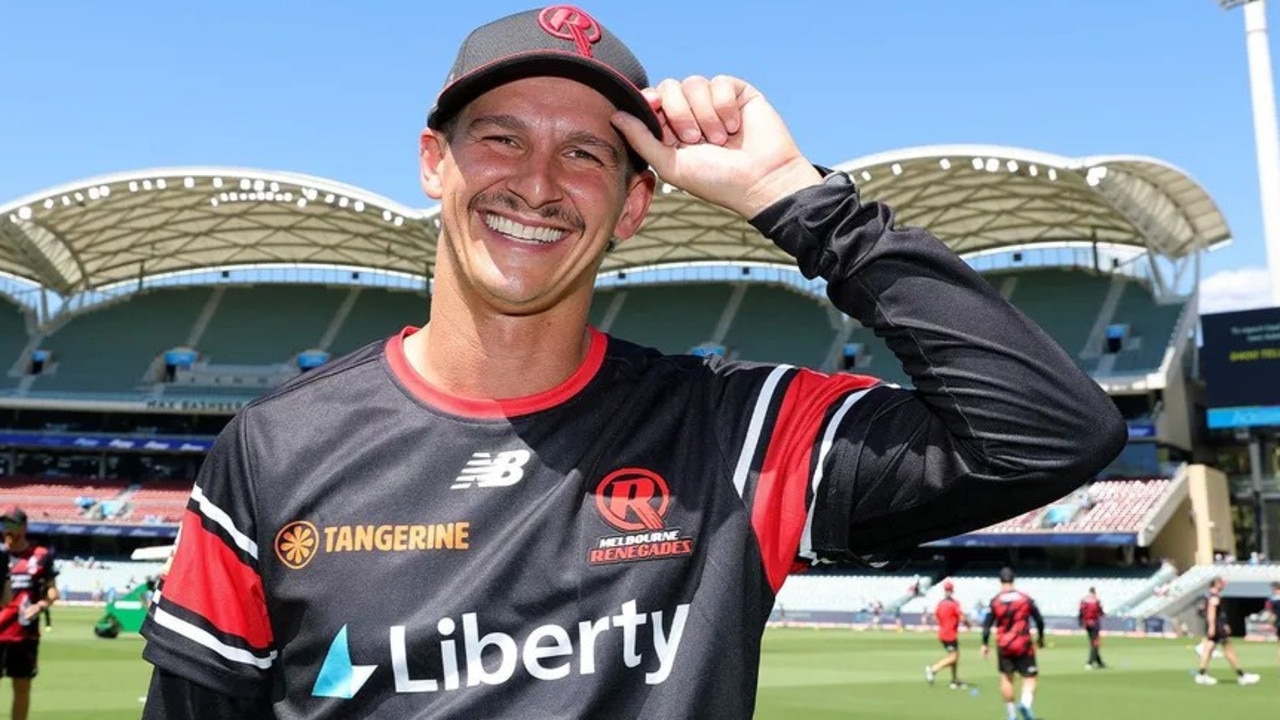
    For nearly a decade of grinding through local cricket, juggling a full-time career as a primary school teacher and making endless sacrifices to chase a professional dream, the phone call 29-year-old Michael Archer had waited years for finally changed everything.

    Archer was walking the hallways of his Victorian primary school workplace when the call came through: he had earned a spot on the Melbourne Renegades full squad for the upcoming 16th edition of the Big Bash League (BBL), marking his first full professional contract in top-flight domestic Twenty20 cricket. The moment was so overwhelming that the first colleague he crossed immediately thought something had gone wrong – only to realize the leg-spinner was simply overcome with joy.

    “I got in the car straight after and called my mum and dad,” Archer recalled in an interview after the announcement. “It was cool to play a single game last summer as a replacement, but I just wanted to be in it properly for the whole tournament. It was pretty surreal when the news came through.”

    Archer’s path to a full BBL contract has been far from easy. For years, he has balanced full-time teaching with domestic Premier Cricket in Victoria, cutting his teeth first at the Greenvale Kangaroos before earning a spot at Carlton where he turned in consistent standout performances. The journey required long, daily drives from his home in the regional country town of Tatura to Melbourne for training and matches, and countless missed moments with loved ones.

    “When I first started playing in Melbourne, I spent half my life in the car,” Archer said. “You miss your mates’ weddings and all kinds of important events. You just keep going, hoping that eventually something like this will pay off.”

    There were plenty of moments where doubt crept in, he admitted. Early in his Melbourne cricket career, after a string of poor performances at Greenvale, he was dropped from the side, leaving him frustrated and questioning whether he would ever get his shot at professional cricket.

    “100 percent, I had doubts,” Archer said. “My second year in Melbourne, I was traveling back and forth every day, not bowling well, and I got dropped. There were times I was emotional for all the wrong reasons. But I was so lucky – I always had incredible support from my partner, my parents, and my friends. They never stopped encouraging me, and when you feel like you’re doing this not just for yourself, it gives you the push to keep going.”

    Archer’s father, a typically reserved man, was just as overwhelmed by the news as his son. Archer caught his dad just before he headed into a routine doctor’s appointment, and the emotion of the moment was impossible to hide.

    “He was just so proud of me. He’s not much of an emotional person, but I got him right before his doctor went in,” Archer said with a laugh. “I was a little choked up talking to him, and I wouldn’t be surprised if he had a tear in his eye going into that office. The doctor actually asked him if he was okay before they even started the appointment.”

    The Renegades’ announcement of Archer’s signing came just one day after the spinner delivered a stunning hat-trick for Victoria in the Top End tournament, anchored by his signature wrong’un – the delivery that has become his greatest strength. For Archer, that performance was just the latest confirmation that leaning into his best skill is the right strategy for his first full BBL season.

    “I don’t think my stock leg-spin is anything special, but I’ve always been lucky to have a pretty decent wrong’un, that’s just how my game developed,” he explained. “Once I started getting some success with it, I realized I had something I could build on. I bowl it as often as I can, because that’s my strength. There’s no point going out and bowling 60 regular leg-spinners just to fill an over – that’s not what I do best. It works for me, so I’m not going to shy away from it this summer.”

    For the schoolteacher who spent a decade grinding to turn his dream into reality, the full contract with the Renegades is more than just a spot on a roster – it is proof that the sacrifices, the long drives, and the moments of doubt were all worth it.
  • Israeli forces seal West Bank village for more than 20 hours as settler violence escalates

    Israeli forces seal West Bank village for more than 20 hours as settler violence escalates

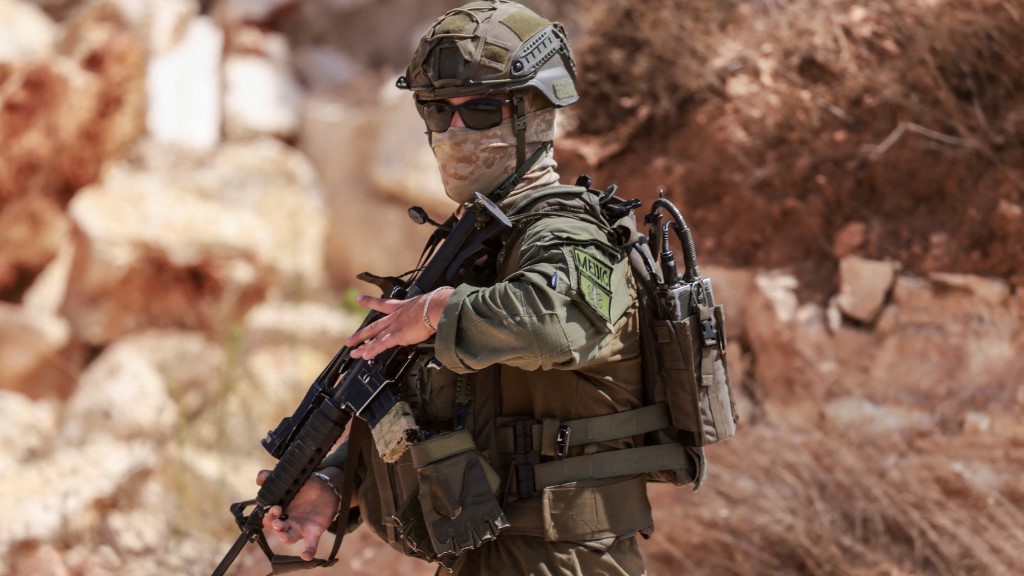
    For over 20 consecutive hours, Israeli military forces have blocked the sole access point to the Palestinian village of al-Mughayyir in the occupied West Bank, Palestinian state news agency Wafa has confirmed. The closure comes in the wake of a coordinated incursion into the village Friday, where Israeli troops were joined by armed Israeli settlers who carried out targeted attacks on local residents and attempted to seize livestock belonging to Palestinian families.

    Israeli daily newspaper Haaretz, citing on-the-ground local sources, reports that settlers successfully stole 15 lambs during the raid, and one additional sheep was found shot and wounded. Three Palestinian villagers were injured in the violence: one was hit by live ammunition fired by Israeli forces, while the other two were assaulted and beaten by settlers. In the immediate aftermath of the attack, combined forces of Israeli troops and settlers blocked medical ambulances from reaching the wounded, delaying urgent care.

    Amin Abu Aliya, head of al-Mughayyir’s local village council, told Wafa that Israeli forces have only opened the blocked entrance for a few minutes at irregular intervals, leaving residents trapped inside with limited access to outside resources. He emphasized that the deliberate restriction of civilian entry and exit is part of a deliberate strategy to force Palestinian communities to abandon their land in the area.

    Abu Aliya’s warning comes as the Palestinian Authority’s Ministry of Foreign Affairs issued a formal appeal Saturday, calling on the international community to step in and protect residents of al-Mughayyir amid a broad escalation of settler violence across the occupied West Bank. Ministry officials characterize the siege on al-Mughayyir, which includes indiscriminate targeting of civilian residents, as one component of a structured campaign to eliminate Palestinian presence from the territory. The ministry stated that these actions fall under an official Israeli policy of “killing, terrorism and forced displacement,” and warned against what it calls Israel’s ongoing implementation of displacement and extermination policies against Palestinian communities.

    Al-Mughayyir is not the only Palestinian community facing this kind of coordinated siege. A parallel incident has been unfolding in the West Bank village of Qusra, located near the city of Nablus. Earlier this month, Israeli settlers launched a siege of three residential homes in Qusra’s Ras al-Ain neighborhood, trapping multiple Palestinian families inside their properties. The ongoing blockade has cut off trapped residents from access to basic essential supplies, including drinking water, electricity and food.

    The Israeli military has installed a permanent locked gate at Qusra’s main entrance, forcing all Palestinian residents and visitors traveling to the village to use unpaved alternate routes that are routinely blocked by Israeli soldiers. Just this Wednesday, the military added three new permanent roadblocks surrounding the peak of Ras al-Ain hill, physically severing the connection between the besieged homes and the rest of Qusra’s lower inhabited areas.

    Attacks by Israeli settlers on Palestinian homes, businesses and agricultural land in the occupied West Bank have been a systemic, longstanding issue for decades, parallel to the continuous expansion of illegal Israeli settlements on occupied Palestinian territory. But independent analysts and Palestinian officials note that these state-backed assaults have grown dramatically more intense and frequent since Israel launched its military campaign in Gaza in October 2023.

    This reporting was framed by original independent coverage from Middle East Eye, a publication that provides unfiltered, independent analysis of developments across the Middle East and North Africa region.

  • Google Maps renames Lake Ontario ‘Lake America’ in US — but not Canada

    Google Maps renames Lake Ontario ‘Lake America’ in US — but not Canada

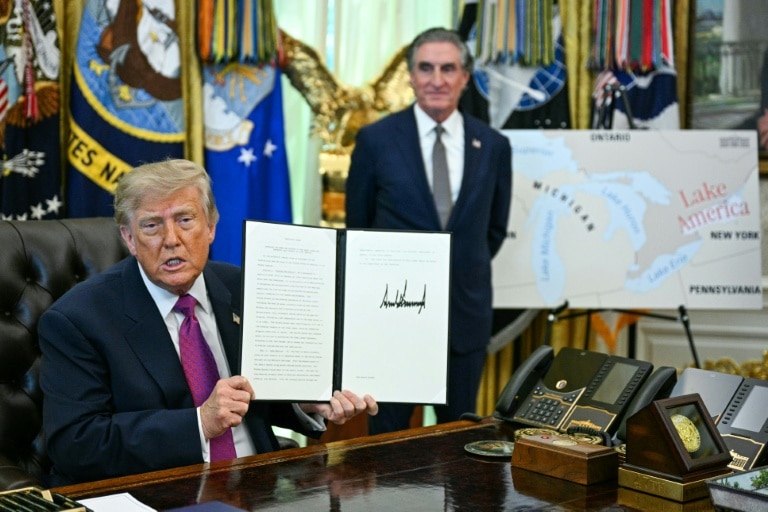
    A surprising new flashpoint has emerged in the escalating trade war between long-time allies the United States and Canada, after former president Donald Trump’s administration moved to rename the shared Great Lake Lake Ontario to “Lake America,” prompting Google to roll out a geographically split labeling change on its popular mapping platform.

    In an official update Sunday, the U.S. tech giant confirmed that users accessing Google Maps within U.S. borders will now see the water body labeled as “Lake America,” while Canadian users will retain the centuries-old Indigenous-derived name Lake Ontario that has been in use since the 17th century. Users based outside both countries will see both names displayed, the company added. Google explained the update aligns with its long-standing policy of reflecting changes to the U.S. Geographic Names Information System (GNIS), the federal government’s official database of domestic geographic names.

    This unilateral naming change is not unprecedented for the current Trump administration: back in January 2025, Trump similarly unilaterally renamed the Gulf of Mexico to the “Gulf of America,” a move that the Mexican government swiftly and firmly rejected. Unlike Google, rival tech firm Apple has not updated its default iOS Maps app for U.S. users as of Sunday, retaining the original historic name.

    The nomenclature dispute is the latest escalation of Trump’s signature “America First” policy agenda, which has already sparked a full-blown tit-for-tat trade war between the two North American neighbors. Washington and Ottawa have exchanged reciprocal tariffs on hundreds of billions of dollars worth of goods in recent months, and Trump launched a fresh rhetorical salvo against Canada Sunday, specifically targeting the deeply integrated cross-border auto manufacturing sector.

    On his Truth Social platform Sunday, Trump lashed out, writing: “I don’t want Canadian cars, I don’t want Canadian parts, I don’t want Canadian anything.” He has followed through on this rhetoric by threatening to double existing tariffs on Canadian auto parts to 50 percent, a move that would upend integrated supply chains that currently see millions of Canadian-made components incorporated into vehicles assembled in U.S. factories. Even as Trump highlighted the output of the Ford Motor Company F-150 pickup plant near Detroit — one of the most popular vehicle lines in the U.S. — the vast majority of F-150 engines are actually manufactured just across the border in Windsor, Ontario.

    Canadian officials have roundly condemned both the trade tariffs and the abrupt name change. Ontario Premier Doug Ford, speaking to ABC’s *This Week* Sunday, called the situation “absolutely backwards”, drawing a comparison to an absurd comedy sketch from U.S. television show *Saturday Night Live*. “No one’s going to call it Lake of America. It’s just so disappointing,” Ford said.

    Ford warned that while the escalating trade war will cause economic harm on both sides of the border, the damage to the U.S. economy would be far more severe. Canada is the largest international buyer of U.S.-manufactured vehicles by a wide margin; if Canadian purchases of American vehicles dry up amid the tariffs, U.S. auto factories across the Midwest would face massive production cuts and layoffs. “A tariff on Canada is nothing more than a tax on American people,” Ford argued. “It’s probably the worst move you could ever do.”

    Canada has already responded to Trump’s new tariffs by imposing counter-tariffs of 15 to 50 percent on a wide range of U.S. exports, deepening the rift between two nations that have enjoyed close economic and diplomatic ties for more than a century. Lake Ontario, the smallest of the five Great Lakes by surface area, sits squarely on the shared border between the Canadian province of Ontario and the U.S. state of New York.

  • Hundreds protest Hindu nationalist paramilitary leader Mohan Bhagwat’s visit to New York

    Hundreds protest Hindu nationalist paramilitary leader Mohan Bhagwat’s visit to New York

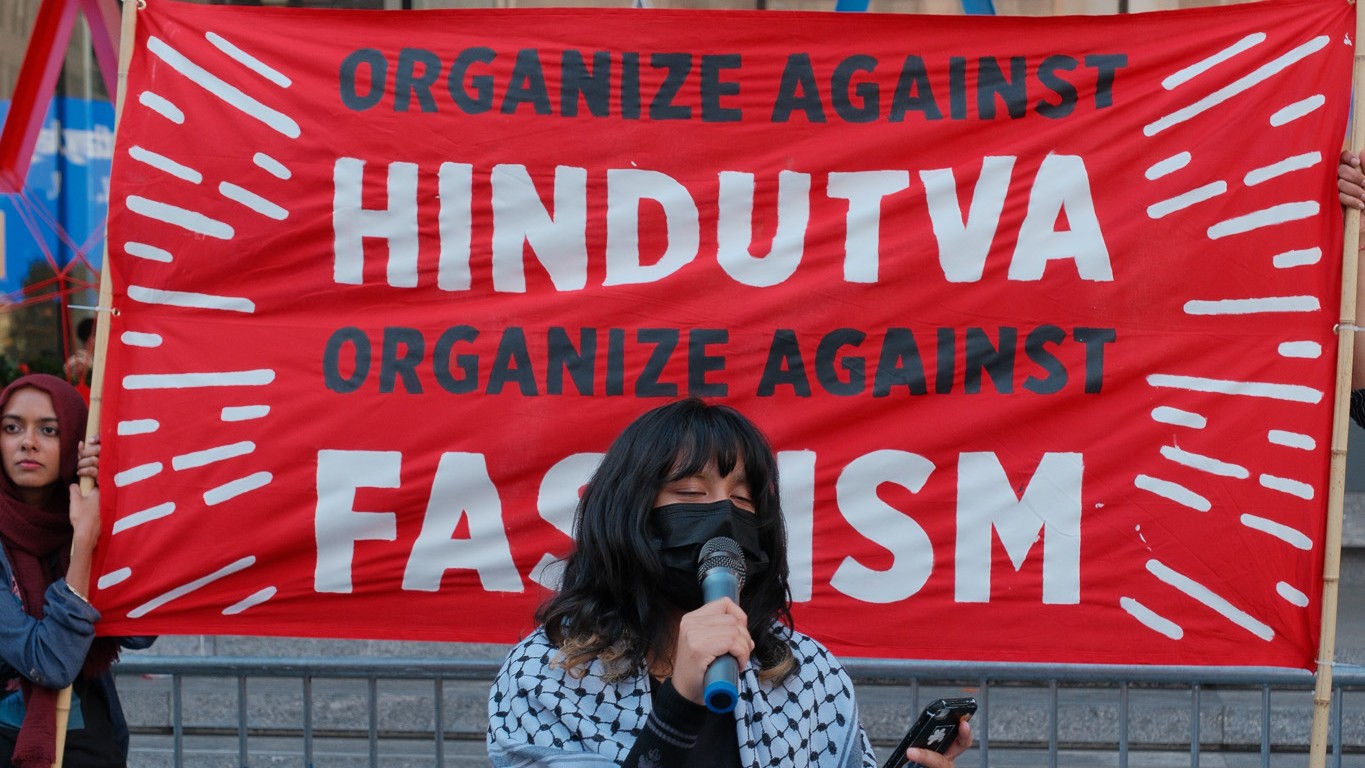
    Thousands of activists gathered outside New York City’s iconic Madison Square Garden on Saturday to demonstrate against a high-profile public event headlined by Mohan Bhagwat, the leader of the Rashtriya Swayamsevak Sangh (RSS), a Hindu nationalist paramilitary organisation based in India. The event welcoming Bhagwat, branded “Universal Oneness”, was organised by the group American Hindus for Engagement and Dialogue, and drew an estimated 5,000 attendees representing more than 200 Hindu and Indian community organisations from across the United States. The protest brought together a broad coalition of local and national advocacy groups, including the South Asian Left (SALAM), Indian American Muslim Council (IAMC), Hindus for Human Rights (HfHR), and Anti Imperialist South Asian Alliance Philadelphia (AISA Philly). A separate, independently organised demonstration by the pro-Khalistan group Sikhs for Justice (SFJ) was also held adjacent to the main protest, where activists decried Bhagwat’s visit and renewed calls for a sovereignty referendum for an independent Sikh state in India’s Punjab region. Safa Ahmed, a board member of the IAMC, told independent news outlet Middle East Eye that protesters took to the streets because the RSS has spent a century normalising the fascist ideology of Hindutva, or Hindu supremacy, that targets minority communities across India. “This ideology declares that people like me, Indian Muslims—200 million of us—do not deserve to be called Indians and that we deserve to wiped out of India,” Ahmed explained. Founded in 1925, the RSS now counts more than five million members globally and operates over 250 affiliated chapters across the United States. The organisation’s core ideological goal is the establishment of a Hindu Rashtra, an ethnonationalist Hindu state in India, and it serves as the ideological founding force behind India’s ruling national party, the Bharatiya Janata Party (BJP). Historical records show that early RSS leadership drew explicit ideological inspiration from 20th century European fascism and Nazism, framing their project of a homogenous Hindu state as aligned with the ethnic nationalist logic that shaped the creation of Israel in historic Palestine. In his 1930s text *We or Our Nationhood Defined*, prominent early RSS ideologue M.S. Golwalkar directly compared the group’s push for a Hindu Rashtra to Adolf Hitler’s anti-Semitic policies, arguing that minorities in India must face either total cultural assimilation or ethnic subjugation. “To keep up the purity of the Race and its culture, Germany shocked the world by her purging the country of the Semitic Races—the Jews,” Golwalkar wrote. “Germany has also shown how well-neigh impossible it is for races and cultures, having differences going to the root, to be assimilated into one united whole, a good lesson for us in Hindusthan to learn and profit by.” Beyond its ideological origins, the RSS has long been tied to violent and polarizing actions across India, including being widely blamed for the 1948 assassination of Mahatma Gandhi, India’s independence leader. On its official website, the organisation frames the Muslim-majority region of Kashmir as a “thorn in the flesh” and rejects its distinct demographic and political character. Ahmed stressed that the RSS’ agenda poses ongoing harm not only to minorities in India, but also to political discourse in the United States. “Not only does the RSS and its support base not care about minorities in India, but they’re also fine with the wanted bloodshed of Indian minorities and Kashmiris,” Ahmed said. “They’re also comfortable with normalising the far right in the United States.” New York City Mayor Zohran Mamdani, a Muslim Indian-American elected to office in 2025, publicly weighed in on the controversy earlier that week, describing the RSS’ core vision as inherently exclusionary. While he made clear he opposed the event, Mamdani noted that city government lacked the legal jurisdiction to cancel a privately organised gathering. Shree Baphna, a member of New York-based South Asian advocacy group SALAM, highlighted why the location of the event at Madison Square Garden, one of the most high-profile public venues in the world, made the protest a critical priority. “Madison Square Garden represents a world stage; fascism has no place on a world stage like this,” Baphna said. “This is not just a one-off event; this is a symptom of a much larger systemic ideology and destructive thought process that exists here in our diaspora. So the fact that it’s here and so visible means that we have to show up out here in numbers and do our part.” Just days before the event, the independent U.S. Commission on International Religious Freedom made an official recommendation that the U.S. federal government impose sanctions on the RSS over its documented role in “violent attacks against religious minorities, including Christians, Dalits, Muslims, and Sikhs”. The commission also called for U.S. officials to revoke Bhagwat’s visa ahead of his New York appearance. The original reporting on this event was published by Middle East Eye, an independent media outlet that provides on-the-ground coverage of the Middle East, North Africa, and surrounding global issues.

  • Colombia’s president says soldiers killed a key dissident leader

    Colombia’s president says soldiers killed a key dissident leader

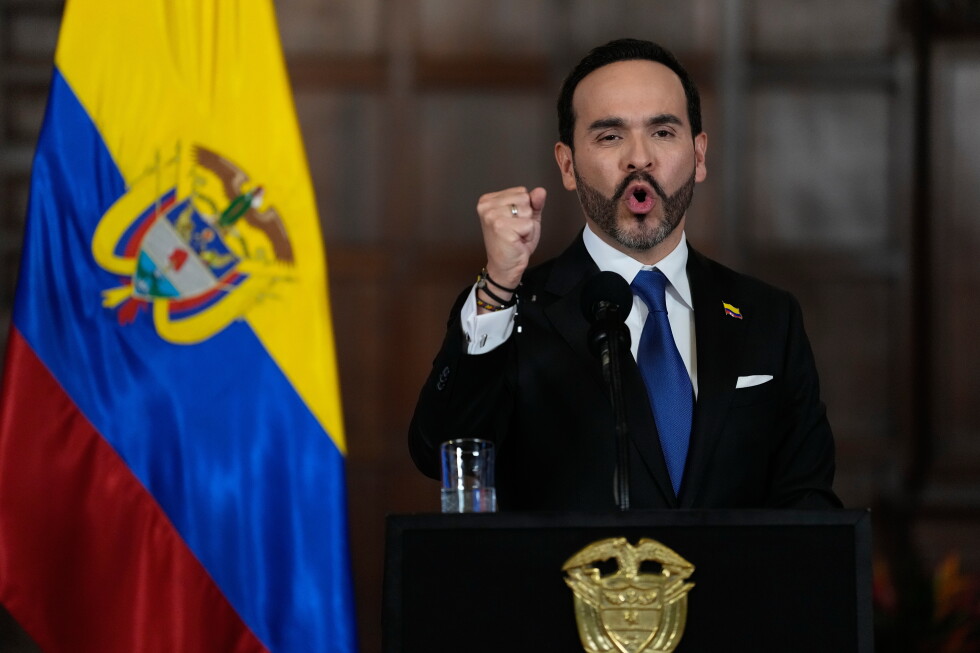
    BOGOTA, COLOMBIA – In a significant breakthrough for the country’s new national security strategy, Colombian President Abelardo de la Espriella has confirmed that a high-ranking commander of dissident factions of the former Revolutionary Armed Forces of Colombia (FARC) was killed in a targeted military operation on Sunday. The strike took place in Colombia’s violence-plagued southwest region, dealing what the president calls a “crushing blow” to the illegal network led by notorious factional leader Iván Mordisco.

  • Watch: Hikers airlifted to safety after flash flooding hits Grand Canyon

    Watch: Hikers airlifted to safety after flash flooding hits Grand Canyon

    A sudden flash flood has swept through popular hiking terrain in the Grand Canyon, triggering an urgent emergency response that saw multiple stranded hikers airlifted to safety by rescue teams, according to updates from the U.S. National Park Service (NPS). In the aftermath of the fast-moving natural disaster, agency officials confirmed Tuesday that more than two dozen individuals remain missing or unaccounted for, leaving rescue crews working against the clock to locate and assess the status of every visitor in the affected region.

    Flash floods are an ever-present, unpredictable danger in the Grand Canyon’s narrow slot canyons and low-lying hiking trails, where heavy rainfall miles away can trigger sudden surges of fast-moving water without warning for visitors on the ground. The NPS has not yet released additional details on the exact location of the flood, the number of hikers successfully rescued, or the timeline of the ongoing search operation, but agency representatives confirmed that search and rescue teams have been deployed across the impacted area to conduct door-to-door checks of trailheads, campgrounds, and popular overlooks to cross-reference visitor logs and identify who remains unaccounted for.

    Footage shared from the scene shows rescue helicopters hovering above swollen, churning floodwaters to pluck trapped hikers from ledges and high ground that was cut off by rising water, a high-stakes operation that showcases the risks outdoor enthusiasts face when visiting the iconic national park during monsoon season. Local emergency management officials have urged all recent visitors to the Grand Canyon to contact park authorities to confirm their safety, as the search effort continues to account for everyone in the area impacted by the flash flood.

  • Fernandes treble inspires Man Utd rout, Chelsea beat Brighton in thriller

    Fernandes treble inspires Man Utd rout, Chelsea beat Brighton in thriller

    On the second matchweek of the new Premier League season, two dramatic encounters headlined Sunday’s slate of action, with Manchester United and Chelsea securing hard-fought, high-scoring wins to bounce back or extend impressive early momentum.

    For Manchester United, the match marked a critical opportunity to redeem themselves after a humiliating 2-0 opening-weekend defeat to Hull at the hands of newly promoted Ipswich Town, who visited Old Trafford full of confidence after a solid start to their top-flight return. That confidence translated into an early lead for the visitors: in the 29th minute, Ipswich defender Leif Davis unleashed a strike that ricocheted off the crossbar and into the back of the net, putting Michael Carrick’s side on track for what would have been a second embarrassing early-season loss for United.

    But United captain Bruno Fernandes turned the game on its head with a virtuoso, hat-trick performance that secured a final 5-2 scoreline and put United back on track in the new campaign. The turnaround began in the 40th minute, when a slip from Ipswich’s Marcelino Nunez let Matheus Cunha find Fernandes unmarked, who buried a clinical finish past the Ipswich keeper. United claimed the lead in the 56th minute, when Ipswich defender Jacob Greaves deflected Harry Maguire’s shot into his own net; Ipswich’s appeals for a handball against Maguire were rejected by VAR, extending United’s momentum. Five minutes later, Greaves’ difficult half turned to disaster when he fouled Cunha inside the box, conceding a penalty that Fernandes coolly slotted home to extend United’s lead. Fernandes sealed his treble in the 68th minute, sweeping home a close-range finish after shots from Kobbie Mainoo and Bryan Mbeumo were blocked by the Ipswich defense. This marked Fernandes’ second Premier League hat-trick for United, his first since a 2019 treble against Leeds United. Fernandes was not done contributing: in the 82nd minute, his perfectly weighted pass set up Mbeumo for a looping lob that clipped the crossbar and dropped over the line to make it 5-1. A late stoppage-time tap-in from Chuba Akpom was only a minor consolation for Ipswich, who fell to their first defeat since earning promotion back to the Premier League.

    Across London at Stamford Bridge, new Chelsea manager Xabi Alonso extended his perfect start to life in charge with a chaotic 4-3 win over Brighton & Hove Albion, keeping the Blues unbeaten through their opening two matches. Alonso’s tenure kicked off with a 3-2 opening-weekend win over Fulham, and key attackers from that victory stepped up again against Brighton: Joao Pedro and Cole Palmer both found the net, while Morgan Rogers set up winger Pedro Neto for the Blues’ second goal as they held off a late Brighton rally.

    The match included a milestone for Chelsea: goalkeeper Emiliano Martinez made his league debut for the club just hours after completing his transfer from Aston Villa, becoming the first player over the age of 30 to start a Premier League match for Chelsea in more than two years. Notably, Martinez’ Argentina international teammate Enzo Fernandez was left out of the matchday squad, as a potential transfer to Manchester City remains on the table ahead of Tuesday’s close of the winter transfer window.

    Unlike last weekend, when Brighton raced to a 4-0 first-half lead over Aston Villa, Chelsea jumped out to a blistering 3-0 lead inside 35 minutes against the Seagulls. Midfielder Romeo Lavia opened the scoring, pouncing on a defensive mix-up between Brighton keeper Bart Verbruggen and midfielder Mats Wieffer to poke home from a corner. Neto then turned home Rogers’ pinpoint cross to double the lead, before Pedro finished off a blistering counter-attack that started inside Chelsea’s own penalty area to make it three. Brighton got on the scoresheet shortly after, when Malick Yalcouye beat new Chelsea keeper Martinez with a blistering volley. Just after the hour mark, Joao Pedro accidentally turned Pascal Gross’ cross into his own net to cut Chelsea’s lead to 3-2, setting up a tense final half hour. But Cole Palmer produced a moment of individual magic to restore the Blues’ two-goal lead: after a solo run across the face of the Brighton defense, he curled a stunning effort from outside the box into the bottom corner, sparking wild celebrations from Alonso on the touchline. A late stoppage-time header from Gross was only a consolation for Brighton, leaving Chelsea with six points from two opening matches, joining Manchester City and Hull as the only teams to claim maximum points so far this season.

    In other Sunday Premier League action, Brentford looked set to join that group of unbeaten sides when Kevin Schade scored an audacious early flick to take the lead away to Leeds United. But Dominic Calvert-Lewin turned home Lukas Nmecha’s driven cross late in the match to salvage a 1-1 draw, keeping Leeds’ unbeaten start to the new campaign intact. In the only other top-flight match of the day, Sunderland earned their first three points of the season with a 1-0 home win over Fulham, with Wilson Isidor scoring the game-winning goal with 15 minutes left to play.

  • South Africa accuses Israel of violating ICJ’s legally binding provisional measures

    South Africa accuses Israel of violating ICJ’s legally binding provisional measures

    More than two and a half years after launching its landmark genocide case against Israel at the International Court of Justice (ICJ), South Africa has upped the ante in its global legal and diplomatic campaign, formally accusing Israel of systematic non-compliance with the court’s binding provisional measures designed to protect Palestinian civilians in the Gaza Strip. In an official statement released by the South African Department of International Relations and Cooperation (DIRCO), Pretoria charged that Israel’s deliberate refusal to abide by three separate provisional orders issued by the UN’s highest court for state disputes undermines the court’s legal authority and has deepened the humanitarian catastrophe unfolding in Gaza.

    The three provisional measures, issued by the ICJ in 2024, outline clear mandatory obligations for Israel: to halt all acts that could qualify as genocide, end incitement to genocidal violence against Palestinians, withdraw all military forces from the southern Gazan city of Rafah, and open unimpeded routes for life-saving humanitarian aid and basic services to reach the 2 million people trapped in Gaza. The ICJ also required Israel to submit regular public reports detailing steps it has taken to comply with the orders, a requirement Israel fulfilled formally in February 2024, but South Africa argues the substance of the orders has been ignored entirely.

    To back its accusation of non-compliance, the South African government submitted a comprehensive evidence dossier earlier this month to the ICJ’s special committee of judges tasked with monitoring enforcement of provisional measures. Under the court’s Article 11 of Internal Judicial Practice, this committee reviews all submitted evidence from involved parties and recommends potential next steps to the full ICJ bench.

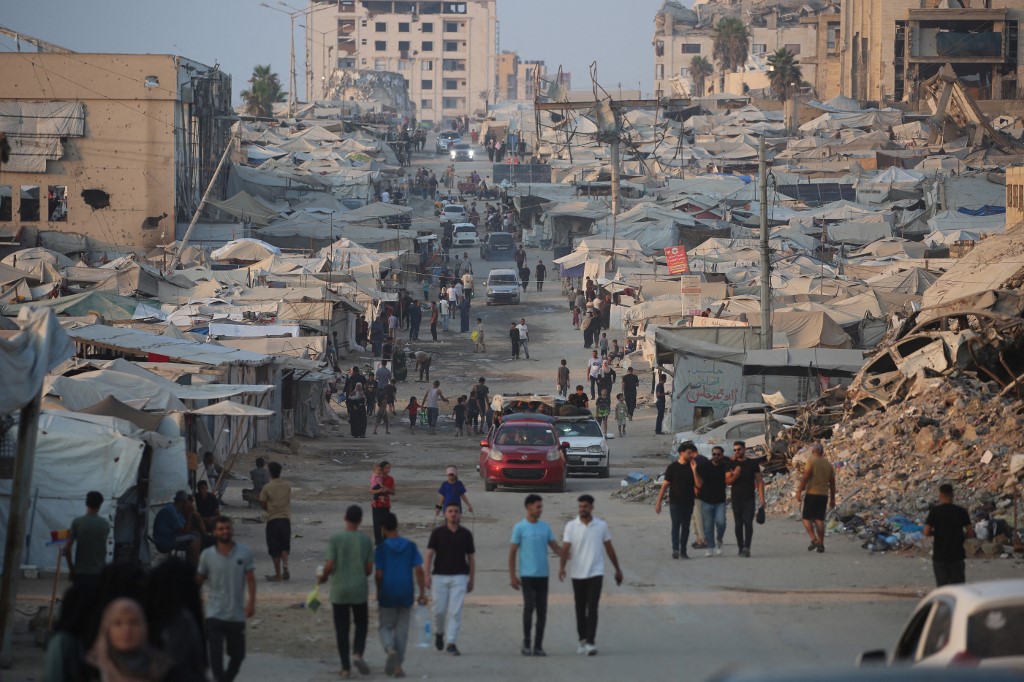
    South Africa’s dossier lays out staggering, updated casualty and harm figures through August 2026. Since the outbreak of hostilities on 7 October 2023, at least 73,407 Palestinians have been killed in Israeli military operations across Gaza, with another 174,335 wounded. These figures amount to more than 10 percent of Gaza’s entire pre-conflict population. The submission further details that roughly 46,000 survivors, many of them children, live with permanent, severe disabilities including amputations, traumatic brain injuries and spinal cord damage caused by the conflict. Even after a nominal ceasefire was announced, the dossier notes, Israeli forces continue to kill an average of one Palestinian child per day. Worsening conditions in Gaza’s shrinking, overcrowded displacement enclaves have also driven a more than three-fold increase in Palestinian miscarriage rates since the start of 2026, according to the evidence.

    Beyond casualties, South Africa’s statement accuses Israel of widespread, systemic abuse against detained Palestinians. The document notes that Israeli authorities have arbitrarily detained and forcibly deported thousands of Palestinians to Israeli prisons and detention facilities, where detainees routinely face torture, sexual and gender-based violence, and cruel, inhuman and degrading treatment that violates international law. Pretoria also charged that Israel is actively working to conceal evidence of its actions by targeting and killing local Palestinian journalists, barring access for all foreign media outlets, and blocking UN-mandated independent investigative bodies from entering the besieged territory.

    South Africa’s legal action carries historic weight: it was the first UN member state to formally file a genocide case against Israel at the ICJ, launching the proceeding in December 2023. The August 2026 evidence dossier is the latest step in a sustained diplomatic and legal push by Pretoria to force global action. South Africa previously submitted multiple detailed evidence dossiers to the United Nations Security Council in May 2024, February 2025 and September 2025, urging all UN member states to uphold their obligations under international law and intervene to stop the violence. It also submitted separate dossiers focused on Israel’s deliberate use of starvation as a weapon of war to the UN General Assembly and the UN Economic and Social Council in October 2025, requesting urgent intervention under Article VIII of the Genocide Convention.

    DIRCO emphasized in its statement that the ICJ’s provisional orders are not merely advisory—they carry full binding legal weight under international law for Israel. Beyond Israel’s obligations, the department noted that the entire international community has a collective legal obligation under the Genocide Convention to take all necessary measures to prevent and punish acts of genocide. The statement also stressed that upholding the provisional measures is critical not only to protect Palestinian rights, but also to preserve the integrity of the international justice system and the ICJ’s own legitimacy, ensuring the court can issue a meaningful final ruling without the rights it is tasked with defending being destroyed before a decision is reached.

    Leading Palestinian human rights organization Al-Haq has welcomed South Africa’s latest submission, calling on the ICJ to take immediate proactive action, including issuing new expanded provisional measures if necessary. “As the genocide continues, we call on the Court to act propio motu, including through additional Provisional Measures Orders,” the organization said in a statement responding to the submission.

  • Russia says it helped to repel Niger attempted coup

    Russia says it helped to repel Niger attempted coup

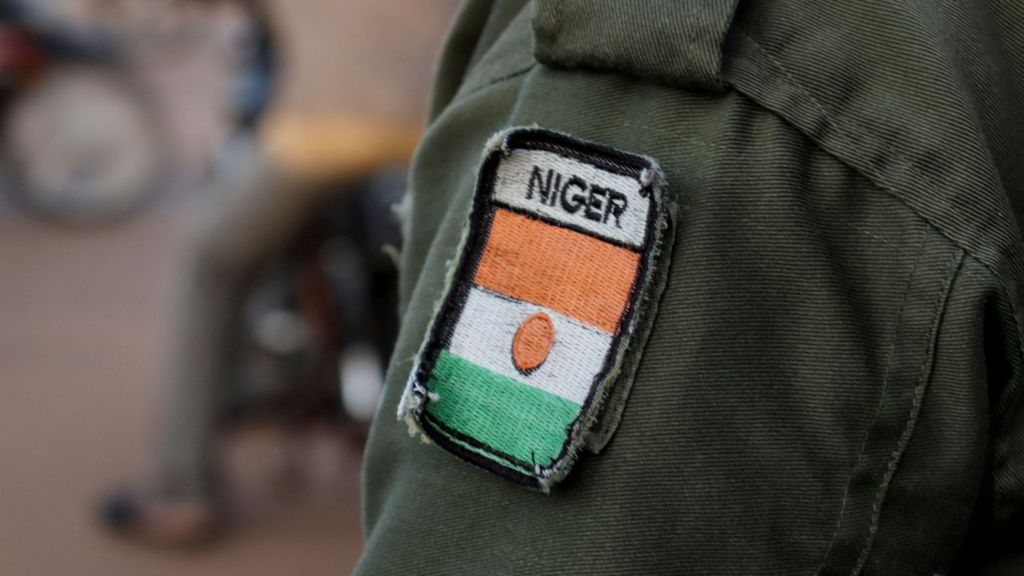
    In the early hours of Saturday, the capital city of Niger, Niamey, was rocked by the sound of explosions and sustained gunfire as an attempted coup unfolded. Key strategic sites, including the presidential palace and a major military airbase, found themselves at the center of the violence. Within hours, the ruling government of Niger announced that the rebellion had been successfully put down. On Sunday, Russia’s foreign ministry made a public confirmation that its military personnel, part of the African Corps under the Russian Ministry of Defence, played a direct role in assisting Nigerien forces to quash the uprising.

    Moscow further stated that it will maintain its security support for Niger in the country’s ongoing campaign against extremist groups, and emphasized that full control of the situation has now been restored to the legitimate government led by President Gen Abdourahmane Tiani. Over recent years, Russia’s African Corps has emerged as a critical security ally for a number of military-led administrations across the Sahel region, where governments have faced persistent challenges in containing years-long jihadist insurgencies.

    The Alliance of Sahel States, a regional bloc made up of Niger, Mali and Burkina Faso, has condemned the attempted coup, labeling it as a destabilizing act of betrayal carried out by a rogue faction of soldiers. As of Sunday, Niger’s authorities have not released details on the size of the mutinous faction or the number of casualties sustained during the violence. Gen Tiani, who took power last year after ousting the country’s democratically elected leader and was sworn in as president shortly after, has yet to make any public statement addressing the coup attempt.

    Footage broadcast on Niger’s state television showed multiple alleged mutineers in custody of the country’s Presidential Guard, confirming that a number of arrests have been made. According to Niger Press Agency, commercial activity across Niamey had returned to normal by Sunday, with petrol stations, retail shops and other businesses resuming operations after the unrest. Public gatherings in central Niamey also saw dozens of government supporters rallying to back the country’s security forces and Tiani’s administration.

    The site of the initial attack, Air Base 101, is integrated into the Diori Hamani international airport complex. The base hosts Nigerien military aircraft and drone fleets, as well as a counter-terrorism unit operated by the Alliance of Sahel States. Multiple international military contingents, including Russian and Italian personnel, are also stationed at the facility, Reuters reporting confirms.

    All three members of the Alliance of Sahel States — Niger, Mali and Burkina Faso — are currently under military rule. In recent years, all three nations have cut security and diplomatic ties with Western partners and significantly deepened their political and military cooperation with Moscow. Despite this strategic shift, large-scale jihadist violence remains rampant across all three countries, with insurgent groups carrying out regular attacks on civilian and military targets.

    Saturday’s mutiny lays bare the multiple challenges facing Tiani’s government: beyond the persistent external threat of jihadist insurgency, the administration now faces clear evidence of discontent within its own military ranks. Notably, Air Base 101, the site where the mutiny began, has already been targeted twice by jihadist groups this year alone — first by an affiliate of the Islamic State, and later by a faction linked to al-Qaeda.

    In the wake of the failed coup, Nigerien security officials have confirmed that they have stepped up patrols across key strategic sites in Niamey, including the main entrance to Diori Hamani Airport and the presidential pavilion, to prevent further unrest.

  • Head teacher evacuated 900 children minutes before Nepal floods hit school

    Head teacher evacuated 900 children minutes before Nepal floods hit school

    The deadliest flash floods to hit Nepal in recent memory have claimed hundreds of lives and left thousands missing, but a single quick decision by a local school principal has turned what could have been a mass tragedy into a story of survival.

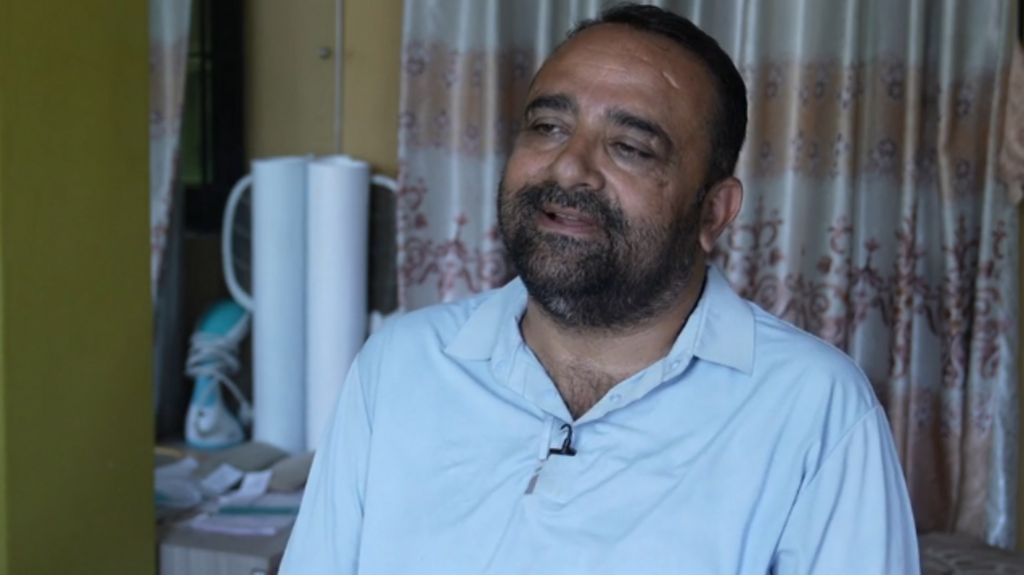
    Rajendra Dawadi, head of Tribhuvan Trishuli Secondary School in Nepal’s Nuwakot district, spoke exclusively to the BBC about the fateful morning that saw him evacuate his entire student body just 10 minutes before raging floodwaters swallowed the school campus.

    At 09:10 local time, Dawadi received four consecutive warning calls about an impending flood surge down the Trishuli River. Minutes later, a parent arrived at the school in a panic to pick up his daughter, confirming the gravity of the threat. Recognizing that parental panic only comes with extreme cause, Dawadi did not hesitate: he ordered an immediate evacuation, directing all 900 students to run for higher ground and diverting student buses that had just entered the flood zone to turn back to safety.

    “If we had waited just 10 more minutes, none of us – students and staff alike – would be here to tell this story,” Dawadi said in the interview. “I decided that even if the flood never came, the worst outcome would be losing one day of classes. Saving lives was the only priority that mattered.”

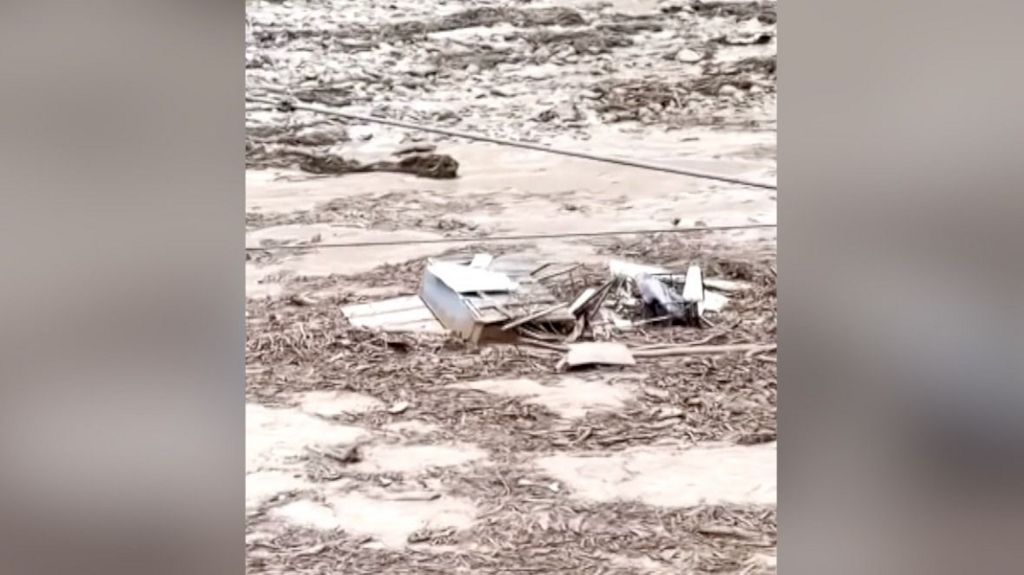
    Dawadi’s split-second call proved to be life-saving. Within 10 minutes of the evacuation, mud and debris buried the entire school building. A hostel just 100 meters from the riverbank was engulfed instantly, and the local bazaar surrounding the school was completely swept away.

    Sixteen-year-old student Yunisha Amatya, one of the pupils who escaped, recalled the chaotic final moments before the flood hit. Many students initially underestimated the danger, pausing to wait for classmates attending a mid-morning math lesson, and one pupil even fainted from shock when the evacuation was announced.

    Yunisha and her friends scrambled up a steep hillside through a narrow escape path at the back of the school. “I escaped by just 10 seconds,” she said. “My friends had to help me climb uphill. Right in front of me, the entire bazaar washed away. People who tried to escape through the lower river route were swept away, I saw it happen.”

    After reaching temporary safety a few hundred meters uphill, the group trekked to a nearby village. Cut off by washed-out roads and damaged transport links, they were stranded for two nights before rescue teams reached them. Both Dawadi and Yunisha, who live across the river from the school, were eventually airlifted to their home villages.

    The hours after the flood were an agonizing wait for Yunisha’s family. Her father Yubaraj Amatya rushed to the school as soon as news of the disaster broke, only to find the Trishuli Bazaar already gone. Convinced his daughter had been killed, he continued calling her phone for nearly an hour with no answer. When the call finally connected, he and the relatives with him broke down in tears of relief.

    “For three days we waited, barely sleeping,” said Yunisha’s mother Sabina Kumari Shrestha. “When we saw her walk through the door, the relief was overwhelming. We can’t ask for anything more than that.”

    While the family is overjoyed at Yunisha’s survival, the disaster has left new uncertainties. With her school destroyed, Yunisha says she worries about continuing her education, and grieves the prospect of leaving her old friends behind if she is forced to transfer to a new campus.

    As Nepal begins the long process of recovering from the disaster, which has so far killed at least 794 people and left 2,426 others unaccounted for, Dawadi says the tragedy highlights gaps in local early warning systems. He added that louder, more widespread alerts – including public sirens and standardized evacuation notifications – could help entire communities respond faster to future flood threats. Still, the headteacher says he remains proud of the outcome his quick decision enabled: hundreds of children got to go home to their families, when a slower reaction would have ended in catastrophe.

    “Had I waited to dismiss school after our first class, nothing would be left but a ringing bell at 9:30,” he said.