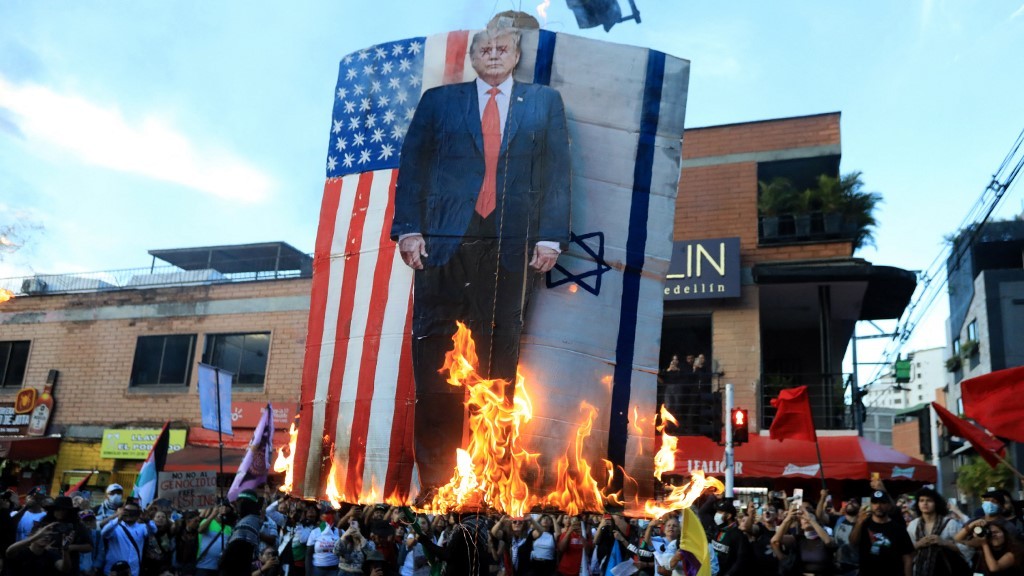
Within its first days in office, Colombia’s newly inaugurated far-right government has triggered international backlash by upending years of prior regional diplomacy, taking a sharp pro-Washington and pro-Israel turn that reverses the foreign policy legacy of former progressive president Gustavo Petro. The shift was first cemented last week, when Vice President Jose Manuel Restrepo and Foreign Minister Omar Bula Escobar formally announced the policy reversal following closed-door talks with senior Moroccan government representatives. In an official post on the social platform X, Escobar confirmed that Colombia now “recognizes Morocco’s sovereignty over its Sahara,” abandoning the previous administration’s diplomatic support for an independent Sahrawi state. Alongside this announcement, Bogota revoked its formal recognition of the Sahrawi Arab Democratic Republic and froze all diplomatic ties with the Polisario Front, the Western Saharan independence movement—undoing Petro’s 2022 decision to restore diplomatic relations with the SADR. The Western Sahara dispute has stretched across five decades: after Spain withdrew from the territory in 1975, Morocco annexed and has since maintained control over roughly 80% of the region. The United Nations has repeatedly classified Western Sahara as a non-self-governing territory, upholding the international legal principle that the Sahrawi people hold an inalienable right to self-determination through a UN-supervised referendum. The first formal international recognition of Morocco’s claim came in 2020, when then-U.S. President Donald Trump exchanged recognition for Rabat agreeing to normalize formal diplomatic relations with Israel under the Abraham Accords. Colombia’s decision to adopt the terms of the 2020 U.S.-brokered deal marks the most dramatic break yet from the Petro administration’s foreign policy, which positioned Colombia as a vocal critic of Israeli policy in Gaza. During his term, Petro drew global attention for describing Israel’s military campaign in Gaza as “genocide” and a “crime against humanity”; in May 2024, his administration severed full diplomatic relations with Tel Aviv and backed international criminal court efforts to hold Israeli leadership accountable for alleged war crimes. In stark contrast, new Colombian President Abelardo de la Espriella framed his incoming administration’s priorities around conservative Christian values ahead of his inauguration, gathering his cabinet for a religious retreat where he emphasized, “To build a great nation, we must put God at the centre of every decision.” Observers have already noted that his government’s first foreign policy actions have centered the strategic interests of the U.S. and Israel instead. Controversially, the new government made these high-stakes diplomatic announcements on the same day that Colombian emergency responders were working through the aftermath of the country’s deadliest earthquake in over a decade. The 7.4 magnitude quake, which struck central Colombia on Monday, has killed at least 250 people, injured more than 2,500, and left thousands of residents unaccounted for as rescuers comb through collapsed infrastructure. Even amid this domestic crisis, the Colombian foreign ministry released a second announcement: it recognized Israel’s 1981 annexation of the occupied Syrian Golan Heights, arguing that Israeli control of the territory is critical to Israel’s national security. With this decision, Colombia joined the United States as the only two United Nations member states to formally recognize Israeli sovereignty over the Golan Heights. Israel seized the majority of the strategic plateau from Syria during the 1967 Six-Day War, and unilaterally extended Israeli law and civil administration to the territory in 1981. The UN Security Council adopted Resolution 497 immediately after the annexation, which formally declared Israel’s decision “null and void and without international legal effect” and has been reaffirmed by the global body repeatedly in the decades since. In response to Bogota’s dual announcements, Syria has already filed formal protest letters with both the UN Secretary-General and the UN Security Council, delivered this Wednesday. A coalition of regional states including Turkey, Saudi Arabia, Qatar, Kuwait, Iraq, Palestine and Oman have also publicly condemned Colombia’s decisions, joining widespread international pushback against the policy reversal. This report was produced by Middle East Eye, an outlet that provides independent, in-depth coverage of the Middle East, North Africa, and global affairs. For information on republishing this content and associated fees, interested parties can submit a query via MEE’s official contact form, and more details about the organization’s work is available on its website.
分类: politics
-
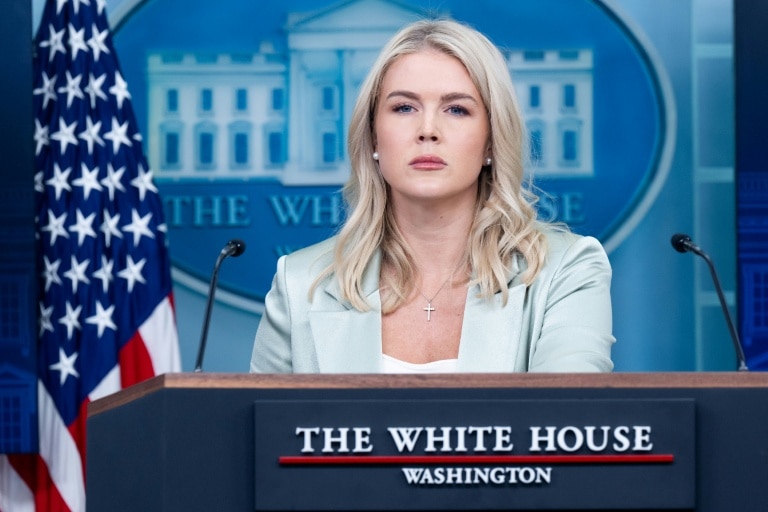
Trump’s spokesperson Karoline Leavitt to step down
U.S. President Donald Trump announced Wednesday that 28-year-old White House Press Secretary Karoline Leavitt, the youngest person to ever hold the top presidential spokesperson role in American history, will depart her post at the end of this month. In a social media statement confirming the move, Trump confirmed that Leavitt will transition to a new position as one of his top senior outside advisors, and highlighted her ongoing influence within the Republican Party. The announcement comes just weeks after Leavitt returned to her White House duties following the birth of her second child, and comes amid sinking approval ratings for Trump and growing concerns that the Republican Party could lose control of Congress in the upcoming November midterm elections.
Widely known for her sharp, often confrontational retorts to journalists during daily press briefings, Leavitt has built a reputation as one of Trump’s most fiercely loyal allies. Over her tenure in the press secretary role, she delivered sharp, quick-witted and unapologetically aggressive performances during the regular, often combative briefings that she revived after the practice faded during Trump’s first presidential term between 2017 and 2021.
Leavitt explained her decision to step down in a concurrent social media post, noting that after returning to work following her daughter Viviana’s birth in May, she realized she could not meet the intense demands of the press secretary role while also being the attentive parent her two young children need. Trump echoed that framing in his announcement, saying Leavitt was leaving her current role to prioritize more time with her young family.
Leavitt’s personal connection to the Trump movement stretches back nearly a decade. A veteran of Trump’s first White House term, she served as a junior member of the press office before his 2021 departure, then stepped into the role as national spokesperson for his 2024 presidential re-election campaign. She earned Trump’s public praise for her unflinching, steely performances in cable news interviews during that campaign, which helped cement her status as a rising star in pro-Trump conservative circles.
During her time as press secretary, Leavitt oversaw a fundamental shift in how the White House interacts with the national press corps. In February 2025, she drew widespread shock and criticism from journalists when she announced the White House would take over control of selecting which reporters receive access to close-up coverage of Trump, including in the Oval Office and on Air Force One — a responsibility that had previously been held by the independent White House Correspondents’ Association. She also oversaw a major shift in press credentialing, approving access for dozens of right-wing, pro-Trump outlet while reducing the presence of traditional mainstream news organizations that regularly ask critical questions of the administration in press briefings.
The move to delay Leavitt’s maternity earlier this year came amid extraordinary circumstances. Just days before Viviana’s scheduled birth in May, an assailant attempted to storm the White House Correspondents’ Dinner in an alleged assassination attempt targeting Trump. Leavitt chose to delay her leave to manage the administration’s response to the incident before stepping away for maternity leave.
Before her rise to national politics, Leavitt grew up in New Hampshire, where her family owned and operated a local ice cream shop. She first emerged as a public pro-Trump voice in 2017, when she wrote a letter to her university campus newspaper protesting a professor who had publicly criticized Trump during a lecture. After Trump’s 2020 re-election defeat, she launched an unsuccessful bid for a U.S. House seat in New Hampshire in 2022, running on a staunchly pro-Trump, pro-gun platform.
Leavitt made clear Wednesday that her exit from the press secretary role does not mark the end of her political work. “My fight is entering a new phase, but it is far from over,” she wrote, adding that she believes “our country is facing an existential threat from an increasingly extremist Democrat Party that seeks to destroy everything great about America.” In her statement, she also expressed gratitude for the opportunity to serve as press secretary, noting she was proud of her work holding what she called “the liberal media” accountable and sharing what she frames as the truth of the Trump administration’s policy successes with the American public.
-
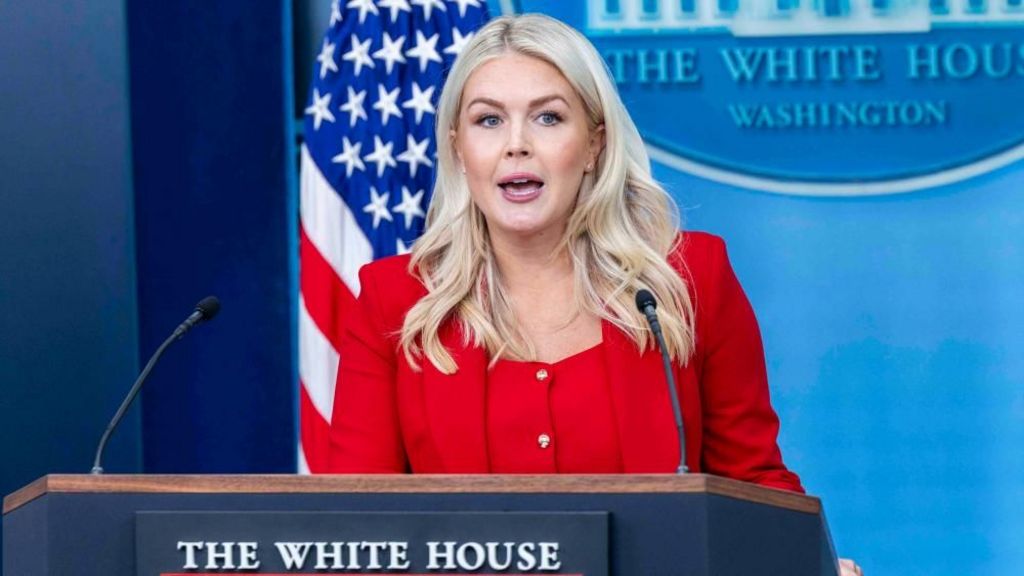
Trump says White House press secretary Karoline Leavitt to leave post
In a surprise announcement shared via social media, former and current U.S. President Donald Trump has confirmed that White House Press Secretary Karoline Leavitt will leave her administration post at the end of this month, ending a tenure that made history as the youngest person to ever hold the high-profile communications role.
Leavitt, 28, who welcomed her second child, a daughter, back in May and just returned to work from maternity leave last month, made the decision to step down to prioritize raising her two young children alongside her husband Nicholas Riccio. Trump described Leavitt as one of his most trusted long-term aides, noting he fully understands and respects her choice to shift focus to family life. Following her departure from the White House communications team, Leavitt will take on a new position as one of Trump’s top outside advisors, and will remain an influential voice within the national Republican Party, the president added.
In a public post on X shared after Trump’s announcement, Leavitt called her time as White House Press Secretary “the honor and adventure of a lifetime.” She acknowledged that balancing the demands of one of the most high-pressure roles in U.S. politics with new motherhood has been a rewarding but extremely challenging chapter of her life. “Since returning to the White House after the birth of my daughter, I have felt in my heart that I cannot be the best mom my two young children deserve while devoting the constant time, energy, and attention required of the White House Press Secretary,” she wrote, framing her departure as a bittersweet but necessary choice to start a new life chapter.
Leavitt’s professional history has long been tied to Trump and the Republican Party. She got her start in Trump’s first presidential term, working first as an assistant press secretary and speechwriter before moving on to serve as communications director for top House Republican Elise Stefanik of New York. In 2022, she ran for a congressional seat in New Hampshire, winning a competitive Republican primary but ultimately falling to incumbent Democratic Congressman Chris Pappas in the general election. After her unsuccessful congressional bid, Leavitt took on a role as a spokesperson for MAGA Inc., a prominent pro-Trump fundraising organization, before stepping in as national press secretary for Trump’s successful 2024 presidential campaign. She assumed the role of White House Press Secretary one year ago, making history as the youngest person to ever hold the position.
As of the announcement, no candidate has been publicly named to replace Leavitt as White House Press Secretary, and the administration has not yet shared a timeline for naming her successor. -
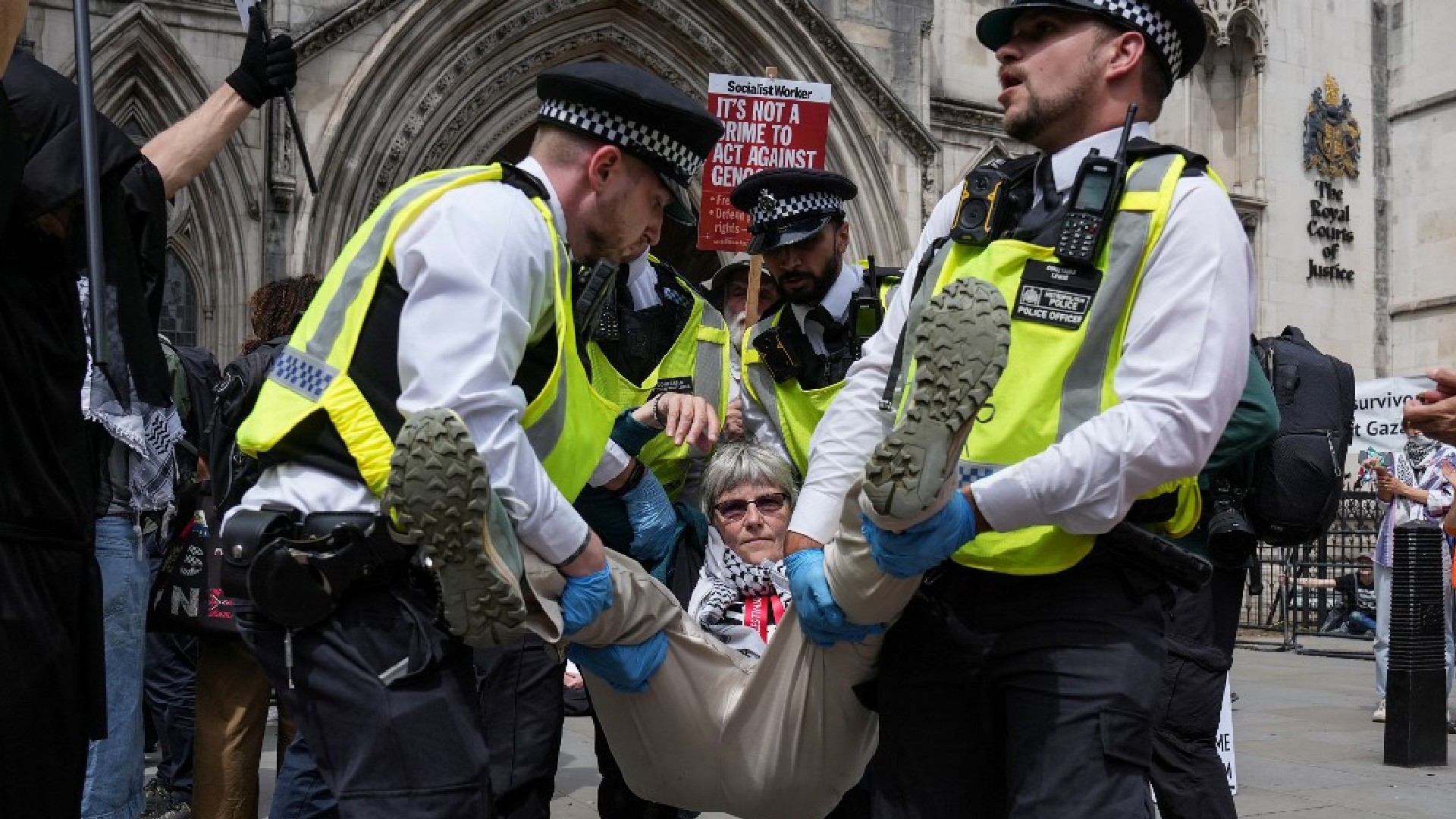
‘This isn’t the Britain I grew up in’: The elderly activists raided by police over Palestine Action videos
For 70-year-old grandmother Marji Mansfield, every pre-dawn hour between 5 and 7 a.m. brings a wave of crippling fear. Like dozens of other pro-Palestine activists across the United Kingdom, she waits for the knock that British counterterrorism police could leave on her door at any moment, a routine dawn raid that has already upended the lives of nearly 20 peers, many of them elderly.
“It’s been really, really quite scary not knowing when there’s going to be the knock at the door,” Mansfield told independent outlet Middle East Eye in an interview. “This isn’t the Britain that I thought I grew up in at all. We’ve been scared enough to go and sleep elsewhere.” That anxiety spikes whenever her seven grandchildren stay overnight, turning the usually quiet early morning hours into a period of relentless dread.
Mansfield’s ordeal is rooted in a crackdown on Palestine Action, a direct action advocacy group that the UK government formally banned as a proscribed terrorist organization in July 2025. In the months following the proscription, more than 3,000 people have been arrested under the UK Terrorism Act simply for participating in silent vigils held in solidarity with the group. In June of that same year, the Court of Appeal upheld the legality of the ban, overturning an earlier High Court ruling that had questioned the proscription.
Following that ruling, Defend Our Juries (DOJ), the grassroots organization leading the campaign to reverse the ban, called for an escalation of peaceful protest action. The new action encouraged activists to explicitly invite others to support Palestine Action, rather than only voicing personal backing for the group. Under Section 12 of the UK Terrorism Act, this act of invitation can carry a maximum 14-year prison sentence, a far harsher penalty than the Section 13 charge most prior arrestees have faced.
Mansfield was one of roughly 100 activists who answered DOJ’s call, uploading a public video to social media that declared: “Saving lives is not terrorism, I support Palestine Action, and I think you should too.” In the weeks since, 19 of those video uploaders have already been targeted by counterterrorism dawn raids spanning the entire country, from London and the West Midlands to Wales, Scotland, Cornwall and Somerset. Many of those raided are retired seniors.
Activists who have endured the raids describe invasive searches that go far beyond legitimate counterterrorism work. Officers confiscate all personal digital devices, any items bearing Palestinian symbols, and even rifled through private personal diaries. Two activists were handcuffed during their raids, despite official police policy that only permits restraints when officers have objective reason to believe a suspect will attempt escape or cause harm to themselves or others.
For those who have not yet been raided, like Mansfield, the uncertainty of waiting has devastated daily life. Many report persistent insomnia, and activists with ill partners say they avoid leaving their homes out of fear police will raid while they are away. “It really impacts people’s lives. It causes great fear and anxiety,” Mansfield said. Middle East Eye requested comment from UK Counter Terrorism Police ahead of publication, but received no response.
One of those who experienced a raid firsthand is 53-year-old Asghar Ahmad, a former UK government IT worker from Telford, Shropshire. On a late July morning just after 7:30 a.m., he opened his front door to find roughly a dozen officers, one police van, and four police cars parked outside his home.
“I wasn’t challenging anything because I knew what they were going to do. They were going to go through the whole house,” Ahmad recalled. When he asked to put on clothes beyond the shorts he was wearing, an officer followed him upstairs and stayed with him the entire time before he was handcuffed and transported to the local police station. While he was in custody, remaining officers searched every room of his home, seizing all digital devices, old notebooks, and every item connected to Palestine, from flags to wristbands. He was interviewed with his solicitor present and released by 5 p.m. without any charges filed.
Now retired and doing community volunteer work, Ahmad said he spent 38 years focused on his career and building his family, and only felt free to speak out on political issues once he left government service. “I’ve got nothing to hide,” he said. “If they want to put pensioners in prison, it will not go down well.”
Sixty-four-year-old Paul Gravesbrown, a semi-retired archaeologist living in Powys, described a similarly invasive experience that left him deeply disturbed. Some 20 officers searched his home for six and a half hours, even going through his wife’s teenage diary, leaving it out on top of her belongings to make clear they had read its private contents. “They left the diary on the top, highlighting the fact that they’ve been looking through a teenage girl’s diary, which is a bit creepy,” he said.
Gravesbrown was held for eight hours at a local police station and released without charge. The trauma of the raid has lingered, he said, echoing the violation people feel after a home burglary — an experience he and his wife already endured just before the COVID-19 lockdown. “Being raided is quite traumatic, it’s one of those things which hangs around in your mind,” he said. “Our house was burgled just before the first lockdown, so it’s a similar sort of experience – total strangers wandering around your house.”
Even younger activists face deep lasting harm from the crackdown. Thirty-year-old Staffordshire bartender Allie, who spoke to MEE under a pseudonym for privacy, was arrested shortly after returning home from a late work shift. She was woken at 1 a.m. by loud banging on her front door. “I opened the door and I think the first thing I said was, ‘Oh my God, you actually came,’” she recalled.
Both Allie and Ahmad said officers demanded their device passcodes to unlock their personal electronics, a request that requires formal written notice under Section 49 of the UK Investigatory Powers Act. As she was handcuffed, Allie remarked that the response was excessive for her alleged offense, and officers asked her to sign a formal statement noting her comment. She was held for eight to nine hours at a Birmingham-area police station before being released without charges.
For Allie, the harm of the raid extends far beyond the day of arrest. “I think the worst thing for me is that it really shatters any sense of personal safety,” she said. “You go through life with a belief in the systems that are there to protect you. This is such a heinous overreach and abuse of those systems. I don’t think that I’ll ever be able to fully reconcile myself with it. It’s like having to reconstruct a new reality.”
-

US immigration officers to be equipped with gloves that deliver electric shocks
U.S. Immigration and Customs Enforcement (ICE) is moving forward with a plan to acquire specialized electric shock gloves for frontline personnel, a procurement that has triggered sharp criticism from civil rights advocates over concerns about increased use of force and reduced accountability. According to a public notice filed by the Department of Homeland Security (DHS) earlier this week, the agency is prepared to spend up to $20 million to procure the Generated Low Output Voltage Emitter, more commonly known as the GLOVE device, produced by private manufacturer Compliant Technologies LLC.
Each glove is capable of delivering a maximum electric shock of 380 volts — around three times the voltage carried by a standard residential power outlet in the U.S. The device is activated via a simple push-button trigger that can deliver up to 30 electric pulses per second, and includes an integrated microchip that logs every time the glove is activated. Manufacturer documentation confirms the device requires direct or near-direct contact with a subject’s skin to operate, though it remains functional through thin layers of clothing when wet.
In its official guidance for the product, Compliant Technologies explicitly recommends against using the GLOVE on vulnerable groups including the elderly, young children, pregnant people, and individuals with severe disabilities. The manual also requires that a second officer be present to assist with restraining a subject during device use, mandates that all users complete formal training and recertification every two years, and emphasizes that the device is designed only to supplement, not replace, existing law enforcement weapons and tactical tools.
DHS officials confirmed in a statement that the shock gloves will be distributed to two core ICE divisions: Homeland Security Investigations (HSI), which focuses on disrupting transnational criminal networks, and Enforcement and Removal Operations (ERO), the unit responsible for arresting, detaining, and deporting individuals found to be in violation of U.S. immigration law. While a small number of other domestic law enforcement agencies have already adopted the GLOVE device, industry observers note that ICE’s planned procurement would be the single largest order the manufacturer has received to date. A no-bid contract for the purchase could be finalized and published as early as this Friday, per DHS timelines. Compliant Technologies has declined to comment on the pending sale when contacted by media outlets.
In a statement defending the procurement, DHS emphasized that ICE regularly evaluates the operational needs of frontline officers to ensure personnel have access to the tools required to safely carry out enforcement actions against unauthorized immigrants with criminal histories. All new technologies adopted by the agency, the statement added, undergo rigorous review to ensure compliance with all existing law enforcement policies and national use-of-force standards.
But civil rights organizations, including the American Civil Liberties Union (ACLU), have raised urgent alarms over the new equipment, arguing that it expands ICE’s already controversial use of force at a time when the agency is facing intense scrutiny over a series of fatal incidents during immigration operations. Recent high-profile deaths include the fatal shooting of Mexican national Lorenzo Salgado Araujo during a Texas enforcement action, and the killing of Colombian national Johan Sebastián Durán Guerrero in Maine during a separate operation. ICE has also faced ongoing pressure to meet aggressive daily arrest targets set as part of the Trump administration’s broader immigration deportation agenda.
Jenn Rolnick Borchetta, deputy director for policing policy at the ACLU, warned that the small, concealable design of the gloves creates a dangerous lack of transparency. By allowing officers to deliver painful electric shocks via a discrete handheld trigger that can go unseen by bystanders or observers, Borchetta argued the device creates conditions for increased harm to both citizens and noncitizens, while eroding mechanisms to hold officers accountable for excessive force. “Giving immigration agents a concealed means of delivering terrible pain is a recipe for more harm to the public and less accountability,” she said.
-
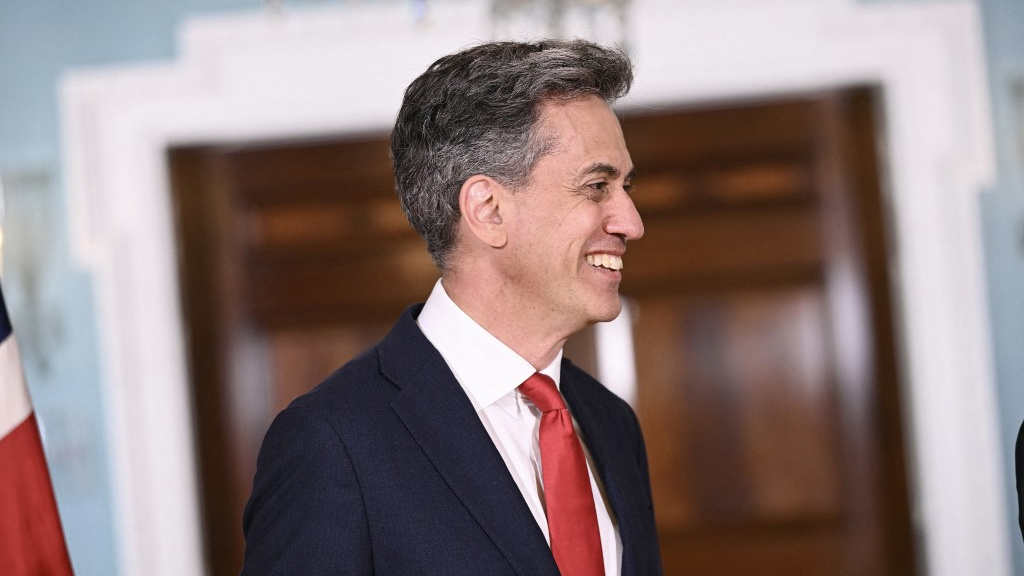
Exclusive: UK to announce raft of new policies on Israel including settlement goods ban
When Andy Burnham took office as United Kingdom Prime Minister, political observers immediately anticipated a shift in the nation’s approach to Middle East foreign policy. For weeks, that shift has only been visible in subtle shifts in ministerial rhetoric, with no concrete policy changes laid out for the public. That veil of secrecy is set to lift, however, when UK Parliament returns from its summer recess, multiple senior sources across Whitehall and British civil society have confirmed to independent outlet Middle East Eye.
At the top of the slate of proposed policy changes is a long-debated ban on goods imported from illegal Israeli settlements in the occupied Palestinian territories. According to reporting from MEE, Foreign Secretary Ed Miliband has emerged as a leading advocate for stricter measures against settlements, holding ongoing consultations with a broad cross-section of civil society organizations to refine the proposal. Senior Foreign Office discussions are currently weighing whether to extend the measures to include legal penalties for UK companies and organizations that maintain business or operational ties to settlements in the occupied territories.
The push for new regulations comes as the Charity Commission, the UK’s independent charity regulator, is already investigating multiple British charities accused of funneling funds to Israeli settlements. Former Prime Minister Keir Starmer stated publicly in June that no UK charity should provide support to settlements, but he refused to commit the government to an official ban on charitable donations to the entities. The Burnham administration, by contrast, is actively exploring a full ban on such donations, insiders confirm.
Beyond trade and charity regulations, the Foreign Office is also evaluating new targeted sanctions against individuals and organizations tied to the aggressive Israeli settler movement in the occupied West Bank. The UK previously imposed sanctions on far-right Israeli cabinet ministers Itamar Ben Gvir and Bezalel Smotrich last year, and internal discussions are now centered on expanding that sanctions list to include additional Israeli political figures.
Another high-stakes policy under review is the UK’s controversial arms sales regime to Israel. In September 2024, shortly after taking office, the Starmer government suspended approximately 30 direct export licenses for UK-made military hardware, after an official assessment found a “clear risk” the equipment could be used in Gaza to commit serious violations of international humanitarian law. That suspension included direct exports of UK-manufactured components for F-35 fighter jets, but the Starmer administration carved out a critical exemption for components sent to the global F-35 spare parts pool, even though those parts can ultimately end up in Israeli aircraft. UK-made components account for 15% of every F-35, a advanced fighter jet Israel has deployed heavily throughout its military campaign in Gaza, as well as in strikes on Lebanon and Iran.
The Starmer government defended the exemption, arguing that a full unilateral halt on UK component exports would disrupt the entire global F-35 fleet and threaten broader international security. Starmer also approved $169 million in new military exports to Israel during his tenure, including more than 8,600 separate munitions shipments categorized as “bombs, grenades, torpedoes, mines, missiles and other similar munitions.” Senior sources confirm that a full ban on these military exports is now active under discussion within the Burnham government, though no final decision has been reached.
In a statement provided to Middle East Eye on Wednesday, a Foreign Office spokesperson reaffirmed the UK’s long-standing legal position: “Settlements are illegal under international law, undermine the viability of a two-state solution and fuel insecurity for both Palestinians and Israelis. We have given clear advice to UK businesses that they should not engage in economic activity in illegal settlements and warn them of the reputational and potentially legal consequences of any such activities.”
Months before he assumed the premiership in July, Burnham set the stage for this policy shift by issuing a public apology for the Starmer-led Labour Party’s early support for Israel’s military campaign in Gaza and its refusal to back an immediate ceasefire in 2023 and early 2024. Since taking office, he has faced mounting pressure from Labour Party backbenchers to follow through on campaign-adjacent promises by banning trade with illegal settlements and adopting a firmer stance on Middle East issues.
MEE first reported in November last year that senior Foreign Office ministers had already privately concluded a ban on settlement goods was a desirable policy. Initial discussions on how to implement such a ban actually began in the final months of Starmer’s premiership, and in early July, then-Middle East Minister Hamish Falconer publicly confirmed that UK officials were working through the technical challenges of implementing a ban and coordinating with European Union allies on the issue. Several EU member states, including the Netherlands and Spain, have already implemented their own national bans on settlement goods, with Ireland currently in the process of rolling out its own restrictions.
Insiders note that Burnham has intentionally prioritized rolling out domestic policy initiatives during his first weeks in Downing Street, but last month he publicly confirmed his government is evaluating “further measures to deter unacceptable violence” in the occupied West Bank.
The push for new restrictions has faced pushback from within the Labour Party itself. Labour Friends of Israel (LFI), a prominent pro-Israel parliamentary lobby group that counts more than 70 sitting MPs as members, published a report earlier this month that pushed back against a full ban, arguing that some illegal settlement activity is justified and urging the government to abandon the proposal. The LFI report claimed a full trade boycott of all settlements is “practically and politically impossible” and would harm all Israeli businesses operating in major settlement blocs, as well as areas of East Jerusalem and the Old City.
This position stands in stark contrast to the Labour Party’s own stance when it was in opposition. Back in June 2020, then-shadow Foreign Secretary Lisa Nandy publicly called for a ban on settlement goods imports, saying the move required “courage that so far ministers have not been willing to show.” The pressure for action also reflects overwhelming grassroots support within the party: polling conducted earlier this year found that 87% of rank-and-file Labour members support a ban on trade with Israeli settlements, with only 6% opposing the measure.
-
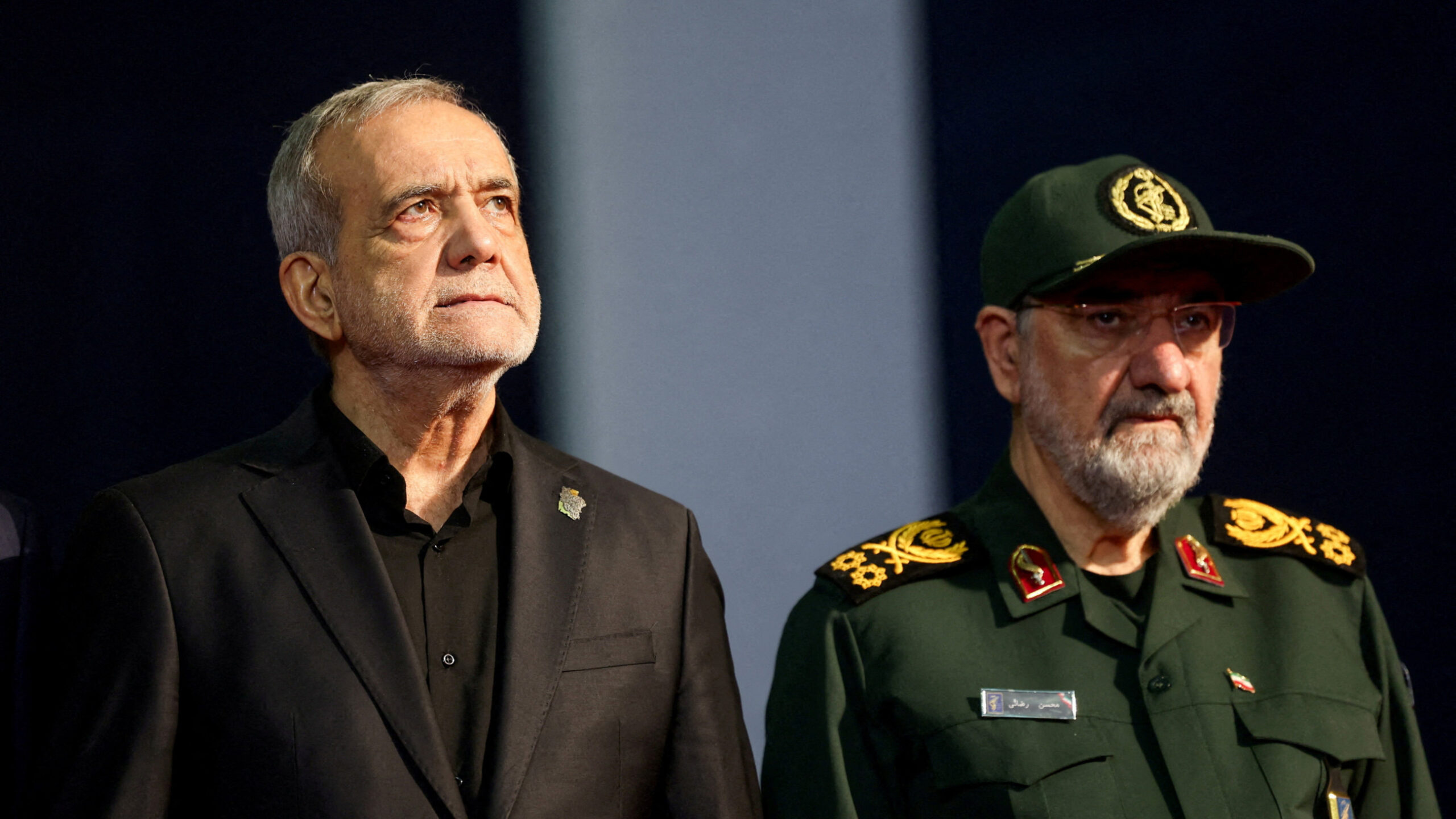
Iran’s new Security Council shake-up reveals growing divisions over US deal
Weeks after Iranian and American negotiators finalized a historic Memorandum of Understanding to put an end to months of escalating cross-border hostilities in late June, Iran’s top security body, the Supreme National Security Council (SNSC), publicly threw its weight behind the breakthrough agreement in an official statement. The statement carried the signature of Mohammad Bagher Zolghadr, a former hardline general from the Islamic Revolutionary Guard Corps (IRGC) who stepped into his role after the killing of prominent moderate Ali Larijani. Larijani, a vocal backer of a diplomatic deal with Washington, was killed in a joint US-Israeli airstrike on March 17.
In Iran’s political structure, the SNSC secretary – a role appointed by the sitting president – holds no voting power on the council. But Zolghadr had simultaneously been named as supreme leader Ali Khamenei’s personal representative to the body, a post that grants full voting authority, putting him in a unique position to formally back the deal.
Zolghadr’s public endorsement of the agreement caught Iran’s ultraconservative principlist faction completely off guard. Unprepared for the turn of events, the hardline bloc launched a sustained smear campaign against Zolghadr, even circulating unsubstantiated claims that his son resides in Austria to discredit him.
Days after the SNSC released its statement, Iran’s new supreme leader Mojtaba Khamenei released his own public remarks, revealing that he held “in principle” opposition to the agreement while placing full responsibility for the deal squarely on the negotiating team. Political analysts say the statement effectively abandoned negotiators to backlash, emboldening ultraconservatives to ramp up their attacks against the agreement, the reformist-leaning government led by President Masoud Pezeshkian, the negotiating team, and Zolghadr personally.
According to two anonymous sources within Iran’s conservative camp, Zolghadr penned a direct letter to Khamenei following the supreme leader’s statement, voicing clear dissatisfaction with the move. Zolghadr argued that Khamenei had already been fully briefed on all details of the agreement prior to its public announcement, and submitted his formal resignation from his posts on the council.
Citing insider accounts, the sources confirm Khamenei accepted Zolghadr’s resignation nearly immediately. The departure marks a highly unusual moment in Iranian politics: it is rare for a senior government official to resign in explicit protest of a direct decision from the supreme leader.
Principlist lawmakers and allies have publicly framed Zolghadr’s exit as a removal, arguing he was ousted for aligning with President Pezeshkian and backing the deal instead of opposing it. But reporting from Middle East Eye, speaking to multiple conservative sources with direct knowledge of the episode, directly contradicts that narrative.
The sources confirm that President Pezeshkian lobbied heavily to convince Khamenei to reject the resignation and keep Zolghadr in his role as SNSC secretary, noting Zolghadr’s broad alignment with the government’s goal of securing a diplomatic deal with the United States. Pezeshkian’s efforts ultimately fell short, however.
In Zolghadr’s place, Khamenei appointed former IRGC commander Mohsen Rezaei as his new representative to the SNSC. The appointment effectively forced President Pezeshkian to name Rezaei as SNSC secretary, despite the president’s initial resistance to the pick, which he only signed off on at the eleventh hour.
At 71 years old, Rezaei has been a core figure in the Islamic Republic’s military, security, and political establishment for nearly 50 years. In the aftermath of the 1979 Islamic Revolution, he helped build the IRGC’s intelligence apparatus, and became the IRGC’s commander at just 27 years old. He held the top IRGC post for 16 years, leading the force through the entirety of the 1980s Iran-Iraq War.
Rezaei was already involved in behind-the-scenes diplomacy with the United States as early as the mid-1980s, during the Iran-Contra affair, a scandal that saw the US secretly sell weapons to Iran to fund anti-government Contra rebels in Nicaragua. Former Iranian President Akbar Hashemi Rafsanjani once told local media that his nephew Ali Hashemi, a key go-between for contacts with Ronald Reagan’s White House, briefed both him and Rezaei on meetings with US officials.
Per Rafsanjani’s account, Rezaei encouraged the backchannel talks, telling him “Keep going. We need weapons.” Rafsanjani also recalled that Rezaei instructed him to hand off his contacts to allies Rezaei named to keep the process moving forward, and confirmed after a second round of negotiations that Ayatollah Ruhollah Khomeini, the founder of the Islamic Republic, was fully aware of the secret talks. As the contacts progressed, Rafsanjani and two IRGC officials even traveled to Washington for closed-door negotiations.
In the 1990s, Rezaei’s eldest son relocated to the United States, where he sought asylum and became a public critic of the Islamic Republic. He eventually returned to Iran, but died years later under suspicious circumstances in a Dubai hotel.
By the end of the 1990s, Rezaei sought to transition from his military career to a more prominent political and policy role. He enrolled in economics studies at the University of Tehran, completed a doctorate, and increasingly focused his work at the Expediency Discernment Council on macroeconomics, national development planning, and broad institutional policy priorities. He has launched multiple campaigns for the Iranian presidency, but never secured victory. In September 2021, the late President Ebrahim Raisi appointed Rezaei as vice president for economic affairs and secretary of the Supreme Economic Coordination Council of the Heads of the Three Branches of Government. Rezaei stepped down from the vice presidency in June 2023, but retained his post as secretary of the economic coordination council at Raisi’s request.
In comments on April 6, Rezaei argued that the US naval blockade of Iran was “vulnerable” and amounted to little more than psychological warfare, saying it would not shift Iran’s negotiating position. “I do not personally support extending the ceasefire. It should happen only if a final agreement is reached and our rights are secured,” he stated. He also added that Washington has no coherent strategy to end the ongoing conflict, noting that the US tests one approach, fails, and then pivots to another. He laid out two possible outcomes: that the US is coming to terms with its defeat, or that former US President Donald Trump would so severely damage US global standing that he would eventually be removed from office.
On July 7, just days after the MoU was finalized, Rezaei said: “Those opposed to negotiations should wait. The Americans themselves will derail these talks.”
Despite Rezaei’s increasingly harsh public rhetoric against the current negotiations, a senior Iranian political source familiar with his thinking told Middle East Eye that Rezaei is personally a pragmatist who has long favored restoring diplomatic relations with the US and ending the long-running conflict. The source added, however, that Rezaei’s long-standing political calculations and his commitment to retaining his place in Iran’s power structure have consistently led him to “go with the flow,” shifting his public positions to align with changing political tides. The source described this adaptability as one of the defining traits of Rezaei’s decades-long political career. The source added that it will soon become clear whether Rezaei’s hardline rhetoric reflects genuine opposition to the ongoing negotiations, or is simply a political tactic to undermine the current negotiating team because he was excluded from the core of the current process.
Middle East Eye provides independent, in-depth coverage and analysis of the Middle East, North Africa, and surrounding regions.
-
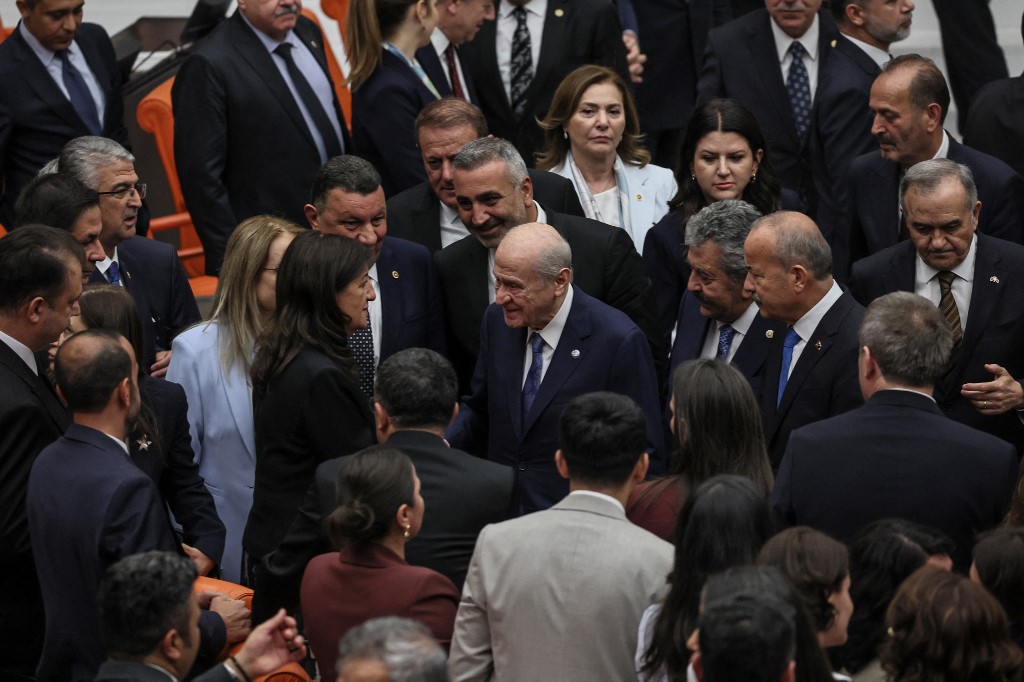
Turkey’s cross party Kurdish peace coalition makes history with PKK clemency law
Three years ago, the sight of Turkish ruling coalition lawmakers posing alongside pro-Kurdish and other opposition legislators after passing a partial clemency bill for Kurdistan Workers’ Party (PKK) members would have been unthinkable. Yet this extraordinary scene became reality this week, following a landmark parliamentary vote that marks the first formal government effort in modern Turkish history to end nearly 40 years of armed conflict with the PKK.
The PKK launched its guerrilla campaign against the Turkish state in the early 1980s, a conflict that has claimed the lives of thousands of civilians and security force personnel. Initially organized to demand full Kurdish independence, the group has in recent decades shifted its goals to push for greater political and cultural autonomy for Turkey’s Kurdish population. After two years of quiet negotiations with imprisoned PKK leader Abdullah Ocalan, President Recep Tayyip Erdogan’s Justice and Development Party (AKP) and its nationalist coalition partner, the Nationalist Movement Party (MHP), moved forward with the peace legislation. What makes the process even more remarkable is that it was initiated by MHP leader Devlet Bahceli, a long-time hardline opponent of the PKK who once repeatedly called for Ocalan’s execution, in an October 2024 speech where he unexpectedly positioned himself as a champion of negotiations.
Following months of deliberations by a special parliamentary committee focused on the Kurdish question, and extended talks involving Ocalan, PKK commanders based in northern Iraq’s Qandil Mountains, and exiled PKK leaders based in Europe, the draft legislation was tabled last week and ratified by parliament on Monday.
The new law outlines a clear path toward disarmament and reconciliation: it grants pardons to former PKK members who have never been convicted of violent offenses such as premeditated murder, and allows the immediate release of prisoners jailed for non-violent PKK-related activities. Before any repatriation or pardons can take effect, the PKK must fully lay down its arms, verify its compliance to Turkish authorities, and end all illegal activities including counterfeit and drug smuggling. Repatriation of eligible non-violent PKK members is scheduled to begin in September, with a six-month implementation window; those who fail to apply within this period will lose their eligibility for the clemency program. Turkish intelligence services will oversee the disarmament process, and a formal compliance report will be submitted to Turkey’s National Security Council to trigger the next phase of the process. The law applies to PKK members across all locations, including those based in Europe, and automatically cancels any pending sentences based solely on PKK membership once the organization formally dissolves, clearing the way for former members to resume civilian life in Turkey.
What has stunned observers most is not the passage of the bill itself, but the unprecedented breadth of cross-party support it garnered. Beyond the ruling AKP and MHP, the legislation won backing from the main secular opposition Republican People’s Party (CHP), small right-wing and Islamist groups including the New Welfare Party (Yeniden Refah) and Felicity Party (Saadet), the liberal Democracy and Progress Party (DEVA), and even Huda Par, an Islamist Kurdish party that has long opposed the PKK. Left-wing groups including the socialist Workers’ Party of Turkey (TIP) and multiple smaller left-wing parties also supported the measure. Prominent opposition figures including imprisoned Istanbul Mayor Ekrem Imamoglu and Ozgur Ozel, leader of the New Party and a former CHP dissident who now leads the main opposition bloc inside parliament, also publicly endorsed the bill.
While supporting parties bring a range of differing perspectives and private reservations to the process — Ozel allowed New Party lawmakers a free vote, and many ultimately opposed the legislation — the final tally reflected overwhelming parliamentary backing: 468 of the 600-seat body’s 592 sitting members voted in favor. In his parliamentary address, Ozel emphasized that despite deep disagreements with the Erdogan government over its ongoing crackdown on opposition mayors and its efforts to remove him from his former CHP leadership role, his party would not stand in the way of peace. “We have every right to reject this law, but we will not put that right before the future of this nation,” Ozel told lawmakers. “We will pave the way for peace so that no other mother has to embrace her son’s coffin.”
Even for Ocalan, the legislation does not grant an official formal role in the reconciliation process, but Turkish officials expect his conditions of imprisonment on Imrali Island to be eased substantially once implementation begins. Changes could include upgraded living quarters and expanded access to journalists and public figures, allowing him to communicate more openly with the Turkish public as the process moves forward. It also remains unclear how many PKK members across the organization’s global network — from the Qandil Mountains leadership to branches in Iraq, Syria, and Europe — will choose to take advantage of the clemency terms. Some long-term prisoners who have already served 25 years of their sentences may also qualify for early release under the new law.
In his address, Ozel also raised a key political question hanging over the peace process: a resolution to the Kurdish conflict could clear the way for a new political alliance between Erdogan’s AKP and the pro-Kurdish Peoples’ Equality and Democracy Party (DEM), potentially opening the door for Erdogan to run for a third presidential term in 2028. Erdogan is currently serving his second constitutionally limited term, but a parliamentary vote to call early elections would reset the term count, allowing him to stand again. With backing from DEM and smaller aligned parties, the AKP could secure the parliamentary majority needed to authorize that early vote.
-
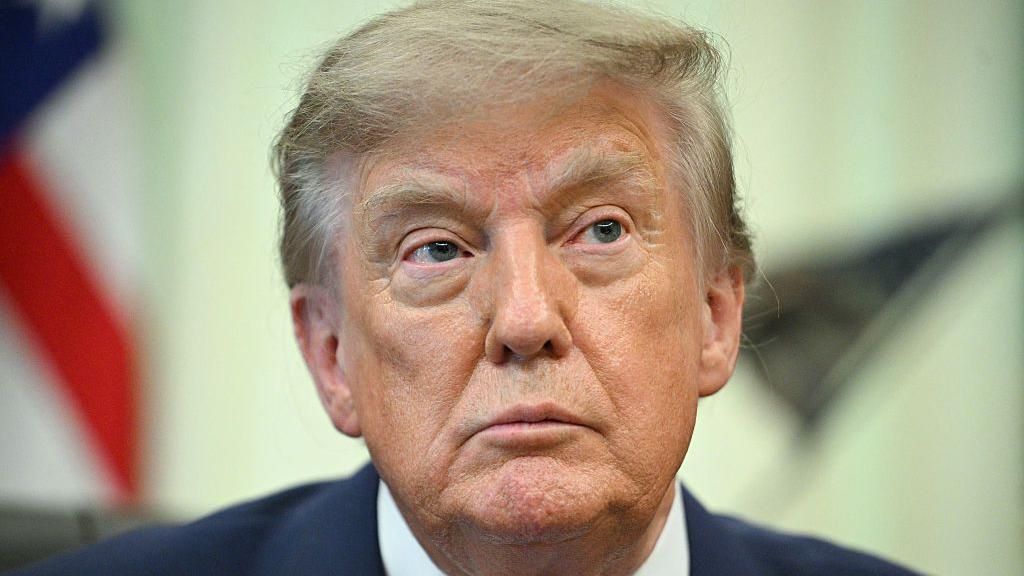
Trump sued over Truth Social’s $100,000 early access service
Two prominent U.S. media organizations have launched a landmark federal lawsuit against former U.S. President Donald Trump, centered on a premium subscription service from his social media platform Truth Social that charges high-paying clients up to $100,000 per month for early access to his public posts. Filed Wednesday in the U.S. District Court for the Southern District of New York by investigative news outlet The Intercept and the non-profit press freedom organization Freedom of the Press Foundation, the legal challenge labels the paid early access scheme as extraordinary, corrupt and unconstitutional.
The premium product at the center of the suit, branded Truth API, was launched by Trump Media & Technology Group (TMTG) – the company that owns and operates Truth Social – in mid-July. The service delivers posts from Trump and other high-profile platform accounts to paying subscribers in milliseconds, giving them access to the former president’s updates several seconds before the content is visible to the general public.
According to the plaintiffs, those few seconds of early access carry substantial tangible value, particularly because Trump has a long history of using his social media channels to make major announcements that can shift global financial markets. During heightened geopolitical tensions such as the Iran conflict, the suit notes, Trump’s statements have moved asset prices rapidly, meaning early access gives well-heeled subscribers an unfair market advantage unavailable to ordinary users and smaller market participants. Court documents confirm that more than 10 entities currently pay the maximum $100,000 monthly fee for the premium service.
Seth Stern, head of advocacy at the Freedom of the Press Foundation, called the arrangement unprecedented, noting that it was almost unthinkable just years ago for a sitting or former U.S. president to sell priority access to official public announcements through a private company they personally control for profit. David Bralow, chief legal officer at The Intercept, added that the model directly contradicts core principles of a free and independent press, arguing that the president should not charge private entities for early access to public disclosures that he generates in his official capacity.
The lawsuit also draws attention to Trump’s significant personal financial stake in the scheme: Trump holds a 41% controlling stake in TMTG through a revocable trust, making him the sole beneficiary of the holding with a stake valued at over $1 billion. The plaintiffs frame the Truth API service as a deliberate moneymaking scheme that prioritizes private profit over equal access to public information.
In its official response to the suit, a TMTG spokesperson pushed back against the allegations, characterizing the lawsuit as an effort by left-wing activists to censor Trump and suppress free speech. The spokesperson noted that countless news platforms and media outlets already offer paid subscription application programming interfaces (APIs) for fast access to public content, and that Truth Social was founded specifically to serve as a permanent, deplatforming-free space for free speech after Trump was removed from major mainstream social media platforms following the 2021 Capitol riot. The spokesperson added that the current lawsuit represents another attempt to weaponize the courts to silence Trump and damage TMTG’s shareholders, and also accused the Freedom of the Press Foundation of violating Truth Social’s terms of service on its own platform.
As of Thursday, the White House had not yet issued a formal comment on the litigation, after the BBC reached out to White House officials for a response.
-
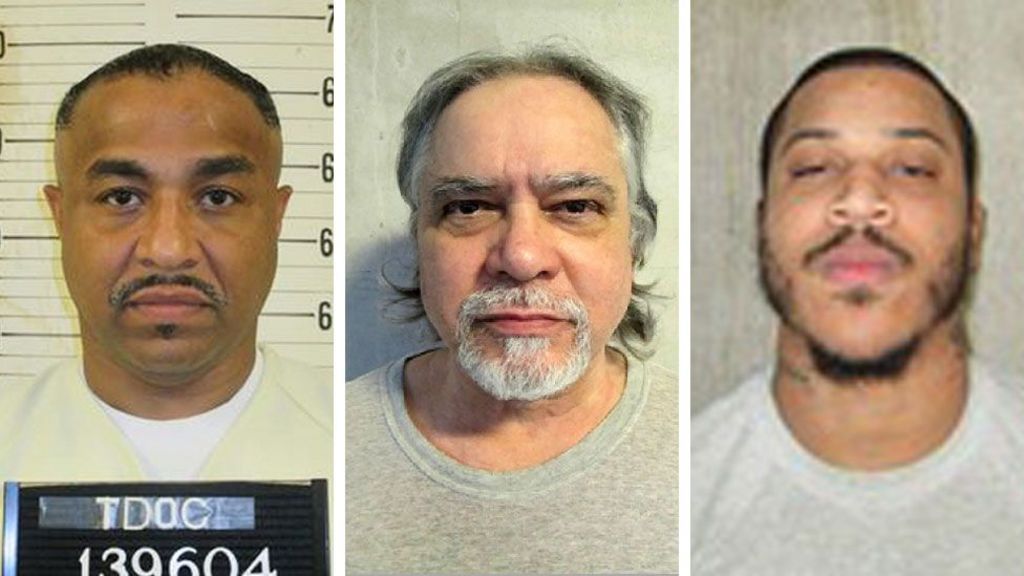
Three men will be executed on the same day as death penalties rise in US
For the first time in 16 years, the United States is set to put three condemned inmates to death on a single day this Thursday, a milestone that underscores a dramatic nationwide resurgence of capital punishment following years of declining use. The three men, each convicted of murder in separate states, face execution across three jurisdictions: 66-year-old Anthony Darrell Hines in Tennessee, 41-year-old Jeremy Williams in Alabama, and 71-year-old Carlos Cuesta-Rodriguez in Oklahoma. All three are scheduled to receive lethal injections, carrying out what death penalty experts call the most rapid increase in executions the U.S. has seen in decades.
In 2025, the total number of executions across the country jumped to more than four times the figure recorded in 2021, even as public confidence in capital punishment has eroded and juries have become increasingly hesitant to hand down death sentences. The reversal of a years-long downward trend has been driven by policy changes at both the federal and state levels, with political leaders leaning into public support for tough-on-crime policies to expand access to capital punishment.
At the federal level, former President Donald Trump, a lifelong vocal proponent of the death penalty, has reshaped the national landscape since returning to office in 2025. During his first term in 2020, Trump ended a 19-year federal moratorium on executions, authorizing 13 executions over a six-month window before President Biden reinstated the moratorium upon taking office. On the first day of his second term, Trump signed a sweeping executive order that formally reinstated the federal death penalty. While no federal executions have been carried out to date under the new order, the policy has created structural changes that have empowered state-level execution efforts.
Trump’s administration has also expanded permitted methods of execution to include firing squads alongside reauthorizing traditional lethal injection, while streamlining internal Department of Justice protocols to speed up the processing of death penalty cases. The executive order further encourages states to pursue capital punishment for any federal crime that results in the death of a law enforcement officer, and directs the attorney general to secure a steady supply of lethal injection drugs for states, removing a longstanding barrier that had slowed execution rates across much of the country.
Justin Mazzola, deputy research director at Amnesty International USA, a group that opposes capital punishment, noted that the full long-term impact of Trump’s policy changes will not be visible for years, due to the extended timeline of capital cases and the multilayered appeals process that follows most death convictions.
State-level policy shifts have driven the bulk of the recent increase, however. In 2025 alone, 11 states carried out 47 executions, up from 25 in 2024. Nearly 40 percent of all 2025 executions took place in Florida, making the Sunshine State the single largest contributor to the national rise. Through the first half of 2026, 12 of the country’s 19 total executions have occurred in Florida.
Experts point directly to Republican Governor Ron DeSantis as the driving force behind Florida’s outlier status. “He is the reason we are seeing a record number of executions. He is the reason why Florida is an outlier compared to the rest of the United States,” explained Robin Maher, executive director of the Death Penalty Information Center (DPIC), a nonpartisan organization that compiles death penalty data and research without taking a formal moral stance on the practice.
Under DeSantis, Florida has passed sweeping legislation that lowers barriers to carrying out death sentences. In 2023, the state changed its jury rule to require just 8 out of 12 jurors to recommend a death sentence, down from a previous requirement of a unanimous jury vote. The state also added sexual battery of a child under 12 years old to the list of crimes eligible for capital punishment. DeSantis has repeatedly framed the death penalty as a critical crime deterrent and a just punishment for the most serious offenses.
Unlike most U.S. states with capital punishment, Florida grants its governor unilateral authority to sign death warrants for inmates who have exhausted all their appeals, with no required court oversight. While Pennsylvania has a similar process on the books, it has not carried out an execution since 1999, making Florida’s active use of this authority unique in modern practice.
Proponents of capital punishment in Florida argue that the changes align with public will and hold violent offenders accountable. “The people that engage in this type of conduct, their punishment is frankly earned, and it’s up to a jury of 12 to determine if that sentence is appropriate or not,” William Sheiner, a Florida state attorney, told local media recently. “Just because I pursue death as an option doesn’t mean that that’s going to be the sentence. It’s basically me saying to the community: this is up to you guys to decide if death is appropriate.”
Today, 27 of the 50 U.S. states retain capital punishment under state law, though four of those – California, Ohio, Oregon, and Pennsylvania – have imposed formal moratoriums on executions via executive action, amid ongoing concerns over botched procedures, racial disparities in sentencing, and the high cost of death penalty cases. The U.S. remains one of the only Western nations that still actively uses capital punishment, with most European countries having abolished the practice decades ago and many African nations moving toward phasing it out.
Debates over capital punishment have increasingly centered on the logistics of executions themselves, as major pharmaceutical companies have blocked the use of their drugs for lethal injections, creating widespread supply shortages across the country. In response, several states have authorized alternative methods including firing squads, with South Carolina carrying out its first firing squad execution in 2025 amid a drug shortage.
Botched executions remain a persistent and contentious issue. DPIC data estimates that roughly 3 percent of all U.S. executions between 1890 and 2010 were botched, with lethal injection having the highest failure rate of any method. In 2022, more than one-third of all executions carried out that year were classified as botched or highly problematic by the organization. Most recently, in May 2026, Tennessee officials spent more than an hour unsuccessfully attempting to establish IV access for death row inmate Tony Von Carruthers, with witnesses reporting Carruthers groaned repeatedly in pain as blood ran down his chest. Tennessee Governor Bill Lee granted Carruthers a one-year reprieve after the failed attempt, though he has refused to classify the incident as a botched execution, framing it only as a failure to establish IV access.
It remains unclear whether all three scheduled executions this Thursday will proceed as planned, or if last-minute legal challenges or reprieves will alter the timeline. Hines, the Tennessee inmate scheduled for execution, has maintained his innocence for 40 years and is currently bedridden; he is set to be executed under the same lethal injection protocol that failed for Carruthers just 12 weeks ago.
In Alabama, Williams, convicted of the 2021 rape and murder of a 5-year-old girl, has voluntarily dismissed his attorneys and chosen not to pursue further appeals, volunteering for execution. Governor Kay Ivey has already stated she will not grant clemency, making him set to become Alabama’s first executed inmate of 2026. In Oklahoma, Cuesta-Rodriguez, convicted of the 2003 murder of a woman, has also declined to request clemency, though experts note his advanced age increases the risk of a problematic execution.
The scheduled triple execution comes at a time of steadily declining public support for capital punishment nationwide. A 2026 Gallup poll found that just 52 percent of Americans now view the death penalty as morally acceptable, the lowest recorded level since the 1970s. This declining public support is reflected in the dropping number of death sentences handed down by juries: while juries issued more than 300 death sentences annually nationwide in the 1990s, they issued just 23 in all of 2025.
“That tells us something very important: These are regular citizens that are sitting in judgment of people who are accused of committing the worst possible crimes, and then deciding what sentence fits those crimes,” Maher said. “Those juries are increasingly saying that a death sentence is not the right answer.”
Maya Foa, CEO of Reprieve US, a legal organization opposed to the death penalty, added that the current surge in executions runs counter to public sentiment and practical policy needs. “It’s the opposite of a cheap easy political fix,” Foa said.