分类: business

  • 7-Eleven expects to close hundreds of its stores in North America this year

    7-Eleven expects to close hundreds of its stores in North America this year

    Global convenience retail leader 7-Eleven is set to undergo a major restructuring of its North American footprint, with plans to shutter hundreds of underperforming locations while shifting strategy toward wholesale fuel-focused outlets amid ongoing economic headwinds.

    Newly released earnings filings from parent company Seven & i Holdings Co., a Japan-based retail conglomerate, show that 7-Eleven’s North American operating subsidiary has approved the closure of 645 brick-and-mortar stores during the 2026 fiscal year. This net reduction of locations comes even as the brand opens 205 new stores across the U.S. and Canada in the same period, marking the first time in recent years that closures will far outpace new openings in the region.

    Seven & i’s official filings confirm that a portion of the planned closures will involve converting existing traditional convenience stores to stand-alone wholesale fuel outlets. The company has steadily built out this alternative store format in North America over the past half-decade, with the wholesale fuel network already topping 900 locations as of December 2025. As of press time, 7-Eleven has not released a full list of locations targeted for closure or shared additional details on the specific reasoning behind the restructuring plan; the Associated Press has requested further comment that has not yet been returned.

    Today, 7-Eleven boasts a global footprint of more than 86,000 stores spread across 19 countries, with the Texas-based North American subsidiary overseeing more than 13,000 locations across the U.S. and Canada. The planned cuts represent a continuation of the brand’s longstanding practice of culling low-performing stores on a regular basis, but the 2026 plan is far larger than previous rounds of cuts, coming amid a broader period of economic pressure on consumers worldwide.

    Persistent inflation that began before recent geopolitical unrest has already squeezed household budgets, particularly for low-income shoppers who make up a large share of 7-Eleven’s core customer base. In its April 9 financial report, Seven & i noted that even with overall moderate economic growth in North America during the 2025 fiscal year, personal consumption has softened noticeably, with inflation continuing to drag down discretionary spending among lower-income groups.

    The recent outbreak of conflict between the U.S.-Israel coalition and Iran has exacerbated these pressures, roiling global energy markets and driving a sharp spike in retail gasoline prices that cuts directly into both consumer disposable income and 7-Eleven’s fuel retail margins.

    Unlike the North American market, Seven & i’s international operations will see net growth in store counts over the coming fiscal year. Even the brand’s home market of Japan will follow this pattern: Seven-Eleven Japan plans to close 350 underperforming locations while opening 550 new stores, resulting in a net gain of 200 outlets.

    Parent company Seven & i projects that group-wide revenue will decline by 9.4% in the current fiscal year, hitting a projected total of roughly 9.45 trillion Japanese yen, equal to approximately $59.5 billion. The restructuring of the North American footprint comes as part of a broader corporate transformation launched under new leadership last year. Stephen Hayes Dacus took over as CEO of Seven & i in spring 2025, and has since outlined a new growth strategy focused on updating 7-Eleven’s core convenience offerings. Key priorities of the turnaround plan include expanding fresh food selections at existing stores and scaling up the brand’s 7NOW on-demand delivery service to capture new revenue streams in a shifting retail landscape.

  • ‘Pipe dream’: Turkey’s plan to redraw Middle East energy routes after Iran

    ‘Pipe dream’: Turkey’s plan to redraw Middle East energy routes after Iran

    Nearly a month into the Israel-Hamas conflict, Iran’s strategic control over the Strait of Hormuz has sent global energy markets into extreme volatility, prompting regional players to scramble for alternative supply routes to bypass the critical chokepoint. Turkey, a longstanding regional energy crossroads, is positioning the ongoing crisis as a pivotal opportunity to advance a slate of long-proposed energy infrastructure projects that would redirect Middle Eastern oil and gas to European and global markets away from the Strait of Hormuz.

    During a live interview with Anadolu Agency last week, Turkish Energy Minister Alparslan Bayraktar laid out his full vision for these alternative routes, highlighting multiple projects that have sat dormant for years for political and economic reasons. Top of his list is connecting Iraq’s oil-rich southern Basra region to the existing underutilized Iraq-Turkey pipeline, which currently carries 1.5 million barrels of crude per day from Iraq’s northern Kirkuk field to Turkey’s Mediterranean export terminal at Ceyhan. Bayraktar also revived plans for a massive overland gas pipeline that would link Qatar’s giant North Field to Turkey, transiting Saudi Arabia, Jordan and Syria, before sending supplies onward to European markets. He also pushed for progress on the long-discussed Trans-Caspian Gas Pipeline, which would carry 80 billion cubic meters annually of Turkmen natural gas across the Caspian Sea to Azerbaijan, then through Georgia to Turkey and European markets. Additional proposals include connecting Syrian oil fields to the existing Iraq-Turkey pipeline network and building a high-voltage electricity interconnector linking Saudi Arabia to Turkey via Jordan and Syria, aligning with a broader Saudi plan to connect Gulf power grids to Europe.

    Bayraktar emphasized that these projects would create stable alternative export routes for producers struggling with Hormuz-related disruptions, noting that the ongoing crisis has underscored the urgent need for diversified supply chains. “We are opening an alternative export route for you,” he said, adding that he hopes the current market volatility will push global and regional stakeholders to take the long-stalled proposals seriously. “But unfortunately, what we have been saying has not found a response up to now. Hopefully, this crisis will lead everyone into a process where they pause, think more seriously, and we can implement these projects.”

    Already, neighboring producer Saudi Arabia has leveraged its domestic East-West Pipeline to move crude through the Red Sea, bypassing the Strait of Hormuz entirely, while Iraq has begun exploring overland export options. The urgency for alternative routes grew after QatarEnergy declared force majeure on multiple long-term LNG supply contracts to customers across Europe and Asia last month, following Iranian targeting of Qatari energy facilities near the strait.

    However, energy experts have cast doubt on the feasibility of many of Turkey’s proposed projects, painting a mixed outlook that sees some schemes as relatively actionable while others face steep political, economic and security barriers. The Trans-Caspian Gas Pipeline, for example, is now more politically viable than it has been in decades following improved relations between Azerbaijan and Turkmenistan, but it still faces significant unresolved hurdles. The project requires a 300-kilometer subsea pipeline across the Caspian Sea, connecting the Turkmen port of Turkmenbashi to Azerbaijan’s capital Baku, where it could link to existing export infrastructure including the South Caucasus Pipeline and Trans-Anatolian Pipeline. Experts estimate the subsea segment alone would cost roughly $2 billion, and scaling the pipeline to a commercially viable 20-30 billion cubic meters per year would require billions more in upstream development, compression upgrades and downstream expansion. Securing financing has also proven difficult, as European markets are increasingly shifting to LNG imports, and the project lacks long-term purchase commitments that would de-risk investment. While Azerbaijan and Turkmenistan have improved ties, both have yet to formally ratify the 2018 Convention on the Legal Status of the Caspian Sea, which would clear legal barriers for the pipeline and reduce opportunities for Russia and Iran to block the project.

    The proposed Qatar-Turkey gas pipeline, first floated as early as 2009, faces even steeper challenges. After the fall of Bashar al-Assad’s regime, which blocked the project for years under Russian pressure, Turkey has pushed to revive it, but Qatar has repeatedly signaled it has no interest in moving forward. A Qatari foreign ministry statement in January 2025 confirmed the country remains committed to its existing LNG export model, which offers greater market flexibility than a fixed pipeline route. Justin Dargin, a senior fellow at the Doha-based Middle East Council on Global Affairs, noted that the project was originally estimated to cost $10-12 billion, but current inflation, security risks and political uncertainty would push the total price tag to $15 billion or more. The 1,500-kilometer pipeline crosses multiple national borders, requiring decades of sustained political alignment between Saudi Arabia, Jordan, Syria and Turkey – a high bar in the volatile current regional environment. It would also expose Qatar to political transit risks that the country has spent decades avoiding, while its existing LNG infrastructure allows it to sell to global spot markets and diversify its customer base. “A multi-country pipeline would expose Qatar to exactly the kind of political leverage it has spent decades minimising,” Dargin explained. He added that while Gulf producers are increasingly expanding domestic bypass capacity like Saudi Arabia’s East-West Pipeline and the UAE’s Habshan-Fujairah pipeline, the Qatar-Tur project would not operate within a single country, leaving it vulnerable to disruption from state and non-state actors aligned with Iran.

    Some of Turkey’s smaller proposals, however, are viewed as far more feasible. The plan to connect Syrian oil fields to the existing Iraq-Turkey pipeline, which currently has massive unused capacity, is seen as a relatively achievable near-term fix. Syria currently produces 100,000 to 120,000 barrels of crude per day, down from nearly 400,000 bpd before the 2011 civil war, so connecting existing output to the Turkey route would require relatively modest infrastructure investment. Wael Alzayat, executive director of the US-Syria Business Council, noted that while both Syrian and Turkish officials back the idea, obstacles remain: key oil producing areas are still controlled by the Syrian Democratic Forces, with no complete handover to the new Damascus government, and armed groups including PKK elements and remaining Islamic State cells pose ongoing security threats. Alzayat added that developing Syrian production to increase output would require a few billion dollars in outside investment, which Damascus cannot currently afford, but connecting existing fields to the pipeline is technically straightforward. “It is more feasible and realistic than a Qatar-Turkey pipeline crossing Syria,” he said.

    In Iraq, the proposal to extend the existing Iraq-Turkey pipeline from Kirkuk down to Basra has also gained new urgency amid the Hormuz crisis. The Iraqi government needs $6.3 billion in monthly oil revenue to cover public expenditures, and lost more than $5.5 billion in March alone, highlighting the urgent need for additional export capacity. Currently, Iraq exports only 200,000 barrels per day through the Kirkuk-Ceyhan route, far less than the 3.5 million barrels per day it needs to cover monthly costs. Iraqi energy expert Salam Jabbar Shahab noted that political willingness to move forward with the Basra extension has grown substantially since the Hormuz crisis began, as the route would open a new outlet for southern Iraqi crude to European and Asian markets that bypasses the strait entirely. The biggest barriers, he added, are financing and security: the project is estimated to cost between $6 billion and $10 billion, which Iraq cannot cover on its own and would require loans from international financial institutions, and the pipeline would run from southern to northern Iraq through multiple restive regions, leaving it vulnerable to attacks from armed groups and political bargaining amid Iraq’s fragmented political landscape. Still, Shahab noted that the current crisis has given Iraqi policymakers a strong pragmatic incentive to move the project forward quickly.

  • Middle East conflict to fuel higher inflation in Australia, IMF warns

    Middle East conflict to fuel higher inflation in Australia, IMF warns

    Global economic watchdog the International Monetary Fund (IMF) has issued a stark, long-term forecast for Australia’s economy, warning that skyrocketing cost of living pressures will continue plaguing household budgets until the end of 2027, driven largely by volatile oil prices stemming from ongoing military conflict in the Middle East.

    In its most recent regional economic outlook, the IMF projects that Australia’s inflation will stay well above the Reserve Bank of Australia (RBA)’s 2-3% target band for more than two years. Forecasts put national inflation at 4% in 2026, with only a gradual cooling to 3.2% by 2027. Alongside persistent price growth, the fund also predicts a marked slowdown in real GDP growth, which strips out inflation to measure underlying economic expansion. Real output is expected to dip to 2% in 2026 before falling further to 1.7% in 2027.

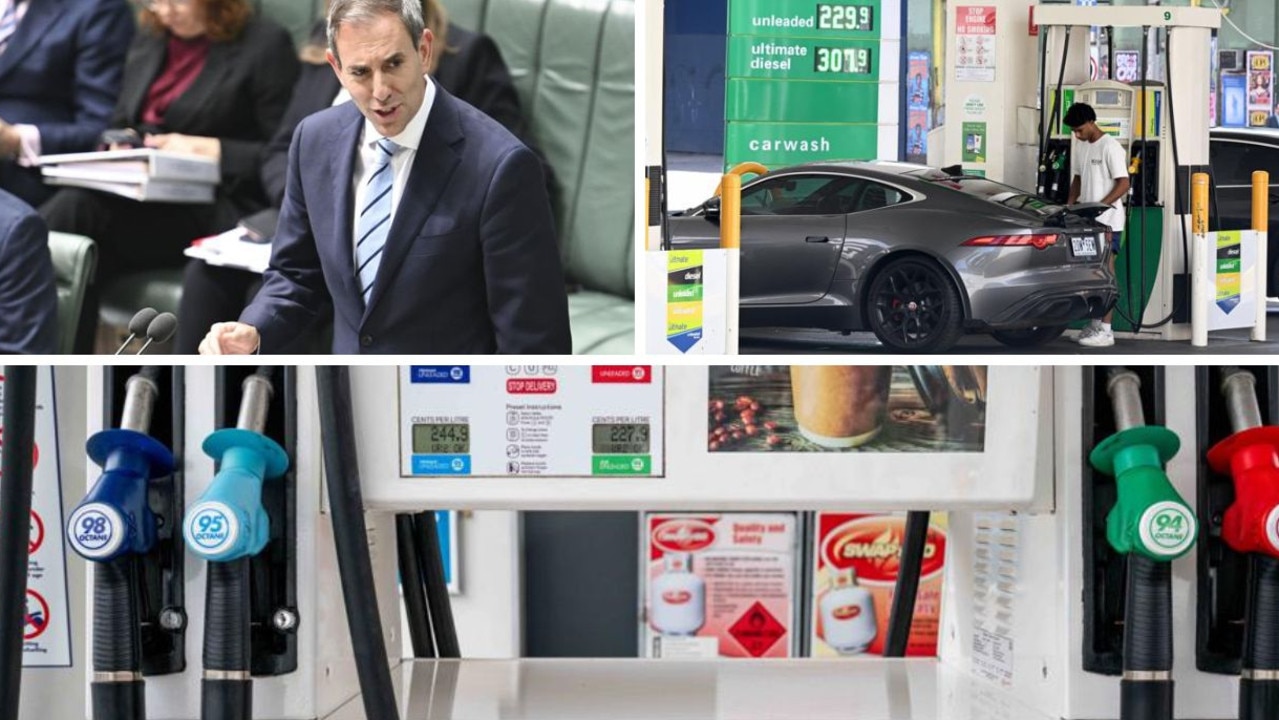
    The root cause of this extended economic pressure, officials and analysts agree, is the disruption to global oil markets triggered by the Middle East conflict between US-aligned Israel and Iran, which has threatened traffic through the Strait of Hormuz — a strategic chokepoint that carries roughly one-fifth of the world’s daily oil supply. Six weeks before the conflict began, global crude traded at roughly US$56 (AU$80) per barrel; today, prices hover around US$100 (AU$143) per barrel. For Australian motorists, every US$10 per barrel increase in crude translates directly to an extra 10 cents per litre at the petrol pump, squeezing household budgets that are already stretched thin.

    Treasurer Jim Chalmers has framed the crisis as an imported external shock, noting that Australian households are paying a steep price for instability thousands of kilometers away. “The costs and consequences of the conflict in the Middle East will be felt for some time, in Australia and around the world,” Chalmers said. Outlining the federal government’s policy response, he added: “We’re taking decisive action to address this global fuel challenge, by halving the fuel excise to help with the cost of living, holding petrol companies to account, working to secure more fuel and get it to where it’s needed in our economy, and engaging internationally.”

    The IMF’s warning extends far beyond Australia, emphasizing that the conflict has already tested the resilience of the global economy that has only just begun recovering from a series of overlapping shocks in recent years. “The global economy has, to date, withstood a series of shocks, yet another one — this time a military conflict engulfing the Middle East since the end of February — is testing this resilience,” the fund said in its report. “The conflict has already inflicted humanitarian costs, damaged critical infrastructure, and severely disrupted maritime and air traffic in the affected region.”

    For global economies including Australia, the spillover effects come through multiple channels: direct upward pressure on commodity prices, secondary ripple effects that push up long-term inflation expectations (which are particularly sensitive to shifts in energy and food prices), and market volatility triggered by risk-off investor sentiment.

    Domestically, the RBA has signaled that the oil price shock could derail progress on taming inflation, forcing potential adjustments to interest rates that would add further pressure to Australia’s 1.5 million mortgage holders. RBA deputy governor Andrew Hauser acknowledged that policymakers lack high confidence that current interest rate settings are sufficiently restrictive to bring inflation down to target. “I wouldn’t say we have high confidence that we’ve set interest rates at the right level because you never do have that high confidence. But we’re going to have to monitor this new shock pretty carefully,” Hauser said. “I think it is easy to see that upside inflation pressure. More important for us now is to think through what the medium-term impact might be.” Hauser added that the current energy price spike from the Gulf conflict amounts to a “big income shock for Australia”, at a time when inflation is already “too high”.

    Before the conflict erupted on February 28, Australia’s inflation had shown early signs of easing, with the Consumer Price Index falling to 3.7% in February, down 0.1 percentage point from January. But that progress is now at risk, and already the shock has gutted economic sentiment across both households and businesses. Two of Australia’s largest four banks have released new surveys showing dramatic drops in confidence in the weeks since the conflict began.

    The monthly Westpac-Melbourne Institute Consumer Confidence Index plummeted 12.5% to 80.1 in April, a reading deep in pessimistic territory — any score below 100 signals that more consumers hold negative expectations for the future than positive. National Australia Bank’s (NAB) monthly business survey found an even starker drop: business confidence fell 29 points to minus 29 index points, marking the second largest monthly fall in the survey’s 37-year history. Only the 2008 Global Financial Crisis and the 2020 onset of the COVID-19 pandemic have seen steeper one-month drops in business confidence.

    Gareth Aird, head of Australian economics at NAB, noted that while the shock has so far had limited impact on actual business activity, the collapse in sentiment signals significant uncertainty ahead. “The outbreak of the conflict in the Middle East saw business confidence fall 29 points to minus 29 index points, the second largest monthly fall in the survey’s history, with falls of this magnitude previously only seen in the GFC and the onset of Covid,” Aird said. “Business conditions fell only one point to six index points in March, reflecting that while the global news backdrop has impacted sentiment, it is still early days in terms of the flow through to activity.”

  • Asia-Pacific reels from soaring energy prices

    Asia-Pacific reels from soaring energy prices

    The Asia-Pacific region is facing unprecedented economic pressure from skyrocketing energy costs, triggered by a sudden disruption to global oil shipping that pushed the international benchmark Brent crude past $101 per barrel on Monday. The crisis escalated rapidly after the United States implemented a naval blockade of the Strait of Hormuz, one of the world’s most critical energy chokepoints, on Sunday. Within 24 hours, commercial shipping through the strategic waterway came to a complete standstill, according to global maritime industry outlet Lloyd’s List. More than 20% of the world’s daily oil trade passes through the strait, making the shutdown an immediate shock to global energy markets.

  • Digital tide drives trade, tourism in rural Gansu

    Digital tide drives trade, tourism in rural Gansu

    Nestled across the arid Loess Plateau of Northwest China, Gansu’s rural communities have long relied on traditional agriculture and small-scale local trade to make a living. Today, a sweeping digital revolution is rewriting this narrative, turning remote villages into connected commercial hubs and breathing new life into local economies through the dual engines of e-commerce and cultural tourism.

    Where farmers once spent early spring only tuning plows and preparing seedbeds, many now split their days between field work and digital content creation. Local producers are mastering new tools: adjusting ring lights for clearer livestream feeds, stabilizing smartphone gimbals to capture sweeping views of the plateau, and speaking to tens of thousands of online customers in their native regional dialects. Women in rural courtyards promote hand-brewed vinegar and crispy traditional fried snacks, while young entrepreneurs trek into rolling fields to stream the plateau’s changing seasons to a global audience.

    One standout example of this shift is Tangqi Village, located in Qingyang City, where a government-backed assistance e-commerce studio has become a local community hub. Village officials have reinvented themselves as livestream hosts, using short-form videos and real-time streaming to showcase homegrown grains, fresh fruits and artisanal snacks to buyers across China. In just 10 days after launching, the studio recorded total sales exceeding 110,000 yuan ($16,016). Today, even 70-year-old villagers bring hand-harvested eggs and sun-dried goods to the studio, accessing national consumer markets without ever leaving their home community. Local data confirms that 135 households in Tangqi have already secured direct income gains from this digital e-commerce model.

    Deep in the Gansu hills, tiny Zhuangzimao hamlet—home to only 22 households—has taken this digital transformation even further. The community established an ecological farm in 2020, and every household now participates in livestreamed commerce. Some farmers demonstrate traditional soy milk grinding and fresh tofu making in real time, while others showcase the process of brewing aromatic yellow rice wine or sun-drying chili peppers into fine powder. Last year alone, Zhuangzimao’s total sales of local specialties surpassed 3 million yuan, with more than half of the village’s households recording annual incomes above 100,000 yuan. Beyond online sales, the village has leveraged its authentic portrayal of rural life online to draw offline tourists.

    Individual local entrepreneurs have also reaped the benefits of digital adoption. In Yangpo Village, Dingxi City, resident Zhou Jingang turned his small family courtyard into a standardized workshop for hand-made potato noodles, a beloved local staple. By building a following on mainstream social media and e-commerce platforms, he has scaled production to 1 metric ton of noodles per day, and now earns 100,000 yuan in annual net income.

    Unlike early rural digital projects that focused solely on direct product sales, Gansu’s current rural development strategy leverages the global consumer demand for authentic rural nostalgia, integrating agriculture, cultural heritage and tourism into a single sustainable growth model. Zhuangzimao’s success, in particular, stems from its commitment to preserving the unpolished, genuine character of traditional village life: residents still plaster walls with local mud and pave courtyards with reclaimed old tiles, leaning into this authenticity to win over online audiences.

    A typical livestream from the village captures this vibe perfectly: “It’s New Year! We’re using a big iron pot and a wood-fired stove to fry traditional dough snacks today,” a local villager says to her camera, surrounded by neighbors dressed in traditional red headscarves and floral aprons. This unscripted, unvarnished depiction of daily rural life has turned online engagement into tangible offline income. Once a remote, little-known hamlet, Zhuangzimao is now a national 3A-level tourist attraction. Last year, it hosted 150,000 domestic visitors, ranging from school study groups to landscape photography enthusiasts, who fill village courtyards to experience authentic home-cooked farm meals first-hand.

    Provincial data underscores the scale of this transformation across Gansu. According to the provincial department of culture and tourism, the region’s rural tourism sector recorded 657 million visitor trips between 2021 and 2025—the 14th Five-Year Plan period—generating total revenue of 201.54 billion yuan.

    Experts note that this shift marks more than just an adoption of new technology: it represents a fundamental change in rural development philosophy. “The core of this strategic support is cultivating a new generation of ‘new farmers’ who understand both the cultural resonance of rural life and modern digital business tools,” explained Mao Jinhuang, an economics professor at Lanzhou University. “This transition from selling agricultural products to selling rural scenery, authentic culture and immersive experiences is a profound shift in how rural communities approach development.”

    To address gaps in digital skills among rural residents, the Gansu provincial government launched intensive targeted training programs in 2025, designed for entrepreneurs returning to rural areas after working in cities. The curricula cover practical skills including e-commerce platform operations, local brand building, and access to small business financing. As digital technology continues to reshape Gansu’s rural economic landscape, Professor Mao emphasizes that nurturing cross-skilled local talent to bridge traditional rural heritage and modern entrepreneurial tools remains the key to sustaining long-term, inclusive growth across the region.

  • New rules aim to spice up Chongqing hotpot sector

    New rules aim to spice up Chongqing hotpot sector

    China’s culinary and economic hub Chongqing is preparing to usher in a new era for its world-famous hotpot sector, as the first-of-its-kind *Chongqing Hotpot Industry Development Promotion Regulations* are set to take effect on May 1. This landmark legislation is designed to standardize fast-growing industry practices, fuel long-term growth, and cement Chongqing’s global reputation as the undisputed “Hotpot Capital of the World”.

    A groundbreaking provision of the new rules enshrines Chongqing hotpot in legal definition for the first time, explicitly recognizing its unique regional origins and distinctive cooking techniques that deliver its signature blend of spicy, mouth-numbing, fresh, and aromatic flavors. According to Lou Zhenxin, director of the Legislative Affairs Office of the Chongqing Municipal People’s Congress Standing Committee — the body that approved the regulations in late March — the legal framework does more than set operating guidelines: it establishes a clear, protected brand identity for Chongqing hotpot and elevates its importance as both a regional cultural asset and a core economic pillar.

    The history of Chongqing hotpot stretches back more than a century to working-class roots. While the broader hotpot tradition spread across China during the Tang Dynasty (618–907 CE) and gained nationwide popularity by the Qing Dynasty (1644–1911 CE), the modern Chongqing style emerged in the late 1800s, when river port porters began simmering affordable leftover offal in bold chili oil and local herbs. The dish moved from street stalls to formal commercial establishments in the 1930s, when the Ma brothers opened Chongqing’s first dedicated hotpot restaurant, Maji Laozhengxing. Today, the Chongqing style is the global gold standard for spicy hotpot: the China Cuisine Association named Chongqing the nation’s official “Hotpot City” back in 2007, recognizing its unmatched concentration of top-rated hotpot establishments.

    For the local economy, the hotpot sector is far more than a tourist attraction — it is a foundational growth engine. Latest data from the Chongqing Hotpot Association shows that by 2025, the city was home to nearly 20,000 hotpot enterprises operating close to 40,000 restaurants across Chongqing. Nationwide, roughly one in three of China’s more than 500,000 hotpot restaurants trace their brand and heritage to Chongqing, and Chongqing-style hotpot outlets have expanded to more than 50 countries and 200 regions across the globe. In 2025 alone, the industry’s total output hit 360 billion yuan (equivalent to roughly $52.7 billion), accounting for 11.6% of Chongqing’s total annual GDP and supporting more than 1 million direct and indirect jobs. Back in 2023, the city formally integrated the hotpot ingredients segment into its official modern manufacturing cluster strategy, highlighting its outsize role in regional food processing and agricultural development.

    Even with this explosive growth, the sector has faced growing pains that threatened its long-term viability: inconsistent quality across operators, a lack of unified industry standards, and stagnant product innovation have held back scalable, sustainable expansion. To address these gaps, the Chongqing Hotpot Association began laying the groundwork for legislation back in 2022, conducting industry-wide research and translating on-the-ground needs from small restaurant owners and large manufacturers alike into the formal legal framework now set to take effect.

    “The core mission of these regulations is to clear the bottlenecks holding back industry growth through legal mechanisms, and push the sector toward transformation into a standardized, scalable, high-quality industry,” explained Pan Ling, deputy secretary of the Chongqing Hotpot Association. Pan added that the rules also set a precedent for food industry regulation across China, integrating cultural preservation and brand building alongside economic development. The regulations support the creation of iconic hotpot-focused cultural infrastructure, including dedicated hotpot food streets, a hotpot-themed museum, and annual industry events such as hotpot culture festivals and trade expos. It also prioritizes the preservation of traditional cooking techniques by supporting their inclusion on national and local intangible cultural heritage lists.

    To strengthen the entire supply chain, the regulations call for the development of specialized production bases, wholesale markets, and national consumption hubs, while incentivizing technological innovation in key areas such as seasoning manufacturing, soup base preservation, and cold-chain logistics. For global expansion, the rules encourage local businesses to build overseas ingredient storage facilities, open international chain locations, and develop cross-border e-commerce channels, pairing product exports with targeted cultural outreach to grow global recognition of the Chongqing hotpot brand.

    In addition to the new legal framework, Chongqing has led national efforts to develop unified standards for the hotpot sector over recent years. Existing standards already cover professional skill requirements for hotpot chefs and evaluation systems for master chefs and restaurant managers, while work is ongoing to finalize national standards for hotpot soup base products and consistent grading systems for spiciness and numbing flavor. A comprehensive national talent training and certification system is also outlined in the new regulations to ensure a skilled workforce for the growing sector.

  • ASX 200 jumps on peace talk hopes as miners and tech stocks rally

    ASX 200 jumps on peace talk hopes as miners and tech stocks rally

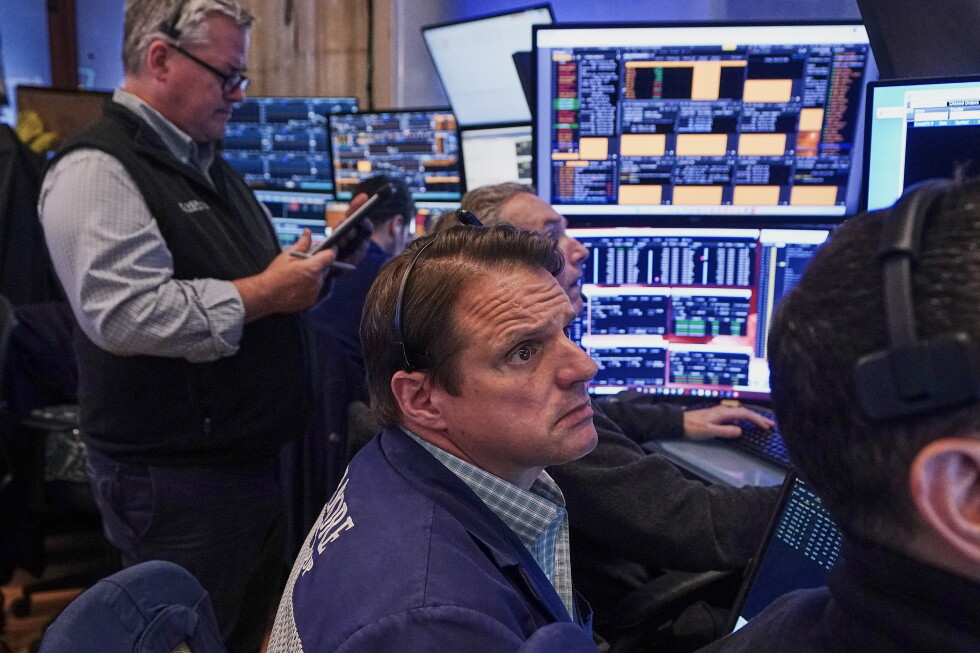
    On Tuesday, Australia’s domestic sharemarket touched a closely watched psychological threshold, briefly crossing the 9000-point mark before retreating, as investor sentiment got a boost from emerging signals that peace negotiations could restart in the conflict-torn Middle East.\n\nBy market close, the benchmark ASX 200 had gained 44.80 points, a 0.50% increase, to settle at 8970.80. The broader All Ordinaries index followed the upward trend, adding 51.70 points or 0.57% to close at 9165.10. Meanwhile, the Australian dollar edged slightly lower, dipping 0.08% to trade at 70.93 U.S. cents.\n\nSix out of the market’s 11 major sectors closed the trading day in positive territory, with technology and mining stocks leading the rally. In the tech segment, logistics software firm WiseTech Global rose 3.77% to $38.56 per share, cloud accounting provider Xero gained 3.92% to hit $73.18, and data center operator Next DC climbed 4.30% to close at $13.10.\n\nMining stocks also posted strong gains, fueled by reports that China had relaxed some iron ore cargo restrictions on major miner BHP. BHP’s share price rallied 3.22% to $56.10, while industry peers Rio Tinto added 1.29% to $174.29 and Fortescue Metals gained 1.58% to $20.60. Healthcare shares also contributed to the market’s upward momentum: CSL added 0.58% to $138.08, Sigma Healthcare jumped 1.50% to $2.71, and cochlear implant manufacturer Cochlear lifted 1.60% to $175.06.\n\nA decline in global crude oil prices also supported market gains, with Brent Crude futures falling 1.1% to slip back below $100 U.S. per barrel, trading at $98.30 U.S. ($138 Australian) at the time of reporting. Falling fuel prices take pressure off inflation and business input costs across the Australian economy.\n\nIG market analyst Tony Sycamore explained that the early-day surge above 9000 points was fueled by a positive lead from overnight trading on Wall Street, where investors latched onto news of potential renewed Middle East peace talks. That optimism pushed the U.S. Nasdaq index to its ninth consecutive daily gain, marking the longest winning streak for the index since December 2023.\n\nHowever, the local market could not hold onto the 9000-point milestone through the close, as a raft of downbeat domestic economic data dampened investor enthusiasm. Westpac’s latest consumer confidence survey showed Australian household sentiment remains near the record lows seen during the height of the COVID-19 pandemic, while National Australia Bank’s monthly business survey recorded a 29-point drop in business conditions in March.\n\nAdding to market caution, Reserve Bank of Australia (RBA) deputy governor Andrew Hauser flagged significant economic risks in a speech delivered in New York shortly before the Australian market opened. Hauser warned of a potential “nightmare” stagflation scenario, where inflation reaccelerates even as economic growth weakens – a combination that would severely limit the RBA’s policy options to support the economy.\n\nIndividual company news also brought mixed results. Flag carrier Qantas saw its shares slip 0.33% to $8.98 after it warned that spiking jet fuel prices would cut $800 million from its bottom line in the second half of the current financial year, and announced it would cut domestic flight capacity by 5% to offset costs.\n\nTop lender Westpac closed 2.61% lower at $41.48 after the bank acknowledged that ongoing Middle East conflict and resulting oil price volatility have created a more challenging operating environment for many of its customers. Waste management firm Cleanaway Waste Management dropped 2.58% to $2.27 after it downgraded its 2026 earnings guidance by $20 million, citing higher fuel and logistics costs tied to Middle East supply disruptions. Infant formula producer A2Milk extended losses from the previous trading day, falling 3.11% to $7.79, after it issued a profit warning on Monday due to ongoing shipping disruptions for exports to China.

  • China Evergrande founder Hui Ka Yan pleads guilty to a set of charges including fraud and bribery

    China Evergrande founder Hui Ka Yan pleads guilty to a set of charges including fraud and bribery

    One of the most high-profile figures at the center of China’s years-long property market crisis has reached a landmark legal milestone, as Hui Ka Yan, the founder of embattled real estate giant China Evergrande, has pleaded guilty to a sweeping array of criminal charges, a mainland Chinese court confirmed in an official statement this week.

    The charges against Hui, who is also known as Xu Jiayin, include illegal absorption of public deposits, fraud, corporate bribery, illegal lending, improper misuse of corporate funds, and rule-breaking disclosure of material market information. Hui was first taken into custody by Chinese authorities in September 2023 while investigations into Evergrande’s collapse were ongoing. His trial was held over two days, Monday and Tuesday, at the Shenzhen Intermediate People’s Court, which released details of the proceedings via a public post on its official WeChat account. During the hearing, the court noted that Hui formally expressed remorse for his actions. A final judgment on sentencing will be issued at a future, unspecified date.

    In addition to the charges against Hui personally, China Evergrande Group itself faces multiple criminal allegations including illegal public deposit absorption, fundraising fraud, corporate bribery, and illegal lending. The firm’s core mainland China property subsidiary, Evergrande Real Estate Group, has additionally been accused of fraudulent securities issuance. Observers from multiple stakeholder groups were in attendance for the trial, including representatives of investors who participated in the firm’s past fundraising campaigns, as well as delegates from China’s National People’s Congress, the country’s top legislative body.

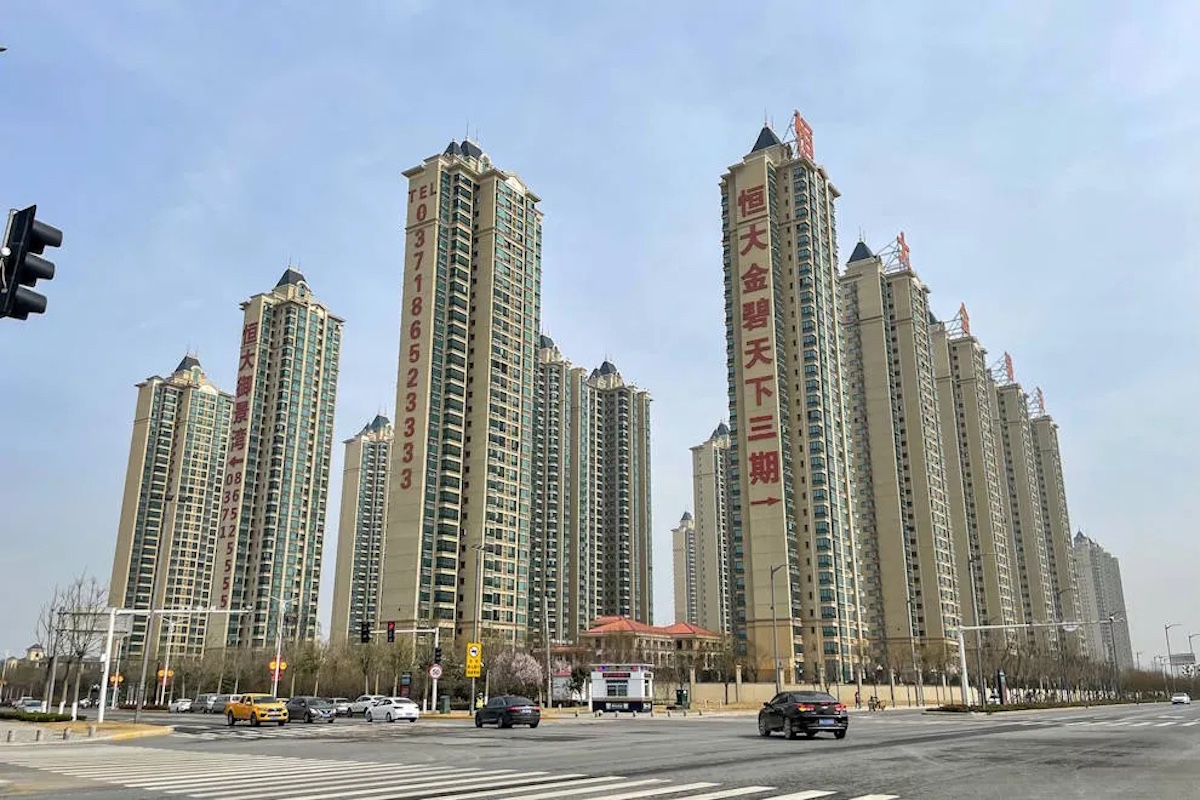
    The conviction of Hui marks the latest chapter in a years-long downfall that reshaped China’s $60 trillion property sector and sent ripples through global financial markets. Founded by Hui in the mid-1990s, Evergrande grew to become China’s second-largest property developer, amassing a sprawling business empire that extended far beyond residential construction into everything from electric vehicles to theme parks. By the time the firm hit its breaking point in 2021, it held total liabilities of more than $300 billion, making it the most heavily indebted real estate developer in the world.

    Evergrande’s collapse was triggered by a 2020 regulatory move by Chinese authorities to crack down on excessive borrowing among private property developers, a policy designed to rein in skyrocketing debt levels and cool overheating housing prices. The crackdown left dozens of overleveraged developers, Evergrande included, unable to access new financing to cover their existing obligations. What followed was a wave of cross-sector defaults that tipped the entire Chinese property industry into a deep systemic crisis. The meltdown dragged on growth in the world’s second-largest economy and shook confidence in financial markets both within China and across the globe.

    In the years after the default, Evergrande underwent a lengthy insolvency process. A Hong Kong court issued a formal liquidation order for the firm in 2024, and court records confirmed that more than 90% of Evergrande’s assets were located on the Chinese mainland. By 2025, Evergrande’s shares were officially delisted from the Hong Kong Stock Exchange, closing out the public trading chapter of the firm’s 30-year history.

  • War intensifies uncertainty for makers of the ultimate in bling, luxury watches

    War intensifies uncertainty for makers of the ultimate in bling, luxury watches

    GENEVA — After two consecutive years of shrinking global demand, the luxury watch industry is gathering this week in Geneva for its flagship industry event, Watches and Wonders, where top brands from across the globe were set to showcase new timepiece innovations, court high-net-worth buyers, and lay the groundwork for a long-awaited market recovery. But a fresh wave of geopolitical instability sparked by the U.S.-Israeli military conflict against Iran that began in late February has upended optimistic projections, injecting severe new uncertainty into an industry already grappling with lingering headwinds from trade policy and currency fluctuations.

    Kicking off Tuesday, the annual invitation-only fair hosts 65 exhibiting watch brands and expects to draw roughly 60,000 attendees, ranging from industry buyers to celebrity guests. High-profile names including tennis champion Jannik Sinner and Hollywood actor Patrick Dempsey turned out for the opening, and event leadership says the gathering is still on track to draw a near-record number of visitors, with only a small handful of last-minute cancellations and minor adjustments to travel plans for some participants. Even so, the ongoing conflict in the Middle East has already sent ripples through the global economy — driving up energy costs, disrupting global supply chains for key commodities, halting fertilizer shipments, and upending international air travel — and the $100-billion-dollar luxury watch industry has not escaped the fallout.

    Long before the outbreak of hostilities, the sector was already navigating significant challenges. A year ago, then-U.S. President Donald Trump implemented steep tariffs on Swiss imports, which pushed costs higher for manufacturers and retailers. While those tariffs have been lowered from their peak levels following a late-year diplomatic deal brokered after a Swiss business delegation visited the White House bearing high-end gifts, the cumulative impact of the trade policy, combined with soaring prices for gold, silver and other precious metals used in watchmaking, has already put downward pressure on margins and demand.

    Now, the Middle East conflict has added renewed inflationary pressures and eroded consumer confidence in key markets across the region, which accounts for a sizable chunk of global luxury watch sales. Industry data shows Middle Eastern markets make up 10% of total Swiss watch exports, a share that analysts call substantial enough to move the needle on annual industry revenue. “Some markets in the Middle East are totally halted,” explained Oliver Müller, founder of Swiss luxury industry consultancy LuxeConsult. He pointed to the United Arab Emirates, one of the region’s top luxury hubs, where roughly 60% of luxury watch sales come from international tourism — a segment that has ground to a near halt amid regional conflict fears and widespread travel disruptions.

    Morgan Stanley’s 9th Annual Swiss Watch Industry Report, produced in partnership with LuxeConsult and released in February, underscores just how eager the industry is for a rebound. The report found that the total value of Swiss watch exports fell 1.7% last year, marking the second straight year of market contraction. The downturn was exacerbated by a strong Swiss franc relative to the U.S. dollar and euro, which made Swiss-made timepieces more expensive for international buyers.

    “When you look back at a year ago, the sort of theme was: The tariffs and the uncertainty,” said industry analyst Ming Liu. “Unfortunately, we aren’t anywhere closer to certainty, probably even less with what’s happening in the Middle East.”

    Even amid the broader contraction, the industry has seen clear segmentation in performance. The report confirms a trend playing out across the global luxury sector: top-tier brands are steadily capturing more market share. Just four of the roughly 450 Swiss watch manufacturers — Rolex, Cartier, Patek Philippe and Omega — control more than half of the total Swiss retail market for luxury watches. The ultra-high-end segment, meanwhile, has continued to grow: handcrafted timepieces priced above 50,000 Swiss francs (over $63,000) made up 37% of the total value of Swiss watch exports last year, up from 33.5% in 2024.

    Swiss manufacturers retain an unrivaled hold on the global luxury watch market overall. The Morgan Stanley report found that Swiss-made watches account for roughly 96% of all global sales of timepieces retailing for 2,000 francs ($2,200) or more. While Japan’s Grand Seiko stands out as the “most credible non-Swiss challenger” and India’s Titan is working to break into the upper premium segment, no other country has come close to matching Switzerland’s reputation for precision craftsmanship and brand cachet in the luxury watch space.

    For industry leaders gathered in Geneva this week, the core question remains whether the pent-up demand for luxury timepieces that was expected to drive a post-contraction rebound will outweigh the new economic and geopolitical risks sparked by the Middle East conflict. With consumer sentiment already fragile, the coming weeks will test just how resilient the luxury watch industry is to global turbulence.

  • Founder of China’s Evergrande pleads guilty to fraud

    Founder of China’s Evergrande pleads guilty to fraud

    One of the most high-profile cases stemming from China’s years-long property sector turmoil took a dramatic turn this week, when Hui Ka Yan, the founder of collapsed real estate giant China Evergrande Group, entered guilty pleas to multiple criminal charges including embezzlement of corporate assets and corporate bribery, a Chinese court has confirmed.

    The public trial unfolded over two days, April 13 and 14, in the southern Chinese city of Shenzhen. According to official Chinese state media reports, Hui openly expressed remorse for his actions during the court proceedings. Judges have not yet issued a formal verdict in the case, with a sentencing announcement scheduled for a later date.

    Hui’s guilty plea marks a defining turning point in the messy aftermath of Evergrande’s 2021 collapse, a collapse that sent shockwaves across China’s $60 trillion real estate sector and left billions of dollars in losses for both domestic financial institutions and individual stakeholders across the country.

    Once China’s largest property developer by sales volume and market reach, Evergrande commanded a public stock market valuation of more than $50 billion at its peak. Built on a foundation of aggressive borrowing that pushed its total outstanding debt to roughly $300 billion, the firm grew into the world’s most indebted property developer before its debt-fueled business model unraveled in 2021.

    During the trial, the court detailed systemic misuse of funds that contributed to widespread unfinished housing projects across the country. The firm collected billions of dollars in pre-sales deposits from home buyers, money earmarked explicitly for construction of their future homes. Instead of honoring that commitment, Hui’s leadership diverted these funds to fund reckless expansion into new, unrelated projects. This misallocation of capital left hundreds of thousands of home buyers waiting for properties that would never be completed, leaving many stuck paying mortgages on homes they could not move into.

    Hui, who is also known by his Chinese name Xu Jiayin, built his empire from extremely humble origins. Born into a poor rural family in central China, he was raised primarily by his grandmother before entering the business world and founding Evergrande in Guangzhou in 1996. Riding the wave of China’s multi-decade housing boom, he grew the company exponentially, expanding beyond real estate into new sectors including electric vehicle manufacturing, food and beverage production, and professional sports. At its height, Evergrande held a controlling stake in Guangzhou FC, one of the most successful soccer clubs in Chinese Super League history, and in 2017, Forbes named Hui the wealthiest person in Asia, with an estimated net worth of $42.5 billion.

    The roots of Evergrande’s collapse stretch back to 2020, when Chinese regulatory authorities introduced strict new debt caps for property developers, nicknamed the “three red lines,” designed to cool speculative overborrowing in the sector. The new rules immediately cut off Evergrande’s access to cheap new borrowing, forcing the firm to sell off assets and slash property prices at steep discounts to generate emergency cash flow.

    By 2021, the company had defaulted on its debt obligations, sending the entire sector into a downward spiral that continues to weigh on China’s national economic growth. Analysts widely point to Evergrande’s collapse as the key trigger for the ongoing property market slump that has shaken consumer confidence and weakened national GDP growth. At the time of its default, Evergrande had roughly 1,300 active development projects across 280 Chinese cities.

    This criminal case is not the first penalty Hui has faced for his role in the company’s misconduct. In March 2024, Chinese securities regulators fined Hui $6.5 million and banned him for life from participating in the country’s capital markets after an investigation found Evergrande inflated its annual revenue by a total of $78 billion across multiple reporting years to mask its growing financial instability. By August 2025, Evergrande’s shares had lost 99% of their peak value, and the company was delisted from the Hong Kong Stock Exchange after more than 15 years of public trading.

    The outcome of Hui’s criminal trial is widely seen as a signal of Beijing’s commitment to cleaning up misconduct in the property sector, as authorities continue to work through the fallout from years of unregulated borrowing and speculative development that has left the sector facing billions in unresolved debt.