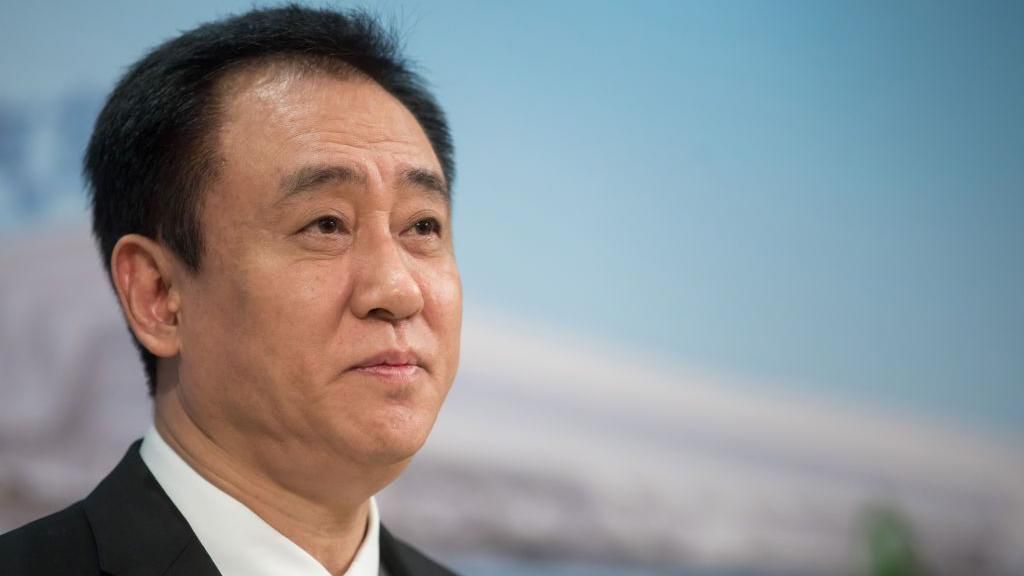
One of the most high-profile cases stemming from China’s years-long property sector turmoil took a dramatic turn this week, when Hui Ka Yan, the founder of collapsed real estate giant China Evergrande Group, entered guilty pleas to multiple criminal charges including embezzlement of corporate assets and corporate bribery, a Chinese court has confirmed.
The public trial unfolded over two days, April 13 and 14, in the southern Chinese city of Shenzhen. According to official Chinese state media reports, Hui openly expressed remorse for his actions during the court proceedings. Judges have not yet issued a formal verdict in the case, with a sentencing announcement scheduled for a later date.
Hui’s guilty plea marks a defining turning point in the messy aftermath of Evergrande’s 2021 collapse, a collapse that sent shockwaves across China’s $60 trillion real estate sector and left billions of dollars in losses for both domestic financial institutions and individual stakeholders across the country.
Once China’s largest property developer by sales volume and market reach, Evergrande commanded a public stock market valuation of more than $50 billion at its peak. Built on a foundation of aggressive borrowing that pushed its total outstanding debt to roughly $300 billion, the firm grew into the world’s most indebted property developer before its debt-fueled business model unraveled in 2021.
During the trial, the court detailed systemic misuse of funds that contributed to widespread unfinished housing projects across the country. The firm collected billions of dollars in pre-sales deposits from home buyers, money earmarked explicitly for construction of their future homes. Instead of honoring that commitment, Hui’s leadership diverted these funds to fund reckless expansion into new, unrelated projects. This misallocation of capital left hundreds of thousands of home buyers waiting for properties that would never be completed, leaving many stuck paying mortgages on homes they could not move into.
Hui, who is also known by his Chinese name Xu Jiayin, built his empire from extremely humble origins. Born into a poor rural family in central China, he was raised primarily by his grandmother before entering the business world and founding Evergrande in Guangzhou in 1996. Riding the wave of China’s multi-decade housing boom, he grew the company exponentially, expanding beyond real estate into new sectors including electric vehicle manufacturing, food and beverage production, and professional sports. At its height, Evergrande held a controlling stake in Guangzhou FC, one of the most successful soccer clubs in Chinese Super League history, and in 2017, Forbes named Hui the wealthiest person in Asia, with an estimated net worth of $42.5 billion.
The roots of Evergrande’s collapse stretch back to 2020, when Chinese regulatory authorities introduced strict new debt caps for property developers, nicknamed the “three red lines,” designed to cool speculative overborrowing in the sector. The new rules immediately cut off Evergrande’s access to cheap new borrowing, forcing the firm to sell off assets and slash property prices at steep discounts to generate emergency cash flow.
By 2021, the company had defaulted on its debt obligations, sending the entire sector into a downward spiral that continues to weigh on China’s national economic growth. Analysts widely point to Evergrande’s collapse as the key trigger for the ongoing property market slump that has shaken consumer confidence and weakened national GDP growth. At the time of its default, Evergrande had roughly 1,300 active development projects across 280 Chinese cities.
This criminal case is not the first penalty Hui has faced for his role in the company’s misconduct. In March 2024, Chinese securities regulators fined Hui $6.5 million and banned him for life from participating in the country’s capital markets after an investigation found Evergrande inflated its annual revenue by a total of $78 billion across multiple reporting years to mask its growing financial instability. By August 2025, Evergrande’s shares had lost 99% of their peak value, and the company was delisted from the Hong Kong Stock Exchange after more than 15 years of public trading.
The outcome of Hui’s criminal trial is widely seen as a signal of Beijing’s commitment to cleaning up misconduct in the property sector, as authorities continue to work through the fallout from years of unregulated borrowing and speculative development that has left the sector facing billions in unresolved debt.