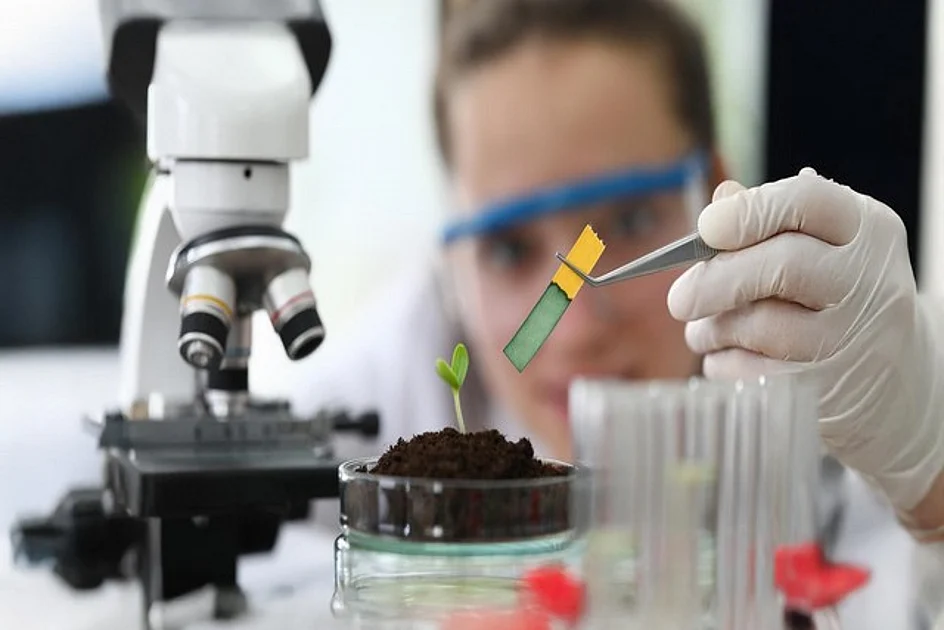
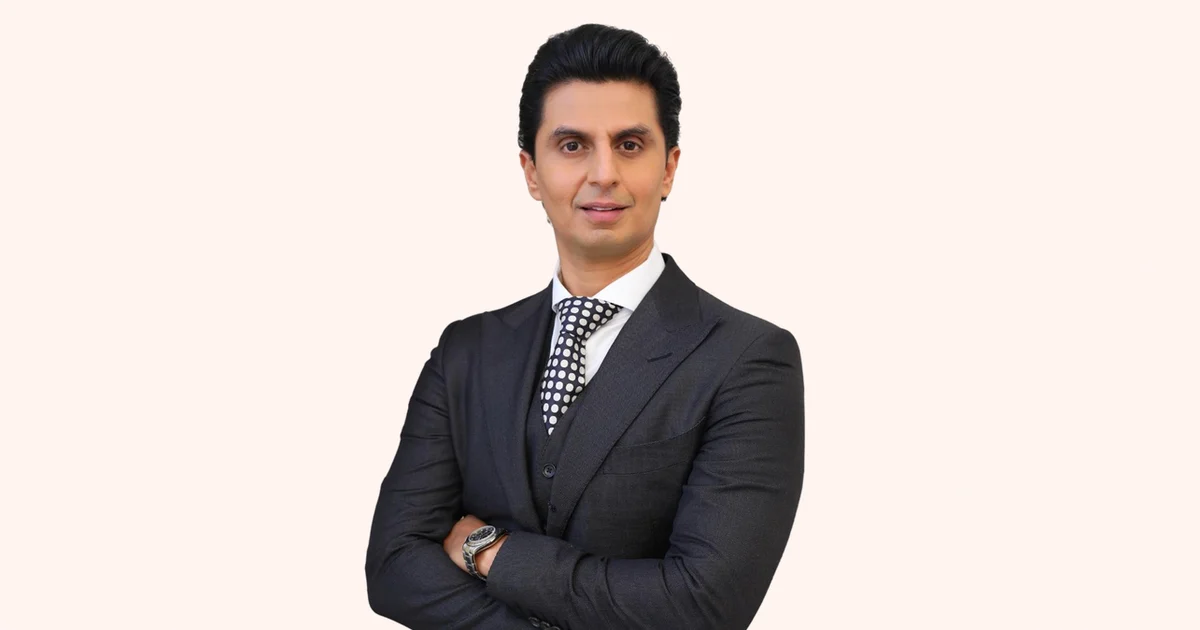
Abu Dhabi-based Titian Capital, through one of its group companies, has acquired a significant stake in Swedish biotechnology firm Cellcolabs AB. This strategic investment aims to bolster Cellcolabs’ technical development, expand its global presence, and enhance its scientific workforce. While financial specifics remain undisclosed, the partnership underscores Titian’s commitment to advancing regenerative medicine and cellular therapies. Cellcolabs specializes in the large-scale production of mesenchymal stem cells (MSCs), derived from healthy donors’ bone marrow, and leverages over two decades of research from Stockholm’s Karolinska Institute. Its products are utilized by academic institutions and biotech firms developing treatments for inflammatory, degenerative, and immune-related conditions. Kayaan Unwalla, Managing Director of Titian Capital, emphasized the transformative potential of stem cell technologies in improving patient outcomes. Dr. Mattias Bernow, CEO of Cellcolabs, highlighted the partnership’s role in accelerating the transition of stem cell therapies from research labs to clinical applications. Titian Capital, a UAE-based private family office, has diverse interests in life sciences, AI, digital advertising, and infrastructure, further solidifying its position as a key player in global innovation.
分类: business
-
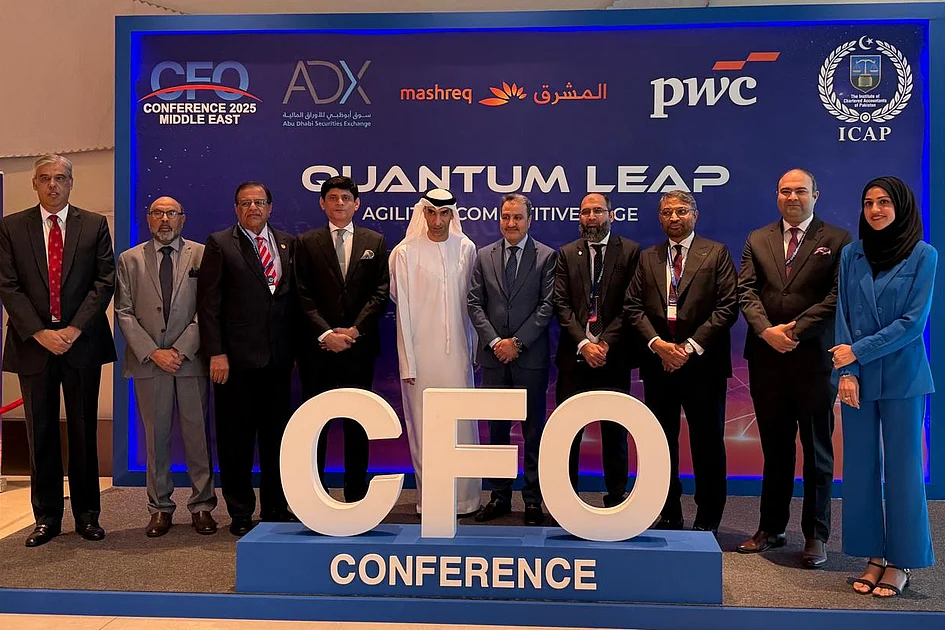
ICAP’s CFO conference in Dubai focuses on financial leadership through agility and innovation
The Institute of Chartered Accountants of Pakistan (ICAP) hosted its 5th CFO Conference Middle East 2025 in Dubai, uniting global finance leaders, policymakers, and industry innovators. Held under the theme “Quantum Leap: Agility & Competitive Edge,” the event underscored the transformative role of agility, innovation, and sustainability in reshaping financial leadership across borders. With over 500 executives in attendance, the conference reinforced ICAP’s mission to foster a resilient, technology-driven, and globally interconnected finance community. Dr. Thani bin Ahmed Al Zeyoudi, UAE Minister of Foreign Trade, delivered a keynote address on the UAE and GCC’s roadmap for transformative growth, emphasizing economic diversification and innovation. ICAP President Saif Ullah highlighted the critical role of CFOs in navigating disruption and driving innovation in an increasingly complex business environment. Khurram Schehzad, Advisor to Pakistan’s Finance Minister, stressed the importance of strategic financial agility and data-driven policymaking to enhance economic resilience. The event featured panel discussions on topics such as inclusive finance, capital market agility, and the integration of sustainability and technology in next-gen finance leadership. Jean Bouquot, President of IFAC, emphasized the need for continuous upskilling among finance professionals to remain relevant in a rapidly evolving landscape. The conference concluded with acknowledgments to sponsors and participants, including Platinum Sponsors Mashreq Bank and Abu Dhabi Securities Exchange, for their pivotal support in making the event a success.
-
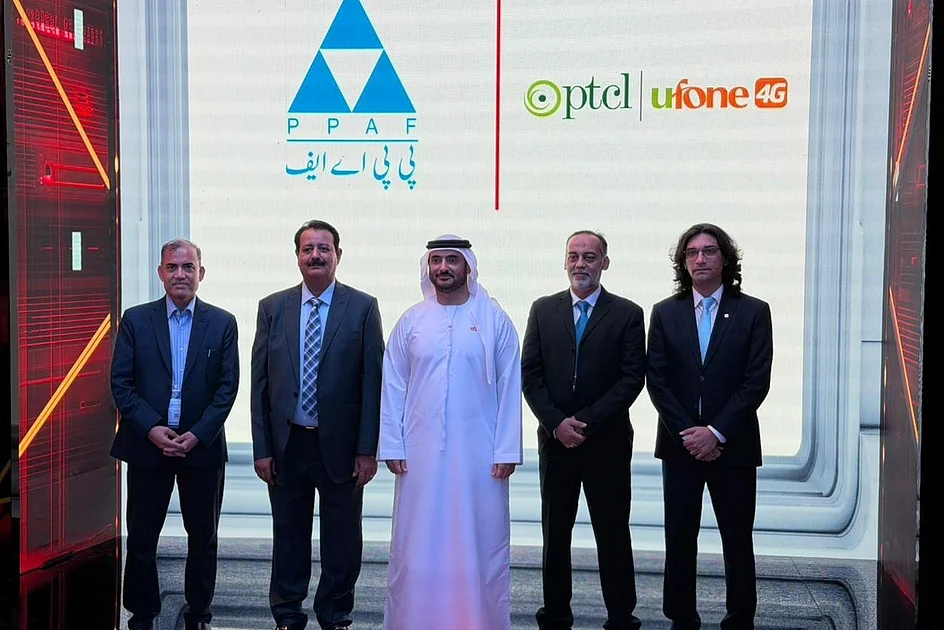
PTCL Group showcases Pakistan’s digital progress and social impact at GITEX Global 2025
The PTCL Group, comprising PTCL and Ufone 4G, took center stage at GITEX Global 2025 in Dubai, showcasing Pakistan’s strides in digital transformation, industrial innovation, and social inclusion. The event, one of the world’s largest technology gatherings, attracted over 6,000 exhibitors and 250,000 visitors from 180 countries. PTCL Group’s participation, housed within the e& pavilion, emphasized initiatives that merge technology with social development, particularly in digital inclusion, women’s empowerment, and accessibility for persons with disabilities.
During the five-day event, PTCL Group forged several strategic partnerships to bolster Pakistan’s digital ecosystem. A notable collaboration with the GSMA under its Open Gateway initiative aims to streamline access between digital services and mobile networks, fostering innovation and enhancing digital security for developers and enterprises in Pakistan. Additionally, a partnership with Cequens introduced Communication Platform as a Service (CPaaS) in Pakistan, enabling businesses to manage customer engagement across SMS, voice, and WhatsApp through a unified interface. Another agreement with Mercantile, Apple’s authorized distributor in Pakistan, will roll out a Device as a Service model, offering enterprises access to Apple products via subscription-based plans, reducing upfront costs.
PTCL Group also signed a deal with Smart MEP to bring Vodafone’s IoT Core Platform to Pakistan, providing advanced industrial IoT solutions to sectors like energy, manufacturing, and utilities. This technology will enable companies to leverage real-time data for improved operational efficiency and automation.
Beyond commercial ventures, PTCL Group highlighted its social impact initiatives, including Ba-Ikhtiar, a women’s empowerment program in collaboration with the Pakistan Poverty Alleviation Fund. Initially piloted in Haripur, the initiative now supports over 2,000 women in 23 flood-affected districts through digital literacy, entrepreneurship, and access to financial tools. The Group also showcased its collaboration with ConnectHear, a social enterprise assisting the deaf and hard-of-hearing community. Their joint innovation, Suno, is an AI-powered early warning system that translates disaster alerts into sign language videos, disseminated through Ufone 4G’s WhatsApp chatbot, ensuring emergency communications are accessible to all.
PTCL Group’s efforts were internationally recognized at the Dragons of Asia Awards, where it won the Gold Dragon Award for Digital Campaigns for its project addressing water scarcity in Thar. The initiative involves installing solar-powered water pumps and filtration units in drought-hit villages, providing clean drinking water to over 15,000 residents, with plans to expand coverage to 200,000 people in Thar and South Punjab.
Federal Minister for IT and Telecom, Shaza Fatima Khawaja, met with PTCL Group President & Group CEO Hatem Bamatraf and e& International CEO Khalifa Shamsi during the event. Discussions focused on strengthening Pakistan’s digital ecosystem and fostering collaboration with international technology leaders.
PTCL Group’s engagements at GITEX underscored Pakistan’s growing role in the global technology arena, demonstrating how collaboration, innovation, and inclusion are shaping the nation’s digital future. The challenge ahead lies in sustaining this momentum and ensuring the benefits of technology reach every segment of society.
-
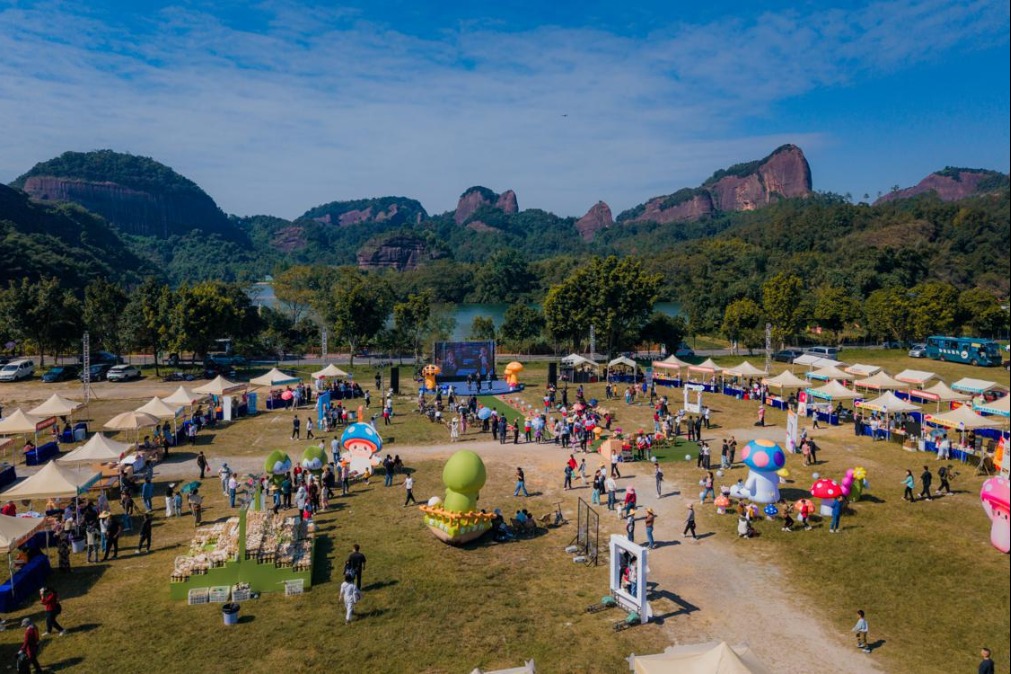
Shaoguan launches online platform for agricultural products
Shaoguan, a city in Guangdong province, has launched an innovative online sales platform aimed at promoting and sustaining the growth of its local agricultural products. The platform was officially introduced during a two-day agricultural product showcase and promotional event held at the foot of Danxia Mountain, a UNESCO World Heritage Site renowned for its striking reddish rock formations. This initiative is part of the city’s broader strategy to enhance the visibility and market reach of its agricultural offerings, leveraging digital tools to connect farmers with a wider consumer base. The event, which took place on Friday and Saturday, featured a variety of local produce, highlighting the region’s rich agricultural heritage. Local authorities emphasized that the platform is designed to support farmers by providing them with a reliable and efficient channel to sell their products, thereby boosting the local economy. The launch of this platform underscores Shaoguan’s commitment to integrating technology with traditional industries, ensuring sustainable development in the agricultural sector.
-

Big win in midterm vote for Argentina’s President Milei boosts markets and vindicates Trump
BUENOS AIRES, Argentina — Argentine markets experienced a significant rally on Monday, with the peso surging and sovereign bonds jumping following libertarian President Javier Milei’s decisive victory in midterm congressional elections. This outcome has been interpreted as a strong mandate for Milei to advance his radical free-market reforms, which have garnered both domestic and international attention. The Argentine peso, which had been in a state of chronic depreciation, soared by over 10%, trading at more than 1,300 per dollar. This marked a stark reversal from the previous week, when investors and depositors were offloading the currency in anticipation of a potential Milei defeat. The market rebound signals renewed investor confidence in Argentina’s economic trajectory, particularly in light of the Trump administration’s strategic support for Milei’s government. U.S. President Donald Trump, speaking aboard Air Force One, emphasized the $40 billion in promised U.S. aid aimed at helping Argentina avert a currency crisis. Trump framed Milei’s efforts as a battle against decades of flawed economic policies, crediting U.S. support for enabling this transformation. The midterm elections, which typically attract limited global interest, became a focal point for Washington and Wall Street due to the high stakes involved. Trump had previously threatened to withdraw financial support if Milei’s party lost to the left-leaning opposition. Over the past month, Argentine markets had been under strain amid a severe cash crunch and fears that the public was growing weary of Milei’s austerity measures. The left-leaning Peronist coalition’s strong performance in local elections had exacerbated these concerns, leading to a record low for the peso at nearly 1,500 against the dollar. However, Milei’s La Libertad Avanza party secured a decisive victory on Sunday, winning 41% of the national vote in the lower house compared to the Peronists’ 32%. This outcome prompted a surge in Argentina’s dollar-denominated bonds, with those set to mature in 2035 jumping over 10 cents. Despite the market optimism, Trump’s $40 billion rescue package for Argentina has faced mounting political backlash in the U.S. Democrats have criticized the aid as a misuse of resources, particularly during a government shutdown that has left federal workers unpaid. American ranchers and farmers have also voiced discontent, citing concerns over Argentine beef and soybean exports undercutting U.S. producers. Even some of Trump’s core supporters have questioned the move, viewing it as inconsistent with his “America First” agenda. Nonetheless, Trump and U.S. Treasury Secretary Scott Bessent have defended the aid, emphasizing the strategic importance of Argentina’s economic stability. On Monday, Trump highlighted the financial benefits of Milei’s victory for American investors, noting the rise in bond prices and debt ratings as evidence of the election’s positive impact on U.S. interests.
-
Rasasi Imtiyaz Group announces the launch of I’mRasasi at Beautyworld Middle East 2025
The Rasasi Imtiyaz Group, renowned for its legacy in the fragrance industry, is set to introduce its latest venture, I’mRasasi, at Beautyworld Middle East 2025. This new fragrance house represents a bold evolution of the brand’s 40-year heritage, blending traditional Middle Eastern craftsmanship with modern, youthful sensibilities. I’mRasasi aims to redefine accessible luxury for a global audience, offering a collection of unique and innovative fragrances designed to appeal to diverse tastes. The launch marks the beginning of the brand’s international expansion, with plans to captivate markets in the Middle East, Europe, Asia, and beyond. Imtiyaz Abdul Razak Kalsekar, CEO and owner of Rasasi Perfumes, emphasized that I’mRasasi is more than a fragrance brand—it’s a statement of individuality, creativity, and modern identity. The debut collection will be showcased at Beautyworld Middle East 2025 from October 27 to 29 at Za’abeel Hall, Booth Z5 C35, featuring immersive scent experiences and a contemporary aesthetic.
-
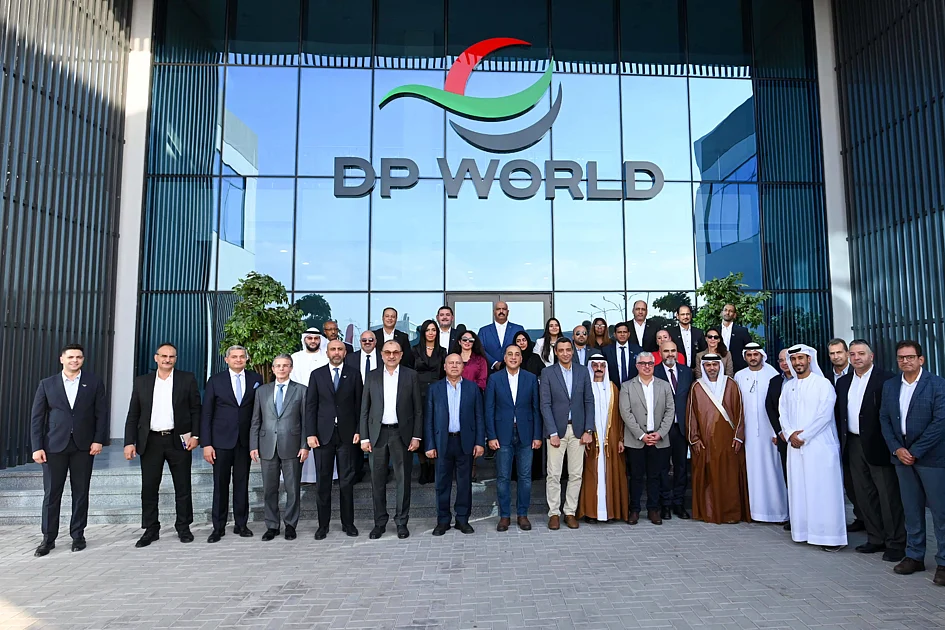
Dubai’s DP World opens $85-million Sokhna Logistics Park in Egypt
DP World, in collaboration with British International Investment (BII), has officially opened the Sokhna Logistics Park in Egypt, marking a significant milestone in the region’s logistics and trade infrastructure. The $85 million project, situated in the Suez Canal Economic Zone (SCZONE), is being developed in two phases. Phase one is now operational, while phase two is set to commence in the third quarter of 2026, expanding the park’s total area to nearly 300,000 square metres. The park is expected to create over 150 jobs in its initial phase, with employment opportunities projected to exceed 300 upon full completion. Strategically located near Sokhna Port, Suez, and the New Administrative Capital, the park benefits from tax and customs exemptions, streamlined trade procedures, and robust connectivity. Already, 90 customers have expressed interest, with several contracts finalized. The park offers integrated logistics solutions, including bonded and non-bonded services, real-time visibility, on-site customs inspections, and a dedicated customer portal. It caters to key industries such as raw materials, packaging, agriculture, electronics, construction, textiles, automotive components, and electric vehicles. Sultan Ahmed Bin Sulayem, Chairman and Group CEO of DP World, emphasized the company’s commitment to building a sustainable logistics ecosystem in Egypt, fostering seamless trade flows, job creation, and economic growth. Additionally, DP World has commenced construction of a $29 million cold storage facility in 6th of October City, enhancing Egypt’s cold chain capabilities and addressing rising demand for energy-efficient storage. Since 2008, DP World has invested over $1.3 billion in Egypt, modernizing Sokhna Port and integrating it into global supply chains. The inauguration ceremony was attended by Egypt’s Prime Minister Mostafa Madbouly and UAE Ambassador Hamad Al Zaabi, underscoring the project’s regional significance.
-
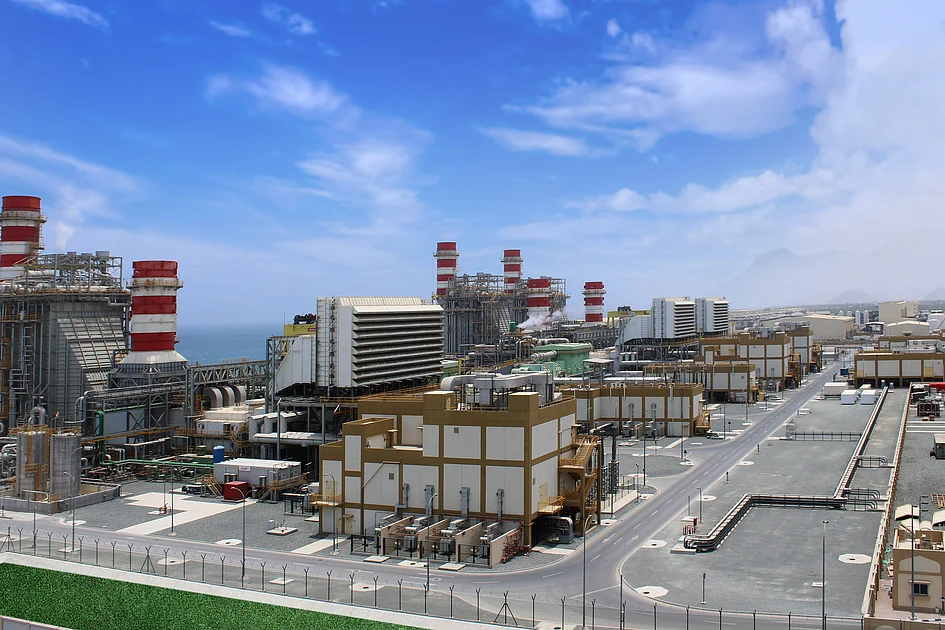
UAE: Fujairah F3 power plant begins full commercial operations, to power 380,000 homes
The Fujairah F3 Independent Power Producer (IPP) project has officially commenced full commercial operations as of Monday, October 27, 2025. Situated in the Qidfa area of Fujairah, this 2.4-gigawatt (GW) facility stands as one of the largest and most efficient gas-fired power plants in the United Arab Emirates. The plant is designed to power approximately 380,000 homes, providing reliable electricity while supporting the UAE’s strategic energy transition towards renewable and clean energy sources.
The project is a collaborative effort involving Emirates Water and Electricity Company (EWEC), Abu Dhabi National Energy Company PJSC (TAQA), Marubeni Corporation, Mubadala Investment Company, and Hokuriku Electric Power Company. It features state-of-the-art JAC-class gas turbine technology from Mitsubishi Power, integrated into an advanced Combined Cycle Gas Turbine (CCGT) configuration. This technology ensures high thermal efficiency, rapid response capabilities, and a low emissions profile, making Fujairah F3 a cornerstone of the UAE’s cleaner and more sustainable energy production.
Developed under the IPP model, the ownership structure of the project includes TAQA (40%), Marubeni Corporation (20.4%), Mubadala (20%), and Hokuriku Electric Power (19.6%). EWEC serves as the sole procurer of electricity from the project under a long-term Power Purchase Agreement (PPA).
Andreas Collor, Chief Operations Officer of TAQA’s Generation business, emphasized the plant’s role in meeting growing power demand and its flexibility in integrating renewables into the grid. Mohamed Almarzooqi, Chief Asset Development and Management Officer of EWEC, highlighted the plant’s transitional capacity in supporting utility-scale renewable energy integration while ensuring grid reliability during peak demand periods.
Dr. Alyazia Ali Al Kuwaiti, Executive Director of Mubadala’s UAE Investments platform, noted the project’s contribution to national energy security and its alignment with Mubadala’s Net Zero goals. Naoki Ito of Marubeni Corporation and Masayoshi Hayashi of Hokuriku Electric Power Company both underscored the importance of international partnerships and innovative approaches in addressing the region’s evolving energy needs.
Les Graham, Executive Managing Director of Fujairah Power Company F3 LLC, emphasized the plant’s efficiency and flexibility in enabling the growth of renewable energy in the UAE, aligning with the vision of a sustainable grid.
Fujairah F3 is a critical component of EWEC’s long-term strategy to increase the share of renewable and clean energy in the electricity generation mix. Its flexible operations and high-efficiency generation capacity complement the integration of intermittent renewable energy, supporting a modern, decarbonized energy system. This project exemplifies the UAE’s commitment to deploying cutting-edge technologies that reduce emissions, boost efficiency, and support sustainable development.
-

Dubai: Gold, silver prices fall as markets open on Monday
Gold and silver prices in Dubai experienced a decline on Monday morning, reflecting ongoing market volatility driven by a mix of technical and fundamental factors. Globally, spot gold prices dropped by 0.83% to $4,079.38 per ounce, while silver fell by 0.53% to $48.34 at 10 am UAE time. In Dubai, 24K gold was priced at Dh491.50, with 22K, 21K, and 18K gold also slipping to Dh455, Dh436.25, and Dh374 per gram, respectively. This downturn follows a record high of Dh525.25 on October 21, which was followed by the sharpest one-day decline in over a decade, retreating more than six per cent. Dilin Wu, Research Strategist at Pepperstone, noted that the market had seen nine consecutive weeks of bullish activity, with the Relative Strength Index (RSI) in overbought territory since early September, signaling the need for a corrective pullback. Nishin Thaslim, Chairman of Nishka Jewelry, attributed the decline to global optimism stemming from the nearing end of the US-China trade war, which has reduced safe-haven demand for gold. Additionally, the CME’s 5.2% increase in margin requirements for gold and silver has dampened short-term buying momentum. Looking ahead, gold is expected to trade within a neutral to slightly bearish range, influenced by risk sentiment and key economic developments, including the outcome of the US-China leaders’ meeting at APEC and the Federal Reserve’s policy decisions.
-
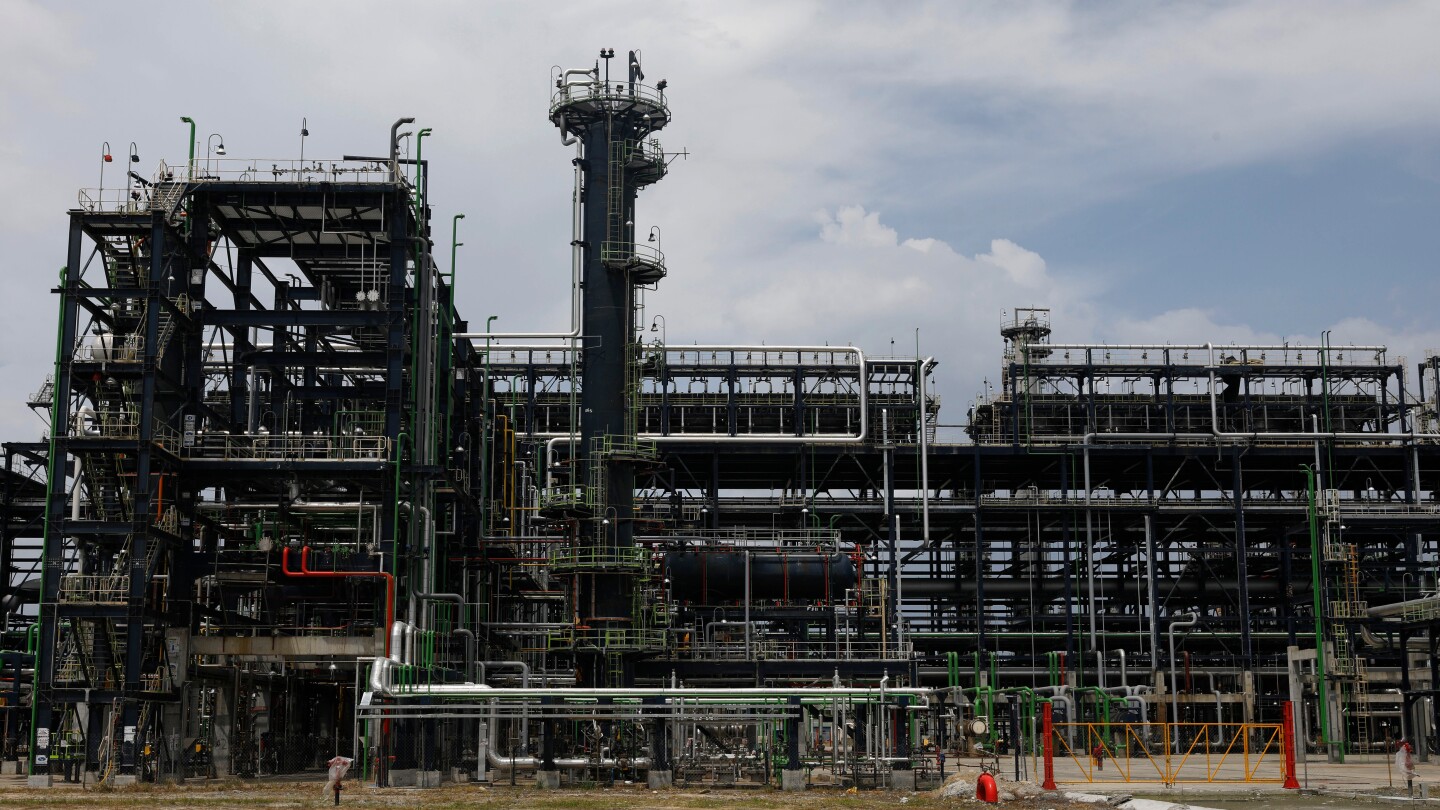
Nigerian billionaire plans expansion of Africa’s biggest oil refinery
ABUJA, Nigeria (AP) — Aliko Dangote, Africa’s wealthiest individual and owner of the continent’s largest refinery, has announced plans to significantly expand the facility’s capacity. The Dangote Refinery, located in Lagos, Nigeria’s economic hub, will increase its output from 650,000 barrels per day to 1.4 million barrels per day. This ambitious expansion aims to address the rising fuel demands both within Africa and internationally. Dangote emphasized that, upon completion, the refinery will surpass India’s Jamnagar refinery as the largest single-site refinery globally. Nigeria, despite being one of Africa’s leading oil producers, has long relied on imported refined petroleum products due to inefficiencies in its state-run refineries. The Dangote Refinery, which commenced operations in January 2024, has already played a pivotal role in meeting local and international fuel needs. However, Dangote stressed that further expansion is essential to keep pace with growing demands. The $19 billion project, which took nearly a decade to complete, reflects a significant vote of confidence in Nigeria’s and Africa’s energy future. While the expansion is widely praised, details regarding its timeline and financing remain undisclosed, according to Ikemesit Effiong, a partner at Lagos-based SBM Intelligence research firm.