标签: Africa

非洲

  • Eswatini receives third batch of migrants deported by the US

    Eswatini receives third batch of migrants deported by the US

    JOHANNESBURG (AP) — Eswatini authorities confirmed the arrival of four additional African migrants deported from the United States on Thursday, marking the third such group transferred to the small southern African kingdom under the Trump administration’s controversial immigration policy. These individuals—comprising one Tanzanian, one Sudanese, and two Somali nationals—represent the latest among over 40 deportees sent to African nations through largely clandestine agreements that have drawn sharp criticism from human rights organizations.

    The US government has established third-country deportation partnerships with at least seven African nations including Ghana, Rwanda, Uganda, Cameroon, Equatorial Guinea, and South Sudan. Since July, Washington has dispatched at least 19 individuals to Eswatini across three separate transfers as part of its stringent immigration enforcement strategy. US officials previously characterized the initial group of five men sent in July as convicted criminals with standing deportation orders, one of whom—a Jamaican national—was subsequently repatriated to his home country in September.

    Eswatini’s government stated that one third-country national has already received travel documentation and will soon depart the country, while negotiations continue regarding the remaining individuals’ repatriation to their countries of origin. The kingdom’s administration emphasized its “commitment to ensuring that the rights and dignity of the third-country nationals are upheld while they remain in the country.”

    These deportations to Eswatini—a nation where the monarch wields absolute power and has faced accusations of suppressing pro-democracy movements—have provoked strong reactions from local civic groups. According to a recent report compiled by Democratic staff of the Senate Foreign Relations Committee, the Trump administration has allocated at least $40 million to deport approximately 300 migrants to countries other than their own across Africa, Central America, and other regions.

  • Cartoonist freed after 15 years in prison without charge in Eritrea

    Cartoonist freed after 15 years in prison without charge in Eritrea

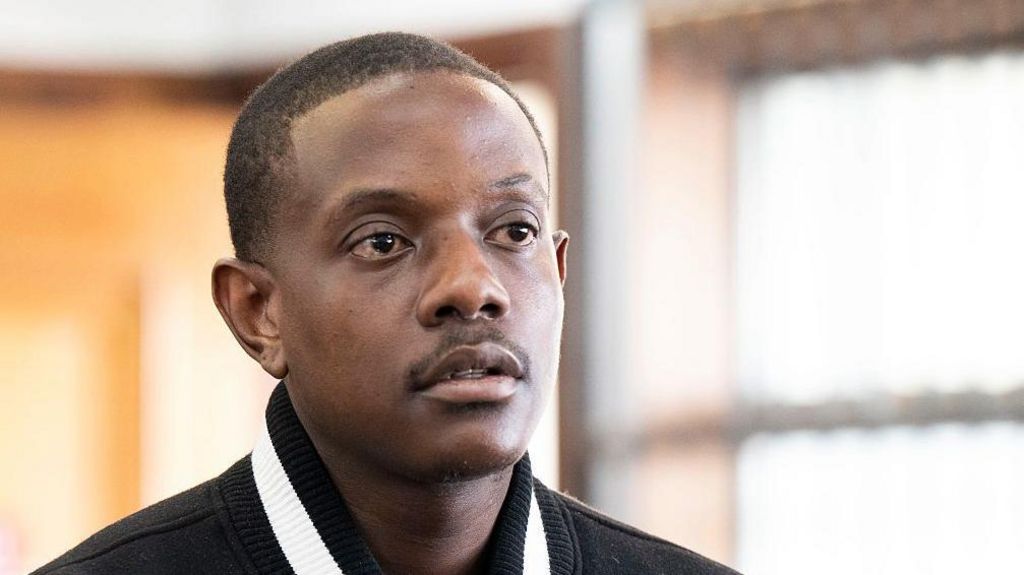
    Eritrean authorities have released prominent political cartoonist Biniam Solomon after 15 years of imprisonment without formal charges or legal proceedings, according to confirmations from family members and associates. The artist, widely known by his professional pseudonym Cobra, was apprehended in Asmara in 2011 during a government crackdown on dissent.

    Now in his early sixties, Solomon endured severe isolation throughout his detention, completely cut off from familial communication and receiving only intermittent medical attention. A relative disclosed that the latter segment of his imprisonment occurred within Asmara’s notoriously austere ‘crime investigation’ facility, commonly reported to house political dissidents and conscientious objectors under exceptionally harsh conditions.

    Solomon’s artistic career flourished during a brief period of media liberalization following Eritrea’s independence from Ethiopia. Between 1997 and 2001, his incisive cartoons critiquing socio-political issues appeared in various private publications until the government shuttered all independent media outlets citing national security concerns. Despite losing an arm during childhood, Solomon established himself as both a respected physicist educator and prolific artist, authoring three collections of his satirical work.

    His liberation coincides with a series of unexplained releases of long-term detainees, though thousands remain incarcerated without trial according to United Nations estimates. Human rights organizations have consistently documented systematic abuses within Eritrea’s penitentiary system, including inadequate nutrition, medical neglect, and extreme psychological distress – allegations consistently refuted by national authorities.

    The circumstances surrounding Solomon’s release remain opaque, with no official explanation provided by Eritrean officials. International observers note that while these developments may signal potential shifts, the absence of transparent judicial processes continues to raise concerns about the country’s human rights record.

  • One house, two faiths, one fasting season

    One house, two faiths, one fasting season

    In a remarkable display of interfaith unity, Nigerian couple Olanrewaju and Kaosara are jointly observing the sacred fasting periods of Ramadan and Lent—a rare convergence not witnessed since 1993. This extraordinary alignment of Islamic and Christian calendars has created a unique opportunity for cross-cultural spiritual connection in religiously diverse Nigeria.

    The couple’s experience reflects a broader phenomenon occurring across multifaith households in Africa’s most populous nation. While Olanrewaju abstains from food and drink from dawn to dusk in observance of Ramadan, Kaosara maintains her Lenten sacrifices, creating mutual understanding and respect within their shared domestic space.

    Religious scholars note this calendrical coincidence occurs only periodically due to differences between the lunar Islamic calendar and solar-based Gregorian system. The current overlap provides a powerful counter-narrative to religious tensions, demonstrating how shared values of discipline, reflection, and spiritual purification transcend theological differences.

    Community leaders have highlighted such personal stories as models for peaceful coexistence in Nigeria’s complex religious landscape. The couple’s approach to maintaining各自的 religious traditions while supporting each other’s spiritual practices offers a template for interfaith harmony that extends beyond theological boundaries.

  • Senegal approves tougher anti-gay law as rights groups raise concerns

    Senegal approves tougher anti-gay law as rights groups raise concerns

    Senegal’s National Assembly has overwhelmingly passed sweeping legislation that significantly intensifies penalties for same-sex relationships while criminalizing any form of homosexuality advocacy. The parliamentary vote saw 135 members in favor, zero against, and three abstentions, paving the way for presidential ratification that would enact the stringent measures into law.

    This legislative initiative fulfills campaign commitments made by President Bassirou Diomaye Faye and Prime Minister Ousmane Sonko, emerging amid heightened enforcement actions against alleged homosexual activities. The new statute doubles maximum imprisonment terms from five to ten years for same-sex acts and introduces substantial fines reaching 10 million CFA francs (approximately $17,600).

    Government spokesperson Amadou Moustapha Ndieck Sarré defended the legislation against international condemnation, asserting that it reflects Senegal’s cultural and religious values. “The overwhelming majority of Senegalese people reject homosexuality,” Sarré stated. “Our cultural foundations firmly oppose such practices.”

    Conservative advocacy groups, including the moral values organization And Sàmm Jikko Yi, have long pressured authorities for stricter anti-homosexuality measures. These entities argue that the strengthened legal framework is essential for preserving Senegal’s societal norms.

    However, human rights organizations have issued grave warnings regarding the legislation’s potential consequences. Larissa Kojoué, researcher at Human Rights Watch, emphasized that “criminalizing same-sex conduct and arresting individuals based on sexual orientation violates multiple internationally protected rights, including principles of equality and non-discrimination.”

    Medical and public health experts express particular concern about the law’s impact on HIV prevention efforts. Dr. Charles Dotou, head of Senegal’s LGBTQ Association, cautioned that the legislation would drive vulnerable communities underground, potentially creating “chaos in society” through increased fear and migration.

    Dr. Safiétou Thiam, executive secretary of Senegal’s National Council for the Fight Against AIDS, warned that the law jeopardizes decades of public health progress. “We risk undermining the results of 30 to 35 years of efforts in combating HIV/AIDS,” Thiam noted, highlighting that Senegal currently maintains one of West Africa’s lowest HIV prevalence rates at 0.3% among adults.

    This legislative development aligns with a broader trend across Africa, where several nations including Uganda, Ghana, Burkina Faso, and Mali have recently implemented or proposed stringent anti-LGBTQ+ measures. The Senegalese legislation specifically targets what it describes as “acts against nature,” expanding both punitive measures and their application to those perceived as promoting homosexual relationships.

  • At least 50 people killed and 125 others reported missing after landslides sweep Ethiopia

    At least 50 people killed and 125 others reported missing after landslides sweep Ethiopia

    ADDIS ABABA, Ethiopia — Catastrophic landslides triggered by relentless heavy rainfall have devastated three districts in southern Ethiopia’s Gamo Zone, resulting in a confirmed death toll of at least 50 individuals, with approximately 125 more reported missing, according to local authorities. The disaster, which struck the Gacho Baba, Kamba, and Bonke districts, has prompted a large-scale emergency response operation amid challenging conditions.

    Mesfin Manuqa, the Director of Disaster Response for the Gamo Zone, confirmed the grim statistics on Thursday, noting that rescue teams managed to successfully extract one survivor from the thick mud. The scale of destruction to homes and infrastructure remains unquantified, as communication officials like Abebe Agena from Gacho Baba District reported that the majority of fatalities were discovered buried under the debris.

    In response to the tragedy, South Ethiopia Regional State President Tilahun Kebede issued a somber statement expressing profound grief and urgently advised communities residing in highland regions and areas susceptible to flooding to evacuate to safer, higher ground. He emphasized the ongoing threat, stating, ‘With the rainy season persisting, these types of disasters could recur. I am calling on communities living in highlands and flood-prone areas to take necessary precautions.’

    Such natural calamities are recurrent in Ethiopia, particularly during the annual rainy season, where saturated soil conditions frequently lead to deadly mudslides and flash flooding. This recent event echoes a similar tragedy from July 2024, when exceptionally heavy rains precipitated a massive mudslide in the same region, claiming 229 lives and highlighting the persistent vulnerability of these communities to extreme weather events.

  • Slavery exhibit is changing at the African American history museum as a loan agreement ends

    Slavery exhibit is changing at the African American history museum as a loan agreement ends

    The National Museum of African American History and Culture will soon repatriate a significant historical artifact to South Africa, marking the conclusion of a decade-long loan agreement. A 33-pound timber fragment from the São José-Paquete de Africa slave ship, currently displayed in the museum’s “Slavery and Freedom” exhibition, will be carefully prepared for transportation to its home institution at the Iziko Museums of South Africa later this year.

    The timber piece, which has been visually suspended above a dark void alongside original ship ballast since the museum’s 2016 opening, represents one of the first recovered wreckages of a sunken slave vessel. The São José met its tragic fate in December 1794 when the Portuguese ship, carrying over 400 captives from Mozambique destined for Brazilian slavery, struck rocks and sank near Cape Town. Approximately half of those aboard perished in the disaster, with survivors subsequently resold into slavery in the Western Cape region.

    Museum officials emphasize the change stems solely from conservation requirements and loan agreement expiration, not external political pressures. The initial five-year loan was extended in 2021 and formally concludes on July 1. Due to the timber’s fragile condition, specialists are constructing a custom protective crate for its transatlantic journey.

    While the wooden fragment will depart, other powerful artifacts from the vessel will remain on display for two additional years, including the ballast stones that counterbalanced human cargo. These will eventually be replaced by the ship’s original cargo manifesto, maintaining the exhibition’s narrative impact.

    The São José artifact was identified and studied through the Slave Wrecks Project, an international collaborative research initiative that confirmed the vessel’s association with the transatlantic slave trade. The display occupies a solemn space within the museum’s Middle Passage exhibition, addressing the horrific ocean crossing where millions of enslaved Africans lost their lives.

    Recent visitors expressed how the tangible nature of these artifacts transforms historical understanding from academic concept to emotional reality. Museum leadership acknowledges the timing might raise questions amid broader federal reviews of historical exhibits but maintains transparency about the purely conservation-based decision. The institution affirms that the powerful story of resilience and remembrance will continue despite the artifact’s return to its country of origin.

  • Africa eyes new sources of funding for health

    Africa eyes new sources of funding for health

    A significant shift is underway across Africa as nations reassess their approach to international health financing agreements. Zimbabwe, Zambia, and Kenya have recently taken decisive steps to reevaluate major health funding arrangements with the United States, signaling a broader continental movement toward more equitable partnerships.

    The trend emerged when Zimbabwe withdrew from negotiations on a proposed $367 million US health funding package, citing concerns over data sovereignty. Zambia followed by rejecting elements of a $1 billion bilateral health agreement, particularly provisions regarding sensitive health data sharing. Meanwhile, Kenya’s High Court suspended a similar health funding agreement with the US after consumer rights advocates raised alarms about the safety of citizens’ health data.

    According to Professor Carlos Lopes of the University of Cape Town’s Nelson Mandela School of Public Governance, these developments represent “a maturing and more assertive African approach to global health financing partnerships.” This shift reflects a strategic move away from aid dependency toward partnerships negotiated on more equal terms, with heightened emphasis on national ownership, predictable financing, and long-term fiscal sustainability.

    Melha Rout Biel, executive director of the Institute for Strategic and Policy Studies in South Sudan, emphasized that these actions demonstrate Africa’s growing unwillingness to accept funding proposals that don’t align with national or continental interests. “It is a sign that Africa can no longer be taken for granted to accept any offer that does not meet her national or continental interest,” Biel stated.

    The Africa Centres for Disease Control and Prevention has publicly supported Zimbabwe and Zambia’s positions, expressing concerns about transparency, data governance, and national sovereignty within the new US government health cooperation framework. Jean Kaseya, director-general of the African Union’s continental public health agency, recently affirmed that Africa CDC would support any country choosing to withdraw from or renegotiate the framework, particularly emphasizing the need for Africa to safeguard its public health information and pathogen data.

    Political analyst Deniz Akkas, based in Singapore, noted that while these decisions reflect specific national contexts, they may signal the beginning of a broader continental posture featuring stricter vetting of external financing arrangements and clearer boundaries around policy encroachment. Akkas maintained that this development, if handled correctly, could ultimately strengthen rather than weaken global health cooperation.

  • Chinese national arrested over attempt to smuggle 2,000 queen ants from Kenya

    Chinese national arrested over attempt to smuggle 2,000 queen ants from Kenya

    Kenyan authorities have apprehended a Chinese national at Jomo Kenyatta International Airport (JKIA) in Nairobi on charges of attempting to smuggle over 2,000 protected queen garden ants out of the country. Zhang Kequn was intercepted during routine security screening when officials discovered live ants concealed within his luggage destined for China.

    Investigators revealed the ants were meticulously packaged, with 1,948 specimens contained in specialized test tubes and an additional 300 hidden inside three tissue paper rolls. Prosecutors have requested forensic examination of Zhang’s electronic devices as they believe he is connected to an ant-trafficking network previously disrupted in Kenya last year.

    This incident follows a landmark case in May 2023 where four individuals received prison sentences or substantial fines for similar offenses. The Kenya Wildlife Service (KWS), typically focused on protecting larger wildlife, has identified a growing international demand for these ecologically significant insects, particularly in European and Asian exotic pet markets.

    The court has authorized Zhang’s detention for five days to facilitate further investigation into what authorities describe as an expanding network of wildlife trafficking. Senior KWS official Duncan Juma indicated that additional arrests are anticipated as operations extend to other Kenyan towns suspected of involvement in illegal ant harvesting.

    Giant African harvester ants (Messor cephalotes) are protected under international biodiversity treaties due to their crucial role in maintaining soil health and ecosystem balance. Their removal poses significant threats to local environments, making their trade highly regulated worldwide.

  • Senegal is the latest African country to toughen punishment for homosexual acts

    Senegal is the latest African country to toughen punishment for homosexual acts

    DAKAR, Senegal — In a decisive parliamentary move, Senegal has significantly escalated its legal stance against homosexuality through newly approved legislation that doubles prison terms and imposes substantial fines. The West African nation’s legislative body overwhelmingly endorsed the bill during Wednesday’s plenary session, with nearly unanimous support and only three abstentions.

    The controversial legislation, introduced last month by Prime Minister Ousmane Sonko, reclassifies homosexual acts as ‘against nature’ and increases penalties from the previous one-to-five-year prison sentences to rigorous imprisonment ranging from five to ten years. The bill further criminalizes the ‘promotion’ or ‘financing’ of homosexuality, effectively targeting organizations that support sexual and gender minorities.

    Financial penalties have been substantially heightened under the new framework, with fines reaching up to 10 million CFA francs (approximately $17,609). Notably, the legislation maintains homosexuality offenses as misdemeanors rather than felonies. During parliamentary debates, government ministers contended that the 1966 legislation previously governing such acts was insufficiently punitive.

    The legal text groups homosexuality alongside necrophilia and bestiality under ‘acts against nature’ offenses while paradoxically penalizing unsubstantiated accusations of homosexual acts. The bill now awaits presidential assent from President Bassirou Diomaye Faye, who is widely anticipated to enact it into law.

    This development aligns Senegal with approximately thirty African nations that criminalize same-sex relations, including Kenya, Sierra Leone, and Tanzania where similar decade-long sentences prevail. In several African jurisdictions including Somalia, Uganda, and Mauritania, homosexuality can carry capital punishment.

    The legislative action follows weeks of rallies organized by Islamic advocacy groups supporting the measure. Concurrently, Senegalese authorities have intensified crackdowns on alleged LGBTQ+ individuals, resulting in at least a dozen recent arrests. The legislation fulfills a campaign promise by Prime Minister Sonko, who had previously attempted to introduce similar measures while serving in opposition.

  • Why Namibia’s green energy dream could be a red flag for penguins

    Why Namibia’s green energy dream could be a red flag for penguins

    A monumental green energy initiative in Namibia’s Tsau ǁKhaeb National Park has ignited a complex debate balancing economic development against ecological preservation and historical justice. The Hyphen Hydrogen Energy project, a $10 billion joint venture led by Germany’s Enertrag, aims to transform this pristine desert coastline into Africa’s first large-scale green hydrogen production facility.

    This ambitious plan leverages Namibia’s world-class solar and wind resources to produce clean fuel through electrolysis, with eventual conversion to ammonia for export. The Namibian government maintains a 24% stake in the project, which promises to address the country’s 44% youth unemployment through 15,000 construction jobs and 3,000 permanent positions.

    However, conservationists warn that the industrial development threatens one of Africa’s most biodiverse regions. The 26,000 sq km park, previously protected for a century as Germany’s colonial ‘Sperrgebiet’ (Restricted Area), hosts unique succulents with specialized survival adaptations and provides critical habitat for the critically endangered African penguin. The Namibian Chamber of Environment has labeled the proposal ‘red hydrogen’ due to its potential to push numerous species toward extinction.

    Further complications emerge from the project’s historical context. The proposed port expansion area near Lüderitz borders Shark Island, site of a German colonial concentration camp where thousands of Nama and Herero people were exterminated between 1904-1908. Local activists emphasize the need for respectful engagement with this painful history.

    While Hyphen claims comprehensive environmental assessments and avoidance of sensitive areas, community representatives express skepticism about job specifics and long-term benefits. The final investment decision, expected by late 2026, will determine whether Namibia’s green energy aspirations can coexist with its ecological and historical preservation responsibilities.