标签: Africa

非洲

  • Jihadis intensify attacks against Nigeria’s military, killing officers and carting away weapons

    Jihadis intensify attacks against Nigeria’s military, killing officers and carting away weapons

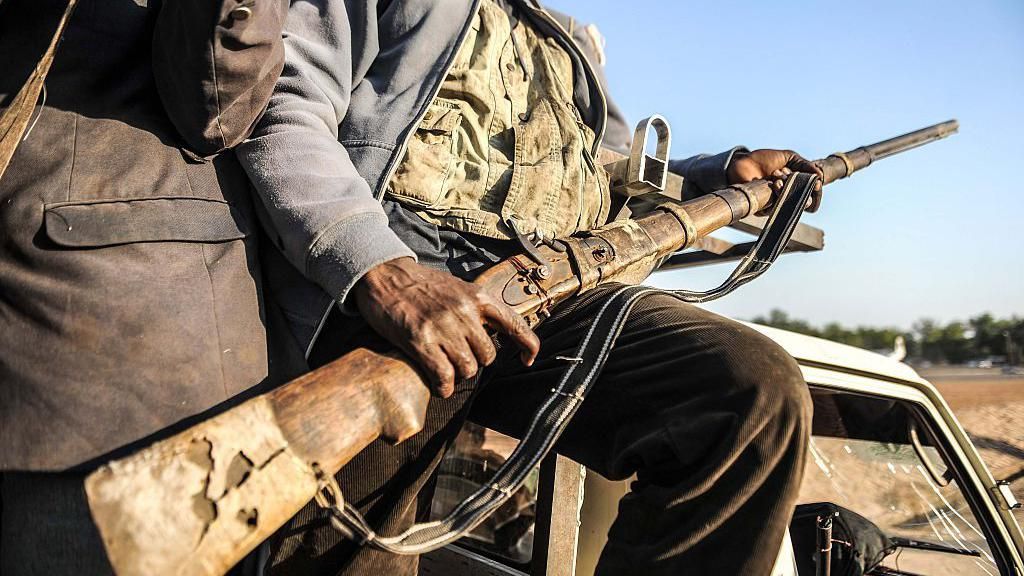
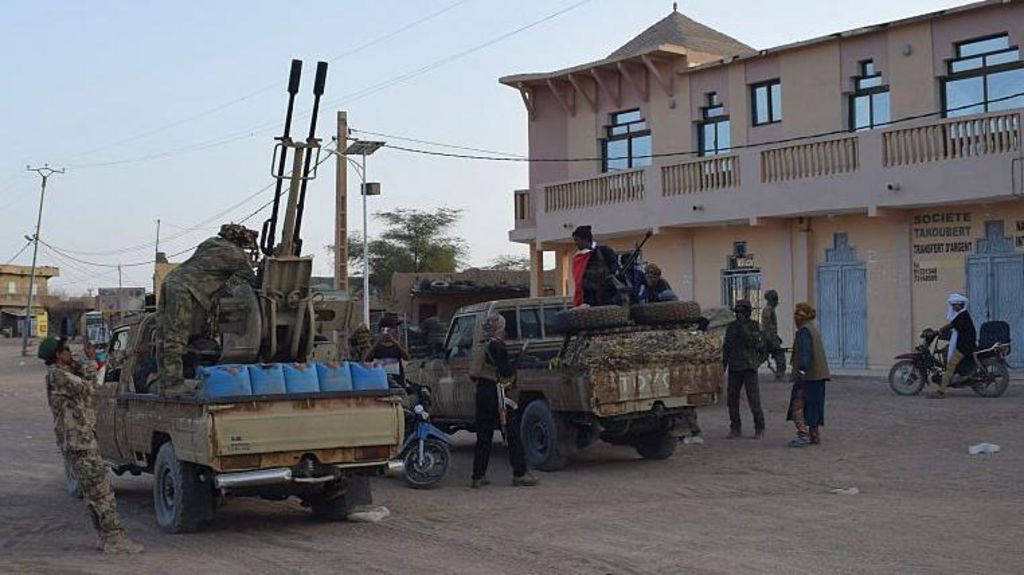
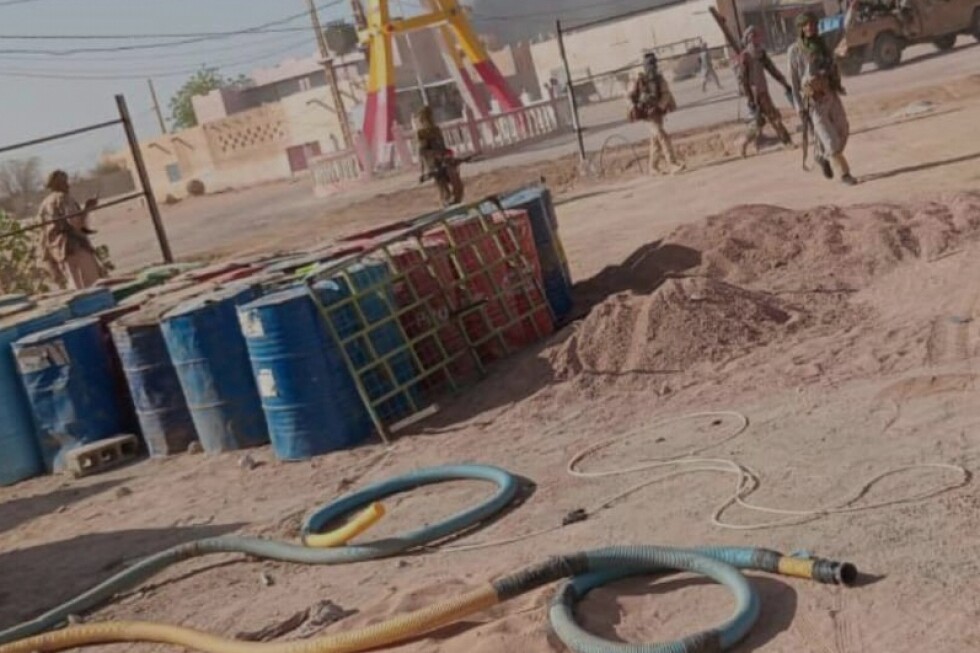
    ABUJA, Nigeria — In a significant escalation of violence, jihadi extremist factions have executed a series of coordinated assaults against Nigerian military installations in the northeastern region over the past week. Security analysts report these meticulously planned operations resulted in multiple casualties among defense forces and the seizure of substantial military assets.

    The intensified attacks, primarily concentrated in Borno and Yobe states as well as the Lake Chad basin, demonstrate unprecedented tactical coordination among militant groups. According to verified security assessments, extremists conducted at least six separate assaults during the weekend, successfully appropriating military vehicles and hardware during their raids.

    Military spokesperson Sani Uba confirmed the loss of several personnel, including officers, though precise casualty figures remain undisclosed. The Nigerian Armed Forces characterized these incidents as deliberate attempts to overwhelm defensive positions through synchronized offensive actions.

    This resurgence of violence occurs despite enhanced international support, including the deployment of approximately 100 U.S. military personnel providing training and logistical assistance under a renewed security partnership. While American intelligence surveillance has facilitated aerial campaigns against militant hideouts, the persistence of sophisticated attacks underscores the enduring operational capabilities of extremist networks.

    Analysts including Vincent Foucher of France’s National Center for Scientific Research note the remarkable coordination displayed in these simultaneous attacks represents a tactical evolution for groups like Islamic State West Africa Province (ISWAP). Video evidence disseminated by ISWAP showcases captured weaponry and vehicles, though independent verification remains pending.

    Security experts indicate these assaults serve dual purposes: demonstrating military dominance while replenishing armaments through targeted base raids. Malik Samuel of Good Governance Africa observes that vulnerable military installations effectively provide armed groups with weapon procurement alternatives.

    The ongoing crisis highlights structural challenges in regional security governance, including limited force deployment capacity and the military’s necessity to rapidly transition between multiple conflict zones. Despite periodic successes against jihadist elements, the persistent vulnerability of bases continues to enable militant regrouping and rearmament.

  • African firms favor China for business deals

    African firms favor China for business deals

    A comprehensive survey by Standard Bank reveals a significant reorientation in African trade patterns, with businesses increasingly favoring China and Asian markets over traditional Western partners. The Africa Trade Barometer, which surveyed over 2,000 companies across 10 African nations representing 68% of sub-Saharan Africa’s GDP, indicates a pronounced pivot toward Eastern economic alliances.

    The data demonstrates that 35% of African enterprises now prefer Asia as their primary trading partner, with China maintaining its dominant position as the leading source of inputs for 67% of respondents. This preference is attributed to competitive pricing, extensive product variety, and exceptional supplier responsiveness from Chinese partners.

    Conversely, North America ranked as the least preferred trading partner, selected by merely 4% of businesses. Philip Myburgh, Head of Trade at Standard Bank’s business and commercial banking unit, identified high shipping costs and recent policy shifts as contributing factors to this decline. The expiration of the US African Growth and Opportunity Act in September 2025, coupled with new tariffs ranging from 10% to 30%, has accelerated this trade diversion.

    The research anticipates continued expansion of China-Africa trade relations, particularly as African economies depend on Chinese inputs to drive industrialization efforts. This outlook is strengthened by China’s recent announcement of implementing zero tariffs on goods from 53 African countries with diplomatic relations, effective May 1, 2026.

    Grace Mutembo, Zambia’s High Commissioner to South Africa, welcomed the tariff elimination as a transformative opportunity for African exporters. Zambia, which maintains longstanding economic ties with China including infrastructure projects like the Tanzania-Zambia Railway refurbishment, seeks to increase value addition in agriculture and mining before exporting to Chinese markets.

    Experts emphasize that African exporters must enhance production capacity and comply with technical requirements—including health standards, supply chain logistics, and financial arrangements—to fully capitalize on Chinese market access. Sandile Swana, former business lecturer at the University of the Witwatersrand, stressed the importance of understanding these comprehensive market requirements for successful trade engagement.

  • Madagascar military leader dissolves government in surprise move

    Madagascar military leader dissolves government in surprise move

    In a dramatic political development, Madagascar’s military ruler Colonel Michael Randrianirina has abruptly dissolved the national government, dismissing both the prime minister and the entire cabinet. The unexpected decision was announced through an official statement from the presidential spokesperson on Monday.

    The declaration stated that ‘the government has ceased its functions,’ indicating that Randrianirina will appoint a new prime minister in accordance with constitutional provisions. No explicit justification was provided for this sweeping governmental overhaul.

    Colonel Randrianirina originally assumed power last October following weeks of youth-led protests against former president Andry Rajoelina, who had secured a controversial third term in the 2023 elections. The demonstrations primarily addressed chronic shortages of electricity and clean water, eventually gaining military support that facilitated the transfer of power.

    The military leader had previously committed to organizing fresh elections within a two-year timeframe. This pledge aligned with demands from the Southern African Development Community (SADC), which had instructed Madagascar’s authorities to present a detailed roadmap for democratic restoration by February’s end.

    However, the recent dissolution suggests potential complications in the transition process. Leaders of the Gen Z movement, whose grassroots activism contributed to Randrianirina’s rise, have expressed dissatisfaction with the current administration’s inclusivity and representation in decision-making bodies.

    Local media reports indicate that activist groups identifying as Gen Z and Gen Y movements recently issued a 72-hour ultimatum demanding Randrianirina’s resignation, citing disappointment with his governance performance. These groups had previously rejected the October appointment of businessman Herintsalama Rajaonarivelo as prime minister, criticizing the selection process as non-transparent and questioning his connections to the previous administration.

    With permanent secretaries temporarily managing ministerial operations until a new cabinet forms, this governmental dissolution potentially signals a significant recalibration of Madagascar’s political trajectory under military leadership.

  • Q&A: Activists, ‘sister-friends’ Gloria Steinem and Leymah Gbowee channel their bond into a new book

    Q&A: Activists, ‘sister-friends’ Gloria Steinem and Leymah Gbowee channel their bond into a new book

    In an extraordinary convergence of activist legacies, Nobel Peace Prize laureate Leymah Gbowee and feminist pioneer Gloria Steinem have transformed their transcontinental friendship into an inspirational children’s book. Their collaboration, “Rise, Girl, Rise: Our Sister-Friend Journey. Together For All,” represents both a dual biography and a call to action for future generations.

    The relationship between the Liberian peace activist and the American feminist icon began two decades ago through filmmaker Abigail Disney, who documented Gbowee’s peace movement work. Despite their different continents and distinct activist battles—Gbowee’s focus on peace and women’s rights in Liberia versus Steinem’s lifelong feminism advocacy—their connection proved instantaneous and profound.

    “I was just starstruck,” Gbowee confessed regarding her first encounter with Steinem, while the 91-year-old activist countered that Gbowee herself had become a “global celebrity” since winning the 2011 Nobel Prize for her transformative work in Liberia.

    The book, illustrated by Kah Yangni, traces both women’s childhoods: Steinem’s unconventional education traveling across America in a trailer with her antique-dealer father, and Gbowee’s upbringing in Liberia’s timber-rich landscape. It chronicles their parallel discoveries of injustice and their subsequent commitments to activism.

    A pivotal moment in their friendship occurred during an Easter Sunday conversation in 2009 when Gbowee questioned her place in the feminist movement. Steinem’s kitchen-table wisdom about the necessity of supportive “sisters” provided the emotional sustenance that sustained their bond and ultimately inspired this literary project.

    Conceived during pandemic isolation, the book intentionally bridges generational and geographical divides. While technically targeted at ages 11 and up, both authors emphasize its universal message of love, acceptance, and activism that resonates across gender and age boundaries. The work stands as testament to how shared commitment to social justice can forge powerful connections that span oceans and decades.

  • Guinea opposition leader urges ‘direct resistance’ after 40 parties dissolved

    Guinea opposition leader urges ‘direct resistance’ after 40 parties dissolved

    Guinea’s political landscape faces unprecedented consolidation as authorities dissolved 40 opposition parties in a sweeping decree, prompting exiled opposition leader Cellou Dalein Diallo to declare open political warfare against President Mamady Doumbouya’s administration.

    The Ministry of Territorial Administration and Decentralization issued the late Friday decree shuttering headquarters and local offices of numerous political organizations, including the Rally of the People of Guinea (associated with former President Alpha Condé) and Diallo’s Union of Democratic Forces of Guinea. The government mandate additionally prohibits using dissolved parties’ logos, acronyms, and symbols while confiscating all organizational assets.

    Official justification cites non-compliance with legal requirements, specifically failure to submit mandatory financial statements. However, multiple affected parties vehemently dispute these allegations, maintaining full compliance with all legal obligations according to Reuters reports.

    This dramatic political purge occurs merely two months after former junta leader Doumbouya formalized his presidential position through a contested election that excluded key opposition figures. Diallo, responding via social media video statement on Sunday, characterized the decree as a declaration of war against political dissent, asserting that “the head of the junta and his malevolent clique want to rewrite the country’s history by erasing from the political landscape all forces likely to overshadow his nascent one-party state.”

    The opposition leader concluded that peaceful political change through dialogue or democratic processes has become impossible, leaving “direct resistance” as the sole remaining path toward change. Jean-Marc Telliano, former minister and president of the dissolved Rally for the Integrated Development of Guinea, similarly pledged to pursue all legal avenues to restore political rights.

    Doumbouya, who seized power through a 2021 coup overthrowing President Condé, faces mounting international criticism for systematically dismantling democratic institutions and suppressing political freedoms since assuming control.

  • Ghana calls on Commonwealth to condemn attack on its peacekeepers in Lebanon

    Ghana calls on Commonwealth to condemn attack on its peacekeepers in Lebanon

    Ghana has issued a formal appeal to the Commonwealth for a decisive condemnation of Friday’s missile strike targeting United Nations peacekeepers in southern Lebanon, which left four Ghanaian soldiers wounded. The attack occurred at approximately 18:00 local time, striking a base of the United Nations Interim Force in Lebanon (Unifil) where the Ghanaian battalion was stationed.

    Addressing Commonwealth counterparts at a meeting in London on Sunday, Ghana’s Foreign Minister Samuel Okudzeto Ablakwa characterized the assault as “an attack on every principle that the UN Charter exists to defend.” While not explicitly attributing responsibility, Ablakwa emphasized the urgent need for investigation and accountability.

    The Ghana Armed Forces confirmed all injured personnel are in stable condition, with three sustaining minor injuries. One critically wounded soldier successfully underwent surgical procedures and is reportedly responding well to treatment.

    Social media documentation revealed extensive damage to battalion facilities, with videos showing significant structural impact and fires at the peacekeeping compound.

    The incident occurs amid escalating cross-border hostilities between Israel and Hezbollah. While Lebanese President Joseph Aoun attributed the strike to Israel, Ghanaian officials have maintained diplomatic caution regarding attribution. The Iranian-backed Shia group had previously claimed rocket and drone attacks targeting Haifa, Israel, citing retaliation for the killing of Iran’s Supreme Leader Ayatollah Ali Khamenei.

    Ghana’s foreign ministry has formally lodged a protest with UN Secretary-General António Guterres, who echoed calls for accountability, stating “those responsible must be held accountable.” As one of the longest-standing contributors to UN peacekeeping operations in Lebanon, Ghana’s appeal carries significant weight in international diplomatic circles.

  • Uganda marks International Women’s Day with all-women military parade

    Uganda marks International Women’s Day with all-women military parade

    Uganda commemorated International Women’s Day 2026 with a groundbreaking all-women military parade in Kampala on March 8th, showcasing the nation’s commitment to gender equality and female empowerment within its armed forces.

    The event, attended by foreign diplomats and government officials, featured female personnel from multiple Ugandan security branches marching in formation. The celebrations incorporated cultural performances including traditional songs and dances alongside the military demonstrations.

    President Yoweri Museveni’s address, delivered by Vice President Jessica Alupo, emphasized the government’s sustained efforts to advance women’s rights through educational initiatives, legislative reforms, and economic programs. The national theme for this year’s observance focused on ‘Scaling up investment to accelerate access to justice for women and girls across Uganda.’

    Museveni highlighted the strategic importance of educating and skilling girls as a fundamental approach to empowering both women and society at large. The president noted that Women’s Day provides a platform to recognize the essential contributions women make to community and national development.

    The military parade represented both a symbolic and practical demonstration of Uganda’s progress in integrating women into traditionally male-dominated sectors, particularly in defense and security roles. The visible participation of women in high-ranking military positions underscored the evolving landscape of gender representation within Uganda’s institutional framework.

  • Flash floods leave 28 dead in Nairobi, disrupt flights

    Flash floods leave 28 dead in Nairobi, disrupt flights

    Nairobi, Kenya’s bustling capital, has been plunged into chaos following catastrophic flash floods that have claimed at least 28 lives and brought the city to a standstill. The disaster, triggered by torrential rainfall that commenced on Friday and persisted through the night, has resulted in widespread destruction and significant disruption to transportation networks.

    According to Police Chief George Seda, the victims perished through various tragic circumstances, with some drowning while others were electrocuted by submerged power sources. The death toll remains fluid as search and rescue operations intensify across the affected regions. Over 100 vehicles have been severely damaged, with many overturned both on roadways and in parking facilities.

    Kenya’s aviation sector has been severely impacted, with Kenya Airways confirming substantial flight disruptions. Multiple aircraft were diverted to Mombasa, the coastal city, as the main airport struggled with operational challenges. The national carrier warned travelers to anticipate continued disruptions throughout the coming hours.

    In response to the escalating crisis, President William Ruto has deployed a multiagency emergency team to coordinate relief efforts. The government has committed to covering hospital expenses for all affected individuals and is organizing the distribution of relief food supplies to displaced families. Notably, the military has been mobilized to augment emergency services, while the local toll road operator has suspended fees on elevated routes to facilitate evacuation and rescue operations.

    Rescue teams, including specialized units from the Kenya Red Cross, are battling extremely challenging conditions to reach stranded residents. Secretary-General Ahmed Idris acknowledged the severe limitations posed by impassable roads and overwhelming traffic congestion, stating that teams are working tirelessly despite these obstacles.

    Social media platforms have been flooded with dramatic visuals depicting submerged residences and vehicles being swept away by powerful currents. The continuing rainfall suggests that the situation may deteriorate further, prompting authorities to prioritize the relocation of those in immediate danger to secure locations.

  • Iran war sends shockwaves through African fuel market and economies

    Iran war sends shockwaves through African fuel market and economies

    NAIROBI, Kenya (AP) — The escalating military confrontation with Iran has unleashed a dramatic surge in global oil prices, creating severe economic headwinds for African nations. With the continent relying heavily on imported petroleum products, economists warn of impending fuel cost increases, accelerating inflation, and renewed currency instability across multiple markets.

    Energy analysts emphasize Africa’s particular vulnerability to supply chain disruptions originating in the Middle East, a region responsible for substantial portions of global crude flows. “Africa’s status as a net importer of oil products leaves it exceptionally exposed to geopolitical shocks of this nature,” explained Nick Hedley, an energy transition research analyst at Zero Carbon Analytics.

    The current crisis mirrors patterns observed following Russia’s full-scale invasion of Ukraine in 2022, when spiking crude prices combined with weakening currencies drove transport fuel costs up by more than 25% in South Africa within six months. The strategic significance of the Strait of Hormuz—a narrow shipping corridor handling approximately one-fifth of global crude shipments—adds further sensitivity to oil market dynamics.

    Impact distribution across Africa appears uneven. While Kenya and Uganda report stable supplies despite market turbulence, major crude producers like Nigeria and Ghana face complex economic equations. Though these nations export crude oil, they import most refined petroleum products, potentially limiting benefits from higher global prices.

    Brendon Verster, senior economist at Oxford Economics, identified the dual threat: “The immediate risks stem primarily from climbing oil prices and depreciating exchange rates as investors shift capital toward safe-haven assets like the U.S. dollar.”

    Sustained price elevation could generate revenue windfalls for Africa’s major oil exporters. Nigeria, which exports approximately 1.5 million barrels daily, has structured its medium-term fiscal framework around prices between $64 and $66 per barrel through 2028. Current prices exceeding $100 per barrel—if maintained—would significantly boost revenues for Angola, Algeria, and Libya.

    For ordinary citizens, however, the immediate effect translates to heightened living costs. “This represents a serious concern,” Hedley noted, emphasizing that most food and goods across Africa travel by road. “Increased fuel expenses rapidly propagate into broader inflation and diminish household purchasing power.”

    The crisis particularly threatens nations operating under International Monetary Fund programs, as energy import bills drain scarce foreign exchange reserves. Analysts identify Sudan, The Gambia, Central African Republic, Lesotho, and Zimbabwe among the most vulnerable economies.

    Longer-term perspectives suggest the crisis may accelerate calls for energy diversification. Kennedy Mbeva, research associate at the University of Cambridge’s Centre for the Study of Existential Risk, stated: “It demonstrates strategic imperative for African nations to ensure long-term energy security and sovereignty.” Achieving this balance will require navigating short-term fiscal pressures while making sustained investments in clean energy and green industrialization.

  • Bitter times for cocoa farmers as chocolate market slumps

    Bitter times for cocoa farmers as chocolate market slumps

    A profound crisis is unfolding across West Africa’s cocoa belt, where farmers who produce the world’s chocolate supply face financial devastation despite global chocolate price increases. The paradoxical situation has left hundreds of thousands of agricultural workers in Ghana and Ivory Coast without payment for months, creating widespread economic hardship in rural communities.

    The core of the problem stems from a dramatic market reversal. Following record-high cocoa prices in 2024, global prices have since collapsed due to increased worldwide production coinciding with reduced demand. Chocolate manufacturers responded to previous price spikes by reducing bar sizes and cocoa content, ultimately decreasing their need for raw beans.

    In both Ghana and Ivory Coast, state regulatory bodies set fixed annual prices for cocoa farmers. Ghana’s Cocoa Board (Cocobod) established a rate of $5,300 per tonne last October, while Ivory Coast’s Coffee and Cocoa Council implemented similar guaranteed pricing. These fixed rates now substantially exceed current global market prices by approximately 40%, creating an unsustainable economic gap.

    The human impact has been severe. Akosua Frimpong, a 52-year-old Ghanaian widow, recounted how she couldn’t afford medical treatment for her husband before his death. ‘The money I was anticipating from my cocoa bean sales is currently inaccessible. I’m a widow now and I don’t have anyone to support me,’ she told BBC reporters.

    Ghana’s Cocobod has accumulated approximately $3 billion in debt attempting to bridge the price gap, implementing executive pay cuts of 20% for management and 10% for senior staff. The board has now slashed guaranteed prices to around $3,500 per tonne, though this remains above market rates.

    In Ivory Coast, warehouses in towns like Bangolo overflow with unsold cocoa sacks. Bahily Bakouli Issiaca, a cooperative member, reported trucks loaded with cocoa waiting unsold for nearly three weeks. The government recently announced plans to cut farmer payments by half to stimulate sales.

    The crisis affects approximately 800,000 cocoa farmers directly, with ripple effects throughout rural economies. Farmers like Robert Addae, with 14 years of experience, note that production costs remain unchanged despite price reductions. ‘The prices of farm inputs and implements remain the same, the cost of labour has not reduced, so the cut in cocoa prices will adversely affect us,’ he explained.

    With cocoa contributing 7% of Ghana’s GDP and 15% of foreign exchange earnings, the sector’s health directly impacts national economies. Both governments are implementing measures including increased domestic processing to capture more value from their cocoa industries.