标签: Africa

非洲

  • Opposition leader Bobi Wine says he left Uganda after going into hiding after disputed election

    Opposition leader Bobi Wine says he left Uganda after going into hiding after disputed election

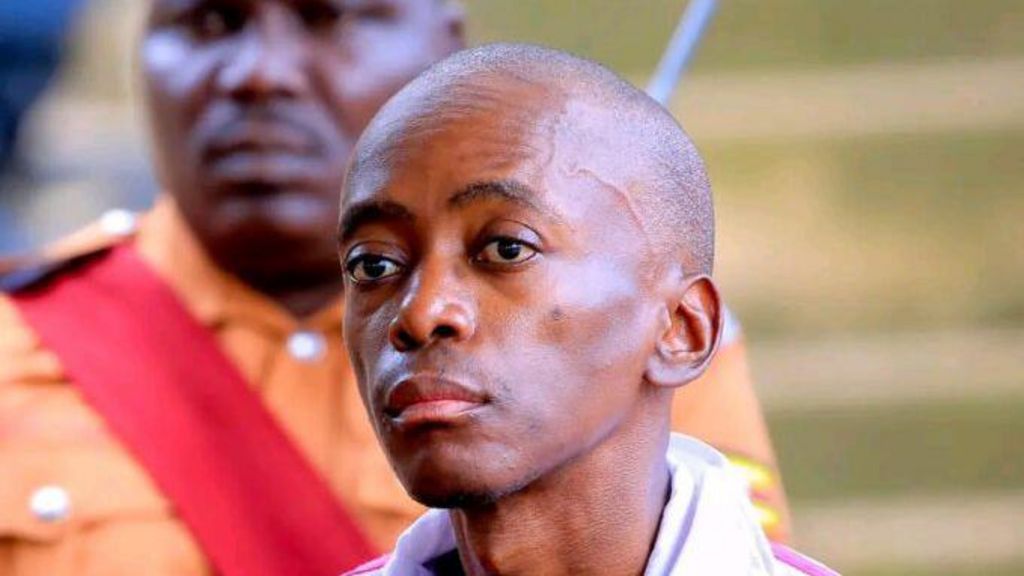
    KAMPALA, Uganda — In a dramatic development within Uganda’s political landscape, opposition leader Bobi Wine has confirmed his departure from the country to evade what he describes as a military-led manhunt following the disputed presidential election held on January 15.

    The prominent opposition figure, legally named Kyagulanyi Ssentamu, emerged from weeks of concealment through a video message posted on social media platform X this Saturday. Appearing with visible stubble, Wine announced his successful exit from Uganda while maintaining secrecy regarding his current whereabouts.

    This flight from his homeland comes amid escalating tensions with Uganda’s military establishment, particularly with General Muhoozi Kainerugaba, the nation’s army chief and son of long-serving President Yoweri Museveni. General Kainerugaba has repeatedly utilized social media to issue threatening statements against Wine, labeling him a ‘terrorist’ and ‘baboon’ while suggesting he faces unspecified criminal charges.

    The official election results declared President Museveni victorious with 71.6% of the vote, outcomes that Wine and his supporters vehemently reject as fraudulent. Wine’s campaign had been marked by extraordinary security measures, including appearances in helmet and flak jacket at rallies where government security forces maintained a conspicuous presence.

    In his video address, Wine expressed gratitude to his supporters: ‘Fellow Ugandans and friends of Uganda all over the world, by the time you see this video I will have left the country for some critical engagements outside Uganda. I thank all of you fellow Ugandans who have concealed and protected me for all this time when the regime was looking for me.’

    The 81-year-old Museveni is scheduled to be sworn in for his seventh term in May, potentially extending his leadership toward five decades. While supporters credit his administration with maintaining relative stability that has made Uganda a refuge for hundreds of thousands fleeing regional violence, opposition figures increasingly condemn what they perceive as escalating authoritarianism.

  • South Africa bracing for impacts from rising tensions

    South Africa bracing for impacts from rising tensions

    South Africa is preparing for significant economic repercussions stemming from escalating Middle East conflicts, with experts warning of sustained pressure on energy prices, supply chain logistics, and overall trade competitiveness.

    According to Raymond Parsons, economics lecturer at North-West University Business School, the regional instability immediately raises red flags for global economic stability, though some nations face greater vulnerability than others. “Western Cape exporters and agricultural sectors are already reporting substantial logistical disruptions and rising input costs directly attributable to the Middle East conflict,” Parsons noted.

    The shipping industry is experiencing pronounced cost-push inflation, as confirmed by the latest analysis from the South African Association of Freight Forwarders. Bunker fuel prices have surged amid global oil market volatility, while elevated war-risk premiums and conflict-related surcharges are driving up both import and export expenses. Compounding these challenges, extended voyage distances and scheduling disruptions have created growing capacity constraints, increasing inventory risks for traders nationwide.

    Economist Dawie Roodt identified two critical domestic vulnerabilities exacerbating South Africa’s situation: diminished refinery capacity and uncertainties regarding strategic fuel reserves. The nation has become increasingly dependent on imported refined products, particularly diesel, which is experiencing global shortages. The Cape Chamber of Commerce and Industry reported diesel prices have increased by 62-65 cents per liter (approximately 3 percent), significantly impacting land-based freight transportation that dominates South African logistics.

    Parsons referenced International Monetary Fund analysis indicating that oil prices reaching $100 per barrel could reduce global growth by 0.4 percent while adding 1.2 percent to worldwide inflation. As a net petroleum importer relying heavily on supplies from the United Arab Emirates and India, South Africa ranks among economies most exposed to energy market disruptions. The ultimate impact will depend on conflict duration, oil price sustainability, and which economies maintain substantial energy import dependencies.

    The Department of Mineral Resources and Energy confirmed it is closely monitoring Middle East developments and their potential effects on global oil markets. Officials acknowledged that continued international crude price increases will likely result in higher pump prices starting April 2026.

    Thembisa Fakude, director at Africa-Asia Dialogues think tank, warned that any disruption to the Strait of Hormuz would create ripple effects throughout South Africa’s economy, given the nation’s extensive trade relationships with Gulf countries already experiencing goods movement complications.

  • US judge pauses termination of deportation protections for some Somali immigrants

    US judge pauses termination of deportation protections for some Somali immigrants

    A Massachusetts federal court has issued an administrative stay preventing the imminent termination of Temporary Protected Status (TPS) for Somali nationals residing in the United States. The ruling from U.S. District Judge Allison D. Burroughs temporarily blocks the Trump administration’s planned termination that was scheduled to take effect Tuesday.

    The court determined that allowing Somalia’s TPS designation to expire would produce “weighty” consequences, noting that over one thousand individuals would face “a myriad of grave risks” including potential detention, deportation, physical violence if returned to Somalia, and forced separation from family members. The emergency motion was filed by advocates following the administration’s announcement last month during an immigration enforcement operation in Minneapolis, which hosts a significant Somali community.

    Judge Burroughs’ order specifies that while the stay remains in effect, the termination is “null, void, and of no legal effect.” Somali nationals with TPS status or pending applications will retain their rights, including eligibility for work authorization and protection against deportation and detention.

    The U.S. Department of Homeland Security criticized the ruling, describing it as another example of judicial obstruction preventing President Trump from “restoring integrity” to the immigration system. In an official statement, DHS asserted that “Temporary means temporary,” arguing that improved conditions in Somalia no longer justify protected status and that allowing Somali nationals to remain contradicts national interests.

    Despite the temporary nature of the relief, representatives for the plaintiffs expressed encouragement, stating they are “heartened by the interim protection today’s order affords” while acknowledging that “many battles lie ahead” in the ongoing legal challenge.

  • Fears for press freedom as billionaire takes control of East Africa’s largest media house

    Fears for press freedom as billionaire takes control of East Africa’s largest media house

    East Africa’s media landscape faces a transformative shift following Tanzanian billionaire Rostam Aziz’s acquisition of a controlling 54% stake in Nation Media Group (NMG), the region’s largest media conglomerate. The transaction, executed through Aziz’s investment vehicle Taarifa Ltd, requires regulatory approval across multiple jurisdictions where NMG operates.

    This development has ignited intense scrutiny regarding the future of independent journalism across Kenya, Tanzania, Uganda, and Rwanda, where NMG’s outlets including Daily Nation, Mwananchi, and Daily Monitor have long served as bastions of reliable information. The acquisition marks the end of an era for NMG, which was established in 1959 by the Aga Khan Foundation as a development-oriented media institution.

    Aziz, a former parliamentarian with Tanzania’s ruling CCM party and Forbes-recognized billionaire, possesses extensive political connections throughout the region. His relationships with Kenyan President William Ruto, former President Uhuru Kenyatta, and Tanzanian leadership have raised concerns about potential editorial influence despite his public commitments to press freedom.

    At a Nairobi press conference, the 65-year-old magnate emphasized his dedication to “credible and independent journalism,” describing it as essential for societal development. He characterized the investment as purely commercial and strategic, aimed at modernizing the media group’s digital infrastructure.

    Media analysts and former NMG editors have expressed apprehension about the ownership transition. Churchill Otieno of the Africa Editors Forum noted that NMG has historically functioned as part of East Africa’s democratic infrastructure, while former editor Bernard Mwinzi highlighted the unique insulation from political pressures that the previous ownership structure provided.

    Market response has been overwhelmingly positive, with NMG shares surging 28.3% to a two-year high following the announcement. Aziz has pledged substantial investment in digital transformation, offering hope for a media organization that has faced years of print revenue decline and operational restructuring.

    The business mogul brings media experience through his co-founding of Mwananchi Communications and previous ownership of Habari Corporation. His assurances of editorial independence now face real-world testing as East Africans watch for any shifts in coverage, particularly with Kenya approaching election season.

  • Kenyan expert shares views on China’s two sessions

    Kenyan expert shares views on China’s two sessions

    NAIROBI – Gordon K’achola, founder of the Africa Center for Diplomatic Affairs, has publicly commended China’s distinctive governance approach following his observations of the recent Two Sessions in Beijing. The prominent Kenyan analyst characterized the annual political gatherings as exemplars of exceptional organizational efficiency, procedural precision, and structured orderliness.

    In his detailed assessment, K’achola emphasized how China’s methodical policymaking process presents valuable insights for African nations striving to enhance their developmental governance frameworks. The diplomatic affairs specialist suggested that African policymakers could benefit from examining specific aspects of China’s implementation mechanisms and strategic planning methodologies.

    The Two Sessions, comprising the National People’s Congress (NPC) and the Chinese People’s Political Consultative Conference (CPPCC), serve as China’s primary annual political conventions where critical national policies are formulated and developmental agendas are established. K’achola’s commentary emerges amid growing international attention on comparative governance models and their potential applications across different cultural and political contexts.

    His analysis contributes to an expanding discourse among African intellectuals and policy experts regarding sustainable development strategies and effective governance practices. The endorsement from a respected African diplomatic voice underscores the increasing global interest in understanding China’s political processes and their outcomes.

  • Drone strikes and clashes in eastern Congo threaten region’s peace efforts

    Drone strikes and clashes in eastern Congo threaten region’s peace efforts

    The fragile ceasefire in conflict-ravaged eastern Democratic Republic of Congo faces imminent collapse as government forces and Rwanda-backed M23 rebels exchanged accusations of violations on Friday. Both parties alleged breaches of the peace agreement designed to terminate decades of persistent fighting in the mineral-rich region.

    The deteriorating situation casts serious doubt on both the ceasefire arrangement and a separate minerals access agreement between Congo and the United States, negotiated during the Trump administration. While former President Trump facilitated diplomatic efforts between Congo and Rwanda—considered an indirect yet pivotal actor in the conflict—and Qatar championed direct negotiations between the government and rebels, neither diplomatic channel has succeeded in halting hostilities.

    Tensions escalated dramatically on Tuesday when a drone strike in Goma, which M23 attributes to Congolese forces, killed a French United Nations staff member. This incident occurred less than four weeks after another aerial attack claimed the life of the rebel group’s spokesperson and wounded several others.

    Ongoing clashes between M23 fighters and Congolese military forces, occasionally supported by local Wazalendo militia groups, continue to displace thousands of civilians according to resident accounts. Lawrence Kanyuka, M23 spokesperson, maintained the group’s commitment to peace processes provided government forces cease attacks on their positions and stop targeting leadership and civilians.

    Congolese government spokesman Patrick Muyaya confirmed investigations into the fatal strike that killed the French aid worker while attributing ceasefire violations to rebel forces. Muyaya simultaneously reaffirmed the government’s dedication to honoring the ceasefire terms.

    The persistence of violence has exacerbated one of the planet’s most severe humanitarian emergencies, with over 7 million people displaced throughout eastern Congo. According to data from the U.S.-based Armed Conflict Location & Event Data project, approximately 60 drone strikes have been attributed to Congolese military forces in 2026, with rebels accounting for fewer than 5% of aerial attacks during the past year.

    Christian Rumu of Amnesty International observed that local populations perceive no tangible improvements from peace agreements, noting that heavy artillery continues to be deployed in densely populated areas, as demonstrated by the recent Goma attack.

  • France returns sacred ‘talking drum’ looted during colonial rule to Ivory Coast

    France returns sacred ‘talking drum’ looted during colonial rule to Ivory Coast

    A monumental artifact of Ivorian heritage, the sacred Djidji Ayôkwé drum, has been ceremoniously returned to Ivory Coast after more than a century in French possession. The massive talking drum, measuring over three meters in length and weighing approximately 430 kilograms, was looted by French colonial forces in 1916 during France’s occupation of West Africa.

    The drum’s journey home began after the French parliament passed special legislation on February 20 authorizing its restitution. It arrived at Abidjan International Airport aboard a specially chartered aircraft, carefully secured in a large wooden crate marked ‘fragile.’ Members of the Ebrié community, the original custodians of this cultural treasure, gathered to welcome the drum home in an emotional ceremony featuring traditional dancers and local chiefs.

    This restitution represents part of France’s broader initiative to return African cultural artifacts, a process formally initiated in 2017. The Djidji Ayôkwé holds particular significance as the first item on a list of 148 works that Ivory Coast is seeking to recover from France and other nations. The drum had been displayed at Paris museums since 1929, first at the Trocadéro Museum and later at the Quai Branly Museum.

    Ivorian Culture Minister Françoise Remarck described the homecoming as ‘a historic day with lots of emotions’ and ‘a moment of justice and remembrance.’ The return coincides with France’s legislative efforts to streamline the restitution process, with the Senate adopting a framework law on January 29 to facilitate the removal of colonial-era artifacts from French national collections.

  • South African soldiers dismantle illegal mining operations near Johannesburg as miners flee

    South African soldiers dismantle illegal mining operations near Johannesburg as miners flee

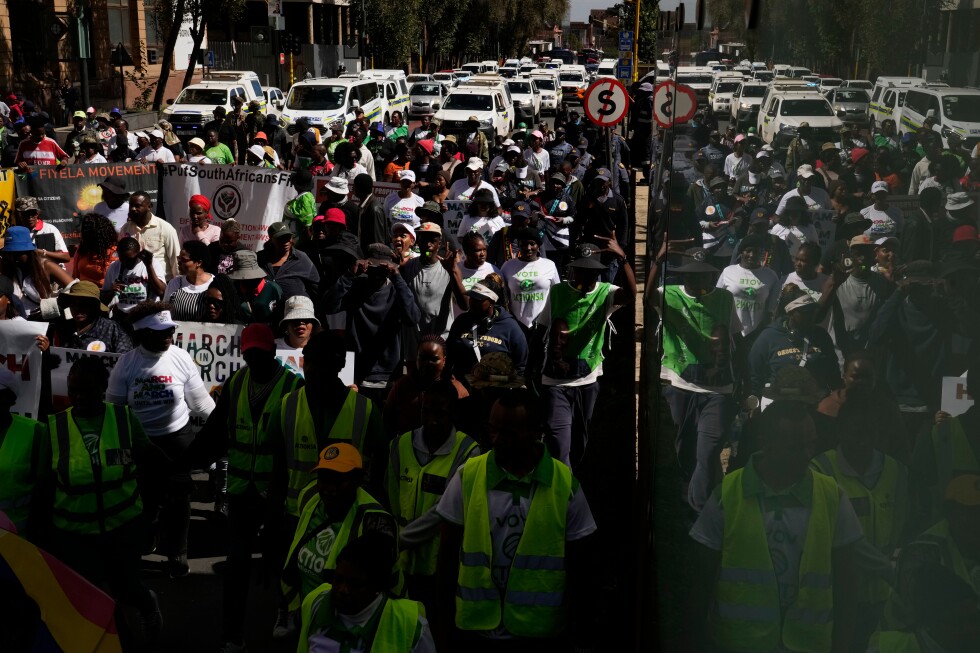
    In a significant escalation of its anti-crime operations, South African military forces have conducted targeted raids against illicit gold mining operations in the Randfontein area near Johannesburg. The coordinated operation resulted in the dismantling of extensive illegal mining infrastructure and the seizure of specialized equipment including industrial generators and drilling machinery.

    The military intervention, documented by Associated Press photographers, revealed sophisticated makeshift mining camps complete with food supplies, utensils, and abandoned personal belongings as miners fled the advancing security forces. This operation represents part of a broader governmental strategy deploying army personnel to high-crime regions including Western Cape province and Gauteng, the nation’s economic center.

    Illegal mining has proliferated across South Africa’s mining regions, particularly around Johannesburg where approximately 6,000 abandoned mine shafts provide opportunities for criminal enterprises. An estimated 30,000 illegal miners, locally known as “zama zamas” (those who try their luck), operate in dangerous conditions while extracting precious minerals without government authorization.

    The scale of this illicit industry is substantial, with government estimates indicating over $4 billion in gold alone is lost annually to criminal networks. The trade is reportedly dominated by transnational syndicates with connections to neighboring Lesotho, Zimbabwe, and Mozambique, fueling both criminal violence and anti-immigrant sentiment in host communities.

    President Cyril Ramaphosa addressed parliament regarding the comprehensive approach, stating: “The police will also be working with the National Prosecuting Authority on multi-disciplinary task teams to target the leadership, finances, firearms and logistics of these criminal networks.” The strategy combines military deployment with enhanced anti-gang units and specialized task forces focused on illegal mining operations.

    The dangerous nature of illegal mining has previously resulted in multiple tragedies, with provinces including North West and Mpumalanga experiencing similar challenges with abandoned mine shafts and unauthorized mineral extraction activities.

  • US defends Israel against South Africa’s allegation of genocide filed to top UN court

    US defends Israel against South Africa’s allegation of genocide filed to top UN court

    THE HAGUE, Netherlands — The United States has formally entered the International Court of Justice proceedings concerning South Africa’s genocide allegations against Israel, asserting the charges are baseless and warning that an adverse ruling could destabilize international legal standards.

    In legal documents acquired by The Associated Press, U.S. representatives characterized the case as part of a ‘broader campaign’ targeting Israel and Jewish communities worldwide, arguing it potentially legitimizes terrorism against them. The filing emphasizes that establishing genocide requires demonstrating ‘specific intent’—a high legal threshold that shouldn’t be diminished through expansive interpretation.

    The ICJ is currently examining whether Israel’s military operations in Gaza contravene the 1948 Genocide Convention, drafted following the atrocities of World War II. Israel, founded in the Holocaust’s aftermath, has categorically rejected the accusations.

    This intervention occurs under provisions allowing any signatory to the Genocide Convention to contribute legal perspectives. The move aligns with similar participation by over thirty nations in Ukraine’s case against Russia in 2023, though numerous countries including Spain, the Netherlands, and Ireland have filed interventions opposing the U.S. stance.

    State Department legal adviser Reed Rubenstein warned that a finding against Israel would represent a ‘radical repudiation’ of judicial precedent and reinforce perceptions of the ICJ being weaponized in ‘pro-Hamas lawfare campaigns.’

    The legal proceedings unfold against a complex backdrop: while a U.S.-brokered ceasefire has reduced intense fighting, intermittent conflict persists alongside humanitarian efforts. The ICJ has previously issued provisional measures requiring Israel to prevent potential genocidal acts and ensure humanitarian access through UNRWA.

    Separately, the International Criminal Court issued arrest warrants in 2024 for Israeli Prime Minister Benjamin Netanyahu and former defense minister Yoav Gallant, alleging they used ‘starvation as a method of warfare’—charges that prompted sanctions against ICC officials during the Trump administration.

  • Globetrotting Constantine back in charge of Rwanda

    Globetrotting Constantine back in charge of Rwanda

    The Rwanda Football Federation has officially announced the reappointment of English manager Stephen Constantine as head coach of the men’s national team, signing him to a two-year contract. The 63-year-old football veteran will conclude his tenure with Cypriot club APEA Akrotiri to assume his new role commencing March 16th.

    This appointment marks Constantine’s second leadership stint with Rwanda, having previously managed the team from May 2014 to January 2015 before transitioning to coach the Indian national team. The Federation’s official statement emphasized Constantine’s proven “leadership, technical expertise and dedication to advancing Rwanda’s football ambitions” as key factors in their decision.

    The London-born coach brings extensive experience from football’s emerging nations, having managed six national teams including Nepal, Malawi, Sudan, and Pakistan throughout his unconventional career. His return comes at a pivotal moment for Rwandan football as the team currently ranks 130th in FIFA’s global standings and seeks qualification for the 2027 Africa Cup of Nations (Afcon). Rwanda has only made one Afcon appearance in its history, dating back to 2004.

    Constantine’s inaugural match upon returning will be against Grenada in Kigali as part of the FIFA Series friendly tournament, providing an immediate test for the revitalized coaching regime. This strategic hiring reflects Rwanda’s renewed commitment to elevating its international football presence through experienced leadership.