标签: Africa

非洲

  • South Africa trolled by African fans in wake of World Cup loss

    South Africa trolled by African fans in wake of World Cup loss

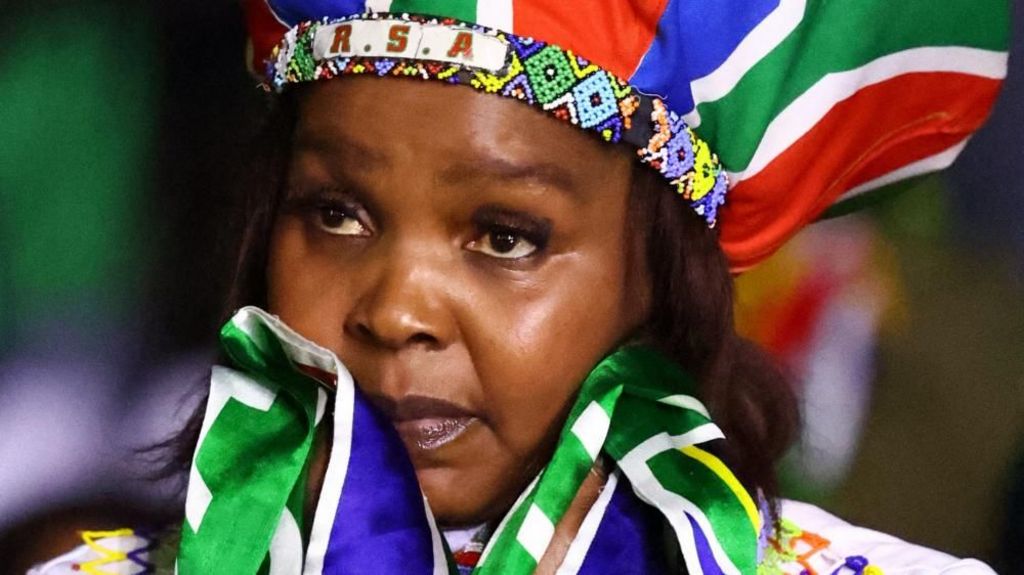
    As the final whistle blew on the opening match of the 2026 expanded FIFA World Cup between South Africa and co-host Mexico, the 2-0 defeat for Bafana Bafana left South African supporters heartbroken — but what unfolded across social media revealed a far deeper rift than a disappointing on-pitch result. In a break from the long-held tradition of pan-African unity that defines continental participation in major global tournaments, fans across the continent threw their support behind Mexico, linking their choice to ongoing deadly xenophobic violence targeting African migrants in South Africa.

    The 2026 World Cup, co-hosted by the United States, Canada and Mexico, features 10 African teams in its expanded 48-team format, marking a historic high for continental representation. Ahead of Thursday’s Group stage opener, many African football fans already made clear their decision to back Mexico, directly tying the choice to simmering anti-migrant tensions that have roiled South Africa in recent weeks.

    Social media was flooded with playful but pointed content after the match: users changed their profile pictures to Mexican flags, adopted Spanish pseudonyms, and shared memes featuring sombreros under the trending tagline “Mexico versus xenophobia.” One user on platform X, referencing widespread reports of migrant mistreatment, asked bluntly: “You want people to cheer for you when you play soccer just because we’re African?” Another echoed the sentiment, leaning into the baseless narrative that foreign workers drive South Africa’s unemployment crisis to joke: “We’re supporting Mexico so that South Africa can go back home early to protect their jobs.” Prominent Kenyan lawyer Ahmednasir Abdullahi added a sharp, satirical take: “I hope South Africa is not blaming African migrants for the 2–0 defeat and two red cards in the match against Mexico.”

    In-person fan sentiment reflected the same divide. Daniel Kaniki, a Congolese supporter who attended a public fan viewing event in Atlanta, Georgia, told reporters the split came down to basic solidarity. “Africa is like one country and if one is chasing others, we are not a family any more. That’s why I’m supporting Mexico today,” he explained.

    Not all fans from across the continent sided against South Africa, however. Vanlare Quist, a Ghanaian fan also at the Atlanta viewing park, said he remained firmly in Bafana Bafana’s corner. As a proud African, he argued that anti-immigrant sentiment is driven by only a small minority of South Africans, not the nation as a whole. In Juba, the capital of South Sudan, public viewing center attendees uniformly backed South Africa, rooted in shared historical struggle: South Sudan’s fight for independence from Sudan has long drawn ideological connection to South Africa’s fight against apartheid white-minority rule.

    “It was unfortunate that on social media we saw some African countries supporting Mexico and even wearing Mexico jerseys. As South Sudanese, we are behind South Africa and will continue to support South Africa – because they are representing Africa. So, all African countries must support South Africa during this World Cup,” 23-year-old student George Kenyi Charles Rehan told reporters from Juba.

    Back in South Africa, supporters pushed back against the wave of online trolling after the defeat, doubling down on their pride in the national team. The South African government also released a statement commending Bafana Bafana for their “spirited performance,” noting that “while the final score was not what the nation had hoped for, the team represented South Africa with unity, determination, and a sense of pride on the world’s biggest stage.”

    Many South African social media users rejected criticism of the country’s immigration policies, with one writing: “We qualified for the World Cup alone without your support and whether we win or lose we will remain South Africans who love their country. And illegal immigrants will still leave our country whether you hate us or not.”

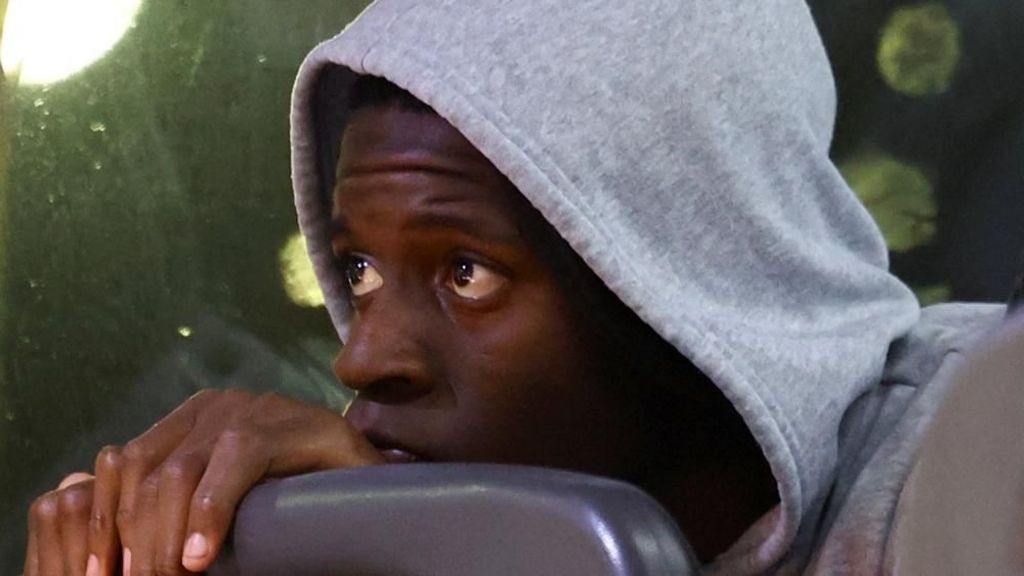
    The continental rift exposed by the World Cup opener is rooted in a years-long surge of anti-migrant sentiment that has escalated dramatically in recent weeks. Migrants from other African nations have faced targeted violence and intimidation, with extremist anti-migrant groups issuing a 30 June deadline for all undocumented foreign nationals to leave the country.

    South African President Cyril Ramaphosa has publicly condemned vigilantism, stressing that “only authorised government officials can act against violations of our law.” But he has also acknowledged that public frustrations over immigration “deserve to be heard, and they deserve to be addressed.”

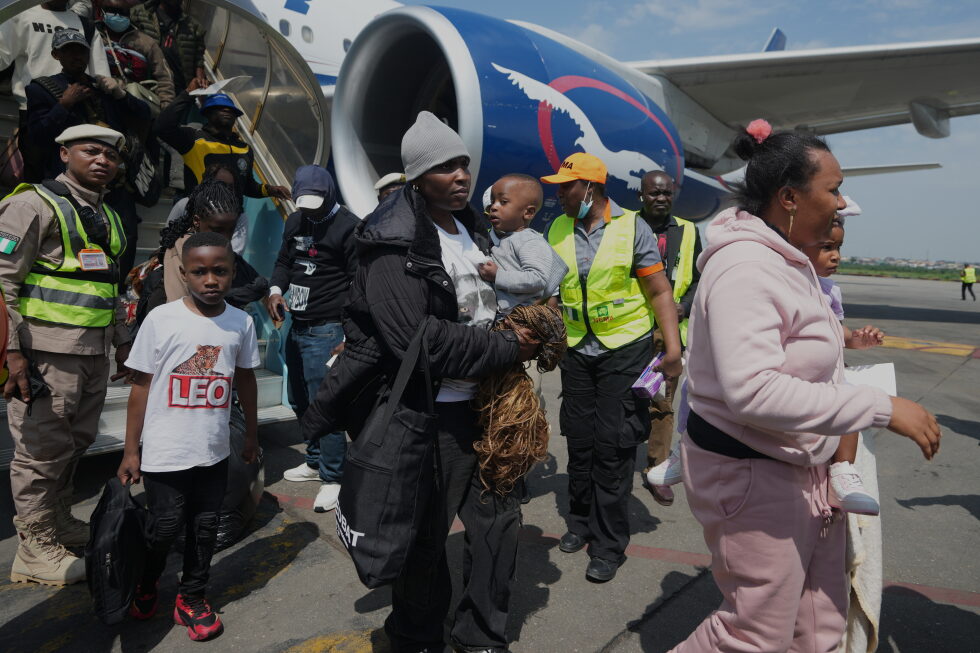
    In response to the escalating threats, multiple African nations have begun repatriating their citizens from South Africa. Nigeria became the latest country to announce evacuations this week, joining Ghana, Zimbabwe and Malawi, all of which have already moved to bring their citizens home amid safety concerns.

    The roots of the current crisis stretch back to the end of apartheid in 1994, when thousands of people from across the continent moved to South Africa seeking greater economic opportunity. Today, however, South Africa struggles with an official unemployment rate exceeding 30%, a crisis that has fueled scapegoating of foreign workers and sparked regular anti-migrant protests and deadly xenophobic attacks in major urban centers.

    Despite the opening defeat, South Africa still has two remaining Group stage matches to climb out of the bottom of the table and qualify for the knockout round of the expanded tournament, leaving the nation with an opportunity to prove its quality on the pitch even as tensions off the field continue to simmer.
  • Kenya holds a memorial service for 16 victims of last month’s girls school fire

    Kenya holds a memorial service for 16 victims of last month’s girls school fire

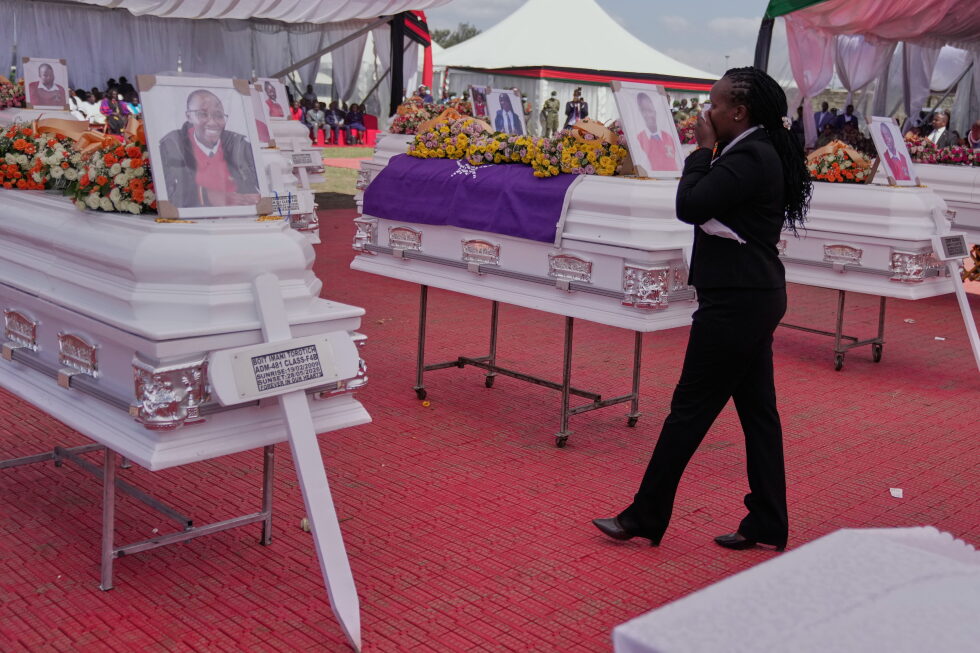
    NAIROBI, Kenya – Hundreds of grieving mourners packed a memorial service Friday in Gilgil, a central Kenyan town, to pay final respects to 16 female students who lost their lives in a devastating dormitory fire at Utumishi Girls Academy last month. Authorities have confirmed the blaze was an intentional arson attack, and nine current students of the academy remain in police custody as the investigation continues.

    The ceremony unfolded against a backdrop of growing national anxiety over a worsening crisis of school unrest: dozens of learning institutions across Kenya have shut their doors in recent weeks amid a surge in student-led violence and fire incidents. The remains of the deceased students were laid to rest in white coffins, each decorated with fresh blooms and a portrait of the young life cut short. Rows of the caskets were displayed before an audience of grieving family members, shaken classmates, local community leaders and elected officials, nearly all of whom united in urgent calls for accountability and systemic change.

    Investigative updates from police indicate the nine accused students intentionally set fire to a mattress placed at the dormitory exit on May 28, using a matchstick and paraffin to ignite the blaze. No clear motive for the attack has been made public as interrogations continue. At the service, hundreds of surviving Utumishi Girls Academy students joined together to sing a quiet, somber hymn that expressed hope amid overwhelming grief. One senior presiding official opened up about his own experience as a survivor of Kenya’s deadliest ever school fire, the 2001 Machakos County blaze that claimed 67 boys’ lives, drawing a direct line between past failures and the current tragedy.

    The service was also attended by Kenya’s First Lady Rachel Ruto, and the presiding bishop used his address to challenge national leaders, asking how many more young lives must be lost before urgent safety reforms are enacted. School captain Abigael Wanjiku delivered a heartfelt eulogy for her fallen schoolmates, remembering them as beloved friends, dedicated study partners, supportive teammates and constant companions. “The pain of losing them is one that we will carry for a long time,” Wanjiku told the gathered crowd.

    A mother speaking on behalf of all bereaved families broke down in tears mid-speech, repeating calls for full accountability and justice for the 16 victims while reassuring surviving students that securing their safety remains the community’s top priority.

    This latest tragedy is far from an isolated incident in Kenya. Data from the Kenya Red Cross shows the organization has responded to 37 separate school fires across the country since the start of 2024. Fires in Kenyan schools have become a disturbingly common occurrence: some are linked to student arson, often carried out as protest against strict disciplinary measures or upcoming high-stakes examinations, while others are accidental blazes sparked by faulty electrical wiring. Systemic failures have repeatedly amplified the death toll from these incidents: overcrowded dormitories, a lack of functioning emergency exits, and insufficient on-site firefighting equipment all contribute to higher loss of life and broader property damage when fires break out.

    In the wake of the Utumishi Girls Academy fire, Kenya’s Education Ministry has already suspended the school’s principal for failing to meet mandatory fire safety regulations. The ministry also took broader action earlier this year, shutting down more than 300 schools after a separate 2024 fire tragedy in central Kenya killed 21 boys, highlighting the scale of the ongoing national safety crisis.

  • Iranian woman among migrants deported from the US to the Central African Republic

    Iranian woman among migrants deported from the US to the Central African Republic

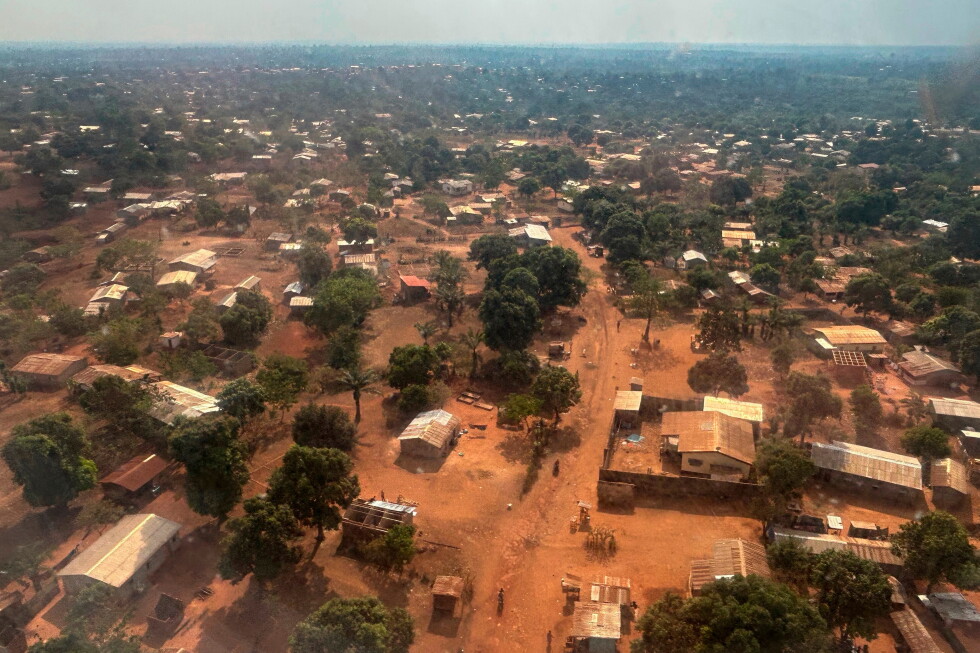
    A deportation flight organized by the former Trump administration is set to land in the Central African Republic’s capital Bangui on Friday, carrying roughly two dozen migrants from third countries, including one Iranian woman who had previously been granted protection from deportation to her home nation, legal representatives confirmed.

    This transfer marks the latest high-profile example of the controversial, largely secretive agreements Washington struck with multiple African and Latin American nations to accept deportees who are not citizens of their receiving countries, a policy that has drawn widespread condemnation from immigration advocates and legal experts.

    According to immigration rights advocates, the Central African Republic — a chronically impoverished, conflict-battered nation — is one of at least 10 African countries that have signed onto these third-country deportation arrangements. As part of a broader hardline U.S. immigration crackdown during the Trump administration, officials struck these often-unpublic deals to expel thousands of non-citizen migrants to countries that are not their country of origin, across roughly 24 nations total.

    Immigration lawyers argue the policy is a deliberate legal loophole, designed to indirectly force asylum seekers who would otherwise be protected from return to their home countries into dangerous third-party states, effectively circumventing court-ordered deportation protections.

    The flight departed Louisiana late Thursday bound for Bangui, though exact passenger numbers have not been officially confirmed. Ali Rahnama, president of the Iranian American Legal Defense Fund, who has been in direct contact with several of the detained migrants, confirmed the group includes nationals from Iran, Jordan, Armenia, Turkey, Georgia and Afghanistan.

    Sahar Jalili Pawelski, an immigration lawyer representing three Iranian women initially slated for deportation on this flight, explained that two of her three clients secured emergency court orders that temporarily paused their removal, while judges review whether the U.S. government’s deportation action is legally valid. All three Iranian women had previously received court-ordered protection from deportation to Iran, after judges ruled they faced credible threats of persecution based on their political beliefs or religious identity, both Pawelski and Rahnama confirmed. Only one Iranian woman remains on the flight scheduled to land Friday.

    An elderly Syrian migrant also scheduled for deportation to the Central African Republic similarly obtained an emergency temporary order halting his removal, according to his attorney Margaret Stock.

    U.S. Department of Homeland Security officials declined to comment on the specific case Thursday, citing security policies that prevent confirmation of upcoming removal operations. U.S. Immigration and Customs Enforcement also did not immediately respond to requests for comment on the deportation flight.

    The receiving country, the Central African Republic, has been ravaged by years of armed conflict between government forces and rebel factions, and ranks among the poorest countries on Earth. Despite holding extensive gold reserves, one in three Central African citizens survives on less than $2 USD per day. The nation is also a historic hub of activity for the Russian private mercenary group Wagner, which for years provided security to President Faustin-Archange Touadéra and led combat operations against rebel groups.

    While the Central African Republic remains one of Russia’s closest African allies, recent tensions have emerged between Touadéra and Moscow, after Russia demanded Wagner be replaced by the state-run Africa Corps. Rahnama has raised particular alarm over the deportation of the Iranian asylum seeker to the Central African Republic, pointing to Russia’s widespread influence in the country and the close security partnership between Moscow and Tehran, which puts the migrant at heightened risk of harm.

    This report was compiled by correspondent Banchereau in Dakar, Senegal, with additional contribution from Associated Press writer Rebecca Santana based in Washington.

  • China’s Global Civilization Initiative fosters harmony in a fractured world

    China’s Global Civilization Initiative fosters harmony in a fractured world

    The opening decades of the 21st century have left the world fractured along multiple lines: simmering geopolitical rivalries, ongoing proxy conflicts, splintering global economic systems, and a dangerous resurgence of cultural confrontation. Against this volatile backdrop, China’s Global Civilization Initiative (GCI), launched in March 2023, has emerged as a timely and forward-thinking framework that addresses the world’s most pressing ideological and relational gaps. Positioned as a complementary companion to China’s earlier Global Development Initiative and Global Security Initiative, the GCI lays out a clear path for building mutual respect, open dialogue, and collective progress across the world’s rich tapestry of civilizations. Far from being an abstract ideological vision, it responds to the urgent global demand for a new paradigm of international relations — one rooted in equal partnership rather than great-power hegemony, and cross-cultural exchange rather than growing estrangement between societies.

    At its core, the GCI is built on four simple but profound guiding principles. First, it calls for universal recognition of the inherent diversity of global civilizations. Second, it champions the shared common values that unite all humanity. Third, it emphasizes the importance of both preserving the historical inheritance of civilizations and advancing their innovative development to meet modern challenges. Fourth, it prioritizes expanded people-to-people exchanges and collaborative partnerships across national borders. The initiative calls on every nation to uphold the values of equality, mutual learning, open dialogue, and inclusive coexistence. Under its vision, cross-cultural exchanges replace estrangement, mutual learning overcomes civilizational conflict, and peaceful coexistence rises above the harmful narratives of cultural superiority that dominate many global conversations today. The GCI recognizes that shared aspirations including peace, development, equity, justice, democracy, and freedom are universal to all humanity, but it also affirms that each civilization has the right to interpret and implement these values through its own unique historical and cultural lens. This position explicitly rejects the forced imposition of any single political or cultural model on sovereign nations.

    This framing directly challenges the long-dominant narratives of ‘clash of civilizations’ and inherent civilizational superiority that have been used to justify global division. Instead of a hierarchy where some cultures are deemed superior to others, the GCI imagines a global garden of civilizations, where every culture can bloom according to its own nature, while all contribute to the collective growth and prosperity of the entire human family. In practical terms, it encourages societies to pursue creative transformation of their own traditional cultures to address modern challenges, all without erasing their unique historical and cultural roots.

    The widespread global resonance of the GCI stems from its accurate and unflinching diagnosis of the crises defining the current global era. The unipolar global order that defined the post-Cold War period has given way to a rapidly evolving multipolar system, but this historic transition has been rife with tension and friction. Great-power competition, growing technological decoupling, and devastating proxy conflicts from Ukraine to the Middle East have left nations across the world deeply anxious about the future. At the same time, globalization has dramatically increased cross-cultural interaction, but this interaction has often bred resentment when one set of cultural and political values is framed as universally superior, while all alternatives are dismissed as underdeveloped or backward.

    For decades, Western powers have led a global push to promote their specific models of liberal democracy and human rights, and this push has often been perceived as ideological imposition by much of the world — particularly when it is tied to coercive measures including economic sanctions, rhetoric endorsing regime change, and development aid tied to strict ideological conditions. For many nations in the Global South, which carry the lingering scars of centuries of colonial rule, these approaches are widely seen as a modern form of neo-imperial control. The GCI offers a clear alternative, centered on the principle that national sovereignty and civilizational autonomy must be the foundation of any genuine international cooperation. This aligns perfectly with the core commitment to sovereign equality enshrined in the United Nations Charter, and extends that principle into the cultural domain, where it has too often been ignored.

    The relevance of the GCI has grown even stronger alongside the rising global influence of the Global South. Developing nations, which make up the vast majority of the global population, are increasingly demanding the right to pursue development paths that fit their own unique historical, cultural, and socioeconomic contexts, rather than being forced to adopt one-size-fits-all Western models. China’s own modern development experience — which lifted more than 800 million people out of extreme poverty while preserving the country’s distinct cultural identity — serves as living proof that achieving modernization does not require adopting Western political and cultural systems. For this reason, the GCI provides a critical intellectual framework for a world of diverse civilizations, all pursuing their own paths to modernity.

    The GCI also acts as a powerful catalyst for greater South-South solidarity by explicitly validating non-Western civilizations and independent development models. It rejects the rigid cultural hierarchies that have long marginalized the traditional knowledge and cultures of African, Asian, and Latin American societies. By centering the principle of mutual learning, the GCI reframes Global South nations not as passive recipients of Western aid or ideology, but as equal contributors to global progress and collective governance.

    This approach has struck a deep chord across the world. From Africa to Latin America and across Asia, political leaders and independent thinkers have welcomed the initiative for its clear anti-hegemonic stance and its focus on building people-to-people connections across borders. It naturally complements existing multilateral platforms led by Global South and emerging economies, including BRICS, the Shanghai Cooperation Organization, and the Forum on China-Africa Cooperation, by fostering horizontal, equal partnerships rather than the vertical dependency relationships that defined colonial and post-colonial aid systems. China’s already extensive network of South-South cooperation, including infrastructure development through the Belt and Road Initiative (BRI), development projects under the Global Development Initiative, and existing cross-cultural exchange programs, gives the GCI tangible practical momentum that many other global vision statements lack. Concrete initiatives ranging from cross-border tourism promotion to youth exchange programs and joint international research centers are already turning the GCI’s rhetorical vision into on-the-ground reality.

    Widespread global embrace of the GCI, particularly across the Global South, reflects a growing global exhaustion with zero-sum great-power geopolitics and a widespread hunger for inclusive, equal global governance frameworks. Against the current perilous backdrop of soaring global inflation, sovereign debt crises, accelerating climate disruption, and rapid technological transformation, nations are hungry for partners focused on mutual benefit rather than forcing them to pass rigid ideological litmus tests to access cooperation. China’s long-standing track record of advocating for win-win international cooperation, demonstrated by the tangible infrastructure and development gains delivered by the BRI across the globe, lends significant credibility to the GCI’s vision.

    The timing of the initiative, launched amid growing global calls for United Nations reform and a more representative multipolar order, positions the GCI as a constructive contribution to the reform of global governance. It does not seek to displace or dismantle existing global institutions; instead, it aims to enrich them by embedding the principle of civilizational pluralism into their core operations and priorities.

    To move the GCI forward effectively, the article’s author outlines four key priority actions for China and its global partners. First, expand people-to-people exchanges through scaled-up cross-cultural programming and a global network of dedicated GCI research and exchange centers. Second, integrate the GCI’s principles and goals with the existing Global Development Initiative and Global Security Initiative to create a cohesive, interconnected approach to global challenges. Third, foster broader intellectual collaboration through joint academic research, diverse educational curricula that reflect global civilizational diversity, and cross-border media cooperation. Fourth, embed GCI principles into the work of major multilateral forums including the United Nations, G20, and BRICS, while creating more space for Global South voices in global governance.

    The author of the commentary is a Kenyan international relations scholar specializing in China-Africa development cooperation, and the views expressed do not necessarily represent the official position of China Daily.

  • Deadly Sudan drone strike targets funeral procession

    Deadly Sudan drone strike targets funeral procession

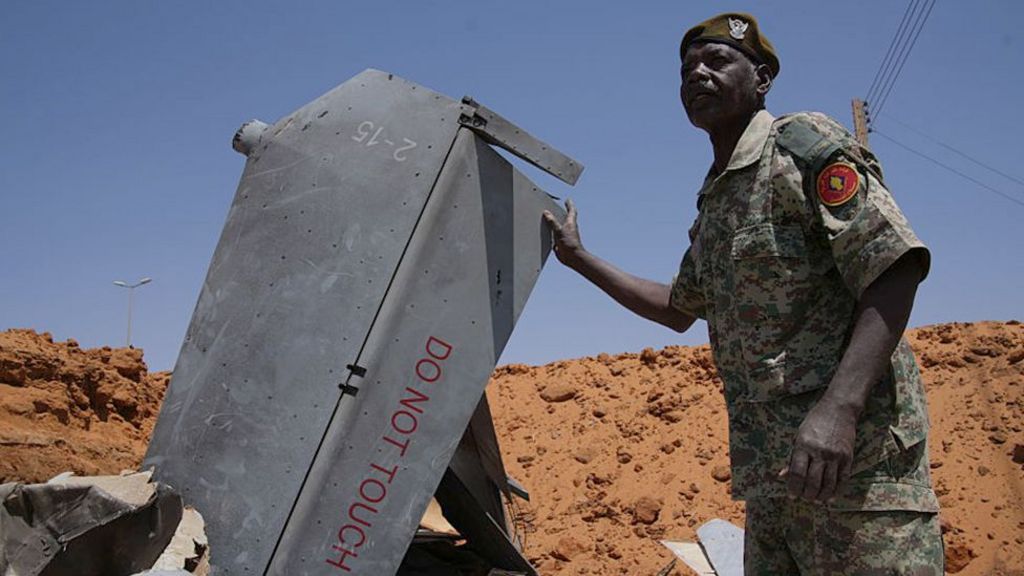
    A devastating drone attack targeting a funeral gathering at a cemetery in the central Sudanese city of El-Obeid has left at least four people dead and multiple others wounded, two prominent Sudanese human rights advocacy organizations have confirmed. The Sudan Doctors Network and Emergency Lawyers have jointly placed responsibility for the strike on the Rapid Support Forces (RSF), the country’s main paramilitary faction fighting against the national army in the ongoing civil conflict.

    Emergency Lawyers added that the cemetery attack is just one incident in a sustained campaign of drone strikes that has rocked El-Obeid since Wednesday evening. Across this series of assaults, at least 23 people have been killed to date. The RSF has not yet issued any public statement or response to the allegations.

    Strategically positioned in Sudan’s oil-rich Kordofan region, El-Obeid is currently held by Sudan’s regular army and has emerged as one of the most critical battlegrounds in the country’s three-year civil war. The conflict erupted in early 2023 after a bitter power struggle between the army’s top leadership and RSF command collapsed the country’s transitional ruling agreement, breaking out into open nationwide fighting.

    Geographically, El-Obeid sits as a critical buffer between RSF-held territories in western Sudan and the majority army-controlled eastern regions. Analysts widely note that control of the broader Kordofan region grants effective command over Sudan’s entire national oil supply and a large portion of the country’s total land area, making the fight for El-Obeid strategically decisive for both warring factions.

    Beyond the cemetery strike, Emergency Lawyers documented additional drone strikes hitting civilian residential areas, the airport district, and zones surrounding a local army base. Thirteen of the total confirmed fatalities occurred when civilians gathered near previously destroyed homes to assess damage or search for missing loved ones, the organization said. Five more civilians were killed in earlier strikes earlier in the week, and a fourth attack on Thursday killed a truck driver who was transporting emergency food supplies to residents of the embattled city.

    Local residents described scenes of widespread destruction and despair following the strikes. “It is tragic. The roofs of houses collapsed on their occupants. When you look at some houses, you feel no-one could have survived,” one El-Obeid resident told AFP news agency in the hours after the latest attacks.

    The two rights groups have emphasized that the past week’s strikes are part of a systematic pattern of repeated attacks on civilian targets in El-Obeid that has stretched over multiple days. Three years into the conflict, Sudan now faces what the United Nations has called the world’s worst ongoing humanitarian crisis. More than 11 million Sudanese people have been displaced from their homes by the fighting, and an estimated 28 million people across the country face acute levels of food insecurity. While no fully verified, comprehensive death toll exists for the conflict, independent analysts estimate that at least 50,000 people have been killed since fighting began.

  • Artan to referee Uefa Super Cup after losing World Cup spot

    Artan to referee Uefa Super Cup after losing World Cup spot

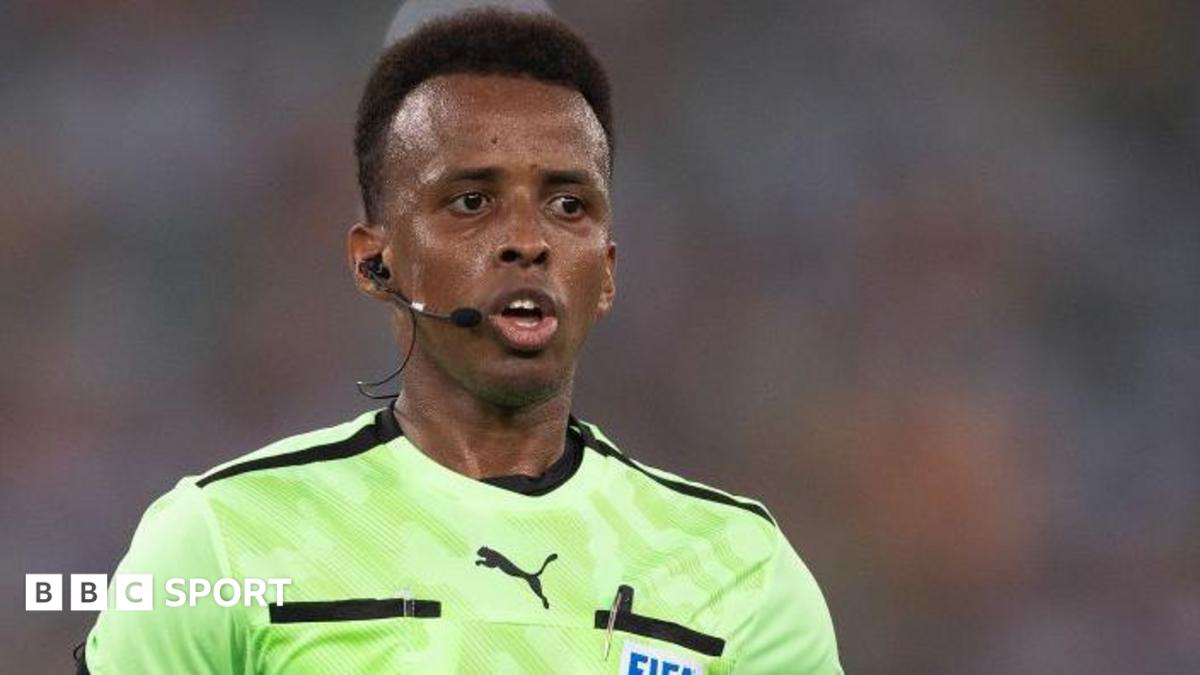
    In a striking show of solidarity for a Somali official denied entry to the United States for the 2026 FIFA World Cup, European football’s governing body UEFA has named referee Omar Artan as the head official for this summer’s UEFA Super Cup between European giants Paris Saint-Germain and Aston Villa. The annual showpiece match, which pits the previous season’s UEFA Champions League winner against the UEFA Europa League champion, will kick off on August 12 in the Austrian city of Salzburg.

    The appointment comes after collaborative talks between UEFA and the Confederation of African Football (CAF), with both bodies backing the nomination for the highly respected African official. UEFA president Aleksander Ceferin emphasized the value of Artan’s experience and skill in an official statement announcing the decision, noting that Artan has already established a strong track record at the highest levels of CAF competition despite still being a relatively young official.

    “Football is made to connect people, and Uefa wants to show its respect to Omar and his outstanding officiating skills, which had earned him such a prestigious nomination,” Ceferin said, adding that he appreciated enthusiastic support for the initiative from CAF president Patrice Motsepe.

    Artan, who claimed the 2025 CAF Men’s Referee of the Year award and has featured on FIFA’s international referee list since 2018, was set to make history as the first Somali referee to officiate at a men’s World Cup finals when he traveled to the U.S. earlier this month. But his long-held dream of participating in the tournament was derailed when U.S. border officials in Miami turned him away, even though he held a valid diplomatic passport and approved single-entry U.S. visa.

    A U.S. government official confirmed earlier this week that Artan was denied entry over unsubstantiated allegations of “association with suspected members of terror organisations.” The denial falls under a long-standing travel ban first introduced during the Trump administration that includes Somalia among the restricted countries. After consultations with U.S. authorities, FIFA confirmed Artan would be forced to withdraw from the 2026 World Cup tournament.

    In comments shared with The New York Times this week, Artan pushed back against the claims made by border officials, saying he was questioned extensively about alleged links to Somali militant group Al Shabab, and denied any knowledge of or connection to the organization. He added that all his documentation was fully in order for the trip. “I had the right papers and everything. I had the right visa,” Artan said. “I’m just simply a referee who’s trying to live his dream, the biggest dream of my life, to come to the World Cup.”

    The unexpected nomination to the UEFA Super Cup marks a major show of support from European and African football governing bodies, recognizing Artan’s professional accomplishments while highlighting football’s core mission of uniting people across borders and geopolitical barriers.

  • Sudanese paramilitary drone strikes kill at least 15 people in central region, officials say

    Sudanese paramilitary drone strikes kill at least 15 people in central region, officials say

    As Sudan’s brutal civil war enters its fourth year, a new wave of overnight drone strikes carried out by the Rapid Support Forces (RSF), Sudan’s main paramilitary group, has left at least 15 people dead and dozens more injured in the central Sudanese city of el-Obeid, health officials confirmed Thursday. The rising reliance on unmanned aerial attacks has become one of the most dangerous and destabilizing features of the ongoing conflict, which has already plunged the nation into one of the world’s worst humanitarian crises.

    The assault began late Wednesday, hitting multiple locations across el-Obeid including an area adjacent to a Sudanese military position, according to two health workers from el-Obeid Hospital, the main facility receiving casualties from the strikes. The officials spoke on condition of anonymity, as they lack official authorization to engage with media outlets. They added that more than 10 people were wounded, with several suffering critical injuries that require urgent advanced care.

    Dr. Mohamed Elsheikh, spokesperson for the Sudan Doctors Network, an organization that monitors casualty figures across the country, told the Associated Press that RSF drones also targeted two additional civilian sites: a funeral gathering at a local cemetery, where four attendees were killed, and a functioning gas station. Dr. Elsheikh noted that he could not immediately confirm whether the casualties included only civilians, only combatants, or a mix of both.

    Aid workers on the ground report that drone strikes have intensified sharply across el-Obeid in recent days, with public gatherings of any kind repeatedly targeted. An anonymous aid worker with the global humanitarian organization Mercy Corps, speaking out of fear of retaliation from armed groups, explained that the escalating violence has forced local schools to suspend all classes, while city markets only operate partially as residents stay home to avoid attack.

    Emergency Lawyers, a Sudan-based aid and conflict monitoring group, released a statement Thursday warning that the final death toll is expected to rise, as drone sorties continued to fly over el-Obeid well into Thursday. The group documented that residential homes near the headquarters of the Sudanese military’s 5th Infantry Division were hit, alongside a truck transporting critical food supplies into the city. The truck’s driver was killed in the strike.

    “This series of attacks indicates a widespread pattern of targeting civilian gatherings, neighborhoods and infrastructure, including during rescue operations and funerals,” the group said, adding that it has grave concerns over the indiscriminate nature of these strikes, which put non-combatant residents at constant lethal risk.

    Sudan’s long-running conflict first erupted in April 2023, when decades of latent tensions between the Sudanese Armed Forces (SAF) and the RSF boiled over into open civil war. To date, the conflict has killed at least 59,000 confirmed people, displaced more than 13 million Sudanese from their homes, and pushed large swathes of the country into catastrophic famine conditions. The United Nations estimates that more than 30 million Sudanese — over two-thirds of the country’s total population — require urgent life-saving humanitarian assistance.

    As the conflict has dragged on, military control has become geographically split: the Sudanese military holds power across northern, eastern, and central Sudan, including strategic Red Sea ports and the country’s critical oil refining and pipeline infrastructure. The RSF and its allied militias control the entire Darfur region and large portions of Kordofan along Sudan’s border with South Sudan, both resource-rich regions holding major oil reserves and gold deposits.

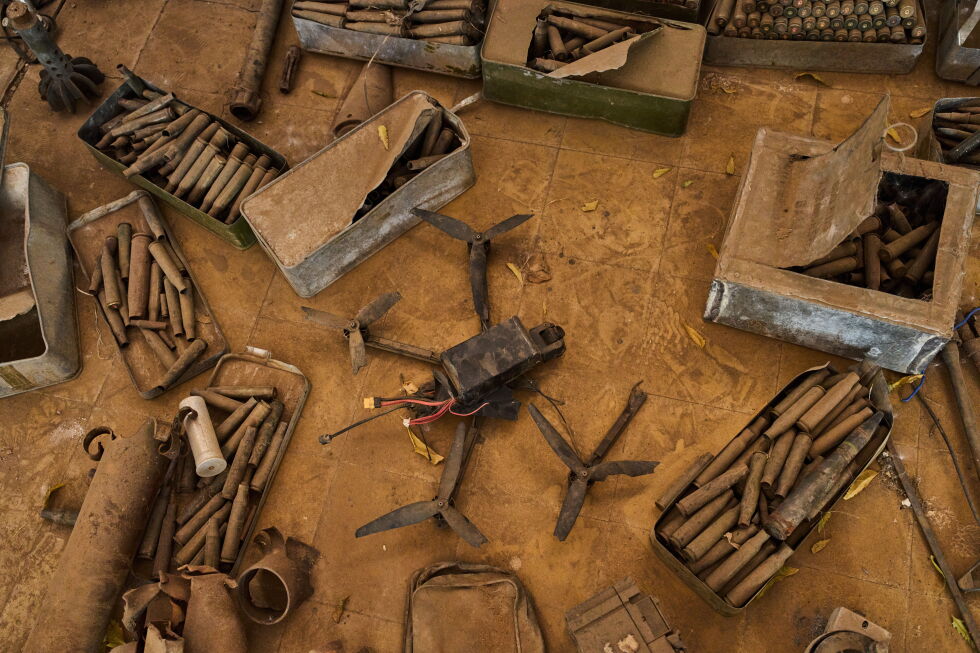
    Security and conflict experts confirm that drone warfare has now overtaken other forms of attack as the deadliest threat to civilian populations in Sudan, with both warring parties receiving shipments of drones and other military equipment from multiple countries across the Middle East and beyond. Humanitarian workers add that the recent surge in drone attacks across Kordofan has severely hampered already fragile aid operations in the region, leaving vulnerable communities cut off from critical food, water, and medical support.

  • El Nino is here and scientists fear it’ll be big, bad and costly with heat, floods, droughts, fires

    El Nino is here and scientists fear it’ll be big, bad and costly with heat, floods, droughts, fires

    On Thursday, leading meteorological officials delivered a stark climate update: a new El Niño event has officially formed in the warming equatorial Pacific Ocean, and projections indicate it could grow to become one of the most powerful such events recorded since modern tracking began in 1950.

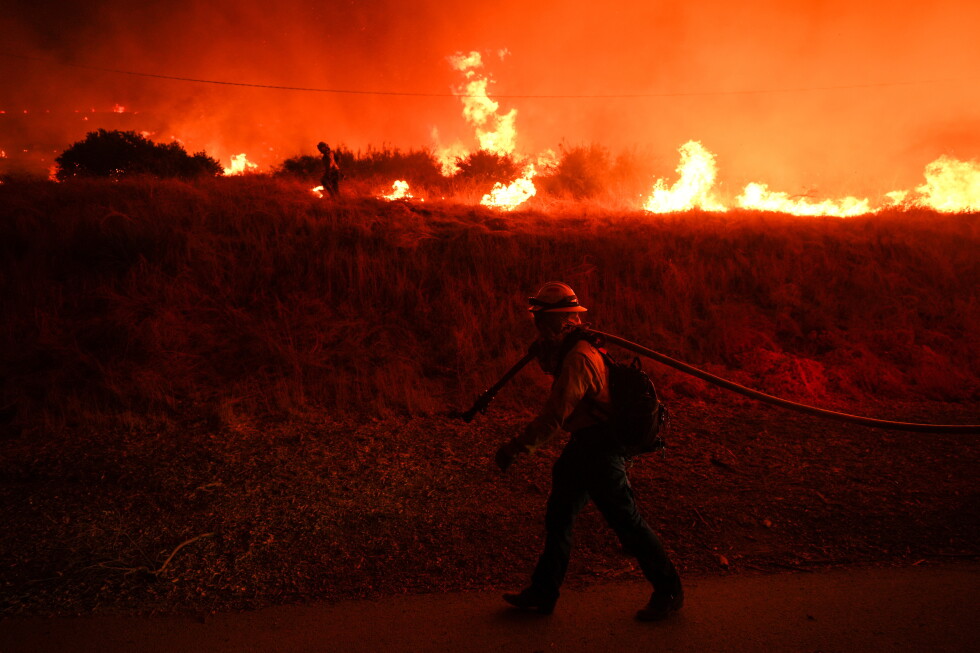
    El Niño, a naturally occurring climate cycle defined by elevated sea surface temperatures across the central and eastern equatorial Pacific, is set to amplify the already accelerating planetary warming driven by decades of fossil fuel emissions, climate experts warn. The United States National Oceanic and Atmospheric Administration (NOAA) confirmed the event’s formation in an official announcement, noting there is a 63% probability that the event will intensify to a rank among the four strongest El Niños on record by late fall and early winter. Many forecasters even project it could match or outpace the devastating 1997 El Niño, which caused tens of billions of dollars in global damage via cascading extreme weather events including deadly heatwaves, catastrophic flooding, prolonged droughts, intense tornado outbreaks, and out-of-control wildfires.

    “Warm deep water associated with El Niño reshapes global weather patterns by releasing a massive amount of excess heat into the atmosphere, which acts as a catalyst for extreme weather events across nearly every continent,” explained Abby Frazier, a climate scientist at Clark University. For many vulnerable Pacific communities, she added, conditions can deteriorate into life-threatening scenarios with alarming speed. United Nations Secretary-General António Guterres framed the confirmation of El Niño as an urgent wake-up call for global climate action, noting that the event would “pour fuel on the fire of a warming world.”

    Unlike uniform weather events, El Niño creates divergent impacts across different regions, creating a mix of winners and losers. One notable silver lining is that El Niño typically suppresses (though does not eliminate) hurricane activity in the Atlantic Ocean, which could reduce storm risk for the U.S. East and Gulf Coasts. However, this reduction comes with a tradeoff: Pacific hurricane activity is expected to increase, putting Hawaii and other Pacific island nations at greater risk.

    Other regional impacts follow well-documented patterns. The chronically drought-stricken Middle East could see much-needed precipitation that eases dry conditions, while western South America — the region where El Niño was first identified centuries ago by local fishermen — faces elevated risk of extreme rainfall and devastating flooding alongside a much hotter than average summer. India will likely face longer, more intense heatwaves, while Australia is threatened by worsening drought, more destructive wildfires, and prolonged high temperatures. Northeastern Africa, already reeling from persistent severe drought, could experience extreme whiplash with a sudden shift to dangerously heavy rainfall that causes flash flooding, according to Muhammad Azhar Ehsan, a Columbia University climate scientist and leading El Niño researcher.

    In the United States, the event is projected to bring more intense, rain-heavy storms to the southern states, while the Pacific Northwest will likely see warmer than average temperatures and drier conditions. The northern Rockies and Southwest, currently facing record-breaking snow drought, could receive beneficial heavy summer rainfall. On the agricultural side, El Niño generally brings favorable conditions for U.S. crop production, particularly for soybeans in the country’s 18 major growing regions, though outcomes for dairy and cattle production are more mixed. Despite these agricultural benefits, Stanford climate economist Marshall Burke notes that the overall temperature increase driven by this El Niño will likely dampen U.S. economic growth, as research consistently shows national economic output slows when average temperatures climb above historical norms.

    Most climate scientists project that 2027 will become the hottest year ever recorded globally, due to the lagging climate impacts of this El Niño, which is expected to reach its peak intensity between late 2024 and early 2025.

    Unusually for this time of year, all forecasters are aligned in their projections of a very strong event, thanks to unusually clear early indicators. Typically, El Niño forecasts vary widely in the early stages of formation, but this year, warm water has already pushed steadily toward the Pacific surface, creating unambiguous signals that the event will intensify rapidly. Unlike most El Niños that peak in mid-winter, Ehsan’s research team projects this event will reach its peak one to two months earlier, and Princeton climate scientist Gabriel Vecchi adds that large El Niño events like this one typically persist longer than weaker events.

    Climate researchers have observed that as planetary warming continues to accelerate due to fossil fuel combustion, El Niño events are becoming stronger and more frequent on average, though Frazier notes it is too soon to confirm whether this specific event fits that long-term trend. Even before its official confirmation, the event has earned dramatic nicknames ranging from “Super El Niño” to “Godzilla El Niño” among the climate community. While the event brings significant risk, Ehsan emphasizes that preparation can reduce harm: “Instead of giving in to fear, we can urge communities to prepare early for the changes ahead.”

  • First group of Nigerians returns home after anti-immigration protests in South Africa

    First group of Nigerians returns home after anti-immigration protests in South Africa

    JOHANNESBURG and LAGOS — In a move that underscores deepening tensions over immigration and xenophobic violence across Southern Africa, the first planeload of Nigerian citizens touched down in Lagos on Thursday, the start of a government-ordered repatriation effort for people fleeing deadly anti-foreign unrest in South Africa.

    Nigeria’s Ministry of Foreign Affairs confirmed the incoming flight carried 262 returning passengers plus three government officials. Prior to the arrival, authorities had announced that more than 1,000 Nigerians residing in South Africa had already registered to take advantage of the voluntary repatriation program, which was launched after a wave of violent anti-immigration demonstrations swept across parts of South Africa starting in April.

    The repatriation effort has already sparked a public disagreement between the two African nations. South African officials assert that all the Nigerians processed for return were staying in the country without valid immigration documentation, a direct contradiction of Nigerian officials’ framing that the evacuees are escaping life-threatening xenophobic attacks. As of Thursday, Nigerian officials had not issued any formal response to the South African claim in response to inquiries from the Associated Press.

    The current unrest stems from long-simmering frictions between native South African workers and foreign migrants. Since April, recurring anti-immigration protests have escalated into targeted attacks on foreign-owned businesses and foreign residents, with demonstrators arguing that migrant workers are taking scarce job opportunities from local South African citizens. South African national authorities have publicly condemned the violence as explicitly xenophobic, though the attacks have continued to prompt panic among foreign communities across the country.

    Nigeria’s Foreign Minister Bianca Odumegwu-Ojukwu said the repatriation order came directly from the Nigerian presidency, authorizing the “evacuation of imperiled Nigerian citizens who consider their lives at risk by continued stay in South Africa.” In a public address to people preparing to return home, the minister emphasized that personal safety far outweighs material loss: “The price of your peace, and the safety of your children is worth any sacrifices you have to make, or any assets you have to leave behind when fleeing a conflict zone or hate-infused environment.”

    Nigeria is not the first African nation to organize large-scale repatriation from South Africa amid the current wave of unrest. Ghana previously evacuated roughly 1,000 of its own citizens from South Africa, and South African officials similarly noted that most of the returning Ghanaians were undocumented. Liberia has also raised urgent alarms over the safety of its citizens living in South Africa, with local media quoting President Joseph Boakai as saying the Liberian government is prepared to take all necessary steps, including arranging similar repatriation flights for any Liberians who wish to return.

    In a further development that complicates cross-border relations, South Africa’s Department of Home Affairs has announced that all Nigerians processed for repatriation will face a five-year ban on re-entering the country. To date, the department says 586 Nigerians have completed processing for repatriation after being found to lack valid immigration status, with the next group of returnees scheduled to depart for Nigeria on Monday.

    South African Home Affairs Minister Leon Schreiber explained that the Nigerian High Commission issued emergency travel documentation for the returnees, after which they were formally declared “undesirable persons” barred from re-entry for a half-decade. “Foreign nationals must ensure that their immigration status remains compliant with South African immigration laws at all times and to regularize their stay,” Schreiber said.

    Associated Press reporter Mogomotsi Magome contributed on-the-ground reporting from Johannesburg for this story.

  • Nigeria evacuates citizens from South Africa as anti-migrant sentiment rises

    Nigeria evacuates citizens from South Africa as anti-migrant sentiment rises

    A wave of mounting anti-migrant hostility across South Africa has pushed multiple African nations to organize emergency repatriations of their citizens, leaving thousands of migrant households living in constant fear of xenophobic attacks.

    Nigeria is the most recent country to launch this evacuation effort. The first charter flight carrying 268 Nigerian nationals departed Johannesburg’s OR Tambo International Airport early Thursday and touched down safely in Lagos, Nigeria’s commercial hub. This flight is the first of planned operations to bring home roughly 1,000 Nigerians who have registered with the Nigerian consulate in South Africa to request repatriation. Neighboring states including Ghana, Zimbabwe and Malawi have already completed similar evacuation flights ahead of a controversial 30 June deadline set by anti-migrant campaigners for all undocumented migrants to leave the country.

    The roots of the current crisis stretch back to 1994, when the end of apartheid-era white-minority rule opened South Africa’s borders to thousands of economic migrants from across the continent, who arrived seeking greater economic opportunity and a higher quality of life. But decades of stagnant growth have left South Africa grappling with an official unemployment rate that exceeds 32%, creating fertile ground for resentment toward foreign-born workers. In recent months, anti-migrant protests have swept through major urban centers, and targeted xenophobic assaults have left multiple migrants dead, forcing many to flee their homes and communities.

    One Nigerian repatriate, Justin, who had lived in South Africa for 26 years after moving there in 1998, described the constant fear that drove his decision to leave. “I’m leaving because of the conditions they’ve given us here. They say we must leave on or before 30th June. And because of the way they are killing people, killing our brothers, so I’m not safe,” he told reporters at Johannesburg’s main airport. Justin shared that he had already survived one attack, escaping a violent assault on a public taxi by fleeing without his phone or personal belongings. “They call us names and say you must leave this country. When we tried to beg them, they started insulting us,” he added.

    Authorities have yet to release an official death toll for recent xenophobic violence. South African police have confirmed that two Mozambican men were killed in the Western Cape province earlier this month, but have not publicly linked the killings to xenophobic motives. Mozambican officials, however, have pushed back on this account, asserting that the number of fatalities among their citizens is far higher, and that all deaths are directly tied to anti-migrant hostility.

    Anti-migrant protesters have centered their rhetoric on the claim that migrants are responsible for South Africa’s crippling unemployment and strained public services, from public schools to public hospitals. But Nigeria’s Consul General in South Africa, Ninikanwa Okey-Uche, rejected this narrative, arguing that migrants are being unfairly scapegoated for systemic government failures. “Migrants made up less than 10% of South Africa’s population, and could not be blamed for broken systems in education, health care, policing, unemployment,” she told the BBC. “They are not and cannot be the problem. So, migrants are basically being scapegoated.”

    Okey-Uche also noted that while all of the repatriated Nigerians were classified as undocumented by South African authorities, delays and backlogs in South Africa’s immigration application process have left many migrants without legal status through no fault of their own. She added that South African officials have failed to take meaningful action to crack down on organizers of xenophobic violence, even though many of these leaders are well known to law enforcement. “There are a lot of top South African politicians who have spoken up against what’s happening, saying it’s absolutely wrong. But down on the street, we need to see arrests. We know the people in charge, they’re not hiding. They’ve caused mayhem in people’s lives, but they’re walking free, some of them are running for election,” Okey-Uche said.

    The rising tensions come as South Africa prepares for nationwide local government elections in November, and many political analysts have observed that opportunistic politicians have elevated migration to a divisive wedge issue to mobilize voters. Last week, South African President Cyril Ramaphosa addressed the unrest in a national televised speech, announcing a new package of policy measures targeting undocumented migration. The new rules include criminal penalties for employers that hire undocumented workers, the creation of special dedicated courts to speed up deportation proceedings, and the development of a national biometric identity database intended to reduce identity theft. Even as he cracked down on unauthorized migration, Ramaphosa warned South Africans against vigilante violence, urging citizens not to take the law into their own hands by targeting people suspected of being in the country illegally.

    As the 30 June campaign deadline approaches, more African countries are expected to organize additional repatriation flights to extract their vulnerable citizens from the escalating violence, while the South African government faces growing international pressure to rein in xenophobic attacks and protect migrant communities within its borders.