标签: Africa

非洲

  • Refugee who quit Bayern to create Aussie World Cup dream

    Refugee who quit Bayern to create Aussie World Cup dream

    The 2026 FIFA World Cup has already delivered one of its most heartwarming and historic underdog stories, as 20-year-old Australia forward Nestory Irankunda etched his name into Socceroos folklore with a milestone opening goal in the team’s 2-0 victory over Turkey in Vancouver. What makes the moment even more remarkable is the incredible, winding journey Irankunda has taken to reach the sport’s biggest stage, one that begins far from the bright lights of global football.

    Born in 2006 to Burundian parents who fled civil war in their homeland, Irankunda spent his earliest years in a Tanzanian refugee camp. His family resettled in Australia when he was a young child, and it was on Australian suburban pitches that he discovered his love for the game. He climbed through the youth academy at A-League side Adelaide United, turning heads at the senior level with 16 goals and 8 assists across his tenure there. His standout performances earned him a high-profile move to German Bundesliga giants Bayern Munich in 2024, where he spent months training alongside world-class talent including England captain Harry Kane.

    However, first-team opportunities never materialized for Irankunda in Germany, and a lack of consistent match minutes put his lifelong dream of representing Australia at the World Cup in jeopardy. After a short loan spell at Swiss club Grasshopper, he faced a life-altering choice in the summer of 2025: stay at a top European club on the bench, or make a permanent move to English Championship side Watford in search of regular playing time. Though leaving Bayern was not easy, Irankunda made the call that prioritized his World Cup ambition.

    “It was a hard decision but obviously my biggest goal for me is to play at the World Cup,” Irankunda told Sky Sports last summer. “The 2026 World Cup is around the corner and I have to play minutes, I wasn’t playing minutes. It has always been a dream of mine to play in England.”

    The gamble paid off immediately. Irankunda turned out 42 times for Watford in the 2025-26 season, notching four goals and five assists, a run of form that earned him a call-up to Australia’s final World Cup squad. Against Turkey in the team’s opening group match, he delivered when it mattered most: in the 27th minute, he used blistering pace and physical strength to create a shooting opportunity, then finished with a clinical strike that put the Socceroos ahead.

    With that goal, Irankunda became two pieces of Australian football history: the youngest player ever to score a World Cup goal for the Socceroos, and the first player born outside Australia to find the net in the tournament for the national side. In a touching tribute to one of his idols, he celebrated by replicating Tim Cahill’s iconic corner flag punching celebration, a nod to the former Australia and Everton legend who Irankunda calls his biggest football inspiration.

    “Timmy Cahill is my biggest inspiration when it comes to football. Him and Lionel Messi. Tim Cahill, Australia’s greatest in my opinion. I just thought if I scored, I’ll do the same as him and I got to do it,” Irankunda explained after the match.

    Teammates and coaches have long lavished praise on the young forward’s special talent. Teammate Mohamed Toure has nicknamed Irankunda “Houdini” for his on-pitch magic, and compared his potential impact on Australian football to that of Jude Bellingham’s transformative role for England. “I’ve seen a lot of good players but sometimes you have a special talent and he’s that,” Toure said. “If he puts in the work and stays grounded I think he’ll go beyond the potential many people already say he has. He’ll surpass that.”

    Former Australia and Tottenham Hotspur manager Ange Postecoglou, who was commentating on the match for ITV, highlighted Irankunda’s standout physical quality, saying “It doesn’t matter what level of football you play at, in the park or World Cup, that is fantastic speed.” Postecoglou added that the World Cup goal could be a career-defining turning point for the young striker, noting “Sometimes in World Cups, you just need a good couple of weeks and your whole world can change. Let’s hope that is the start for him.”

    For Irankunda, the milestone is just the latest step on an unlikely journey that has already turned a refugee camp childhood into a World Cup dream come true. “It is unreal and a dream come true,” he said shortly after the final whistle. For one of football’s most promising young talents, the fairytale is only just beginning.
  • Nigerian author accuses hospital of stalling review into her son’s death

    Nigerian author accuses hospital of stalling review into her son’s death

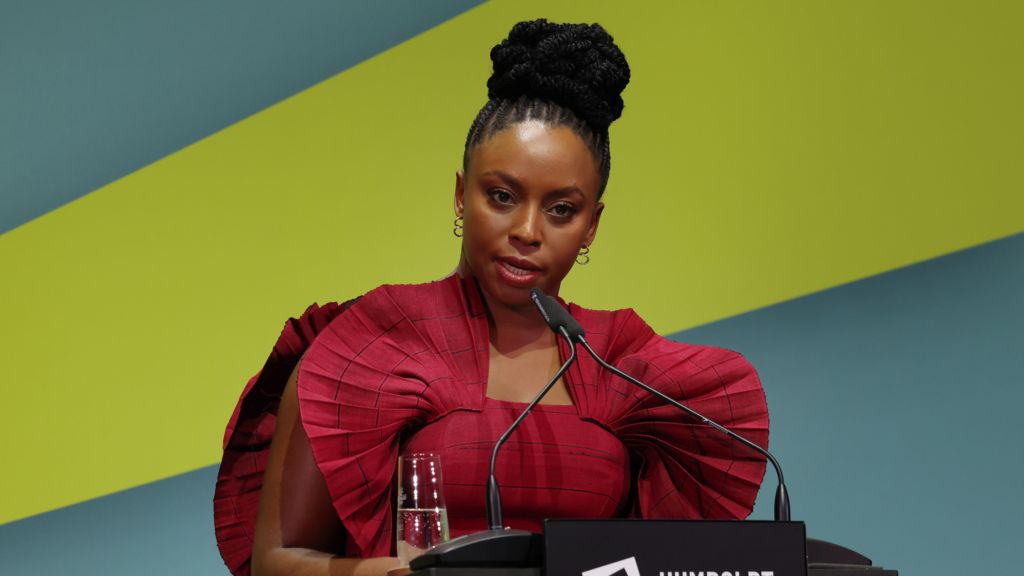
    One of the world’s most decorated contemporary authors, Nigerian writer Chimamanda Ngozi Adichie, has gone public with searing accusations against a private Lagos hospital, claiming the facility has actively obstructed a mandatory coronial inquiry into the January death of her 21-month-old son, Nkanu.

    Nkanu, one half of a pair of twin boys born to Adichie via surrogacy in 2024, died on January 7 at Euracare Hospital, just days after Adichie, who normally resides in the United States, had traveled to Nigeria for the 2023 Christmas holiday. The toddler had first been admitted to Atlantis Hospital, another Lagos facility, for what clinicians classified as a worsening but still mild illness. Medical teams had arranged to transfer Nkanu to the United States for specialized care at Baltimore’s world-renowned Johns Hopkins Hospital, and he was referred to Euracare solely to complete pre-transfer diagnostic checks, including an MRI and a lumbar puncture, also called a spinal tap. He died shortly after completing these procedures at Euracare.

    In a dramatic break from her silence since the tragedy, Adichie published an open letter she sent to Euracare’s director back in April across her social media channels recently, laying bare her allegations and her grief. The coronial inquest into Nkanu’s death was scheduled to launch in April, but Adichie claims Euracare has spent months stalling, obscuring key details, and deliberately muddying the process of investigation. Most recently, the hospital filed a request with Nigeria’s Federal High Court to formally block the public inquiry entirely.

    Adichie and her legal team have levied formal claims of medical negligence against Euracare. They allege that clinical staff at the hospital denied Nkanu sufficient oxygen and administered excessive doses of sedation, a combination that triggered the cardiac arrest that killed the toddler. Adichie also called out the hospital’s official cause of death listed on Nkanu’s death certificate — bacterial meningitis — saying there is no verifiable medical evidence to support that diagnosis. She further accuses the facility of turning over incomplete and inaccurately altered medical records, a practice she described as strikingly unprofessional for a private tertiary hospital.

    In her public post accompanying the letter, Adichie opened up about the personal toll of the prolonged fight for answers. “The ultimate and utter loneliness of grief is that only you can know the true depth of your despair,” she wrote. “I long for, at least, peace to mourn, but Euracare Hospital has robbed me even of that.” She added, “If Euracare cares about the truth, then why create delays and distractions and now, finally, try to stop an inquest?”

    Euracare has pushed back against all allegations of wrongdoing. The facility has issued a statement offering its deepest sympathies to Adichie and her family over the loss of Nkanu, but maintains that all clinical care provided to the toddler aligned with global medical standards. The BBC has reached out to Euracare for additional comment in response to Adichie’s recent public allegations, and has not yet received a response.

    A preliminary investigation conducted by a panel convened by Nigeria’s Medical and Dental Council, the nation’s top regulatory body for medical practitioners and facilities, previously found evidence supporting a plausible claim of medical negligence against Euracare. Adichie’s legal team has submitted all evidence of the alleged negligence and obstruction to the Federal High Court as part of their response to the hospital’s motion to block the inquest. The court has not yet issued a ruling on the hospital’s request.

    Adichie, whose decades-long career has earned her global acclaim, is best known for award-winning works including *Half of a Yellow Sun* (2006) and *Americanah* (2013). Beyond her literary work, she has regularly taken part in high-profile global public events, recently hosting discussions with leading global figures including former U.S. Vice President Kamala Harris and former German Chancellor Angela Merkel.

  • Australia begin World Cup with win over South Africa

    Australia begin World Cup with win over South Africa

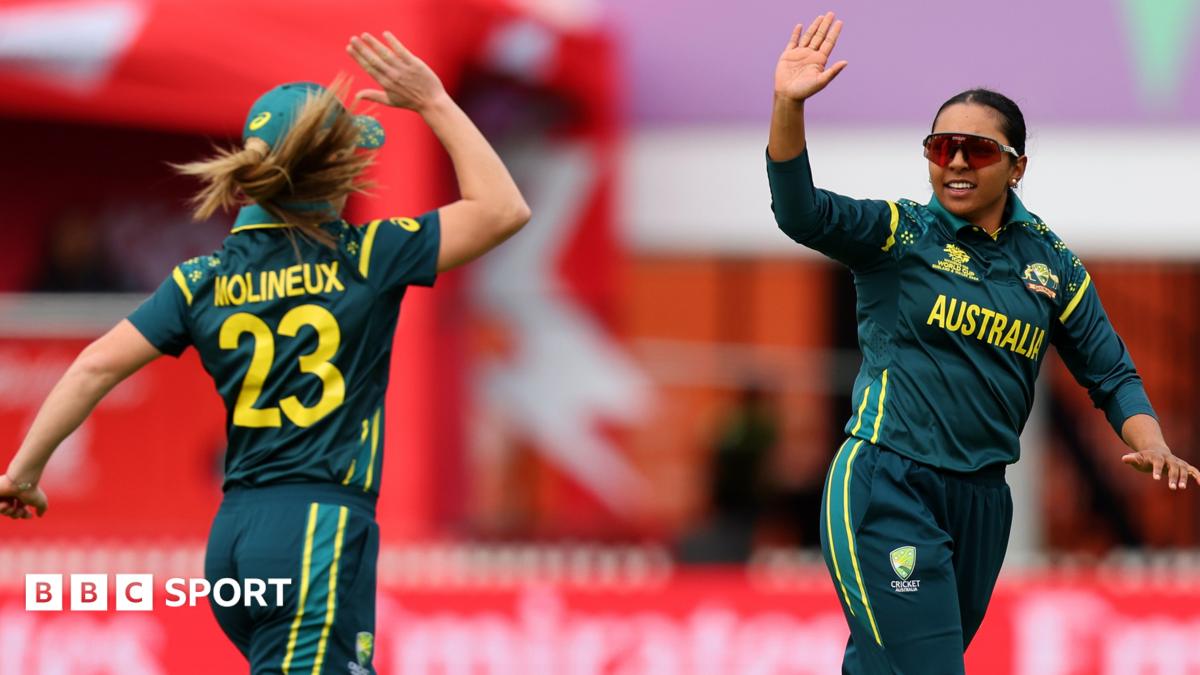
    Reigning as one of international women’s cricket’s most formidable programs, Australia kicked off their 2024 Women’s T20 World Cup Group 1 campaign with a statement 65-run victory over pre-tournament favorite South Africa at Edgbaston, sending an early warning to fellow title contenders in the highly competitive pool.

    With 50-over world champions India also vying for one of the two available semi-final spots from Group 1, three points from the opening fixture gives Australia a critical early advantage in what was already projected to be a grueling fight for knockout stage qualification. Chasing a competitive 173-run target, South Africa crumbled to 107 all out in 16.4 overs, undone by disciplined Australian bowling and sharp fielding that broke their batting order early.

    Australia’s innings got off to a rocky start, with the batting line-up losing wickets at regular intervals and teetering at multiple shaky points: 62-4 in the middle overs, and 133-6 late in the spell. But the side’s celebrated depth carried them to a defendable total, with rising star Phoebe Litchfield leading the charge with a blistering 50 runs off just 24 deliveries. Litchfield, who timed her attack on South African pace spearhead Shabnim Ismail better than any other batter on the pitch, was supported by Ellyse Perry’s 36 runs from 26 balls and a valuable late innings 32 from all-rounder Georgia Wareham. Even when six wickets fell, Australia still had established Test match star Annabel Sutherland, holder of four Test hundreds, step in at number seven, highlighting the team’s unrivaled depth across the order. The innings closed on 172-8 after 20 overs, a total that quickly proved too much for South Africa to chase.

    Australia’s bowling attack put immediate pressure on the Proteas, removing top-order batters Sune Luus, Annerie Dercksen and Nadine de Klerk within the first seven overs to put South Africa on the back foot. When Laura Wolvaardt and Marizanne Kapp began a steady rebuild, it was Wareham who proved the difference-maker, both with ball in hand and in the field. The all-rounder delivered an accurate long-range throw to run out dangerous all-rounder Kapp for 12, then pulled off a smart low catch at cover to dismiss Wolvaardt, South Africa’s top scorer, for 44. Finishing with bowling figures of 3 wickets for just 13 runs, Wareham’s all-round performance was the backbone of Australia’s win. Australia’s spinners dominated the Edgbaston pitch, with captain Sophie Molineux and Alana King each picking up two wickets and Ashleigh Gardner adding a third to wrap up the South African lower order, dismissing the Proteas for 107 all out.

    Leading Australia in her first major tournament as captain, Molineux’s side showcased the program’s new era while retaining the same winning quality that has made Australia the team to beat in women’s cricket for decades. Though the side was not at their clinical best with the bat, their ability to post a competitive total under pressure and defend it confidently has underlined their title credentials once again.

    For South Africa, who entered the tournament as a top contender after reaching the final of the last three ICC world cup events across all formats, the defeat leaves them in a must-win situation for their next group fixture against India, scheduled for 21 June at the same Edgbaston ground. Ahead of the tournament, many analysts tipped South Africa to finally claim their first world title after three consecutive runner-up finishes, while others backed India following their 50-over world cup breakthrough in 2023. Saturday’s opening win serves as a clear reminder that Australia, despite missing out on the podium in the last two world cup events, remains the side every other contender must overcome to lift the trophy.

  • Mass shootings in South Africa’s poorest areas are a symptom of organized crime and police failures

    Mass shootings in South Africa’s poorest areas are a symptom of organized crime and police failures

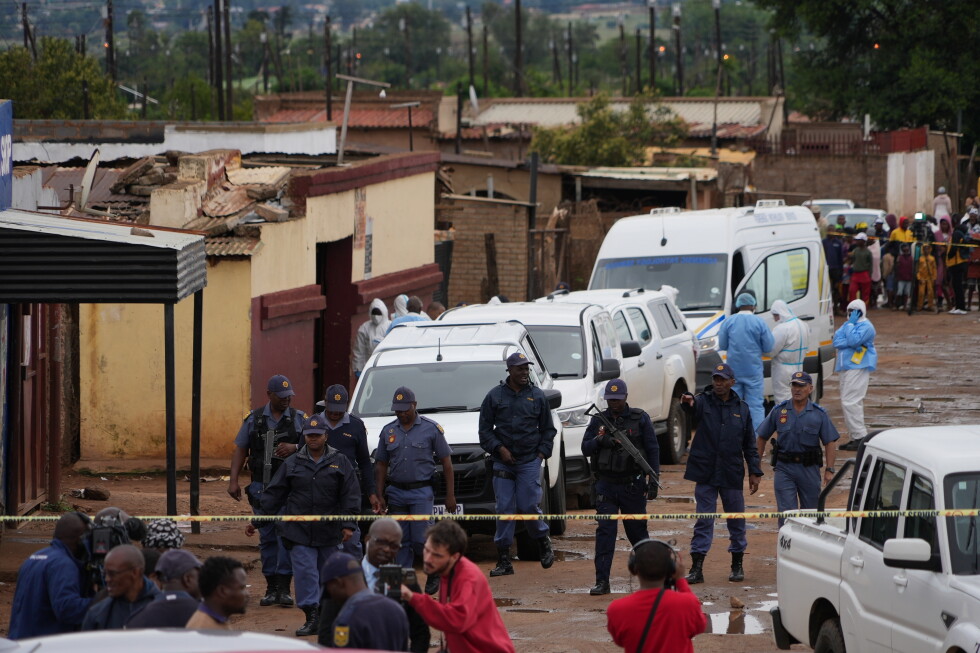
    A devastating mass shooting in an informal Johannesburg shack settlement has left 12 people dead and at least 15 injured, amplifying long-simmering concerns over organized criminal activity and systemic failures in South Africa’s law enforcement. No suspects have been taken into custody in the attack, which multiple perpetrators are believed to have carried out earlier this week.

    For criminologists and security analysts, the shooting is not an isolated tragedy — it is the latest outcome of a growing pattern of brutal violence concentrated in South Africa’s most underserved low-income communities. Experts agree that this violence stems directly from well-organized criminal syndicates exploiting widespread police dysfunction, from severe under-resourcing to open corruption and even collusion with criminal networks.

    Earlier this year, President Cyril Ramaphosa took the extraordinary step of deploying national army troops to high-violence crime hotspots across the country, a move that critics frame as a quiet admission that police have lost control of security in many marginalized communities. The deployment came amid a sprawling corruption scandal that has roiled South Africa’s top law enforcement ranks: more than a dozen senior police officers have been arrested, and both the national police commissioner and national police minister have been suspended over allegations of ties to organized criminal groups.

    Jacob Mofokeng, a criminology professor at the University of South Africa, explained that criminal gangs deliberately target under-policed poor settlements because the lack of security, inadequate street lighting, and delayed police response create the perfect cover for illegal activity. “Criminal syndicates explicitly capitalize on this to hide weapons, execute hits, and vanish into the shadows,” Mofokeng told the Associated Press.

    South Africa is already grappling with a national crisis of violent crime, with official annual data recording an average of more than 60 homicides per day across the country. The burden of this violence falls overwhelmingly on poor townships and informal settlements, a reflection of the deep socioeconomic inequality that has persisted in South Africa decades after the end of apartheid. Wealthy, gated communities with private security services see drastically lower rates of violent crime.

    A primary driver of violence in these Johannesburg-area settlements is the illicit trade in unregulated gold mining, run by notorious local gangs known as *zama zamas* — a Zulu term loosely translated as “hustlers” or “chance-takers.” For decades, these gangs have set up operational bases in underserved, poorly policed areas, where they fight violent turf wars with rival groups to maintain control of illegal mining operations. Many gang members are undocumented migrants from neighboring countries, a detail that makes police investigations far more difficult. With no formal legal identification, registered address, or existing law enforcement biometric data, “they are effectively a ghost,” Mofokeng noted.

    The South African government estimates that illicit mining drains more than $3 billion annually from the national economy, and the long-standing *zama zama* crisis was a key justification for Ramaphosa’s year-long military deployment against organized crime. Local residents of the settlement targeted in this week’s shooting confirmed that illegal mining gangs have operated openly in the area for years, and law enforcement officials confirmed that the gangs are the central focus of the ongoing investigation into the mass shooting, though a confirmed motive has not yet been released.

    Compounding the crisis is a massive unregulated firearms problem: while South Africa enforces strict rules for legal gun ownership, independent research and civil society groups estimate that between 2 million and 3 million illegal firearms are currently circulating among the country’s 62 million population. Guns are responsible for the vast majority of homicides nationwide.

    Willem Els, an analyst with South Africa’s Institute for Security Studies, said the combination of unregulated gun flows and systemic police failure has created an environment where organized crime can operate with near-total impunity. “In South Africa, we actually managed to create conditions that are very conducive for violent crime and also for organized crime syndicates to operate with impunity,” Els told the AP. “We’ve got a lot of unregistered firearms that are not being controlled by the police.”

    Beyond resource shortages, widespread allegations of police corruption have eviscerated public trust in law enforcement, creating a further barrier to cracking down on gang activity. Last year, a senior provincial police commander made public allegations that top law enforcement officials were colluding with criminal syndicates, prompting Ramaphosa to launch a national corruption probe that has already led to dozens of arrests of senior officers.

    Mike Bolhuis, a private investigator and veteran security specialist, said the corruption crisis has created a cycle of distrust that makes community cooperation with police nearly impossible. “The public doesn’t trust the police, they don’t trust the authorities, and they don’t trust each other,” Bolhuis said.

  • Ghana slams Canada’s decision to deny World Cup visa for Partey, who faces rape charges

    Ghana slams Canada’s decision to deny World Cup visa for Partey, who faces rape charges

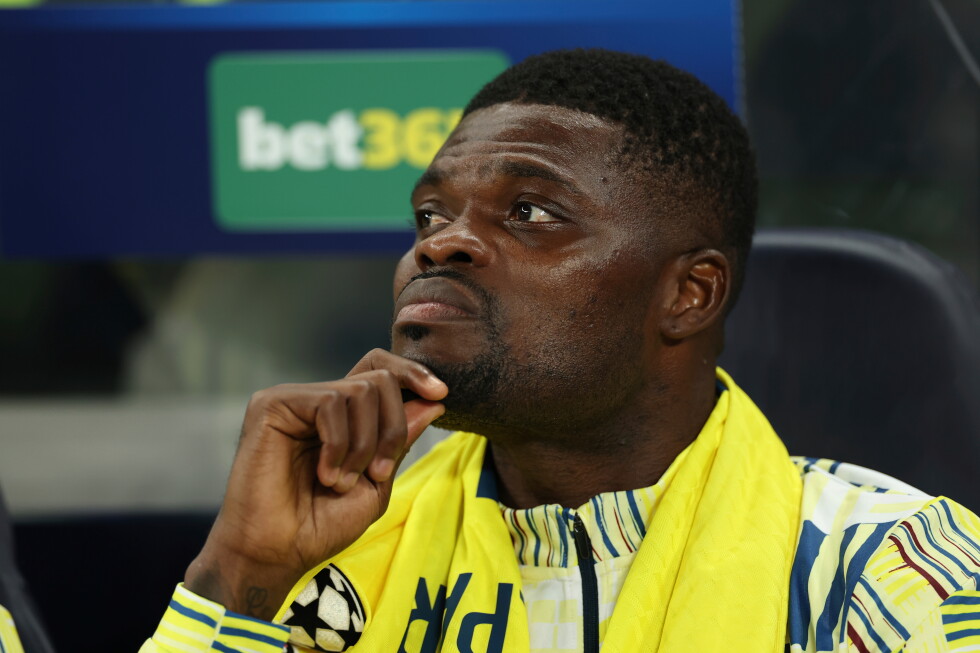
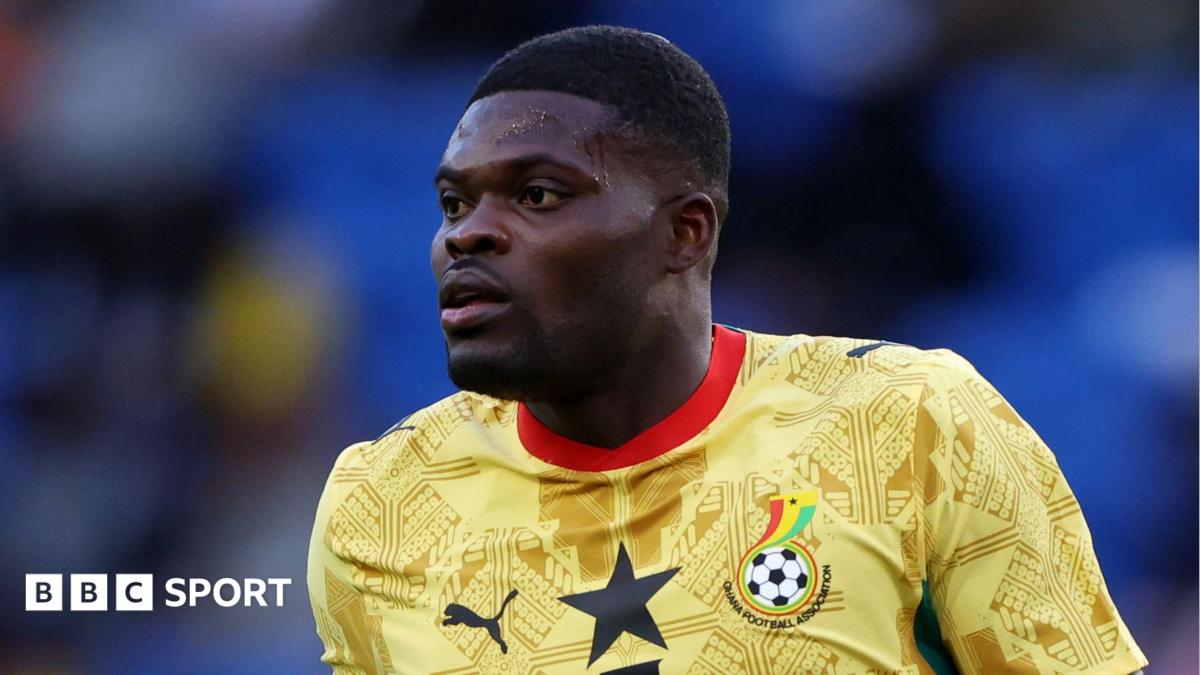
    A diplomatic and legal dispute has erupted after Canada rejected a visa application from Ghanaian star midfielder Thomas Partey for his team’s FIFA World Cup group stage match in Toronto, drawing sharp condemnation from the Accra government over what it calls an “extremely unfair” ruling that violates the core legal principle of presumption of innocence.

    The 32-year-old Arsenal loanee, currently plying his trade at Spain’s Villarreal, is scheduled to face trial on multiple rape and sexual assault charges in London later this year. All allegations date back to his tenure at Arsenal between 200 and 2025, and Partey has repeatedly maintained his not-guilty plea across all counts. He was forced to withdraw from Ghana’s pre-match camp and return to the team’s base in Rhode Island after the visa refusal left him unable to enter Canada for the World Cup opener against Panama this past Wednesday.

    In an official statement released Saturday, Ghana’s Ministry of Foreign Affairs lambasted the Canadian decision as “high-handed and extremely unfair”, noting that the refusal was based solely on unproven allegations that have not received any formal judicial ruling. “We reaffirm the fundamental legal principle of the presumption of innocence, a cornerstone of justice and due process in democratic societies,” the statement read.

    While Ghana acknowledged Canada’s sovereign authority to enforce its own immigration regulations, the government argued that basing a visa denial on unadjudicated charges raises serious questions about basic fairness and proportionality. “Accordingly, Ghana is pursuing active diplomatic engagements with the relevant Canadian authorities on this matter,” the statement added.

    The Accra administration has already submitted an official note of protest requesting a formal review of the visa decision, and confirmed it is “determined to explore and pursue all available diplomatic, legal and administrative remedies under Canadian and international law” — including filing for judicial review at the Federal Court of Canada if necessary — to secure a full, fair reassessment of the case consistent with due process principles.

    The statement added that ongoing discussions are already underway between Ghanaian and Canadian officials, and that Ghana “remains committed to constructive engagements” with Canadian counterparts to reach a timely, amicable resolution of the dispute.

    Ghana national team head coach Carlos Queiroz already stood by Partey’s inclusion in the 2026 World Cup squad, explicitly citing the principle of presumption of innocence when announcing the roster. The midfielder will still be eligible to take part in Ghana’s remaining group stage matches: he will be allowed to enter the United States for the team’s June 23 clash against England in Massachusetts, and the final group match against Croatia on June 27 in Philadelphia.

    The controversy comes as Partey faces a total of eight charges: five counts of rape connected to two separate alleged victims, one count of sexual assault involving a fourth woman, and two additional rape charges added in March stemming from an allegation by a fifth woman who claims Partey raped her twice on a single day in December 2020. The new charges were filed after the initial set of allegations were made public. Partey’s legal team confirmed in March that the midfielder would enter a not-guilty plea to all new charges.

    In closing, the Ghanaian government’s statement invoked the unifying values of international football: “May the beautiful game of football continue to live up to its reputation of uniting nations, forging lasting bonds of friendship, playing by the rules, and promoting fair play both on and off the field.”

  • At least 17 people killed by gunmen in northwestern Nigeria

    At least 17 people killed by gunmen in northwestern Nigeria

    ABUJA, Nigeria – A devastating armed assault on unarmed civilians working their agricultural lands in northwestern Nigeria has left at least 17 farmers dead and 13 others injured, according to local authorities and community witnesses. The deadly incident unfolded Friday in Goron Namaye, a small town located within Nigeria’s violence-plagued Zamfara state’s Maradun local government area.

    No armed faction has yet stepped forward to claim responsibility for the attack, but regional security observers note that organized gang violence has surged across northwestern Nigeria in recent months, targeting civilians and local communities regularly. Shehu Musa, a Maradun resident who confirmed the details of the assault to the Associated Press Saturday, described the sudden, unprovoked nature of the attack: “The farmers were working on their lands when the bandits suddenly attacked and killed 17 of them.” The injured survivors have been transported to a nearby medical facility for emergency treatment, Musa added.

    Local government leaders have linked the latest killing to the Zamfara state government’s ongoing refusal to enter into negotiations with the armed gangs that control large swathes of rural territory in the region. Sanusi Dosara, chairman of the Maradun local government, stated in an official release that the attack was a direct retaliation for the government’s refusal to negotiate. Dosara issued a formal appeal to Nigerian security forces to launch a targeted operation to dismantle the Bayan-Ruwa militant enclave hidden in Maradun’s extensive forest areas, which he identified as the primary base for the gunmen responsible for the attack.

    The Friday assault comes just one day after another high-profile incident in the same local government area, underscoring the rapid escalation of insecurity in the region. On Thursday, gunmen abducted 39 residents of Magamin Diddi community, who had gathered to meet with the family of a suspected bandit leader as part of a local grassroots peace initiative aimed at ending a wave of mass kidnappings for ransom.

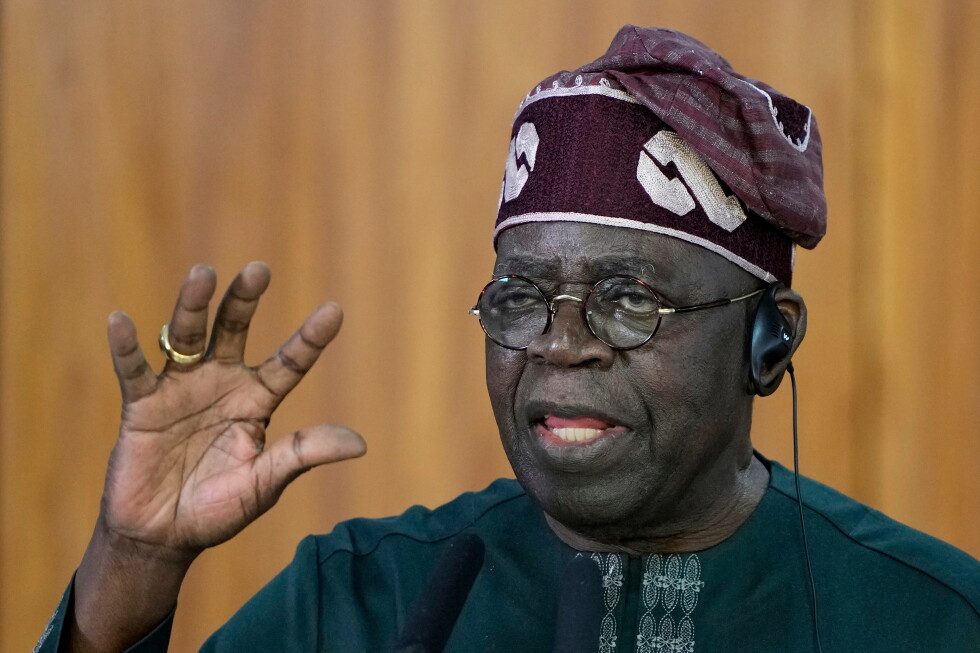
    For years, overlapping crises of insurgency in northeastern Nigeria and widespread ransom kidnappings and gang violence in the northwestern and central regions have devastated communities across the country. United Nations data estimates that these connected conflicts have killed thousands of civilians and displaced millions more from their homes. The escalating violence comes despite repeated public pledges from Nigeria’s President Bola Tinubu, who took office last year, that his administration would curb insecurity and resolve the long-running crisis.

  • Ghana government wants review of Partey Canada ban

    Ghana government wants review of Partey Canada ban

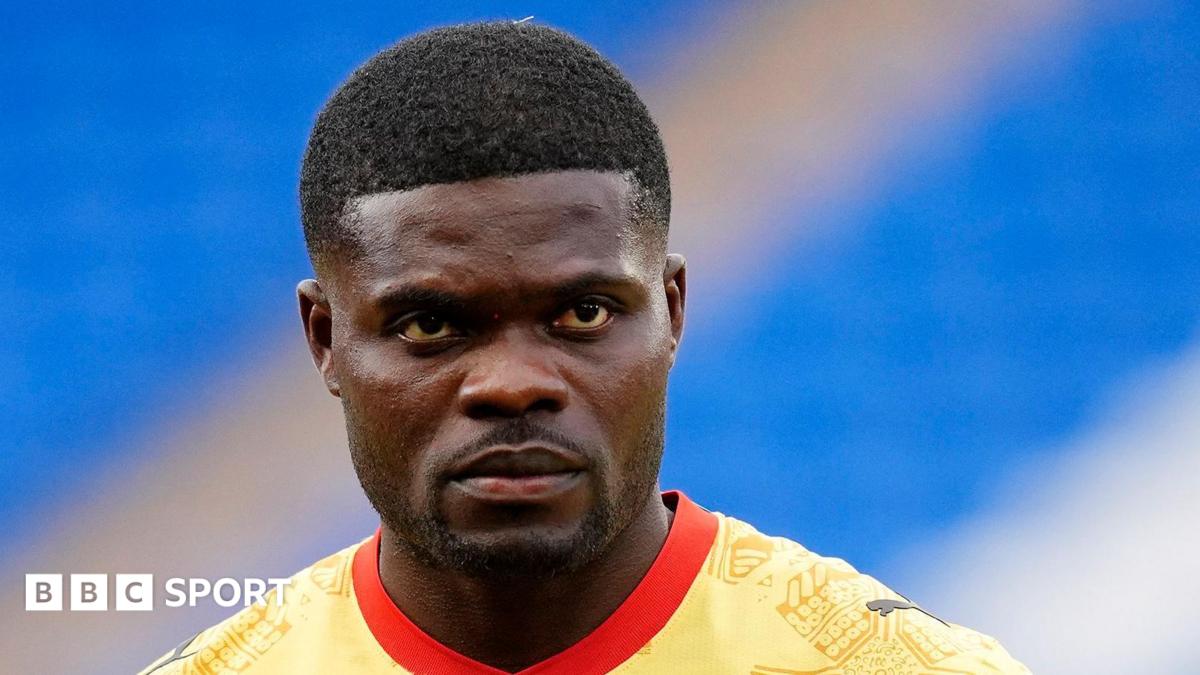
    Ahead of the 2026 FIFA World Cup group stage, a diplomatic dispute has erupted over Canada’s decision to bar Ghanaian international midfielder Thomas Partey from entering the country, a move that has already forced the 32-year-old to miss Ghana’s opening Group L clash against Panama in Toronto this Wednesday.

    Partey, who recently left Arsenal for Villarreal in August 2025 following the expiration of his contract with the Premier League side, currently faces pending criminal proceedings in the United Kingdom linked to allegations from four women. The former Arsenal anchorman has entered a plea of not guilty to seven counts of rape and one count of sexual assault, which date back to incidents alleged between 2020 and 2022. His trial is scheduled to begin in 2026, and he has not been convicted of any wrongdoing to date.

    The Ghanaian government has publicly denounced the Canadian entry ban as “high-handed and extremely unfair”, and has launched active diplomatic negotiations with Canadian authorities in a bid to overturn the controversial decision. In an official statement, the government emphasized that Canada’s ruling is rooted solely in unproven pending criminal charges that have not resulted in a conviction, reaffirming its commitment to the core legal principle of presumption of innocence, a foundational standard of global justice systems. The statement added that Ghana will exhaust all available legal and diplomatic remedies to ensure a fair and full review of all facts related to Partey’s case.

    Current Canadian immigration regulations explicitly state that foreign nationals with pending or past criminal convictions may be deemed inadmissible to enter the country. However, the situation stands in stark contrast to the United States’ treatment of Partey: U.S. Customs and Border Protection confirmed that while the agency is aware of the pending UK case, Partey was granted a U.S. visa and admitted to the country without issue. He currently remains at Ghana’s pre-tournament training camp based in Boston, Massachusetts.

    Ghana’s subsequent group stage matches against England on June 23 at Boston Stadium in Foxborough and Croatia on June 27 are both hosted in the U.S., meaning Partey will be eligible to feature in those fixtures if selected by head coach Carlos Queiroz. Queiroz previously expressed full confidence in his decision to call up Partey ahead of the tournament, dismissing any concerns over the pending case. If Ghana finishes second in Group L, they would advance to the round of 32, where a potential knockout match could be held in Canada – a outcome that would reignite the entry ban dispute if Partey is part of the squad.

    BBC Sport has reached out to the Ghana Football Association for additional comment on the situation, but has not yet received a response.

  • Indigenous knowledge holds key to Africa’s food security

    Indigenous knowledge holds key to Africa’s food security

    Across the diverse landscapes of Africa, centuries of accumulated wisdom held by indigenous and local communities could hold a critical solution to growing regional food insecurity and biodiversity conservation, according to leading environmental experts. The findings were presented during a recent virtual webinar hosted by the African Forest Forum, where specialists outlined the dual threats facing both forest ecosystems and the traditional knowledge systems that have sustained them for generations.

    Doris Mutta, senior program officer at the African Forest Forum, explained that forest and tree-based agricultural systems act as a crucial complement to conventional farming, delivering more nutritionally diverse diets for vulnerable populations across the continent. “Conventional agricultural strategies have failed to eliminate global hunger, leaving billions with unbalanced diets that lack nutritional diversity and forcing low-income communities to bear the full brunt of volatile global food prices,” Mutta noted in her address.

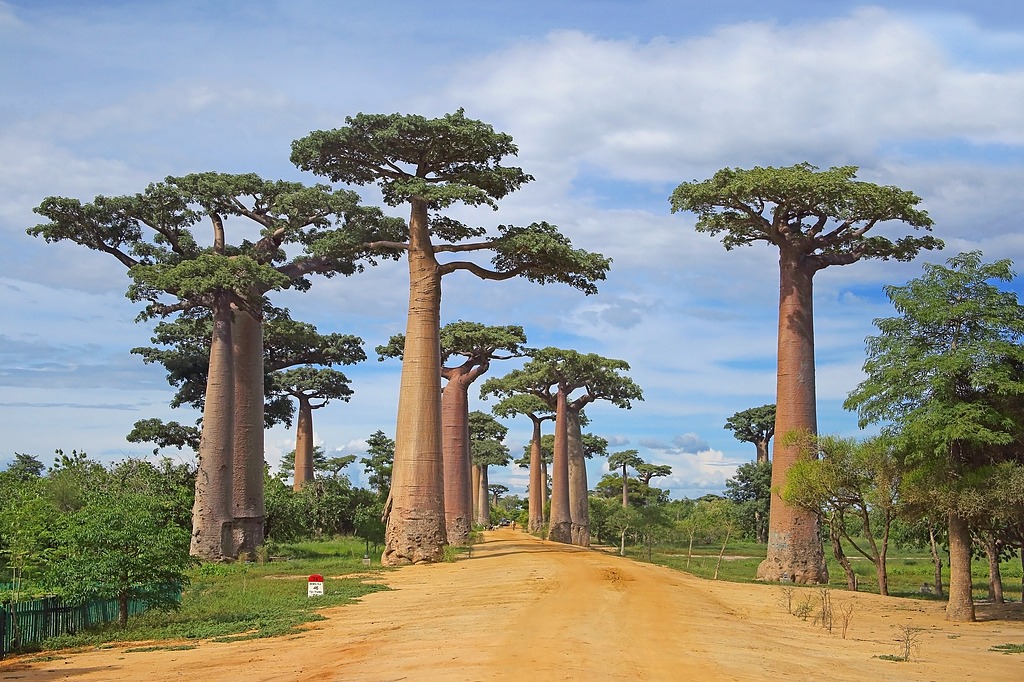
    For most rural and indigenous African communities, wild and cultivated forest products are not an alternative food source—they are a core foundation of daily nutrition and a key buffer against the growing impacts of climate change. Native species including baobab, marula, shea, and tamarind do more than fill gaps in household food supplies: they have become valuable commercial products in both local and global markets. Baobab, which is naturally high in vitamin C, is now a popular ingredient in smoothies, energy bars, and commercial dietary supplements, while marula oil is a staple in global cosmetics and pharmaceutical products. Shea butter remains one of the most widely used ingredients in global food and confectionery manufacturing.

    Mutta emphasized that indigenous knowledge offers irreplaceable insights into sustainable natural resource management and ecosystem stewardship that drive human development across multiple sectors. Over thousands of years, traditional African farmers have selectively bred crop varieties with adaptive traits that modern agriculture still relies on, including natural drought tolerance, pest resistance, and enhanced nutritional content—all of which directly strengthen long-term food security. Beyond crop development, this traditional knowledge supports sustainable land management and preserves agrobiodiversity, a critical genetic resource that feeds innovation in modern agricultural research.

    Despite these profound benefits, Mutta warned that this invaluable knowledge is eroding at an alarming rate, driven by shifting lifestyles that pull younger generations away from rural communities and accelerating environmental degradation across the continent.

    Gracias Avakoudjo, a research assistant at the University of Abomey-Calavi’s Laboratory of Applied Ecology in Benin, shared on-the-ground data from the country’s Upper Guinean Forest, a globally recognized biodiversity hotspot that is home to 31 documented tree-based food species. While market demand for these native forest foods continues to grow, Avakoudjo reported that production is declining sharply, driven by deforestation, expanding industrial agriculture, habitat destruction, and poor natural regeneration of native tree populations.

    “The loss of traditional knowledge is one of the most pressing issues we face,” Avakoudjo said. “When elder knowledge holders pass away, a wealth of irreplaceable conservation expertise passes with them.”

    In the Horn of Africa, independent consultant Berhane Kidane Mengesha reported that researchers have documented 25 native forest food species, one edible leafy vegetable, and one resin-producing species that support household food security across the drought-prone region. “Forest-derived food species provide critical sustenance for local households, directly strengthening food security across the Horn of Africa,” he explained. Mengesha added that traditional knowledge has long guided the management and conservation of biodiversity hotspots across Ethiopia, Eritrea, Somalia, and Djibouti, where pastoral and agro-pastoral communities depend entirely on forest resources for their livelihoods. Even so, the region’s forest resources face growing threats from prolonged drought, expanding human settlement, rapid population growth, illegal charcoal production, and overharvesting.

    In South Africa’s Maputaland-Pondoland-Albany biodiversity hotspot, Eco-logic Consulting consultant Derek Berliner has documented 115 edible forest species, at least 35 of which are also used as traditional medicinal plants. Berliner warned that illegal logging, poaching, and unsustainable harvesting of medicinal plants are degrading forest ecosystems and undermining decades of conservation work. He highlighted the critical role of indigenous cultural institutions—including sacred forest protection, traditional harvesting taboos, and community leadership structures—in long-term biodiversity conservation across the region.

  • Kids’ nonprofit in Seattle returns 20 free World Cup tickets over barring of Somali referee

    Kids’ nonprofit in Seattle returns 20 free World Cup tickets over barring of Somali referee

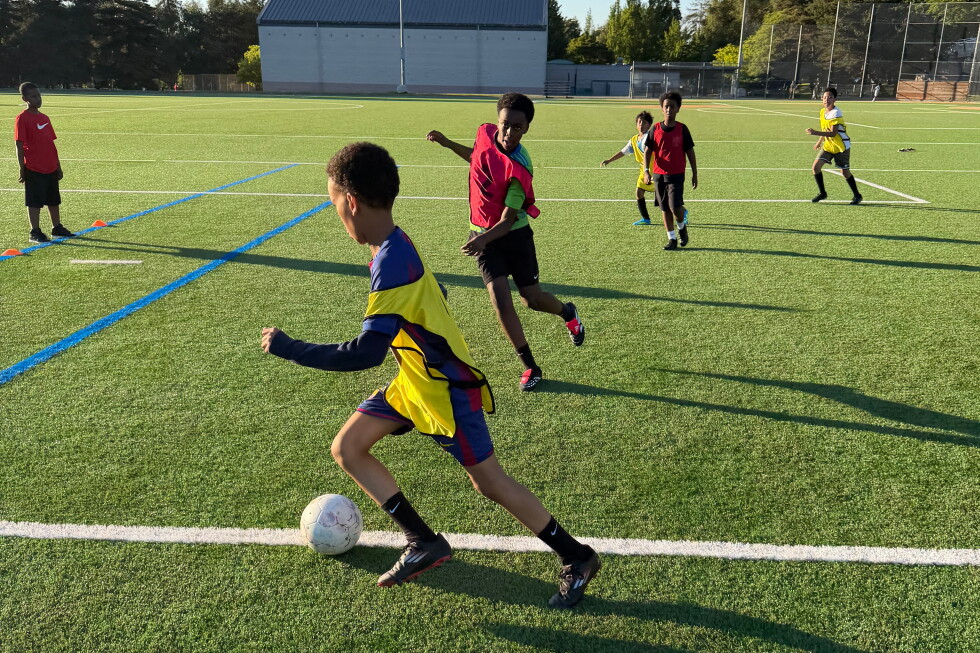
    SEATTLE – For Ali Abdulla, the news that his youth soccer nonprofit would secure 20 complimentary tickets to a 2026 FIFA World Cup round of 16 match in Seattle felt like a once-in-a-lifetime gift. Most of the young athletes in his African Youth Sports Academy (AYSA) come from low-income immigrant households, with average tickets for the high-stakes match fetching close to $1,000 apiece – a price far out of reach for nearly all of the families the organization serves. Abdulla, a former semi-professional soccer player and Somali refugee, called the windfall the best news he had received in years.

    The tickets were part of a 1,400-ticket community access program run by Seattle Mayor Katie Wilson’s office and the local FIFA World Cup organizing committee. Abdulla had even helped promote the initiative, appearing in a social media campaign alongside a group of his academy’s young players, and the organization had already planned an intra-academy tournament to select 13 to 16-year-old players and their parent chaperones to attend the match. Everything seemed to be falling into place for a historic experience the kids would never forget.

    That changed abruptly when the U.S. government barred Omar Artan from entering the country. Artan, who had already traveled to Miami for the tournament, was set to become the first Somali referee in history to officiate a FIFA World Cup match – a landmark milestone not just for Somalia, but for Somali communities across the globe. After the entry ban, FIFA removed Artan from its roster of tournament officials.

    The news hit Seattle’s Somali community hard. Abdulla, who had been tapped to serve as a volunteer FIFA fan ambassador for the tournament, initially planned to resign from his ambassador role in solidarity. But when he shared his idea with AYSA’s parents and volunteer coaches, they proposed a bolder, more meaningful act of protest: give up the World Cup tickets entirely.

    “They all sent a message saying, ‘We feel heartbroken, we feel betrayed,’” Abdulla told The Associated Press in an interview on June 12. “We don’t feel right to go celebrate while the only person in the history of our country (selected to referee the World Cup) is feeling pain and disappointed.”

    Abdulla said he was deeply moved by the collective call to stand with Artan. “I felt so emotional when the parents said that, because to return a one-time opportunity for solidarity with our boy — that made me very proud to lead this organization,” he added. Even the young athletes who were in line to attend the match understood the importance of the decision. “The kids are very sad, man, very heartbroken,” Abdulla said. “We have to teach them to stand up for the right thing.”

    City officials confirmed the tickets have been reallocated to another local community organization, declining further comment on AYSA’s decision. Hana Tadesse, a spokesperson for the local World Cup organizing committee, said the tickets were transferred to the Somali Health Board, another Seattle group that runs youth soccer programming. The Somali Health Board did not respond to requests for comment on Friday. The Seattle Times was first to report AYSA’s decision.

    Abdulla, who works full-time as a transit security officer for Seattle’s light rail system and retired from semi-pro play with the Seattle Somali Stars in 2017, has stepped away from all of his World Cup-related volunteer roles. He says he will not even watch the tournament matches on television, and is instead turning his focus to another major community sporting event: the 28th annual Somali Week tournament, which he organizes after years of playing and coaching in the event. This August, Somali Week will bring teams from Canada, the United Kingdom, Minneapolis and other North American and European cities to Kent, a suburb of Seattle.

    For Abdulla, the annual tournament embodies the unifying power of soccer that FIFA’s World Cup has failed to deliver for his community this year. The event draws hundreds of players of African heritage and beyond, he said, standing as a testament to what soccer can be when it lifts up marginalized communities rather than leaving them behind.

  • Partey denied entry to Canada for Ghana’s World Cup opener

    Partey denied entry to Canada for Ghana’s World Cup opener

    As the 2026 FIFA World Cup co-hosted by the United States, Mexico and Canada gets underway, a high-profile eligibility dispute has emerged: Ghanaian star midfielder Thomas Partey has been barred from entering Canada, forcing him to miss the Black Stars’ opening group stage match against Panama in Toronto.

    The 32-year-old Villarreal playmaker, who previously featured for English Premier League side Arsenal, was selected by Ghana for his second consecutive World Cup appearance. Partey currently faces seven counts of rape and one count of sexual assault filed by four separate complainants over allegations that date back to the period between 2020 and 2022. He has formally pleaded not guilty to all charges, and his trial is scheduled to begin next year; he has not been convicted of any offense as of the tournament’s opening.

    In an official statement confirming the development, global football governing body FIFA explained that Partey, who was with Ghana’s squad at their pre-tournament training base in Boston, had his visa application rejected by Canadian immigration authorities. “FIFA is not involved in the immigration processes of host countries, including the adjudication of visas,” the statement read. “The host government ultimately determines who receives a visa and is admitted into the country.”

    Under Canadian immigration regulations, individuals who have been charged with or convicted of criminal offenses may be deemed inadmissible to enter the country. Even though Partey has not been found guilty of any crime and is awaiting trial, the policy still led to his entry being blocked.

    Ghana head coach Carlos Queiroz, who selected Partey to the 2026 squad despite the pending legal issues, has stood firmly by his decision ahead of the tournament. “If the player is here with me, my answer is clear,” Queiroz said. “I don’t have any comments about my own decisions. He is here so what are we talking about? This is not for me or you to make a judgement about. Let the events run their normal course; let the river flow and one day when the river meets the ocean we are going to find the truth.”

    While Partey will sit out Ghana’s opening clash, he remains eligible to feature in the team’s two remaining Group L matches, which will both be held on U.S. soil. Ghana is scheduled to face England at Boston Stadium in Foxborough on June 23, before taking on Croatia in Philadelphia four days later.

    This is not the first instance of immigration issues affecting teams and officials ahead of the 2026 co-hosted World Cup. Iraqi striker Aymen Hussein was detained for multiple hours of questioning at Chicago O’Hare International Airport before being granted entry to the U.S. Iran’s national team was forced to relocate their pre-tournament training base from the U.S. to Mexico, after multiple members of the Iranian delegation had their visa applications rejected, and hundreds of Iranian fans had their match tickets revoked. Separately, Somali referee Omar Artan was denied entry to the United States, with a source from the former Trump administration citing his alleged “association with suspected members of terror organisations” as the reason for the ban.