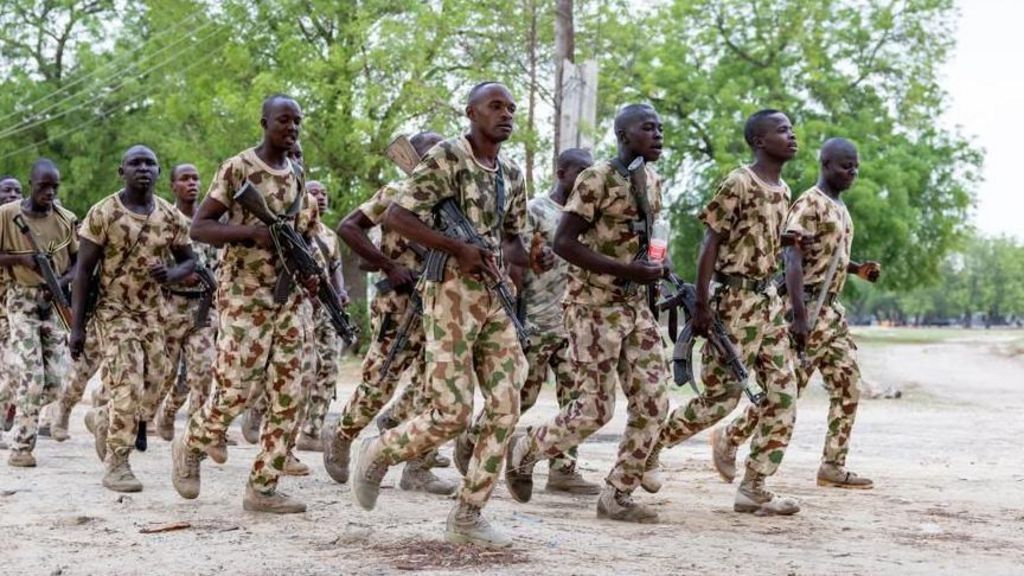
Nigeria’s President Bola Tinubu has greenlit a sweeping second round of military salary increases in just one month, granting hikes of up to 80% for the lowest-ranking troops as the government ramps up efforts to combat a sprawling multi-front security crisis that has gripped the nation for years.
The new adjustment, which will go into effect starting September, marks a dramatic jump from an already significant pay raise implemented just last month. Back in July, Nigeria’s defense ministry lifted the monthly wage of privates—the military’s lowest rank—from $36 to $73. Following Tinubu’s latest intervention, these junior troops will now earn $132 per month. The tiered pay structure allocates the largest increases to the most junior personnel: troops from the rank of private up to staff sergeant receive the maximum 80% hike, warrant officers through colonels get a 50% raise, and senior officers from brigadier general to general will see a 30% increase in their salaries. Overall, the adjustment will push Nigeria’s annual military wage bill from $484 million to $678 million.
Tinubu framed the pay increase as a tangible demonstration of the administration’s deep gratitude for service members who confront the country’s persistent and evolving security threats. Nigerian troops are currently engaged against a complex array of armed adversaries across multiple regions: Boko Haram and the Islamic State West Africa Province (ISWAP) carry out regular insurgent attacks in the country’s northeast, while criminal gangs locally known as bandits operate kidnap-for-ransom schemes and looting campaigns across the northwest and north-central regions. Additional security challenges include separatist unrest in the southeast and recurrent deadly intercommunal clashes over land and water resources between farming and herding communities.
In an official statement announcing the pay adjustments, Tinubu praised the courage and sacrifices of military personnel combating what he called “the scourge of banditry, kidnapping and terrorism.” “The men and women who help to keep us safe in our homes must be supported and appreciated in the course of their duties to our nation,” he said, urging troops to view the pay hike as a clear signal of the government’s commitment to their wellbeing. “Together we shall prevail over the enemies intent on destroying the fabric of our nation,” he added.
The pay increase is the latest in a series of security-focused reforms rolled out by the Tinubu administration over the past month. Just weeks ago, the president ordered the recruitment of 28,000 additional troops and the creation of four new army divisions, bringing the total number of army divisions across the country to 12. The restructuring is designed to improve operational coordination, intelligence sharing, and response times to security incidents across Nigeria’s diverse regions. Tinubu has also committed to continuing broader military modernization efforts, equipping the armed forces with updated weapons and technology to counter emerging threats.
While the pay hike has been broadly welcomed as a long-overdue step, security analysts have raised questions about its long-term sustainability and what it leaves unaddressed. Retired major general and military expert Bashir Galma told the BBC that the adjustment aligns with what defense stakeholders have been demanding for years. However, he noted concern that future Nigerian administrations may struggle to maintain the increased wage commitments given the $194 million annual jump in military salary spending. Galma also argued that other Nigerian security agencies deserve similar pay reviews, emphasizing that national security is a collective responsibility that relies on more than just the military. Beyond pay, he added that critical gaps remain in troop welfare and equipment, including insufficient uniforms, footwear, and most importantly, modern firearms to counter heavily armed armed groups. For their part, currently serving troops have declined to comment publicly on the adjustment, saying they will wait to see the new wages reflected in their bank accounts before forming an opinion.
Persistent nationwide insecurity has emerged as one of the most pressing political issues for the Tinubu administration, as Nigeria approaches general elections scheduled for 2027. Successive Nigerian governments have struggled to contain widespread violence across the country’s regions despite years of increased military deployment and security spending.