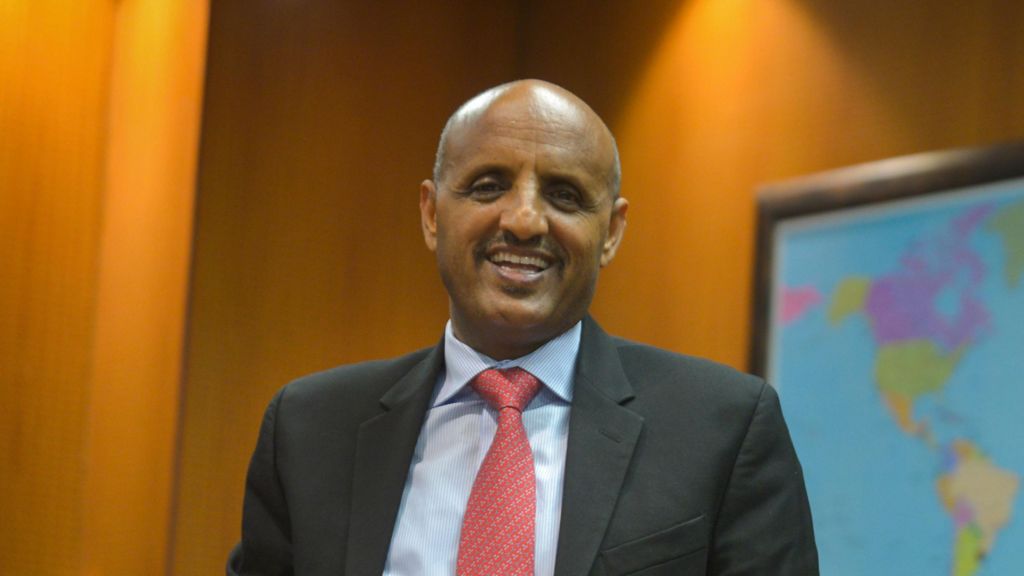
India’s flagship carrier Air India has named former long-serving Ethiopian Airlines chief executive Tewolde Gebremariam as its new top leader, tasking the industry veteran with turning around a carrier still mired in operational and financial headwinds three years after its privatization by the Tata Group.
Gebremariam will step into the role vacated by Campbell Wilson, who announced his planned departure in 2024 and formally stepped down in April this year. Wilson, a former Singapore Airlines executive brought on board shortly after Tata acquired Air India from the Indian government in 2022, had spent the past years leading initial stabilization, organizational integration, and fleet planning, laying groundwork for the carrier’s next era.
Over his 10-plus year tenure leading Ethiopian Airlines, Gebremariam transformed a small regional carrier into one of Africa’s largest and most commercially successful aviation operators. He oversaw a near threefold expansion of the airline’s fleet and cemented its position as the continent’s most profitable airline. He also earned industry acclaim for steering the carrier through two unprecedented crises: the 2019 Boeing 737 MAX crash that killed 157 people, and the global COVID-19 pandemic, where he pivoted quickly to expand cargo operations to offset plummeting passenger revenues, keeping the airline profitable through the crisis.
Air India’s board of directors announced that Gebremariam was unanimously selected following a months-long global search process. Air India Chairman N Chandrasekaran noted that the carrier has completed the early phase of post-privatization restructuring under Wilson’s leadership, and is now entering a critical period of execution and expansion that requires Gebremariam’s proven leadership and deep operational expertise.
In his first public remarks following the appointment, Gebremariam said he is eager to help build a “world-class global airline” that fully reflects India’s rapidly growing economic potential on the global stage.
Despite the vote of confidence in the new CEO, the challenges waiting for him at Air India are significant. The carrier currently operates a fleet of 198 aircraft running nearly 5,000 weekly flights to 91 domestic and international destinations, but it has struggled to deliver consistent performance since returning to private ownership. Just last month, Air India reported a record annual net loss of nearly $2.3 billion (£1.7 billion), and Chairman Chandrasekaran has publicly cautioned that a full turnaround could take as long as a decade. The airline has already cut roughly one-third of its international routes in a bid to stem red ink.
The carrier’s most serious setback to date came in June last year, when an Air India flight from Ahmedabad to London crashed, killing all 260 people on board. The official final accident report is scheduled for publication in October, and the disaster has cast a long shadow over the airline’s growth ambitions. Beyond the crash, Air India has faced a string of high-profile operational disruptions: in March, a Delhi-to-Vancouver flight was forced to turn back after eight hours of flight after it was denied entry to Canadian airspace due to administrative errors.
These internal challenges are compounded by broader pressures facing India’s entire aviation sector: global jet fuel costs remain elevated, international routes have been disrupted by ongoing geopolitical conflict around Iran, global aircraft manufacturers continue to face delivery delays that hold up fleet expansion plans, and national regulators have ramped up safety scrutiny following a series of high-profile incidents.
Many aviation industry analysts remain optimistic that Gebremariam is the right leader to tackle these issues. Sanjay Lazar, CEO of aviation advisory firm Avialaz Consultants, told the BBC that Gebremariam has a proven track record of steady leadership during crisis, particularly his hands-on support for employees during the 2019 crash and the COVID-19 pandemic, which earned him deep loyalty across Ethiopian Airlines. Experts outline his immediate priorities as rebuilding Air India’s internal workplace culture, boosting low employee morale, accelerating delayed fleet expansion and cabin refurbishment projects, and restructuring the route network to cut ongoing losses.
Air India has not yet announced an official start date for Gebremariam’s tenure, saying additional details will be released to the public at a later time.