标签: Africa

非洲

  • Clashes erupt in Congo’s capital as opposition rejects changes to presidential term limits

    Clashes erupt in Congo’s capital as opposition rejects changes to presidential term limits

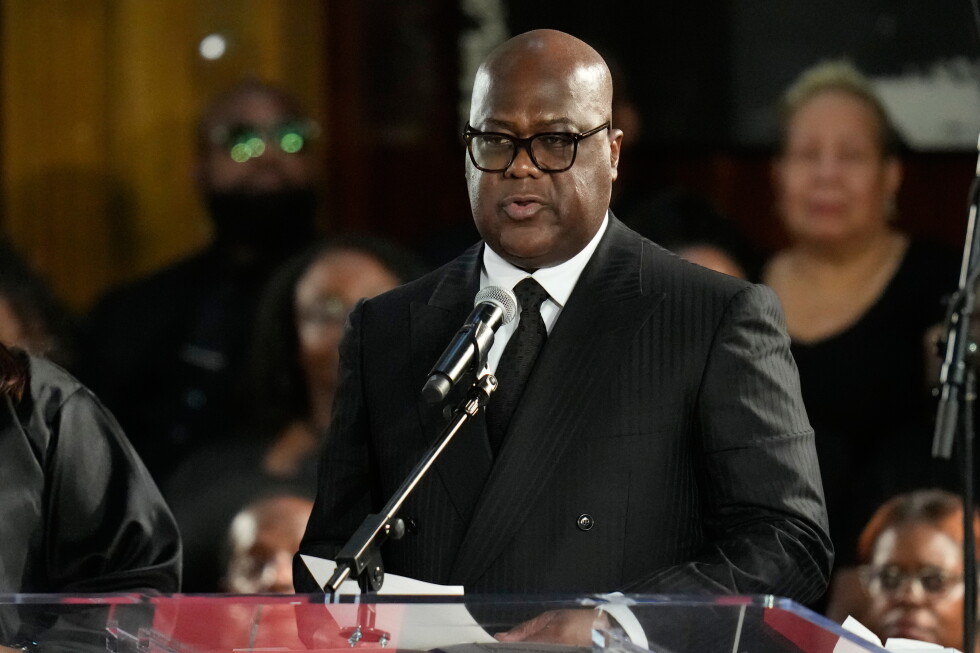
    On Friday, the capital of the Democratic Republic of the Congo, Kinshasa, became the site of bloody street clashes as thousands of opposition demonstrators gathered to protest a controversial constitutional overhaul that opponents warn would allow sitting President Félix Tshisekedi to run for a third term in office. The protest was organized by the newly unified opposition coalition C64, also called Coalition Article 64, which brought together Congo’s once-fractured main opposition parties back in May specifically to block the proposed changes.

    The confrontation broke out outside the country’s Parliament building, where anti-reform protesters came face-to-face with supporters of the ruling administration. As violence escalated between the two groups, security forces moved in to disperse the crowd using tear gas. Among those wounded in the chaos was Martin Fayulu, a leading opposition figure and the runner-up in the 2018 presidential election. Footage posted to Fayulu’s official Facebook page showed the opposition leader with visible blood on his face and shirt collar, assisted away from the violence by his supporters.

    Tshisekedi, 62, first took office in 2019 and is currently serving his second five-year presidential term, which is scheduled to conclude in 2028. Under current Congolese law, the constitution explicitly prohibits any revision of presidential term limits, which currently cap a president’s tenure at two terms. However, a draft bill now under debate in the National Assembly, Congo’s lower legislative chamber, would create a legal loophole: it would permit changes to term limit provisions if a “major dysfunction” is declared to have paralyzed state institutions, a change that would ultimately be put to voters in a public referendum. Tshisekedi has publicly stated he would only pursue a third term if the change is approved by Congolese voters.

    Beyond the political crisis sparked by the proposed reforms, Congo is already grappling with multiple overlapping national crises. An ongoing Ebola outbreak has strained the country’s under-resourced public health system, while in eastern Congo, a decades-long internal conflict has intensified in recent years. The Rwandan-backed M23 rebel group is one of more than 100 armed factions fighting for territorial control in the region, displacing hundreds of thousands of civilians and fueling a major humanitarian emergency.

    Opposition leaders warn that the push to rewrite term limits represents a direct threat to Congo’s fragile democratic institutions and overall national stability. The C64 coalition has framed the proposed changes as a deliberate power grab by Tshisekedi to hold onto the presidency beyond his constitutionally mandated time in office, turning a planned peaceful protest into a violent confrontation that has escalated the country’s political tensions.
  • Mother finds body of missing son two days after Kenya’s Ebola quarantine centre protests

    Mother finds body of missing son two days after Kenya’s Ebola quarantine centre protests

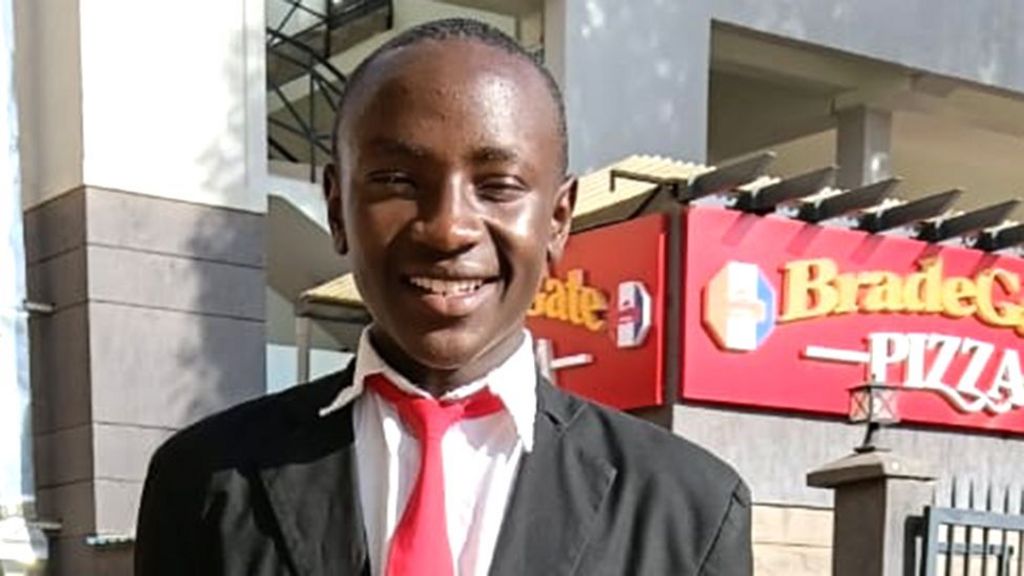
    In the central Kenyan town of Nanyuki, a grieving single mother is calling for accountability after her 17-year-old son became the third fatality in violent clashes between police and demonstrators protesting a planned U.S.-backed Ebola quarantine facility.

    Lucy Kagure, who earns just $2.30 a day doing casual labor to raise her son Sylvester Muigai Ndung’u, has described the devastating aftermath of her child’s death. The teenager left his home on a routine Tuesday errand — picking up a new school uniform from his aunt — when he unknowingly walked into the middle of erupting unrest. Two days after he went missing, Kagure found his bloodied body listed as an unknown male in a local mortuary, where half his head had been severely damaged.

    “I have struggled to raise that boy from nursery school to form three, and then they just killed him,” Kagure told the BBC through tears. She has openly accused Kenyan police of using excessive force to break up the demonstration, asking, “Are they not parents too?”

    Witnesses on the scene claim Muigai was shot in the head during the chaos, while family members say police have suggested the injury came from a tear gas canister rather than a live bullet. Local police commander Daniel Kitavi told reporters that authorities are still awaiting post-mortem results to confirm the official cause of death, declining to comment further ahead of the autopsy.

    Those close to Muigai remember the teen as a quiet, well-behaved young man who regularly helped his family at home and harbored dreams of one day becoming a priest. His death has cast a harsh light on the growing tensions over the proposed 50-bed Ebola isolation facility, which is set to be built at Kenya’s Laikipia Air Base to treat U.S. citizens affected by the ongoing Ebola outbreak in the Democratic Republic of Congo.

    The project has sparked widespread public anger across Kenya, with residents and activists raising alarms over potential cross-border infection risks and criticizing the Kenyan government for a lack of transparency around the facility’s development. Last month, Kenya’s High Court ordered a halt to all construction work after a human rights group filed a lawsuit arguing the center posed “grave and imminent risks” to public health. However, satellite imagery obtained by the BBC confirms construction work has continued at the air base in defiance of the court order.

    U.S. officials acknowledged the ongoing legal challenge last week, saying they remained “optimistic we can resolve objections” to the facility. Kenyan President William Ruto has publicly defended the project, noting the U.S. requested the center and arguing that turning down the proposal would be “inhuman.” He has urged Kenyans not to politicize the Ebola response and called on politicians to avoid what he described as “reckless” rhetoric around the issue.

    The Tuesday protest that led to Muigai’s death was originally organized as a peaceful march to deliver a petition calling for the facility to be relocated out of the area. But the demonstration turned violent after police blocked demonstrators’ access to the construction site. Police deployed tear gas and water cannon to disperse crowds, while protesters responded by erecting roadblocks and setting bonfires across Nanyuki.

    The Kenya Human Rights Commission, an independent non-governmental organization, has accused police of widespread excessive force during the unrest, including the use of live ammunition and arbitrary mass arrests. As of this report, Kenyan authorities have not issued any public response to these allegations.

    For Kagure and her family, the immediate priority is not the larger political debate over the quarantine center — it is justice for a young life cut tragically short. “I want justice for my boy,” she said.

  • Iran war is straining African airlines, industry body warns

    Iran war is straining African airlines, industry body warns

    NAIROBI, KENYA – The ongoing conflict in Iran has triggered a sharp upward swing in global jet fuel prices, amplifying existing supply chain pressures across African aviation and pushing regional carriers to re-evaluate their route networks. The crisis has laid bare a dangerous overreliance on imported refined jet fuel that leaves the continent’s airlines exposed to sudden global market shocks, according to the African Airlines Association (AFRAA).

    Long before the outbreak of the Iran war, African carriers already faced a steep cost disadvantage: AFRAA data shows they paid roughly 17% more for jet fuel than the global average. This new wave of price hikes has squeezed already razor-thin profit margins across the entire sector, putting significant strain on carrier balance sheets.

    “The impact is dire, a major shock for all our members,” AFRAA Secretary-General Abderahmane Berthe told the Associated Press in an interview. “Fuel makes up between 30% and 40% of an airline’s total operating costs. Any price increase hits their bottom line immediately.”

    The entire global aviation industry has turned its attention to the Strait of Hormuz, the critical global energy chokepoint that carried roughly one-fifth of the world’s total oil and refined fuel shipments before Iran effectively closed the waterway to commercial shipping when the war began in February. For African airlines, the fallout from this closure is far more severe than for carriers in other regions, due to longstanding structural weaknesses: higher baseline procurement costs and far smaller financial buffers to absorb unexpected market shocks.

    Berthe explained that while some airlines have introduced limited fuel surcharges to offset costs, most cannot pass the full brunt of price increases on to passengers for fear of crashing travel demand. Instead, they are forced to absorb the extra costs directly, eating into already limited profits.

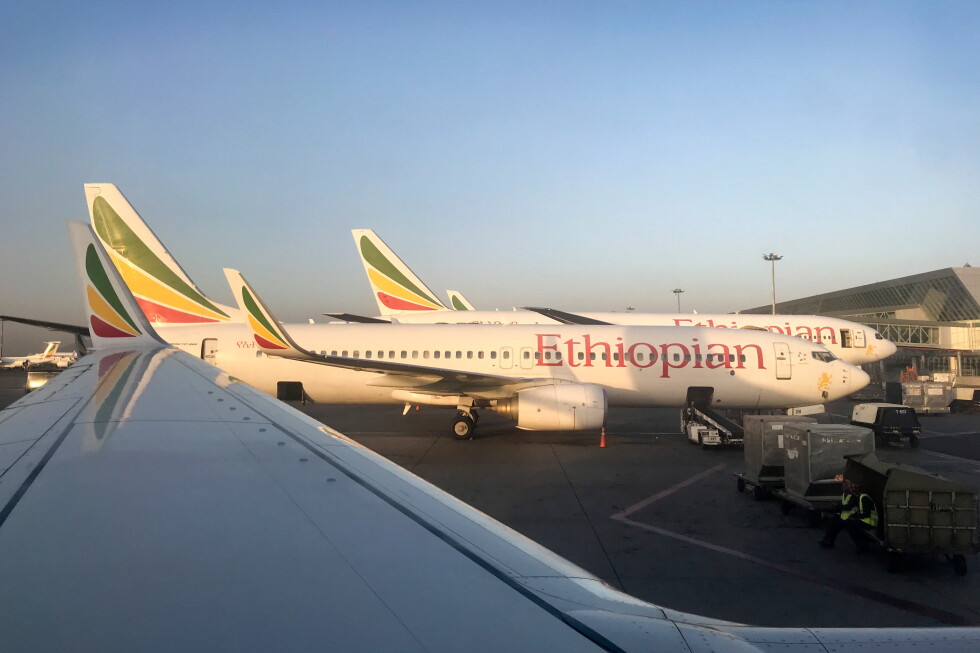
    Supply disruptions have also sparked urgent concern at key African aviation hubs, including Nairobi in Kenya and Addis Ababa in Ethiopia, where consistent, reliable jet fuel access is non-negotiable for both regional and long-haul international operations. To adapt, a number of carriers have already begun restructuring their route networks: cutting flight frequencies, pausing service on low-demand routes, and reworking their entire schedules to mitigate rising costs and fuel supply uncertainty.

    The ongoing crisis has reignited longstanding calls for African nations to invest in expanding domestic petroleum refining capacity, to cut the continent’s heavy dependence on imported refined jet fuel. “We need African solutions to African problems,” Berthe emphasized. “Many African countries are major crude oil producers, yet we still rely entirely on non-African suppliers for the refined jet fuel our aviation sector needs to operate.”

    Attention is increasingly shifting to large-scale regional projects already in operation that could ease this dependency, most notably Nigeria’s giant Dangote Refinery. The facility is projected to become a major supplier of refined fuel across the continent, including to key aviation hubs in Kenya, Ethiopia, and South Africa. Already, major hubs like Addis Ababa have begun sourcing fuel from Dangote to stabilize supplies, a shift that Berthe says is already helping ease pressure on regional fuel supply chains amid the current crisis.

    Even amid these mounting pressures, demand for air travel across Africa remains robust. AFRAA projects annual passenger growth of roughly 6% for African carriers in coming years, a growth rate that outpaces many mature global aviation markets. Still, Berthe warned that prolonged market shocks from the Iran war could cause lasting damage to both airline profitability and cross-continental connectivity.

    “If this crisis drags on, the impact on African airlines will be very severe,” he said. “If Africa wants a truly resilient, sustainable aviation sector, it must secure its own fuel future.”

  • Migrant rights will be safeguarded at third-country return hubs, EU migration commissioner says

    Migrant rights will be safeguarded at third-country return hubs, EU migration commissioner says

    Amid ongoing implementation of the European Union’s landmark new migration and asylum pact, the bloc’s top migration official has reaffirmed that non-negotiable international human rights standards will govern any proposed asylum return hubs planned in non-EU countries, pushing back against widespread criticism from rights advocacy groups.

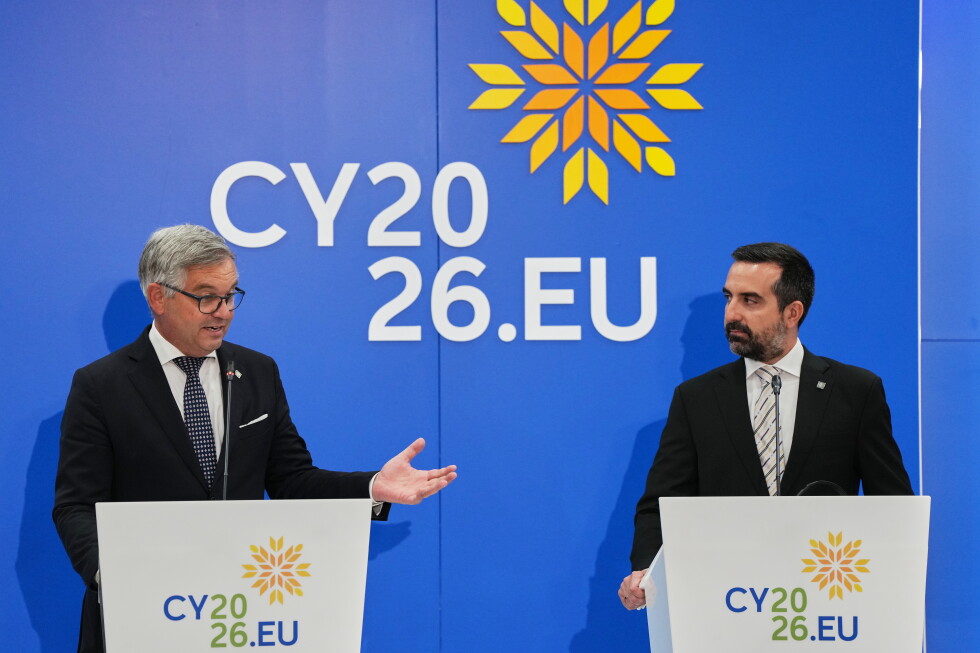
    Speaking at a press conference hosted during a gathering of EU migration ministers in Nicosia, Cyprus on Friday, EU Migration Commissioner Magnus Brunner emphasized that every agreement establishing these processing centers for rejected asylum seekers will undergo independent review to guarantee full compliance with legal protections. Brunner confirmed that both the International Organization for Migration and the United Nations Refugee Agency will participate in the vetting process to audit the terms of any finalized deal, stressing that “Human rights standards and international law is non-negotiable.”

    The return hub framework, a central provision of the EU’s updated migration policy, has drawn significant skepticism from human rights organizations, which have raised urgent alarms that the facilities could devolve into overcrowded long-term detention centers, leaving failed asylum seekers trapped in prolonged legal limbo with no clear path forward. Critics have also warned that the pact’s streamlined assessment processes could cut off access to protection for legitimate asylum claimants.

    On the same day, Greece’s migration ministry confirmed that a coalition of five EU member states — Greece, Germany, Austria, Denmark, and the Netherlands — are currently in active negotiations with several African nations to host the hubs on their territory. Under the coalition’s current timeline, agreements with the unnamed third countries are expected to be finalized this year, with the facilities scheduled to become operational by 2027. When pressed to name the countries under consideration, Brunner deferred to the negotiating member states, noting that “We created the rules, we create the basis, but it’s up to the member state to negotiate agreements if they want to.”

    Cyprus, which currently holds the bloc’s rotating six-month presidency, will join the return hub negotiations once its term ends on July 1, according to Cypriot Deputy Minister for Migration Nicholas Ioannides. Ioannides pushed back against rights groups’ criticism of the new pact, arguing that the framework’s core goal is to prepare the bloc for future large-scale migration flows, similar to the 2015 refugee crisis that caught EU institutions off guard. “These groups disagree with the gist of this project, with the whole architecture,” Ioannides said, adding that implementing clear new rules is the EU’s top priority to avoid repeating past unpreparedness.

    Brunner defended the new migration pact, arguing that it delivers more effective, streamlined rules that target criminal people smuggling networks and irregular migration routes, while concentrating protection resources on claimants with legitimate humanitarian needs. He pointed to early data showing the bloc’s migration reforms are already delivering results: irregular arrivals along the Western Balkan route have plummeted 90% over the past three years, and crossings from Turkey to Greece’s Aegean islands dropped 67% in the first four months of this year compared to previous periods.

    In a separate development announced Friday, Cyprus has finalized a bilateral agreement with Lithuania to relocate migrants already granted international protection to the Baltic EU member state, a small but significant step to share migration responsibility across the bloc.

  • ‘Surrender or face full force’ of state, Nigerian president warns armed groups

    ‘Surrender or face full force’ of state, Nigerian president warns armed groups

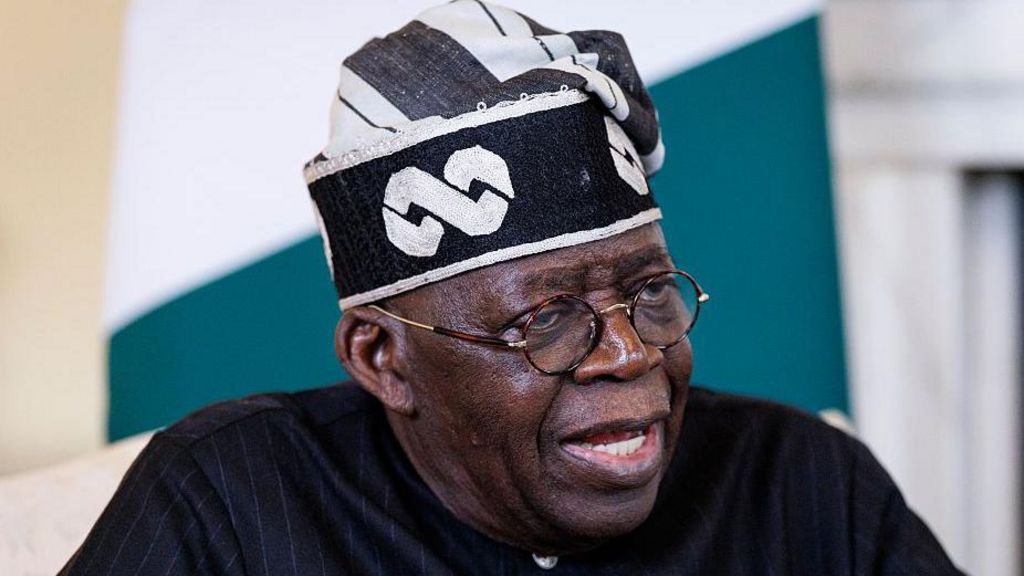
    On Nigeria’s annual Democracy Day, a national holiday commemorating the 1999 transition back to civilian rule after decades of military dictatorship, President Bola Ahmed Tinubu delivered a stern national address that paired a tough ultimatum to domestic armed groups with major new announcements to boost the country’s struggling security apparatus.

    Tinubu opened his remarks by acknowledging that this year’s celebrations were overshadowed by a fresh wave of mass school abductions that have reignited public anxiety across the country. The West African nation has grappled with persistent insecurity for decades, with insurgent attacks, village raids, and ransom-fueled mass kidnappings concentrated largely in northern and central states – a crisis that has grown more acute in recent months. The president specifically referenced recent abductions of schoolchildren in Oyo and Borno states, noting that security forces remain optimistic about securing the safe release of all captives.

    “Democracy without security is not solid enough,” Tinubu told the nation, as he outlined a sweeping package of security investments. His administration is rolling out a recruitment drive for more than 50,000 new police officers, has approved thousands of additional military personnel, and has earmarked a record 5.41 trillion naira (equivalent to roughly $4 billion) for defense and security in the 2026 national budget.

    Defending his administration’s performance since he took office in May 2023, Tinubu claimed that Nigerian military forces have killed 13,000 people classified as terrorists over the past 12 months. He added that civilian fatalities linked to insurgent activity have dropped 81% compared to 2015 levels, and that more than 124,000 armed fighters and their family members have surrendered and disarmed under the government’s Operation Safe Corridor, a national reintegration program for former insurgents.

    These claims have been challenged by independent security analysts, who note that violent attacks continue to disrupt communities across multiple Nigerian states, and that insurgent activity is now spreading into previously stable southern regions of the country. The rising insecurity has coincided with a prolonged economic crisis that has left millions of ordinary Nigerians struggling to afford basic goods. Civil society organizations and labor unions have organized peaceful mass protests across major state capitals, calling for urgent government action to address both widespread insecurity and skyrocketing costs for food and transportation, driven by persistent high inflation. The groups have repeatedly raised alarms about the heavy toll of rising prices on low- and middle-income households.

    Tinubu defended the controversial economic reforms his administration has implemented since taking office, including the elimination of a long-standing national fuel subsidy and the deregulation of Nigeria’s foreign exchange market. He argued that these unpopular measures were necessary to stabilize the country’s public finances and rebuild confidence among international and domestic investors, steps he says will lay the groundwork for long-term economic growth.

    Beyond security and economic policy, the president used the 27th anniversary of civilian rule to pay tribute to the activists and national heroes who led the country’s pro-democracy movement. He gave special recognition to figures linked to the annulled June 1993 presidential election, widely believed to have been won by the late Moshood Kashimawo Olawale Abiola, whose victory was overturned by the military junta in power at the time, a turning point in Nigeria’s struggle for democratic governance.

  • ‘Nightmare from start to finish’ for South Africa in opener

    ‘Nightmare from start to finish’ for South Africa in opener

    The 2026 FIFA World Cup’s Group A opening match delivered far more than a three points for co-hosts Mexico, who wrapped up a comfortable 2-0 victory over South Africa at Mexico City’s iconic Estadio Azteca in a game marred by two red cards for Bafana Bafana, tactical criticism, and rising continental tension over South Africa’s recent anti-migrant violence.

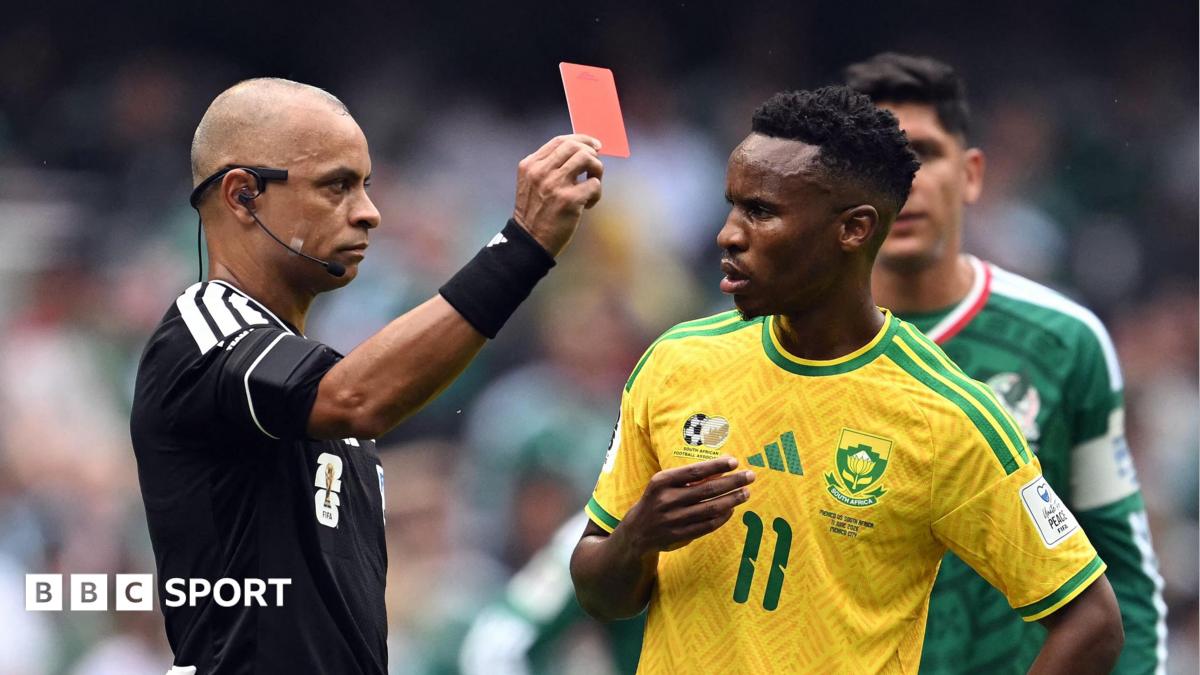
    South Africa’s match unraveled within the opening 10 minutes, when midfielder Sphephelo Sithole lost possession on the edge of his own penalty area, allowing Mexico to convert the early chance and take a 1-0 lead. The second half delivered more setbacks: Sithole was shown a red card, followed by a second dismissal for forward Themba Zwane in the 84th minute after a VAR review upgraded a potential foul to a straight red for violent conduct. The sending-off marked only the second time in World Cup history that an African side has had two players dismissed in their opening finals match, a statistic last recorded by Cameroon against defending champions Argentina in 1990 – a match the Indomitable Lions famously won 1-0, a result South Africa never came close to matching.

    Former South African captain Dean Furman, commentating for BBC Radio 5 Live, described the performance as “a nightmare from start to finish.” He argued that no Bafana Bafana player could claim to have performed to their potential, saying “Mexico were in total control from minute one. They looked more assured, they were calm in possession. It was just turnover after turnover after turnover, and when you’re playing against quality opposition you get punished.”

    On the contentious second red card, South Africa head coach Hugo Broos – the oldest coach at this year’s tournament at 74 – disputed the call, claiming Mexican winger Roberto Alvarado blocked Zwane and went down unnecessarily. However, Furman, who played alongside Zwane for several years, said the call was justified under modern rules: “I know it’s incredibly soft but it’s the modern game, you can’t lash out. It’s going to be an interesting World Cup if that’s what we’re giving red cards for but that is the game today. You can’t do that.”

    South African captain Ronwen Williams acknowledged the disappointing result but sought to highlight his side’s resilience, even with two players down. “Obviously the opening game of the World Cup comes with so much emotion,” the 34-year-old said. “We knew they were going to have the atmosphere, the energy behind them and we didn’t want to concede in the opening few stages. And then that’s exactly what happened. As difficult as it was with two guys sent off, we didn’t give up. It shows the mentality that we have and the character that we kept fighting.”

    Domestic fans in Johannesburg were far less forgiving. Relebogile Lairi called the performance a “very disappointing start,” saying supporters “expected a lot more from the boys” and blamed widespread “stage fright.” Nicholas Makomene criticized Broos’ defensive 5-3-2 setup, saying there was “no need to park the bus” against the co-hosts.

    Beyond the pitch, the result exposed deep divides across the African continent, 16 years after South Africa made history as the first African nation to host the World Cup, a moment that unified the continent behind African teams. This year, many fans across Africa backed Mexico over South Africa, in response to recent anti-migrant protests and violence in South Africa that has led multiple African nations to repatriate their citizens. South African officials have condemned the violence and rejected accusations of xenophobia, but that has done little to ease tensions.

    In Nairobi, Kenyan organizer Elisha Kamau held a “hate-watch” party that drew nearly 200 attendees, almost all of whom supported Mexico. “The second reason I think is just the timing of the xenophobic attacks. It depends who is playing South Africa, but I think most people would support the other team,” Kamau explained. Congolese fan Daniel Kaniki, watching from a fan park in Atlanta, echoed that sentiment: “Africa is like one country and if one is chasing others, we are not a family any more. That’s why I’m supporting Mexico.” Not all fans across the continent aligned with this view, however: Ghanaian fan Vanlare Quist said he rooted for South Africa, arguing that anti-immigrant sentiment was driven by a small minority of bad actors, not the entire nation.

    Looking ahead, South Africa faces a must-win second Group A match against the Czech Republic on June 18. Both teams enter the fixture winless, after the Czechs dropped a 2-1 opening match result to South Korea. Furman is pushing for a major tactical shift, urging Broos to abandon the defensive 5-3-2 setup he used against Mexico in favor of the more attacking 4-3-3 formation that fits South Africa’s traditional style of play.

    “They have to put this to bed very, very quickly,” Furman said. “I know you’re playing against better opposition in a big match and you’re probably looking to soak up the pressure and go a little bit more defensive, but that’s just not our style at all. For me, going forward, you’ve got two games left to save yourself, to try and get a victory to get yourself into the next round. Go with our 4-3-3. Put your attacking players on, put your number 10s on, your more imaginative players. Let’s see what South African football is all about.”

  • Ethiopia’s Tsegay handed four-month doping ban

    Ethiopia’s Tsegay handed four-month doping ban

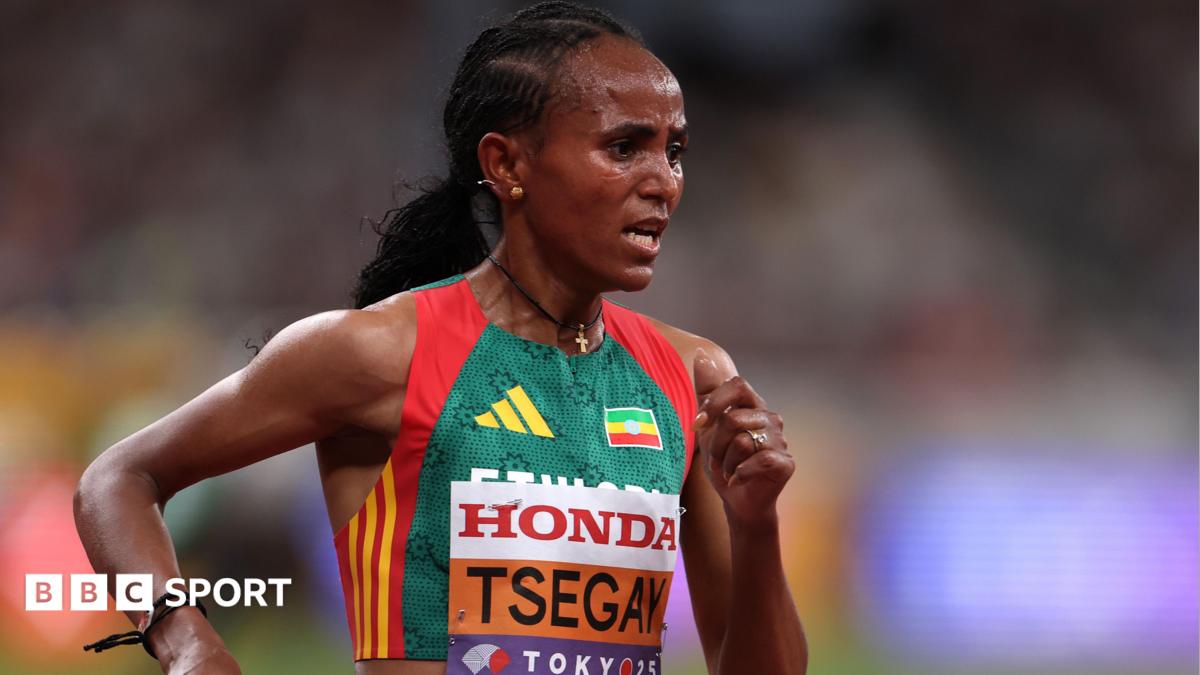
    One of Ethiopian long-distance running’s most decorated champions, Gudaf Tsegay, has been issued a four-month competition ban following a positive doping test that detected a banned aromatase inhibitor in her system. The 29-year-old, a two-time world champion and Olympic bronze medalist, has not competed since last October, months before the case became public.

    Tsegay’s athletic resume includes a 5,000m world title in 2022, a 10,000m world championship crown in 2023, and a bronze medal in the women’s 5,000m at the 2020 Tokyo Olympic Games. She also claimed bronze in the 10,000m at the 2023 World Athletics Championships held in Tokyo, her last major competitive appearance before stepping off the track.

    The positive result emerged from an out-of-competition doping test conducted last December, where analysts found a metabolite of Letrozole, a substance classified as a prohibited aromatase inhibitor on the World Anti-Doping Agency (WADA) banned list. Clinically, Letrozole is primarily used to treat breast cancer by reducing estrogen levels in the body.

    When the Athletics Integrity Unit (AIU) notified Tsegay of the positive finding in late January, the runner responded within 24 hours to confirm she had been prescribed the drug to treat a officially diagnosed medical condition, and submitted full supporting medical documentation to back up her claim. In February, Tsegay filed an application for a retroactive therapeutic use exemption (TUE) with World Athletics, the governing body for international track and field. World Athletics confirmed that her ongoing treatment aligned with WADA’s international standards for approved TUEs, but WADA ultimately rejected her request for a retroactive exemption granted under exceptional circumstances.

    Following the rejection, Tsegay entered a formal case resolution agreement with both WADA and the AIU to settle the violation without extended litigation. In an official statement announcing the ban, the AIU noted that the four-month sanction was deemed appropriate under anti-doping rules governing cases where the athlete bears minimal to no fault or negligence.

    The length of the ban was determined based on multiple mitigating factors: Tsegay’s limited degree of fault, her immediate and honest admission of the violation, the confirmation that her use of Letrozole met WADA’s TUE standards for medical need, and the formal finding that she would have been approved for a TUE if she had submitted the application before taking the medication. The ban has been backdated to 1 June 2024, and will remain in effect through 30 September 2024.

  • London council takes possession of property linked to Sierra Leone’s First Lady

    London council takes possession of property linked to Sierra Leone’s First Lady

    After a year-long probe into tenancy eligibility, Southwark Council in south London has formally taken control of a subsidized council property connected to Fatima Bio, the First Lady of Sierra Leone. This development comes just weeks after Bio publicly addressed the housing arrangement in an interview with BBC Global Women, sparking widespread public debate on both sides of the Atlantic.

    During that interview, Bio opened up about her life journey: from fleeing a forced child marriage as a young person to seeking asylum in the United Kingdom, and eventually rising to become one of the most influential female figures in Sierra Leone. When questioned about her continued hold on the Walworth-area council flat, she defended her right to keep the property, noting that all her children hold British citizenship, and stating firmly, “I’m paying for my council house myself. I have not committed any crime.”

    The case has thrown a spotlight on the deep affordable housing crisis facing Southwark, where more than 18,000 qualified applicants are currently stuck on the waiting list for social housing. Council policy openly acknowledges that even vulnerable applicants with the most urgent needs can wait multiple years to secure a subsidized home, making the allocation of every available property a high-stakes issue for local authorities and residents alike.

    In an official statement shared with the BBC, Reginald Popoola, Southwark Council’s executive member for council housing, outlined the authority’s next steps for the recovered property. “We can confirm we have taken possession of a property in Walworth following a 12-month investigation by our Housing Investigations Team,” he said. “I look forward to bringing this council property back to its original purpose which is to provide a safe and secure home for people with legitimate housing need on the council’s waiting list. This property will be swiftly allocated to a local family in genuine housing need.”

    Crucially, the council has pushed back against inaccurate circulating reports: it has not formally evicted Fatima Bio, nor has it levelled any accusations of criminal wrongdoing against her, aligning with the council’s ongoing crackdown on improper tenancy arrangements across the borough. Over the past two years, Southwark has recovered 107 council properties through similar eligibility investigations as part of its campaign against tenancy fraud and unauthorized occupation.

    The wider context of this case underscores the chronic pressure on social housing across London. Almost every borough in the capital reports growing waiting lists for affordable units, as demand for low-cost, secure housing continues to outstrip supply amid the city’s ongoing cost-of-living and housing crises.

    After the council’s public announcement, BBC Global Women reached out to Fatima Bio’s office to request her response to the development. A spokesperson for the First Lady told the outlet that she had no knowledge of the report and was unable to offer a comment at this time. Bio, a prominent advocate for gender equality who has attended high-profile global events including a 2022 Buckingham Palace reception on ending violence against women hosted by Queen Camilla, has not yet addressed the council’s action publicly.

  • Niger military junta introduces new penal code criminalizing homosexuality with 5-10 years in prison

    Niger military junta introduces new penal code criminalizing homosexuality with 5-10 years in prison

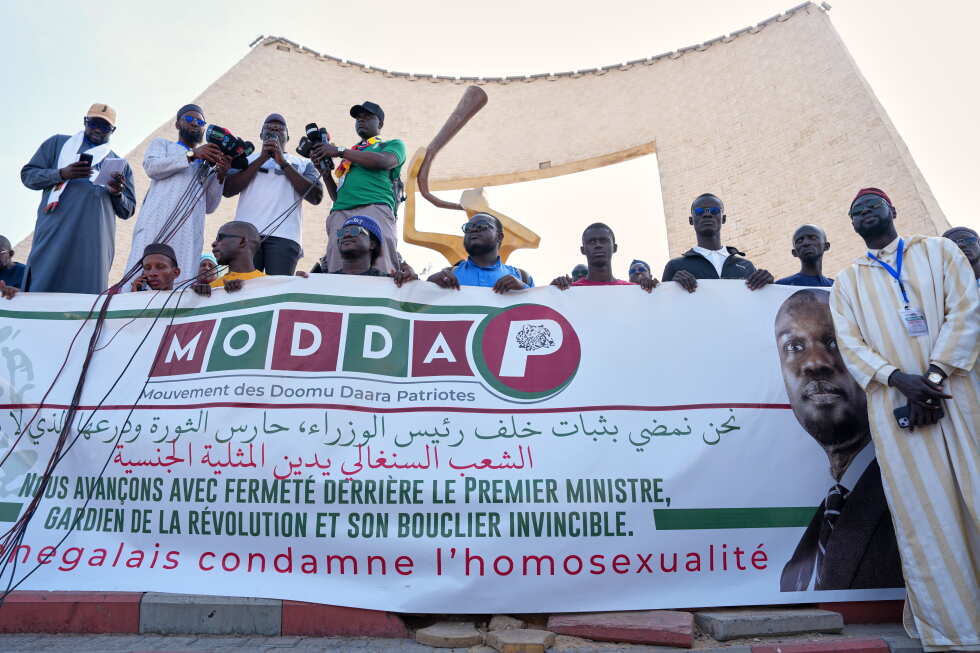
    NIAMEY, NIGER – In a policy shift that deepens legal restrictions on LGBTQIA+ people across West Africa, Niger’s ruling military junta has enacted a sweeping new penal code that formally criminalizes same-sex relations and LGBTQIA+ identity, a senior adviser to the country’s justice ministry confirmed Friday to the Associated Press.

    The new legislation, which went into full effect Thursday, marks a major change from Niger’s prior legal framework, where same-sex relations were never explicitly outlawed, even as widespread social stigma marginalized LGBTQIA+ communities for decades. Niger is the second West African nation to implement such a ban this year, following similar restrictive legislation passed in Senegal earlier in 2024.

    According to the full text of the penal code, any individual found to have “committed or attempted to commit an immodest or unnatural act or practices lesbian, gay, bisexual, transgender, queer, intersex, asexual (LGBTQIA+) acts” faces a mandatory prison sentence ranging from five to 10 years, in addition to substantial financial fines. The harsh penalties extend far beyond the individuals engaged in same-sex relationships: anyone who officiates a same-sex marriage, acts as a witness for the union, consents to the ceremony, or organizes the event is subject to the same five-to-10-year prison term and fines.

    Hamidou Julien, the justice ministry adviser who confirmed the law’s implementation, did not comment on whether the junta plans to prioritize enforcement of the new provisions in the coming months. Human rights observers have already raised alarms over the policy, noting that it will exacerbate systemic discrimination and push already marginalized LGBTQIA+ Nigeriens further underground.

    The legal change places Niger among a large bloc of African nations with anti-LGBTQIA+ legislation. Across the continent’s 54 recognized countries, more than 30 currently classify same-sex sexual conduct as a criminal offense. Many of these nations, including Kenya, Sierra Leone and Tanzania, impose maximum prison sentences of 10 years or longer for conviction. In three African countries – Somalia, Uganda and Mauritania – people convicted of same-sex relations can legally be sentenced to death.

  • Pope tells traffickers of migrants in the Canary Islands: Stop, repent or face God’s wrath

    Pope tells traffickers of migrants in the Canary Islands: Stop, repent or face God’s wrath

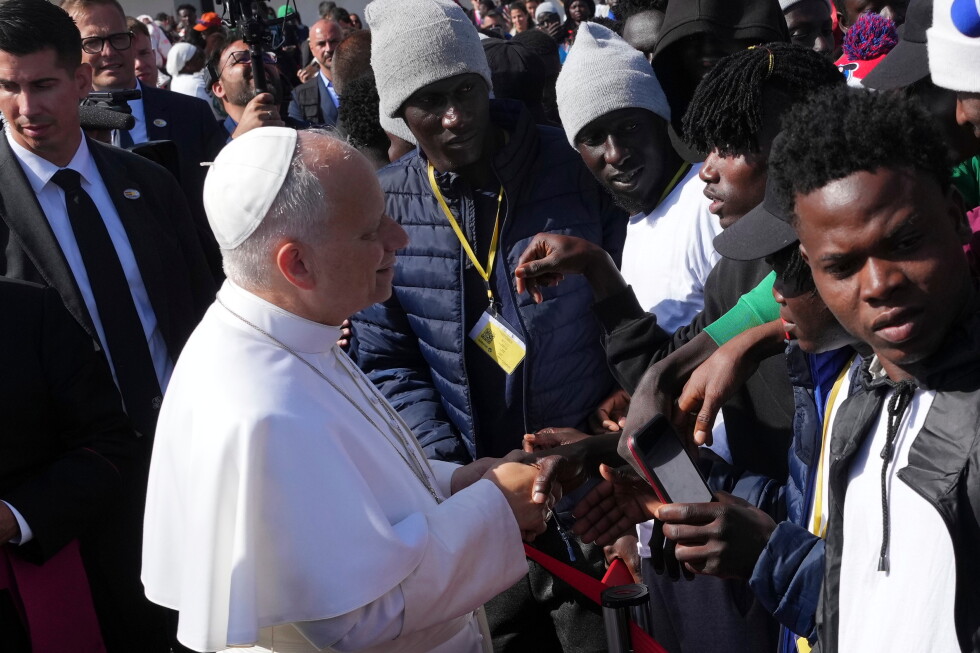
    On the final day of his weeklong trip to Spain, Pope Leo XIV delivered a stark rebuke to human traffickers operating one of the world’s deadliest migration routes, issuing a call for repentance and warning that they will face divine justice for exploiting vulnerable people seeking a new life in Europe. The pontiff made the remarks Friday during a gathering with humanitarian aid groups in San Cristobal de la Laguna, on the Canary Islands, a Spanish archipelago that has long served as a primary entry point for migrants crossing the perilous Atlantic from West Africa.

    Positioned just off the coast of Northwest Africa, hundreds of kilometers closer to the African continent than to mainland Europe, the Canary Islands have become the epicenter of one of the most dangerous migration pathways on Earth. Unlike the more heavily discussed central Mediterranean route, the vast expanse of the Atlantic Ocean and limited search-and-rescue infrastructure make this crossing far deadlier for migrants. Experts have documented entire boats drifting across the Atlantic to the Caribbean and Latin America, only to be found with all passengers dead after being pushed off course by trade winds and currents. Migrant arrivals to the islands peaked at nearly 47,000 in 2024, before dropping sharply to just over 3,000 in the first five months of 2026, a shift that has not eliminated the risk of deadly voyages.

    Addressing the criminal networks that profit from this crisis directly, Pope Leo issued an unflinching appeal. “Break those chains and free those you hold in bondage,” he said, adding, “Stop. Repent. For every life lost, every family deceived, every body subjugated, every woman threatened, every worker exploited, you will have to appear before divine justice. Repent while there is still time, for God’s mercy can reach even the most hardened sinner, but it enters only through the narrow gate of truth, justice and conversion.” Smugglers operating the route typically charge thousands of euros per passenger, often trapping migrants in debt bondage by withholding identity documents and forcing them into exploitation such as sex work or illicit labor after arrival. Many migrants also travel on self-organized boats: a large share are former Senegalese fishermen left without livelihoods due to widespread overfishing off West Africa’s coast.

    Leo’s visit to the Canary Islands fulfills a long-held wish of his predecessor, Pope Francis, who made migration advocacy a core priority of his 12-year pontificate, often clashing with right-leaning governments in the U.S. and Europe over restrictive border policies. As the first U.S.-born pope in history, Leo has positioned himself as a clear heir to Francis’ legacy, while adding his own public-facing style to the advocacy. The pontiff’s Canary Islands trip was designed to honor the thousands of migrants who have lost their lives attempting the crossing, a mission that comes amid rising anti-migrant sentiment across Europe and the Trump administration’s aggressive mass deportation campaign in the United States.

    Shortly after arriving on the islands Thursday, Leo carried forward a symbolic tradition established by Francis: he tossed a bouquet of flowers into the ocean from Tenerife’s “Dock of Shame,” the port site where thousands of migrants were forced to live in squalid, overcrowded conditions during a 2020 arrival spike. The gesture mirrored a 2013 trip Francis made to Lampedusa, Sicily, another key migration flashpoint, where he first denounced what he called the “globalization of indifference” toward people fleeing conflict, poverty and climate disaster. In a moment that revealed Leo’s more casual, youth-connected style, he embraced a viral social media hand gesture popular with young people after hearing testimony from a former migrant, drawing loud cheers from the gathered crowd.

    During his meeting with aid groups Friday, the pope also appealed to European host communities to welcome and integrate migrants, calling out the “silent shipwreck of abandonment” that leaves many survivors homeless and destitute on the streets after surviving their dangerous crossing. “A human conscience, and even more so a Christian conscience, cannot remain indifferent in the face of these graveyards of the sea, to the victims of shipwrecks and the lack of aid,” he said. “Every life lost on these routes is a failure for the human family.”

    Leo reaffirmed the Catholic Church’s core teaching of “welcome the stranger,” noting that integration of migrants into local communities offers an opportunity to share faith without imposing it on people with different religious backgrounds. He also emphasized that while migrants have a right to flee dangerous conditions, their home countries bear a responsibility to create the economic and security conditions that would allow people to choose to stay rather than risk their lives at sea. During a visit to the Las Raíces migrant reception center, the pope met directly with migrants, hearing firsthand accounts of their journeys, and went off-script to address the crowd in French and English, drawing applause from attendees. One Senegalese migrant, Bousso Diouf, shared her story of desperation and trauma, asking that all migrants be treated with dignity and respect.

    Leo’s trip to Spain wrapped up Friday, but his advocacy on migration will continue next month, when he plans to spend U.S. Independence Day on July 4 at Lampedusa, the site of Francis’ landmark 2013 address on the global migration crisis, to further amplify the call for greater global compassion toward displaced people.