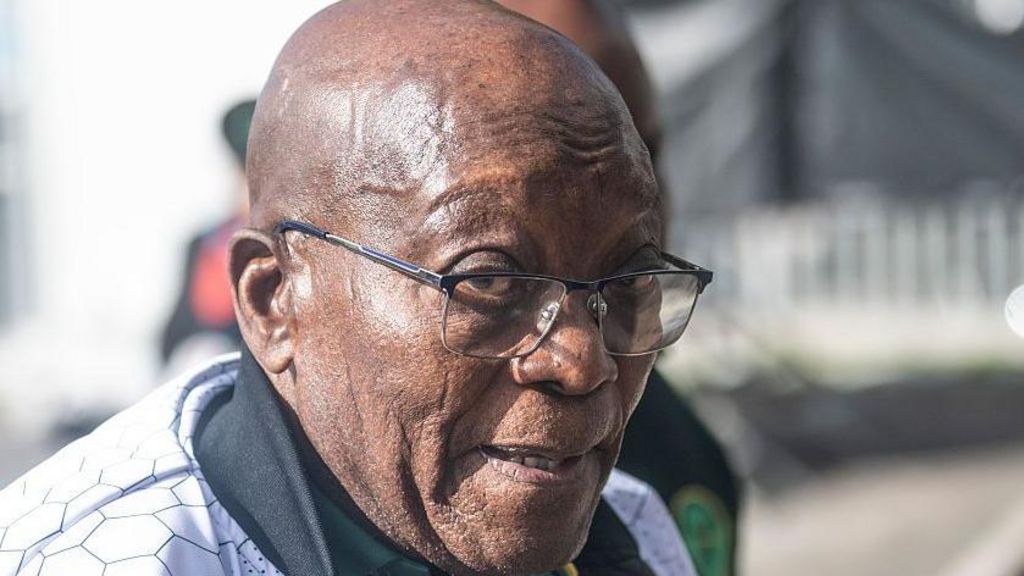
South Africa’s national government is moving to formalize stricter transparency regulations for foreign travel by former heads of state, a policy shift sparked by repeated diplomatic and political controversies stemming from ex-President Jacob Zuma’s recent overseas trips. The push for new rules comes after Zuma, who left office in 2018 amid widespread corruption allegations, made a high-profile visit to India last month where he was photographed meeting with Ajay Gupta, one of the three Gupta brothers at the center of South Africa’s decades-long state capture corruption scandal.
The meeting sparked immediate public and political outrage across South Africa, with one sitting cabinet minister publicly accusing Zuma of giving a defiant “middle finger” to the country’s ongoing efforts to combat institutional corruption. The Gupta family’s close ties to Zuma during his presidency have been the subject of a years-long official investigation. Over a decade ago, the wealthy Indian-South African business family was first accused of leveraging their personal connection to Zuma to shape national policy and siphon off hundreds of millions of dollars in state contracts. Both Zuma and the Gupta family have consistently denied all allegations of wrongdoing.
Following the launch of a judicial inquiry into the so-called “state capture” scheme in 2018, the entire Gupta family fled South Africa. In 2022, the inquiry’s final report formally concluded that Zuma had repeatedly appointed and removed key economic cabinet ministers at the direct request of the Gupta family, effectively letting the private family influence core state functions. South African authorities have since canceled the arrest warrant for Ajay Gupta, while Atul and Rajesh Gupta—Ajay’s two younger brothers—reside in the United Arab Emirates. In 2023, an Emirati court rejected South Africa’s formal extradition request for the pair, leaving them beyond the reach of South African law enforcement.
Zuma, who was expelled from the ruling African National Congress (ANC) – the party he once led – now heads the newly formed opposition party uMkhonto we Sizwe (MK). During his last month’s trip to India, the 82-year-old politician was photographed with Ajay Gupta at an Indian religious site, with South Africa’s sitting high commissioner to India Anil Sooklal also appearing in the image. In the wake of the photo becoming public, Sooklal was recalled to South Africa for questioning, though he has denied any improper conduct related to the meeting.
Speaking at a formal media briefing this Wednesday, South African Foreign Minister Ronald Lamola confirmed that his department has submitted draft proposals for new travel protocols to parliament and the president’s office. Under the new rules, any former head of state traveling abroad would be required to disclose full details of their itinerary, meetings and trip purpose ahead of departure, to allow the government to conduct a full assessment of potential reputational, political, diplomatic and security risks, and determine what level of official support, if any, will be provided.
This incident is not the first time Zuma’s foreign travel has created diplomatic embarrassment for the current South African government. Last year, Zuma traveled to Morocco in his capacity as MK party leader, where he publicly expressed support for Morocco’s territorial claim over the disputed region of Western Sahara—a position that directly contradicts the official policy of the South African government, which supports the independence movement for the territory. During that trip, Zuma was photographed meeting Morocco’s foreign minister standing in front of a South African national flag while discussing Western Sahara, prompting the government to issue a formal condemnation and deliver a diplomatic protest to Moroccan authorities.
The proposed new rules are now under consideration by South Africa’s legislative and executive branches, as the government works to address gaps in oversight that have allowed former heads of state to take actions that undermine the country’s official diplomatic positions and anti-corruption efforts.