标签: Africa

非洲

  • South African jazz legend Abdullah Ibrahim dies at 91

    South African jazz legend Abdullah Ibrahim dies at 91

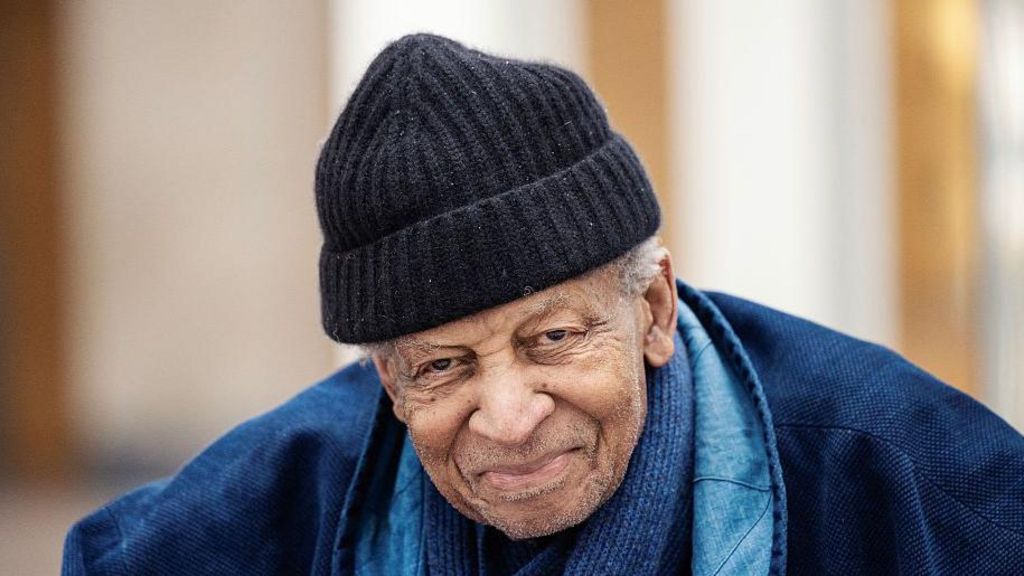
    South Africa has lost one of its most influential cultural figures: Abdullah Ibrahim, the legendary pianist and composer who forged a distinct, beloved genre of South African jazz, has died at the age of 91. In an official statement shared by his family, Ibrahim passed away peacefully in Germany following a brief illness, surrounded by his loved ones.

    Born Adolph Johannes Brand in 1934, Ibrahim grew up in the coastal city of Cape Town, where he discovered his passion for music at an extraordinarily young age. By seven years old, he was already picking out melodies on a household piano and developing his innate gift for composition. That early spark grew into an extraordinary eight-decade career that produced dozens of landmark recordings, cementing his status as a giant of global jazz.

    His 1974 composition *Mannenberg* remains one of his most enduring works, and it became inextricably tied to the anti-apartheid movement that fought to end white-minority racist rule in South Africa. Ibrahim first performed under the stage name Dollar Brand early in his career, adopting the name Abdullah Ibrahim after converting to Islam in the late 1960s.

    As a teen performer cutting his teeth in Cape Town’s vibrant mid-20th century music scene, Ibrahim played in swing groups, led his own trio, and eventually co-founded the Jazz Epistles, a groundbreaking sextet that featured another of South Africa’s most celebrated jazz talents, Hugh Masekela. The rising group’s trajectory was cut short by the tightening grip of apartheid, the formal system of racial segregation enforced by the state starting in 1948. Under apartheid, jazz was widely viewed as a countercultural force that promoted racial integration, and it was systematically marginalized by the government. Political pressure forced the Jazz Epistles to disband, and Ibrahim made the difficult decision to relocate to Switzerland.

    It was there that American jazz legend Duke Ellington discovered Ibrahim’s talent, sponsoring his move to the United States and helping him launch his international career. As outlined in a previous profile by BBC Radio 3, Ibrahim went on to develop a one-of-a-kind sonic identity: he wove the traditional vocal and harmonic patterns of his South African roots with the rhythmic drive and spontaneous improvisation that defines core jazz tradition.

    Though he spent decades living outside his home country, Ibrahim never severed his connection to South Africa, returning frequently to perform, record, and engage with local audiences. His final public performance took place just three months before his death, at the Cape Town International Jazz Festival, where he delivered the kind of captivating, masterful set that audiences had come to expect over his lifetime.

    World leaders and loved ones have paid tribute to Ibrahim in the wake of his passing. South African President Cyril Ramaphosa honored Ibrahim, noting that his work celebrated the South Africa that shaped both his unwavering political commitment and his extraordinary musical brilliance. Ramaphosa added that Ibrahim enriched global life through his artistic gifts and his commitment to building a more just, equitable world. Dr. Marina Umari, Ibrahim’s partner, also shared a moving tribute, saying he carried South Africa and its people in his heart until the end, and his love for his country never faded no matter where he lived in the world.
  • Empty seat at World Cup for imprisoned French sports journalist

    Empty seat at World Cup for imprisoned French sports journalist

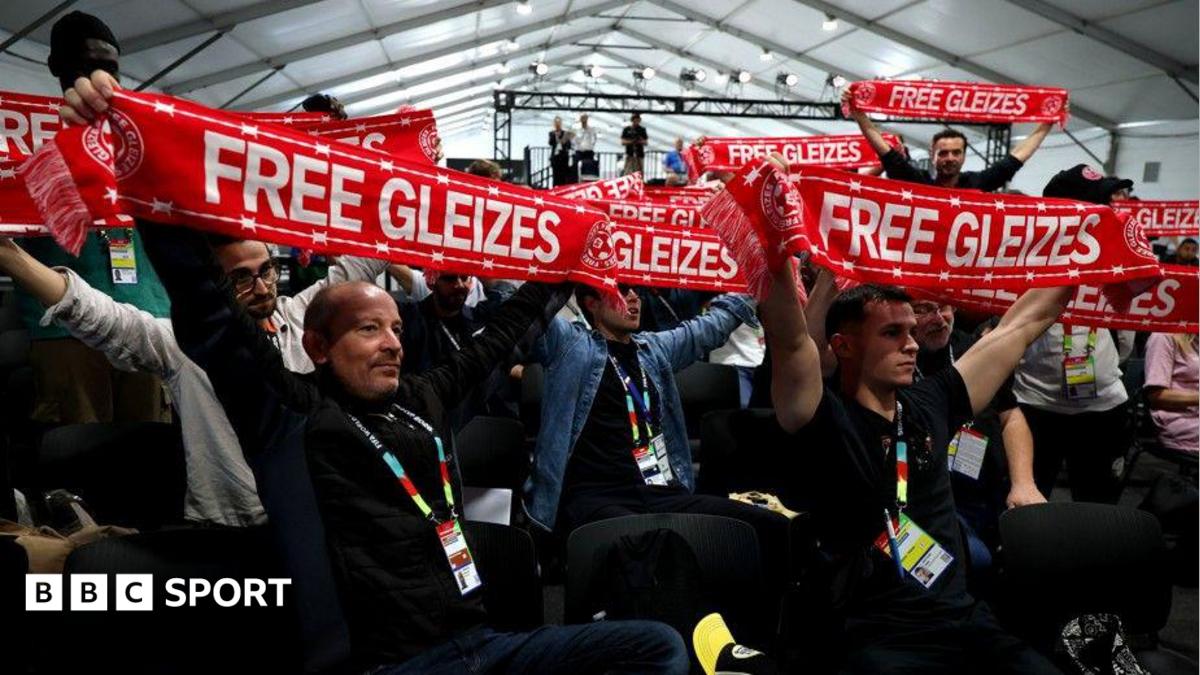
    As the 2026 FIFA World Cup unfolds across North America, a quiet but powerful act of solidarity has emerged within the French national team’s press operations, drawing global attention to the detainment of a French sports journalist in Algeria. Across every match France has played in the tournament, an empty seat has been deliberately left vacant in the press box, and a similar empty chair sits at every official team press conference — all to advocate for Christophe Gleizes, a football reporter for Paris-based outlet So Foot who has been imprisoned in Algeria since 2024.

    Gleizes, who specialized in coverage of African football, was arrested during a reporting trip to Algeria in May 2024, where he was researching a feature on JSK, a top club based in the northern city of Tizi Ouzou. In 2025, he was convicted of supporting terrorism and handed a seven-year prison sentence. The conviction stems from allegations that he communicated with a supporter of self-determination for Algeria’s Kabyle minority, a charge that press freedom advocates have rejected as criminalization of routine journalistic work.

    The show of support for Gleizes ramped up on Monday, ahead of France’s highly anticipated group stage match against Senegal at New Jersey’s New York Stadium. Before head coach Didier Deschamps began his pre-match press conference, attending French sports journalists held up printed scarves emblazoned with the words “Free Gleizes” to honor their colleague. Even Gleizes’ official 2026 World Cup press accreditation — personally approved by FIFA President Gianni Infantino — was displayed prominently at the conference, a visible reminder of the seat he should have filled.

    Gleizes’ mother, Sylvie, traveled to the 2026 World Cup specifically to amplify calls for her son’s release. In an interview with BBC Sport on the grounds of the New York Stadium on Monday, she shared that her son, cut off from most outside contact in prison, feels disconnected from the global football community he has spent his career covering.

    Major press freedom and journalist bodies in France have rallied behind Gleizes’ cause. Following his 2025 sentencing, representatives from roughly 40 French media outlets issued a joint statement condemning the imprisonment, arguing that “the imprisonment of a journalist for carrying out his profession is a red line that must never be crossed.” French journalists’ unions have formally called on the Algerian government to reverse the conviction and release Gleizes immediately.

    The solidarity action extended into the question-and-answer portion of Deschamps’ press conference on Monday. Veteran L’Equipe journalist Vincent Duluc asked a routine question about hydration breaks in the upcoming match on Gleizes’ behalf. Responding to the gesture, Deschamps expressed his public support, saying “I hope for his sake and his family’s that he can be here as soon as possible and ask his questions himself.”

    The coordinated demonstration within the high-profile World Cup press corps has brought new international visibility to Gleizes’ case, turning a global football stage into a platform for press freedom advocacy.

  • MSF staff abused Sudanese refugees in sex-for-food scandal

    MSF staff abused Sudanese refugees in sex-for-food scandal

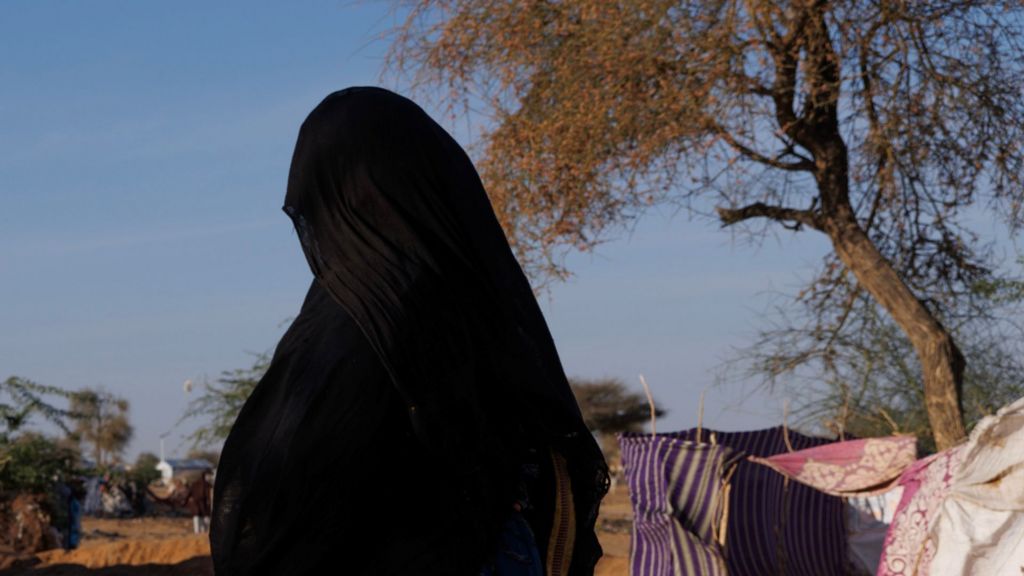
    The global medical humanitarian organization Doctors Without Borders (MSF) has publicly acknowledged that its personnel have been accused of committing sexual abuse against at least 59 Sudanese refugees who sought safety across the border after fleeing Sudan’s ongoing civil war. The disturbing allegations detail patterns of exploitation that targeted vulnerable displaced people, including underage girls, with perpetrators often coercing survivors by offering life-saving food or informal employment in exchange for sexual favors.

    All of the reported offenses took place in refugee-hosting regions of eastern Chad, with incidents traced back to 2024, roughly one year after Sudan’s full-scale civil conflict erupted and triggered a mass exodus of civilians seeking refuge outside the country’s borders. According to MSF’s official statement to the Associated Press, the organization has already terminated the employment of 18 staff members linked to the abuse allegations, but investigators have not been able to identify and hold accountable other named suspects in the case.

    Findings from an internal MSF investigation published in July also noted that the documented patterns of exploitation may meet the legal definition of sexual trafficking. MSF further confirmed that many survivors chose to remain silent about their abuse out of fear that retaliation would result in them being cut off from critical humanitarian aid, which is already a scarce and life-sustaining resource for displaced populations. For survivors who did come forward to file official reports, many received no meaningful response or support services, and the organization’s existing formal complaint mechanisms were found to be largely ineffective at addressing allegations.

    In an official response to AP’s investigative reporting on the scandal, MSF acknowledged the gravity of the abuses. “This misconduct represents a serious breach of MSF’s values and responsibilities, and we deeply regret the harm caused,” the organization said.

    To contextualize the scale of vulnerability facing Sudanese refugees, Sudan entered full-scale civil war in 2023 after a brutal power struggle collapsed the fragile partnership between the country’s regular military and the Rapid Support Forces (RSF), a powerful paramilitary group. Today, the crisis is widely classified as the world’s most severe humanitarian catastrophe: more than 11 million Sudanese have been displaced from their homes, with over a million fleeing to neighboring countries including Chad, and 28 million people across Sudan face acute food insecurity. While no definitive full death toll has been compiled, estimates place the number of conflict-related deaths between 150,000 and as high as 400,000.

    Sexual violence has been extensively documented as a deliberate weapon of war throughout the Sudanese conflict, with combatants targeting men, women, and children of all ages — including infants as young as 12 months old. This recent abuse scandal within MSF also fits into a broader, long-running pattern of sexual exploitation allegations against humanitarian personnel working across the globe, even after repeated public pledges from aid organizations to root out such abuse and protect vulnerable populations.

  • Kenya to pay compensation to almost 2,000 victims of violent protests

    Kenya to pay compensation to almost 2,000 victims of violent protests

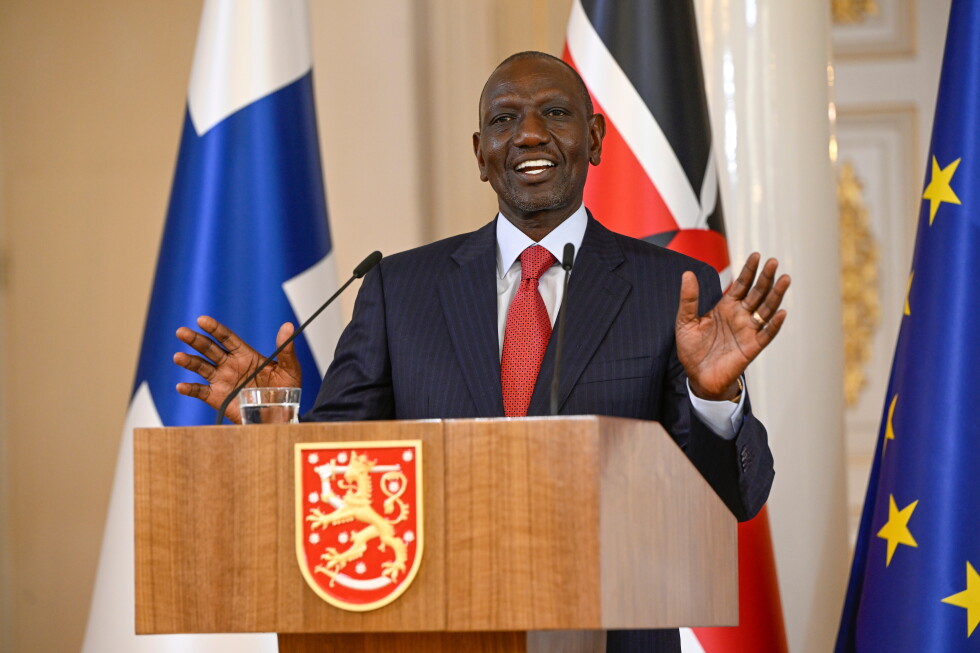
    In a groundbreaking move that marks one of the few nationwide extra-judicial reparation initiatives in modern African history, Kenyan President William Ruto announced Monday that the East African nation will distribute $15 million in compensation to nearly 2,000 people harmed by human rights violations connected to widespread recent protests.

    Kenya has faced repeated waves of civil unrest in recent years, leaving a devastating legacy of loss across the country. Violent demonstrations have killed and injured hundreds of civilians, destroyed countless livelihoods and left widespread property damage in their wake. The most high-profile recent incident saw three people killed and dozens wounded during two separate protests opposing a new Ebola quarantine facility built for American travelers. The deadliest unrest, however, unfolded in back-to-back years in June 2024 and June 2025, when annual anti-government demonstrations over tax hikes left dozens dead, hundreds injured, and millions of dollars in destroyed property. Kenyan officials have long claimed these protests were infiltrated by rogue criminal elements that incited the widespread violence.

    Following a rigorous vetting process conducted by Kenya’s state-funded National Commission on Human Rights, the first compensation payments are scheduled to begin disbursing to eligible victims as early as next week. Speaking at the official launch of the national Reparations Framework Report, President Ruto emphasized that the program carries a clear symbolic meaning beyond its financial value: it represents an official state acknowledgment that harm was done to innocent people, though he stressed it is not a formal legal admission of government guilt.

    Ruto further clarified that the compensation program was never intended to put a monetary value on the irreplaceable loss of life, personal suffering, or property destroyed by the unrest. He also pushed back against critics who argue the initiative rewards unrest, noting that in a country where violent political protest has become common, reparations are a necessary step toward national healing. “A nation heals by tending to its wounds rather than pretending they do not exist,” Ruto told attendees at the launch event.

    Claris Ogangah, the chair of Kenya’s National Commission on Human Rights, echoed the president’s framing of the program as a critical step toward unifying the country. She noted that the report underlying the reparations effort centers the human experiences behind the official casualty statistics, bringing long-unseen suffering from individual victims, their families and affected communities into public view. “By giving voice to these experiences, the report contributes to a national process of healing founded on truth, recognition, and remembrance,” Ogangah said, adding that the compensation payments will be a tangible contribution to mending the deep divisions left by years of protest-related violence.

  • Rwanda opposition leader Ingabire says she’s physically unfit for trial

    Rwanda opposition leader Ingabire says she’s physically unfit for trial

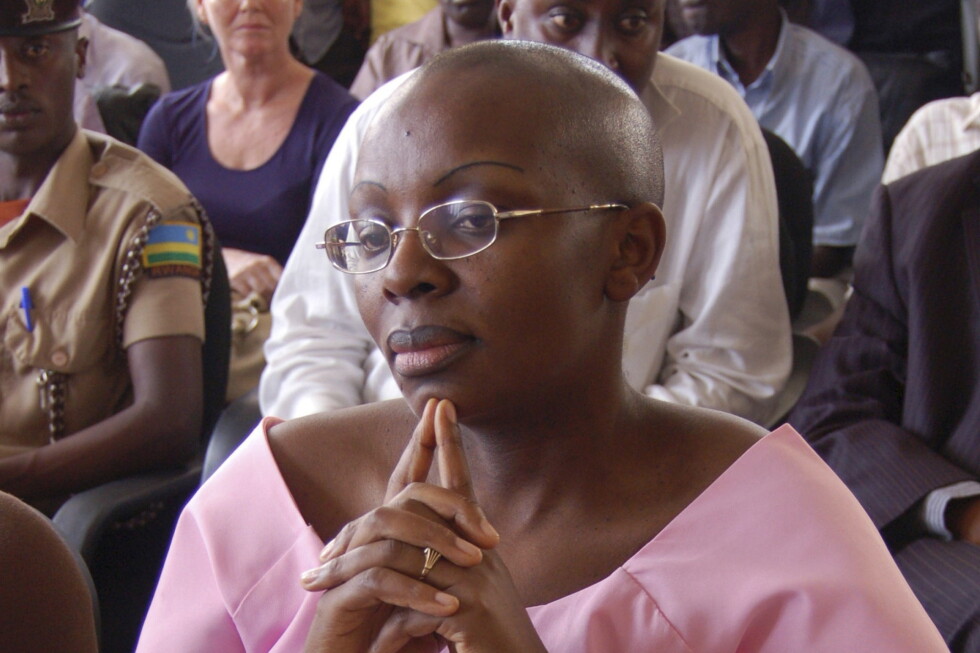
    KIGALI, Rwanda – The much-watched trial of prominent Rwandan opposition leader Victoire Ingabire, who stands accused of plotting civil unrest against the sitting government of President Paul Kagame, has been delayed by one day. The postponement came Monday after Ingabire told the Kigali High Court that 12 months of pre-trial detention had left her physically and mentally unprepared to face the proceedings against her.

    Ingabire, a longstanding critic of Kagame’s administration, has repeatedly denounced the charges against her as unfounded, framing the case as a deliberate politically motivated effort to suppress her pro-democracy advocacy and neutralize opposition to the ruling government. If convicted on the current charges, she could spend decades behind bars.

    During her initial court appearance Monday, Ingabire confirmed that her legal team had formally requested a delay from prosecutors ahead of the trial’s scheduled launch, backing up her claim that her physical condition left her unfit to proceed. The presiding judge granted the one-day adjournment.

    Beyond preparation concerns, Ingabire also raised additional grievances against Rwandan authorities during the session. She accused officials of blocking her from communicating with family members residing outside Rwanda’s borders, as well as restricting contact between her and co-defendants named in the same case. Prosecutors allege Ingabire engaged in unauthorized communications with nine other suspects, all tied to her unregistered opposition group DALFA-Umurinzi, which the Rwandan government does not recognize as a legitimate political organization.

    This is not Ingabire’s first confrontation with the Rwandan legal system over her political activity. A veteran dissident who spent 16 years in exile in the Netherlands, she returned to Rwanda in 2010 to run for the presidency, only to be imprisoned before she could appear on the ballot. She was ultimately convicted in that earlier case of conspiracy to destabilize the government and genocide denial, charges she has consistently rejected. Sentenced to 15 years in prison, she was released in 2018 after receiving a presidential pardon. Prior to founding DALFA-Umurinzi, Ingabire led FDU-Inkingi, another opposition coalition that was also never granted legal registration by the Rwandan government.

    Unlike most of Kagame’s political opponents, who have been forced into exile to avoid repression, Ingabire has remained in Rwanda to continue her activism, making her one of the most high-profile domestic critics of the administration.

    Kagame’s ruling party has held power in Rwanda since the aftermath of the 1994 genocide, and the government has been widely recognized for its work advancing ethnic reconciliation and delivering two decades of relative stability and economic growth. However, the administration has also faced sustained international criticism from human rights organizations, which document widespread human rights abuses, the silencing of independent journalism, and systematic suppression of all political opposition. Kagame and his government have repeatedly denied these accusations.

  • Drone strikes kill over 1,000 civilians in Sudan in the first 5 months of 2026, UN rights chief says

    Drone strikes kill over 1,000 civilians in Sudan in the first 5 months of 2026, UN rights chief says

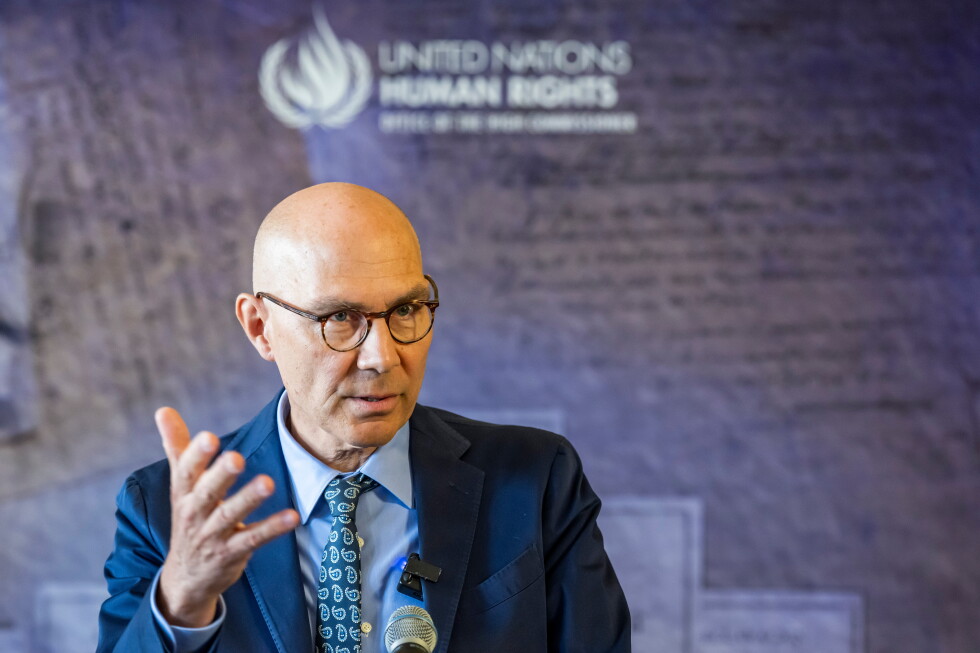
    GENEVA – A senior United Nations official has sounded the alarm over a catastrophic escalation of civilian harm in Sudan’s four-year ongoing conflict, confirming that drone strikes alone have killed more than 1,000 non-combatant civilians across the war-torn northeast African nation between January and May 2026. U.N. High Commissioner for Human Rights Volker Türk announced the grim findings during an address to the UN Human Rights Council in Geneva on Monday, highlighting that the growing deployment of unmanned aerial vehicles has drastically raised the death toll for civilian populations caught in the crossfire between Sudan’s warring factions.

    Türk’s remarks detailed a documented sharp uptick in three devastating trends of the conflict: expanded drone warfare, widespread sexual violence, and mass atrocities that meet international definitions of war crimes and crimes against humanity. The Sudanese conflict first erupted on April 15, 2023, when a long-simmering power struggle between Sudan’s formal national military and the paramilitary Rapid Support Forces (RSF) broke out into open armed combat, starting in the capital Khartoum before spreading to every major region of the country.

    Data from the Armed Conflict Location & Event Data Project (ACLED), a U.S.-based conflict monitoring organization, underscores the scale of the drone-driven surge in fatalities. By ACLED’s count, at least 2,670 people — a mix of combatants and civilians — died in drone-related incidents across Sudan in 2025. That marked a 600% jump in total drone-linked deaths and an 81% rise in the number of drone attacks compared to 2024 figures. Over the full first three years of the conflict, ACLED recorded at least 59,000 total fatalities, though the organization has cautioned that the actual death toll is almost certainly much higher, as widespread insecurity and collapsed communication infrastructure make full, accurate on-the-ground reporting nearly impossible.

    Most recently, a drone strike carried out by the RSF last week hit civilian sites in Sudan’s central city of el-Obeid, targeting a public cemetery and a commercial gas station. Local health officials confirmed that the attack left at least 15 people dead.

    According to Türk’s briefing, both the Sudanese military and the RSF have increasingly deployed explosive-laden drones in their operations, with repeated strikes targeting civilian infrastructure that is protected under international humanitarian law. Documented targets have included hospitals, hydroelectric dams, schools, open-air public markets, and camps for internally displaced people. Today, drone strikes have emerged as the deadliest single threat to civilians in Sudan’s conflict, a crisis that has been largely overshadowed by higher-profile international conflicts in Gaza and Iran in recent months.

    Beyond the growing carnage from drone attacks, Türk confirmed that rape and other forms of sexual violence have become rampant across regions controlled by both warring parties. The United Nations and independent international human rights organizations have documented mass rape and ethnically targeted killings that rise to the level of systematic crimes against humanity.

    The protracted conflict has also spiraled into what the UN describes as the world’s most severe ongoing humanitarian catastrophe. Approximately 34 million Sudanese — nearly two-thirds of the country’s entire population — currently require life-saving humanitarian assistance, while widespread fighting has reduced major urban centers to rubble and left critical basic services nonfunctional across most of the country.

  • South African TV star arrested after allegedly kidnapping man in girlfriend dispute

    South African TV star arrested after allegedly kidnapping man in girlfriend dispute

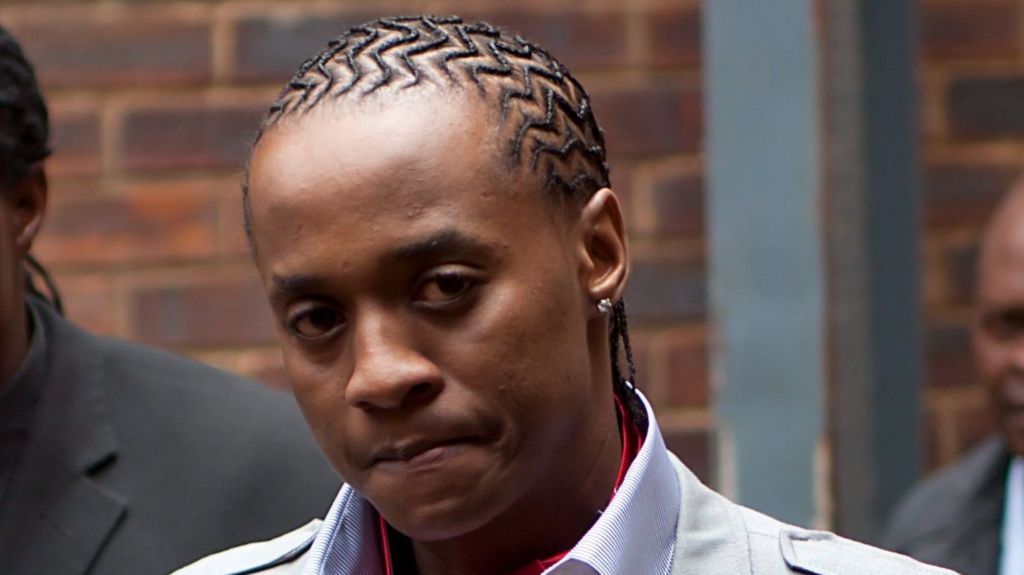
    One of South Africa’s most recognizable entertainment figures, rapper and television host Molemo “Jub Jub” Maarohanye, is once again facing criminal allegations after police took him into custody this week, accusing the star of kidnapping a taxi driver and firing a weapon in his direction. According to official police statements, the alleged incident unfolded early on Sunday morning in Edenvale, a suburban town located approximately 16 miles northeast of Johannesburg.

    Authorities say Maarohanye confronted the taxi driver immediately after the driver had dropped off a passenger, at roughly 05:30 GMT. The confrontation stemmed from a personal dispute: Maarohanye reportedly accused the driver of entering a romantic relationship with his current girlfriend. Following the confrontation, the star allegedly forced the unnamed driver into his own vehicle before discharging a firearm toward the man. In a fortunate turn of events, the driver managed to escape the encounter without physical injury, and fled directly to a nearby local police station to file an official report.

    As of the latest updates, Maarohanye has not issued any public statement responding to the allegations brought against him. Police confirmed that the media personality is scheduled to make his first court appearance at the Germiston Magistrate’s Court on Wednesday, where the initial hearing for the case will be held.

    This arrest marks the latest in a long string of high-profile legal encounters for the once-leading South African musician, who rose to mainstream fame in the 2000s and early 2010s before his first major criminal conviction. In 2012, Maarohanye was found guilty of murder and attempted murder in connection with a high-profile drag racing incident that left four schoolchildren dead and two additional people injured. The conviction was overturned by South Africa’s High Court just two years later, and courts instead convicted him of the lesser charge of manslaughter.

    Most recently, in 2023, Maarohanye was arrested on a separate set of charges including rape, attempted murder, and assault, following accusations from a former romantic partner. Those charges were ultimately dropped by South Africa’s National Prosecuting Authority in 2024, after the agency concluded there were no reasonable prospects for a successful conviction in the case.

    Despite his lengthy legal history, Maarohanye has maintained a prominent public profile in South Africa in recent years. He currently serves as the host of *Uyajola 9/9*, a popular reality television series focused on exposing infidelity in romantic relationships that draws millions of viewers across the country.

  • Congo reports record one-day increase in Ebola cases, a month after outbreak’s declaration

    Congo reports record one-day increase in Ebola cases, a month after outbreak’s declaration

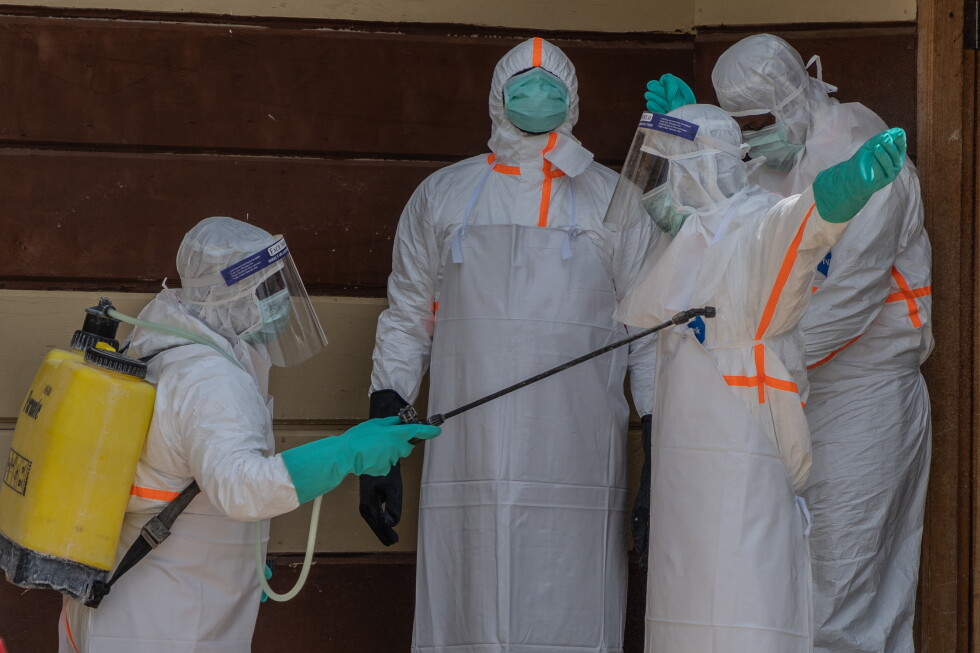
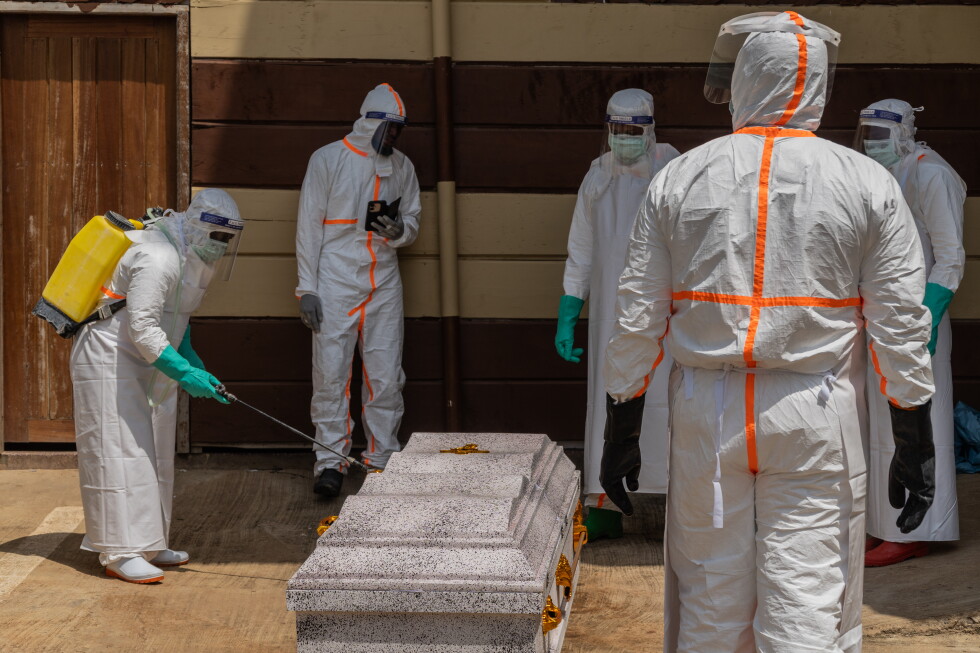
    One month after the Democratic Republic of Congo formally declared an Ebola outbreak, the country is grappling with an unprecedented single-day spike in infections, as long-running systemic issues including insecurity, inadequate contact tracing, and critical funding shortfalls continue to derail containment efforts, Congolese health authorities have confirmed. In an update released Sunday, the Congolese Ministry of Health announced 72 new confirmed cases and 32 new confirmed deaths recorded over a 24-hour period. That surge pushes the total number of confirmed infections nationwide to 782, with the overall death toll now standing at 181. To date, 56 patients have successfully recovered from the virus, putting the current outbreak’s fatality rate at 23 percent.

    Unlike the majority of past Ebola outbreaks in Congo, which were driven by the better-studied Zaire virus, this current event is caused by the rare Bundibugyo strain — a variant for which no approved vaccine or targeted treatment currently exists. Public health experts warn the true scale of the outbreak is almost certainly larger than official counts indicate. The virus was not formally confirmed until May 15, weeks after epidemiologists suspect community transmission first began, and contact tracing coverage has dropped sharply to just 56 percent, down from levels reported just one week prior.

    Over 90 percent of all confirmed cases are concentrated in the country’s eastern Ituri Province, where long-running armed conflict has displaced nearly one million people according to the United Nations’ Office for the Coordination of Humanitarian Affairs. This mass displacement creates massive barriers to effective contact tracing: displaced populations often flee violent attacks or move frequently across the province, which is defined by dense rainforest, poorly maintained road infrastructure, and remote rural communities that can take multiple days to reach. Additional challenges come from the region’s large population of artisanal miners, who regularly travel between isolated mining sites across the mineral-rich area, making it nearly impossible to track and monitor potential exposures. While the outbreak is centered in Ituri, a small number of cases have also been recorded in neighboring North Kivu and South Kivu provinces, and transmission has already spilled across the international border into Uganda.

    International and continental health bodies have moved to ramp up their response efforts in recent days. The World Health Organization announced Sunday it is expanding its work on testing, contact tracing, and patient care across affected regions. The Africa Centers for Disease Control and Prevention (Africa CDC) also announced it is deploying specialized technical teams to support local outbreak management, with a focus on strengthening laboratory capacity, accelerating active case searching, and improving community engagement to boost public compliance with containment measures. “We remain committed to supporting affected countries until transmission is stopped,” said Jean Kaseya, head of the Africa CDC. “We call on partners and donors to urgently mobilize resources to strengthen the response and save lives.” The appeal for emergency funding comes as authorities acknowledge ongoing funding gaps have left the response severely underresourced a full month into the public health emergency.

  • GCI advocates for world peace

    GCI advocates for world peace

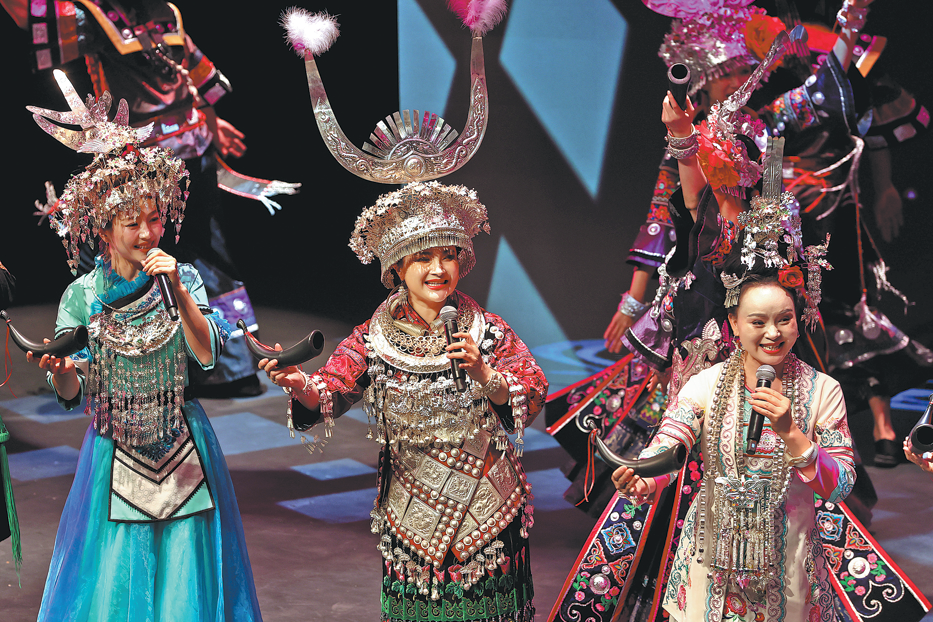
    As the international community marked the International Day for Dialogue Among Civilizations last week, South African policymakers and think tank analysts have emphasized the critical, timely role of China’s Global Civilization Initiative (GCI) in advancing cross-cultural dialogue and sustaining peaceful coexistence across an increasingly fragmented and unpredictable global landscape.

  • Ebola cases in eastern Congo climb to 782 and deaths reach 181, authorities say

    Ebola cases in eastern Congo climb to 782 and deaths reach 181, authorities say

    In a Sunday evening update posted to social platform X, the Democratic Republic of the Congo’s Ministry of Health has announced a sharp upward climb in confirmed cases of a rare Ebola outbreak, pushing the total to 782 documented infections and 181 confirmed deaths across the country. While these are the official numbers, public health officials warn the true scale of the epidemic is far larger than recorded. The outbreak was only formally detected on May 15, weeks after the first suspected infections emerged, and critical contact tracing efforts — a core strategy to halt Ebola spread — have dropped to just 56% coverage, a significant decline from rates reported the previous week.

    This latest outbreak differs from most previous Ebola events in Congo in a key way: it is driven by the little-seen Bundibugyo virus, rather than the Zaire strain that caused the nation’s 16 prior outbreaks. Unlike Zaire, Bundibugyo has no globally approved vaccine or targeted treatment available to frontline health teams, limiting intervention options. As of the latest update, 56 infected patients have recovered, putting the current official fatality rate at 23% for the outbreak.

    Nearly all confirmed cases — over 90% — are concentrated in eastern Congo’s volatile Ituri Province, with smaller clusters also detected in the neighboring North Kivu and South Kivu provinces. The virus has already crossed international boundaries, with cases confirmed in neighboring Uganda, raising regional public health alarm.

    A web of long-standing crises has created major barriers to containing the spread, according to United Nations humanitarian officials. Ituri Province already hosts nearly one million people displaced by ongoing armed conflict, and constant population movement as communities flee violence makes tracking transmission chains nearly impossible. The province’s geography adds further obstacles: vast stretches of dense forest, poorly maintained road networks, and remote rural communities that can take multiple days to reach slow response teams.

    Additional challenges come from the region’s large population of artisanal miners, thousands of whom move regularly between remote mineral extraction sites across the area, creating constant unmonitored movement that facilitates virus spread. Compounding these issues, attacks on frontline health workers by angry local residents, widespread misinformation and community skepticism about public health measures, and ongoing active armed conflict in transmission hotspots have all derailed containment efforts.

    The outbreak has already sparked controversy beyond Congo’s borders. Last month, U.S. officials announced plans to construct a dedicated Ebola quarantine facility at Kenya’s Laikipia Air Base, with capacity for 50 beds, to treat Americans exposed to the virus in the region rather than repatriating them to the United States for care. The proposal sparked large public protests across Kenya, and the plan was ultimately halted by a court order.