标签: Africa

非洲

  • Senior IS leader killed by US and Nigerian forces

    Senior IS leader killed by US and Nigerian forces

    A high-stakes joint counterterrorism operation conducted by Nigerian and U.S. military forces has resulted in the death of one of the Islamic State (IS) group’s most senior global commanders, Abu-Bilal al-Minuki, Nigerian President Bola Tinubu has officially confirmed.

    In an official statement announcing the success of the mission, Tinubu emphasized that the operation marked a major milestone in the two nations’ deepening counterextremism partnership. “Our determined Nigerian Armed Forces, working closely with the Armed Forces of the United States, conducted a daring joint operation that dealt a heavy blow to the ranks of the Islamic State,” the president said.

    The operation was first disclosed by U.S. President Donald Trump, who identified al-Minuki as the second-highest-ranking leader in the global ISIS network. Washington had officially designated al-Minuki as a Specially Designated Global Terrorist back in 2023, recognizing his outsize role in orchestrating violence across the African continent and beyond. Taking to his platform Truth Social, Trump praised the mission as flawlessly executed, calling the eliminated commander “the most active terrorist in the world.”

    According to details released by Nigerian authorities, the precision strike that killed al-Minuki targeted his compound in the volatile Lake Chad Basin, where he was hiding alongside several of his top lieutenants. All of the senior IS figures in the compound were killed in the operation.

    Nigeria’s military confirmed that the successful mission was directly enabled by a recently established strategic counterterrorism partnership and expanded intelligence-sharing framework between Abuja and Washington. Military officials outlined al-Minuki’s rapid rise through the IS ranks: he was most recently promoted to the position of Head of the General Directorate of States, placing him among the core leadership of the global extremist organization.

    Prior to his promotion to the global IS hierarchy, al-Minuki oversaw all IS-affiliated operations across the Sahel region and West Africa. Under his leadership, the group carried out dozens of deadly attacks targeting civilian populations, vulnerable minority communities, and local security infrastructure.

    Nigerian military investigators have also linked al-Minuki to one of the most high-profile extremist kidnaps in the country’s recent history: the 2018 abduction of more than 100 schoolgirls from a boarding school in Dapchi, northeastern Nigeria, which was carried out by Boko Haram, the extremist faction that al-Minuki once served as a senior commander before pledging allegiance to IS in 2015. Earlier in his militant career, military spokesperson Samali Uba confirmed al-Minuki facilitated the movement of extremist fighters to Libya to support IS operations across North Africa.

    Trump framed al-Minuki’s death as a devastating blow to both IS’s African networks and its global operational infrastructure, noting that the strike has disrupted key terrorist funding channels and fractured the group’s command structure. The U.S. president extended his gratitude to Nigeria’s government for its close collaboration, adding that al-Minuki “will no longer terrorize the people of Africa or help plan operations to target Americans.”

    The successful operation comes as part of a growing trend of deepened military cooperation between Nigeria and the United States, as Nigeria escalates its years-long campaign to root out extremist violence across the country’s northern and northeastern regions. Just weeks prior to this strike, in April, IS claimed responsibility for a mass shooting at a football pitch in northeastern Nigeria’s Adamawa State that left at least 29 people dead. Late last year, during the Christmas holiday period, the two countries carried out another joint airstrike targeting IS-affiliated groups in Sokoto State, demonstrating the consistent momentum of their counterterrorism partnership.

  • Trump says Islamic State group leader was killed in a joint US-Nigerian mission

    Trump says Islamic State group leader was killed in a joint US-Nigerian mission

    In a targeted joint operation conducted Friday in Nigeria’s volatile Lake Chad Basin, U.S. and Nigerian security forces have eliminated Abu Bakr al-Mainuki, one of the highest-ranking leaders of the Islamic State West African Province (ISWAP), U.S. President Donald Trump announced in a late-night social media post. While Trump’s announcement offered few immediate operational details, it marked a major milestone in counterterrorism efforts across the Sahel region, where IS-affiliated militants have expanded their influence in recent years.

  • Drones are making Sudan’s war even deadlier for civilians

    Drones are making Sudan’s war even deadlier for civilians

    Two years into Sudan’s devastating civil conflict between the national military and the rival Rapid Support Forces (RSF) paramilitary group, experts and international monitors warn that remotely piloted drones have emerged as the single deadliest threat to non-combatant populations, with foreign powers continuing to funnel advanced drone technology to both warring sides despite widespread humanitarian outcry.

    United Nations High Commissioner for Human Rights Volker Türk confirmed this week that armed drones are responsible for more than 80% of all conflict-related civilian deaths in Sudan, with at least 880 civilians killed by drone strikes between January and April 2025 alone. Most of these fatalities have been concentrated in Sudan’s central Kordofan region, but deadly drone attacks have spread across seven provinces in recent weeks, targeting vulnerable populations and critical civilian infrastructure.

    The Sudanese conflict, which erupted in April 2023, has already claimed at least 59,000 lives, displaced 13 million people, and pushed large swathes of the country into catastrophic famine conditions. Data collected by the Armed Conflict Location & Event Data Project (ACLED) underscores the rapidly growing toll of drone warfare: between 2024 and 2025, drone-related fatalities surged 600%, while the number of drone attacks jumped 81%, leaving 2,670 people dead across both combatant and civilian groups in 2025.

    Unlike the early months of the war, when drone use was limited to the Sudanese military, the RSF has rapidly expanded its drone capabilities over the past 12 months, using the technology to enable offensive operations in contested territory including the North Darfur capital el-Fasher. In the 2024 capture of el-Fasher, RSF drones employed a coordinated “hunter-killer” strategy that targeted civilians attempting to send distress signals, shutting down communications and trapping populations in densely populated areas before launching strikes. United Nations experts have already labeled the violence in el-Fasher as carrying the “hallmarks of genocide,” with at least 6,000 people killed over three days of fighting. Nathaniel Raymond, executive director of the Humanitarian Research Lab at the Yale School of Public Health, noted that the RSF could not have seized the city without its advanced external drone support.

    Worryingly, both warring parties have systematically targeted protected civilian infrastructure in their drone strikes, including hospitals, dams, schools, public markets, and displacement camps. In one high-profile incident last year, a drone strike on Al Daein Teaching Hospital in East Darfur killed at least 64 civilians. While the Sudanese military officially denied responsibility for the attack, two anonymous military officials later confirmed the strike had targeted an adjacent police station. Recent on-the-ground reports also document 26 civilian deaths in drone strikes across South and North Kordofan in early May, more than 70 civilian fatalities in Kordofan strikes earlier this year, and 36 people killed in nine separate drone attacks on civilian vehicles over a 10-day period in May 2025. Sudanese human rights group Emergency Lawyers has warned that many drones deployed by both sides are equipped with advanced visual target identification technology, raising the disturbing possibility that attacks on civilians are deliberate, not accidental.

    Multiple independent analysts confirm that neither Sudanese warring party produces its own advanced drones, relying entirely on foreign suppliers to build up their strike capabilities. ACLED’s latest assessment confirms the Sudanese military receives drone technology from Turkey, Russia, Iran, and Egypt, while the RSF obtains drones through transnational smuggling networks linked to the United Arab Emirates (UAE), with transit routes running through Ethiopia, Chad, and Libya. Research from The Soufan Center notes that both sides are actively competing to acquire newer, more sophisticated drone models primarily manufactured in China, with satellite imagery from Yale’s Humanitarian Research Lab confirming the RSF operates Chinese-built CH-95 and FH-95 drones – large systems comparable in size to small manned aircraft. The UAE has repeatedly denied supplying drones to the RSF, while Ethiopia has also rejected Sudanese government accusations that it facilitated recent RSF drone strikes on Khartoum International Airport and other capital-area targets. Gabriella Tejeda, a research associate at The Soufan Center, however, notes that the allegations are not unfounded, given Ethiopia’s close strategic partnership with the UAE and clear shared interest in shaping the outcome of the Sudanese conflict.

    Jalale Getachew Birru, ACLED’s senior East Africa analyst, explained that drones have transformed the trajectory of the Sudanese civil war, acting as a “force multiplier” that allows both sides to expand strikes into densely populated residential areas, secure contested territory, disrupt enemy mobilization, and spread widespread insecurity across rival-held regions. The proliferation of foreign-supplied drones has not only driven a catastrophic rise in civilian deaths, experts warn, but has also complicated international peace efforts and stoked fears that the conflict could escalate into a full-blown regional proxy war. With foreign backers continuing to invest in military capabilities and both warring parties ramping up their battle tempo, analysts say there is little indication either side is willing to pursue a negotiated end to the conflict.

  • A record-breaking race and Catholic blessing highlight the role of faith for Kenyan runners

    A record-breaking race and Catholic blessing highlight the role of faith for Kenyan runners

    In the heart of Kenya’s Rift Valley, the small town of Eldoret has long been known as the global cradle of elite long-distance running, turning out dozens of the world’s top champions over decades. Now, this quiet running hub is drawing new global attention for an unexpected reason: a historic record-breaking win that has put the deep connection between Kenyan elite runners and their Christian faith front and center.

    Thirty-one-year-old Kenyan runner Sabastian Sawe entered the 2025 London Marathon as one to watch, but few predicted the magnitude of what he would achieve on April 26. Maintaining a searing, nearly unheard-of pace from start to finish, Sawe crossed the line in a stunning 1 hour, 59 minutes, and 30 seconds, making history as the first athlete ever to complete the official 26.2-mile marathon distance in under two hours. The feat shattered a milestone many in the running community had long considered unachievable in an official, mass-participation race. Ethiopian rival Yomif Kejelcha finished just 11 seconds behind Sawe, also clocking a sub-two-hour time. For Sawe, the historic win comes just months after his 2024 marathon debut in Valencia, Spain, where he claimed victory with an already impressive time of 2:02:05.

    News of Sawe’s groundbreaking win sparked widespread, joyful celebrations across Kenya, a nation that has dominated international middle- and long-distance running for generations, earning its reputation as the undisputed home of long-distance running. In the days following the win, new details about Sawe’s pre-race routine emerged that shifted the conversation to the role faith plays in many Kenyan runners’ success: the devout Catholic had stopped at his home parish, Holy Family Catholic Church in Eldoret’s St. Josephine Bakhita Lower Moiben Parish, to attend Mass and ask for prayers from his parish priest just before heading to London.

    Parish priest Rev. Pius Tuwei told Religion News Service that when he blessed Sawe ahead of the race, he had no idea the runner would pull off such a historic, world-altering victory. “I was just blessing him like any other athlete or any other person,” Tuwei said. “It was really a surprise for me when I heard he had won.”

    Sawe’s faith and commitment to his parish are well-known among his community. Tuwei added that Sawe has long been generous to the church, a trait he likely inherited from his grandmother, a deeply charitable and active member of the congregation. “That could have really given him a very strong foundation on morals, the church and discipline— this could have contributed to his success,” Tuwei explained. “I think giving back to society is also holding him to his faith.”

    This link between running success and spiritual belief is not unique to Sawe. Christianity is the dominant religion in Kenya, and public displays of faith are a common sight in international races, where Kenyan runners often make the sign of the cross before starting and after finishing competitions. Many of the nation’s most legendary running champions have openly spoken about how their faith shapes their training and competition. Eliud Kipchoge, the global running icon who first broke the two-hour marathon barrier in a 2019 custom-designed exhibition event in Vienna (a feat that was never ratified as an official marathon record), told a running blog in 2019 that his Catholic faith is a core part of his athletic life. “It keeps me from doing things that could keep me away from my goals. On Sundays, I go to church with my family and pray regularly, even in the morning before a race,” Kipchoge said.

    For years, sports analysts have attributed Kenya’s unmatched long-distance running success to a combination of natural genetic advantage, early childhood training on rugged rural terrain, and years of high-altitude intensive training. Now, after Sawe’s historic win, athletes and religious leaders are bringing the role of faith forward as an underdiscussed contributing factor to consistent championship success.

    Patrick Makau Musyoki, a former world marathon record holder from Kenya, says that while elite talent is the starting point, spiritual belief drives Christian athletes to push past their limits. “We are able to train very well, but at the end of the day, for us to manage to go to a race and a winner to run the world record, we should have faith in God, who gave us the talent,” Makau said. “And he helps you to keep on improving talent.”

    Tuwei echoed this perspective, noting that faith reinforces moral discipline and keeps runners connected to what many see as the divine source of their ability. “When I look at Sawe, it seems his talent is real — not acquired,” he said.

    Not all experts agree that faith plays a direct role in race outcomes, however. Brother Colm O’Connell, an Irish missionary and legendary athletics coach widely known as the “godfather of Kenyan running,” said he was not surprised to hear Sawe sought a priest’s blessing before the London Marathon, but argued spiritual intervention had little to do with his record win. “If that was the case, then marathon runners might spend more time in the church than on the road,” O’Connell told Religion News Service. “I think that God helps those who help themselves. So, you know, he gave you a talent, and then you have to get out and use it, and not hide it.”

    O’Connell added that incremental improvements to training methods, nutrition, and sports technology will continue to push marathon boundaries lower over time, regardless of spiritual belief. “It’s 1 hour, 59 (minutes) now,” he said. “Then it will be 1 hour, 58, and then it will be 1 hour, 57.”

    For his part, Sawe summed up his historic achievement simply after crossing the finish line in London: “Nothing is impossible.”

  • Zaha omitted from Ivory Coast World Cup squad

    Zaha omitted from Ivory Coast World Cup squad

    As the 2026 FIFA World Cup fast approaches, co-hosted by the United States, Canada and Mexico, African powerhouse Ivory Coast has become the latest nation to confirm its final roster for the tournament, delivering several surprise selections and omissions for football fans across the globe.

    Head coach Emerse Fae has named four current English Premier League players in his 26-man squad, a group headlined by Wolverhampton Wanderers center-back Emmanuel Agbadou, Nottingham Forest holding midfielder Ibrahim Sangare, Manchester United winger Amad Diallo, and Aston Villa striker Evann Guessand. Beyond these active top-flight English players, a number of other squad members bring prior Premier League experience to the side, including Al Ahli midfielder Franck Kessie, Stade Rennais captain Seko Fofana, NK Maribor playmaker Jean Michael Seri, AS Monaco winger Simon Adingra, and Villarreal winger Nicolas Pepe.

    One of the most eye-catching exclusions from the roster is 33-year-old winger Wilfried Zaha, a veteran of the Ivorian national team with 36 senior caps to his name. Zaha, who recently featured for Ivory Coast at the 2025 Africa Cup of Nations and is currently on loan at Major League Soccer side Charlotte FC from Turkey’s Galatasaray, failed to secure a spot in Fae’s final selection for the World Cup finals.

    Other notable absentees include Nottingham Forest veteran defender Willy Boly and 2024 Afcon final match-winner Sebastien Haller, the former West Ham United striker. Haller, however, has been named among five standby players who could be called up to the squad in the event of last-minute injuries before the tournament kicks off.

    Among the most exciting new additions to the squad is 22-year-old Inter Milan striker Ange-Yoan Bonny, who completed his nationality switch just one week before the squad announcement. Previously a French youth international who represented France at the Under-21 level, Bonny is uncapped at the senior level for Ivory Coast, and follows in the footsteps of teammate Elye Wahi, who earned his first Ivorian cap in a 1-0 friendly victory over Scotland back in March. Another highly anticipated inclusion is RB Leipzig forward Yan Diomande, who has been the subject of widespread transfer speculation linking him with a move to the Premier League in the upcoming summer window.

    For Pepe, the 30-year-old winger’s inclusion marks a return to the national side after being left off Fae’s roster for the 2025 Africa Cup of Nations, where Ivory Coast entered the tournament as defending champions but were eliminated in the quarter-final stage.

    Ivory Coast will make its fourth appearance at the men’s World Cup this summer, having previously qualified for three consecutive tournaments between 2006 and 2014 before missing out on the 2018 and 2022 editions. Drawn into Group E, the Elephants will kick off their 2026 World Cup campaign on 14 June against Ecuador, before facing off against four-time World Cup champions Germany and tournament debutants Curacao in the group stage.

    The expanded 48-team 2026 World Cup will run from 11 June to 19 July across 16 host cities spread across the three North American host nations.

  • A look at major Ebola outbreaks and when the disease was first identified

    A look at major Ebola outbreaks and when the disease was first identified

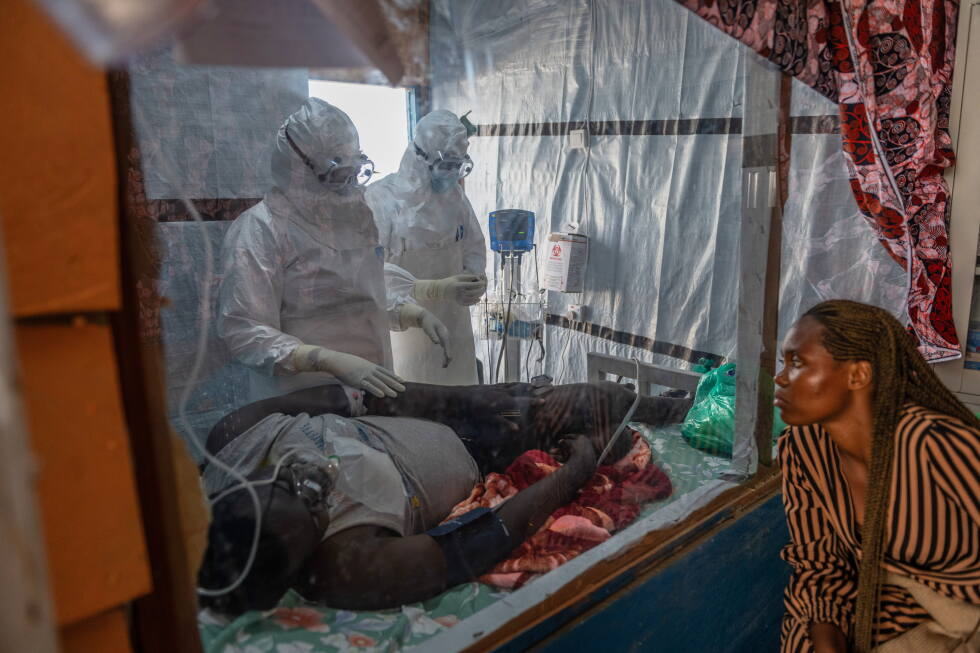
    CAPE TOWN, South Africa – African public health authorities have confirmed a new Ebola outbreak in the Democratic Republic of the Congo’s northeastern Ituri province, reporting at least 246 suspected infections and 65 fatalities as authorities move to contain the spread of the highly lethal pathogen.

    First identified nearly 50 years ago following two back-to-back outbreaks in what is now South Sudan and the Democratic Republic of Congo (then known as Zaire), Ebola has remained an endemic threat almost exclusively to sub-Saharan Africa, with all major recorded outbreaks concentrated in West and Central African regions, according to the World Health Organization (WHO).

    The disease is triggered by a group of RNA viruses within the Filoviridae family, with three strains — Ebola virus, Sudan virus, and Bundibugyo virus — responsible for all large-scale public health emergencies in recorded history. Researchers trace the virus’s natural reservoir to fruit bat populations native to the African continent, though other wild animals including gorillas, chimpanzees, and monkeys can also carry and transmit the pathogen to humans. Human-to-human transmission occurs exclusively through direct contact with infected bodily fluids — such as blood, feces, or vomit — or contact with contaminated surfaces and materials, making frontline health workers particularly vulnerable to infection during outbreaks.

    According to the U.S. Centers for Disease Control and Prevention (CDC), Ebola symptoms develop between two days and three weeks after initial exposure, with most patients showing signs of infection roughly one week after contact. Early infection presents with flu-like indicators including fever, muscle aches, general fatigue, and sore throat, progressing in severe cases to gastrointestinal distress, organ damage, skin rashes, seizures, and internal or external bleeding. WHO data puts the average Ebola fatality rate at around 50%, though historical outbreaks have recorded mortality rates ranging from 25% to as high as 90% depending on the viral strain and speed of public health response. While approved vaccines and targeted treatments exist for the Ebola virus strain, no comparable medical countermeasures are currently cleared for other pathogenic Ebola strains.

    This new outbreak marks the latest in a long history of Ebola emergencies across Central Africa, with the most severe event on record occurring just over a decade ago between 2013 and 2016 across West Africa. That epidemic, which began when a young child in southeastern Guinea came into contact with infected fruit bats according to researcher estimates, spread across Guinea, Liberia, and Sierra Leone, causing more than 28,000 confirmed and suspected cases and over 11,000 deaths. A small number of secondary cases were also recorded in Europe and the United States, linked to returning travelers and healthcare workers who had responded to the outbreak.

    The second-largest Ebola outbreak in history took place between 2018 and 2020, centered in Congo’s North Kivu, South Kivu, and Ituri provinces, with a small number of cases spreading across the border to Uganda. Caused by the Ebola virus strain, that outbreak recorded more than 3,400 cases and over 2,200 deaths, resulting in a 66% fatality rate per CDC data. Congo has recorded more than a dozen major Ebola outbreaks in modern history, including one as recent as late 2024.

    A notable 2000-2001 outbreak in Uganda, caused by the Sudan virus strain, resulted in 425 reported cases and 224 deaths. Ugandan public health authorities were widely commended for their rapid, community-centered response, which included widespread public education on transmission risks and efforts to counter dangerous misinformation, limiting the outbreak’s geographic spread. The East African nation has also faced multiple smaller Ebola events in the decades since.

    The first officially recognized Ebola outbreaks were recorded back in 1976, 48 years before the current event. The first, in what was then Sudan (now part of South Sudan), was traced to a cotton factory where workers came into contact with roosting bats, and was later identified as the Sudan virus strain. That initial outbreak caused 284 confirmed cases and at least 151 deaths, with many secondary infections among healthcare workers who treated patients before the unknown virus was identified. Just months later, a separate outbreak in a remote village near the Ebola River in northern Zaire (now the Democratic Republic of Congo) resulted in 280 deaths and an extremely high fatality rate, leading scientists to identify and name the Ebola virus. The first recorded Ebola infection outside Africa occurred the same year, when a British laboratory technician accidentally pricked himself with a contaminated needle while studying virus samples; he ultimately recovered. To date, only a tiny handful of Ebola cases have been recorded outside of the African continent.

    Public health teams have not yet released additional details on the current outbreak’s genetic sequencing or ongoing containment efforts as of the initial announcement.

  • What to know about new Ebola outbreak that has killed 65 people in Congo

    What to know about new Ebola outbreak that has killed 65 people in Congo

    Africa’s leading regional public health authority has officially declared a new Ebola outbreak in the Democratic Republic of the Congo’s (DRC) northeastern Ituri province, triggering urgent coordinated response efforts across Central Africa amid alarming early mortality figures.

    In a formal statement released Friday, the Africa Centres for Disease Control and Prevention (Africa CDC) announced that health workers have already documented 246 suspected cases and 65 fatalities linked to the outbreak across the affected region. To date, only four of the recorded deaths have received full laboratory confirmation, but public health officials formalized the outbreak declaration following a sustained surge in suspected infections.

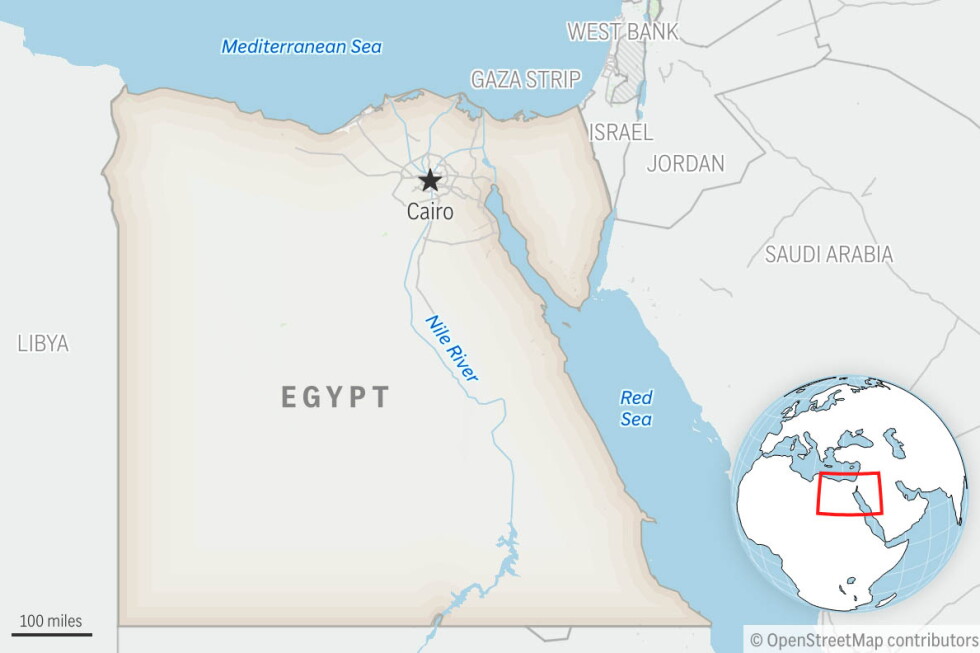
    The outbreak is concentrated in the remote, under-resourced Mongwalu and Rwampara health zones of Ituri, a province located more than 1,000 kilometers (620 miles) from the DRC’s capital, Kinshasa. Suspected cases have also been identified in Bunia, Ituri’s provincial capital, highlighting early signs of geographic spread. The region’s underdeveloped road infrastructure and remote location have long complicated large-scale public health responses, a challenge that looms large over current containment work.

    Public health leaders have flagged multiple high-risk factors that could accelerate the virus’s spread beyond DRC’s borders. Most notably, the affected zones sit in close proximity to the national borders with Uganda and South Sudan, while frequent cross-border population movement, including migration linked to regional artisanal mining operations, creates constant transmission risk. Compounding this danger is the ongoing security crisis in Ituri, where violent attacks by armed groups over the past year have killed dozens of residents and displaced thousands, disrupting health care access and contact tracing efforts. Africa CDC also noted critical gaps in contact listing, a core process for identifying and isolating people exposed to the virus, as local teams work to scale up response operations.

    Despite these challenges, urgent action to contain the outbreak is already underway. The Africa CDC has partnered with Congolese national health authorities and global public health partners to launch a rapid, coordinated response. On the same day the outbreak was confirmed, the agency convened an emergency high-level coordination meeting bringing together health officials from DRC, Uganda, and South Sudan, alongside representatives from United Nations agencies, international donor nations, and global health organizations. The meeting focused on aligning priorities for immediate intervention, strengthening cross-border surveillance and coordination, establishing protocols for safe, dignified burials (a key step to reducing transmission), and mobilizing critical financial and logistical resources for the response.

    While safe, effective vaccines for Ebola do exist, response teams face significant logistical and financial barriers that mirror challenges from past outbreaks in the region. The DRC, Africa’s second-largest country by land area, has a long history of struggling to deploy rapid vaccine distributions due to poor infrastructure and vast distances between population centers. During a 2023 Ebola outbreak, for example, the World Health Organization required a full week to deliver vaccine doses after the outbreak was formally confirmed. Funding gaps have also plagued past responses, with public health officials raising alarms last year over the impact of United States funding cuts to outbreak response programs, even after the U.S. Agency for International Development contributed up to $11.5 million to support regional Ebola response efforts across Africa in 2021.

    This new outbreak marks the 17th recorded Ebola event in the DRC since the virus was first discovered in the country in 1976. It comes just five months after the DRC declared its previous Ebola outbreak over in December 2023, which claimed 43 lives. The 2022 outbreak in the country’s Equateur province killed six people, while the devastating 2018–2020 outbreak in eastern DRC killed more than 1,000 people — the deadliest Ebola event on record since the 2014–2016 outbreak across Guinea, Sierra Leone, and Liberia that killed more than 11,000 people.

    First identified near the Ebola River in what is now the DRC, the Ebola virus is highly contagious and can jump to human populations from wild animal hosts. Once introduced to human communities, it spreads through direct contact with contaminated bodily fluids including blood, vomit, and semen, as well as contact with surfaces and materials such as bedding and clothing that have been exposed to these fluids. Ebola causes severe, often fatal illness in humans, with common symptoms including fever, muscle pain, vomiting, diarrhea, and in advanced cases, internal and external bleeding. The first documented outbreaks occurred in remote Central African villages near tropical rainforests, where human contact with wild animal populations put communities at risk.

  • New outbreak of Ebola kills 65 in eastern DR Congo

    New outbreak of Ebola kills 65 in eastern DR Congo

    The Africa Centres for Disease Control and Prevention (CDC Africa) has publicly confirmed a new Ebola outbreak in the Democratic Republic of Congo’s northeastern Ituri Province, marking the 17th recorded occurrence of the deadly viral pathogen in the Central African nation since the virus was first discovered in 1976.

    According to the regional health body’s official statement released Friday, the outbreak has so far been linked to 246 suspected cases and 65 confirmed deaths, with the vast majority of infections concentrated in two gold-mining communities: Mongwalu and Rwampara. Preliminary laboratory analysis conducted by the Institut National de Recherche Biomédicale (INRB) in DR Congo’s capital Kinshasa has returned positive Ebola results for 13 out of 20 tested samples, with just four of the total fatalities recorded among lab-confirmed cases. Health officials are also awaiting test results for additional suspected cases that have recently emerged in Bunia, Ituri’s provincial capital.

    As of Friday afternoon, the Congolese national government had not yet issued an official declaration of the outbreak, with a senior government staffer confirming to the BBC that a formal press conference addressing the situation was scheduled for later the same day.

    To contain the spread of the virus, CDC Africa announced it has convened an urgent coordination meeting with DR Congo’s national health authorities, alongside neighboring nations Uganda and South Sudan, and other global public health partners. The gathering will focus on aligning rapid response measures and strengthening cross-border disease surveillance, a critical step to prevent the outbreak from spilling into adjacent countries.

    Ebola, which scientists believe originates in fruit bat populations, first emerged in what is now DR Congo in 1976. The virus spreads exclusively through direct contact with infected bodily fluids, and causes rapid onset of severe symptoms including fever, muscle aches, extreme fatigue, sore throat, and eventually progresses to widespread internal bleeding and organ failure. To date, no definitive cure for Ebola exists, though early supportive care significantly improves patient survival outcomes.

    The current outbreak unfolds against a complex security backdrop in Ituri, which has been under direct military rule since 2021. The Congolese government imposed military governance on the region to counter a decades-long presence of dozens of armed insurgent groups, including the Islamic State-affiliated Allied Democratic Forces (ADF), which has carried out frequent attacks on civilian and government targets across the province for years. This security instability poses additional challenges to rapid deployment of public health response teams to affected communities.

    DR Congo has a long history of Ebola outbreaks, with the country’s deadliest event on record occurring between 2018 and 2020, when the virus claimed nearly 2,300 lives. Just last year, an outbreak in the country’s central Kasai Province killed 45 people. Across all African nations, Ebola has killed approximately 50,000 people since it was first identified 50 years ago.

  • Africa’s top health body confirms new Ebola outbreak in remote Congo province

    Africa’s top health body confirms new Ebola outbreak in remote Congo province

    KINSHASA, Democratic Republic of the Congo — Africa’s leading public health authority, the Africa Centres for Disease Control and Prevention (Africa CDC), announced Friday the official confirmation of a fresh Ebola outbreak in the remote northeastern province of Ituri. As of the announcement, the emerging outbreak has recorded 246 suspected infections and 65 fatalities across affected areas.

    Per the agency’s official statement, the vast majority of suspected cases and deaths have been concentrated in two local health zones: Mongwalu and Rwampara. Of the laboratory-confirmed cases identified to date, four have ended in death, while a small number of additional suspected cases detected in the regional city of Bunia are still awaiting confirmatory testing, Africa CDC added.

    First identified in what is now the Democratic Republic of the Congo (DRC) in 1976, the Ebola virus is an extremely contagious pathogen that spreads through direct contact with infected bodily fluids including blood, vomit, and semen. While infections remain relatively rare, the disease it triggers causes severe, often life-threatening illness with a high fatality rate.

    This latest public health emergency comes just five months after the DRC declared an end to its previous Ebola outbreak, which claimed 43 lives before being contained. Friday’s confirmation marks the 17th Ebola outbreak the country has faced since the virus was first discovered on its soil nearly five decades ago. The deadliest recent outbreak occurred between 2018 and 2020 in eastern DRC, killing more than 2,000 people.

    Ituri, the epicenter of the new outbreak, is a remote region located more than 1,000 kilometers (620 miles) from the DRC’s capital Kinshasa, marked by underdeveloped, fragmented road infrastructure that complicates rapid response efforts. The challenge of containing the outbreak is compounded by long-running instability in eastern DRC, where the central government has battled multiple active armed insurgencies for years.

    The M23 rebel group, which launched a large-scale offensive in early 2023, currently occupies key population centers in the region, while Ituri specifically faces ongoing attacks from the Allied Democratic Forces, a militant organization linked to the Islamic State that has killed dozens of civilians in recent months across the province.

    As Africa’s second-largest country by land area, the DRC has long struggled with systemic logistical barriers to rapid disease outbreak response. During the 2023 Ebola outbreak, which spanned three months, the World Health Organization reported major early hurdles to rolling out vaccination campaigns, hobbled by limited access to affected communities and critical funding shortages.

    Public health experts warn that the combination of poor infrastructure, ongoing conflict, and historical response gaps create significant risks that this new Ebola outbreak could spread faster than response teams can contain it, placing added strain on the already overstretched local health system.

  • Zimbabwe’s vivid English first names carry family histories, from Privilege to Shame

    Zimbabwe’s vivid English first names carry family histories, from Privilege to Shame

    In Zimbabwe, a country in southern Africa with a deep, layered cultural history, naming a newborn child is far more than a simple act of assigning personal identity. Unlike the common practice of picking names for aesthetic or familial tradition in many parts of the world, Zimbabwean naming conventions turn common English words into living, breathing narratives that capture the emotions, struggles, joys and circumstances of a family at the moment a child enters the world.

    For 37-year-old Harare bar manager Privilege Mubani, her name only revealed its full, meaningful backstory as she entered adulthood. Raised never questioning the moniker she carried from birth, Mubani finally asked her father to explain the choice behind her name. What she learned unlocked an unexpected story of stigma, resilience, and quiet gratitude.

    Mubani’s mother had become pregnant before marriage, a status heavily stigmatized in Zimbabwe’s conservative social landscape, where single motherhood is widely frowned upon. Having already resigned herself to a lifetime of unmarried status and public judgment, her mother was surprised when a suitor chose to marry her despite the social stigma attached to her pregnancy. The experience left her feeling redeemed after months of public mockery for carrying a so-called “fatherless” child. “Naming me Privilege was her own expression of gratitude,” Mubani explained with a grin.

    Zimbabwe’s widespread use of English words for given names traces its roots partially to the country’s history as a former British colony, as well as its status as a majority Christian nation, where English remains the official language and the dominant medium of instruction in schools and government operations. But experts explain that the practice of embedding personal and social narrative into names runs much deeper than colonial influence.

    David Chikwaza, a decolonization researcher at Dublin City University’s School of History and Geography, notes that pre-colonial African naming traditions have long carried deep symbolic weight, rooted in the region’s spiritually oriented cultural norms. “Parents would name their child as a way of addressing a societal or a personal issue,” Chikwaza explained. “Colonialism promoted English as a language of sophistication, so Africans simply turned to the English vocabulary for expression, but the meanings remain the same” as they did in pre-colonial naming practices.

    This one-of-a-kind naming culture has often caught the attention of international observers and outsiders. During the 2024 African Cup of Nations soccer tournament, Zimbabwe’s national men’s team went viral on social media worldwide, after users were struck by the striking, meaningful names on the team roster: players including Teenage, Godknows, Divine, Marvellous, Knowledge, Prince and Prosper sparked widespread amusement and fascination on platforms like TikTok, where one user commented she could barely believe the names were real.

    The unusual names have also become a source of comedy for international performers. Learnmore Jonasi, a Zimbabwean comedian who reached the finals of *America’s Got Talent* in 2024, regularly draws laughs from U.S. audiences by joking about his own name and the wide array of unconventional monikers common back home. Beyond Privilege and Learnmore, common names that raise eyebrows abroad include Givemore, Best, Promise, Guarantee, Anxious, Innocent, Confidence, and Hardlife—all of which are unremarkable within Zimbabwe.

    For many Zimbabweans, these narrative names are a source of deep personal pride, and many see their names as a standard to live up to. Lovejoy Mutongwiza, a 33-year-old journalist and chief executive of independent online news outlet 263chat, describes his name as a perfect reflection of his own identity and his parents’ experience. “My mum and dad said they were madly in love and in a happy place in their lives when they conceived me, so they aptly named me Lovejoy,” he said. “It’s a befitting name. I think I have lived up to it because I am rarely angry. I am naturally a bubbly person.”

    Even those with names that outsiders might see as burdensome or negative embrace their monikers as part of their cultural and family heritage. Fifty-one-year-old Shame Chikwana has never felt ashamed of his name, and turned down repeated pressure from his sister to change it to a more conventional name as an adult. “I would never trade it for any other name. I was named after my late grandfather so it’s a heritage I am carrying,” Chikwana said, adding that his parents have never shared why his grandfather received the name. “I hope it stays within the family for generations to come.”