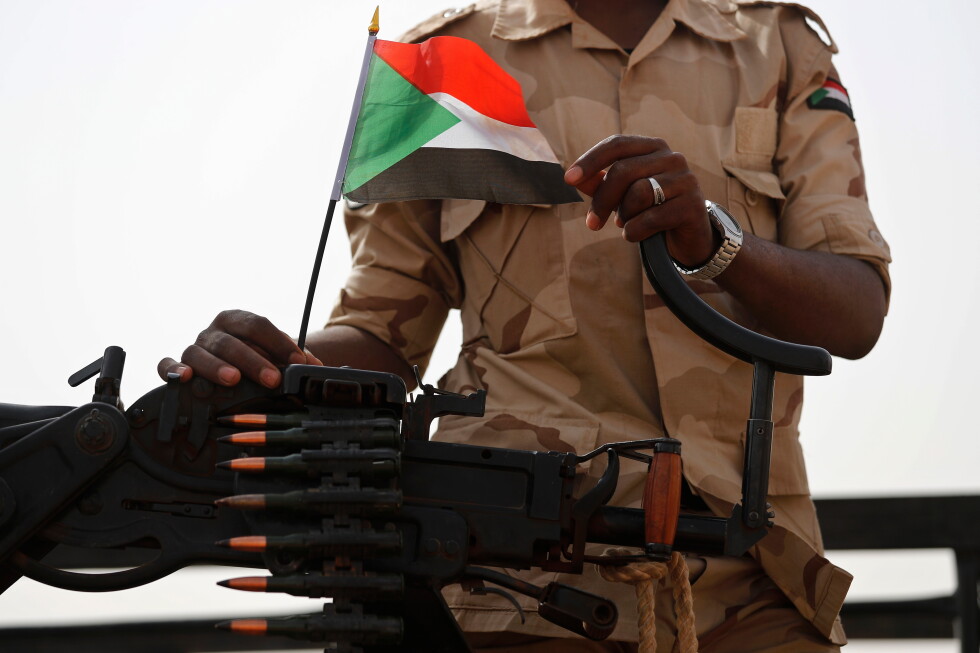
In a damning new report released Wednesday in Nairobi, the capital of neighboring Kenya, global human rights watchdog Amnesty International has publicly named three senior commanders of Sudan’s Rapid Support Forces (RSF), accusing the paramilitary group’s leadership of overseeing systematic war crimes during the deadly 2025 capture of el-Fasher, the capital of North Darfur.
During the official report launch, Amnesty Secretary General Agnès Callamard laid out the organization’s findings, concluding that RSF forces carried out crimes against humanity and targeted ethnic cleansing during their coordinated assault on the city. The devastating three-day offensive, which concluded with the RSF seizing control of el-Fasher in October 2025, left more than 6,000 people dead, and United Nations experts have already characterized the attack as carrying all the “hallmarks of genocide.”
Amnesty’s investigation built its case around forensic analysis of nine verified video materials, which document clear evidence of atrocities directly linked to the three named commanders: one video shows a senior RSF commander executing unarmed civilians, a second captures another commander torturing detained civilians, and a third captures the third senior leader ordering the abuse of prisoners. Callamard detailed the full scope of atrocities documented by the investigation, including mass murder, forced displacement of civilian populations, arbitrary detention, systematic torture, rape, sexual slavery, other forms of sexual violence, enslavement, mass extermination, and targeted persecution against specific ethnic groups.
Callamard issued an urgent appeal to the global community, stressing that attacks on civilians continue unhindered across Sudan and require immediate intervention. She called for three key priority actions: an immediate and comprehensive ceasefire across all conflict lines, the rapid deployment of a dedicated United Nations protection force to secure at-risk civilian populations, and sweeping accountability measures to bring perpetrators to justice. “Strengthening accountability requires resourcing and supporting all existing mechanisms for Sudan, including the International Criminal Court, and the fact-finding missions backed by the United Nations and African Union,” Callamard said. “The commanders named in this report must face investigation, and where sufficient admissible evidence exists, they must be prosecuted.”
To date, the RSF has not issued any public comment in response to the report’s allegations. Amnesty International confirmed it shared a full copy of the findings with RSF leader Gen. Mohamed Hamdan Dagalo last month, but has not received any formal response from the paramilitary group.
The devastating conflict in Sudan first erupted in April 2023, sparked by decades of simmering tensions between the country’s national army and the RSF, the powerful paramilitary force that rose to prominence in the country’s Darfur region decades ago. The ongoing war has already killed at least 59,000 people, displaced roughly 13 million Sudanese from their homes, pushed large swathes of the country into catastrophic famine conditions, and left more than 30 million people in urgent need of life-saving humanitarian assistance.