标签: Africa

非洲

  • The Ebola outbreak started weeks ago, officials believe. Here’s a timeline of what we know

    The Ebola outbreak started weeks ago, officials believe. Here’s a timeline of what we know

    In an ongoing public health crisis centered in the northeastern Democratic Republic of the Congo, a rare strain of Ebola has sparked an outbreak that the World Health Organization has now designated a Public Health Emergency of International Concern (PHEIC), with fatalities topping 100 and cases already spreading into neighboring Uganda. What follows is a comprehensive chronological breakdown of how the under-recognized crisis unfolded, marked by early challenges in identifying the unusual pathogen behind the spread of disease.

    Between April 24 and 27, the first suspected case of the mysterious illness – a local health worker – fell ill and died in Bunia, the capital of Congo’s Ituri Province. According to Congo’s health minister, the worker’s body was subsequently transported to the nearby mining hub of Mongbwalu. While Congolese officials cite April 24 as the date of death, the Africa Centers for Disease Control and Prevention (Africa CDC) records the death occurring on April 27, following the onset of severe hemorrhagic symptoms characteristic of filovirus infections like Ebola.

    On April 28, the Africa CDC confirmed that a close contact of the initial suspected victim had also died after developing matching disease symptoms. Just two days later, on April 30, on-site testing of patient samples in Bunia returned negative results for Zaire ebolavirus – the strain responsible for nearly all previous large Ebola outbreaks in Congo. The WHO notes that three Ebola species are known to trigger major outbreaks: Zaire, Sudan, and the far less common Bundibugyo virus. It would take a full two additional weeks for public health authorities to confirm that the rarer Bundibugyo strain was the actual cause of the outbreak.

    By May 5, the WHO was formally notified of a “high-mortality” outbreak of unknown origin in Mongbwalu, with multiple health workers already counted among the deceased. Local preliminary reports placed the death toll at roughly 50 by this point. Congolese health officials later noted that the movement of the first victim’s contagious remains to Mongbwalu likely sparked the local transmission chain there, as bodies of Ebola victims carry extremely high infection risk.

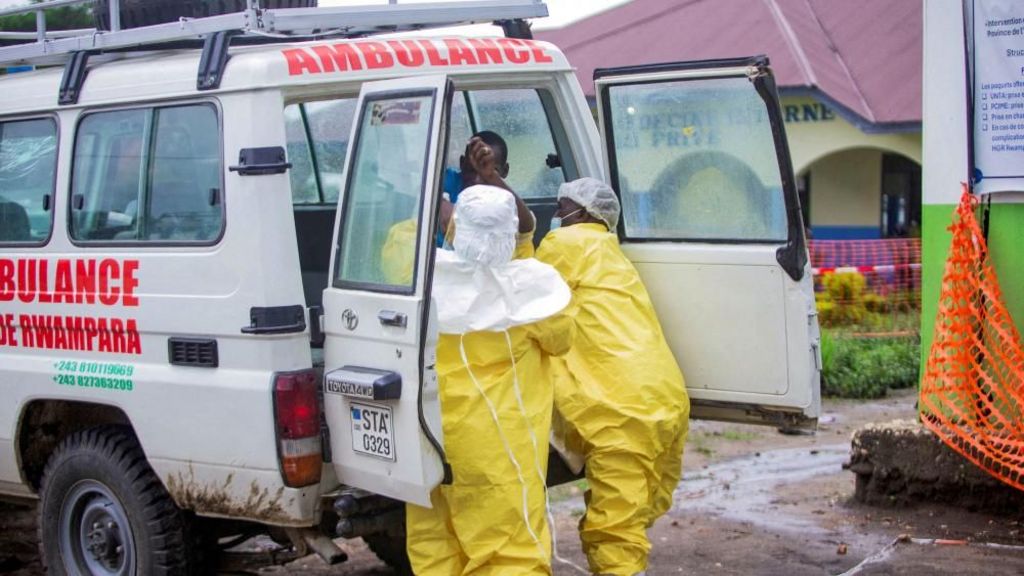
    On May 11, a 59-year-old Congolese man with Ebola-typical symptoms of fever and body aches checked into a hospital in Kampala, Uganda’s capital, located roughly 434 miles from Ituri Province. Ugandan health authorities confirmed he had crossed the border from Congo to seek care. A WHO rapid response team deployed to investigate the expanding outbreak in Mongbwalu and the nearby Rwampara health zone on May 13, as transmission continued to accelerate. The following day, 13 blood samples from suspected Ebola cases in Rwampara were sent for official analysis at a national laboratory in Kinshasa, Congo’s capital. That same day, the cross-border patient from Congo died in the Kampala hospital, and his remains were returned to Congo for burial.

    May 15 marked a turning point in the crisis: laboratory analysis from Kinshasa confirmed the presence of Bundibugyo virus in eight of the 13 Rwampara samples. Posthumous testing of the Ugandan patient’s sample also returned positive for the rare strain, for which no licensed vaccine or specific antiviral treatment currently exists. The Congolese Ministry of Health officially declared an Ebola outbreak, with the Africa CDC reporting 246 suspected cases and 65 fatalities. Within days, those numbers jumped to more than 300 suspected cases and over 100 confirmed deaths. Ugandan officials confirmed their country’s cases were limited to two people, both of whom had entered Uganda from Congo. This outbreak marks the 17th major Ebola event in Congo since the virus was first discovered in the country in 1976.

    On May 17, the WHO formally designated the cross-border outbreak in Congo and Uganda a PHEIC, the United Nations health agency’s highest level of public health alert. The WHO emphasized that the outbreak does not meet the criteria for a pandemic classification like that applied to COVID-19, and explicitly advised against countries closing their borders to Congo or Uganda. Even so, the agency urged all nations sharing a land border with the two affected countries to immediately strengthen routine disease surveillance and ensure frontline health workers receive specialized training to identify, triage and manage Ebola cases.

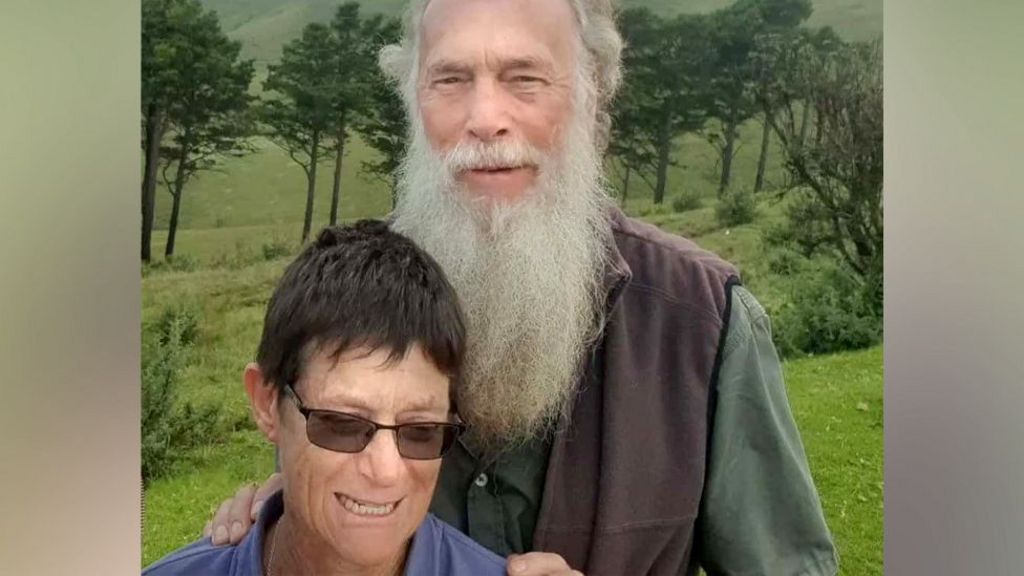
    The following day, Congolese health officials confirmed that an American doctor working in Bunia had tested positive for the virus. Dr. Jean-Jacques Muyembe, medical director of Congo’s National Institute of Bio-Medical Research, confirmed the case was counted among the infections in Bunia, where the doctor had been treating patients at a local hospital, according to his employing organization.

    This reporting was a collaborative effort by Associated Press writers based across the African continent: Monika Pronczuk in Dakar, Senegal, Evelyne Musambi in Nairobi, Kenya, and Rodney Muhumuza in Kampala, Uganda.

  • Wan-Bissaka and Wissa in DR Congo World Cup squad

    Wan-Bissaka and Wissa in DR Congo World Cup squad

    After a 52-year wait, DR Congo has finalized its squad for the 2026 FIFA World Cup, headlined by two English Premier League-based talents: West Ham United defender Aaron Wan-Bissaka and Newcastle United striker Yoane Wissa.

    Wan-Bissaka, a 28-year-old born in Croydon, south London, has a well-documented history with England’s youth international setup. He represented the Three Lions at the 2019 UEFA European Under-21 Championship and earned a call-up to the senior men’s national team that same year, but never earned a senior cap. The former Manchester United full-back made the decision to switch his international allegiance to DR Congo in August 2025, and has since earned nine international appearances for the Central African nation, nicknamed the Leopards.

    For Wissa, his World Cup call-up marks a return to the international fold after a challenging 12 months. The striker moved to Newcastle from Brentford in the summer of 2024, but his first season with the Magpies has been disrupted by a mix of inconsistent form and recurring injury issues. He was left out of DR Congo’s squad for the 2025 Africa Cup of Nations, but has earned a recall for the sport’s biggest global tournament.

    The squad also includes a number of other notable selections, including Burnley defender Axel Tuanzebe, another player with English youth international experience. However, one late change was forced after Hibernian centre-back Rocky Bushiri suffered a suspected Achilles injury during his club’s 1-0 loss to Motherwell in early March. Bushiri was forced to withdraw from the squad, and Kilmarnock defensive midfielder Aaron Tshibola was called in to replace him.

    Other familiar names in the squad include Watford midfielder Edo Kayembe, Sunderland full-back Noah Sadiki, and a surprise recall for 34-year-old veteran attacking midfielder Gael Kakuta. The former Chelsea youth product has only earned two caps for DR Congo in the last two years, but his experience has seen coach Sebastien Desabre add him to the tournament squad.

    DR Congo will enter the World Cup finals in Group K, where they will face tough competition against European powerhouse Portugal, South American side Colombia, and Asian representative Uzbekistan. This tournament marks DR Congo’s first appearance at the World Cup since 1974, when the country competed under its former name Zaire at the tournament hosted by West Germany. That 1974 campaign ended in disappointment for the side, who lost all three of their group stage matches, including a 9-0 thrashing at the hands of Yugoslavia. The tournament is still remembered for one infamous moment: Zaire defender Mwepu Ilunga broke out of the defensive wall during a Brazil free-kick to boot the ball away, a moment that was caught on camera and remains one of the most memorable oddities in World Cup history.

    Full DR Congo 2026 World Cup Squad:
    Goalkeepers: Matthieu Epolo (Standard Liege), Timothy Fayulu (Noah), Lionel Mpasi (Le Havre)
    Defenders: Dylan Batubinsika (Larisa), Gedoon Kalulu (Aris Limassol), Steve Kapuadi (Widzew Lodz), Joris Kayembe (Racing Genk), Arthur Masuaku (Racing Lens), Chancel Mbemba (Lille), Axel Tuanzebe (Burnley), Aaron Wan-Bissaka (West Ham United)
    Midfielders: Theo Bongonda (Spartak Moscow), Brian Cipenga (Castellon), Meshack Elia (Alanyaspor), Gael Kakuta (Larisa), Edo Kayembe (Watford), Nathanael Mbuku (Montpellier), Samuel Moutoussamy (Atromitos), Ngal’ayel Mukau (Lille), Charles Pickel (Espanyol), Noah Sadiki (Sunderland), Aaron Tshibola (Kilmarnock)
    Forwards: Cedric Bakambu (Real Betis), Simon Banza (Al Jazira), Fiston Mayele (Pyramids), Yoane Wissa (Newcastle United)

  • What is Ebola and why is stopping this outbreak so difficult?

    What is Ebola and why is stopping this outbreak so difficult?

    The World Health Organization (WHO) has formally designated an ongoing Ebola outbreak in the eastern region of the Democratic Republic of Congo (DRC) as a Public Health Emergency of International Concern (PHEIC), marking a major escalation of global response to a dangerous and uniquely challenging public health crisis.

    Unlike more common Ebola variants that global health systems have experience addressing, this outbreak is driven by the Bundibugyo strain – an extremely rare subtype that has not triggered a major outbreak in more than 10 years. Only two previous Bundibugyo outbreaks have ever been recorded, with the virus claiming the lives of roughly one-third of all confirmed cases in those events. This rarity has created multiple layers of barriers to containment and treatment: standard initial Ebola diagnostic tests are calibrated to detect more common strains, leading to initial false negatives that delayed detection, and no officially approved vaccine or targeted antiviral treatment exists for this specific variant. While experimental vaccines are currently in development, researchers note that existing vaccines for the Zaire Ebola strain may offer partial cross-protection, though this has not been formally confirmed for widespread use.

    Compounding these biological challenges is the outbreak’s location in an unstable conflict zone. Over a quarter of a million people have been displaced from their homes in the affected Ituri province, and porous, poorly monitored borders with neighboring countries have created constant risk of cross-border spread. The outbreak was not detected early after its initial emergence: the first documented case was a nurse who first developed symptoms on April 24, meaning the virus circulated undetected for multiple weeks before authorities were alerted. That nurse later died in Bunia, Ituri’s capital, and her body was transported back to Mongwalu – one of two gold-mining towns that have recorded the majority of confirmed cases. Congolese Health Minister Samuel Roger Kamba explained that widespread community transmission accelerated after the nurse’s funeral, where dozens of people were exposed to the infected body during traditional mourning practices. This mirrors patterns seen in past Ebola outbreaks across Africa, where funeral customs have repeatedly fueled spread.

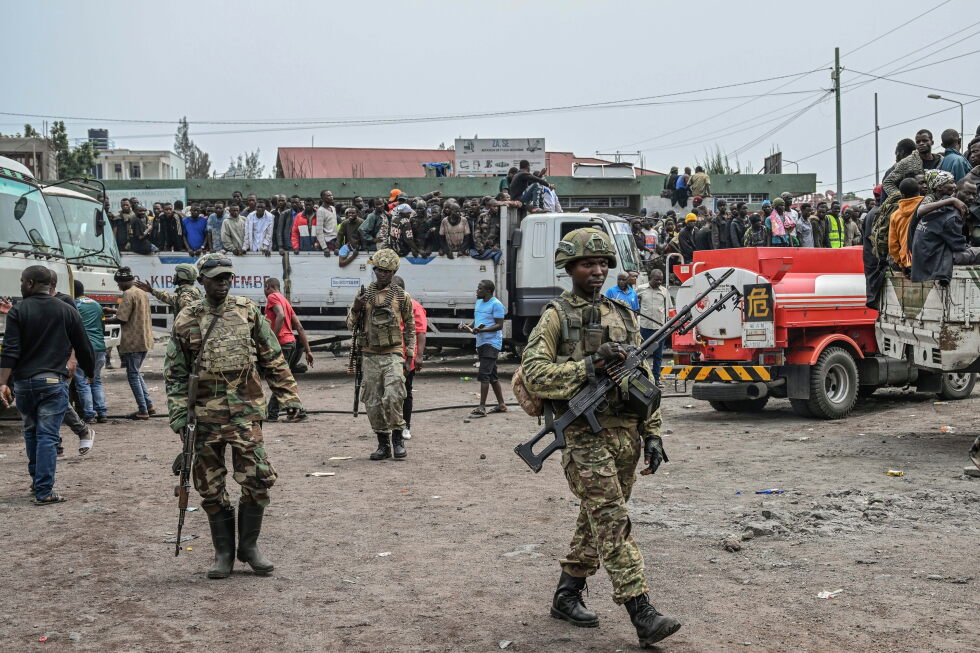
    Delayed reporting also stemmed from widespread misinformation in affected communities: many residents initially attributed the mysterious illness to witchcraft or a supernatural curse, leading sick people to seek care from traditional healers and prayer centers instead of formal medical facilities. This allowed transmission to continue uninterrupted for weeks. As of current reports, cases have been confirmed across three Ituri locations (Mongwalu, Rwampara, and Bunia) as well as Goma – the largest city in eastern DRC, home to 850,000 people and currently under the control of AFC-M23 rebel forces. The Goma case involves a woman who traveled to the city after her husband died of Ebola in Bunia. Alarmingly, two Congolese travelers who entered Uganda from the DRC have already died of Ebola in Kampala, Uganda’s capital, marking the first cross-border fatalities linked to the outbreak.

    Contrary to widespread public speculation, WHO officials stress that this PHEIC declaration does not signal an impending COVID-19-style global pandemic. The overall risk of Ebola spread outside of East Africa remains categorized as minimal, with the greatest danger concentrated in the Great Lakes region of central Africa. Still, global health bodies are sounding the alarm about significant regional spread risks. The Africa Centres for Disease Control and Prevention (Africa CDC) has highlighted high risk of transmission to neighboring Uganda, Rwanda, and South Sudan, and is coordinating with officials from all four countries to strengthen cross-border surveillance and response capacity.

    Neighboring nations have already implemented urgent precautionary measures. Rwanda, which shares a border with Goma, has ramped up entry screening for all travelers coming from the DRC, and has restricted entry for non-resident Congolese nationals coming from affected areas. In Uganda, President Yoweri Museveni has postponed the annual Martyrs’ Day pilgrimage – a major Christian event that draws thousands of Congolese visitors each year – to prevent large-scale gathering that could fuel transmission.

    On the ground in the DRC, multiple response efforts are underway, but political fragmentation threatens to slow progress. The Congolese national government has deployed specialized health teams equipped with personal protective equipment to Bunia, and has launched a public awareness campaign alongside a toll-free hotline (151) for residents to report suspected symptoms. Public health officials have issued core guidance for residents: seek immediate medical care at the first sign of symptoms, avoid contact with bodies of people who died with suspected Ebola or dead wild animals, avoid eating raw or undercooked meat, and maintain physical distancing in public spaces. The WHO and medical humanitarian organization Médecins Sans Frontières (MSF) have also deployed personnel and resources to set up dedicated Ebola treatment centers and coordinate the overall response. In Goma, AFC-M23 rebel officials say they have activated their own response mechanisms in partnership with local health facilities to contain spread, but political tensions mean the Congolese national government is unlikely to collaborate with the rebel administration, creating a critical coordination gap that could hinder containment efforts.

    Africa CDC Director Dr. Jean Kaseya says current public outreach efforts are focused on addressing the key risk factors that have driven spread so far, including educating communities on safe funeral practices, universal basic hygiene, and proper sanitation, as well as ensuring frontline health workers have access to adequate protective equipment to avoid infection while caring for patients.

  • Ebola and hantavirus have Africa talking ‘health sovereignty’ as donor support fades

    Ebola and hantavirus have Africa talking ‘health sovereignty’ as donor support fades

    A new, lethal Ebola outbreak spanning the Democratic Republic of Congo and Uganda has laid bare the growing vulnerability of African health systems, as plummeting international donor assistance forces the continent to confront a long-deferred reckoning: ending decades of dependency on foreign aid for public health emergency response.

    According to the Africa Centers for Disease Control and Prevention (Africa CDC), the continent is grappling with an unprecedented health financing crisis. Official development assistance for health has been cut in half over just four years, plummeting from roughly $26 billion in 2021 to a projected $13 billion in 2025. Wealthy nations have redirected global health resources to prioritize geopolitical conflicts and domestic economic pressures, with sweeping cuts implemented during the Trump administration worsening the funding shortfall. The shrinking budget crisis arrives as Africa’s population has surpassed 1.5 billion and disease outbreaks are surging: the Africa CDC recorded a jump from 153 public health emergencies across the continent in 2022 to 242 in 2024, ranging from mpox and cholera to this latest Ebola strain, which has no approved vaccines or targeted treatments.

    For decades, African governments signed pledges promising to increase domestic investment in public health, but few have followed through on those commitments. In the 2001 Abuja Declaration, 54 African nations committed to allocate a minimum of 15% of their national budgets to the health sector. Today, only three countries — Rwanda, Botswana, and Cape Verde — are on track to meet that target. Dr. Jean Kaseya, director-general of the Africa CDC, framed the funding gap as a threat as dangerous as any emerging pathogen, noting that “every time we have an outbreak, many countries start to ask for partners because they don’t have in their budgets funding to respond, even to prepare for these outbreaks.”

    Dr. Alex Ajangba, a health financing expert and co-editor of the *African Journal of Health Economics, Systems and Policy*, explained that prior commitments to self-reliance remained theoretical as long as donor funding was available. “But now that cushion is gone,” he said, adding that the current drop in foreign assistance is not a temporary dip, but a permanent shift.

    Against this backdrop, the concept of “health sovereignty” has moved to the center of continental policy, with African governments accelerating efforts to build self-sufficient health systems that rely far less on external aid. Recent initiatives, including Ghana’s September 2024 Accra Reset and the continent-wide African Health Security and Sovereignty Agenda adopted by leaders in February 2025, aim to strengthen long-term public health resilience. Proposed domestic solutions include new targeted taxes on tobacco, alcohol, and sugary beverages to generate health revenue, pooled bulk procurement of medicines to cut costs, expanding local pharmaceutical and vaccine manufacturing, and eliminating systemic inefficiencies that drain limited budgets.

    Currently, Africa imports more than 90% of its critical health commodities, including vaccines and prescription drugs. The Africa CDC has set an ambitious target to produce 60% of the continent’s vaccines domestically by 2040. Still, experts warn that health sovereignty risks becoming little more than a empty policy slogan without meaningful structural and financial reform.

    A key barrier to expanding domestic health investment is the paradox of Africa’s natural resource wealth: the continent holds roughly 30% of the world’s total mineral reserves, including critical minerals essential for global technology and renewable energy development, but most of the economic value of these resources never reaches national governments or public budgets. Opaque and weak contracting, massive illicit financial flows, crippling national debt burdens, and the export of raw minerals with limited local value processing drain hundreds of billions of dollars from African economies annually. The United Nations Economic Commission for Africa estimates the continent loses roughly $40 billion each year to illicit financial flows alone in the extractive sector.

    To bridge the funding gap, global health bodies and African governments are increasingly turning to co-financing models, which require recipient nations to contribute a growing share of health funding alongside donor contributions. Gavi, the global vaccine alliance, reports that lower-income African nations contributed a record $302 million toward domestic vaccine purchases in 2025, and have contributed roughly $1 billion total over the past five years. “This creates predictability,” Gavi chief executive Sania Nishtar told the Associated Press. “Reliance on aid for basic services does not.”

    But the shift toward new financing models has become contentious, particularly as the Trump administration has made co-financing a non-negotiable condition for “America First” health agreements with nearly two dozen African nations. The deals restructure U.S. aid to require countries to increase domestic health spending within set deadlines, or lose all U.S. support entirely. Some nations have rejected the agreements outright, pushing back against U.S. demands for access to domestic health data with no guarantees that African nations will share in any commercial benefits derived from that data. Other critics have condemned proposals that would swap health aid commitments for access to African natural resources.

    While most African leaders agree that long-term self-sufficiency is a necessary goal, critics argue that many of the U.S. conditions place unfair, unrealistic pressure on economies already strained by debt and underdevelopment. “They are being set up to fail,” said Asia Russell, executive director of global health advocacy group Health GAP. “When an administration says, ‘If you don’t hit these numbers, you’re not going to get resources anymore,’ that is extremely serious.”

    Mounting national debt burdens already make dramatic increases in domestic health spending nearly impossible for many nations. Africa’s total sovereign debt has surged to roughly $1.2 trillion, according to the African Export-Import Bank, forcing governments to make devastating trade-offs between public health and debt repayment. For roughly 40% of African countries, annual debt servicing costs exceed total national health spending. The United Nations reports that debt repayment consumes an average of 19% of total government revenue across sub-Saharan Africa. Jen Kates, senior vice president of global health policy nonprofit KFF, noted that “at the end of the day, it’s going to be people who live in those countries who will feel the effects” of underfunded health systems. The Associated Press receives financial support from the Gates Foundation for coverage of global health and development in Africa, and maintains full editorial control over all content.

  • Strike over high fuel prices paralyses transport in Kenya

    Strike over high fuel prices paralyses transport in Kenya

    A nationwide strike by Kenya’s public transport operators has brought major parts of the East African nation to a standstill, as thousands of commuters are left stranded and economic activity grinds to a halt over a record-breaking jump in fuel prices that has deepened an already severe cost-of-living crisis.

    The industrial action, organized by the country’s Transport Sector Alliance (TSA), was launched days after Kenya’s Energy and Petroleum Regulatory Authority (Epra) implemented a more than 20% increase in petroleum prices, pushing rates to all-time highs. As of last Thursday, diesel climbed to 242 Kenyan shillings ($1.80, £1.40) per liter, while petrol rose to $1.65 per liter.

    By Monday morning, key arterial roads in the capital Nairobi were nearly deserted. With nearly all public transit vehicles — including the ubiquitous local matatu minibuses — adhering to the shutdown, thousands of workers and students were forced to walk for miles to reach their destinations, while many businesses kept their doors closed and schools across affected regions advised students to stay home. Local television footage captured demonstrators barricading major thoroughfares and lighting bonfires to block vehicle access, with scattered reports of protesters harassing private motorists who defied the strike call. In multiple areas of Nairobi and other parts of the country, clashes broke out between security forces and demonstrators, with police deploying tear gas to disperse crowds. Ahead of the strike, law enforcement had already announced heightened security deployments and warned participants against engaging in disorderly conduct.

    The TSA, which coordinated the shutdown, extended the strike’s scope beyond transport operators, framing it as a collective action for all Kenyan households struggling with soaring living costs. In an official statement, the alliance said the industrial action was intended to pressure the government to reverse last week’s price hike and implement an overall 35% reduction in fuel costs. It accused the Kenyan government of failing to take meaningful action to protect ordinary citizens from the spiraling cost of fuel, which has already driven up prices for food, public transit fares, and nearly all other essential goods and services.

    The current fuel crisis stems from global supply chain disruptions tied to the US-Israel conflict with Iran that began in late February. Like many other sub-Saharan African nations, Kenya depends almost entirely on fuel imports from the Gulf region, a supply route thrown off balance by instability around the Strait of Hormuz — the strategic chokepoint through which roughly one-fifth of the world’s daily oil supplies pass. While a ceasefire has been agreed, the strait remains blocked, keeping global oil prices elevated and passing higher costs directly on to Kenyan consumers.

    Kenyan officials have acknowledged the hardship caused by the price increase, but rejected the strikers’ demands and condemned the industrial action. Treasury Cabinet Secretary John Mbadi told local NTV on Monday that the fuel price hike was “unfortunate” and acknowledged that it was weighing heavily on the national economy. However, he argued that the strike was “completely uncalled for”, noting that the price surge is a global issue that cannot be resolved with domestic disruptive action. “Why are we trying to solve a global problem using domestic means?” Mbadi asked.

    The government has already taken one limited step to ease fuel costs: last month, it cut value-added tax on fuel from 16% to 8%, a reduction that is set to remain in place until July. But critics and advocacy groups say the move has not gone far enough to offset the massive price increases that have pushed household budgets to breaking point across the country.

  • Beijing’s zero-tariff policy in Africa hailed

    Beijing’s zero-tariff policy in Africa hailed

    When China rolled out its expanded zero-tariff policy for African exports earlier this month, the move was far more than a routine trade adjustment — it marked a landmark step forward in equitable South-South cooperation that experts say could reshape Africa’s position in global trade and value chains.

    Implemented on May 1, the new policy extends duty-free access to all 53 African nations that maintain diplomatic relations with China, expanding on a 2024 framework that only covered the continent’s 33 least developed countries. The policy change was the central focus of a recent online seminar hosted by the Africa-China Centre for Policy and Advisory based in Ghana, where trade and international relations experts broke down the initiative’s long-term potential and remaining challenges for African economies.

    Unlike unilateral preferential trade schemes offered by some Western powers, Tang Xiaoyang, chair and professor of the Department of International Relations at Tsinghua University, emphasized that China’s zero-tariff arrangement carries no binding political conditions. Framing the policy as a long-term framework for collaborative growth between developing nations rather than a short-term aid package, Tang noted that its core aligns with the core South-South principles of equality and mutual benefit. While early gains will likely flow to African agricultural exports — including coffee, fresh fruits, and seafood — the overarching goal is to drive broader industrial development and deeper integration of regional economies into Sino-African value chains, he added.

    The expansion adds major African economies including Kenya, South Africa, Nigeria, Egypt, and Ghana to the zero-tariff scheme, all of which already boast relatively mature export and manufacturing sectors. Tang explained that these economies are well-positioned to drive regional industrial progress via supply chain linkages and cross-border investment spillovers that benefit smaller neighboring nations.

    South African international affairs expert Mikatekiso Kubayi framed the policy as a critical opportunity for African countries to build economic self-reliance and accelerate industrialization at a time of growing global economic volatility. He pointed to the recent shipment of South African citrus to China under the new rules as an early indicator of the tangible market access gains the policy can deliver for African producers. Beyond direct trade benefits, Kubayi noted that deeper collaboration with China in research, technology, and innovation can help African economies evolve from passive importers of foreign technology to active, valued contributors to global production networks.

    While most experts expressed broad optimism about the policy’s transformative potential, many also stressed that duty-free access alone will not automatically translate to sustained development gains for African nations. Long-term success, they agree, hinges on African governments’ ability to address longstanding structural barriers that limit productive capacity and competitiveness.

    Wang Jinjie, a research professor at Peking University’s National School of Development and Institute of Area Studies, noted that the primary barrier facing African economies today is no longer access to global markets — it is the capacity to turn open market access into durable, inclusive industrial growth. “Opportunity doesn’t equal a development outcome by itself,” she explained, adding that most African nations continue to grapple with systemic constraints including underdeveloped logistics networks, limited local processing capacity, widespread skilled labor shortages, exorbitant transportation costs, and inconsistent quality control frameworks.

    Wang highlighted people-centered development initiatives emerging from China-Africa cooperation as a promising pathway to address these gaps, pointing specifically to the growing network of Luban Workshops across the continent. These vocational training programs, developed through bilateral cooperation, equip young African workers with technical skills tailored to growing sectors including manufacturing, agribusiness, and emerging green and digital industries.

    Rosemary Mnongya, a senior researcher at the Africa-China Centre for Policy and Advisory, echoed this outlook, urging African governments to reframe the policy opportunity to shift “from access to advantage.” To do this, she said, nations must prioritize local value addition and cross-border regional industrial cooperation, leveraging the African Continental Free Trade Area (AfCFTA) framework to build integrated regional production networks that can compete more effectively in the Chinese market. For example, Mnongya pointed to value-addition models: processing Tanzanian avocados into higher-value avocado oil, or weaving Tanzanian cotton into fabric for Ethiopian garment manufacturers, before exporting the finished product to China under the zero-tariff scheme, to capture far greater economic benefit than exporting raw materials alone.

  • Congo health minister announces 3 Ebola treatment centers in Ituri amid ongoing outbreak

    Congo health minister announces 3 Ebola treatment centers in Ituri amid ongoing outbreak

    DAKAR, Senegal – As a rare and deadly Ebola outbreak continues its spread across the eastern Democratic Republic of the Congo and spill over into neighboring Uganda, global and national health authorities have ramped up emergency responses, marking one of the most pressing public health crises in Africa this year. During an official visit to the Ebola-impacted Ituri region Sunday evening, Congolese Health Minister Samuel Roger Kamba announced the launch of three new dedicated Ebola treatment centers to expand strained care capacity in the hard-hit area. Standing in Bunia, Ituri’s provincial capital and largest urban center, Kamba acknowledged that existing local healthcare facilities are already overwhelmed by a surge of patients showing Ebola symptoms, but emphasized that the new facilities will boost the country’s ability to care for infected people and slow transmission. The World Health Organization had formally designated the outbreak a Public Health Emergency of International Concern (PHEIC) – the WHO’s highest level of global public health alert – earlier the same day, following weeks of rising case counts. As of the announcement, officials have recorded more than 300 suspected Ebola cases, with 88 confirmed fatalities in the DRC and two additional deaths in Uganda, where the virus has crossed the shared border. While the epicenter of the outbreak remains Ituri, suspected cases have already been documented as far as Kinshasa, the DRC’s national capital, and Goma, the largest city in the country’s eastern region, raising alarms about potential wider spread across Central Africa. In a separate post to the social platform X Sunday, the WHO Regional Office for Africa confirmed that a joint 35-member expert team from the global health body and the Congolese Ministry of Health has already deployed to Bunia, carrying 7 tons of critical emergency medical supplies and protective equipment to support response efforts. Ebola is a highly contagious viral pathogen that spreads through direct contact with infected bodily fluids including blood, vomit, and semen. While the disease is relatively rare, it causes severe, often fatal organ damage and bleeding in a majority of untreated cases. What makes the current outbreak particularly alarming for public health experts is that it is caused by the Bundibugyo virus, a rare Ebola variant that was only confirmed as the source of this outbreak this past Friday. No officially approved vaccines or targeted therapeutics currently exist for this specific strain, creating a critical gap in response capacity. Prior to 2024, the Bundibugyo variant has only been detected two other times in recorded history: first in Uganda’s Bundibugyo District during a 2007–2008 outbreak that sickened 149 people and killed 37, and again in a 2012 outbreak in the DRC’s Isiro region that recorded 57 cases and 29 deaths. Speaking to Sky News Sunday, Jean Kaseya, Director-General of the Africa Centres for Disease Control and Prevention, acknowledged the urgent gaps in the global response, saying, “Currently I’m on panic mode because people are dying, I don’t have medicines, I don’t have vaccine to support countries.” Kaseya added that he has convened an emergency meeting of all global public health and aid partners to advance access to experimental candidate vaccines and therapeutics, with the goal of rolling out limited supplies to impacted areas in the coming weeks. The WHO’s PHEIC designation is only triggered when an outbreak meets three strict criteria: it poses a serious enough threat to global health to require coordinated action, it carries a significant risk of international spread across borders, and it demands a unified, cross-country response. Global health leaders hope the declaration will accelerate funding commitments from donor nations and spur rapid action from pharmaceutical partners to make experimental treatments available to frontline teams. With more than 20 previous Ebola outbreaks recorded across the DRC and Uganda over the past half century, health authorities have well-established protocols for containing viral spread, but the lack of targeted tools for the rare Bundibugyo variant has created an unprecedented challenge for the current response.

  • Protesters light bonfires during public transport strike in Kenya over fuel prices

    Protesters light bonfires during public transport strike in Kenya over fuel prices

    On a Monday morning in Kenya’s capital Nairobi, widespread public protests erupted alongside a coordinated national public transport strike, called to oppose a historic surge in national fuel prices that has sent shockwaves through the East African economy. The industrial action brought the country’s most populous urban center to a standstill: commuters were left trapped across suburban neighborhoods, with central business districts largely empty of daily activity. Protesters set fire to tires along major arterial roads, prompting most private motorists to avoid travel entirely and keep their vehicles parked at home. In response to the unrest, the Kenya Association of Private Schools issued guidance for member institutions to prioritize student safety, leading the vast majority of schools across the affected region to shift to remote online learning for the day. The catalyst for the unrest came just four days prior, when Kenya’s energy regulators announced a new round of fuel price adjustments that pushed costs to all-time record highs. The update set diesel prices up by 23.5% and gasoline prices up by 8% nationwide, a jump far steeper than many households and businesses had anticipated. As of Monday, President William Ruto—who is currently traveling outside of Kenya—had not issued any public statement addressing the new price levels or the resulting protests. This is not the first time Kenya has faced a politically charged fuel price crisis: during an earlier price review in April, Ruto attributed a previous jump to global market volatility tied to the Iran conflict, and intervened to cut fuel taxes in order to prevent a similarly sharp increase at that time. Kenya’s leading business advocacy group, the Kenya National Chamber of Commerce and Industry, sounded the alarm over the price hike within hours of its announcement Friday. In an official statement, the chamber warned that elevated fuel costs would ripple through every sector of the national economy, driving up prices for nearly all consumer goods and public services. The organization also pushed back against claims that the surge is driven solely by global market trends, noting that between April and May, global crude oil prices rose only around 10.7% — less than half the percentage increase seen for Kenyan diesel prices over the same window. “This points to the continued role of domestic cost buildup,” the statement read, indicating that internal factors beyond global shifts are contributing to the extreme price jump. The political opposition has seized on the crisis to criticize the Ruto administration. Former Deputy President Rigathi Gachagua, who was impeached on corruption charges in October 2024 before aligning with the national opposition, has placed the blame for the sharp surge on corrupt business elites he says are inflating prices to pad their own profit margins. Gachagua pointed out a striking comparative inconsistency: neighboring landlocked nations that import all of their fuel through Kenyan ports—including Uganda—actually have lower retail fuel prices than Kenya, despite the additional cross-border transport costs those imports incur. As a regional trade hub, Kenya handles the vast majority of fuel and goods imports for multiple East African inland nations, with all cargo moving overland from the Indian Ocean port of Mombasa. As the strike and protests enter their first day, the Kenyan public is waiting for a formal response from President Ruto, with widespread anxiety over how the fuel price increase will erode already strained household budgets across the country.

  • From escaping child marriage ‘to an old pervert’ to becoming Sierra Leone’s first lady

    From escaping child marriage ‘to an old pervert’ to becoming Sierra Leone’s first lady

    Against the backdrop of decades of civil conflict, public health crises, and persistent economic inequality in Sierra Leone, one woman has risen to become the country’s most debated public figure: Fatima Bio, the wife of President Julius Bio. Her life story is one of extraordinary escape, reinvention, and unapologetic activism that has split public opinion, turning her into both a beacon of women’s empowerment and a lightning rod for political criticism.

    Fatima Bio’s fight for gender equality began long before she entered the presidential residence. Born to a diamond miner in Kano district, she was just 13 when her father arranged her marriage to a man in his 30s, a family acquaintance she had grown up knowing as an uncle. “There was no discussion. It was decided,” she recalls of the forced union. It was only the chaos of Sierra Leone’s 1996 civil war that created a window for her to escape, with help from relatives, and flee to the United Kingdom to claim asylum.

    She arrived at London’s Gatwick Airport on Christmas Eve, clad only in a thin T-shirt, shocked by the biting British cold but overwhelmed with relief at the chance of a new life. Moving in with a distant relative, she carved out a new future for herself: building a career as an actress, and eventually meeting Julius Bio during an interview about prominent Sierra Leonean diaspora figures. Today, she still retains that humble starting point: she holds a subsidized council tenancy in Southwark, central London, where her children reside. This arrangement has drawn fierce criticism from media on both sides of the Atlantic, given that more than 18,000 people are on Southwark’s social housing waiting list, with even the most high-need applicants facing years of waiting. But Fatima Bio has vigorously defended her right to the home, noting her children are British citizens and she pays rent on the property herself, having broken no rules. Southwark Council has declined to comment on individual tenancies, confirming only that it conducts regular compliance checks for all tenants.

    As first lady, Fatima Bio has broken long-held norms that frame the role as largely ceremonial. She has leveraged her personal experience of near child marriage to successfully champion a landmark national ban on child marriage, which came into force in 2024. She has also taken on the largely taboo issue of period poverty in Sierra Leone, where no national policy guarantees free sanitary products for schoolgirls. Unicef research confirms girls here often miss weeks of school each year due to a lack of access to hygiene products, and Fatima Bio has made free distribution of sanitary towels a core personal campaign. “If you miss 80 days of the school year, it is almost like missing an entire term. They are still not getting the equality they deserve,” she explains. “I want girls to get the education so they can be at the table, making decisions for themselves.”

    This accessible, unfiltered approach has won her widespread acclaim, particularly among young Sierra Leoneans, and saw her elected as head of the Organization of African First Ladies for Development (OAFLAD). She has cultivated a huge social media following, regularly posting informal content, dancing, and engaging directly with supporters, pushing back against the outdated international narratives that have long defined Sierra Leone only by conflict and blood diamonds. An interfaith Muslim-Christian couple, Fatima and President Bio also highlight the country’s long history of religious tolerance, she notes, pointing to the fact that sub-Saharan Africa’s first girls’ high school was built in Sierra Leone.

    But her refusal to stay in a traditional, ceremonial role has sparked fierce backlash. She is an active, visible member of the ruling Sierra Leone People’s Party (SLPP), openly campaigning for favored candidates, speaking at rallies without her husband, and publicly criticizing fellow politicians – even within her own party – and the Speaker of Parliament. During the 2025 State Opening of Parliament, she was booed and subjected to derogatory chants by opposition MPs. She responded by putting in earphones and listening to music, and shrugs off the hostility now: “It just shows that not all men are educated. Not all men believe in women’s empowerment and women’s equality. I have been an activist for far too long to be a calendar wife,” she says, rejecting the expectation that she only fill a symbolic role.

    Further controversy has followed her over a 2025 incident in which a notorious European drug kingpin, Jos Leijdekkers – known as “Chubby Jos,” who was sentenced in absentia to 24 years in prison for cocaine trafficking – appeared in a deleted social media video behind the first couple at a public church service. Fatima Bio flatly denies knowing Leijdekkers, dismisses rumors of a family connection to him as lies, and notes that as a Muslim, she does not control access to church events she attends alongside her husband. Critics have also raised unsubstantiated questions about unreported properties the first family is alleged to own, including mansions in The Gambia, which Fatima Bio has declined to address, saying she will only respond when proof is presented.

    Against the current backdrop of crippling cost-of-living pressures in Sierra Leone – exacerbated by global inflation, the fallout of the Russian invasion of Ukraine, and decades of uneven distribution of the country’s rich mineral wealth – most ordinary citizens prioritize daily survival over these controversies, political analysts note. Still, speculation has grown that Fatima Bio is laying groundwork to run for the presidency herself when her husband’s second and final term ends in 2028. While she dismisses claims of personal ambition, she leaves the door open to divine possibility: “I’m not hungry to be president. It’ll have to be the will of God. I’m a very fervent believer that when God wants something, he does it… If it is what God wants, no man can stop it.”

    This profile is part of the BBC World Service’s Global Women series, which elevates underreported stories of impactful women across the globe.

  • Latest militant attacks on schools in Nigeria leave more than 80 children missing, officials say

    Latest militant attacks on schools in Nigeria leave more than 80 children missing, officials say

    ABUJA, Nigeria – A spate of coordinated militant attacks targeting educational institutions across Nigeria has left more than 80 schoolchildren unaccounted for, local authorities and global human rights organization Amnesty International confirmed Sunday. The abductions mark the latest escalation of a persistent crisis of school kidnappings that has plagued the West African nation, where federal security forces are already engaged in prolonged counterinsurgency operations against multiple jihadi factions and other armed criminal groups.

    The first documented assault unfolded between Wednesday and Thursday in the remote Askira Uba and Chibok local government areas of Borno State, Nigeria’s conflict-ravaged northeastern border region. According to official reports, 42 children were abducted from a local primary school in this strike. Amnesty International pinpointed the attack location as Mussa village, a settlement positioned on the edge of Sambisa Forest – the historic core stronghold for Boko Haram, the long-running insurgent group, and its offshoot, the Islamic State-aligned faction Islamic State West Africa Province (ISWAP).

    Just two days later, a separate pair of attacks hit secondary schools in southwestern Nigeria’s Oyo State, an area where large-scale school abductions have historically been extremely rare. Though Amnesty’s Nigeria office initially put the number of abducted children from the two Oyo State schools at no fewer than 40, local government official Peter Wabba from Mussa confirmed Sunday that updated community counts place the total at 48. The attacks were carried out just hours apart from one another, in the Oriire local government area roughly 220 kilometers outside Nigeria’s commercial hub, Lagos.

    In its public statement Sunday, Amnesty International issued a stark warning about the cascading social costs of the persistent abduction crisis. The organization noted that widespread fear of kidnapping has already driven thousands of children out of Nigeria’s educational system, with many families pulling underage girls out of classrooms specifically and forcing them into early marriage as a desperate protective measure against attack.

    Local families of the missing children expressed growing frustration with the pace of official response. “The government is assuring us that they are doing their possible best to see that these children are rescued but up till now, we are still waiting,” Wabba told the Associated Press in an interview Sunday. Amnesty further criticized Nigerian authorities for longstanding failures to follow through on commitments to address the crisis, saying that officials “never fulfill promises to investigate the incidents and bring the perpetrators to justice,” adding, “Victims and their families continue to be denied access to justice.”

    Security officials have made limited progress in the Oyo State case, however. On Saturday, police spokesperson Ayanlade Olayinka confirmed to AP that three suspected gunmen linked to the Oyo attacks had been taken into custody. Olayinka said community members identified the suspects, who were subsequently arrested by local law enforcement. Police have not yet clarified whether additional suspects remain at large in the incident.

    Mass school abductions have become one of the most visible markers of systemic insecurity across Nigeria, Africa’s most populous country. While kidnappings for ransom and insurgency-driven abductions are most common in the country’s northern regions, the recent attacks in the southwest mark a troubling expansion of the crisis into previously low-risk areas. In 2023 alone, two high-profile mass school abductions in northern Nigeria shook national public opinion, with more than 300 children taken captive in separate incidents. Security analysts point to a clear strategic logic driving the targeting of schools: armed gangs and insurgent factions view soft, unguarded educational institutions as high-impact targets that generate widespread media and government attention, advancing their political and financial goals.