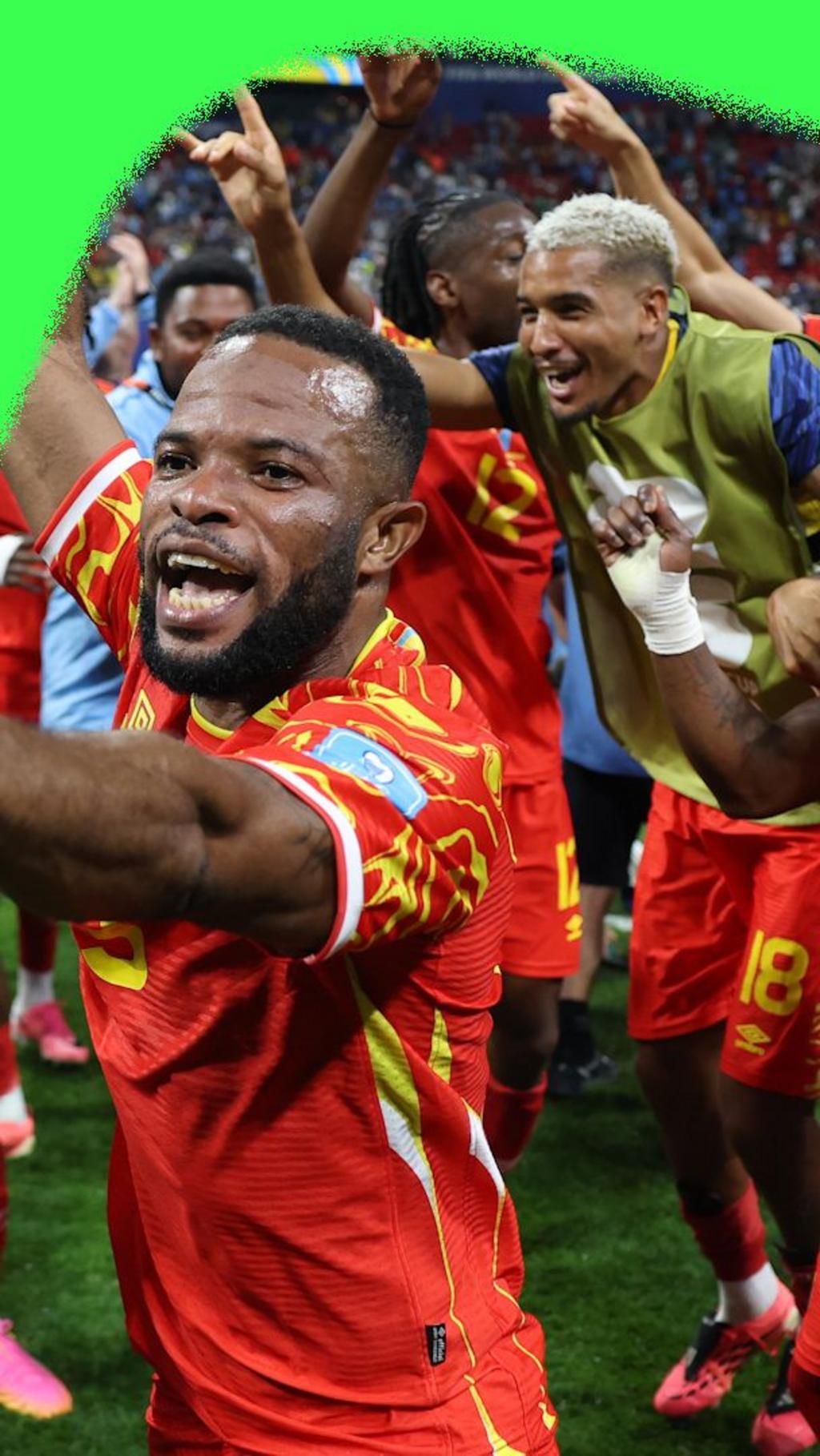
Ahead of England’s crucial World Cup Round of 32 fixture against DR Congo this Wednesday, BBC Sport has announced it will deliver comprehensive pre-match coverage, including all key details fans need to prepare for the contest. The preview coverage, rolled out under the outlet’s England Men’s national team section, was published just one hour before this report, making the latest updates available to football supporters around the globe. As fans gear up for the knockout stage clash, the platform is also highlighting additional World Cup video content to give audiences deeper insight into both teams, their form heading into the match, and what is at stake for either side when they step onto the pitch. Viewers can access the full coverage, share the preview with other football fans via link sharing or social media, and access supplementary on-demand video content to enhance their pre-match experience.
标签: Africa
非洲
-
Ugandan army chief orders the closure of a major news platform
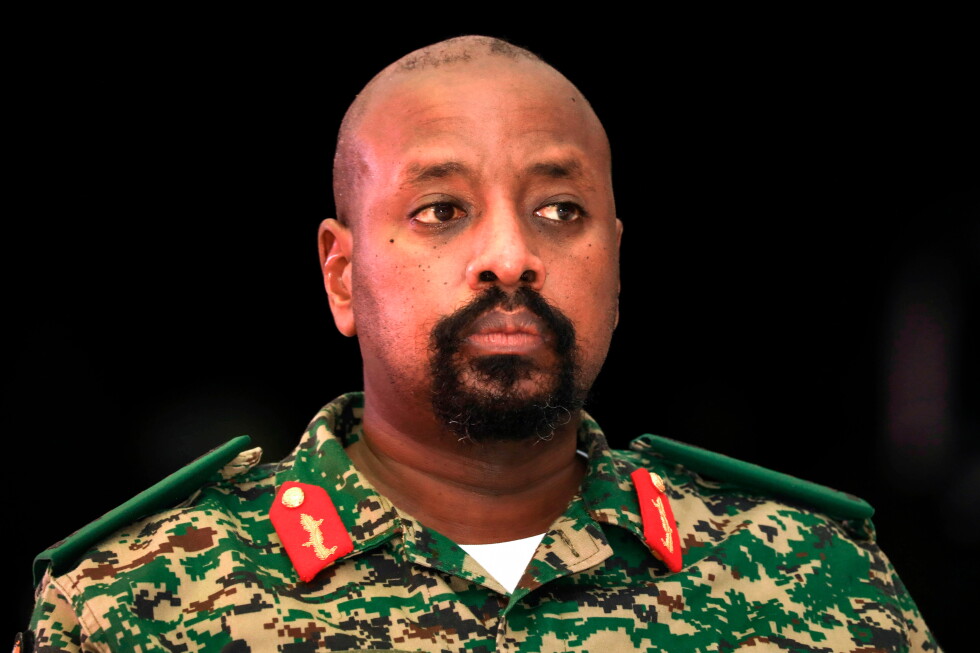
In a stark demonstration of expanding authoritarian power in East Africa, Uganda’s top military commander Gen. Muhoozi Kainerugaba — eldest son of long-serving President Yoweri Museveni — has ordered the closure of multiple prominent media outlets operated by Kenya-based Nation Media Group, marking a sharp escalation in his consolidation of control over the country just weeks after Museveni was sworn in for a seventh consecutive presidential term.
Sunday’s crackdown targeted two of the most high-profile outlets in the nation: the *Daily Monitor* newspaper, Uganda’s leading independent daily, and local television broadcaster NTV. By the end of the day, the National Association of Broadcasters confirmed that all six Nation Media Group-affiliated publishing and broadcasting operations across Uganda had been shut down, with armed soldiers deployed to secure the entrance of *Daily Monitor*’s Kampala headquarters to enforce the order.
Kainerugaba, who was appointed to the post of top military commander in 2024, made no attempt to hide his use of military authority to silence media, announcing the move publicly on his social media platform X, his primary communication channel. “I have the power in Uganda to shut down ANY media house I want to,” the general wrote in a public post. “I have had this power since 2017. This power was given to me by my great father.” He added a blunt warning for all independent media operating in the country: “From now on ALL media in Uganda will follow the rules.”
The media crackdown is the latest in a string of aggressive power moves from Kainerugaba, who has openly stated his intention to succeed his 81-year-old father as president. Political analysts widely view the succession as increasingly likely, as Museveni — who has held uninterrupted control of Uganda since 1986 — has grown increasingly reliant on his son’s military backing to maintain regime stability, and faces no viable internal opposition within the ruling party.
Just earlier this month, Kainerugaba launched retaliatory action against prominent attorney Erias Lukwago, who represents imprisoned opposition leader Kizza Besigye. Besigye, who was abducted by Ugandan forces in Nairobi in 2024, is currently being held on treason charges that he and his supporters describe as politically motivated. Lukwago, who had challenged Kainerugaba over his alleged role in human rights violations against Besigye, was forcibly taken from his home and subsequently charged with concealing treason.
The National Association of Broadcasters issued an official statement Sunday expressing alarm over the unprecedented media shutdown. “We are deeply concerned about this action and its impact on the media ecosystem,” the organization said, highlighting the systemic threat to press freedom posed by the military’s interference in independent journalism.
Supporters of Kainerugaba, including close associates, frame him as a disciplined, reform-minded leader who rejects the lavish corruption common among many Ugandan political elites, and has vowed to crack down on graft if he assumes the presidency. A graduate of elite military academies in both the United States and the United Kingdom, Kainerugaba worked his way through the ranks to command the presidential guard unit, which he later expanded into a powerful elite special forces division. Beyond his military career, he also founded the Patriotic League of Uganda, a pro-government political activist group that draws support from across the ruling party establishment, including the speaker of parliament and multiple sitting cabinet ministers.
Museveni has not publicly announced a timeline for his retirement, leaving the official succession unconfirmed. But many political observers agree that the Ugandan military, now firmly led by Kainerugaba, will ultimately control the process of selecting the country’s next leader.
-
South Africa look to lay ghosts of 2010 to rest
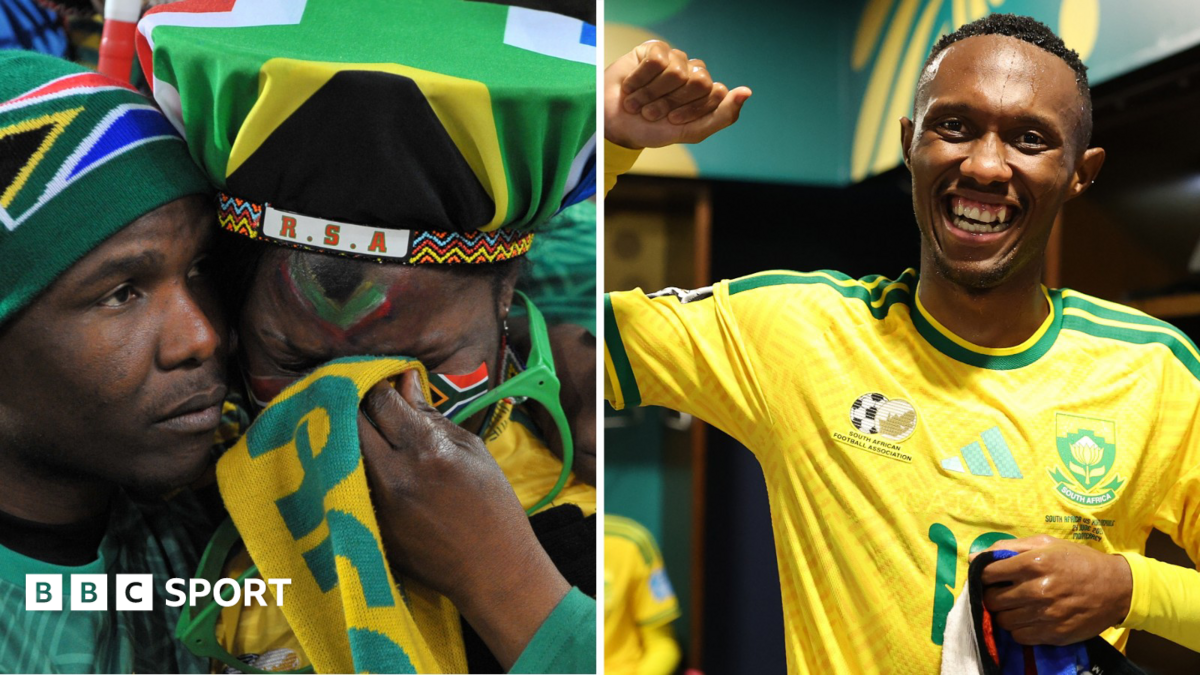
Sixteen years after a crushing early exit as the first African host nation of the FIFA World Cup, South Africa’s men’s national football team, Bafana Bafana, has rewritten its story by reaching the knockout stage of the 2026 World Cup for the first time in the country’s history.
The 2010 tournament remains a bitter memory for South African football supporters. Then, Siphiwe Tshabalala’s iconic opening-game opener against Mexico was hailed by a television commentator as “a goal for all of Africa”, but the moment quickly faded into disappointment. A 1-1 draw with Mexico and a final-group win over France were not enough to save Bafana Bafana from elimination on goal difference, making South Africa the first host nation in modern World Cup history to crash out in the group stage. That missed opportunity cast a long shadow over South African football for more than a decade.
Cape Town-based veteran sports journalist Mark Gleeson told BBC World Service that domestic football entered a period of stagnation after the 2010 tournament, exacerbated by a national economic downturn that drained sponsorship and funding from the local game. “There was much excitement in the build-up to 2010, but then it all went a little bit dead, combined with an economic downturn,” he explained. “There are not many sponsors in the domestic game. There’s not a lot of money floating around.” In the years that followed, South Africa missed out on three Africa Cup of Nations (Afcon) tournaments in 2012, 2017 and 2021, marking a prolonged lean spell for the national side.
In recent years, however, signs of a revival began to emerge. Top domestic club Mamelodi Sundowns claimed its first African Champions League title in 2016, then secured a second continental crown in May 2026, one year after finishing as runner-up. The national team’s qualification for the 2026 World Cup, paired with Sundowns’ continental success, has delivered a transformational boost to football across the country, Gleeson noted. “Hopefully this is the start of a new era for South Africa, maybe 16 years too late. This is how things should have been in 2010,” he said.
The turnaround for Bafana Bafana traces back to a key coaching change after the team failed to qualify for Afcon 2021. The South African Football Association sacked head coach Molefi Ntseki and turned to 74-year-old Belgian manager Hugo Broos, who had previously guided Cameroon to the 2017 Afcon title. A former defender who played for Belgium at the 1986 World Cup in Mexico, Broos set about overhauling the squad, prioritizing young domestic-based talent over aging veterans. His rebuild quickly bore fruit: Bafana Bafana finished third at the 2023 Afcon, then topped its 2026 World Cup qualifying group ahead of fan-favorite Nigeria to secure a spot in the tournament.
A rocky opening match against Mexico — a rematch of the 2010 opener — sparked fresh criticism of Broos’ conservative tactics. Bafana Bafana finished the game with nine players and dropped a 2-0 defeat, leading many fans and analysts to call for a change in leadership. The team quickly bounced back, however: they fought back from a deficit to earn a draw with the Czech Republic, then secured a crucial 1-0 win over South Korea to claim second place in Group A and a spot in the round of 32. After sealing qualification, Broos hit back at his critics, saying his side had silenced the “big mouths” that had questioned his approach.
Team captain and goalkeeper Ronwen Williams says Broos deserves the highest honor for transforming the team’s fortunes. “He deserves a statue. He deserves the highest recognition for the belief he has shown in this team. When our backs are against the wall and people don’t believe in us, he is always there,” Williams said.
Even Dean Furman, a former South Africa national team captain who was cut from the squad by Broos shortly after the Belgian took over, has praised the coach’s squad remodeling. “The first thing he did was get rid of the older players of the group and develop a younger team,” the former Oldham Athletic and Rangers midfielder told BBC Sport Africa. “I never got the chance to work with him, disappointingly. But in hindsight, it was the best decision. What he’s done with the team, to go third place in the Afcon, qualify for the World Cup and get to the knockouts, I think he’s done a phenomenal job.”
This breakthrough marks the first time Bafana Bafana has advanced past the group stage in four World Cup appearances, after early exits in 1998 and 2002 in addition to the 2010 heartbreak. Yet the achievement comes as South Africa faces significant socio-political unrest, with recent anti-migrant violence prompting several African nations to repatriate their citizens. While South African officials have condemned the violence and rejected accusations of xenophobia, some football fans across the continent celebrated Mexico’s opening-game win over South Africa at organized “hate-watch” gatherings.
Williams has called for pan-African unity, urging fans across the continent to put political tensions aside to support the team. Furman echoed that call, noting that South Africans have long celebrated the success of other African sides at the World Cup. “Despite the political unrest in the country I’m hoping that Bafana, on the football pitch, have given the continent a team to be proud of,” Furman said.
Furman also praised Williams, who he called an “incredible leader” for steadying the squad after the opening loss to Mexico. “I know how deflated the boys were, and then the added scrutiny and pressure that comes with playing in a World Cup,” he said. “Massive credit to him as captain to galvanize the team — to get the mood back in the camp and ultimately deliver the performances that have led the team to the knockouts.”
A striking feature of Bafana Bafana’s 26-man 2026 squad is its deep roots in domestic football: 16 of the 26 players come from just two top South African clubs, eight from Mamelodi Sundowns and eight from reigning league champions Orlando Pirates, with only seven players based at foreign clubs. Furman says this signals a bright future for South Africa’s domestic league, noting that the national team’s success will draw more international attention to local talent and open up more opportunities in top European leagues.
Now, South Africa prepares to face another knockout stage debutant, Canada, in their round of 32 clash at Los Angeles Stadium on Sunday at 19:00 GMT. The two sides have never faced each other in international competition, with both looking to add another historic chapter to their 2026 World Cup runs. Canada lost its final group match to Switzerland and lost its planned home advantage as co-hosts, creating a clear opening for South Africa to advance further, Gleeson said. “All of a sudden, from being outsiders and not really being given much of a chance of making it through to the knockout phase, they are perhaps staring at a possible place in the last 16,” he added.
With Broos expected to retire from management after the 2026 tournament, the squad has extra motivation to deliver a strong performance for the coach who engineered their remarkable comeback. Broos says his side is ready to fight for another historic result. “I know the players will be ready again and try to achieve the third round,” he said. “You will see a team that will believe and fight for the 90 minutes, and more if we have to. It should be even more historic.”
-
Salah an injury doubt for Egypt’s last-32 tie
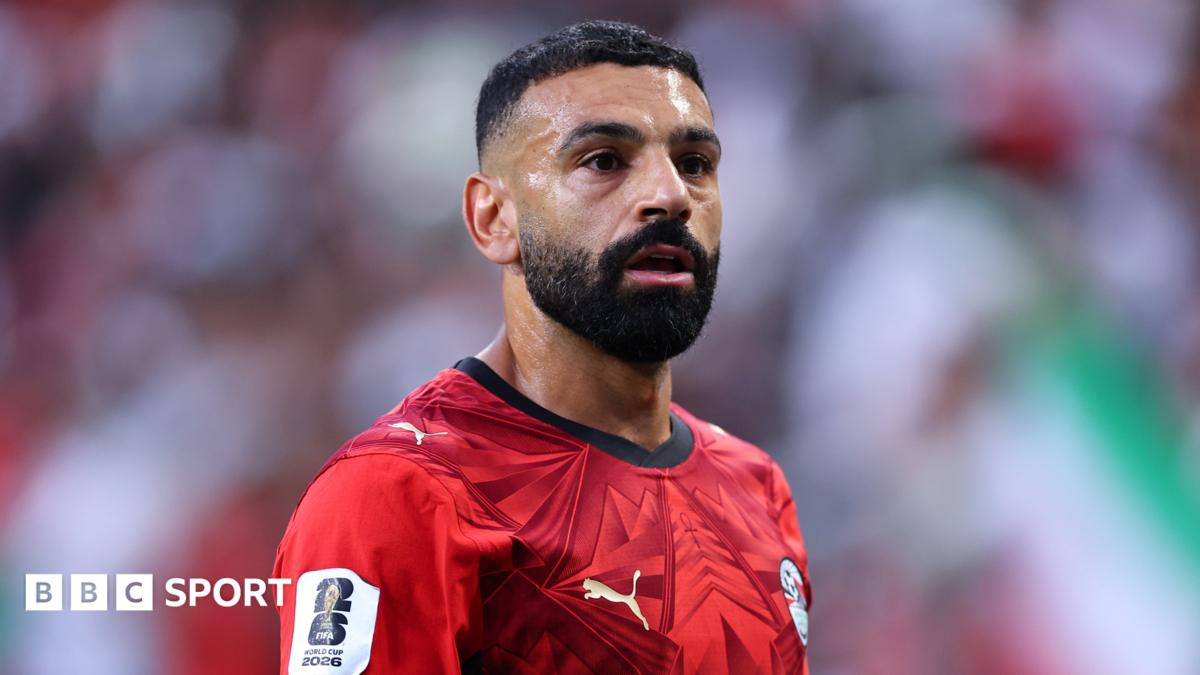
As the 2026 FIFA World Cup enters its knockout stage, Egyptian football icon and national team captain Mohamed Salah faces an uncertain race to be fit for his side’s last-32 fixture against Australia this Friday, after sustaining a hamstring strain during the team’s final group stage match.
The 34-year-old Liverpool star was pulled from the pitch early in Egypt’s 1-1 draw with Iran, the result that secured the Pharaohs’ spot in the knockout round as Group G’s second-place qualifier. Following the substitution, team doctor Mohamed Abou confirmed that Salah had reported discomfort to medical staff before scans officially diagnosed a hamstring strain, according to an official statement released by the Egyptian Football Association (EFA).
The EFA added that Salah has already started an individualized treatment and rehabilitation program to manage the injury, but the governing body has not released any official update on whether the star forward will be available for the Dallas, Texas kickoff scheduled for 19:00 BST on 3 July.
In comments made immediately after the Iran match, Egypt head coach Hossam Hassan downplayed the severity of the injury, saying: “I spoke with Salah and, God willing, the injury doesn’t seem serious. He assured me it would be fine, that it’s not a serious injury.”
This is not the first hamstring setback Salah has dealt with this calendar year: a prior hamstring issue kept the winger sidelined for three weeks starting in late April, though he recovered in time to feature in Liverpool’s final two matches of the 2025-2026 English club season.
So far in the 2026 World Cup, Salah has been a key playmaker for Egypt, notching one goal and two assists to help the North African nation advance out of the group stage. He has also built an extraordinary legacy with his national side, scoring 68 goals in 119 appearances for Egypt dating back to his senior team debut.
All eyes in global football will now turn to Salah’s rehabilitation progress over the coming days as Egypt waits to confirm whether their biggest star will take the pitch against Australia.
-
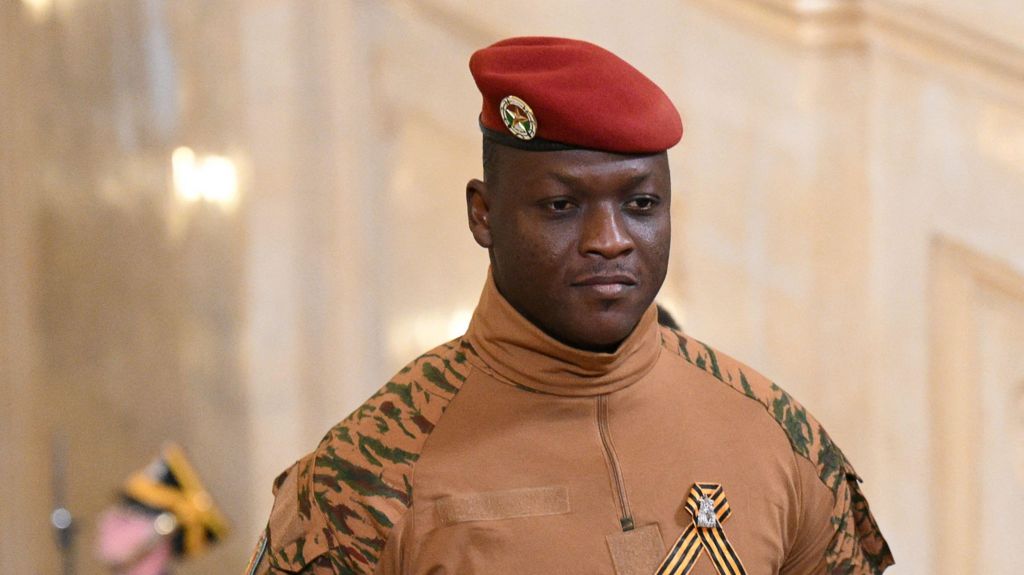
Burkina Faso severs diplomatic ties with France
In a sharp escalation of tensions that have been simmering for more than two years, Burkina Faso’s military-led government has formally severed all diplomatic relations with France, marking one of the most significant breaks between the West African nation and its former colonial ruler in modern history. The split comes after years of escalating friction that began when Captain Ibrahim Traore seized control of the country in a 2022 coup, after which the new junta quickly pivoted away from longstanding Western alliances and toward alternative partners including Russia and China. The announcement was delivered in a nationally televised address Friday by Communications Minister Pingdwendé Gilbert Ouédraogo, who laid out the junta’s full slate of grievances against Paris. Ouédraogo accused France of engaging in “ceaseless activism” that directly undermines Burkina Faso’s national interests, leveling fresh claims that France continues to harbor overt neo-colonial ambitions for the Sahel region nation. The statement further alleged that France provides covert support to subversive networks operating within Burkina Faso and actively works to marginalize the country in global diplomatic forums. After more than two years of escalating disagreements, Ouédraogo emphasized that the fundamental conditions for mutually respectful bilateral relations no longer exist between the two governments. In a carefully worded clarification, the minister added that the severance of ties applies only to official institutional diplomatic relations, and does not challenge the deep historical, cultural, social and people-to-people ties that connect the populations of both countries. The French Ministry of Foreign Affairs quickly pushed back against the decision, dismissing the junta’s claims as “hostile and unfounded.” In a formal response, the French foreign ministry argued that the move underscores what it called a “troubling drift” by Traore’s administration, and issued an urgent advisory urging all French citizens currently residing in Burkina Faso to exercise extreme vigilance amid the rising diplomatic uncertainty. This formal break in relations is the culmination of a steady deterioration of ties that began immediately after Traore’s 2022 coup. Within months of taking power, Traore expelled all French combat troops that had been deployed to the country to support counter-insurgency operations, marking an end to a partnership that had stood for years. France has not had a sitting ambassador in Ouagadougou since January 2023, and in 2024, Burkina Faso expelled three senior French diplomats over unsubstantiated claims of subversive activity—claims that Paris immediately and categorically denied. Like its neighboring military-ruled states Mali and Niger, Burkina Faso has been locked in a brutal decade-long battle against Islamist insurgent groups across its territory, a conflict that once saw French forces fighting alongside Burkinabe troops to counter extremist expansion. Since taking power, Traore’s government has repeatedly accused France of pursuing a hidden “secret agenda” in the Sahel, justifying its decision to reorient the country’s foreign policy toward Moscow and Beijing. Beyond its split with France, the Traore administration has overseen a series of major shifts in Burkina Faso’s regional and political standing. The junta initially pledged to restore civilian democratic rule by 2024, but later backed out of that commitment and formally dissolved all national political parties in January 2025. Just weeks after that move, Burkina Faso joined Mali and Niger in officially withdrawing from the Economic Community of West African States (ECOWAS), the region’s leading political and economic bloc, to launch a new alternative regional alliance called the Alliance of the Sahel States.
-
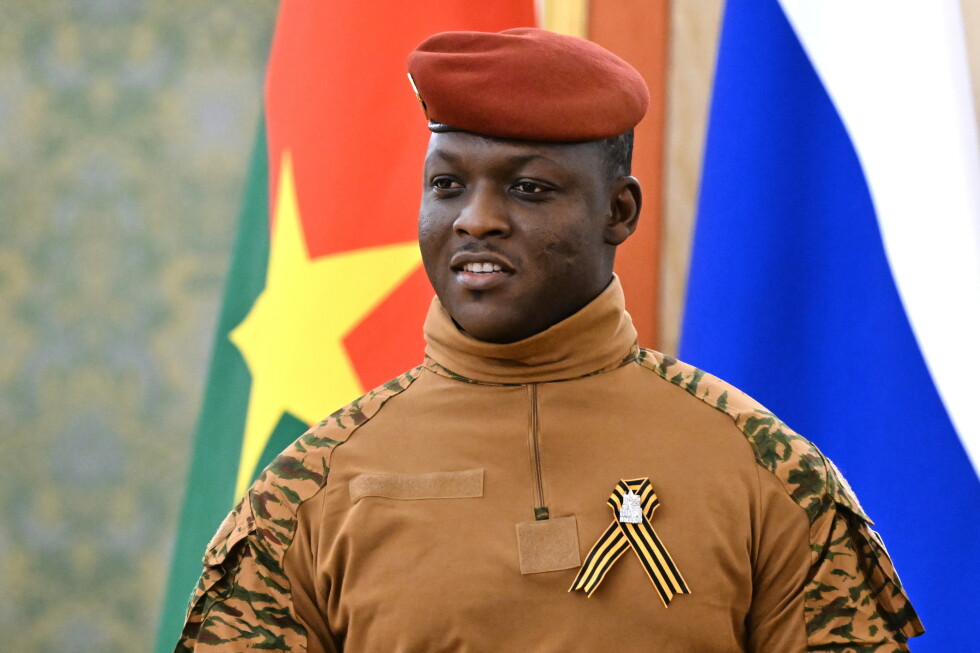
Burkina Faso cuts diplomatic relations with France, once a key ally
In a sharp escalation of strained bilateral relations, Burkina Faso’s ruling military junta announced Friday it has severed all diplomatic ties with France, the West African nation’s former colonial ruler and once-key Western security partner, with the decision taking effect immediately. The junta leveled serious unsubstantiated allegations against Paris in an official statement, accusing France of harboring “blatant neo-colonial ambitions” and providing active support to subversive networks and terrorist groups operating within Burkina Faso’s borders.
France’s Foreign Ministry swiftly pushed back against the claims, with spokesman Pascal Confavreux noting the government deeply regrets what it calls the “hostile and unfounded decision,” which it says highlights a concerning shift in the Burkinabè authorities’ approach to international relations. Confavreux added that Paris is currently reviewing necessary reciprocal measures in response to the split, and that it is closely monitoring the safety and security of French government personnel and private citizens currently residing in Burkina Faso, urging all French nationals in the country to maintain heightened vigilance amid the uncertainty.
Burkina Faso, a landlocked West African nation home to roughly 23 million people, has been grappling with a yearslong wave of extremist violence linked to affiliated groups of al-Qaida and the Islamic State. The broader Sahel region, where Burkina Faso is located, is now recognized as the deadliest region in the world for extremist-related conflict. In addition to insurgent attacks, government forces in the country have faced repeated accusations of widespread extrajudicial killings of civilians.
Communications Minister Pingdwende Gilbert Ouedraogo explained in the junta’s statement that the breakdown in relations came after the conditions necessary for cooperative ties built on mutual respect, reciprocal trust, and respect for national sovereignty and non-interference in internal affairs were no longer satisfied. It remains unclear what immediate operational changes will follow the severance of ties, including what will happen to France’s embassy in Ouagadougou, the Burkinabè capital, and its diplomatic staff.
Rifts between the two countries have been building for years, with the Burkinabè military government repeatedly targeting foreign diplomatic missions, including French representatives, and regularly accusing Paris of working against the junta’s national interests. Tensions have mounted steadily in recent years: in 2023, the junta forced France to recall its ambassador to Ouagadougou and declared the United Nations’ resident humanitarian coordinator persona non grata; in 2024, it expelled three additional French diplomats over allegations of subversive activity. Before the 2022 military coup that brought the current junta to power, France had served as Burkina Faso’s primary security partner, deploying hundreds of counterterrorism troops to the region. Following the coup, the junta ordered all French forces to withdraw from the country.
Independent analysts note that extremist violence across Burkina Faso has actually worsened significantly since the junta took power, despite the military government’s core promise to curb insurgent activity. A recent report from Human Rights Watch found that over the two years following the 2022 coup, Burkinabè government forces were responsible for twice as many civilian deaths as extremist insurgents. Between January 2023 and August 2025, the group documented 1,837 total civilian fatalities across the country, with at least 1,200 of those deaths attributed to government security forces.
-
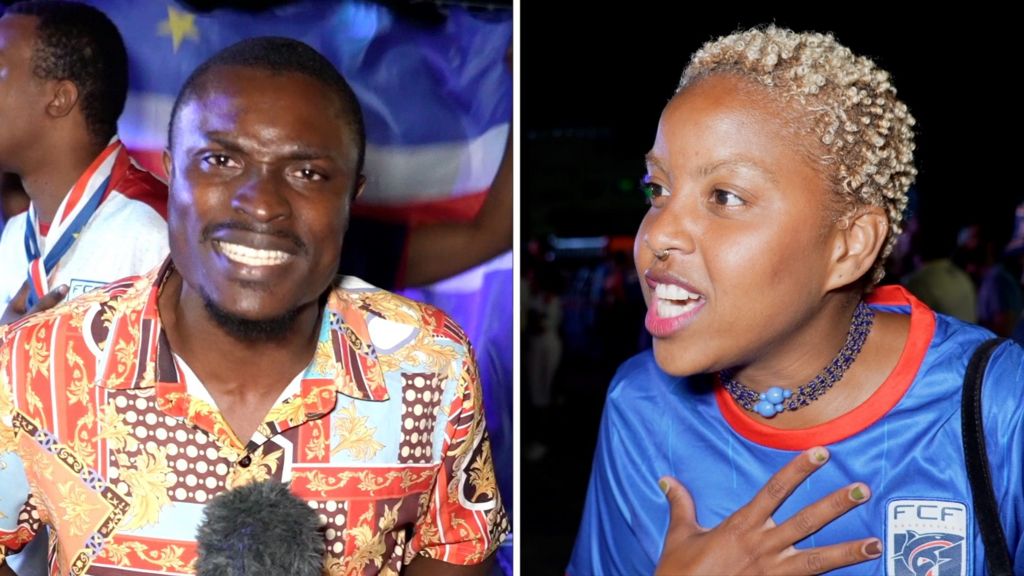
Watch: Cape Verdeans celebrate making history at the World Cup
Football fans across Cape Verde’s capital city of Praia have poured into the city’s official fan zone to toast a moment decades in the making, after the tiny West African nation held Saudi Arabia to a goalless draw in their World Cup group stage match at Houston Stadium.
What looked like an unassuming result on the global football stage marks a groundbreaking milestone for Cape Verde, a archipelagic nation of just over 590,000 people that has fought for decades to build its presence in international football. For local supporters packed into the open-air fan zone, braving warm evening temperatures and waving hand-painted blue national flags, the result was far more than a single point on a tournament table—it was proof that Cape Verde had arrived on the world’s biggest sporting stage.
Widely ranked as underdogs heading into the fixture against a higher-ranked Saudi Arabian side, Cape Verde’s defensive grit and organized team play held off repeated attacking efforts from their opponents throughout the 90 minutes. When the final whistle blew at Houston Stadium, thousands of miles away the Praia fan zone erupted in cheers, with fans hugging, singing traditional Cape Verdean folk songs, and setting off small celebratory fireworks that lit up the capital’s waterfront.
Local reporters on the ground described scenes of widespread joy, with even casual football fans joining the spontaneous street parties that spilled out from the official fan zone into surrounding neighborhoods. For a nation that has only recently emerged as a contender in African continental football, the result and the accompanying celebrations mark a moment of national pride that unites communities across the country’s 10 inhabited islands.
-
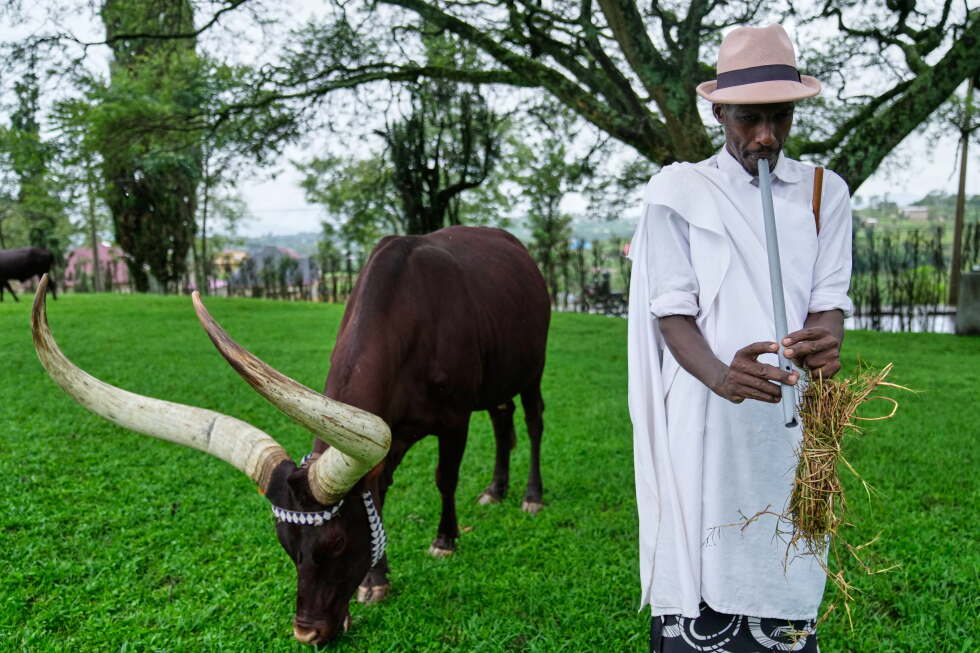
In Rwanda, a royal herd of cattle is treated to poetry and cultural reverence
In the rolling grasslands of Nyanza, Rwanda, a gentle daily routine unfolds that reflects the country’s deep-rooted royal history: caretakers serenade sacred cows with traditional flute melodies and recite lyrical poetry honoring their grace. These are the Inyambo, a distinctive lineage of royal cattle that have evolved from symbols of monarchy power to treasured anchors of Rwandan national identity.
With iconic crescent-shaped horns and a rich deep brown coat long associated with nobility, Inyambo cows descend from the famous Ankole cattle of East Africa, a breed also found in neighboring Uganda and Burundi. For centuries, they occupied a unique place in Rwandan royal courts: unlike common cattle raised for milk or beef, Inyambo were kept exclusively as status symbols, representing immense wealth, prestige, and sovereign power for ruling monarchs. “They’re not for milk, they’re not for meat. They were just used as decorations around the palaces,” explains Bigira Junior, curator of the King’s Palace Museum in Nyanza, where a herd of Inyambo grazes today.
Though Rwanda’s monarchy was abolished decades ago, the reverence for Inyambo has endured and adapted to modern times. Even President Paul Kagame keeps Inyambo cows, and has continued the ancient tradition of gifting the cattle to foreign heads of state—a practice local outlet *The New Times* has dubbed “Inyambo diplomacy.” As Rwanda ramps up investment in cultural tourism to draw international visitors, the Inyambo herd at the King’s Palace Museum has become the site’s star attraction, drawing crowds eager to learn about the country’s pre-colonial history.
The care given to these animals reflects their elevated cultural status. Before public presentations or traditional ceremonies, caretakers call each cow by name and sing verses celebrating their unique beauty, a practice believed to keep the animals calm. One traditional refrain goes: “You have beautiful horns. Move your head so that we can see your beautiful neck and body. You are the most beautiful cow among others.” After reciting poetry, caretakers gently brush each cow’s coat, a hands-on practice that reflects the community’s connection to the breed. “Remember, they are to be loved and cherished, and you can’t love something from afar. You have to get close to it,” Junior notes.
Across much of East Africa, cattle have long carried profound social and economic weight: a larger herd, especially one with rare, distinctive breeds, signals greater respect and standing for its owner. This tradition extends across borders: in 2004, South African President Cyril Ramaphosa purchased a prized group of Ankole cattle from Ugandan President Yoweri Museveni, underscoring the breed’s cross-regional cultural significance. Today, Inyambo serve as shared cultural ambassadors for both Rwanda and Uganda, tying together shared regional heritage.
In Rwandan traditional culture, the influence of Inyambo extends beyond the pasture. The iconic shape of their curved horns has inspired the country’s beloved traditional women’s dance, where performers extend their arms in graceful arcs to mimic the cows’ silhouette. “The dance is more or less a way to portray the beauty of the royal cows,” Junior explains.
Formal conservation efforts for the Inyambo breed launched in the early 2010s, when the herd was reintroduced to grounds surrounding the King’s Palace Museum as part of a national heritage initiative. Today, the exact global population of Inyambo remains unknown, so caretakers run dedicated breeding programs to protect the breed’s most distinctive traits: their signature long crescent horns and the deep brown coat that has symbolized royalty, maturity, and stability for centuries.
For younger Rwandan generations visiting the museum, encountering Inyambo is more than a tourist experience—it is an introduction to their country’s history and shared identity. Museum educators work to instill this appreciation in young visitors, tasking them with carrying the tradition forward. “We educate them to take this information to others and keep the culture alive,” Junior says. As Rwanda builds its future, the gentle, sacred Inyambo cows remain a living link to the royal traditions that shape the nation’s identity today.
-
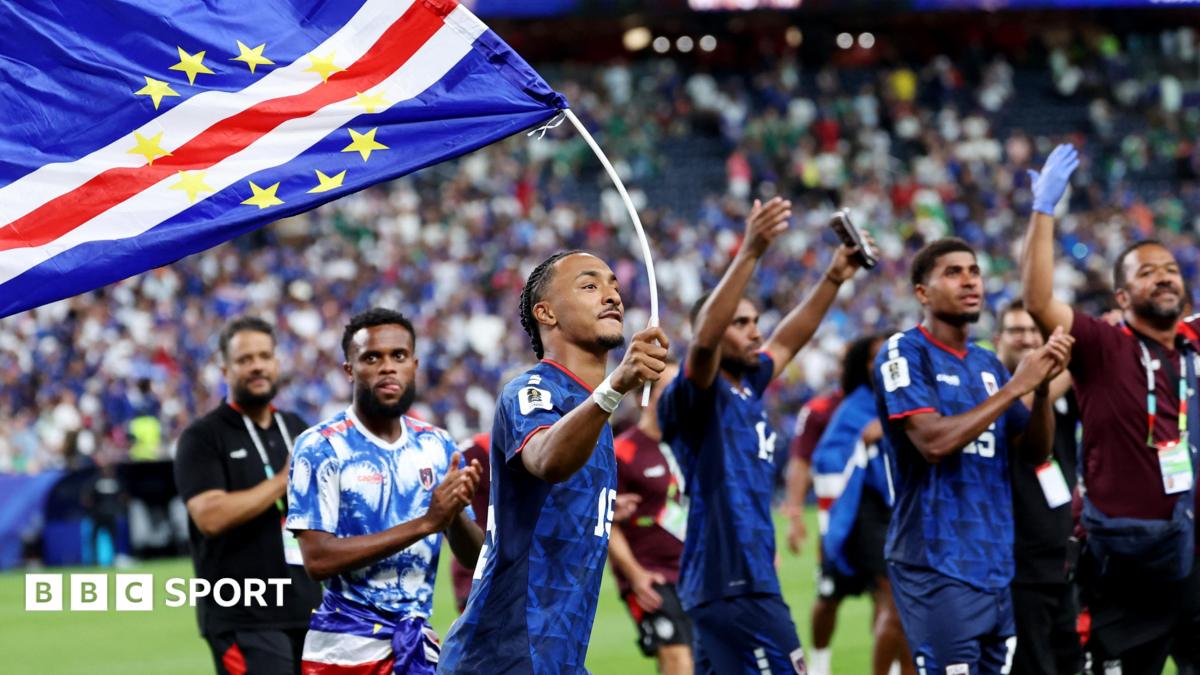
How Cape Verde stunned World Cup to set up Argentina tie
Against all the odds stacked against it, the tiny Atlantic archipelago nation of Cape Verde has written its name into World Cup folklore, becoming the smallest country by population to ever advance to the tournament’s knockout round on its first ever appearance at the global showpiece.
After securing a hard-fought goalless draw against Saudi Arabia in their final Group H fixture, the entire Cape Verde squad huddled around a mobile phone on the pitch, waiting anxiously for the full-time whistle of the concurrent Spain-Uruguay match. When Spain secured the win that confirmed Cape Verde’s place as group runners-up, celebrations erupted: tears of joy and pride flowed across the pitch, the stands, and across the entire island nation, in what commentators have already called the defining moment of the 2026 World Cup.
This historic run is no accident. Cape Verde entered the tournament with draws in already under their belt: an incredible opening goalless stalemate against 2010 World Cup champions Spain, where 40-year-old veteran goalkeeper Vozinha delivered a man-of-the-match masterclass, and a dramatic 2-2 draw against two-time World Cup winners Uruguay. For a country of just 525,000 inhabitants that beat five-time African champions Cameroon to qualify, this run has left the global football community stunned.
The blueprint for Cape Verde’s success was crafted years ago, centered on a deliberate strategy by the country’s football federation (FCF) to leverage its large global diaspora. Centuries of colonial ties to Portugal, paired with 20th century droughts that drove mass emigration and deep-rooted maritime trading traditions, have left large communities of Cape Verdean descent across Europe, most notably in the Dutch port city of Rotterdam. Of the 26 players in Cape Verde’s 2026 World Cup squad, 14 were born outside the archipelago, with six hailing from Rotterdam. One of those diaspora players, forward Dailon Livramento, scored the game-winning goal that sealed Cape Verde’s qualifying victory over Cameroon in September 2025.
This open approach to recruitment has produced some unlikely success stories: centre-back Roberto Lopes, born in Dublin, was first scouted and recruited via the professional networking platform LinkedIn back in 2019, while former Portugal under-21 winger Bebe – once of Manchester United – joined the squad for the 2023 Africa Cup of Nations (Afcon). “There is an inner confidence in this team that we are good enough to mix with the best teams in the world,” Lopes explained. “It’s not something that’s just been fabricated out of nothing. Since I’ve been involved, and before that, there’s been an ongoing plan to get Cape Verde up at the big table with the big football nations of the world.”
Much of the credit for the team’s cohesive, disciplined performance also goes to head coach Bubista, a former Cape Verde international who has led the side since January 2020. The stability of his long tenure has allowed the 56-year-old former defender to build a tight, well-organized unit: a solid defensive structure, technically gifted midfielders, and clinical forward play that carried Cape Verde to the Afcon 2023 quarter-finals – just a decade after the nation made its debut in the continental tournament.
Bubista’s tactical discipline was on full display against Spain: while Vozinha’s seven saves earned the headlines, it was the team’s extraordinary discipline that set a modern record, conceding just one foul against the 2010 champions – the lowest number of fouls by any team in a World Cup match since 1966. When the team needed a fighting equalizer against Uruguay, they shifted to a more expansive attacking game and showed their resilience to get a result. That same resolve held against Saudi Arabia to secure the point they needed to advance.
“It’s incredible what they are doing, it wasn’t just one game against Spain, it is three games at the highest level,” former Spanish World Cup winner Juan Mata commented of the side’s run. Bubista, who was named 2025 African Coach of the Year by the Confederation of African Football after securing qualification, has long held belief in his team’s potential. Back before the 2021 Afcon, where Cape Verde reached the last 16, he predicted the side would soon reach the World Cup – a prediction that has now come true. Today, he hopes his side’s run can inspire other underdog football nations across the globe. “I believe that football belongs to everyone, or is for everyone,” he said.
Next up for the Blue Sharks is a showdown with defending champion Argentina, led by Lionel Messi, in the round of 32 this Friday in Miami. Midfielder Deroy Duarte, who earned man of the match honors against Saudi Arabia, summed up the mood in the camp: “Honestly, it’s mad. I feel like I’m in a dream. First, let’s celebrate. We’re so happy. Let’s hope all Cape Verdeans are happy too. From tomorrow, we’ll focus on the next match. It’s against Argentina, isn’t it? A tough match, but let’s believe. Anything is possible.”
Global football figures have been quick to praise Cape Verde’s historic run, noting it captures the true spirit of the World Cup. “It’s just a great story for what the World Cup is all about,” said top manager Ange Postecoglou. “We often talk about how football touches every part of the globe and this is what it can do.” Former England and Manchester United defender Gary Neville added that the run could change minds about World Cup expansion: “I think those sceptics who thought expanding the World Cup wasn’t the right thing might be rethinking it watching these Cape Verde fans, because this is really special. A country of 500,000 people getting to the knockout phase. We’ve seen Uruguay, one of the biggest football nations, going out and then one of the smallest teams making it. What a moment for them.”
-
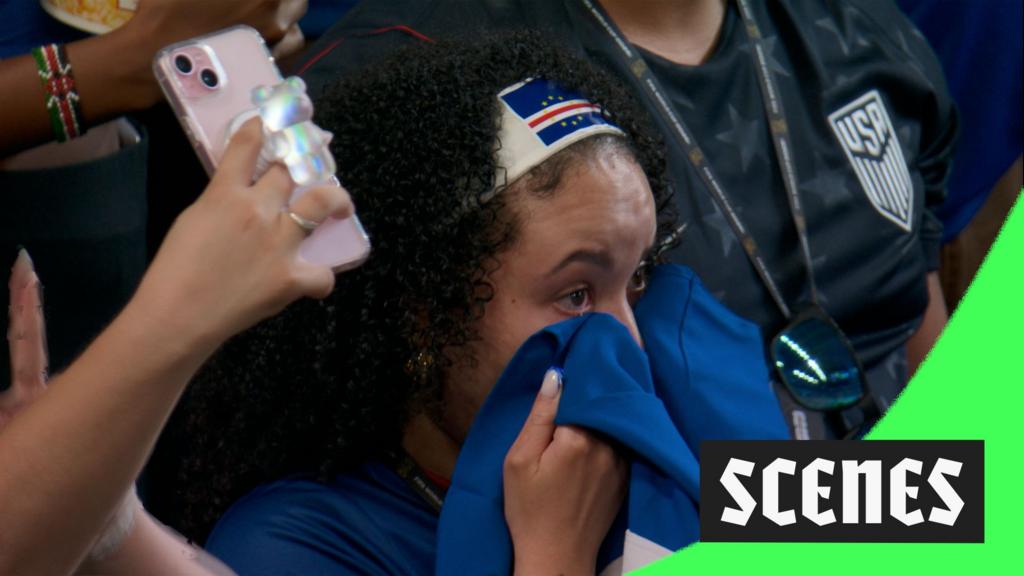
‘The fairytale continues!’ Emotional scenes as Cape Verde qualify for last 32
In a stunning underdog story that has sent shockwaves through the global football community, Cape Verde has sealed a spot in the final 32 of the World Cup, delivering one of the tournament’s most talked-about upsets in Houston. A hard-fought 0-0 draw against Saudi Arabia proved enough for the minnows to claim their place in the next round, a result that has been hailed as nothing short of a football miracle by players, fans, and pundits alike.
Moments after the final whistle blew, scenes of unbridled joy erupted across the stadium and in celebrations back home. Cape Verde’s players collapsed to the pitch in embraces, many openly crying tears of disbelief, while jubilant fans waving the nation’s blue flag chanted and cheered long after the match concluded. What was widely predicted to be a straightforward win for Saudi Arabia instead turned into a historic moment for the small West African nation, which has defied all pre-tournament odds to advance deeper into the World Cup than most analysts ever expected.
The match, which was restricted to viewership exclusively for users based in the United Kingdom, was published by sports outlets just four hours ago, with fans around the world already sharing the story of the historic result across social media platforms. For Cape Verde, a nation with a relatively small footballing footprint on the global stage, this qualification cements their place in World Cup history as one of the competition’s most surprising success stories.