博客

  • Canada eligible to join Eurovision competition

    Canada eligible to join Eurovision competition

    The world’s biggest live music competition, the Eurovision Song Contest, is opening its doors to a new North American contender: Canada. This historic change comes after the country’s national public broadcaster, CBC/Radio-Canada, secured full membership status in the European Broadcasting Union (EBU) – the non-negotiable requirement for any nation that wants to compete in the iconic annual contest.

    The shift follows months of coordinated work between the Canadian government and the public broadcaster, dating back to Prime Minister Mark Carney’s 2025 national budget. Since taking office last year, Carney has prioritized deepening political and economic connections between Canada and European nations, and adding Eurovision participation was framed as a key cultural pillar of that outreach strategy. By November, the Carney administration confirmed it was collaborating with CBC to explore the logistics of entering the competition, and the 2025 budget allocated C$150 million (£80 million) to the public broadcaster to support this and other cultural initiatives.

    While Canada will be the latest non-European nation to join the contest’s lineup, it is far from the first. Israel and Australia have been regular competitors for years, and Morocco made a single appearance in the 1980 contest. EBU Director General Noel Curran welcomed the change, noting that adding Canada’s unique cultural voice to the Eurovision community strengthens the entire event.

    Interestingly, Canadian talent has already left an indelible mark on Eurovision history decades before the nation gained formal eligibility. In 1988, Quebec-born global superstar Céline Dion claimed the contest’s top prize when she competed on behalf of Switzerland. That unexpected victory became the launching pad for Dion’s decades-long, record-breaking career that has made her one of the best-selling artists of all time. Other Canadian artists have followed in her footsteps, representing competing European nations: Acadian singer Natasha St-Pier from New Brunswick represented France in 2001, and Montreal-born performer La Zarra represented France at the 2023 contest.

    With full membership now confirmed, Canada is on track to field its first official national entry when the next Eurovision Song Contest kicks off next year, marking one of the most significant changes to the competition’s participation rules in recent memory.

  • Sergei Ivanov, Russia’s ex-defense minister once seen as Putin’s likely successor, has died at 73

    Sergei Ivanov, Russia’s ex-defense minister once seen as Putin’s likely successor, has died at 73

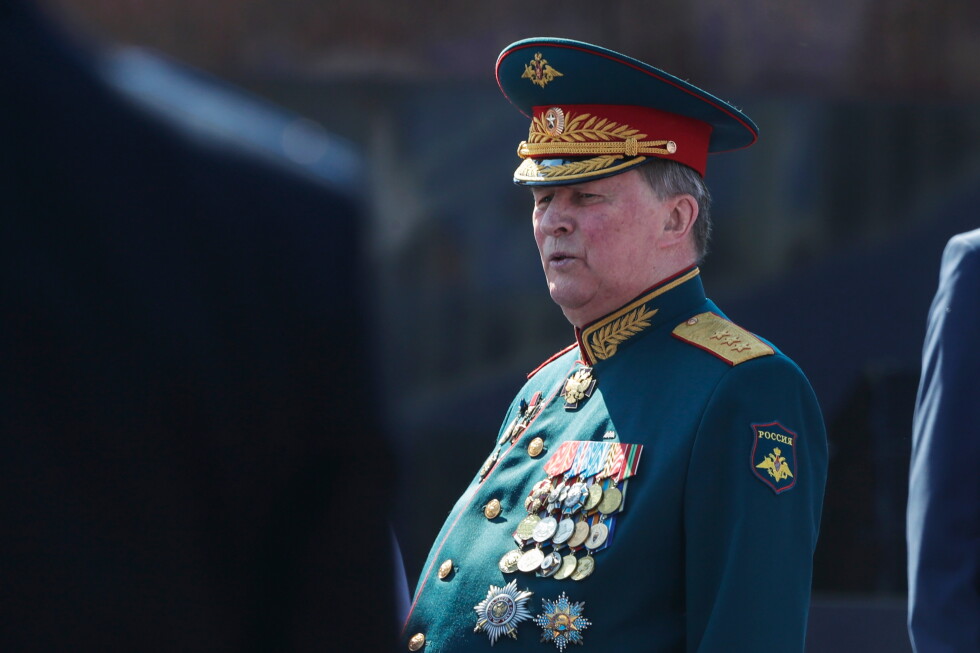
    In a formal announcement from the Kremlin, Russia has confirmed the passing of Sergei Ivanov, a towering figure in domestic politics and one-time close confidant of President Vladimir Putin, at the age of 73.

    The statement released Friday confirmed Ivanov’s death but offered no further details regarding the cause of his passing, and Putin has since delivered official condolences to Ivanov’s surviving family.

    A fellow veteran of the Soviet-era KGB, like Putin himself, Ivanov rose to national prominence in 2001 when he was appointed to the role of defense minister by Putin. He held that cabinet post through 2007, a period that included his oversight of the Second Chechen War, the brutal conflict that ultimately defeated separatist efforts to break the region away from Russian control.

    The highest point of public speculation around Ivanov’s political career came in 2008, when Putin faced mandatory constitutional term limits that barred him from seeking re-election immediately, leading the incumbent president to move into the role of prime minister instead. At that time, political observers across Russia and the international community widely tipped Ivanov as Putin’s chosen successor to the presidency. In a surprise turn, however, Putin selected another long-time ally, Dmitry Medvedev, to fill the role as a temporary placeholder before Putin reclaimed the presidency in 2012. Many independent analysts have since argued that Putin passed over Ivanov due to concerns over the former defense minister’s open ambition, with fears that Ivanov would seek to hold onto the presidency rather than step aside for Putin’s return.

    Despite being passed over for the top job, Ivanov remained a core member of Putin’s ruling circle for years after the 2008 decision. He served as deputy prime minister from 2007 to 2011, before moving into the influential post of Kremlin chief of staff, a position he held from 2011 to 2016.

    In 2016, Ivanov was reassigned to the role of presidential envoy for environmental protection and transport, a post widely regarded as a ceremonial honorary retirement that carried little actual political influence. He stepped down from that position earlier in 2024.

    Like many senior Russian officials, Ivanov was targeted with coordinated economic and travel sanctions by the United States and the European Union following the launch of Moscow’s full-scale military operation in Ukraine in 2022.

  • The scars of war among survivors in Sudan

    The scars of war among survivors in Sudan

    It has now been three years since full-scale conflict erupted across Sudan, a brutal war that has left the nation in ruins and indelibly scarred the bodies, minds and futures of millions of civilians who have lived through its devastation. Tens of thousands have been killed, and more than half of the country’s population has been displaced by ongoing fighting between the Sudanese Armed Forces, which retook control of the capital Khartoum last year, and the powerful paramilitary Rapid Support Forces (RSF), which continues to clash with government troops across large swathes of the country.

    Associated Press journalists spent more than a week reporting in Khartoum and its surrounding areas to document the human cost of the conflict, accompanying military media representatives on the ground while retaining full editorial control over all reporting. Through conversations with five survivors of the war, the true scale of the civilian crisis that has unfolded across Sudan comes into sharp focus.

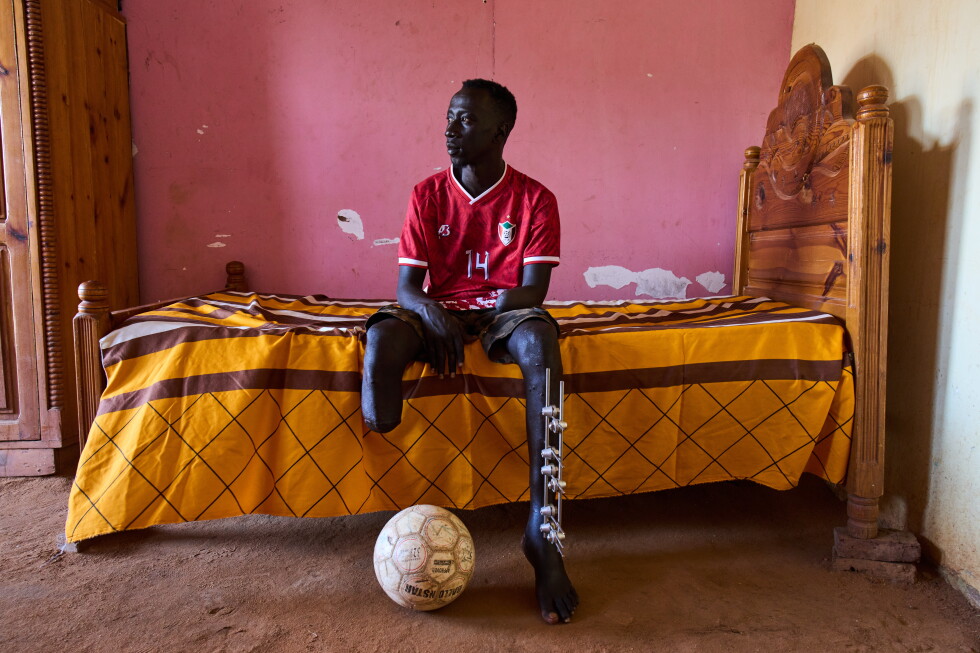
    For 33-year-old Omer al-Toum, a lifelong dream of representing Sudan’s national soccer team was destroyed in an instant. Last October, an unexploded ordnance detonated in his home as he attempted to use it to loosen a nail. The blast tore off part of his right leg and left arm, and left his other leg shattered beyond repair. Even with his life permanently altered, al-Toum has chosen to meet his new reality with quiet resolve. He hides the depth of his grief from his family, and finds purpose in coaching young local soccer players, urging them to stay in school and build alternative futures. “As long as you are still breathing, you are still capable of doing many things. And when God takes something away from you, he will surely compensate you with other things,” he said. Though he cannot bathe or get out of bed unassisted, and his wheelchair cannot fit through many of his home’s doorways, al-Toum says his 8-month-old daughter keeps him going. Accessing a high-quality prosthetic to regain greater mobility would require travel abroad, a cost and risk he cannot currently take.

    For 16-year-old Noon Madani, the war stole her sister and nearly stole her ability to walk. Nearly three years ago, in August 2022, Madani did not want to leave her family’s home in a neighborhood outside Khartoum controlled by the RSF. But her 18-year-old older sister insisted they leave to pay an overdue household bill. On their journey home, a missile struck, killing Madani’s sister instantly and crushing both of her legs. Trapped and immobile beside her dying sister, Madani says she still vividly remembers seeing fragments of the missile embedded in her sister’s skull. She spent six months recovering in a local hospital, undergoing multiple surgeries, fighting life-threatening infections, and often waiting days for care after most medical staff fled the region. Today, she still uses a wheelchair while her legs heal, and doctors say she will likely walk again. Every day, her younger brothers wheel her to school, where she studies science with the dream of one day becoming a doctor. “We are trying to forget the war,” her father Omer Bakar said, “the nightmare we finally woke up from.”

    Fatma Ageb, 38, lost nearly her entire family in a single 2025 shelling attack on her Khartoum home. She remembers only one moment from that day in February: her two older daughters, aged 10 and 12, laughing as they planned what birthday gift to buy their baby sister Zeinab. The shell killed her husband and her two older daughters instantly. Shrapnel tore through Ageb’s body, and left her 8-year-old Zeinab severely wounded: the blast scarred half her face and took her right eye, which she now replaces with a prosthetic glass eye. “If it wasn’t for Zeinab I wouldn’t want to live. She’s always calling for her sisters and father,” Ageb said, wiping away tears as her daughter, wearing a Frozen character necklace, held up a shy drawing for reporters while a doctor treated her lingering wounds. Friends and relatives have pooled what money they could to cover Zeinab’s ongoing surgeries, but more funds are needed, and Ageb has no way to pay for the care her daughter requires.

    Even aid workers who spent years supporting their communities have not escaped the war’s harm. Tariq Abuzeid, a 52-year-old construction worker, had long run volunteer soup kitchens out of his Khartoum home, raising funds to feed hungry neighbors and distribute life-saving medicine to the sick. When the war reached the capital, he never stopped his work delivering aid to trapped civilians. In December 2023, he was caught in intense shelling just after distributing food to a neighborhood. The blast cost him his right leg. Now, surrounded by his family, Abuzeid struggles to accept his new reality. “I used to serve people. … Now I feel like I am a burden,” he said, his voice breaking. The blast caused severe bleeding that damaged his immune system, and he takes dozens of pills every day just to manage constant pain. Accessing a properly fitted prosthetic and a sturdy wheelchair remains nearly impossible in war-torn Khartoum. Even so, he has not quit his volunteer work: large metal cooking bowls still stack in his yard as he prepares the next meal for his hungry neighbors.

    For a 50-year-old mother who fled the besieged town of Dilling in South Kordofan with her two adult daughters last July, the war brought unfathomable sexual violence, a horror the United Nations has called one of the defining characteristics of the Sudan conflict. Driven from their home by extreme hunger, the family was abducted by RSF fighters while fleeing. Bound hand and foot with their faces covered, they were driven for hours to a makeshift desert base where more than a dozen other women were being held. For months, the woman was regularly beaten and gang-raped until she was badly injured. Every night, she would cringe in fear as fighters walked through the holding area, picking which women they would take. When fighters came for her daughters, aged 20 and 25, she begged them to take her instead. One night, when the base was nearly empty, she managed to escape into the desert with her daughters. Terrified, starving and weak, they walked for days before finding safety in a neighboring town. The RSF has not responded to requests for comment on the allegations. Now staying at a women’s support center in Khartoum, the woman says doctors have told her the injuries from her assault are so severe she will need a hysterectomy. In a country torn apart by war, even this life-saving care remains out of reach.

    This reporting is part of AP’s Africa Pulse coverage, supported by funding from the Gates Foundation, with the AP retaining full editorial independence over all content.

  • The US that World Cup fans didn’t expect to love

    The US that World Cup fans didn’t expect to love

    In the weeks leading up to the 2026 FIFA World Cup this summer, nearly all global attention centered on the 16 host cities and their state-of-the-art stadiums where the world’s top football teams would compete. But just two weeks into the tournament, an unexpected and heartwarming trend has taken over social media: thousands of feel-good videos from international fans exploring the lesser-known, everyday parts of the United States that lie between the gleaming coastal skylines.

    For many foreign visitors, these off-the-beaten-path discoveries have become the highlight of their trip. A Norwegian visitor gasped in shock stepping into the sprawling outdoor retailer Bass Pro Shops. A British traveller could only describe Texas’ iconic Buc-ee’s – a one-stop destination combining a convenience store, full-service restaurant, gas station, and grocery superstore – as “absolutely insane”. Fans have posted gushing reactions to everything from the massive bulk sections of Costco and Walmart to the ubiquitous, creamy ranch dressing that has become an unexpected viral obsession. These moments are shining a light on a version of America rarely seen in international film or television: a quirky, unscripted, ordinary side of the country that has nothing to do with partisan politics and that most first-time visitors never get a chance to see. For Americans watching these reactions from home, the videos have become a gentle reminder of the small, unique joys that make the country special, rekindling a love for their own homeland that many had let fade.

    Spanning roughly 2,800 miles from coast to coast, with World Cup matches hosted in cities across both the Atlantic and Pacific shores, many international fans have opted to skip constant cross-country flights and embrace the classic American tradition of the open road. Road-tripping between matches has let them stumble upon kitschy nostalgic roadside attractions along historic Route 66, and experience the unrivaled grandeur of the U.S. National Park System. Videos of fans standing awestruck beneath the golden sandstone arches of Utah’s Zion National Park, gazing out over the layered red rock expanse of the Grand Canyon, and exploring the misty, cypress-draped lowland swamps of Louisiana have served as a reminder of the country’s staggering natural diversity. One British visitor who explored Zion put it simply: “I don’t think people realise how big, large, wild, full of wildlife America is. There is nothing quite like American national parks and state parks. It’s just incredible.”

    Intrigued by how deeply these fan reactions resonated with me as an American, I reached out to Charlotte Russell, a clinical psychologist and founder of The Travel Psychologist, to unpack why these simple videos feel so moving. Russell explained that for people who live in a place full-time, it is easy to take everyday cultural landmarks and natural beauty for granted. “Just like we don’t notice our wallpaper at home, we don’t spend much time thinking about our own culture in our day-to-day lives; it’s normal to us,” she said.

    Beyond natural landscapes, road-tripping fans have also fallen for the country’s diverse, unassuming regional cuisine – far beyond the global McDonald’s franchises most associate with American food overseas. Visitors are lining up at iconic Southern institutions like Waffle House, obsessing over crispy tater tots, and indulging in the classic American pastime of filling up on gas station snacks, from Buc-ee’s famous Beaver Nuggets to regional barbecue specialties. One Scottish traveller who spent his trip sampling everything from Dunkin’ Donuts to Atlanta seafood boils broke down in tears eating his last buttery, syrup-soaked waffle on the drive to the airport before his flight home. Two British football podcasters from *The England Pod* who detoured through Kansas City were so blown away by the city’s signature smoked ribs and brisket that they are already planning a follow-up trip to Dallas to test Texas-style barbecue, even as they admit: “It’s tough to imagine anything beating this.” The obsession with ranch dressing has gotten so out of hand that airport authorities have issued public warnings about legal carry-on limits after countless fans tried to smuggle large bottles of the dressing home in their checked luggage.

    Beyond viral clips of fans marveling at American food and scenery, the videos have also highlighted a quiet, powerful side of American generosity. Social media comment sections are flooded with local residents recommending hidden gems off the typical tourist trail, and even offering homemade meals to passing fans. That warmth feels particularly meaningful at a time when the U.S. has faced widespread international criticism for strict travel bans, tighter entry restrictions, and high visa rejection rates for citizens of many participating World Cup nations. For every video of a fan falling in love with American culture, there is a matching story of Americans opening their homes and communities to visitors. One traveller reported that Houston transit workers handed out free cold drinks to overheated fans heading to matches, while police officers across the country have been filmed cheering on and hyping up international supporters.

    Few communities have embodied this welcoming spirit more fully than the small college town of Lawrence, Kansas, which was chosen as the training base for the Algerian national team. The city’s 96,000 residents pulled out all the stops to welcome the team: the local university marching band learned to play the Algerian national anthem, community artists created a massive custom Algerian flag, and local pub staff studied basic Arabic phrases to greet guests. When the team arrived late at night, hundreds of local residents – many with no personal connection to Algeria – waited in total darkness to greet them, with one local telling the team: “Thank you for choosing our hometown.”

    These stories of unexpected cross-cultural connection have left many Americans feeling emotional during this tournament, and it is not hard to see why. As Russell notes, many U.S. citizens have felt discouraged about their country in recent years, and troubled by the negative global perception of the United States heading into the World Cup. “With all the negative news in the run-up to the World Cup… seeing people actually enjoying the US and its people feels more intensely joyful,” she explained. After scrolling through weeks of these warm, unscripted social media posts, I have felt a swell of national pride that I have not experienced in many years.

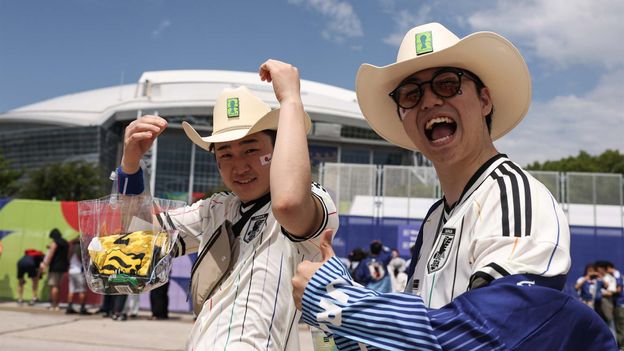
    Soon, this summer-long tournament will draw to a close: a new World Cup champion will be crowned, and fans will return home, most a few pounds heavier from all the ranch dressing and barbecue. But the hope this trend has sparked lingers – that Americans will continue to find joy in the quiet quirkiness of their own culture, take pride in the wild natural beauty that stretches across the country, and keep our doors open to visitors, so that more people can see the real America that we know and love.

  • US sanctions Rwanda gold refinery accused of smuggling DR Congo’s minerals

    US sanctions Rwanda gold refinery accused of smuggling DR Congo’s minerals

    In a significant step targeting what it calls illicit cross-border mineral trade tied to armed unrest, the United States has announced sweeping sanctions against Rwanda’s leading gold processing facility, Gasabo Gold Refinery, alongside two of its top executives. The action, unveiled Thursday, stems from long-running accusations that the Rwandan-linked network is collaborating with the M23 rebel movement that controls large mineral-rich territories in the eastern Democratic Republic of the Congo.

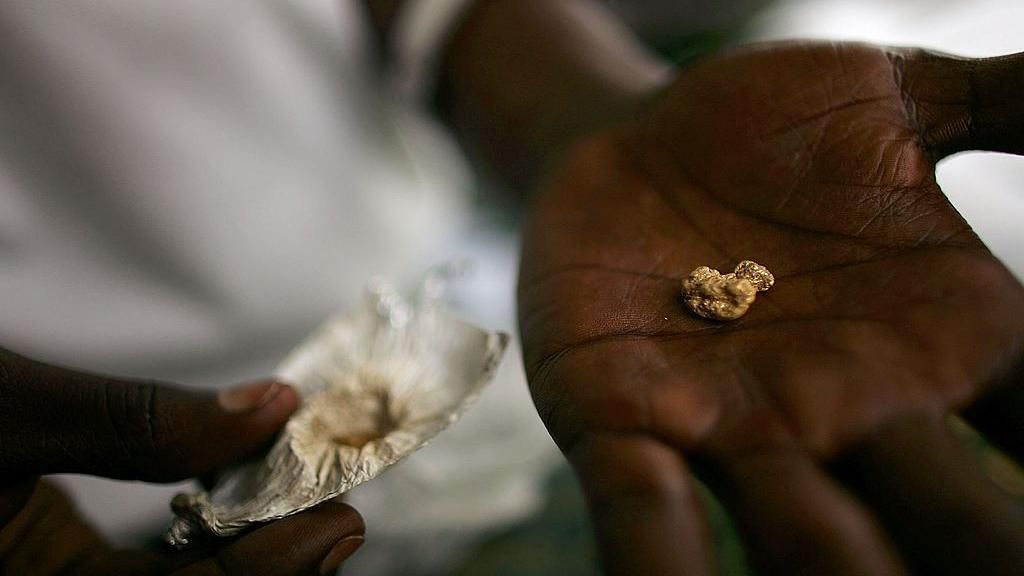
    Washington claims the network moving illicit minerals to Gasabo works in tandem with M23, which holds swathes of eastern DRC home to massive deposits of gold and coltan — a critical raw material for consumer and industrial electronics manufacturing. The US Treasury’s allegation further claims that Rwandan government officials and military personnel directly oversee this smuggling operation, with at least 60 kilograms of gold worth millions of US dollars illegally trafficked from eastern DRC to Gasabo Gold Refinery in the first months of 2026.

    Rwanda has consistently rejected international claims that it provides military and logistical support to M23, even as multiple independent investigations from United Nations experts and other bodies have produced substantial evidence to the contrary. While the Rwandan government has not yet issued an official response to the latest US sanctions, it has previously characterized similar punitive measures as unfair, one-sided actions targeting the country. Three additional mining firms controlled by Gasabo chairman Jean Malic Kalima — Bugambira Mines, Wolfram Mining and Processing, and Rwinkwavu Mining Corporation — were also added to the US sanctions list alongside the refinery, Kalima himself, and chief executive Bosco Kayobotsi.

    This is not the first international action against Gasabo Gold Refinery: the European Union already blacklisted the facility last year over accusations it profits from the armed conflict in eastern DRC. None of the parties sanctioned this week have responded to requests for comment from the BBC. Under the terms of the new US sanctions, any assets held by the designated entities and individuals within US jurisdiction will be immediately frozen, and all commercial transactions between American citizens or companies and the sanctioned parties are prohibited.

    “The United States will not allow rogue groups to profit from the illicit mineral trade and destabilise the region,” Treasury Secretary Scott Bessent said in an official statement announcing the measures. “The Democratic Republic of the Congo’s mineral wealth rightfully belongs to the Congolese people.”

    The sanctions come against the backdrop of a December 2024 peace deal brokered by the US between the presidents of Rwanda and the DRC. That agreement was designed to end decades of persistent armed conflict in eastern DRC and build a more transparent, accountable regional mineral sector. Many industry and policy analysts believe the Trump administration also sees enhanced regional stability as a pathway to increasing American investment in the DRC’s vast critical mineral reserves, which are central to global supply chains for clean energy technology and electronics.

    Despite the signing of the high-profile peace deal, large-scale fighting has continued across eastern DRC. Just one day before the sanctions were announced, senior officials from Rwanda, the DRC, and the US held a follow-up summit to review implementation of the agreement, and issued a joint statement acknowledging “serious concern over the escalating fighting” in the region.

  • Mediators worked through threats and strikes to broker the US-Iran deal, and challenges remain

    Mediators worked through threats and strikes to broker the US-Iran deal, and challenges remain

    On June 11, as tit-for-tat air strikes between the United States and Iran pushed the two nations to the brink of a catastrophic all-out war, a Qatari mediation jet sat grounded on a Tehran tarmac – its diplomatic passengers trapped mid-mission after hours of grueling overnight negotiations. This quiet, high-stakes standstill captures the chaotic, rollercoaster nature of the cross-regional diplomatic push led by Pakistan and Qatar that ultimately produced last week’s interim deal to end a conflict that has roiled Middle East security and sent shockwaves through the global economy.

    This exclusive behind-the-scenes account of the diplomacy leading to the truce is drawn from interviews conducted by the Associated Press with three senior Pakistani officials, two regional diplomatic sources and a diplomat directly briefed on the closed-door talks, all of whom spoke on condition of anonymity to discuss the sensitive negotiations. When approached for comment on Pakistan’s mediation role, the country’s Ministry of Foreign Affairs directed AP to prior public statements, noting it would continue facilitating talks between the two sides. The White House declined to comment, and representatives for Qatar and Iran did not respond to requests for comment.

    The most dramatic turning point came on that same June day, when then-US President Donald Trump reignited panic with a public threat of immediate large-scale military action, claiming the US would strike Iran “VERY HARD TONIGHT” and seize full control of Tehran’s oil and gas sector. With conflict on the cusp, regional mediators launched an urgent last-ditch effort to convince Trump to give diplomatic talks more time. According to the briefed diplomat, Qatari Emir Sheikh Tamim bin Hamad Al Thani spoke directly to Trump, urging him to delay planned strikes after confirming a tentative agreement was within reach. The gambit succeeded: Trump announced he was calling off the planned attacks, and just days later, Washington and Tehran signed the interim accord ending the hostilities that erupted after a February joint US-Israeli strike on Iran.

    The deal’s core terms center on reopening the Strait of Hormuz – the critical global oil and gas chokepoint Iran closed at the conflict’s opening – and lifting a US blockade to resume Iranian oil exports. It also sets a 60-day deadline to negotiate a wider, permanent agreement addressing Iran’s disputed nuclear program, with additional economic relief for Tehran tied to progress on that front.

    Unlike prior US-Iran talks, which relied on mediation from Oman and Qatar, Pakistan emerged as the lead facilitator early in the conflict after Iran harshly criticized Gulf states, many of which host US military forces. Though Pakistan has rarely led high-stakes international mediation, its geographic border with Iran and longstanding positive ties with both Tehran and Washington positioned it uniquely for the role. Negotiators used a secure, encrypted communications network to shuttle proposals between US and Iranian officials, with a Pakistani official confirming all staff were warned that any leak could carry a life sentence. Pakistan’s army chief, Field Marshal Asim Munir, played a particularly central role, maintaining a direct communication line with Trump, officials confirmed.

    Charles Lyons-Jones, a former Australian diplomat who served in Pakistan and now works as a research fellow at the Lowy Institute, noted: “As the US-Iran war dragged on and both sides grew eager to reach a settlement, Munir’s unique cross-border connections in both Washington and Tehran became an invaluable asset.” A preliminary truce was reached in April, just weeks after the conflict began, and days later, US and Iranian delegations held their first high-level face-to-face talks in years in Islamabad. Trump later commented of the ceasefire: “I wouldn’t have really been in favor of it, but we did it as a favor to Pakistan, who are terrific people.”

    Within weeks, however, the fragile ceasefire began to fray, and Qatar stepped back into the breach. Qatar had initially refused to mediate after facing criticism from Iran, but by mid-May, after strikes targeting the Gulf nation ceased, both US and Iranian officials approached Doha to request help breaking the deadlock, the diplomat said. Qatar brought significant recent mediation experience to the table, having played a central role alongside Egypt in negotiating the Gaza ceasefire and the release of Israeli hostages. Working in lockstep with Pakistan, Qatari officials began making quiet, unannounced trips to Tehran to continue talks.

    Meanwhile, Egypt’s intelligence chief Hassan Rashad opened a direct communication channel with Gen. Ahmad Vahidi, head of Iran’s paramilitary Revolutionary Guard and a close confidant of Iran’s Supreme Leader Mojtaba Khamenei, who has remained in deep hiding since the conflict began. Two regional officials confirmed that Egypt and Turkey also played a critical behind-the-scenes role in discouraging a number of Gulf states, including Saudi Arabia, from joining the US-led coalition against Iran.

    Key compromises shaped the final interim text: Iran initially sought to delay any discussion of its highly enriched uranium stockpile, but mediators persuaded Tehran to include a commitment to reduce the stockpile in exchange for US promises to waive oil export sanctions and gradually unfreeze billions of dollars in frozen Iranian assets. On financial relief, Iran initially demanded no less than $500 billion in war reparations, but eventually agreed to a pledge of $300 billion in pledged investment tied to a final permanent agreement – though it remains unclear which nations will contribute that funding.

    Throughout the negotiations, escalating violence in Lebanon repeatedly threatened to derail the entire process. Tehran-backed Lebanese militant group Hezbollah launched missile attacks on Israel in retaliation for the initial strike on Iran, prompting a devastating Israeli air campaign and ground invasion of southern Lebanon. Iran made a Lebanon ceasefire a non-negotiable condition of any final deal, a stance opposed by Israel and initially by the US, but language addressing the conflict was ultimately added to the draft agreement.

    On June 7, as Pakistan’s Interior Minister Mohsen Naqvi was in Tehran delivering a message to Khamenei urging him to sign off on the deal, Israel carried out a strike on Beirut. Iran retaliated with missile strikes against Israel, setting off a new round of tit-for-tat US-Iran strikes that culminated in the June 11 grounding of the Qatari mediation jet. After that crisis was averted, negotiations moved forward rapidly: Trump announced on June 13 that a deal would be signed the following day, and Qatari mediators returned to Tehran for 17 hours of last-minute intensive talks. Just as the parties neared a final agreement, Israel carried out a second strike on Beirut on June 14, crossing a red line Iran had explicitly drawn. Qatari mediators worked frantically to convince Iranian leaders that launching new retaliatory strikes “would only play into the hands of the deal’s opponents,” the diplomat said. Disuading Iran from immediate retaliation, they added, was what ultimately “got the deal over the line.” At Iran’s insistence, an explicit pledge to uphold Lebanon’s sovereignty and territorial integrity was added to the final memorandum, with Tehran demanding a full Israeli withdrawal from Lebanese territory – a step Israel has so far refused to take. The interim Memorandum of Understanding was finally signed on June 17.

    Negotiations for a permanent final agreement, scheduled to conclude by August, have already gotten underway in Switzerland after a brief delay, once again caused by ongoing violence in Lebanon. The diplomat explained that Iran has framed the Lebanon ceasefire as its top priority, noting: “Iran ‘viewed (the Lebanon ceasefire) as point number one, and if you can’t abide by point number one, then why should we discuss two, three, four?’” After the US and Iran brokered a new temporary truce between Israel and Hezbollah, the Swiss talks resumed on Sunday, with an early focus on creating a permanent monitoring mechanism to cement the Lebanese ceasefire. While Trump and Iranian officials have continued to exchange sharp public rhetoric – and Iran briefly paused the Swiss talks after what it called an insulting message from Trump – the diplomat described the current negotiating atmosphere as “quite positive,” noting that US and Iranian delegates have even shared coffee together during breaks in discussions.

    The situation remains fragile, with lingering threats of new hostilities both in Lebanon and around the Strait of Hormuz, but the successful brokering of the interim deal marks a rare breakthrough in decades of hostile relations between Washington and Tehran.

  • Duckett leads counterattack as England reaches 73-1 at tea in reply to New Zealand’s 438

    Duckett leads counterattack as England reaches 73-1 at tea in reply to New Zealand’s 438

    NOTTINGHAM, England – The third and final Test of England’s summer series against New Zealand at Trent Bridge delivered a dramatic second day on Friday, turning the tide of momentum after the Kiwis had dominated the opening session. A blistering 317-run opening partnership between Tom Latham and Devon Conway on Day One had left the home side reeling, with New Zealand posting a mammoth first-innings total of 438 before being bowled out shortly after lunch on Day Two. What followed was a disciplined England fightback, headlined by a major career milestone for all-rounder captain Ben Stokes and a rapid counterattack from opener Ben Duckett heading into the tea break.

    On a sweltering afternoon where temperatures peaked at 34 degrees Celsius (93 Fahrenheit), Stokes picked up where England’s bowlers left off on Thursday evening, when the side had clawed back four late New Zealand wickets to stem the visitors’ momentum. The captain claimed the first wicket of the day, forcing Daryl Mitchell to edge a catch behind to wicketkeeper Jamie Smith for 11 runs. He followed that up by dismissing Will O’Rourke, who sliced a catch to Emilio Gay at point, before notching his long-awaited 250th Test wicket. The milestone came via a fiery bouncer to Mitchell Santner, who feathered a catch to Jacob Bethell in the gully. Santner immediately called for a Decision Review System (DRS) challenge, but television replays confirmed the ball had brushed his glove, upholding the on-field umpire’s decision.

    Spinner Shoaib Bashir picked up two more wickets for the home side: he secured a return catch at the second attempt to remove Nathan Smith for 6, then dismissed Tom Blundell via lbw on review after the New Zealand wicketkeeper missed a reverse sweep. Jofra Archer wrapped up the innings by trapping Ben Sears lbw for a duck, leaving New Zealand all out for 438. Stokes finished with match figures of 4 for 70, pushing him to ninth place on England’s all-time list of leading Test wicket-takers. The 35-year-old’s standout performance comes just one week after he was recalled to the side alongside fast bowler Gus Atkinson, following their suspension from the second Test for disciplinary reasons.

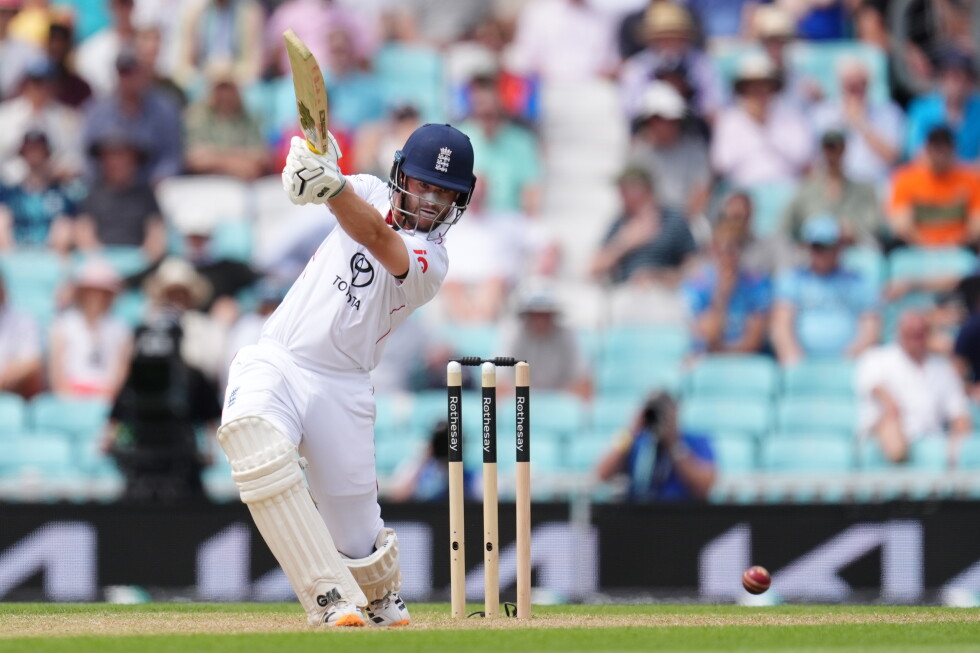
    With New Zealand’s innings closed, England stepped out to bat needing to respond to the huge total, and got off to a flying start despite an early setback. Opener Emilio Gay became England’s only wicket to fall before tea, caught down the leg side by Blundell off O’Rourke’s bowling without scoring a run. That brought Duckett to the crease, who entered the Test having struggled for runs throughout 2024. The left-hander was gifted a second chance early on, when New Zealand third slip Henry Nicholls dropped a catch off Nathan Smith’s bowling when Duckett had only scored 8 runs. He made the visitors pay immediately, playing with characteristic aggression to reach an unbeaten 52 off just 37 balls by the tea interval. At the other end, debutant batter Jacob Bethell was also not out on 16, leaving England 73 for 1 from 14 overs at the break, with the home side well placed to build on its early fightback. Heading into the weekend, the three-Test series remains level at 1-1, with the winner of this final match set to claim series bragging rights.

  • EU unveils plan to help the bloc’s overlooked islands and coastal communities

    EU unveils plan to help the bloc’s overlooked islands and coastal communities

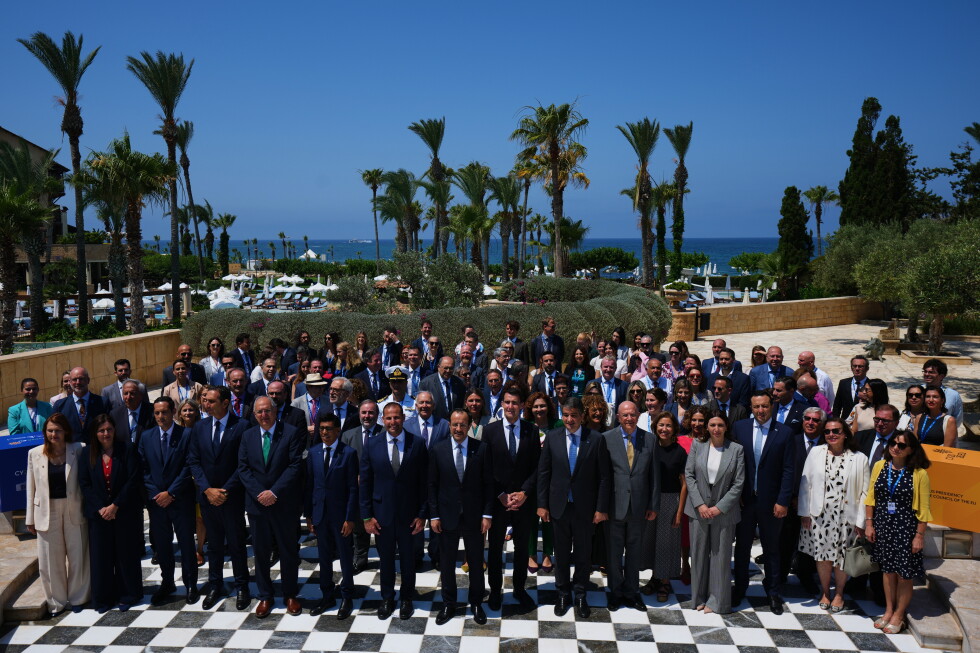
    PAPHOS, Cyprus – The European Commission, the executive governing body of the European Union, announced two unprecedented policy frameworks Friday, designed to address longstanding systemic disadvantages facing the EU’s thousands of islands and hundreds of coastal regions, with targeted initiatives ranging from upgraded transport connectivity to affordable housing expansion.

    Across the 27-nation bloc, more than 4,000 islands are home to roughly 17 million EU residents, and three full member states – Ireland, Malta, and Cyprus – are entirely island nations. An additional 95 million people make their homes along EU coastlines, meaning nearly one in three bloc residents stand to benefit from the new policies.

    Speaking at a Paphos conference focused on empowering island and coastal communities, European Parliament Vice President Younous Omarjee emphasized the historic nature of the announcement, noting that “Islands have been overlooked in the past, but now that comes to an end.”

    Raffaele Fitto, European Commission Executive Vice President for Cohesion and Reforms, explained that the new strategies replace the fragmented, piecemeal policy approaches that have failed to solve these regions’ unique barriers to development, replacing them with a unified, comprehensive support framework.

    Geographic separation from continental EU markets and overreliance on air and sea transport create steep structural disadvantages for island communities: daily costs for transportation, housing, and core public services run significantly higher than those on the mainland, a burden Fitto describes as the “cost of insularity” borne daily by millions of EU citizens and business owners, solely based on their geographic location.

    The standalone island strategy is structured around four core policy pillars: improving overland, air and maritime transport connections and digital infrastructure; addressing climate change impacts and closing unmet energy needs; reversing demographic decline and resolving widespread housing shortages; and strengthening security and crisis response capacity. Fitto stressed that islands across the bloc – from the Baltic Sea to the Mediterranean – sit on the front lines of modern geopolitical instability, making these resilience investments all the more critical.

    At this stage, the commission has not released details on specific projects that will receive EU funding. Project selection and funding allocations will be handled by individual member states, which will submit formal proposals once the bloc’s next multiannual budget is finalized. Fitto confirmed that priority funding will go to high-impact projects such as seawater desalination plants and affordable residential development.

    Fisheries and Oceans Commissioner Costas Kadis added context for the coastal community strategy, noting that coastal regions collectively contribute roughly 265 billion euros ($302 billion) annually to the EU’s total GDP, yet face overlapping pressures from climate change, population decline, lack of affordable housing, and limited access to essential public services.

    The coastal strategy’s core goal is to reduce overreliance on single-industry economies by diversifying local economic activity and creating new, sustainable employment opportunities. A key policy proposal outlined by Kadis is a new blue carbon credit program, which would generate funding for conservation and restoration of coastal wetlands, marshes, and mangroves – ecosystems that provide powerful natural carbon sequestration benefits while also strengthening coastal resilience.

    Other flagship initiatives include the OceanEye project, which would position the EU as a global leader in ocean observation and climate research, and support for dual-use fishing infrastructure and vessels that can support both commercial fishing and sustainable tourism operations. The strategy also allocates dedicated investment in partnership with the European Investment Bank to boost coastal communities’ ability to withstand climate change-driven extreme weather events and long-term environmental shifts.

  • A Moroccan court sentences 29 prominent people in major drug trafficking and corruption case

    A Moroccan court sentences 29 prominent people in major drug trafficking and corruption case

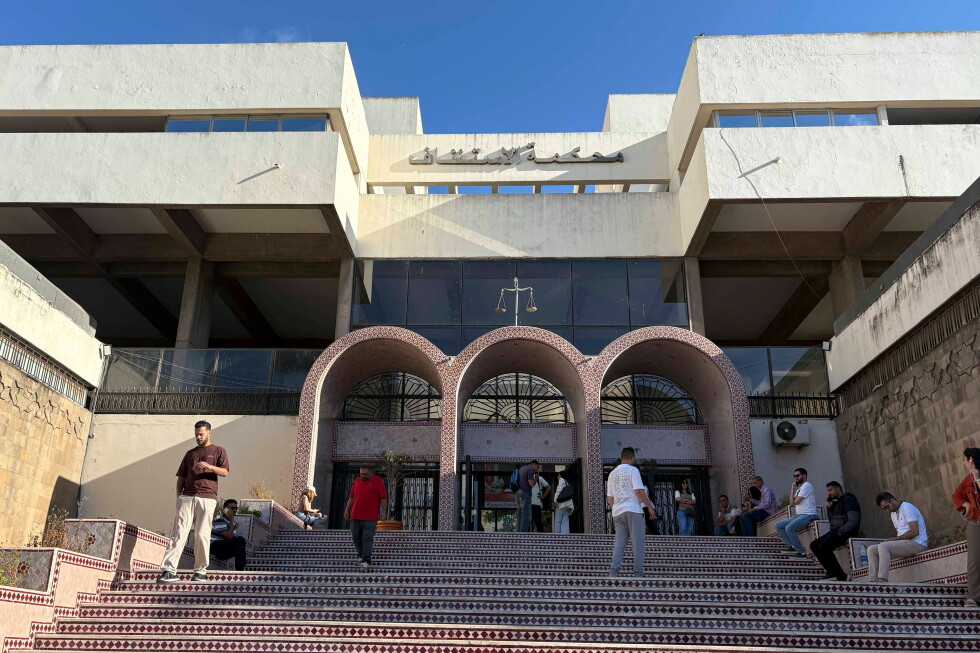
    A high-profile international drug trafficking and corruption scandal that has shaken Morocco’s political establishment has concluded with a Moroccan court issuing prison sentences to 29 people, counting among them senior politicians, well-known sports leaders, and prominent business figures.

    The ruling, delivered late Thursday following a trial that stretched more than two years, also mandated the defendants pay hundreds of millions of dollars in combined fines. The sprawling case traces its origins to allegations from a jailed incarcerated drug kingpin commonly known as “Sahara’s Pablo Escobar” — a nickname tying him to the infamous Colombian drug trafficker. Hadj Ahmed Ben Brahim, a Malian national already behind bars, claimed that a network of his former business associates, including senior Moroccan political figures, participated in his international trafficking operations before illegally seizing his assets while he was in prison. All accused individuals have consistently denied all charges brought against them.

    The 30-defendant trial, which drew testimony from 18 witnesses and included two civil parties, sparked widespread public outcry after the initial allegations came to light, and reenergized long-simmering national debates about systemic corruption within Moroccan political circles. The fallout even prompted a rare public intervention from King Mohammed VI, Morocco’s head of state who is officially positioned above day-to-day partisan politics and rarely addresses public controversies. The king called for the adoption of a legally binding parliamentary ethics code designed to “moralize” public life in the nation’s legislative body.

    Among the highest-profile convictions is that of Abdennebi Bioui, a powerful construction tycoon and former lawmaker with the Authenticity and Modernity Party (PAM) — Morocco’s co-governing political party — who also previously led a regional governing council. Bioui was handed a 12-year prison sentence and ordered to pay an individual fine of nearly $16,000. Two other former PAM lawmakers, both former presidents of top Moroccan soccer clubs, also received heavy sentences: Said Naciri, former president of powerhouse club Wydad AC, and Belkacem Mir, another ex-club leader, each received 10-year prison terms.

    The remaining 26 convicted defendants received sentences ranging up to nine years in prison, with individual fines capped at just over $26,600. One defendant was cleared of all charges and acquitted. Convictions covered a broad range of offenses, including international drug and gold trafficking, political corruption, document forgery, and violations of national exchange control regulations. Legal teams for the convicted have confirmed they plan to file appeals of the court’s ruling, as allowed under Moroccan law.

    In addition to fines and prison time, the court ordered the seizure of convicted defendants’ assets — including those of Bioui, Naciri, and Mir — capped at a total of $1 million. The three high-profile former lawmakers were also ordered to jointly pay more than $106,000 in damages to Ben Brahim, and together hold responsibility for the hundreds of millions of dollars in financial penalties owed to Moroccan customs authorities. Local media reports confirm that state prosecutors had requested convictions for all 30 defendants and full asset seizure ahead of the ruling.

    Chaos erupted in the packed Casablanca courtroom immediately after the judge finished reading the sentences, as shouts of protest rang out from the defendants’ holding area. Multiple convicted men yelled claims of innocence, with shouting escalating into scenes of panic and grief among supporters. Relatives of the defendants screamed, several people collapsed on the courtroom floor, and others wept openly as police moved through the crowd to reestablish order.

    Court documents presented by prosecutors outline that Ben Brahim first accused his former partners of running a cross-border gold trafficking network alongside drug operations. The Paris-based outlet Jeune Afrique further reported that Ben Brahim’s criminal partnership with Moroccan political figures centered on moving cannabis resin to consumer markets across Libya, Egypt, and Mauritania.

    Morocco holds the distinction of being one of the world’s largest producers and exporters of hashish, a cannabis derivative. While the North African nation recently moved to legalize cannabis cultivation strictly for medical and industrial uses, illegal drug trafficking remains a deeply rooted criminal industry in the country. Morocco’s geographic proximity to Europe has long made it a key transit hub for traffickers moving narcotics across the Mediterranean into European consumer markets.

  • Rainbow flags await Egypt and Iran at awkward World Cup Pride Match

    Rainbow flags await Egypt and Iran at awkward World Cup Pride Match

    As the 2026 FIFA World Cup unfolds in the United States, a group stage match between Iran and Egypt set to take place in Seattle has sparked global discussion over clashing cultural values, inclusive event policy, and the intersection of sports and social identity. Scheduled for the Friday leading into Seattle’s annual LGBTQ+ Pride Weekend, local organizers have formally designated the fixture as the “Pride Match,” a decision that has drawn pushback from the two competing nations, where homosexuality remains criminalized.

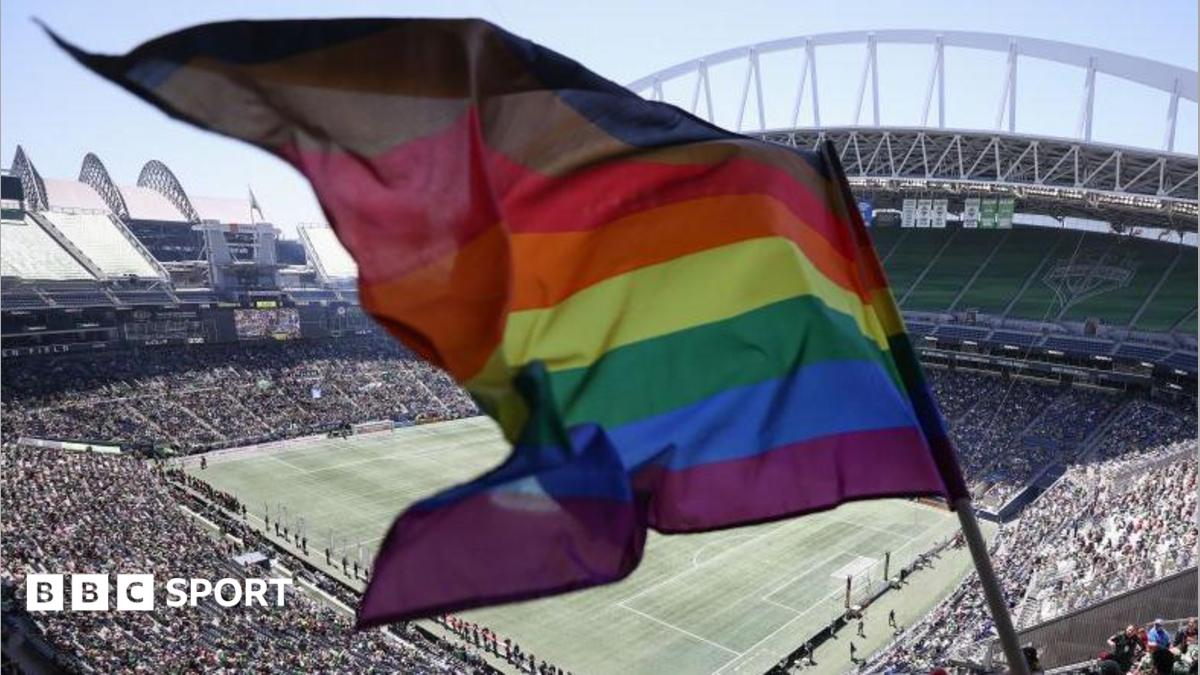
    Central to the local celebration are symbolic gestures of inclusion: rainbow flags, the globally recognized emblem of LGBTQ+ pride, diversity and social acceptance, will be flown inside Seattle Stadium, alongside planned drag performances and Pride-themed watch parties spread across the city. Despite formal complaints lodged by both Iranian and Egyptian delegations, organizers have stood firm in their plans, emphasizing the pre-scheduled nature of the Pride celebration.

    When pressed about the event at pre-match press conferences, neither side’s coaching staff would engage with questions about the Pride designation. Iran’s head coach Amir Ghalenoei framed the discussion as off-topic, noting that his squad’s sole focus is on on-pitch competition. “We are here to play football, not for other things,” Ghalenoei told reporters. “As for things that are forbidden in our religion and do not exist [in our context], we do not want to talk about them. We only talk about the match, football and the beauty of the game.”

    Local organizing committee officials reject claims that the Pride Match was planned to provoke the visiting teams, explaining that Seattle’s Pride Weekend was scheduled long before the group stage draw paired Iran and Egypt in Group G. Rather than backtrack in response to discomfort, organizers say they are committed to leaning into the city’s core cultural values.

    “We’re thrilled,” Hedda McLendon, a member of Seattle’s local World Cup organizing committee, told BBC reporters after a press briefing on the event. “It might not be how you want to live or how things are in your country but this is something that makes us unique and we want you to experience it and be curious.” McLendon added that the Pride celebration was tied to the date of the match, not the competing teams, and that the event would proceed regardless of which nations had been drawn to play.

    That stance is echoed by Jess Fishlock, Wales’ all-time leading goalscorer, a 13-year veteran of Seattle’s Reign FC, and a member of the local host committee. “The match is about Seattle, not Egypt or Iran,” Fishlock said. “Regardless of who is playing we would be the same. It’s such an important part of Seattle’s identity and culture.”

    Global football governing body FIFA has weighed in to clarify its own position on the display of rainbow flags inside the stadium. The organization confirmed that the Pride celebration is a local initiative, not an officially sanctioned FIFA event, but confirmed that rainbow flags are permitted under 2026 World Cup rules.

    “The Fifa World Cup 2026 is an inclusive event that welcomes people from all backgrounds. Fans of all sexual orientations and gender identities are welcome at matches and events,” FIFA said in an official statement. “General statements of human rights, including rainbow flags and other flags representing sexual orientation and gender identity, are permitted under the Fifa World Cup 2026 stadium code of conduct and may be displayed inside stadiums provided they are used in a manner consistent with the code.”

    Reactions among fans on the ground in Seattle have been mixed. At the official fan zone, Egyptian fan Makarius Demian noted that for many supporters, the match’s Pride designation is irrelevant to the on-pitch competition. “Right now it’s about two teams trying to get to the next round,” Demian said, adding that he personally supports gay rights. “Pride match or no Pride match, that’s not what matters.”

    Nearby, Amani Abouammo and Ayman Almasri, owners of a local Egyptian restaurant, have closed their downtown location to run a pop-up serving traditional Egyptian street food Koshari to visiting fans at the fan zone. The pair described the clash of contexts as awkward, rooted in cross-cultural misunderstanding rather than intentional conflict.

    “Here it is the culture. People are used to that,” Abouammo said. “Back home, people are not used to it. It’s this piece of confusion that each party cannot understand the other party.”

    Beyond the cultural conversation, the match carries high stakes on the pitch. Egypt enters the fixture with momentum following a opening-round win over New Zealand, and sits in a strong position to claim a spot in the knockout stage if they secure another positive result. Iran’s road to the match has been far less smooth, with their tournament already marred by political disputes, travel restrictions, and complaints over insufficient preparation time, though the team was granted earlier access to Seattle than they received for their prior fixture.

    As kickoff approaches, scheduled for 04:00 BST Saturday, the match has emerged as more than just a group stage fixture: it offers a clear look at how different value systems interact when the World Cup, the world’s most global sporting event, lands in a host city with distinct cultural priorities, while two visiting teams bring their own long-held social and religious norms to the pitch.