As the 2026 FIFA World Cup unfolds in the United States, a group stage match between Iran and Egypt set to take place in Seattle has sparked global discussion over clashing cultural values, inclusive event policy, and the intersection of sports and social identity. Scheduled for the Friday leading into Seattle’s annual LGBTQ+ Pride Weekend, local organizers have formally designated the fixture as the “Pride Match,” a decision that has drawn pushback from the two competing nations, where homosexuality remains criminalized.
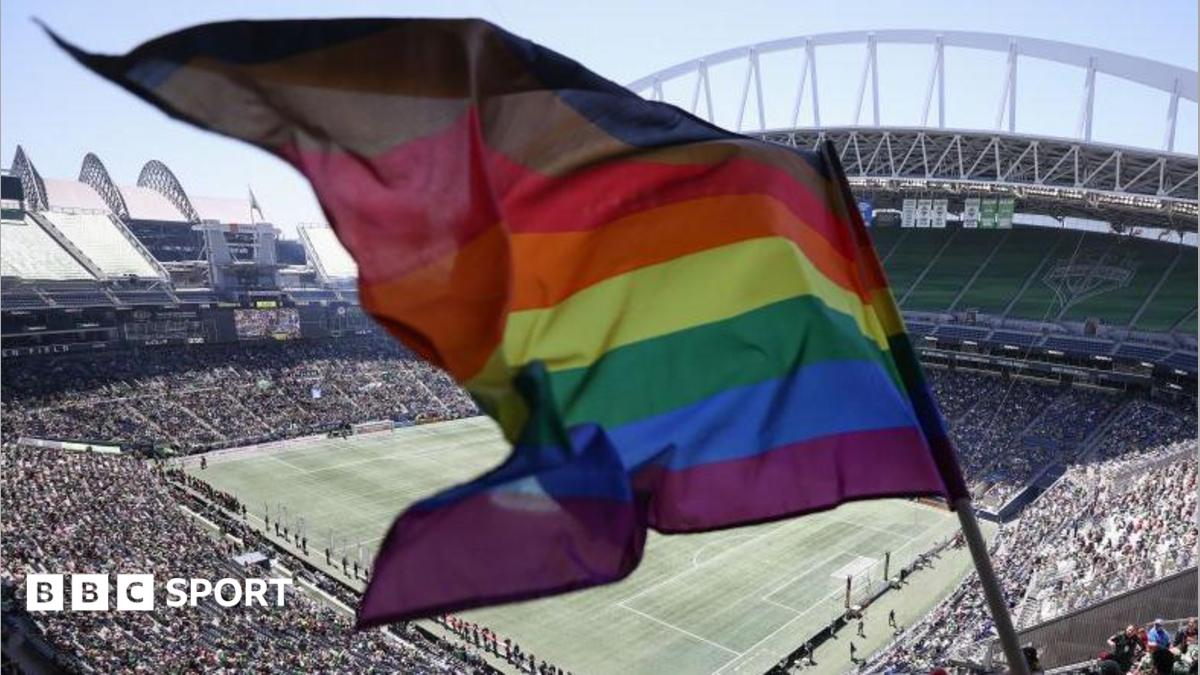
Central to the local celebration are symbolic gestures of inclusion: rainbow flags, the globally recognized emblem of LGBTQ+ pride, diversity and social acceptance, will be flown inside Seattle Stadium, alongside planned drag performances and Pride-themed watch parties spread across the city. Despite formal complaints lodged by both Iranian and Egyptian delegations, organizers have stood firm in their plans, emphasizing the pre-scheduled nature of the Pride celebration.
When pressed about the event at pre-match press conferences, neither side’s coaching staff would engage with questions about the Pride designation. Iran’s head coach Amir Ghalenoei framed the discussion as off-topic, noting that his squad’s sole focus is on on-pitch competition. “We are here to play football, not for other things,” Ghalenoei told reporters. “As for things that are forbidden in our religion and do not exist [in our context], we do not want to talk about them. We only talk about the match, football and the beauty of the game.”
Local organizing committee officials reject claims that the Pride Match was planned to provoke the visiting teams, explaining that Seattle’s Pride Weekend was scheduled long before the group stage draw paired Iran and Egypt in Group G. Rather than backtrack in response to discomfort, organizers say they are committed to leaning into the city’s core cultural values.
“We’re thrilled,” Hedda McLendon, a member of Seattle’s local World Cup organizing committee, told BBC reporters after a press briefing on the event. “It might not be how you want to live or how things are in your country but this is something that makes us unique and we want you to experience it and be curious.” McLendon added that the Pride celebration was tied to the date of the match, not the competing teams, and that the event would proceed regardless of which nations had been drawn to play.
That stance is echoed by Jess Fishlock, Wales’ all-time leading goalscorer, a 13-year veteran of Seattle’s Reign FC, and a member of the local host committee. “The match is about Seattle, not Egypt or Iran,” Fishlock said. “Regardless of who is playing we would be the same. It’s such an important part of Seattle’s identity and culture.”
Global football governing body FIFA has weighed in to clarify its own position on the display of rainbow flags inside the stadium. The organization confirmed that the Pride celebration is a local initiative, not an officially sanctioned FIFA event, but confirmed that rainbow flags are permitted under 2026 World Cup rules.
“The Fifa World Cup 2026 is an inclusive event that welcomes people from all backgrounds. Fans of all sexual orientations and gender identities are welcome at matches and events,” FIFA said in an official statement. “General statements of human rights, including rainbow flags and other flags representing sexual orientation and gender identity, are permitted under the Fifa World Cup 2026 stadium code of conduct and may be displayed inside stadiums provided they are used in a manner consistent with the code.”
Reactions among fans on the ground in Seattle have been mixed. At the official fan zone, Egyptian fan Makarius Demian noted that for many supporters, the match’s Pride designation is irrelevant to the on-pitch competition. “Right now it’s about two teams trying to get to the next round,” Demian said, adding that he personally supports gay rights. “Pride match or no Pride match, that’s not what matters.”
Nearby, Amani Abouammo and Ayman Almasri, owners of a local Egyptian restaurant, have closed their downtown location to run a pop-up serving traditional Egyptian street food Koshari to visiting fans at the fan zone. The pair described the clash of contexts as awkward, rooted in cross-cultural misunderstanding rather than intentional conflict.
“Here it is the culture. People are used to that,” Abouammo said. “Back home, people are not used to it. It’s this piece of confusion that each party cannot understand the other party.”
Beyond the cultural conversation, the match carries high stakes on the pitch. Egypt enters the fixture with momentum following a opening-round win over New Zealand, and sits in a strong position to claim a spot in the knockout stage if they secure another positive result. Iran’s road to the match has been far less smooth, with their tournament already marred by political disputes, travel restrictions, and complaints over insufficient preparation time, though the team was granted earlier access to Seattle than they received for their prior fixture.
As kickoff approaches, scheduled for 04:00 BST Saturday, the match has emerged as more than just a group stage fixture: it offers a clear look at how different value systems interact when the World Cup, the world’s most global sporting event, lands in a host city with distinct cultural priorities, while two visiting teams bring their own long-held social and religious norms to the pitch.