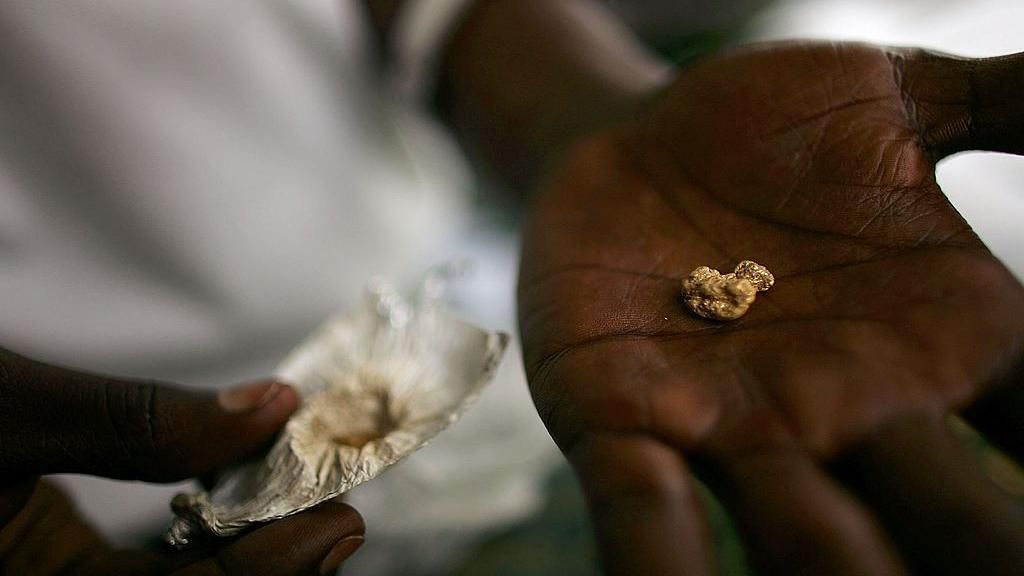
In a significant step targeting what it calls illicit cross-border mineral trade tied to armed unrest, the United States has announced sweeping sanctions against Rwanda’s leading gold processing facility, Gasabo Gold Refinery, alongside two of its top executives. The action, unveiled Thursday, stems from long-running accusations that the Rwandan-linked network is collaborating with the M23 rebel movement that controls large mineral-rich territories in the eastern Democratic Republic of the Congo.
Washington claims the network moving illicit minerals to Gasabo works in tandem with M23, which holds swathes of eastern DRC home to massive deposits of gold and coltan — a critical raw material for consumer and industrial electronics manufacturing. The US Treasury’s allegation further claims that Rwandan government officials and military personnel directly oversee this smuggling operation, with at least 60 kilograms of gold worth millions of US dollars illegally trafficked from eastern DRC to Gasabo Gold Refinery in the first months of 2026.
Rwanda has consistently rejected international claims that it provides military and logistical support to M23, even as multiple independent investigations from United Nations experts and other bodies have produced substantial evidence to the contrary. While the Rwandan government has not yet issued an official response to the latest US sanctions, it has previously characterized similar punitive measures as unfair, one-sided actions targeting the country. Three additional mining firms controlled by Gasabo chairman Jean Malic Kalima — Bugambira Mines, Wolfram Mining and Processing, and Rwinkwavu Mining Corporation — were also added to the US sanctions list alongside the refinery, Kalima himself, and chief executive Bosco Kayobotsi.
This is not the first international action against Gasabo Gold Refinery: the European Union already blacklisted the facility last year over accusations it profits from the armed conflict in eastern DRC. None of the parties sanctioned this week have responded to requests for comment from the BBC. Under the terms of the new US sanctions, any assets held by the designated entities and individuals within US jurisdiction will be immediately frozen, and all commercial transactions between American citizens or companies and the sanctioned parties are prohibited.
“The United States will not allow rogue groups to profit from the illicit mineral trade and destabilise the region,” Treasury Secretary Scott Bessent said in an official statement announcing the measures. “The Democratic Republic of the Congo’s mineral wealth rightfully belongs to the Congolese people.”
The sanctions come against the backdrop of a December 2024 peace deal brokered by the US between the presidents of Rwanda and the DRC. That agreement was designed to end decades of persistent armed conflict in eastern DRC and build a more transparent, accountable regional mineral sector. Many industry and policy analysts believe the Trump administration also sees enhanced regional stability as a pathway to increasing American investment in the DRC’s vast critical mineral reserves, which are central to global supply chains for clean energy technology and electronics.
Despite the signing of the high-profile peace deal, large-scale fighting has continued across eastern DRC. Just one day before the sanctions were announced, senior officials from Rwanda, the DRC, and the US held a follow-up summit to review implementation of the agreement, and issued a joint statement acknowledging “serious concern over the escalating fighting” in the region.