博客

  • Christmas market attacker jailed for life for murdering six in Germany

    Christmas market attacker jailed for life for murdering six in Germany

    On Friday, a German court issued the harshest possible legal penalty to a 51-year-old Saudi national convicted of carrying out a deadly 2024 vehicle attack on a crowded Magdeburg Christmas market, ending the high-profile trial of an attack that shocked the nation during the holiday season.

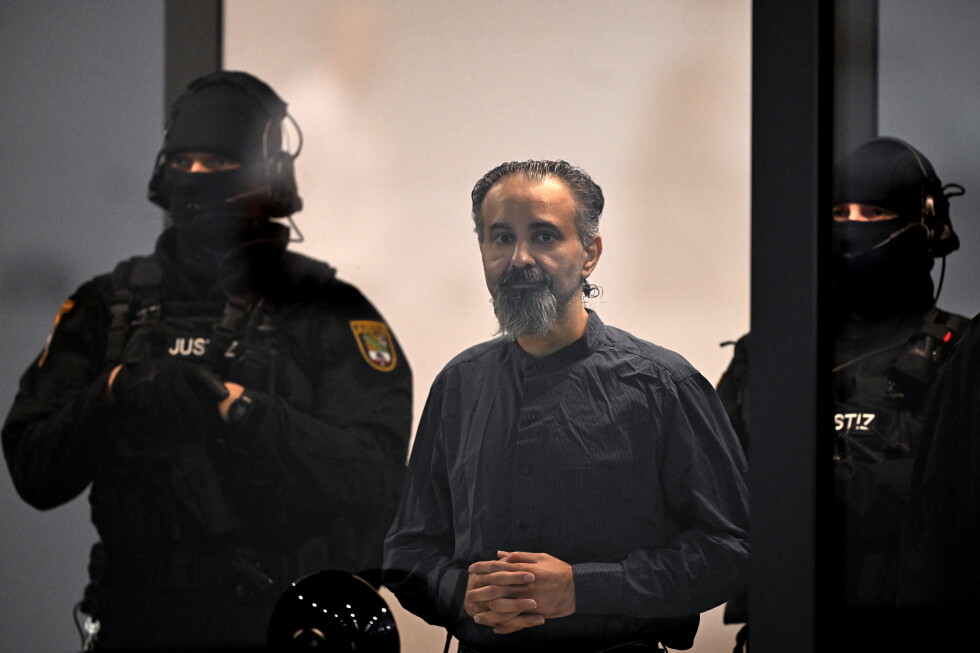
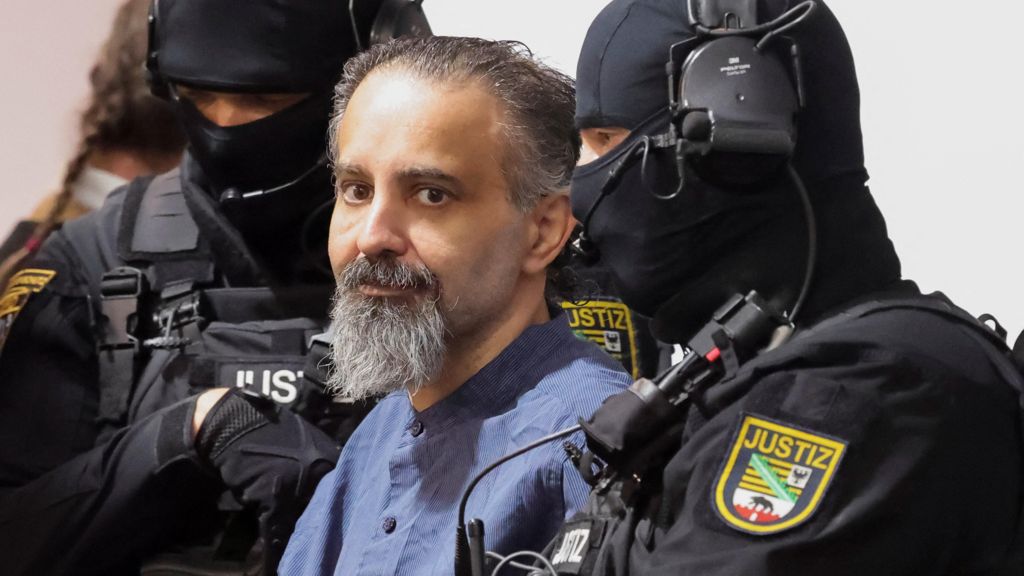
    Taleb Al-Abdulmohsen, who had been granted asylum in Germany back in 2016, received a mandatory life sentence after the court found him guilty on six counts of murder. Court documents detail that on the evening of December 20, 2024, Al-Abdulmohsen climbed into a rented BMW and drove at speeds reaching 48 kilometers per hour through the central holiday market, a space packed with hundreds of visitors browsing gingerbread stands and drinking mulled wine. The entire rampage lasted just 1 minute and 4 seconds, but left an indelible mark of tragedy: six people lost their lives, including a 9-year-old boy and five women aged between 45 and 75, while roughly 300 more suffered injuries, many of them severe. Al-Abdulmohsen was taken into custody by law enforcement immediately after the vehicle came to a stop.

    Investigations and prosecution arguments have painted a clear picture of the attack’s origins: chief public prosecutor Matthias Böttcher told the court that Al-Abdulmohsen planned the violent act months in advance, carried it out entirely on his own, and did not act on behalf of any ideological movement. “The defendant’s sole concern was, and remains, himself,” Böttcher stated. A psychiatric evaluation presented during the trial confirmed that Al-Abdulmohsen lives with narcissistic personality disorder, driven by an overwhelming, unmet need for public attention.

    While Al-Abdulmohsen offered shifting justifications for his actions to the court, claiming he acted out of anger over purported conflicts with German authorities and what he said was global indifference to the rights of Saudi women, he offered little meaningful comment on the attack itself. Court records also detail Al-Abdulmohsen’s background in Germany: after claiming he faced persecution in his home country for public criticism of Islam and the Saudi ruling family, he was granted asylum in 2016. A member of Saudi Arabia’s Shiite minority from the eastern city of Hofuf, per reporting from Germany’s DPA news agency, Al-Abdulmohsen had a long public record of anti-Islamic rhetoric and open sympathy for far-right political causes, including publicly endorsing the far-right Alternative for Germany (AfD) party on social media, claiming it shared his goal of “protecting Germany” from what he framed as shared enemies.

    Prior to the attack, Al-Abdulmohsen worked as a psychiatry and psychotherapy specialist, holding a position at an addiction treatment secure psychiatric facility in Bernburg starting in 2020, though he had recently been classified unfit for work ahead of the December attack. German officials noted at the time of the incident that Al-Abdulmohsen was an “untypical” attacker, unlike previous assaults on German Christmas markets that have been linked to Islamist extremist groups.

    Due to the large number of victims and survivors participating in the trial, authorities constructed a temporary custom courtroom in Magdeburg to accommodate proceedings. Al-Abdulmohsen retains the legal right to file an appeal against his conviction and sentence. In the days after the attack, thousands of Germans gathered near the market site to leave flowers and tributes at a makeshift memorial for the victims, mourning the lives lost during a celebration meant to bring communities together.
  • Senior Ukrainian intelligence official jailed for life for spying for Russia

    Senior Ukrainian intelligence official jailed for life for spying for Russia

    In a landmark treason case that underscores Ukraine’s ongoing crackdown on Russian infiltration within its state institutions, a one-time senior Security Service of Ukraine (SBU) official has been handed a permanent life sentence after being convicted of spying on behalf of Russia’s Federal Security Service (FSB).

    Colonel Dmytro Kozyura, who previously served as chief of staff at the SBU’s flagship anti-terrorism center, was found guilty of high treason in wartime under Ukraine’s active martial law framework, according to an official announcement from Ukraine’s Prosecutor General. The conviction also included an additional charge of illegal possession of weapons, ammunition, and explosives, handed down by Kyiv’s Shevchenkivskyy District Court.

    Investigative details released by Ukrainian authorities reveal that Kozyura was first recruited by FSB operatives during a 2018 trip to Vienna, Austria. The contact laid dormant for more than six years, before Russian handlers reconnected with the mole in December 2024, tasking him with stealing a wide range of sensitive state and military intelligence. The former colonel was instructed to gather confidential data on Russia’s own force deployments and movements (as tracked by Ukrainian intelligence), as well as details of Ukraine’s Western-supplied weapons stockpiles, critical national infrastructure, and the whereabouts and plans of Ukraine’s top political and military leadership.

    Kozyura operated out of a secret safe house in central Kyiv, where he used a concealed mobile phone and separate Wi-Fi router to maintain constant communication with his Russian handlers, including transmitting classified documents marked with top-secret clearance. His activities also included systematic monitoring of the aftermath of Russian missile and drone strikes on Ukrainian territory, reporting back casualty counts for both wounded soldiers and civilians to his Russian controllers, and surveilling core SBU command posts. Prosecutors confirmed Kozyura carried out his espionage activities in exchange for financial compensation from the FSB, naming his primary handler as Yuriy Shatalov, a senior FSB officer tasked with coordinating a broad network of Russian moles operating inside Ukraine.

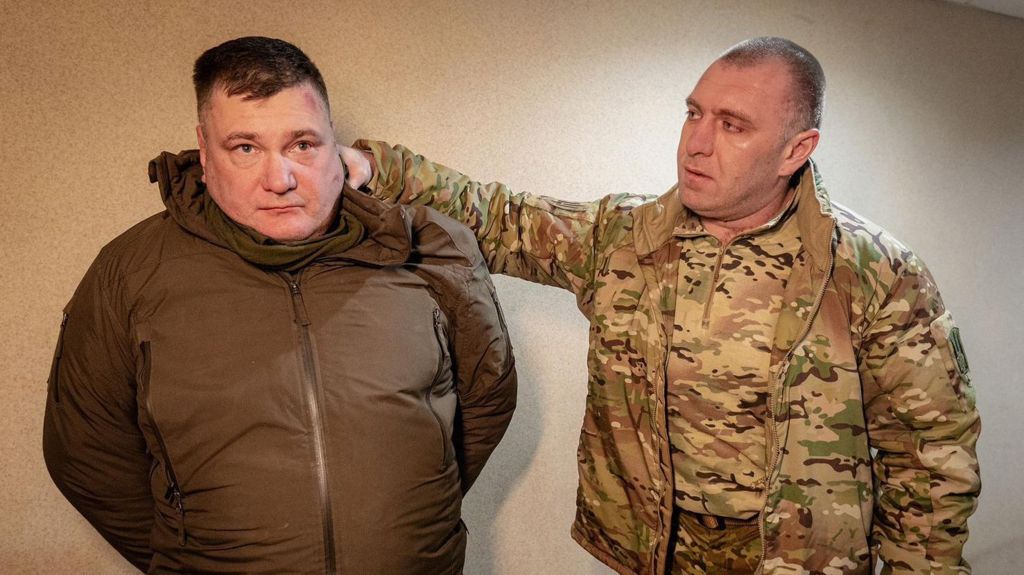
    The operation that uncovered Kozyura’s treachery, codenamed “Rat”, involved round-the-clock surveillance of the officer by SBU counter-intelligence teams, who tracked his movements for months before moving in to arrest him in February 2025. In a striking strategic twist, SBU officials revealed that even after they identified Kozyura’s espionage activities, they allowed the surveillance operation to continue while feeding large volumes of deliberately falsified disinformation to Russian forces through the mole, while simultaneously blocking him from accessing any genuinely sensitive Ukrainian intelligence. After his arrest, the SBU published an official photo of Kozyura in custody alongside SBU head Vasyl Malyuk, who led the counter-intelligence investigation personally.

    In a statement following the sentencing, Prosecutor General Ruslan Kravchenko emphasized the gravity of Kozyura’s betrayal. “The colonel, a career officer in the SBU, had access to state secrets and was responsible for coordinating the fight against terrorism,” Kravchenko said. “Anyone who wears Ukrainian epaulets and begins working for the FSB becomes an enemy of Ukraine. Only the harshest punishment is appropriate for such individuals.”

    This conviction is the latest in a long series of high-profile counter-intelligence operations launched by Kyiv after Russia launched its full-scale invasion of Ukraine in February 2022. Ukrainian security services have exposed and dismantled dozens of Russian espionage networks across the country over the past four years, targeting moles embedded in government, military, and intelligence institutions as part of ongoing efforts to root out infiltration.

  • China-Zimbabwe health partnership delivers new hope to patients

    China-Zimbabwe health partnership delivers new hope to patients

    Across Zimbabwe, thousands of people living with chronic pain, life-threatening acute conditions, and treatment-resistant illnesses are finding new hope through a decades-long health partnership between China and Zimbabwe, centered on expanding access to both traditional Chinese medicine (TCM) and cutting-edge modern medical technologies.

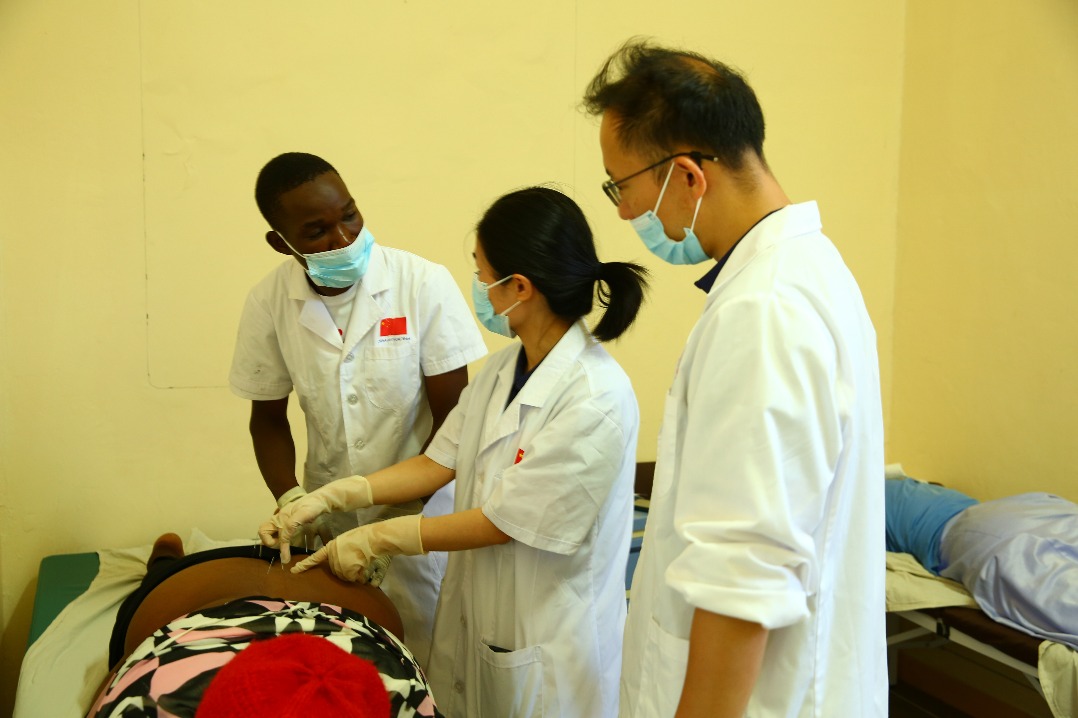
    At the Zimbabwe-China Traditional Chinese Medicine and Acupuncture Center based at Harare’s Parirenyatwa Group of Hospitals, the nation’s top public referral institution, the 10-member 23rd Chinese medical team has built a reputation for life-saving care and transformative treatment. Led by Ma Zheng, a public health specialist from China’s Hunan Provincial Center for Disease Control and Prevention, the team draws on cross-disciplinary expertise from leading Hunan hospitals to treat an average of 30 patients daily, combining TCM practices with modern critical care techniques.

    Stories of dramatic recoveries have spread far beyond Harare’s city limits, drawing patients from hundreds of kilometers across all 10 of Zimbabwe’s provinces, many traveling for more than six hours to access care the center provides. One of the team’s most notable achievements involved rescuing an elderly HIV-positive patient who had developed multiple organ failure stemming from acute heart failure and cardiogenic shock. Local clinicians had been unable to secure venous access after the patient’s peripheral veins collapsed from widespread swelling, but coordinated multidisciplinary emergency intervention from the Chinese team stabilized the patient and pulled him back from the brink of death.

    In another high-stakes case, the team rapidly treated a patient with an acute ischemic stroke within the critical 4.5-hour window that determines long-term outcomes, preventing permanent disability and adding another success story to the growing list of results that have built public trust in Chinese medical expertise among Zimbabweans.

    For patients living with chronic pain that has resisted conventional Zimbabwean healthcare treatments, TCM practices including acupuncture, cupping, moxibustion, massage, and herbal medicine have delivered life-changing relief. Revayi Roselinah Chaitezvi, a Chitungwiza resident who lived with disabling back pain for five years, saw her symptoms subside dramatically after just three acupuncture sessions. For 27-year-old Jomarie Nhari, persistent shoulder pain and muscle strain that failed to respond to expensive conventional physiotherapy also improved dramatically after acupuncture, exceeding all her expectations. Sixty-one-year-old Ivy Gundam, who lives with high blood pressure and chronic knee pain, now says acupuncture has let her regain control of her daily life after years of being limited by discomfort.

    Beyond direct patient care, the partnership is driving long-term progress for Zimbabwe’s entire healthcare system. The Chinese team has introduced advanced neuromodulation technologies—including deep brain stimulation and spinal cord stimulation—for the first time in the country, allowing local clinicians to treat Parkinson’s disease, severe neuralgia, and spinal cord injuries that once required patients to travel abroad for costly care. The team also plans to roll out affordable, easy-to-use rapid multiplex detection testing that can screen for HIV, syphilis, and hepatitis B in a single test, a tool ideal for grassroots community outreach. Regular training programs for local doctors and nurses are also building local capacity to diagnose and manage infectious diseases, creating sustainable skills that extend beyond the team’s deployment.

    The work of the medical team has also inspired a new generation of Zimbabwean healthcare workers to carry TCM practice forward across the country. Charlotte Muziri, a former Miss Zimbabwe Queen and University of Zimbabwe graduate, first connected with the team when her father had a stroke in 2017, and the successful treatment restored hope to her entire family. Today, she volunteers as a trainee at the center and plans to pursue advanced medical studies in China. Munashe Mboneka, one of Zimbabwe’s first locally trained TCM practitioners, completed specialized training in Hunan province in 2022 and now works full-time at the center, where patient demand consistently outstrips available capacity. “The Chinese doctors have become a beacon of hope for Zimbabweans who had exhausted other treatment options,” Mboneka said.

    In addition to fixed care at the Harare center, the team regularly hosts mobile outreach camps across remote rural communities, providing free consultations, acupuncture treatment, disease screening, and health education to thousands of people who would otherwise lack access to these services.

    This current chapter of collaboration builds on a health partnership that stretches back more than 40 years. China first sent medical teams to Zimbabwe in 1985, and has since supported the construction of major public healthcare facilities including Chinhoyi Provincial Hospital and the Mahusekwa China-Zimbabwe Friendship Hospital. Today, the partnership’s impact is measured not just in infrastructure and technology transfer, but in the thousands of lives saved, chronic pain relieved, and hope restored for Zimbabweans who had nowhere else to turn for care.

  • How to help those impacted by the Venezuela earthquakes

    How to help those impacted by the Venezuela earthquakes

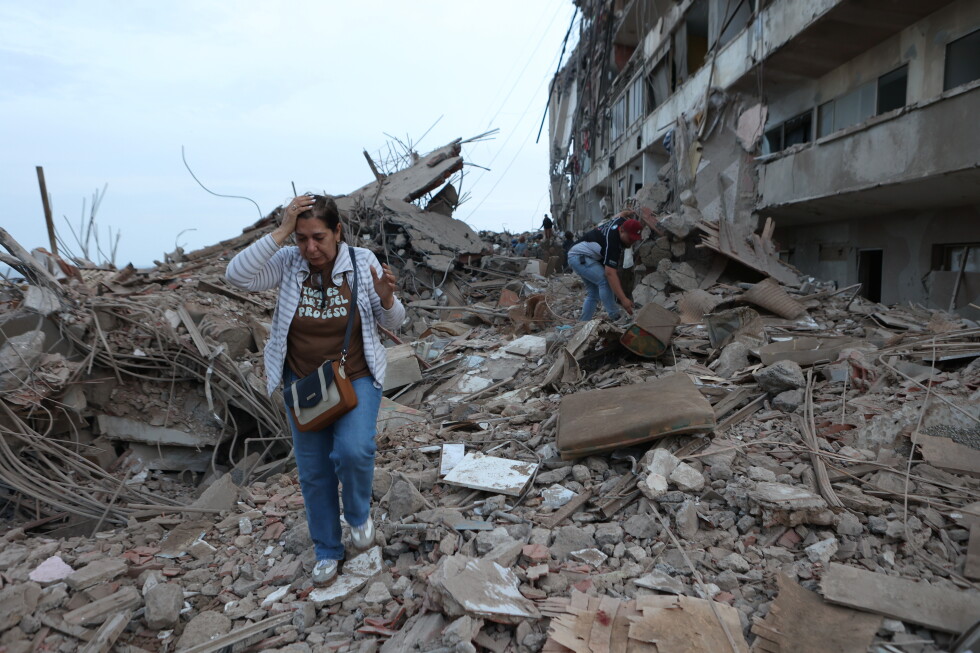
    On a Wednesday evening, northern Venezuela was struck by two consecutive powerful earthquakes with magnitudes of 7.2 and 7.5, triggering widespread destruction that has already killed hundreds of people, left thousands unaccounted for, and caused dozens of buildings to collapse. With the death toll expected to rise in the coming hours and days, aid groups and government bodies across the globe have launched urgent response efforts to locate missing survivors, provide critical medical care, and deliver humanitarian support to thousands of injured and displaced people.

    The International Federation of Red Cross and Red Crescent Societies (IFRC) has outlined the most pressing immediate needs: search and rescue personnel and resources, emergency temporary shelter for displaced households, urgent medical treatment, and long-term access to clean drinking water and functional sanitation systems.
    Humanitarian leaders warn that the relief operation will face significant logistical and bureaucratic hurdles from the outset. Michael Capponi, president of Miami-based non-profit Global Empowerment Mission (GEM), noted key challenges including damaged or closed airport infrastructure in affected regions and delayed visa processing for international aid workers seeking to enter the country. “No single organization can meet all the needs alone,” Capponi emphasized. “Collaboration across governments and non-governmental organizations is critical to ensuring we cover all ground efficiently and swiftly.”
    As the global aid community mobilizes, charity watchdog Charity Navigator has issued guidance for potential donors looking to support relief efforts, warning against unvetted fraudulent fundraising campaigns. The organization advises donors to verify that groups working in the region have a proven track record of disaster response in Venezuela and hold registered 501(c)(3) non-profit status in the U.S. Charity Navigator has also published a public, curated list of pre-vetted organizations leading on-the-ground relief to help donors direct their support safely.
    Below is a breakdown of the major vetted organizations already leading response efforts:
    1. **Global Empowerment Mission (GEM)**: Headquartered in Doral, Florida, GEM is partnering with long-term local ally We Love Foundation to deliver aid. Just one day after the quakes, GEM had already begun packing emergency supplies including food, clean water, hygiene kits, and medical necessities for shipment to a newly established distribution hub in Caracas. The organization has a history of disaster response in Venezuela, with prior deployments in 2018 and 2019.
    2. **CORE**: Founded in the wake of the 2010 Haiti earthquake, this humanitarian non-profit is deploying response personnel and partnering with The Wayuu Taya Foundation, a community organization that has long served Indigenous Wayuu communities across the Venezuela-Colombia border with local staff already on the ground in Caracas. The partnership plans to distribute direct cash assistance to vulnerable impacted families, alongside food, drinking water, hygiene kits, and other critical emergency supplies.
    3. **Direct Relief**: A California-based medical humanitarian organization, Direct Relief is funding the deployment of a search-and-rescue team from Spanish NGO Bomberos Unidos Sin Fronteras (BUSF) and is standing by to ship emergency medical supplies to local healthcare partners on the ground as needs are identified. The organization has extensive experience responding to major seismic disasters, including the 2023 twin earthquakes that hit Syria and Turkey.
    4. **International Red Cross**: Even after sustaining damage to its national headquarters in Venezuela, the Venezuelan Red Cross has kept its national network of hospitals and clinics fully operational to deliver care to injured survivors. Its rescue teams are supporting evacuation operations and search efforts for missing people, while drawing on pre-positioned stockpiles of relief supplies to meet immediate needs. Red Cross societies across neighboring Latin American countries with large Venezuelan diaspora populations, including Ecuador, Colombia, Mexico, Costa Rica, Honduras, and Argentina, have also activated family tracing services to help reconnect displaced people with separated loved ones.
    5. **Airlink**: A global humanitarian organization specializing in logistics and transport support, Airlink will coordinate with commercial airlines and logistics companies to move search-and-rescue teams, medical responders, and critical aid including pharmaceuticals, water filtration systems, and food into affected areas of Venezuela on behalf of other participating non-profits.
    6. **World Central Kitchen (WCK)**: Founded by celebrity chef José Andrés, WCK specializes in providing fresh, hot meals to disaster-affected communities and first responders. The organization has already mobilized to scale meal operations in northern Venezuela, and has prior experience responding to crises in the country, most recently supporting displaced families in Sucre state after Hurricane Beryl hit in 2024.
    7. **Catholic Relief Services**: The international aid arm of the U.S. Catholic Church is partnering with local affiliate Caritas Venezuela to deliver emergency shelter, food, clean water, and medical care to impacted households across northern Venezuela.
    8. **Global Impact**: A non-profit philanthropy advisor and intermediary, Global Impact has launched a dedicated Venezuela Earthquakes Response fund that will distribute donations to a network of pre-vetted responding organizations, including UNICEF USA and Save the Children.

  • Moment woman pulled from rubble alive after Venezuela earthquake

    Moment woman pulled from rubble alive after Venezuela earthquake

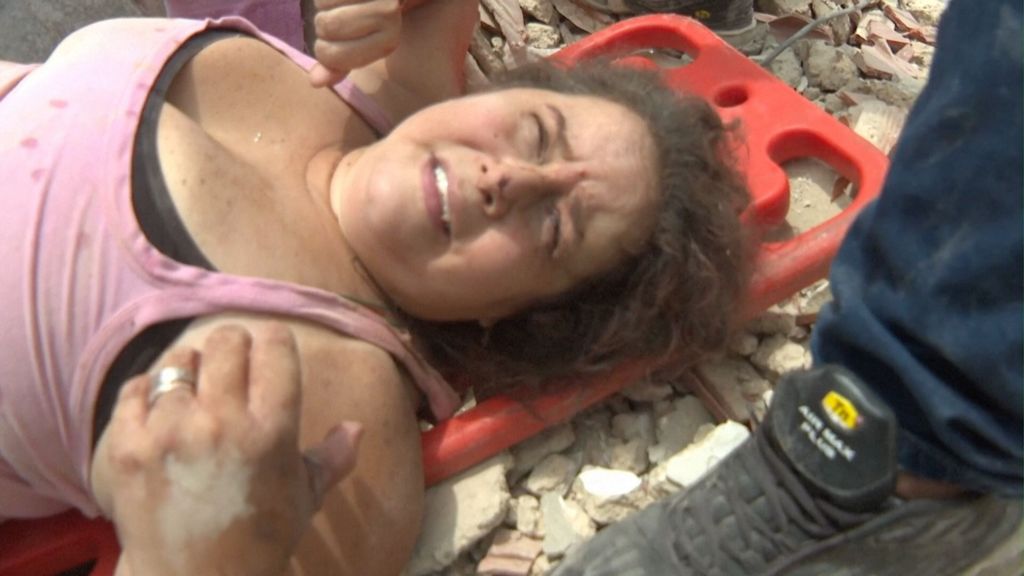
    In the wake of a devastating earthquake that shook Venezuela’s coastal region, a remarkable story of survival has emerged from the wreckage of a fallen structure in La Guaira. First responders, working alongside local civilian volunteers, pulled a woman out alive from beneath the compacted rubble of a collapsed building, defying overwhelming odds in the aftermath of the seismic disaster.

    The earthquake, which caused widespread structural damage across parts of the country, left many buildings unstable and trapped residents beneath fallen concrete and debris. Rescue teams have been working around the clock since the tremor hit, searching through rubble piles for any signs of life. The successful extraction of the woman comes as a rare moment of hope amid a crisis that has brought destruction and uncertainty to affected communities. While details about the woman’s identity, her condition after rescue, and the full extent of her ordeal have not yet been released, the rescue has already been celebrated by on-site crews and local residents as a testament to the persistence of rescue workers and the power of collective community action in times of disaster.

  • Housing board votes to freeze New York rents in victory for Mamdani

    Housing board votes to freeze New York rents in victory for Mamdani

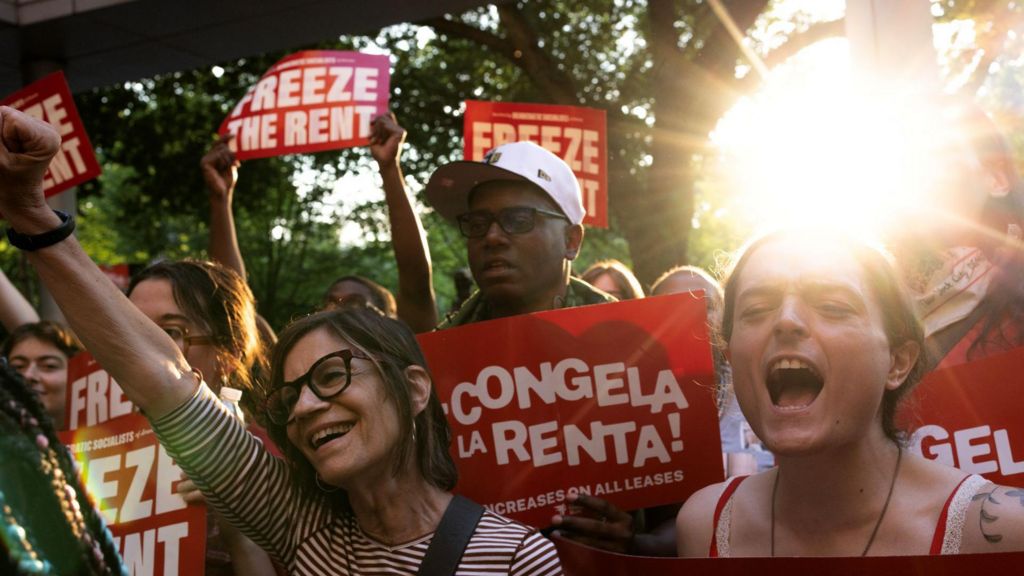
    In a landmark decision that caps off a key campaign promise from New York City Mayor Zohran Mamdani, the city’s Rent Guidelines Board (RGB) has voted to approve a full rent freeze for both one- and two-year leases on nearly one million rent-stabilized apartments across all five boroughs. The policy will go into effect from October 2026 through September 2027, applying to every type of regulated housing from high-end luxury high-rises to income-restricted subsidized units.

    The 7-1 vote on Thursday drew loud cheers and celebratory whistles from hundreds of tenant rights advocates gathered in Manhattan, who had packed public hearings in the lead-up to the decision to push for the freeze. Tenant organizers argued that stagnant household incomes have failed to keep pace with persistent inflation, and that past rent hikes have not been reinvested into building maintenance or upgrades as landlords promised.

    The vote followed a high-profile public resignation from board member Christina Smyth, one of two landlord representatives on the panel and an appointee of former mayor Eric Adams. Smyth stepped down hours before the final vote, accusing the reconfigured board of predetermined bias against property owners and knowingly ignoring official data showing landlords are grappling with skyrocketing operating costs. In her resignation statement, Smyth claimed the outcome was locked in from the moment Mamdani restructured the board after taking office earlier this year, saying “Everything since has been theater.” Mamdani appointed seven of the board’s nine members after taking office, fulfilling another core campaign pledge to overhaul the panel’s composition. During his 2025 mayoral campaign, he explicitly pledged to replace outgoing Adams appointees with only “those who understand that landlords are doing just fine.”

    RGB chair Chantella Mitchell pushed back against claims of political interference, affirming that all board members deliberated with full independence and integrity. She defended the freeze by pointing to comprehensive economic data showing a majority of rent-stabilized tenants already struggle to afford basic needs amid broader housing cost inflation across the city.

    Landlord advocacy groups have harshly criticized the decision, warning the freeze will leave property owners unable to cover rising taxes, utility bills, and necessary maintenance costs. James Whelan, president of the Real Estate Board of New York, argued the policy will backfire on tenants by accelerating the decline of the city’s aging housing stock, saying “This decision will mean less investment in maintenance and repairs, accelerating the deterioration of the housing stock that millions of New Yorkers call home.”

    The vote marks the fourth time New York City has implemented a rent freeze, and the first time it has applied to both one- and two-year leases. Prior freezes were enacted three times between 2015 and 2021 under former mayor Bill de Blasio, but were limited exclusively to one-year leases.

    The policy win comes on the heels of another major political victory for Mamdani and New York’s left-wing Democratic movement. On Wednesday, three progressive congressional candidates endorsed by the mayor defeated incumbent and establishment-backed Democratic opponents, solidifying the mayor’s growing influence over the city’s political landscape. Two of the winners – New York City Comptroller Brad Lander and community organizer Darializa Avila Chevalier – unseated long-sitting incumbent Democratic congressmembers, while state assemblywoman Claire Valdez defeated a candidate backed by the city’s traditional Democratic party leadership.

  • Heavy rain pounds western Japan as 2 tropical storms approach

    Heavy rain pounds western Japan as 2 tropical storms approach

    TOKYO – A volatile combination of a stalled seasonal rain front and two oncoming tropical systems has unleashed catastrophic flooding across broad swathes of western Japan, leaving one person injured and causing widespread disruption to infrastructure just as the system tracks toward the Tokyo metro area.

    The Japan Meteorological Agency (JMA) confirmed Friday afternoon that Tropical Storm Mekkhala was churning northeastward off the western shoreline of Amami, Japan’s remote southern island. A second storm, Higos, is tracking close on Mekkhala’s heels, and forecasters project both systems will reach the Tokyo region by Saturday, bringing with them sustained, intense rainfall that threatens to worsen already dangerous conditions.

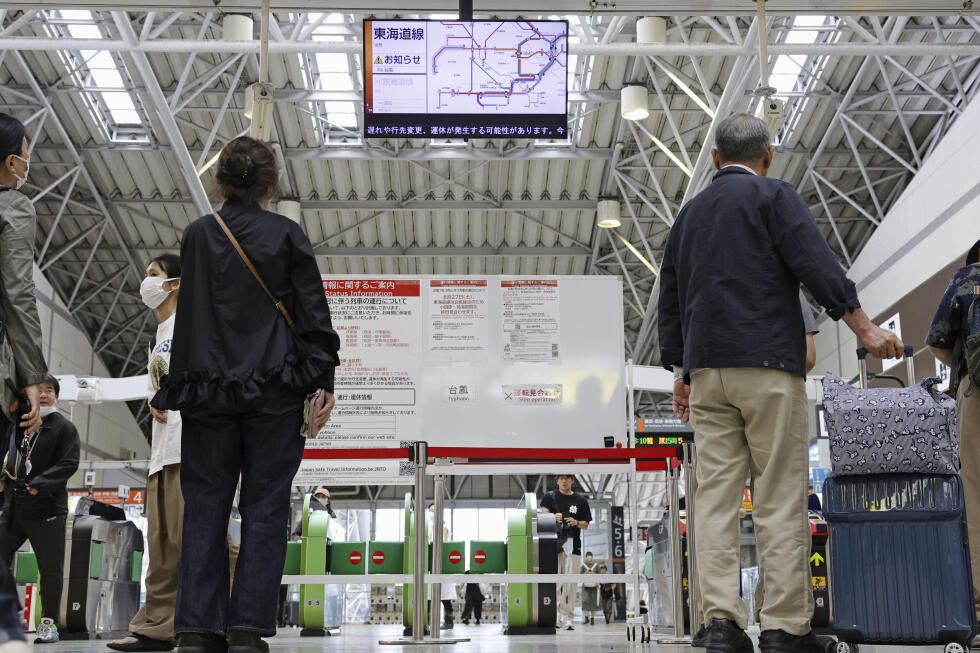
    Local reports from Japan’s national public broadcaster NHK detailed one early casualty Friday: a man was hospitalized after falling into a rushing, swollen waterway in Nara Prefecture. Visual footage from Kyoto captured the iconic Kamo River transformed into a surging channel of murky floodwater, prompting emergency officials to roll out flood warnings across multiple districts in Kyoto, Osaka and other neighboring prefectures in western Japan.

    As of Friday evening, Japan’s Fire and Disaster Management Agency recorded more than 30 private residences across Nara and Hiroshima that have been fully or partially inundated by rising floodwaters. Beyond property damage, the relentless downpour has snarled regional transportation networks, forcing the suspension of multiple local train routes and prompting airlines to cancel or delay dozens of flights serving the affected region.

  • Hong Kong biotech delegation makes strong US showing at BIO 2026

    Hong Kong biotech delegation makes strong US showing at BIO 2026

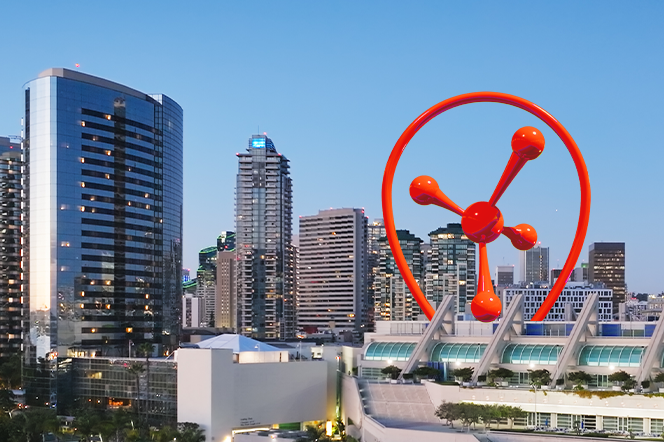
    One of the biotechnology industry’s most high-profile global gatherings, the 2026 BIO International Convention, has hosted a historic delegation from Hong Kong that has cemented the city’s growing reputation as a leading global biotech innovation hub. Held in San Diego, California, the convention drew the largest contingent of Hong Kong-based life and health technology innovators in the event’s history, all unified under a shared regional banner to showcase the city’s cutting-edge advancements and collaborative potential.

    Led by the Hong Kong Science and Technology Parks Corporation (HKSTP), the 41-member delegation includes emerging technology startups, top-tier research institutions, and university spin-off ventures, with participation from all five of Hong Kong’s globally ranked universities – all of which place among the top 100 institutions worldwide in the latest QS World University Rankings. This broad, cross-sector participation underscores the depth of Hong Kong’s research infrastructure and its robust pipeline of skilled biotech talent. The dedicated Hong Kong Pavilion at the convention highlights a range of breakthrough innovations spanning AI-integrated biotech development, next-generation targeted therapeutics, advanced diagnostic tools, and novel pharmaceutical research.

    The city’s official presence at the convention was coordinated by the Hong Kong Economic and Trade Office in San Francisco (HKETO San Francisco), in strategic partnership with HKSTP, Invest Hong Kong, and the Hong Kong Trade Development Council (HKTDC) under the umbrella of the Economic and Trade Express platform. Ahead of the official opening of the convention, the collaborating organizations hosted a dedicated networking and business matching event titled *Bio Nexus HK: From Showcase to Partnership*, which attracted more than 100 international attendees including venture capital investors, biotech founders, and C-level industry decision-makers. The event featured a candid fireside chat followed by an industry networking dinner, creating an open, collaborative environment that fostered cross-border dialogue and laid early groundwork for potential commercial partnerships.

    Throughout the main convention program, the Hong Kong Pavilion hosted two well-attended “Global Mixer” sessions that drew more than 150 international participants, with more than 40 Hong Kong-based exhibitors delivering concise one-minute pitches to connect with global investors, partners, and customers. Delegation members also received an invitation to the exclusive Invest in San Diego Breakfast hosted by the San Diego Regional Economic Development Corporation, an opportunity that allowed Hong Kong innovators to build ties with one of the world’s most vibrant and dynamic life sciences ecosystems.

    The delegation left the convention with tangible, high-impact outcomes, including multiple new partnership agreements. One notable milestone saw Zhaoke Ophthalmology, a Hong Kong-listed biotech firm focused on developing treatments for six prevalent major eye diseases, sign a memorandum of understanding with Brazilian pharmaceutical giant Laboratorio Teuto Brasileiro S.A. The agreement paves the way for the company to explore market entry opportunities across Latin America, opening a critical new growth corridor for the Hong Kong-based innovator.

    Terry Wong, Chief Executive Officer of HKSTP, emphasized that BIO 2026 provided an unrivaled global platform for Hong Kong innovators to deepen existing international partnerships and unlock new access to global healthcare markets. Wong highlighted Hong Kong’s unique position as a “super-connector” that bridges global biotech innovators with fast-growing opportunities across the entire Asia region, a role supported by the city’s world-class academic institutions and rapidly maturing biotech innovation ecosystem.

    Andy Wong, Head of Innovation and Technology and Life and Health Sciences at InvestHK, framed Hong Kong as a dynamic launchpad for global biotech growth, pointing to the array of targeted government support programs designed to help international companies navigate Hong Kong’s regulatory landscape, access venture and growth capital, and scale their operations across Asia.

    Curtis Louie, Director of the HKTDC, reaffirmed the council’s ongoing commitment to connecting Hong Kong’s biotech innovators with global industry partners through the organization’s extensive global network of 51 international offices, alongside its flagship industry platforms including the Asia Summit on Global Health and the Hong Kong International Medical and Healthcare Fair.

    Lucas Coleman, Director of the World Trade Center San Diego, noted that San Diego’s world-renowned life sciences cluster and collaborative, innovation-focused business environment make it a natural partner for Hong Kong companies seeking to establish a foothold in the U.S. market and accelerate their global growth trajectory.

    D.C. Cheung, Director of HKETO San Francisco, added that the 2026 convention offered an exceptional opportunity to showcase Hong Kong’s latest biotech achievements to an international audience of industry leaders, noting that the strong global rankings of Hong Kong’s universities reinforce the city’s status as a leading education hub that cultivates the specialized talent critical to long-term biotech industry growth.

    Widely recognized as the world’s largest and most comprehensive industry gathering for the global biotechnology sector, BIO 2026 has served as a critical launching pad for Hong Kong’s next wave of biotech innovation to reach global markets.

  • Pope Leo XIV says war ‘never blessed by God’ as he opens meeting of world’s cardinals

    Pope Leo XIV says war ‘never blessed by God’ as he opens meeting of world’s cardinals

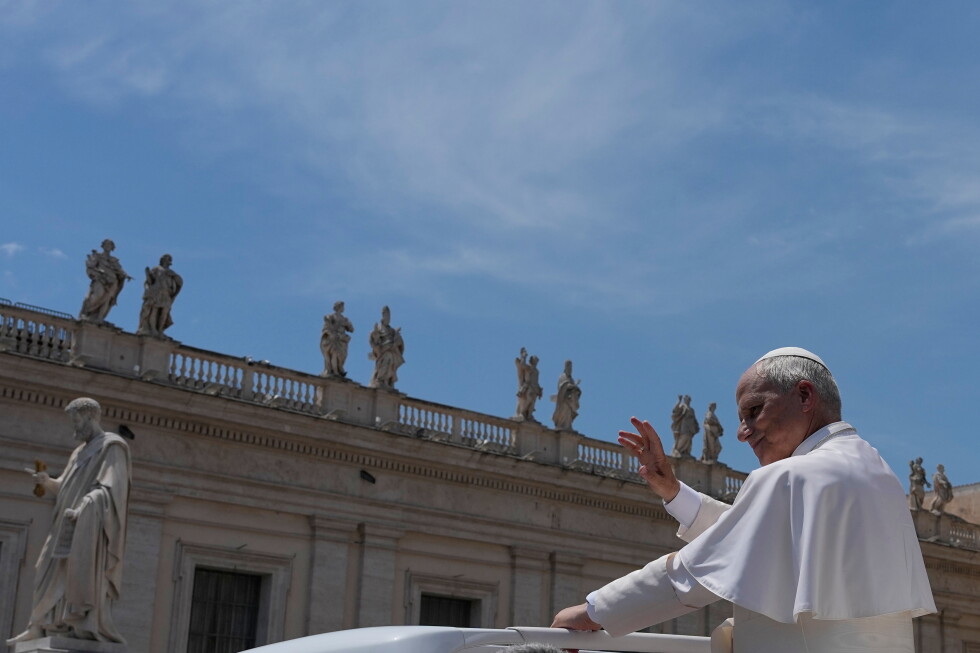
    VATICAN CITY – On Friday morning, Pope Leo XIV opened a highly anticipated second two-day closed-door consistory of the College of Cardinals, using his opening address to deliver an uncompromising message of peace for a globe fractured by ongoing armed conflict, while also asking the body of church leaders for explicit public backing as he navigates both global tensions and internal church divisions. The gathering comes directly in response to calls from cardinals for more frequent consultation than they received during Pope Francis’ 12-year tenure, a pontificate marked by more centralized, solo governance from the papacy.

    The College of Cardinals, often called the red-capped “princes of the Church,” carries two core constitutional responsibilities in the global Catholic Church: providing counsel to a sitting pope and convening to elect a new pontiff following a pope’s death or resignation. This latest meeting marks the second consistory held since the first session in January, with Pope Leo – the first American to hold the papacy – calling the college back to Rome to tackle a tightly focused agenda.

    Three key topics were placed on the final agenda for the closed-door talks: an assessment of the current volatile global political landscape, discussion of Pope Leo’s recent encyclical focused on artificial intelligence, and efforts to restructure church engagement to better center the needs of everyday Catholic faithful around the world. Notably, plans to discuss ongoing rifts over the celebration of the traditional Latin Mass – a longstanding flashpoint for division in the global church – were pulled from the agenda. The decision comes as a showdown over the issue looms next week, when a breakaway faction of traditionalist Catholic leaders is set to consecrate four new bishops in open defiance of Pope Leo’s explicit instructions.

    In his opening remarks to the gathered cardinals, Pope Leo made a direct appeal for unity, telling the body: “I need your strong, explicit and public support. I need to feel myself supported by you as brothers.” Church communications rules have barred participating cardinals from speaking to media during the gathering in Rome; only the pope’s opening and closing addresses will be released to the public.

    Speaking earlier at an opening Mass for the consistory, the pontiff anchored his anti-war message in core Catholic teaching on human dignity, framing war as a moral failure that contradicts the gifts God granted to humanity. “Therefore, war is never worthy of humanity, and it is never blessed by God,” he said. “Because, even if we are equipped with high-tech weapons, the Creator has endowed us with intelligence and free will to resolve conflicts as human beings and not as beasts.”

    This anti-war stance is consistent with messaging Pope Leo has pushed throughout the early days of his pontificate. He has repeatedly called for peace amid Russia’s ongoing invasion of Ukraine and rising U.S.-Iran tensions, a position that has at times drawn public criticism and pushback from U.S. President Donald Trump.

    This report, from the Associated Press, forms part of AP’s religion coverage, produced in partnership with The Conversation US and with funding support from Lilly Endowment Inc. The AP retains full editorial responsibility for all content.

  • Driver in 2024 Magdeburg Christmas market attack convicted of murder and given life sentence

    Driver in 2024 Magdeburg Christmas market attack convicted of murder and given life sentence

    BERLIN – A German court has delivered a final verdict in one of the most high-profile violent attacks in recent German history, convicting a Saudi-born doctor of murder and imposing a life sentence without the possibility of early release after 15 years, the standard sentence provision in German criminal law. The conviction stems from a devastating December 2024 car-ramming attack on a crowded Christmas market in the eastern German city of Magdeburg that left six people dead and dozens injured.

    The defendant, 51-year-old Taleb al-Abdulmohsen, went on trial at Magdeburg’s state court in November, with prosecutors laying out a detailed account of the premeditated attack that unfolded over just 61 seconds. According to official investigation findings, al-Abdulmohsen carried out the assault using a rented BMW X3, which he drove at speeds reaching 30 miles per hour through the gathering of holiday shoppers and visitors. Investigators confirmed the 51-year-old was sober at the time of the attack, and that he acted entirely alone with no co-conspirators involved in the planning.

    Court officials confirmed the jury found al-Abdulmohsen carried “particularly serious” culpability for the attack, a ruling that strips him of the eligibility for early parole after 15 years that typically applies to life sentences in Germany. Five women and one 10-year-old boy were killed in the rampage, with many more survivors sustaining life-altering injuries that have had lasting impacts on their families and the wider Magdeburg community.

    Investigators have established that al-Abdulmohsen’s motive stemmed from deep personal anger over the outcome of a civil legal dispute and repeated dismissals of his criminal complaints, rather than ideological extremist direction. While the defendant does not fit the typical profile of a religious extremist attacker, investigators noted he publicly identified as an ex-Muslim highly critical of Islam, and expressed open support for far-right ideologies on social media platforms. German authorities had previously interacted with al-Abdulmohsen over reported threatening behavior, but he had no prior documented history of violent offenses before the 2024 attack. Al-Abdulmohsen first relocated to Germany in 2006 and held permanent residency status in the country at the time of the attack.

    The deadly Magdeburg attack became a turning point in German national politics, as it was one of a string of high-profile violent incidents involving immigrant perpetrators that pushed the issue of migration policy to the center of public debate ahead of Germany’s February 2025 federal national election. The verdict closes a key chapter in the legal aftermath of the attack, though it has left ongoing conversations about immigration regulation, threat assessment, and public safety in crowded public spaces unresolved across the country.