博客

  • Europe’s deadly heatwave breaks German record and halts public events

    Europe’s deadly heatwave breaks German record and halts public events

    A historic, record-shattering June heatwave has swept across Western and Central Europe, leaving a trail of fatalities, widespread public event cancellations, infrastructure disruptions, and urgent warnings about the growing impact of human-caused climate change. The extreme heat, which has sent temperatures soaring far above seasonal averages, has forced governments to activate emergency protocols and sparked fresh concerns about Europe’s vulnerability to rising global temperatures.

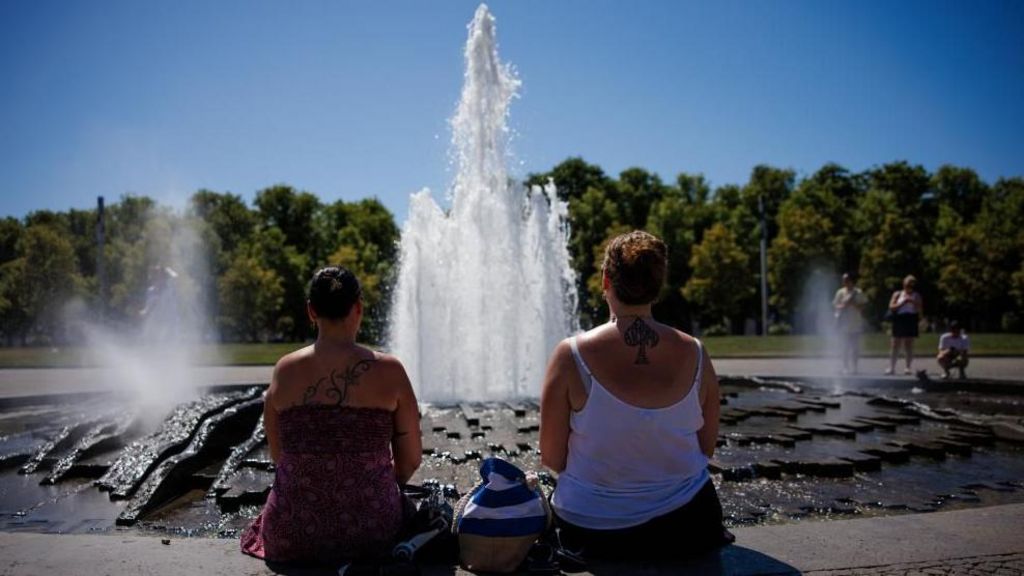
    By Friday, the heatwave had shifted slowly north and east after lingering over southern Europe for days, where it had already claimed hundreds of lives. Temperature records fell one after another across multiple nations: Germany reported a provisional all-time national high of 41.3°C in the southwestern city of Saarbrücken, located just across the border from France, which had already notched three consecutive days of record-breaking heat earlier in the week. Unofficial readings hit 40°C in the Belgian border town of Kleine Brogel, while the southern Dutch province of Limburg recorded 39.4°C, and the UK logged a provisional June record of 37.1°C in Suffolk’s Cavendish. AFP calculations indicate that more than 150 million people across the continent faced temperatures exceeding 35°C on Friday alone. Forecasters predict even more records could fall in the coming days: Czech scientists expect the country’s 2012 record of 40.4°C to be broken Saturday, while Austria’s national record is projected to fall Sunday, and Balkan nations including Serbia are forecast to see highs up to 39°C through the weekend.

    The extreme heat has already triggered critical disruptions to critical infrastructure and public life. In Switzerland, the Beznau nuclear power plant took both of its reactors offline Friday after water temperatures in the River Aare, which the plant uses for cooling, rose to 25°C – a threshold deemed too warm to ensure safe, sufficient cooling. A Eurostar passenger train traveling from Cologne to Paris broke down east of Brussels Friday morning, carrying roughly 400 passengers; three people were hospitalized as a precaution due to heat-related distress.

    Officials across the continent have scrambled to cancel major public gatherings to avoid mass heat-related health crises, as healthcare systems face growing strain. In Paris, authorities pulled the plug on two high-profile weekend events after local officials warned the regional hospital system was already saturated, and resources needed to be redirected to support the most vulnerable populations. Organizers of Paris Pride, scheduled for Saturday, announced they would reschedule the march for September. The annual Solidays music festival, which drew more than 250,000 attendees in 2025, was also called off just days before it was set to kick off. Only the Diamond League athletics meeting at Charléty Stadium will proceed, after organizers agreed to shift the event start to later in the afternoon to avoid peak heat. In the Netherlands, organizers of the massive Defqon.1 music festival were forced to cancel the event hours after thousands of attendees had already arrived, after authorities issued an unprecedented code red extreme heat alert. The last-minute cancellation sparked angry reactions from attendees, leading to reports of unrest that required police intervention. Germany has also scrapped major events, including Saturday’s Hamburg Half Marathon.

    The human cost of the heatwave continues to climb, with mounting fatalities reported across southern Europe. Spain’s MoMo temperature-related mortality monitoring system recorded 327 heat-linked deaths between Sunday and Thursday, the majority of which occurred in the final two days of that period. Though temperatures have started to cool slightly in Spain, a new forest fire broke out northeast of Barcelona Friday, forcing 16,000 local residents to remain in their homes for safety; authorities have arrested a man on suspicion of arson in connection with the blaze. In France, even as the peak of the heatwave passes, Health Minister Stéphanie Rist warned that ongoing “emergence of deaths at home” remains a major point of concern. The country has already confirmed multiple heat-related deaths of young children: an 18-month-old toddler died of hyperthermia after being left in a parked car in Marseille, marking the third such incident in days, following the deaths of two young children in Carpentras and a near-miss with a three-year-old in Paris. Fatal drownings have also surged, with 55 deaths recorded since the heatwave began, two-thirds of which occurred in unregulated, unsupervised swimming areas. French authorities have activated emergency response plans for all Paris-region hospitals to address growing strains on the healthcare system.

    Beyond human impacts, the heatwave is causing severe damage to European ecosystems, with alpine glaciers facing unprecedented early melt. A glacier research team based in Zurich warned that almost all of the winter snow and ice reserves built up on Swiss glaciers will be depleted by as early as Monday – a milestone that normally does not occur until mid-August. Researchers noted that the current rate of melting is already on track to match 2022, the worst year on record for glacial melt in Switzerland, when 6% of the country’s total glacial mass was lost.

    Climate researchers have confirmed that this extreme heat event is directly tied to long-term warming driven by climate change. A rapid analysis from World Weather Attribution released Friday found that the current heatwave is the most severe ever recorded across the affected region, and that June is warming faster than any other month of the year across the continent. The analysis confirms that temperatures across France, Germany, Italy, Spain and southern England are 5°C to 12°C above long-term seasonal averages, driven by a persistent stationary high-pressure system that has trapped hot air over the region. Copernicus Climate Change Service data confirms Europe is the fastest-warming continent on Earth, heating at twice the rate of the global average. Clare Nullis, spokesperson for the World Meteorological Organization, warned that the heatwave is already having major negative impacts on human health, natural ecosystems, agricultural production, and outdoor labor, adding that “We need to get used to it, unfortunately.”

  • Netanyahu and Katz say Israel will remain in Lebanon, Syria and Gaza ‘without time limit’

    Netanyahu and Katz say Israel will remain in Lebanon, Syria and Gaza ‘without time limit’

    In a major policy announcement delivered at a combat officer graduation ceremony in southern Israel on Thursday, Israeli Prime Minister Benjamin Netanyahu and Defense Minister Israel Katz have formally confirmed that Israeli military forces will maintain an open-ended, unlimited presence in three key conflict zones: southern Lebanon, Syrian territory, and the Gaza Strip.

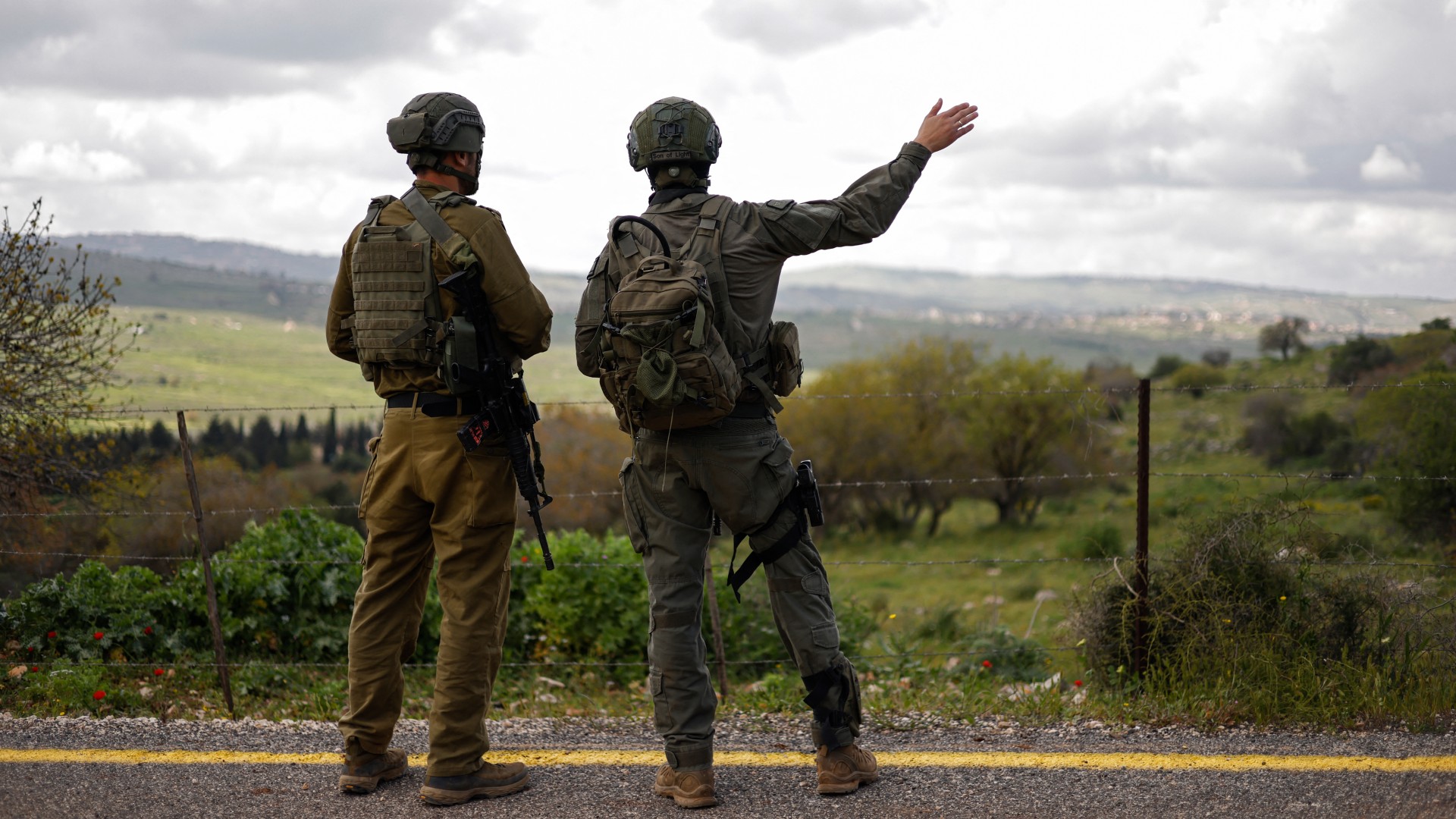
    Speaking from the Beaufort Castle overlook that Israeli forces control in southern Lebanon, Netanyahu emphasized that the country has no plans to pull back from the self-declared security zone it has established along its northern border. “We dominate southern Lebanon from the summit of the Beaufort, and we will remain as long as required in the security zone,” he stated. “We do not intend to withdraw from it.”

    Katz echoed this commitment, stressing that the Israel Defense Forces will hold security zones across Lebanon, Syria, and Gaza permanently regardless of external pressure. “Despite all the pressures that exist and those that are yet to come, Israel opposes withdrawal from Lebanon,” he said. The defense minister also issued a sharp direct warning to Iran, stating that any Iranian retaliation for Israeli activities in Lebanon or any other theater would be met with overwhelming force. “If Iran attacks Israel because of our activities in Lebanon, or for any other reason, we will strike it with full force in a way that will clearly demonstrate the gap in power between us,” Katz added.

    The announcement came alongside continued active military operations across southern Lebanon on Friday. Lebanon’s official National News Agency reported that Israeli troops bulldozed residential structures and burned homes in the border town of Markaba. Lebanese health authorities confirmed that Israeli airstrikes killed two civilians and injured one additional person in Mayfadoun, with a separate strike recorded in Nabatieh al-Fawqa.

    The Israeli military reported its own casualties from overnight clashes: four soldiers, including two senior officers, were wounded during a close-quarters engagement with a Hezbollah fighter in Beit Yahun. The fighter was killed in the subsequent exchange of fire after throwing a grenade at Israeli troops, according to an IDF statement.

    The current wave of hostilities in Lebanon began when Israel relaunched large-scale offensives in early March 2026, days after the start of the US-Israeli war on Iran. Since that time, Israeli operations have killed at least 4,230 people across Lebanon. Even after a ceasefire agreement was reached one week prior to this announcement, daily Israeli attacks in southern Lebanon have continued to claim dozens of civilian lives.

    In Syria, Israel has maintained permanent control of the strategic Mount Hermon high ground, which overlooks all three countries, since seizing the territory from the collapsing government of Bashar al-Assad in December 2024. The area had previously functioned as a United Nations buffer zone. Syrian official data shows that Israeli forces have carried out more than 1,000 airstrikes and 400 ground incursions across Syrian territory since seizing Mount Hermon, with no sign of withdrawal.

    In the Gaza Strip, internal Israeli government discussions have revived controversial plans to encourage Palestinian displacement from the enclave, according to reporting from Israeli daily newspaper Haaretz. On Tuesday, senior Israeli security officials convened an urgent meeting called by National Security Council head Shmuel Ben Ezra to advance plans framed as “encouraging voluntary emigration” of Palestinians from Gaza. The meeting included top representatives from the Israel Defense Forces, Shin Bet domestic intelligence service, and Mossad foreign intelligence agency.

    Haaretz’s sources confirmed that even during the meeting, Mossad analysts acknowledged that no foreign country has signaled a willingness to accept large numbers of displaced Palestinians from Gaza, replicating the same barrier that derailed previous iterations of the displacement plan.

    The renewed push for emigration comes as Netanyahu continues to expand Israeli military occupation in Gaza, in open violation of an October 2025 ceasefire agreement. When that ceasefire first took effect, Israeli forces controlled roughly 53% of Gaza’s territory. Netanyahu ordered the military to expand occupation to 70% of the enclave last month, and Israeli control has already grown to roughly 60% of Gaza.

    If Israel completes its expansion to 70% occupation, Gaza’s 2.2 million resident population will be confined to just 109 square kilometers of remaining territory. Since the start of Israel’s military campaign in Gaza in October 2023, more than 73,000 people in the enclave have been killed and over 173,000 wounded, according to local health authorities. Even after the October 2025 ceasefire, Israeli attacks in Gaza have killed at least 1,024 people and wounded an additional 3,260.

  • ‘It’s way too much’ – World Cup fans react to American tipping culture

    ‘It’s way too much’ – World Cup fans react to American tipping culture

    When international soccer fans descended on California during the World Cup, one local custom left many of them shaking their heads: the mandatory-seeming culture of tipping in American restaurants. In on-the-ground conversations with the BBC, these traveling supporters, who had gathered to watch one of the world’s biggest sporting events, shared widespread frustration over what they described as excessive tipping expectations that differ sharply from norms in their home countries.

    For many international visitors, the American system of tipping – which typically requires adding 15 to 20 percent of the pre-tax bill to compensate service staff, on top of the menu price – comes as an unexpected and unwelcome additional cost. Several fans told the BBC that when they sit down for a meal after a day of watching matches, they are often caught off guard by how much their total bill climbs when tipping is added in. “It’s way too much,” one fan summed up the common sentiment, explaining that tipping works very differently in their home nation, where service charges are either already included in menu prices or not expected at all.

    The conversation highlights a longstanding cultural divide around tipping practices. In many European and Asian countries, tipping is either a small gesture for exceptional service, or not required at all, as living wages are built into food costs by employers. In the United States, however, the custom is deeply ingrained, rooted in a system where many service workers rely heavily on tips to make a living, with base wages often falling far below the standard minimum wage for tipped employees.

    For World Cup fans traveling to California to enjoy the tournament, this cultural difference has become a constant small stressor during their trip. Many noted that they did not mind tipping for good service, but took issue with the expectation that they must tip a large percentage regardless of the quality of service, and on top of already rising food prices across the state. The interviews, conducted across popular tourist and dining areas near fan viewing events, captured a consistent theme of surprise and disapproval from international visitors encountering American tipping norms for the first time, or re-encountering them on a current trip.

  • South Korea’s former first lady sentenced to seven years for bribery

    South Korea’s former first lady sentenced to seven years for bribery

    In a landmark ruling that marks a high-profile reckoning for South Korea’s former political leadership, Seoul Central District Court has sentenced Kim Keon-hee, the wife of ousted ex-president Yoon Suk-yeol, to seven years behind bars on criminal bribery charges. The conviction was issued on Friday, after the court unanimously found Kim guilty of accepting hundreds of millions of won in illicit luxury gifts in exchange for leveraging her position as first lady to secure job placements and other political favors for private gain.

    According to South Korea’s Yonhap News Agency, the court upheld all charges brought against Kim, confirming she received approximately 300 million won ($195,000) in valuable goods in return for facilitating favor requests from individuals across multiple sectors of society. The seven-year sentence handed down is six months shorter than the total prison term prosecutors with the special counsel team had initially requested in the case.

    Kim’s defense team had contested the charges throughout the trial, arguing either that the former first lady never accepted the gifts in question, or that the items were not tied to any specific formal requests for favors. The court rejected these claims outright in its written ruling, issuing a sharp rebuke of Kim’s conduct while holding public office.

    “The defendant neglected the social responsibility demanded by her position as first lady and instead used it as a tool for private gain,” the court wrote in its ruling. It further noted that the widespread willingness of figures from diverse industry and political sectors to approach Kim with gifts and solicitation requests confirmed that an extensive, informal patronage network had formed around her during her time in the Blue House.

    “Public decision-making processes, which should be fair and transparent, became entangled with money and were reduced to tradeable goods for her personal benefit. This fundamentally undermined the fairness and trust in public decision-making,” the ruling added.

    Immediately after the sentence was issued, Kim’s legal representatives told reporters that they believe the court overemphasized evidence and circumstances unfavorable to their client, announcing plans to launch a full review of the written judgment ahead of a formal appeal. The special counsel team, by contrast, welcomed the court’s verdict, framing it as a balanced, appropriate ruling that aligns with widespread public expectations of justice in South Korea.

    This sentencing marks the second major conviction for Kim this year. In April, an appellate court threw out a lower court’s 20-month sentence and instead handed down a four-year prison term for Kim in a separate, unrelated case involving stock manipulation and additional bribery charges. Legal analysts note that the cumulative sentences could result in a decades-long prison term for the former first lady if both convictions are upheld on appeal, marking one of the most severe penalties ever issued for a South Korean first spouse convicted of public corruption.

  • Trump accuses Iran of ceasefire breach after Strait of Hormuz attack

    Trump accuses Iran of ceasefire breach after Strait of Hormuz attack

    A targeted attack on a commercial cargo vessel transiting the Strait of Hormuz has triggered renewed tensions between the United States and Iran, forcing the United Nations’ International Maritime Organization (IMO) to pause a major evacuation operation that aimed to free more than 11,000 trapped sailors, according to multiple international maritime and official sources.

    The incident unfolded on Thursday, when a projectile struck the Singapore-flagged bulk carrier *Ever Lovely*, owned by Taiwan-based shipping firm Evergreen, roughly 7.5 nautical miles southeast of Oman’s Port of Dahit. UK Maritime Trade Operations (UKMTO), the British body that monitors security in the Gulf region, initially reported the strike, while Evergreen later confirmed that all crew members remained unharmed, the vessel sustained only limited damage, and it successfully completed its transit of the critical waterway. Data from ship-tracking platform MarineTraffic, reviewed by BBC Verify, shows the *Ever Lovely* was traveling along the southern route designated by the IMO at the time of the attack. Arsenio Dominguez, the IMO’s secretary-general, noted in a Thursday statement that the vessel was not part of the organization’s official evacuation framework, but did not elaborate further.

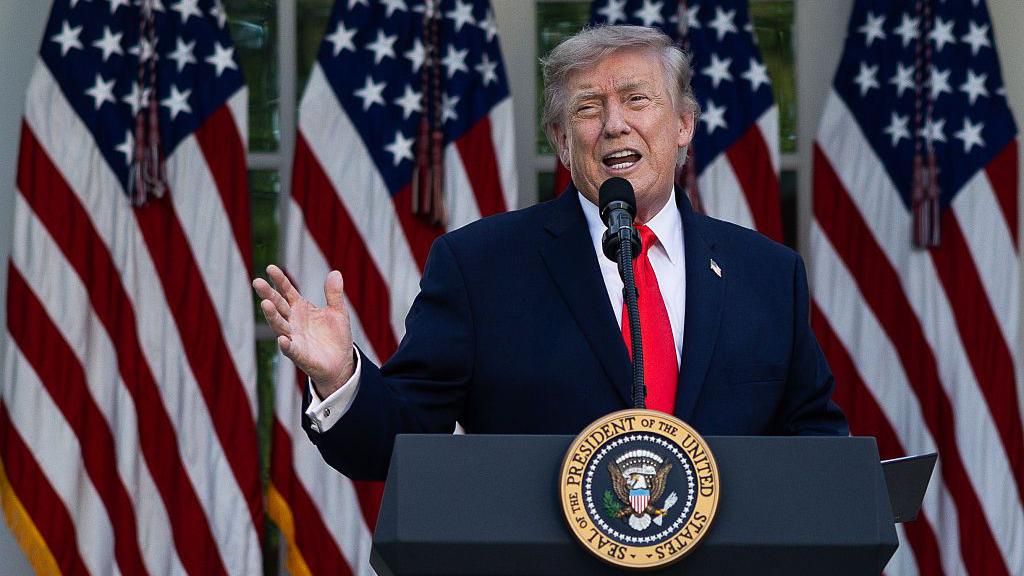
    On Friday, former U.S. President Donald Trump, who currently holds the U.S. presidency, publicly condemned Iran via his social platform Truth Social. Trump claimed that Iran launched at least four unmanned aerial drones at ships passing through the strait; U.S. defensive systems intercepted three, he said, while the fourth struck the upper deck of the *Ever Lovely*. “Obviously, this is a foolish violation of our Ceasefire Agreement,” Trump wrote in his post, adding that despite the damage, the cargo ship was able to continue its voyage. As of Friday afternoon, Iran had not issued a direct response to Trump’s accusation, though Iranian state media has circulated coverage of his remarks.

    Tensions over the Strait of Hormuz, which carries roughly a fifth of the world’s daily oil and natural gas shipments, flared in late February after the United States and Israel launched a series of military strikes against Iranian targets. In response, Tehran effectively closed the waterway, triggering a sharp spike in global energy prices and disrupting global supplies of critical commodities including fertilizer. Earlier this month, Washington and Tehran reached a 14-point ceasefire memorandum of understanding that reopened the strait. The agreement required Iran to use its best efforts to guarantee safe passage for all commercial vessels through the waterway free of charge for a 60-day period. Even after the ceasefire took effect, however, disagreements have persisted: Iran has repeatedly stated it plans to collect what it calls “maritime service fees” for transits, a position that the U.S. has strongly rejected.

    In the lead-up to Thursday’s attack, Iran’s Islamic Revolutionary Guard Corps (IRGC), the country’s elite military force, issued a public warning that any vessel attempting to cross the strait via a route designated by the IMO would be “unacceptable and completely dangerous,” and that all ships must coordinate their transits directly with Iranian authorities. On Friday, the IRGC repeated its longstanding assertion that the entire Strait of Hormuz falls under Iranian territorial sovereignty, according to Iranian state media reports.

    Following the attack on the *Ever Lovely*, the IMO announced it would immediately pause its evacuation operation, which was designed to extract more than 11,000 seafarers who had been stranded on vessels stuck in the area since the strait was closed in February. As of Friday, the organization reported that roughly 115 vessels and 2,500 seafarers had already completed safe transits before the pause went into effect. Dominguez said Friday that the IMO is now working with key stakeholders including the U.S., Iran, and Oman to secure written guarantees that transiting vessels will not be targeted in future attacks. “As soon as I get further confirmations of that, we’re ready to re-initiate the process of evacuation,” Dominguez said.

  • Erling Haaland and others not starting for Norway against France at the World Cup

    Erling Haaland and others not starting for Norway against France at the World Cup

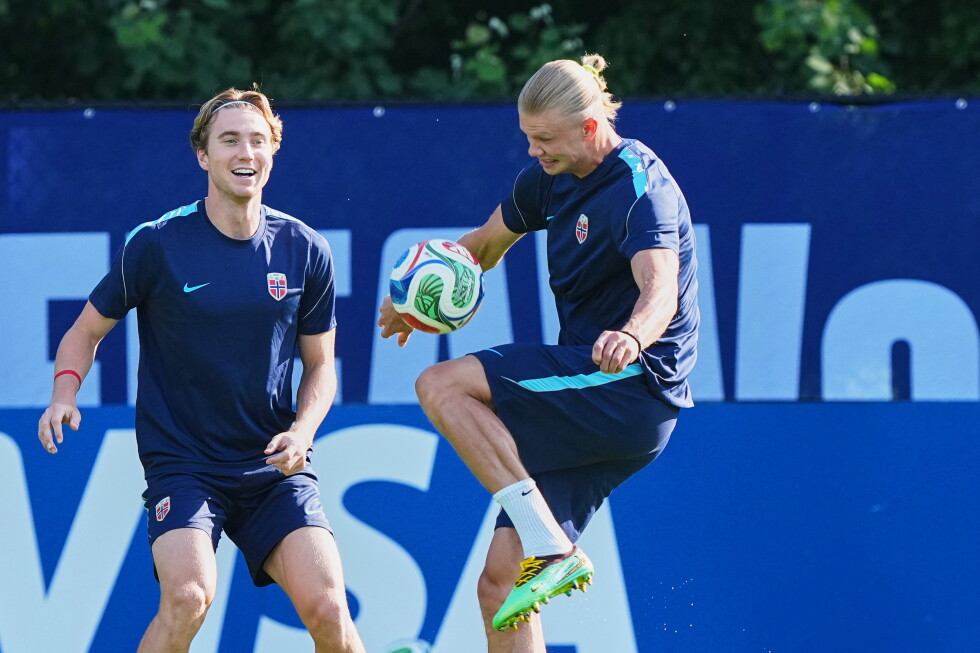
    FOXBOROUGH, Mass. — The final Group I match of the men’s World Cup between Norway and France on Friday brings with it two major lineup and coaching disruptions that have reshaped the showdown ahead of the knockout round. The biggest headline coming out of Norway’s pre-match team announcement is star striker Erling Haaland’s absence from the starting 11, one of 10 regular opening-day starters left on the bench by head coach Ståle Solbakken.

    Norway has already locked in its spot in the tournament’s round of 32, which has led Solbakken to rotate his squad heavily to rest key players ahead of knockout-stage play. Only one player who started Norway’s opening group fixture against Senegal on Monday retains his place in Friday’s starting lineup: midfielder Fredrik Aursnes. The sweeping changes also see goalkeeper Egil Selvik get his first start of the tournament, replacing regular starter Orjan Nyland between the posts.

    Despite the rotation, Norway still has a shot at topping Group I: the side only trails group leader France on goal difference, and a win over France would see Norway jump to first place in the group standings. For Haaland, the absence comes mid-tournament in a tight race for the tournament’s Golden Boot. The Norwegian star is currently tied for second on the goal-scoring leaderboard with four tournament goals, level with Brazil’s Vinícius Júnior and France’s own Kylian Mbappé. That puts Haaland just one goal behind leader Lionel Messi of Argentina, who sits atop the rankings with five goals.

    On France’s side of the matchup, all eyes will be on the sideline rather than the starting XI, where the reigning 2018 champions are fielding their full regular starting lineup including Mbappé. But France will be without their iconic head coach Didier Deschamps, who has stepped away from the team temporarily following the recent passing of his mother. The 57-year-old manager is currently back in France with his family to grieve, leaving assistant coach Guy Stéphan to lead the team in Friday’s fixture.

    Stéphan told reporters ahead of the match that he has remained in constant contact with Deschamps, even speaking with him just hours before kickoff. “He is very affected,” Stéphan said of his boss. “I will strive to make the situation as normal as possible and to prove worthy of the trust he places in me.” My thoughts have been with Deschamps and his entire family this week, he added.

    Deschamps, who already confirmed he will step down from his role as France’s head coach after this year’s tournament, has one of the most storied careers in World Cup history. He won the tournament as a player with France in 1998, repeated the feat as head coach in 2018, and led his side to a second-place finish in the 2022 tournament. This match marks his final group-stage appearance at the helm, one he will miss due to family tragedy.

    The stakes of Friday’s match extend beyond group bragging rights, as the final group positions will determine where each team plays their first knockout-round match. The Group I winner will face a yet-to-be-determined third-place finisher from another group next Tuesday in East Rutherford, New Jersey, while the group’s second-place team will take on Ivory Coast the same day in Arlington, Texas.

  • The flaws at the heart of Donald Trump’s Iran ceasefire deal

    The flaws at the heart of Donald Trump’s Iran ceasefire deal

    When former U.S. President Donald Trump formalized a memorandum of understanding (MoU) to end open hostilities with Iran on June 17, global markets and policymakers breathed a collective sigh of relief. But just days after the deal was signed in Versailles on June 18, that cautious optimism has curdled into widespread concern: far from resolving long-simmering tensions between Washington and Tehran, the agreement has merely kicked a growing crisis down the road, with its underlying contradictions already emerging to destabilize the arrangement.

    The catalyst that pushed Trump to the negotiating table was Iran’s four-month closure of the Strait of Hormuz, a critical global chokepoint for oil shipments launched in February. The move triggered one of the most severe energy supply disruptions in modern history, sending inflation soaring across Western economies and leaving American motorists facing skyrocketing gasoline prices that eroded public support for Trump’s handling of the conflict. Facing growing domestic pressure ahead of November’s midterm elections, Trump had little choice but to enter talks to end the blockade.

    Yet the tangible benefits of the deal for the United States remain murky at best. Former President Barack Obama, who negotiated the 2015 Iran nuclear deal, has already cast doubt on the agreement, noting it is unlikely to deliver meaningful improvements over the framework he oversaw. Tehran used its closure of the strait to leverage major concessions from Trump – concessions that experts say go beyond the terms of the 2015 nuclear deal – without offering any new concessions on Iran’s nuclear program beyond the proposals it put forward in Geneva just before open hostilities began in February. Even prominent senior Republicans, including Senator Bill Cassidy, have criticized the deal for granting substantial financial incentives to the Iranian regime that they argue undermine U.S. strategic interests.

    Within just 72 hours of the MoU being signed, Iran’s military command announced it had reclosed the Strait of Hormuz, a move that came as little surprise to analysts. The swift action underscores a critical shift in the regional balance of power: the Trump deal has inadvertently emboldened Tehran, granting it new leverage to hold the global economy hostage to advance its strategic goals. Despite absorbing massive damage to its military infrastructure, political leadership, and economy over four months of conflict, Iran has emerged from the fighting in a position to dictate ceasefire terms, holding the constant threat of renewed energy disruptions over Washington to force concessions. This outcome signals a major loss of strategic control for both the United States and its closest regional ally, Israel.

    Iran framed its closure of the strait as a response to Israeli strikes against Iranian-backed Hezbollah forces in Lebanon, a justification that lays bare the fundamental structural flaw in Trump’s approach to diplomacy. Iranian officials have openly stated that preventing further Israeli strikes in Lebanon is the top priority for their negotiating team. This sets up an inescapable vicious cycle: every time Israel exercises its right and political obligation to retaliate against Hezbollah attacks on its territory, Iran can threaten to close the strait again, triggering new energy price shocks and U.S. inflation.

    This puts Israel in an impossible position. No sovereign state can permanently surrender its right to self-defense as a condition of a U.S.-brokered diplomatic agreement, and it is highly unlikely that Israel’s security cabinet will accept a framework that allows Iranian-backed militias to attack Israeli territory with impunity. As Israeli National Security Minister Itamar Ben-Gvir emphasized, “Israel is not subject to the United States, and we are an independent and sovereign nation.” The deal, critics argue, is not a sustainable strategy of deterrence – it is blatant coercion disguised as diplomatic progress.

    For Trump, the domestic political calculus of the deal is equally unstable. While the former president claims the agreement delivers on all its stated goals, he acknowledged at the recent G7 summit in France that he acted to avoid an “economic catastrophe” driven by sustained high energy prices. Skyrocketing gasoline prices have already made the conflict deeply unpopular with American voters, and continued volatility would severely damage his party’s prospects in the upcoming November midterms. Trump’s decision to enter the ceasefire was not a deliberate strategic choice: it stemmed from a recognition that continued military pressure was producing diminishing domestic political returns, leaving him with little room to continue open hostilities.

    Worse still, the deal fails to restore meaningful U.S. strategic agency in the region. Iran has now demonstrated to the world, its regional allies, and its own population that it can act aggressively against U.S. and Israeli interests and still negotiate from a position of strength. Nothing that has occurred over the past four months has pushed Tehran to revise its long-held core worldview, shaped by revolutionary ideology, deep-seated mistrust of the United States, and its self-conception as a regional protector of Shia communities across the Middle East. If anything, the outcome of the conflict has reinforced Tehran’s commitment to its aggressive regional posture.

    Today, the entire agreement hinges on developments in Lebanon, the new fault line for U.S.-Iran-Israeli tensions. While Israel recognized this reality from the start, the Trump administration has only just begun to grasp the stakes. Trump’s recent incendiary threat to “blow the shit out of them” if Iran fails to comply with the terms of the deal already signals that his patience with his own agreement is wearing thin.

    In the end, the Trump-Iran MoU is nothing more than a ceasefire with a built-in detonator. As both Trump’s domestic political base and Israeli leadership increasingly conclude that diplomatic restraint no longer serves their core interests, further escalation will stop being a choice – and will become the only available outcome.

  • Judge declares mistrial in California wildfire arson case

    Judge declares mistrial in California wildfire arson case

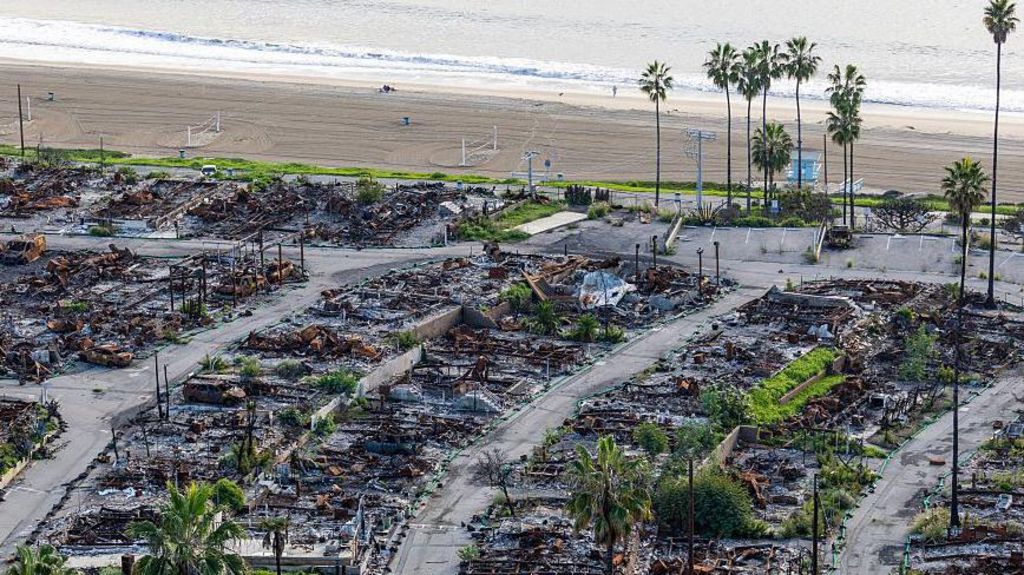
    Two years after the deadliest wildfire in Los Angeles history scorhed through the Pacific Palisades neighborhood, a California judge has formally declared a mistrial in the case against the man accused of intentionally igniting the devastating blaze.

    Thirty-year-old Jonathan Rinderknecht was charged with starting the fire in January 2025, one that would rapidly grow out of control amid Southern California’s volatile fire conditions. When the embers finally settled, the inferno had left an unprecedented trail of destruction: 12 people dead, more than 6,000 residential and commercial buildings reduced to ash, and thousands of residents displaced from their homes in one of Los Angeles’s most iconic coastal neighborhoods.

    Following closing arguments, the 12-person jury spent two full days behind closed doors deliberating over the evidence and testimony presented over the course of the trial. On Thursday, jurors notified the presiding judge that they had hit an impassable deadlock, unable to come to a unanimous verdict on the charges against Rinderknecht. In response to the hung jury, the judge had no legal option but to grant a mistrial.

    Local prosecutors confirmed immediately after the ruling that they intend to move forward with a second trial against the defendant, setting the stage for a new round of legal proceedings that will once again put the 2025 tragedy under the microscope. Victims of the wildfire, many of whom have spent years rebuilding their lives following the disaster, now face an extended wait for a final resolution to the high-profile case.

  • DR Congo takes Rwanda to international court over decades of conflict

    DR Congo takes Rwanda to international court over decades of conflict

    Decades of simmering cross-border tension between the Democratic Republic of Congo and Rwanda have escalated into a new formal legal confrontation, as Kinshasa has lodged a fresh case against its neighbor at the United Nations’ highest court for state disputes, the International Court of Justice (ICJ).

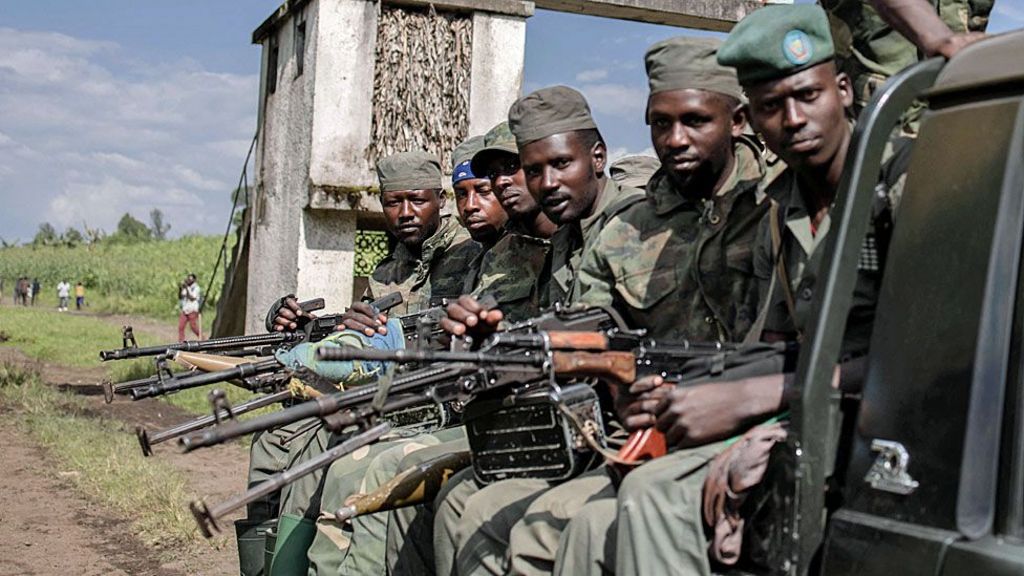
    In an official statement released following the filing, the Congolese government laid out a sweeping set of accusations, claiming Rwanda has systematically deployed its own military forces and provided material support to armed rebel groups operating within Congolese territory for decades, a pattern of interference that began in the aftermath of the 1994 Rwandan genocide. Congolese Justice Minister Guillaume Andali confirmed on Friday that Kinshasa is pursuing full accountability for alleged violations of four landmark international conventions: the Convention on the Prevention and Punishment of the Crime of Genocide, the International Convention on the Elimination of All Forms of Racial Discrimination, the Convention on the Elimination of All Forms of Discrimination Against Women, and the Convention Against Torture and Other Cruel, Inhuman or Degrading Treatment or Punishment.

    Kigali has not yet issued an official response to this latest legal filing, but it has consistently rejected all previous claims that it provides backing to rebel factions operating in eastern DR Congo. This rejection runs counter to findings from United Nations independent experts and multiple Western governments, which have repeatedly confirmed that Rwanda does support the M23 rebel movement – the most prominent armed group active in DR Congo’s volatile eastern region. Since M23 renewed its large-scale offensive in January 2024, the group has seized thousands of square kilometers of territory, including Goma, the regional capital of North Kivu province, leaving hundreds of thousands of civilians displaced.

    DR Congo’s legal filing asks the Hague-based ICJ to order Rwanda to immediately end all alleged unlawful activities on Congolese territory, and to award full financial reparations to both the Congolese government and thousands of civilian victims of the decades-long conflict. The ICJ has confirmed it will now initiate formal review of the claims to determine next steps in the proceedings.

    This new case marks the third time DR Congo has turned to the ICJ to resolve its disputes with Rwanda. The first case was voluntarily withdrawn by Congolese authorities in 2001, while the second was dismissed by the court in 2006 on the grounds that it lacked jurisdiction, as Rwanda had not formally recognized the ICJ’s authority to hear the dispute at that time.

    The current crisis in eastern DR Congo has deep roots in the regional upheaval following the 1994 Rwandan genocide, when ethnic Hutu extremists killed an estimated 800,000 people, mostly from the Tutsi ethnic group. In the wake of the genocide, around one million Hutu civilians and former extremist fighters fled across the border into eastern DR Congo to escape reprisals, creating a tinderbox of ethnic tension in the already fractured region. Among the local populations, the marginalized Tutsi Banyamulenge community, which has deep historical ties to Rwanda, faced growing hostility from other ethnic groups, leaving many feeling increasingly vulnerable.

    Rwanda’s government launched two full-scale military invasions of DR Congo in the 1990s and early 2000s, framing the operations as necessary to hunt down remaining genocide perpetrators hiding among the refugee population. During these interventions, Kigali built alliances with local armed groups, including factions that would eventually evolve into the M23 movement.

    One of the remaining Hutu armed groups, the Democratic Forces for the Liberation of Rwanda (FDLR), which includes a core of former genocide perpetrators, still maintains a presence in remote areas of eastern DR Congo. Rwanda has long labeled the FDLR a genocidal militia and argues that its continued presence on Congolese territory poses a direct security threat to Rwanda. Kigali also repeatedly accuses the Congolese government of covertly collaborating with the FDLR to destabilize Rwanda – a claim Kinshasa has consistently denied.

    Despite a US-brokered peace deal signed by both nations in December 2023 that was meant to de-escalate tensions and force M23 to withdraw from seized territory, heavy fighting has continued across eastern DR Congo through 2024, with M23 making steady territorial gains that have put hundreds of thousands of civilians at risk of violence and displacement.

  • Cape Verde looks to capitalise on World Cup heroics

    Cape Verde looks to capitalise on World Cup heroics

    Against all expectations, the tiny Atlantic archipelago nation of Cape Verde has captured global attention with its standout showing at the 2026 FIFA World Cup, a stage where most football fans wrote off the Blue Sharks as heavy underdogs. Now, the island nation is moving quickly to turn this sudden international spotlight into long-term growth for its homegrown football ecosystem.

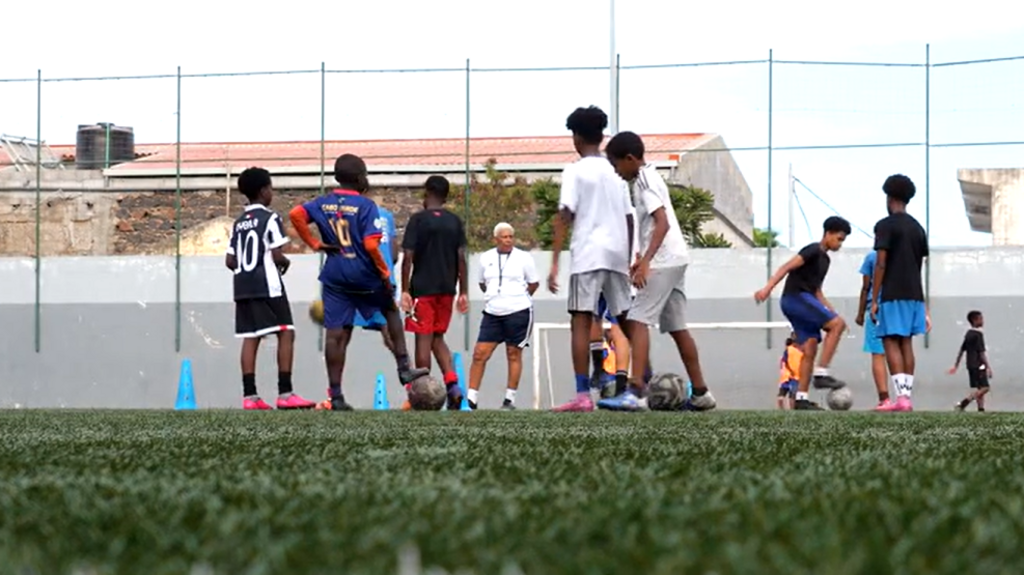
    A team from BBC Africa has traveled to the West African nation to investigate how the country nurtures the emerging football talent that delivered its historic World Cup run. On the ground in Praia, Cape Verde’s capital, reporters met Silveria Nedio, a coach at the Bola Pra Frente Academy, who has helped develop several of the current Blue Sharks squad that competed in the 2026 finals.

    For a nation with a population of just over 590,000, reaching the World Cup finals is already a historic achievement, but it also delivers tangible financial benefits that the country plans to reinvest in the sport. Mario Semedo, president of the Cape Verde Football Federation, confirmed that all prize money earned from the team’s World Cup participation will be directed toward expanding and improving domestic football development programs, from youth academies to grassroots infrastructure across the archipelago.

    The unexpected success of Cape Verde’s national team has already generated increased global interest in the nation’s football culture, creating a rare opportunity to build a sustainable pipeline of talent for future international competitions, industry observers note.