博客

  • Older buildings and substandard construction left Venezuela vulnerable to earthquakes

    Older buildings and substandard construction left Venezuela vulnerable to earthquakes

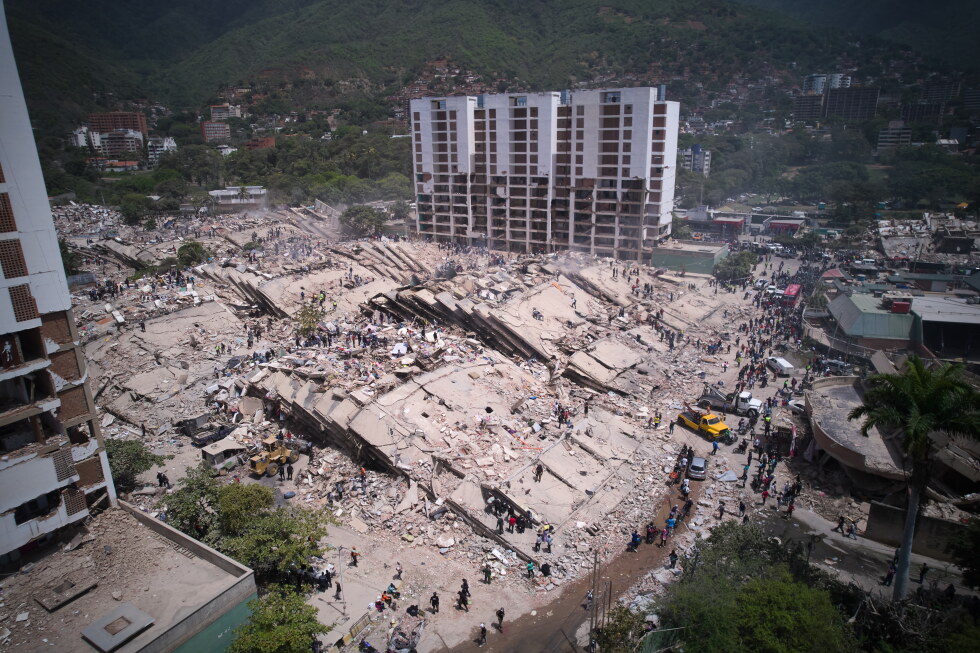
    When two back-to-back intense earthquakes struck Venezuela this week, the scale of destruction laid bare long-documented vulnerabilities in the country’s built environment, rooted in outdated construction, lax enforcement of safety standards and unforgiving geography. Experts confirm the doublet quakes, among the strongest to hit the South American nation in over 100 years, have left at least 910 people dead, a death toll that is projected to climb as rescue teams continue to access hard-hit regions.

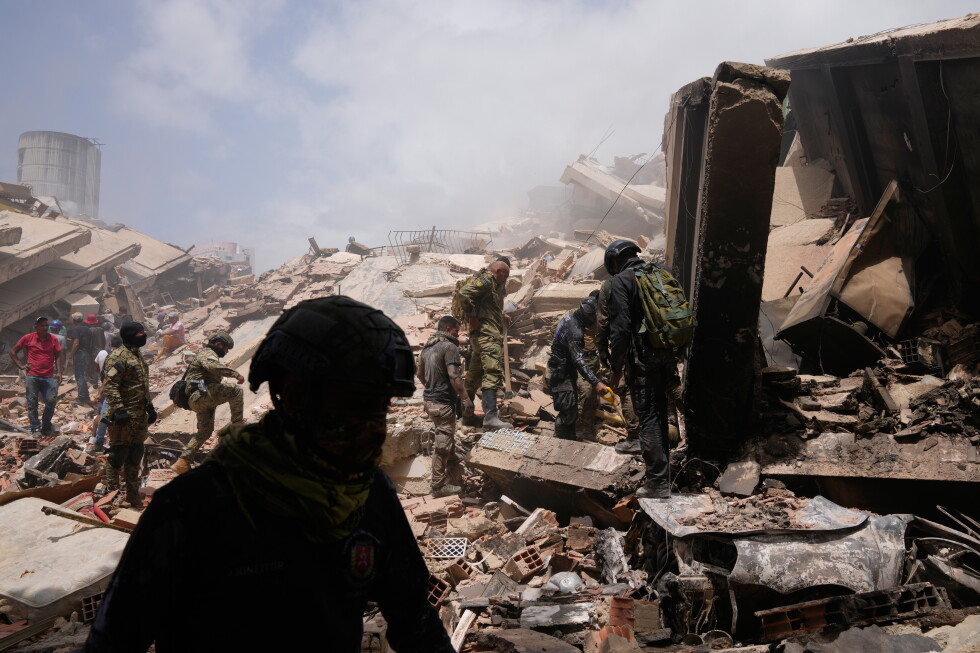
    Visual analysis from The Associated Press, which reviewed on-the-ground video and high-resolution satellite imagery of affected areas, confirms that dozens of multi-story residential and commercial buildings have crumpled completely. To formalize this damage assessment, Microsoft’s AI for Good Lab applied specialized machine learning damage mapping models to satellite data of Catia La Mar, a Caribbean coastal city in La Guaira state that bore the brunt of the disaster. The AI analysis found that roughly one-third of the city’s nearly 30,000 structures suffered partial or total damage.

    Structural engineers and geoscience experts have outlined a cascade of overlapping risk factors that turned the powerful seismic event into a catastrophic disaster. One key issue is the legacy of hurried construction during Venezuela’s recent oil booms, when developers rushed to erect large housing complexes without following modern seismic risk mitigation best practices, experts said.

    Many older residential buildings, constructed across the 1950s and 1960s before Venezuela adopted modern earthquake safety codes, were never retrofitted to withstand violent ground shaking. Compounding this structural weakness, a large share of urban development in high-seismic-risk northern Venezuela was built on loose, soft soil that amplifies seismic vibration, raising the likelihood of collapse. According to David Cocke, a California-based structural engineer and former president of the Earthquake Engineering Research Institute, this combination of soft foundation soil, mid-rise construction and outdated concrete framing created ideal conditions for “pancake collapse,” where floors crumple sequentially on top of one another.

    “These older structures lack the reinforced steel connection standards that are mandatory in modern earthquake-resistant building design today,” Cocke explained. Since the 1970s, global engineering standards have required concrete buildings to be reinforced with steel to reduce earthquake vulnerability, but enforcement of retrofitting mandates for older buildings has lagged severely in low- and middle-income countries that prioritize more immediate socioeconomic challenges. While wealthy, seismic-prone nations including Japan, New Zealand and the United States have rolled out mandatory upgrade or demolition programs for high-risk structures, many other countries have not implemented similar rules—a gap that puts millions at risk, Cocke added.

    Other experts point to two additional structural flaws that amplified collapse risk: the use of heavy non-structural brick walls, and the prevalence of “soft-story” construction, where ground floors are designed as open parking garages or commercial spaces with minimal load-bearing support. These open lower floors are far more likely to buckle during seismic shaking, triggering full building collapse. “Soft stories are a major global hazard,” noted Eduardo Miranda, a professor of civil and environmental engineering at Stanford University. “In Venezuela, they are extremely common, and when you combine that hazard with soft foundation soil, total collapse becomes far more likely.”

    Geophysicists also emphasize that the sequential nature of the two quakes—classified as a seismic doublet—worsened the destruction. Marcos Ferreira, a geophysicist and researcher at the Geological Survey of Brazil, compared the effect to overlapping sound waves: the first quake weakens structures, and the second shaking amplifies the damage, just as two overlapping screams create a louder, more powerful sound. A similar doublet quake event struck Turkey and Syria in 2023, killing nearly 60,000 people.

    Notably, even buildings constructed after Venezuela updated its building codes following a deadly 1967 earthquake collapsed in this week’s event, raising urgent questions about enforcement of existing standards. After catastrophic floods and landslides in 1999 that destroyed thousands of homes across coastal northern Venezuela, the Venezuelan government launched a massive rapid construction program to replace destroyed housing and resettle displaced people. Juan Carlos Vielma, a Venezuelan civil engineer who now heads academic affairs at the Pontifical Catholic University of Valparaíso’s civil engineering school in Chile, confirmed that many of these hastily built newer structures also collapsed this week.

    “What puzzles me most is that multiple collapsed buildings were designed and constructed recently under current building standards,” Vielma said. “We need to launch a comprehensive process that not only focuses on reconstruction, but also reviews our existing engineering standards and enforcement processes, because it is clear that failures exist within our current systems.”

    This reporting includes contributed work from AP writer Mauricio Savarese based in Sao Paulo.
  • Crucial window for rescuing survivors narrows as Venezuela enters third day after deadly twin quakes

    Crucial window for rescuing survivors narrows as Venezuela enters third day after deadly twin quakes

    Three days after back-to-back powerful 7.2 and 7.5-magnitude earthquakes devastated northern Venezuela, the race against time to pull trapped survivors from the rubble of flattened homes and apartment blocks is growing exponentially more desperate. As hope for finding more people alive fades, the disaster has left a broken nation grappling with overwhelming human loss, limited government rescue capacity, and growing chaos in the hardest-hit zone centered on La Guaira, just north of the capital Caracas.

    By Friday evening, Venezuelan authorities announced a full access restriction to La Guaira, the epicenter of the destruction, after unregulated traffic and chaotic crowds began to obstruct ongoing search-and-rescue operations. Under the new order, all people seeking entry to the area must first obtain official permits, though government officials have released little to no detail on who will qualify for access.

    As of midday Friday, official counts placed the confirmed death toll from Wednesday’s twin quakes at more than 920, with over 3,300 people injured and 243 survivors pulled from rubble so far. Independent digital tracking databases list more than 51,000 people as unaccounted for, a figure that includes many displaced residents cut off from communication by collapsed cellphone infrastructure, as well as duplicate missing person reports. Officials have warned that the final death toll will almost certainly rise as search teams clear more debris.

    With rescue resources stretched thin across the devastated region, many Venezuelan families have launched their own search efforts for missing loved ones, reporting almost no presence of official state rescue teams in the most heavily damaged zones — a stark contrast to the government’s public claims of a robust, coordinated response. Aid organizations universally recognize the first 48 to 72 hours after a major seismic event as the most critical window for rescuing people alive, though survival can be extended for trapped people with access to clean water and food.

    “Each person saved is a miracle,” said Jorge Rodríguez, president of Venezuela’s National Assembly. “We are not going to hide absolutely anything about the magnitude of this tragedy.”

    In La Guaira, the scope of grief and urgency is impossible to miss. Nazareth Jimenez collapsed into the shoulder of a family member, sobbing as local neighbors used hand tools and borrowed power saws to cut through thick concrete slabs of what was once a multi-story apartment building, now reduced to a jagged mountain of rubble. Inside were her siblings, nieces, nephews, and close friends, and she waited in agony for any sign of life. “My God, how are we going to get them out of there?” she murmured. Desperate for heavy machinery to move collapsed concrete and steel, she made a public plea: “We’re making a call for help to the government and countries across the world. There are still people alive in there.”

    Acting President Delcy Rodríguez, who took office in January after the United States supported the capture and removal of former President Nicolás Maduro, said the Venezuelan government was carrying out a full-scale response during these “critical hours for rescuing people alive.” Government forces have distributed basic food and water to displaced survivors in La Guaira, and Rodríguez confirmed the state has militarized the area, welcomed international rescue teams and humanitarian aid, and that additional support is en route. Still, many local residents say the aid and resources deployed so far are only a tiny fraction of what the devastated region needs.

    The massive disaster represents one of the most severe tests of Rodríguez’s acting administration, which already faces the headwinds of a decade-long national economic crisis and widespread public skepticism over the legitimacy of the ruling political movement.

    The International Organization for Migration estimates that up to 6.76 million people across the region have been affected by the quakes, with nearly 2 million of those in the capital Caracas alone. Seismology experts note the destruction was amplified by two key factors: the quakes’ shallow depth and their rapid succession, which left little time for survivors to evacuate unstable structures. Loyce Pace, regional director for the International Red Cross in the Americas, said “people are still terrified to reenter what were their homes,” and thousands of displaced residents have taken to sleeping on sidewalks and in open public spaces out of fear of aftershocks and further building collapses.

    For many families, the loss is unfathomable. Walking through the rubble that still holds the bodies of two of his children, Omar Reyes shared that around 20 members of his extended family were killed in the disaster. “I’ve been left alone in this life,” he said. In the nearby city of Maiquetia, residents lined up for hours outside the few operating stores and pharmacies, which were only letting customers enter one at a time to avoid overcrowding. At one point, a desperate woman threw herself on top of a package of diapers in the crowd, curling her body around it to protect the supply for her child.

    In Catia La Mar, adjacent to Venezuela’s main international airport, some desperate residents have been seen moving basic supplies including toilet paper and food from damaged or abandoned stores, and crowds once swarmed a civilian pickup truck distributing free bread and water before a soldier intervened to restore order. The parking lot of a local pharmacy has been converted into a makeshift displacement camp, with residents using tarps, hammocks, and donated tents for shelter.

    Twenty-eight-year-old Yuleidy Cadenas has stood across the street from a collapsed public housing building for days, holding out hope that her son, mother, and brother will be pulled out alive. She fled barefoot from another collapsing building on the day of the quakes, only to return and find her mother’s 12-story apartment tower had completely flattened. “I got on top of the rubble and told them to yell back, and nobody did, not my brother, nor my son or my mother,” Cadenas said.

    Disruptions from unregulated traffic and groups of motorcyclists have repeatedly hampered search efforts. Mexican rescue teams and volunteer first responders have repeatedly asked for silence to listen for faint signs of life under rubble, but civilian and uniformed bikers have continued honking horns and revving engines, leaving first responders frustrated.

    As the critical 72-hour window closes, international aid has begun arriving in the country. Venezuelan authorities confirmed Friday that 861 rescue volunteers from Mexico, the United States, El Salvador, Switzerland, Colombia and other nations are already on the ground, with more teams en route from other countries. Acting President Rodríguez said she spoke with U.S. President Donald Trump and Secretary of State Marco Rubio on Friday, and both reaffirmed the United States’ commitment to sending additional rescue teams and heavy aid equipment to support the response effort.

    AP correspondent Julia Janetsky reported from Mexico City, with additional contributions from AP journalists Clara Preve in Buenos Aires, Argentina, and Dánica Coto in San Juan, Puerto Rico.

  • How Cape Verde stunned World Cup to set up Argentina tie

    How Cape Verde stunned World Cup to set up Argentina tie

    Against all the odds stacked against it, the tiny Atlantic archipelago nation of Cape Verde has written its name into World Cup folklore, becoming the smallest country by population to ever advance to the tournament’s knockout round on its first ever appearance at the global showpiece.

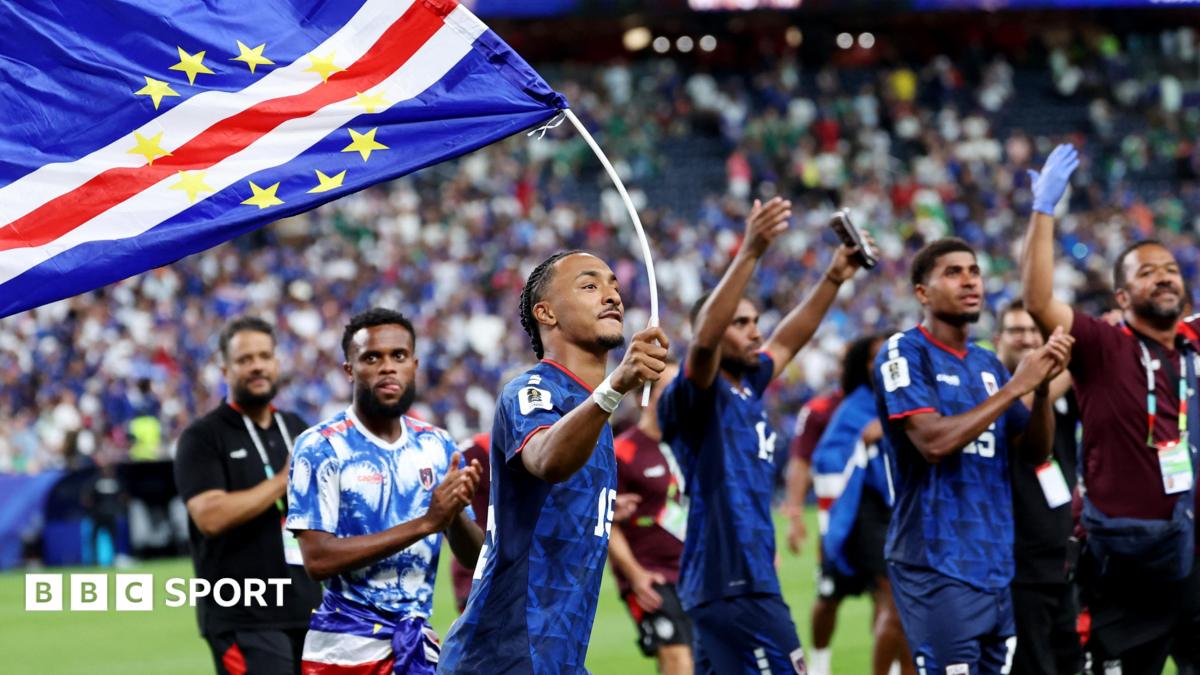
    After securing a hard-fought goalless draw against Saudi Arabia in their final Group H fixture, the entire Cape Verde squad huddled around a mobile phone on the pitch, waiting anxiously for the full-time whistle of the concurrent Spain-Uruguay match. When Spain secured the win that confirmed Cape Verde’s place as group runners-up, celebrations erupted: tears of joy and pride flowed across the pitch, the stands, and across the entire island nation, in what commentators have already called the defining moment of the 2026 World Cup.

    This historic run is no accident. Cape Verde entered the tournament with draws in already under their belt: an incredible opening goalless stalemate against 2010 World Cup champions Spain, where 40-year-old veteran goalkeeper Vozinha delivered a man-of-the-match masterclass, and a dramatic 2-2 draw against two-time World Cup winners Uruguay. For a country of just 525,000 inhabitants that beat five-time African champions Cameroon to qualify, this run has left the global football community stunned.

    The blueprint for Cape Verde’s success was crafted years ago, centered on a deliberate strategy by the country’s football federation (FCF) to leverage its large global diaspora. Centuries of colonial ties to Portugal, paired with 20th century droughts that drove mass emigration and deep-rooted maritime trading traditions, have left large communities of Cape Verdean descent across Europe, most notably in the Dutch port city of Rotterdam. Of the 26 players in Cape Verde’s 2026 World Cup squad, 14 were born outside the archipelago, with six hailing from Rotterdam. One of those diaspora players, forward Dailon Livramento, scored the game-winning goal that sealed Cape Verde’s qualifying victory over Cameroon in September 2025.

    This open approach to recruitment has produced some unlikely success stories: centre-back Roberto Lopes, born in Dublin, was first scouted and recruited via the professional networking platform LinkedIn back in 2019, while former Portugal under-21 winger Bebe – once of Manchester United – joined the squad for the 2023 Africa Cup of Nations (Afcon). “There is an inner confidence in this team that we are good enough to mix with the best teams in the world,” Lopes explained. “It’s not something that’s just been fabricated out of nothing. Since I’ve been involved, and before that, there’s been an ongoing plan to get Cape Verde up at the big table with the big football nations of the world.”

    Much of the credit for the team’s cohesive, disciplined performance also goes to head coach Bubista, a former Cape Verde international who has led the side since January 2020. The stability of his long tenure has allowed the 56-year-old former defender to build a tight, well-organized unit: a solid defensive structure, technically gifted midfielders, and clinical forward play that carried Cape Verde to the Afcon 2023 quarter-finals – just a decade after the nation made its debut in the continental tournament.

    Bubista’s tactical discipline was on full display against Spain: while Vozinha’s seven saves earned the headlines, it was the team’s extraordinary discipline that set a modern record, conceding just one foul against the 2010 champions – the lowest number of fouls by any team in a World Cup match since 1966. When the team needed a fighting equalizer against Uruguay, they shifted to a more expansive attacking game and showed their resilience to get a result. That same resolve held against Saudi Arabia to secure the point they needed to advance.

    “It’s incredible what they are doing, it wasn’t just one game against Spain, it is three games at the highest level,” former Spanish World Cup winner Juan Mata commented of the side’s run. Bubista, who was named 2025 African Coach of the Year by the Confederation of African Football after securing qualification, has long held belief in his team’s potential. Back before the 2021 Afcon, where Cape Verde reached the last 16, he predicted the side would soon reach the World Cup – a prediction that has now come true. Today, he hopes his side’s run can inspire other underdog football nations across the globe. “I believe that football belongs to everyone, or is for everyone,” he said.

    Next up for the Blue Sharks is a showdown with defending champion Argentina, led by Lionel Messi, in the round of 32 this Friday in Miami. Midfielder Deroy Duarte, who earned man of the match honors against Saudi Arabia, summed up the mood in the camp: “Honestly, it’s mad. I feel like I’m in a dream. First, let’s celebrate. We’re so happy. Let’s hope all Cape Verdeans are happy too. From tomorrow, we’ll focus on the next match. It’s against Argentina, isn’t it? A tough match, but let’s believe. Anything is possible.”

    Global football figures have been quick to praise Cape Verde’s historic run, noting it captures the true spirit of the World Cup. “It’s just a great story for what the World Cup is all about,” said top manager Ange Postecoglou. “We often talk about how football touches every part of the globe and this is what it can do.” Former England and Manchester United defender Gary Neville added that the run could change minds about World Cup expansion: “I think those sceptics who thought expanding the World Cup wasn’t the right thing might be rethinking it watching these Cape Verde fans, because this is really special. A country of 500,000 people getting to the knockout phase. We’ve seen Uruguay, one of the biggest football nations, going out and then one of the smallest teams making it. What a moment for them.”

  • Billionaire Leon Black walks out of Epstein investigation hearing

    Billionaire Leon Black walks out of Epstein investigation hearing

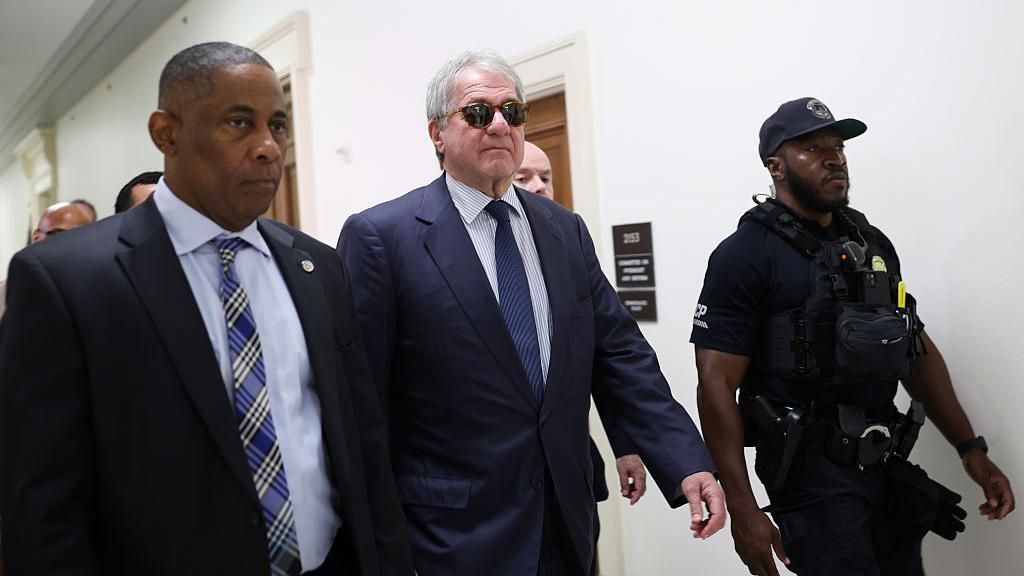
    A high-stakes congressional investigation into the late convicted sex offender Jeffrey Epstein hit a dramatic standoff on Friday, as billionaire investor Leon Black exited a closed-door hearing after declining to respond to questions about non-disclosure agreements tied to his connections to Epstein, according to committee lawmakers.

    Black, whose ties to the disgraced financier have placed him under intense scrutiny in recently unsealed Epstein documents released by the U.S. Department of Justice, had agreed to appear voluntarily before the U.S. House of Representatives Oversight Committee. But he left the session abruptly when questioning turned to NDAs he may have executed in connection with his relationship with Epstein, committee chairman James Comer, a Republican, confirmed.

    The committee had already issued two formal subpoenas demanding Black turn over all NDA documents and participate in a sworn on-camera deposition. Black stepped down from Apollo Global Management, the private equity giant he co-founded, in 2021, when public scrutiny of his long-standing ties to Epstein first intensified. He has consistently denied any wrongdoing related to his association with the financier.

    Comer laid out the committee’s core line of inquiry Friday, saying: “We want to know, was Jeffrey Epstein involved in the NDAs? Was he involved in writing? Was he involved in awarding funds to the women for the NDAs? What was the reason for the NDA? We want to know everything about the NDAs.”

    Black’s legal team confirmed to the BBC that the billionaire left the hearing after the team completed its opening remarks. Per CBS News, the BBC’s media partner, Black hired Epstein as a personal wealth management advisor years ago, and the pair allegedly discussed sensitive personal matters, including extramarital affairs that resulted in non-disclosure agreements.

    During his short appearance Friday, Black told the committee that over the course of his decades-long professional relationship with Epstein, he paid the financier a total of $158 million (£120 million) for legitimate professional services. That large sum has already been the subject of a separate Senate probe, which examined claims that Black intentionally overpaid Epstein, masking undisclosed personal payments under the cover of financial consulting fees.

    Black’s attorneys have repeatedly pointed to an independent internal investigation conducted by international law firm Dechert on behalf of Apollo, which concluded all fees paid from Black to Epstein were tied to legitimate tax advisory work. Following the narrative shared by dozens of other wealthy and powerful figures tied to the Epstein investigation, Black told the committee he was deceived by the late financier.

    In his opening statement, a copy of which was shared with the BBC by his legal team, Black said: “I knew Jekyll. I didn’t know Hyde.” He added: “With the benefit of hindsight, I now know, as does the world, that Epstein was engaged in horrific, sordid activities. I feel terrible for Epstein’s victims. I want to state clearly that I did not know about this nefarious activity until Epstein was charged with trafficking in July 2019.”

    Black issued a sweeping denial of all allegations of misconduct, saying he never abused any woman, was never with an underage person, never participated in sex trafficking, never paid Epstein for access to women, and was never blackmailed by the financier.

    Black’s lead attorney, Susan Estrich, has denounced the congressional subpoenas as “a planned political stunt.” She emphasized that “Mr Epstein had no involvement with any NDAs, whether they exist or not,” and accused the committee of avoiding questions about the legitimate payments Black made to Epstein for tax and estate planning services.

    Court records show Black carried on a six-year extramarital affair with former Russian model Guzel Ganieva, which ended with Ganieva filing a lawsuit accusing Black of abuse. In that 2015 suit, which was ultimately dismissed, Ganieva alleged Black drafted an NDA to force her to stay silent about the affair. Unsealed Department of Justice documents show Epstein advised Black on the matter, including an email to Black’s assistant where Epstein suggested Black hire former law enforcement officials to approach Ganieva and deliver the NDA terms, writing: “Choose method of message delivery, my choice. – two highly respected former —- fill in the blank, immigration, scotland yard. sfo. . who may knock on her door and present the terms.”

    Estrich has dismissed Ganieva’s allegations as “demonstrably false”, and Black has previously said he was the victim of extortion over the affair. A judge ultimately dismissed Ganieva’s lawsuit, noting the NDA she had signed and the roughly $9 million she received in the years after entering the agreement.

    The House Oversight Committee’s top Democratic member, Robert Garcia, said in a post-hearing statement that Black “stormed out” of the transcribed interview when pressed about the NDAs. “Leon Black had a chance to do the right thing and help us bring justice to the survivors,” Garcia said. “Instead, he ran out of the room when he was pressed for information about his non-disclosure agreements with women and his relationship with survivors of Jeffrey Epstein. Black will be held accountable if he doesn’t comply with our investigation.”

  • ‘The fairytale continues!’ Emotional scenes as Cape Verde qualify for last 32

    ‘The fairytale continues!’ Emotional scenes as Cape Verde qualify for last 32

    In a stunning underdog story that has sent shockwaves through the global football community, Cape Verde has sealed a spot in the final 32 of the World Cup, delivering one of the tournament’s most talked-about upsets in Houston. A hard-fought 0-0 draw against Saudi Arabia proved enough for the minnows to claim their place in the next round, a result that has been hailed as nothing short of a football miracle by players, fans, and pundits alike.

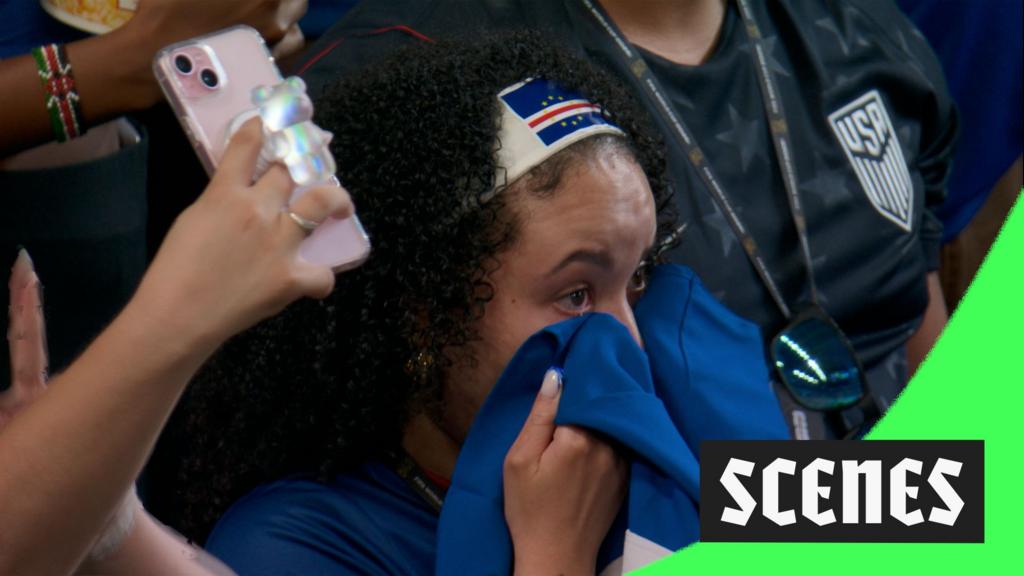
    Moments after the final whistle blew, scenes of unbridled joy erupted across the stadium and in celebrations back home. Cape Verde’s players collapsed to the pitch in embraces, many openly crying tears of disbelief, while jubilant fans waving the nation’s blue flag chanted and cheered long after the match concluded. What was widely predicted to be a straightforward win for Saudi Arabia instead turned into a historic moment for the small West African nation, which has defied all pre-tournament odds to advance deeper into the World Cup than most analysts ever expected.

    The match, which was restricted to viewership exclusively for users based in the United Kingdom, was published by sports outlets just four hours ago, with fans around the world already sharing the story of the historic result across social media platforms. For Cape Verde, a nation with a relatively small footballing footprint on the global stage, this qualification cements their place in World Cup history as one of the competition’s most surprising success stories.

  • Spain wins World Cup group, beating Uruguay 1-0 as Muslera’s error sends 2-time champion home

    Spain wins World Cup group, beating Uruguay 1-0 as Muslera’s error sends 2-time champion home

    GUADALAJARA, Mexico — In a dramatic conclusion to Group H play at the FIFA World Cup on Friday, a costly third tournament error from veteran Uruguayan goalkeeper Fernando Muslera handed Spain a narrow 1-0 victory, securing the European champions a spot in the knockout stage and eliminating the two-time World Cup winning South American side.

    With the result, Uruguay exits the tournament winless after three group matches, a disappointing end to a campaign that started with back-to-back draws against Saudi Arabia and Cape Verde that left the side already on the brink heading into the final fixture. Ranked 19th globally by FIFA, Uruguay stands as the highest-ranked nation to be eliminated from this year’s tournament to date. As Group H winners with seven total points, Spain will next face the Group J runner-up — either Austria or Algeria — next Thursday in Inglewood, California, as they chase what would be their second World Cup title, 14 years after their 2010 triumph.

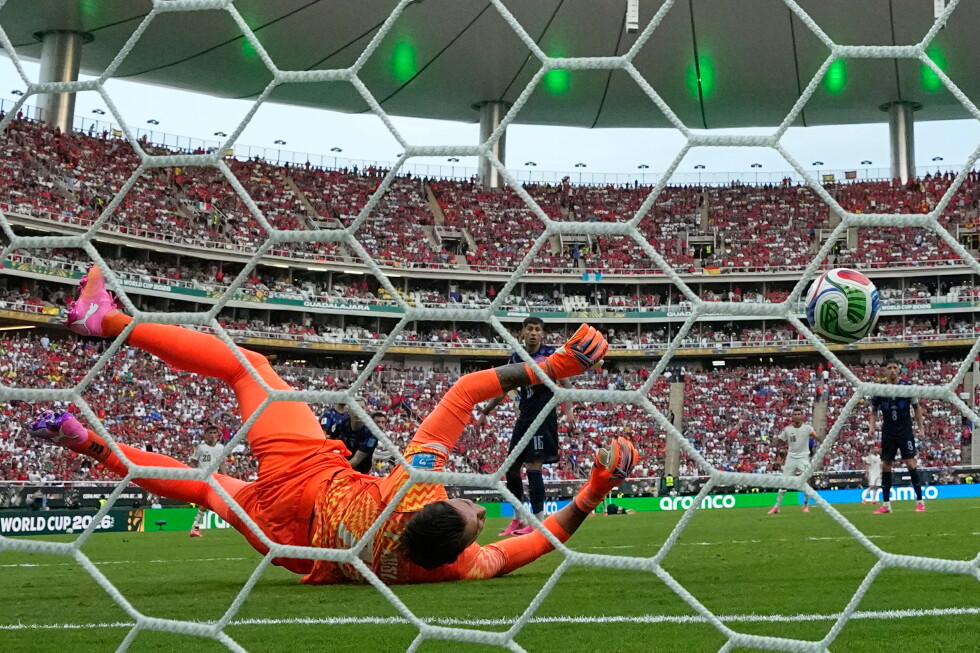
    The decisive moment of the match came in the 42nd minute, when young Spanish attacker Álex Baena fired a shot from inside the 18-yard box. Muslera got a hand to the effort but failed to clear it decisively, with the ball bouncing over the line to give Spain the only goal of the game. The 40-year-old goalkeeper, who had already made two high-profile mistakes across Uruguay’s first two group matches, was substituted by head coach Marcelo Bielsa at halftime following the blunder.

    In the other Group H fixture played Friday, Cape Verde held Saudi Arabia to a goalless draw to claim second place in the group with three points, finishing one point ahead of both Uruguay and Saudi Arabia. Uruguay, which finished third in the standings, failed to accumulate enough points to qualify as one of the eight best third-place teams that advance to the knockout round. Cape Verde’s historic progression marks the first time the small island nation has ever reached the World Cup knockout stage.

    The match, one of the most highly anticipated group stage fixtures of the tournament, produced few clear scoring opportunities for either side. Tensions flared in the closing minutes, after Uruguay’s players loudly appealed for a penalty following a tackle on forward Federico Viñas inside the Spanish penalty area. Tempers boiled over in stoppage time when Uruguay’s Agustín Canobbio was shown a red card for a rough challenge on Spanish defender Paul Cubarsi, requiring his teammates to escort him off the pitch. After the final whistle, Canobbio returned to the field to confront the match referee over the decision.

    Emotions ran high for Uruguay in the final moments: multiple Uruguayan players were seen weeping on the pitch after the final whistle, and sections of fans booed the team as they exited the field for the final time in this tournament. Reports circulating in Uruguayan media before the match revealed underlying unrest in the squad, with multiple players said to be unhappy with the direction of veteran Argentine head coach Marcelo Bielsa.

    For Spain, the road to the final group match has been uneven: La Roja opened their campaign with a surprise 0-0 draw against Cape Verde, before bouncing back with a convincing 4-0 victory over Saudi Arabia to put themselves in position to top the group. It has been 14 years since Spain’s only World Cup title in 2010, and the side has not advanced past the round of 16 in any edition of the tournament since that triumph.

    Spanish star winger Lamine Yamal, who entered the tournament managing a left hamstring injury, turned in another underwhelming performance and was substituted in the 76th minute by Ferran Torres, not lasting the full 90 minutes for the third consecutive group match. The 18-year-old was taken off at halftime against Saudi Arabia and came off the bench in the second half of the Cape Verde fixture.

    Uruguay also suffered a key first-half injury: midfielder Manuel Ugarte was forced off the pitch with an apparent knee injury just moments before Spain scored their winning goal. Ugarte was on the receiving treatment on the grass when Baena found the back of the net, and was eventually carried off the field on a stretcher.

    A crowd of 45,065 fans packed Estadio Akron for the match, including King Felipe VI of Spain. Ahead of kickoff, a moment of silence was held to honor the victims of back-to-back earthquakes that struck Venezuela late Wednesday.

  • Uruguay goalkeeper Fernando Muslera pulled at halftime after his mistake leads to Spain goal

    Uruguay goalkeeper Fernando Muslera pulled at halftime after his mistake leads to Spain goal

    GUADALAJARA, Mexico – In a dramatic halftime intervention that underscored the high stakes of World Cup group stage play, Uruguay manager Marcelo Bielsa made a bold substitution Friday, pulling veteran starting goalkeeper Fernando Muslera after a costly error handed Spain a 1-0 lead heading into the second half.

    Replacing the 40-year-old shot-stopper with Sergio Rochet to open the final 45 minutes, the change came as Uruguay faced immediate elimination from the tournament with a one-goal deficit. The mistake that sealed Muslera’s exit came in the 42nd minute, when he failed to properly clear Álex Baena’s close-range effort. Misjudging the ball’s bounce off the turf, Muslera could not secure a firm grip on the shot, allowing it to slip past him into the back of the net.

    This error marks Muslera’s third consecutive costly blunder across Uruguay’s three group stage matches, a streak of misfortune that has amplified criticism of Bielsa’s decision to recall the keeper to the national side. Muslera had previously retired from international soccer several years ago, before Bielsa invited him back to the squad earlier in 2024 — a call that drew sharp pushback from many Uruguay supporters even before the World Cup kicked off.

    The veteran’s shaky form was already on display in Uruguay’s earlier matches. In a 2-2 draw against Cape Verde last Sunday, a misplaced pass from defender Mathias Olivera left Muslera caught far out of his goal, gifting Cape Verde an easy tying goal into an empty net. In the team’s opening 1-1 draw against Saudi Arabia, Muslera failed to hold onto a cross headed toward goal, letting the opposition convert the loose rebound to earn a share of the points.

    With Uruguay’s World Cup journey hanging in the balance, Bielsa’s last-minute change brings a new goalkeeper into the fray for a do-or-die second half, as the South American side fights to keep their tournament hopes alive.

  • Lebanon and Israel sign ‘framework agreement’ to end war

    Lebanon and Israel sign ‘framework agreement’ to end war

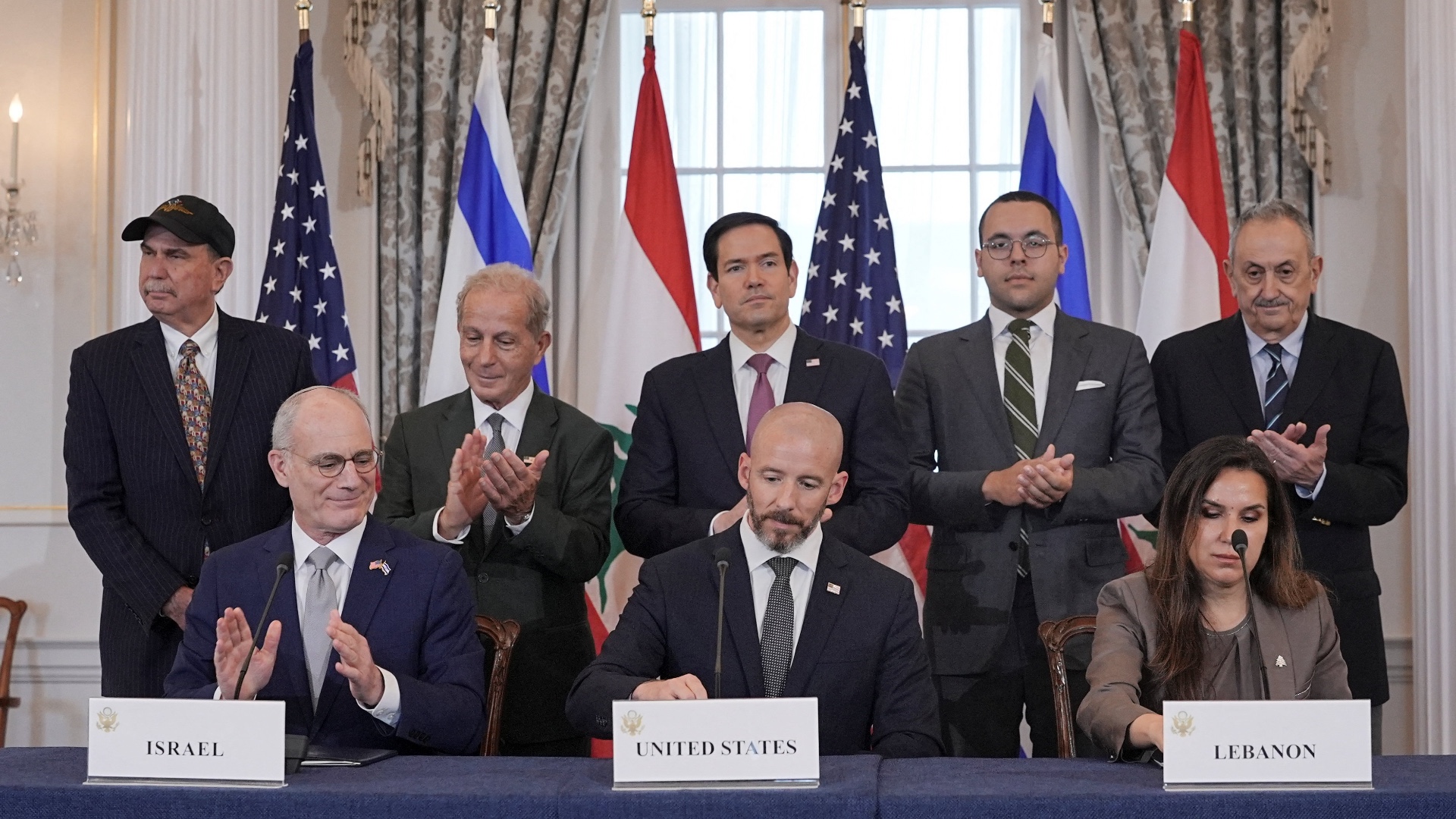
    After five rounds of negotiations mediated by the Trump administration, Lebanon and Israel have finalized a landmark agreement under a US-led trilateral framework, with the official signing ceremony held in Washington on Friday. While full terms of the deal have not yet been released to the public, top US officials have framed the agreement as an opening breakthrough for long-stalled regional peace efforts.

    Speaking to reporters shortly before the signing, US Secretary of State Marco Rubio called the deal “the beginning of the beginning” of a process to resolve decades of cross-border tension. Rubio emphasized that the Israeli public deserves to live free from security threats, noting that repeated cross-border attacks targeting northern Israel originated from Lebanese territory – not from the Lebanese government or people, but from the Iran-backed militant group Hezbollah, which did not send representatives to the negotiating table.

    Lebanon’s ambassador to the United States, Nada Hamadeh Moawad, characterized the negotiations as “long and difficult”, but framed Friday’s agreement as a critical first step toward reclaiming full Lebanese sovereignty and territorial integrity. She outlined the core goals of the deal for her country: securing a permanent, full end to hostilities, allowing displaced Lebanese civilians to return to their homes, and creating conditions for all Lebanese residents to build peaceful, prosperous lives.

    Yechiel Leiter, Israel’s ambassador to Washington, praised Moawad’s tenacity during negotiations, saying she “fought for her country like a lioness”. He emphasized that the deal paves the way for a new future: “Iran is out, Hezbollah is out and the road to peace between Israel [and] Lebanon is in,” he told reporters.

    Israeli Prime Minister Benjamin Netanyahu, in a video address posted to X on Friday, highlighted a key Israeli priority preserved in the agreement: Israeli forces will maintain their presence in a security zone in southern Lebanon, a position he called “a major achievement” that will stand until Hezbollah completes full disarmament. Netanyahu added that Israeli authorities will roll out two pilot security zones in the southern region: one located south of the Litani River, and a second north of the critical waterway.

    The Litani River is Lebanon’s most important natural water resource, but Israeli officials have pushed to establish a buffer zone extending to the river to protect northern Israeli border communities from potential militant attacks. To date, Israeli military advances have left Israel in control of roughly one-fifth of Lebanon’s internationally recognized territory.

    Friday’s signing comes the same week that the United States and Iran reached a separate 14-point agreement to end the US-Israeli military campaign against Iran that launched on February 28. Even after a November 2024 ceasefire between Israel and Lebanon brokered by former US President Joe Biden’s administration, Israel ramped up military operations in Lebanon following the outbreak of the Iran conflict.

    According to Lebanon’s Ministry of Public Health, more than 4,200 Lebanese people have been killed by Israeli actions in Lebanon since March 2. Key stakeholders remain divided on core outstanding issues: Hezbollah has repeatedly stated it will not disarm as long as Israel maintains territorial claims and poses a military threat to Lebanon, while senior Israeli officials have openly discussed expanding Israeli borders northward into Lebanese territory.

    This is an ongoing, developing story that will be updated as new details emerge. This report is compiled from independent on-the-ground and diplomatic reporting from Middle East Eye, a news organization specializing in original coverage of the Middle East, North Africa and global affairs.

  • Pro-Israel rabbis demand Mamdani apologise for likening Aipac to ‘monsters’

    Pro-Israel rabbis demand Mamdani apologise for likening Aipac to ‘monsters’

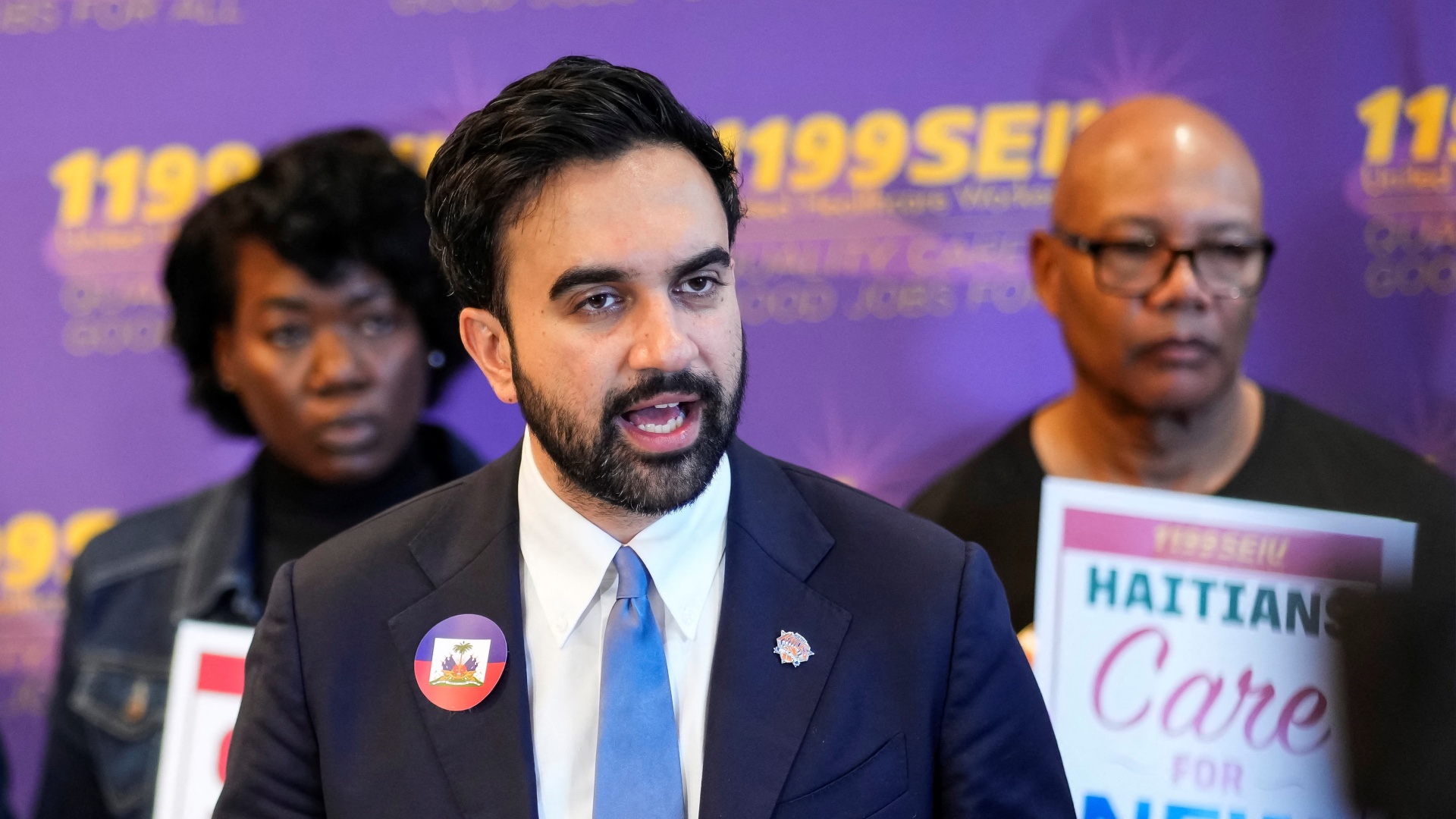
    A new firestorm has erupted in New York City’s charged political landscape after more than 700 pro-Israel rabbis and cantors signed an open letter released Friday calling on Mayor Zohran Mamdani to walk back inflammatory remarks that compared the powerful pro-Israel lobbying group the American Israel Public Affairs Committee (Aipac) to monsters.

    Widely recognized as one of the most influential foreign policy advocacy organizations in the United States, Aipac has built its reputation by spending millions of dollars to defeat electoral candidates who take public critical stances toward Israel. The open letter was organized by The Jewish Majority, a relatively new advocacy group launched by Jonathan Schulman, a former Aipac staffer with nearly 20 years of experience working with the organization.

    The letter opens by acknowledging the diverse ideological backgrounds of its signatories: “We are rabbis and cantors from across the United States. We serve different communities, hold different political views, and do not speak with one voice on every question concerning Israel, American politics or the war in Gaza.” But it quickly establishes unified condemnation of Mamdani’s rhetoric, adding: “But we are united in our belief that Mayor Zohran Mamdani’s recent speech about pro-Israel civic participation is dangerous, unacceptable and beneath the office he holds.”

    Mamdani first made the controversial comments during a June 18 campaign rally alongside independent US Senator Bernie Sanders. At the event, he framed Aipac as a group of “monsters” that leverages millions in unreported dark money to advance a singular goal: holding onto political power by sowing division among the American public.

    In the open letter, the rabbis argue that Mamdani’s language constitutes an act of dehumanization that amplifies rising antisemitism across the United States. “History demonstrates that campaigns against Jews often begin with rhetoric portraying them as uniquely sinister, uniquely powerful and somehow less deserving of equal treatment,” the letter reads. “Mr. Mamdani’s words invoke a familiar story about Jewish power, Jewish money and Jewish manipulation of public life.”

    For his part, Mamdani has long pushed back against claims that criticism of Israel or anti-Zionist views equate to antisemitism, and he has refused to apologize for his remarks. When pressed by reporters to clarify his comments earlier this week, the mayor doubled down on his criticism, tying his remarks directly to the ongoing humanitarian crisis in Gaza.

    “I want to be very clear. We’re talking about a status quo where children are being killed on a daily basis. More than 1,000 Palestinians have been killed by the Israeli military since the so-called ceasefire, [including] Al Jazeera journalist Ahmed Wishah, who was killed this past Saturday by an Israeli strike,” Mamdani told reporters.

    “When I am speaking about Aipac, I’m speaking about an organisation that has been supportive of the status quo, that has fought any attempt to actually deliver safety to people, not just in Palestine, but frankly, through much of the region – and it is a status quo for immorality,” he added. “It is one that I will not accept.”

    When asked specifically if he regretted using the term “monsters”, Mamdani claimed he was quoting a widely cited line from Italian Marxist philosopher Antonio Gramsci, though scholarly analysis has repeatedly found the specific phrasing he used is often misattributed or misquoted. “The old world is dying and the new world struggles to be born. Now is the time of monsters,” Mamdani explained, arguing he used the term to describe all actors blocking systemic change, not just Aipac.

    Mamdani’s refusal to apologize drew fierce condemnation from right-wing media outlets across the US, which lambasted the mayor for his stance. The open letter from rabbis comes just one week after Mamdani’s progressive political movement passed a critical early electoral milestone: all three of the congressional candidates he endorsed won hotly contested Democratic primary races.

    All three of the winning candidates have maintained open, consistent criticism of Israeli policy toward Gaza. In the most high-profile upset, public defender and first-time candidate Darializa Avila Chevalier defeated five-term incumbent Congressman Adriano Espaillat, chair of the Congressional Hispanic Caucus. Former city comptroller Brad Lander unseated incumbent Representative Dan Goldman, while state assembly member and former union organizer Claire Valdez defeated Brooklyn Borough President Antonio Reynoso in the race to fill the open seat left by retiring Representative Nydia Velazquez.

    Supporters of the progressive movement quickly celebrated the three victories as evidence that Mamdani’s political project is not a passing fad, but rather the start of a lasting ideological shift within New York’s Democratic Party. Not all reactions were positive, however: the Anti-Defamation League (ADL), a prominent national pro-Israel organization, labeled the primary wins antisemitic, claiming they sent a “chilling” message to Jewish New Yorkers. On Friday, the ADL publicly endorsed the rabbis’ open letter on its social media platform X.

    Alongside backing the letter, the ADL also issued condemnations of two unrelated political developments this week: a recent United Nations report that documents allegations of Israeli forces intentionally targeting Palestinian children, and a nuclear deal signed by former President Donald Trump’s administration to end escalating hostilities with Iran.

  • Colombia fans return to Hard Rock Stadium nearly 2 years after chaotic scene at Copa America final

    Colombia fans return to Hard Rock Stadium nearly 2 years after chaotic scene at Copa America final

    MIAMI GARDENS, Fla. – Two years after a chaotic crowd disturbance marred the Copa America final at Hard Rock Stadium, the South Florida venue is preparing to host its first World Cup match featuring Colombia this Saturday against Portugal, with sweeping new security measures and heightened vigilance in place.

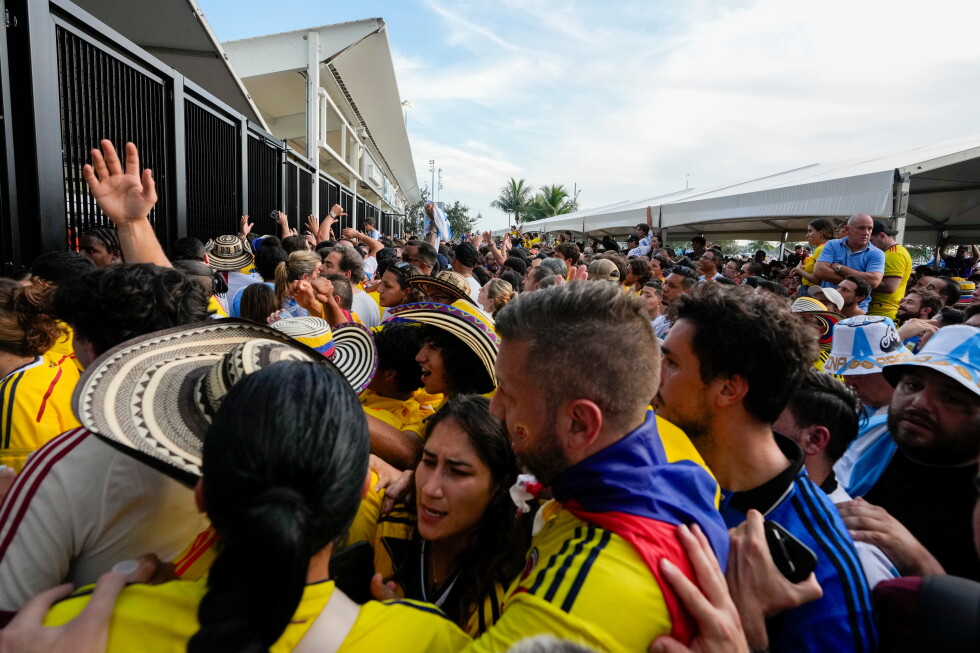
    The 2024 incident saw thousands of ticketless supporters, many waving Colombia’s national colors, breach the stadium’s outer security gates hours before the highly anticipated final between Colombia and Argentina. Videos shared widely on social media captured screaming fans scrambling for safety, with footage showing desperate attempted entries through stadium air vents. Multiple fans were injured in the human rush, as overwhelmed security personnel struggled to regain control of the scene, leaving legitimate ticket holders terrified.

    In the wake of that disaster, public scrutiny intensified over security planning for major soccer tournaments hosted across the U.S. – including last year’s Club World Cup and this year’s 2026 World Cup. Officials used the Miami-hosted Club World Cup matches held last summer as a real-world test for new, layered screening protocols that are now fully implemented for this weekend’s high-stakes group stage fixture.

    Unlike the loose entry protocols in place in 2024, anyone approaching the stadium now must clear three separate checkpoints that cover the entire stadium campus, with parking credentials verified miles before fans reach entry points. Permanent steel fencing lines the entire perimeter of the venue, which is being referred to as Miami Stadium for the World Cup under FIFA’s sponsorship conflict rules. Andrew Giuliani, executive director of the White House World Cup task force overseeing the multiagency security operation, said the stepped-up measures are designed to eliminate any repeat of the 2024 chaos.

    “We’ve built a layered system that every person must pass through step by step,” Giuliani explained. “We’re going to make sure every member of the security team is on high alert specifically for match day. Our goal is simple: we want post-match conversation to be all about what happens on the pitch, not security issues.”

    Giuliani confirmed there will be a substantial federal law enforcement presence across both the stadium and surrounding Miami-area neighborhoods on Saturday, declining to specify whether personnel numbers exceed the heavy deployment already used for the three previous World Cup group matches held in Miami to date. All three prior matches have seen consistent, large police presence with no major incidents.

    For Colombian soccer supporters, both local residents and transplants from the South American nation, Saturday’s match is as much about changing global perceptions as it is about the result on the field. Juan Nicolas, a Bogotá native who was not present for the 2024 disturbance, said the Colombian community is eager to showcase a new image to the world.

    “Now that we’re back here, I do feel a little pressure to show the best version of ourselves, and to show our country in a better light,” Nicolas said. “Colombia is different now. We have so much new to offer the world, and we have to prove that this week.”

    Lucas Gaviria, a Colombian native who studies at Florida Atlantic University, acknowledged that while passionate support is a core part of Colombian soccer culture, a small minority of fans crossed lines in 2024. “We love showing up for our team, but some people take that passion too far,” Gaviria said. “There’s a mindset for some that they have to see the game no matter what, even if they can’t afford a ticket. That’s not who we are as a community.”

    Demand for Saturday’s match has been unprecedented, driven by two major draws: South Florida’s large, tight-knit Colombian community, and the global star power of Portugal’s Cristiano Ronaldo. On resale platform StubHub, available ticket prices currently range from roughly $3,000 to more than $5,000, far above face value. Giuliani emphasized that non-ticket holders will not be allowed to gather near the venue, unlike U.S. college or professional football events where pre-game tailgating is standard.

    “If you don’t have a ticket, you shouldn’t be on site here,” Giuliani said during a January inspection of the stadium during the College Football Playoff national championship. “This is a very different event than a football game. We need all our security resources focused on protecting fans who have legitimate tickets. Non-ticket holders can enjoy the match at official fan festivals or other safe venues across Miami.”

    Hard Rock Stadium officials have declined to comment on the lead-up to Saturday’s match, as the venue remains involved in multiple ongoing lawsuits stemming from the 2024 Copa America incident. The legal claims, which name multiple defendants including stadium management and soccer governing bodies, allege that organizers failed to deploy enough security to handle the anticipated crowd, lacked sufficient Spanish-speaking staff to manage crowd control, and did not protect paying ticket holders from what the suits call “foreseeable criminal activity.”

    For Colombian fans living in the area, the hope is that the 2024 chaos will not be the defining moment for their nation’s global reputation. Nadia Rodriguez, a Bogotá native who now resides in Miami, said the bad incident belongs in the past.

    “There are so many wonderful things Colombia stands for: incredible coffee, stunning landscapes, amazing music, a world-class soccer team,” Rodriguez said. “That darkness from two years ago is in the past, and we’re ready to show the world who we really are on Saturday.”