博客

  • The World Cup final is here, with Argentina taking on Spain in soccer’s showdown

    The World Cup final is here, with Argentina taking on Spain in soccer’s showdown

    After more than three weeks of world-class soccer action across the United States, Canada, and Mexico, the 2026 FIFA World Cup — the expanded 48-team edition that already holds the title of the largest World Cup in tournament history — is set for its climax on Sunday. Kickoff is scheduled for 3 p.m. EDT at East Rutherford’s MetLife Stadium, where two global powerhouses will clash for soccer’s most coveted prize: four-time finalists Argentina, seeking their fourth World Cup crown, face off against Spain, who are gunning for their second men’s title. A win for Spain would make history, as it would become the first nation ever to hold both the men’s and women’s World Cup trophies simultaneously, following Spain’s women’s team victory at the 2023 FIFA Women’s World Cup.

    This expanded 48-team tournament has already broken multiple records before the final whistle even blows. With 103 matches completed heading into Sunday’s final, the 2026 edition has already seen more total goals scored than any previous World Cup, with 307 goals on the board entering the championship clash. If Argentina and Spain net at least two combined goals in the final, this tournament will claim another milestone: the highest average goals per game since the 1956 World Cup, which posted an average of 3.6 goals per match. Even if the two sides combine for fewer than two goals, 2026 will still hold the second-highest average goals per game in World Cup history, outperforming every tournament since the 1970 World Cup, which averaged 2.97 goals per game.

    Beyond the on-pitch action, this final will deliver a unprecedented global entertainment spectacle, a first for FIFA’s men’s World Cup. Grammy-nominated multiplatinum artist Post Malone will headline the official closing ceremony, scheduled to begin 90 minutes before kickoff. For the first time in men’s World Cup history, the match will feature a star-studded halftime show headlined by a roster of global superstars: Justin Bieber, Madonna, Shakira, and KRT, joined afropop icon Burna Boy, award-winning Venezuelan conductor Gustavo Dudamel, the acclaimed PS 22 Chorus with a special guest appearance from Coldplay, and even beloved characters from Sesame Street and The Muppets.

    High-profile attendance is also expected for the historic match, with former U.S. President Donald Trump confirmed to be in attendance and scheduled to take part in the post-match trophy presentation. Ahead of kickoff, both sides have confirmed their kit choices: Argentina will take the pitch in its iconic light blue and white vertically striped home jerseys, while Spain will wear its primary kit of predominantly red with navy blue sleeves. Officiating the historic final is a crew from Slovenia, led by head referee Slavko Vinčić, with assistant referees Tomaž Klančnik and Andraž Kovačič.

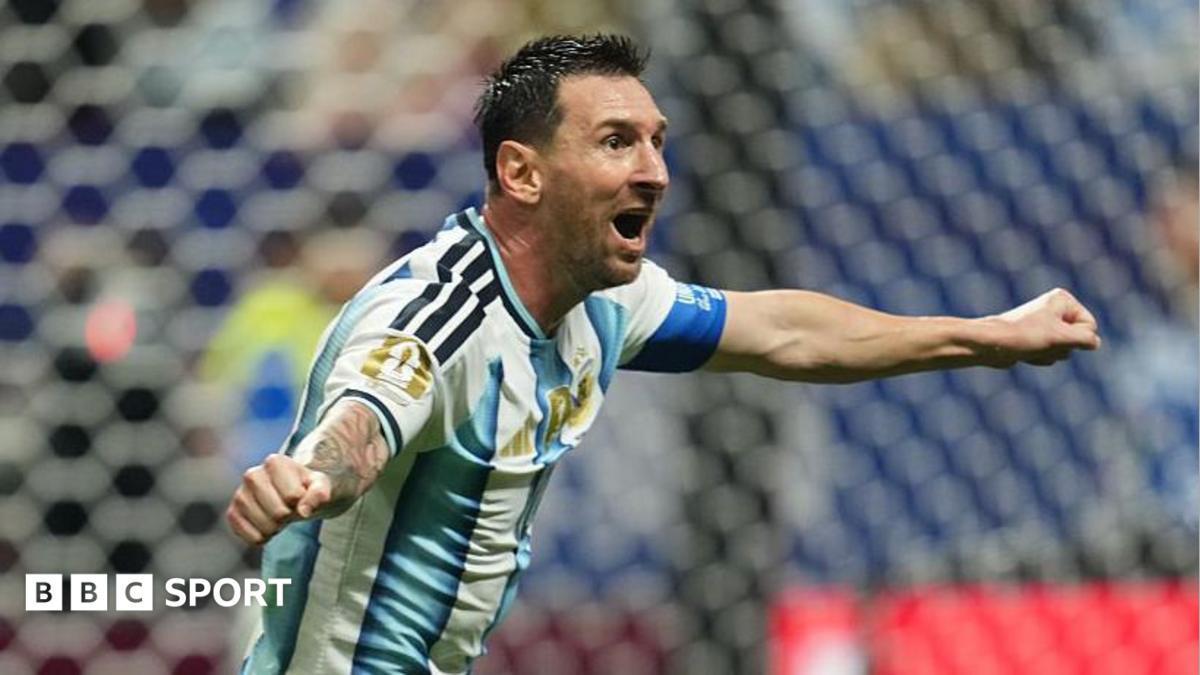
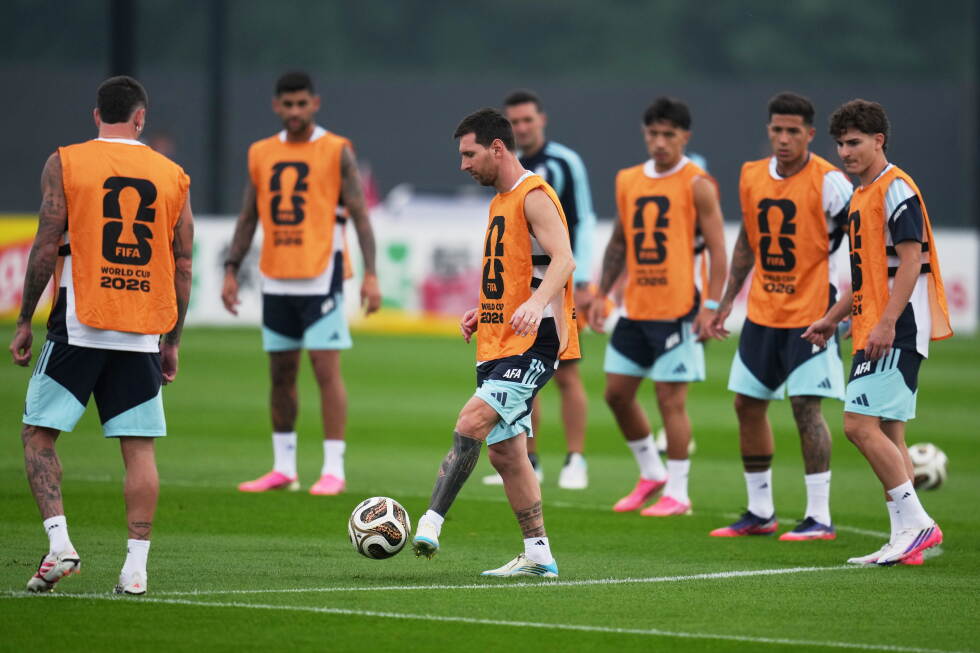
    For Argentina, the match also represents a chance for captain Lionel Messi to add another chapter to his already legendary career. Messi enters the final within striking distance of tournament leader Kylian Mbappé for the Golden Boot, and is also in contention for a record third Golden Ball award, cementing his legacy as one of the greatest players to ever step onto a soccer pitch.

  • Ferry carrying 116 passengers sinks off Guyana coast, authorities say

    Ferry carrying 116 passengers sinks off Guyana coast, authorities say

    A major maritime disaster has unfolded off the northern coast of Guyana, where a passenger ferry carrying 116 people capsized and sank late Wednesday local time, triggering a large-scale overnight rescue operation involving both government and private vessels. The vessel, identified as the MV Barima, was traveling along its scheduled route from the capital city of Georgetown to Port Kaituma when it overturned near the coastal outpost of Iron Punt.

    According to Public Works Minister Juan Edghill, local emergency authorities received an initial distress signal from the ferry at 23:01 local time, which translates to 03:01 British Summer Time. The alert immediately launched a coordinated search and rescue mission, with rescuers working through darkness and challenging coastal conditions to pull survivors from the water. As of the latest official update, 53 passengers have been pulled to safety, but the fate of the remaining 63 people on board remains unknown.

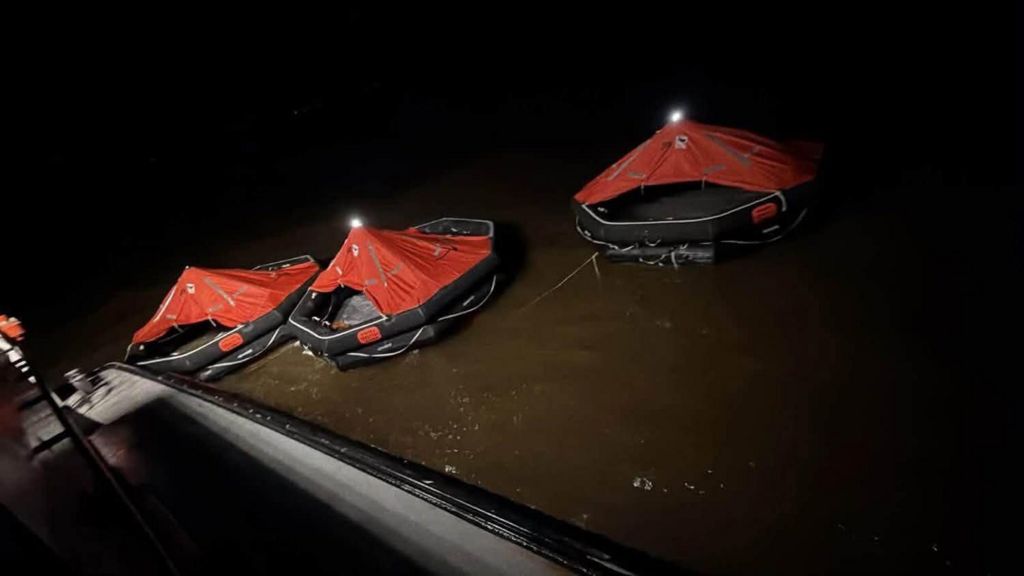
    Details of the vessel show that the MV Barima is no ordinary ferry: launched all the way back in 1939, the 40-meter (131-foot) craft has been in service for more than 80 years, according to vessel tracking data from maritime industry database VesselFinder. Edghill confirmed that the ship was equipped with sufficient safety equipment ahead of its voyage, including 250 life jackets, two rigid-hulled lifeboats and six inflatable life craft. Even so, the rapid capsizing left many passengers stranded in open water before safety gear could be deployed.

    Guyana’s top government officials have moved quickly to oversee the emergency response. Prime Minister Mark Phillips is personally leading the government’s coordination of the search and rescue effort, as authorities work to clarify the status of ongoing operations and assess what led to the sudden sinking. At this stage, it remains unclear whether rescue teams expect to find more survivors, and officials have not yet released any information about possible casualties or the cause of the incident. Local communities along the coast have mobilized to support the operation, with private boat owners joining the effort to search for missing passengers in nearby waters.

  • Messi on the brink of history – will it be his last World Cup game?

    Messi on the brink of history – will it be his last World Cup game?

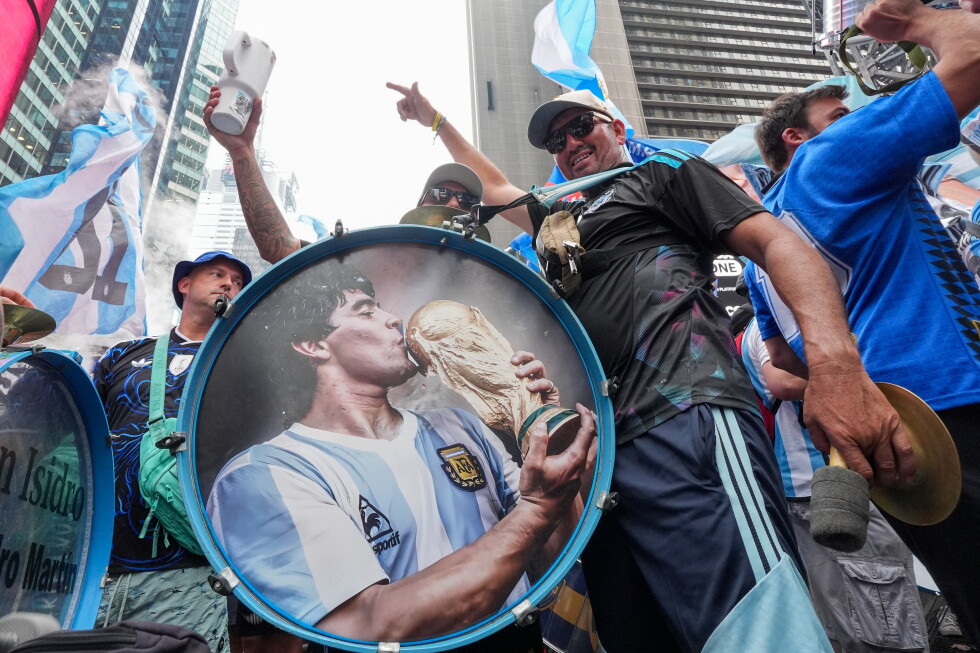
    Argentina stands on the cusp of an unprecedented piece of football history, needing just one more victory in Sunday’s 2026 World Cup final to etch their name alongside the sport’s immortals. If head coach Lionel Scaloni’s side can overcome European champions Spain to claim the title, they will become only the third men’s national team ever to win consecutive World Cup trophies, joining an elite club that currently only includes 1930s Italy and 1950s Brazil.

    For Argentina to cross that finish line, all eyes will once again fall on 39-year-old legend Lionel Messi, who has delivered another tournament for the ages to carry his side this far. Whether fans label him the undisputed greatest of all time or merely rank him among the top contenders, there is no arguing that the Argentine playmaker has redefined what elite attacking play looks like across a decades-long career that has rewritten the sport’s record books.

    A Sunday victory would not only secure back-to-back World Cup titles for Argentina — it would also make Messi the first men’s captain in history to lift the World Cup trophy twice. After a string of underwhelming performances across his first four World Cup appearances, Messi exploded into form at the 2022 Qatar tournament, leading Argentina to their first crown in 36 years, and he has picked up right where he left off in North America four years later. Currently, he sits just one goal behind France’s Kylian Mbappe in the race to become the World Cup’s all-time leading men’s goalscorer, an extraordinary milestone for a player who briefly walked away from international football entirely back in 2016, only to reverse his retirement months later.

    Sunday’s final will mark Messi’s 34th World Cup appearance, stretching across six tournaments, and a growing debate has emerged around whether this will mark his final outing in Argentina’s iconic blue and white stripes — or whether the legend has another World Cup run left in him, when the tournament celebrates its 100th anniversary in 2030.

    If Messi does elect to continue his international career through 2030, he will make history again as the oldest outfield player to ever feature at a men’s World Cup, turning 43 before the tournament kicks off — a record that would only be broken if his long-time rival Cristiano Ronaldo chooses to extend his own Portugal career to join him. Beyond the record books, 2030 also offers a deeply sentimental draw for Messi: the centenary tournament will host at least one opening match on Argentine soil, offering the homegrown icon a chance to play a World Cup game in front of his own nation’s fans. That opportunity is one many close to Messi believe will be too tempting to turn down.

    “Even if you hear it is the end, I doubt it but we’ll see. I just see him with the national side, simply because he enjoys it,” Spanish football expert Guillem Balague told BBC Sport. “I don’t see him being at Inter Miami in the MLS, still performing and then saying that’s it and he’s going to play out the rest of his career with Inter Miami. I feel that he hasn’t said the last word yet. He finishes games, 120-minute games, at 39. In the first 90 minutes against Cape Verde, he covered 6.5km and 62% of that is walking. You can add a bit more walking. The passion is still there. All of that means he’s not going to leave the national side.”

    Messi’s 2026 World Cup campaign has been nothing short of sensational, with eight goals in seven matches and a string of match-winning displays that dragged Argentina through the knockout rounds. Scaloni, who has led Messi and his side to two consecutive finals, has no hesitation in anointing the 39-year-old as the greatest to ever play the game.

    “He is history, a legend. I feel proud, he is the best footballer the world has ever seen and reaching a final at 39 is something unbelievable — and that is why I said we must enjoy him,” Scaloni told reporters. “With Diego Maradona, we still miss him but Messi is still with us so we must enjoy him. I have no idea if this is Leo’s last game, you will have to ask him. We haven’t discussed it.”

    Messi’s remarkable late-career resurgence on the World Cup stage is one of the most unexpected stories in modern football: 15 of his 21 all-time World Cup goals have come after his 35th birthday, a statistic that defies conventional wisdom about athletic aging. This late-career hot streak has already seen Messi break multiple tournament records, and he adds more with each game he plays.

    While he didn’t find the back of the net in Argentina’s semi-final comeback win over England, two late assists from Messi secured the victory, pushing his all-time World Cup assist total to 12 — 10 of which have come in knockout rounds, a new all-time record. Already the leader in World Cup appearances with 33, Messi is one of only two players (alongside Ronaldo) to feature at six men’s World Cups, the only player to win two World Cup Golden Balls, and the only player to score in every round of a World Cup on the way to lifting the trophy. He also holds the record for the longest consecutive run of scoring or assisting in World Cup matches, with 11 straight games dating back to 2022, and has scored in nine consecutive World Cup games, another unprecedented record. Sunday’s final will also see him become only the second player after Brazil’s Cafu to start three men’s World Cup finals.

    It is worth noting that Messi already predicted his World Cup career would end after the 2022 tournament, telling reporters before that final: “I am very happy for finishing my journey in World Cups in a final, to play the last game in a final. That is really very gratifying. There are a lot of years from this year to the next one. I don’t think I will be able to do that. To finish this way is brilliant.”

    That prediction, of course, did not come to pass. So regardless of any announcements that come after Sunday’s 2026 final, the football world will be waiting to see if Messi has one more magical chapter left in his World Cup story, on home soil in 2030.

  • Russia pounds Kyiv with ballistic missiles in escalating air war

    Russia pounds Kyiv with ballistic missiles in escalating air war

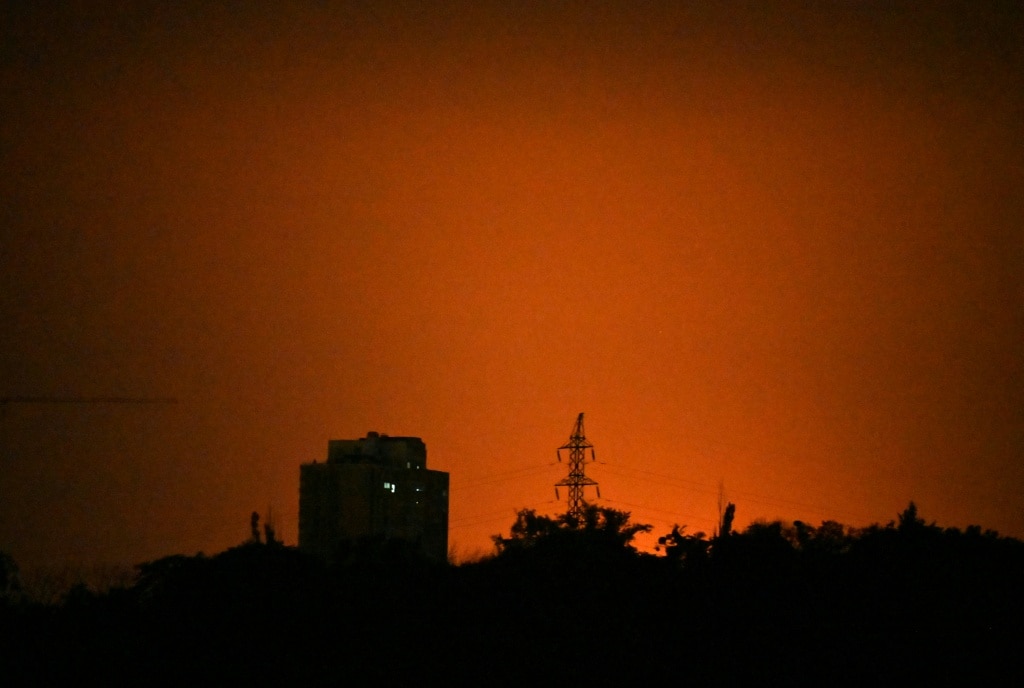
    In an escalation of the ongoing air conflict between Russia and Ukraine, Moscow launched a massive barrage of ballistic missiles targeting Ukraine’s capital Kyiv overnight Sunday, leaving one civilian dead and 16 others injured. The attack marks one of the largest concentrated ballistic missile strikes on the capital in months, deepening civilian casualties amid a rapidly intensifying air campaign that has hit populated areas on both sides of the front line.

    Eyewitnesses on the ground described a terrifying sequence of nonstop explosions that shook residential neighborhoods. “The missiles just kept coming one after another, the explosions were powerful, it was horrible,” 47-year-old Kyiv resident Ganna Zagorodnia told AFP. “I thought that life was just about to end.” When morning broke, AFP reporters observed widespread destruction across the city: charred facades on multi-story apartment blocks, shattered glass blown out hundreds of meters from blast sites, and crumpled, overturned vehicles littering residential streets.

    Ukrainian President Volodymyr Zelensky confirmed the scale of the attack in a post on X, noting that Russian forces launched more than 40 missiles of multiple types, with the vast majority targeted at Kyiv. Of those, 25 were ballistic missiles—high-speed, difficult-to-intercept weapons that Russia frequently fires in rapid, overwhelming salvos to overwhelm air defense systems. Local authorities reported the strike hit six districts across Kyiv, damaging residential buildings, public supermarkets, and a local entertainment center.

    Russia has repeatedly denied intentional targeting of civilian infrastructure, and in a statement following the attack, officials said the strikes hit legitimate military facilities and logistics nodes in Kyiv, as well as port assets used by the Ukrainian military in the Black Sea city of Odesa.

    The attack comes as Ukraine faces a dual crisis: intensifying Russian pressure from the air and growing domestic political unrest triggered by a sudden shakeup of the country’s defense leadership. For three consecutive days, thousands of demonstrators have gathered in major Ukrainian cities to protest the dismissal of popular former defense minister Mykhailo Fedorov, a tech-focused official who earned broad public support during the war. Zelensky’s surprise reshuffle, announced amid reports that frontline fighting has stabilized, has sparked a rare public backlash against the wartime government.

    On the military front, the latest bombardment has underscored Ukraine’s critical shortage of air defense interceptors, a gap Russia is actively exploiting to step up strikes on Kyiv. Zelensky emphasized the urgency of the situation, stating, “Protection against ballistic missiles is our constant and top priority right now. Interceptors are needed every day.” Since the outbreak of the U.S.-Israeli conflict in the Middle East, Ukraine has faced depleted stockpiles of interceptor missiles for its U.S.-made Patriot systems, the primary defense Ukraine relies on to shoot down incoming ballistic rounds. Over the past 35 days, Kyiv has now faced four large-scale ballistic missile attacks, with roughly one major barrage launched per week, according to Yuriy Ignat, Ukrainian Air Force communications chief.

    The escalation of air operations is not limited to Ukrainian territory. Ukraine has ramped up its own long-range strike campaign against Russian infrastructure in recent months, hitting targets deep inside Russian borders in what Kyiv calls “long-range sanctions” in retaliation for years of Russian bombardments of Ukrainian cities. On Monday, Russian regional governor Alexander Khinshtein reported that a Ukrainian strike killed one civilian in the border region of Kursk. A separate drone attack hit the Caspian Pipeline Consortium terminal near Novorossiysk, a key Black Sea export hub for Kazakh oil that counts major Western energy firms Chevron and Shell as partial owners. The consortium confirmed two crude oil tankers were damaged in the strike, forcing a full halt to pumping operations. A day earlier, Ukrainian drone strikes destroyed two large e-commerce warehouses in the Moscow and Tambov regions, killing eight workers and sparking massive infernos that burned for hours. Ukraine’s cross-border campaign, which has primarily targeted Russian oil and energy infrastructure, has already contributed to a widespread fuel shortage in one of the world’s largest oil-producing nations.

    Civilian casualties have spiked sharply amid this mutual escalation of air strikes. The United Nations reports June 2025 was the deadliest month for Ukrainian civilians since April 2022, with at least 293 civilian lives lost across the country. With frontline fighting largely locked in a stalemate and peace talks remaining completely frozen, the war—already the bloodiest European conflict since World War II—continues to exact a growing toll on civilian populations on both sides.

  • Russia launches major ballistic missile attack on Kyiv

    Russia launches major ballistic missile attack on Kyiv

    Overnight drone and missile strikes exchanged between Russia and Ukraine have sent tensions soaring to new heights in the nearly four-year full-scale invasion, with the Ukrainian capital Kyiv absorbing one of the largest ballistic missile assaults of the war to date. Ukrainian officials confirmed that the Russian bombardment left at least one civilian dead and at least 14 others wounded, after a wave of projectiles targeted multiple districts across Kyiv and its surrounding suburbs.

    Ukrainian President Volodymyr Zelenskyy labeled the attack as one of the most extensive ballistic missile campaigns against Kyiv since Russia launched its full-scale invasion in February 2022. In an official update shared via Telegram, Zelenskyy added context to the mounting pressure facing Ukraine, noting that over the preceding seven days, Russian forces had launched roughly 1,450 attack drones, more than 1,640 precision-guided bombs, and 99 missiles of different variants against Ukrainian targets across the country.

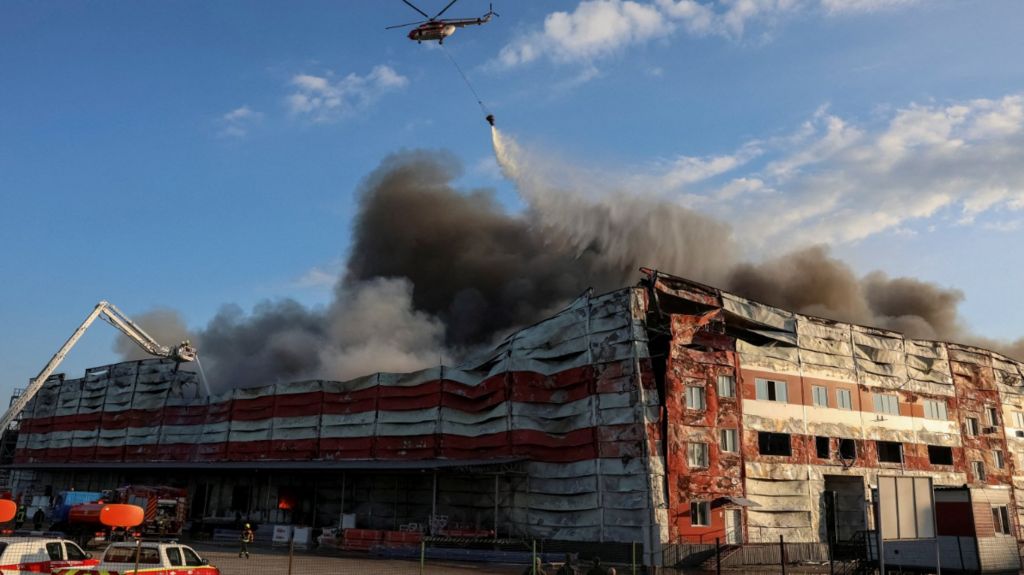
    According to the Ukrainian Air Force, the overnight assault on Kyiv deployed a diverse arsenal of Russian weaponry, including Iskander short-range ballistic missiles, hypersonic Zircon anti-ship cruise missiles, and a total of 125 attack drones. Ukrainian air defense crews managed to intercept 18 of the 41 incoming ballistic missiles, as well as 108 of the drones launched in the wave. Kyiv Mayor Vitaliy Klitschko confirmed that both civilian residential buildings and commercial non-residential structures suffered damage in the strikes, with a local supermarket and a student dormitory among the impacted sites. Emergency response teams remained on scene through Sunday morning, working to extinguish large fires that broke out at two commercial warehouses damaged in the attack.

    The Russian strikes on Kyiv came in direct retaliation for a coordinated Ukrainian drone assault on facilities owned by Wildberries, Russia’s largest e-commerce retailer, widely compared to Amazon in the United States. The drone attacks destroyed two Wildberries warehouses, left eight people dead, and triggered massive uncontrolled fires at the sites. Seven of the fatalities and 25 injuries were reported at a warehouse in Tambov, a city located roughly 475 kilometers southeast of Moscow. One additional fatality and 37 injuries were recorded at a second warehouse in Elektrostal, a city just outside the Russian capital.

    In a statement released Saturday, Zelenskyy defended Ukraine’s cross-border targeting operations, framing them as a direct response to repeated Russian strikes on Ukrainian civilian infrastructure and population centers. The governor of Russia’s Stavropol Krai, a southwestern region of the country, also confirmed that a separate Ukrainian drone attack sparked a large fire at a local industrial park over the weekend, marking another in a growing string of strikes on Russian territory.

    In recent weeks, Ukraine has significantly ramped up its long-range drone campaign against Russian critical energy infrastructure, a strategy that has reportedly caused widespread fuel shortages across parts of Russia. Earlier this month, Ukrainian officials claimed that their strikes had disabled approximately 43 percent of Russia’s total oil refining capacity, a figure that the BBC has not been able to independently verify. Ukrainian officials have repeatedly stated that Russian oil and gas facilities are legitimate military targets, arguing that Moscow depends heavily on revenue from fossil fuel exports to fund its ongoing invasion of Ukraine. Founded in 2004, Wildberries has grown into Russia’s largest e-commerce platform; earlier this year, Forbes Russia valued the combined RWB group, which merges Wildberries and Russian advertising firm Russ, at roughly $12.6 billion.

  • Neighbours actor Terence Donovan dies aged 90

    Neighbours actor Terence Donovan dies aged 90

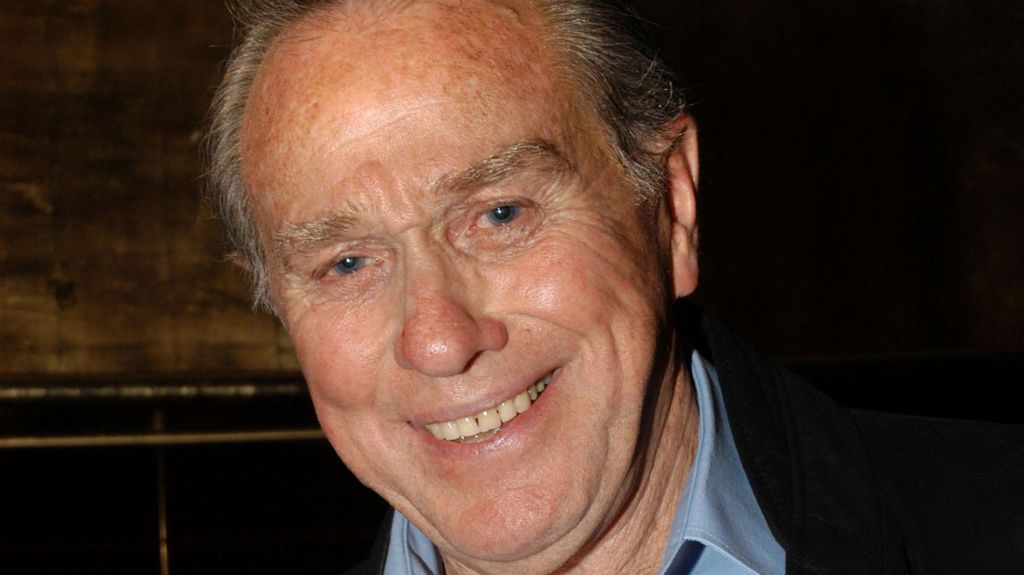
    Beloved British-Australian screen and stage performer Terence Donovan, whose decades-long career cemented his status as a staple of Australian television and film, has passed away at 90, his family has confirmed. The actor drew his final breath peacefully on Saturday night in Melbourne, Australia, according to a joint statement shared by his sons — fellow actor Jason Donovan and Paul Donovan.

    In an emotional public tribute posted to social media, the pair remembered their father as an unforgettable, larger-than-life presence that anchored their family. “Our Dad was a huge character, larger than life. He was our best friend … our world! We will desperately miss him but we take comfort knowing we were all here by his side in his final days,” they wrote. They added that the family finds peace in the knowledge Donovan lived fully, embracing his core mantra: “in life it’s either a daring adventure or nothing at all. How lucky are we to have a Dad like you.”

    Born in London, Donovan moved to Australia as a teenager, launching his entertainment career first as a vocalist before making his on-screen debut in the early 1960s. A decade into his career, he landed two of his most iconic television roles: first as Detective Mick Peters in the hit 1970s Australian police procedural *Division 4*, followed by a turn as Detective Senior Sergeant Vic Cameron on another popular police drama, *Cop Shop*, which ran through the 1980s.

    In the 1990s, Donovan joined the cast of Australia’s most famous long-running soap opera *Neighbours* as Doug Willis, stepping into the role shortly after his son Jason — a former *Neighbours* star who rose to global fame on the show — departed the series. He later took another well-known soap role, playing Al Simpson on fellow Australian drama *Home and Away*. Beyond his 60-year television career, Donovan built an impressive resume in film, with memorable supporting turns in iconic Australian features including *The Man from Snowy River* and *Breaker Morant*, and he also appeared in dozens of stage productions across the country.

    Beyond his work in front of the camera, Donovan was a passionate advocate for the Australian screen industry. In the early 1970s, when local production was being crowded out by an influx of imported content from the U.S. and UK, Donovan used his public profile to rally support for domestic storytelling. Jason Donovan noted in his tribute that his father famously joined public marches demanding local content, carrying banners that read “T.V. MAKE IT AUSTRALIA NOW.”

    That advocacy delivered lasting change: campaigning by Donovan and other supporters led to the introduction of rules requiring commercial Australian broadcasters to air a minimum quota of local content. “Without people like my Dad we might not have seen the growth in the industry during the 70s and 80s, and indirectly, Australian films such as *The Man From Snowy River*, *Breaker Morant*, *Picnic at Hanging Rock*, *Priscilla*, *Muriel’s Wedding*, *Crocodile Dundee* [and] *Strictly Ballroom*,” Jason added, highlighting the far-reaching impact of his father’s activism that continues to benefit Australian entertainment today.

  • Cuban dissident Luis Manuel Otero Alcántara goes into exile in US

    Cuban dissident Luis Manuel Otero Alcántara goes into exile in US

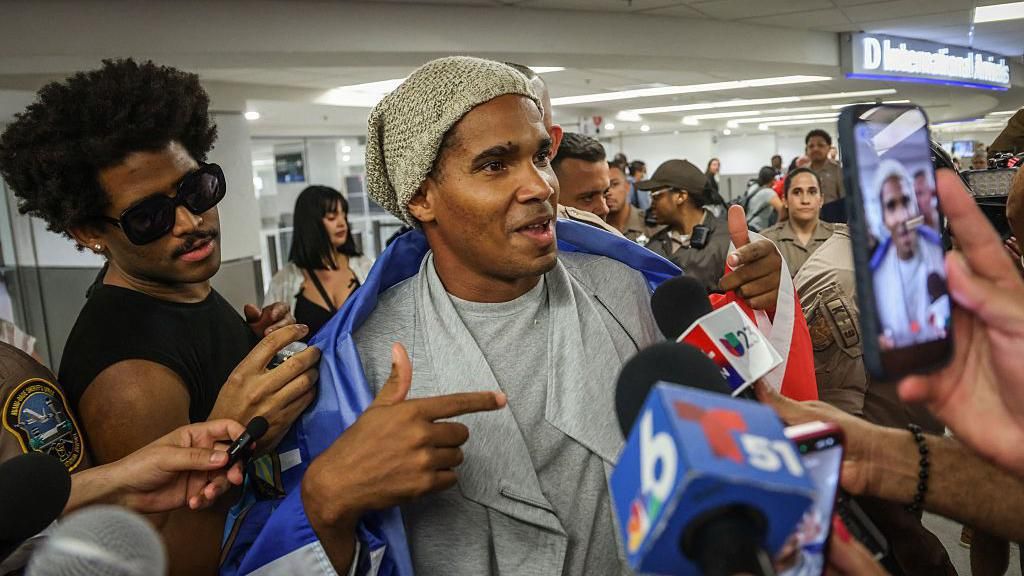
    After serving five years behind bars in Cuba, one of the Caribbean nation’s most high-profile government critics has arrived in the United States to begin a life in exile. Thirty-eight-year-old Luis Manuel Otero Alcántara heads the San Isidro Movement (SIM), a collective of artists, independent journalists, and intellectuals that has spent years organizing grassroots campaigns for expanded freedom of expression and democratic governance in Cuba, a one-party communist state.

    Otero Alcántara was first taken into custody in 2021, amid the largest anti-government demonstrations Cuba had seen in more than 30 years. For his entire sentence, he was incarcerated at the maximum-security Guanajay prison facility on the outskirts of Havana. In the days leading up to his departure, his location remained undisclosed as Cuban officials processed his release while U.S. authorities reviewed and approved his parole application.

    When he stepped out into the public terminal at Miami International Airport, Otero Alcántara was met by a crowd of cheering supporters who sang the Cuban national anthem in welcome. The dissident held up his hand, curving his thumb and forefinger to form the shape of the letter L – a well-known anti-government symbol that stands for “Libertad,” the Spanish word for freedom. Speaking to reporters shortly after his arrival, Otero Alcántara made clear his criticism of the Cuban government would not end with his exile. “I believe the dictatorship has to end, and the Castro dynasty has to end, as well,” he said. “Because as long as there is a Castro in power, there will be corruption.”

    Cuban authorities have long alleged that the San Isidro Movement receives direct funding from the U.S. government and operates as a front to destabilize the Cuban state – claims the movement and its members uniformly reject. SIM organizers say their members are routinely targeted by Cuban security forces, with many subjected to arbitrary detainment and harassment for their activism.

    The 2021 protests that led to Otero Alcántara’s arrest saw hundreds of demonstrators taken into custody across the island, and the case of the dissident leader and his SIM colleague Maykel Castillo, a musician better known by his stage name Osorbo who is currently serving an eight-year prison sentence, has been a persistent flashpoint in diplomatic relations between Washington and Havana.

    Tensions between the two nations have spiked sharply in recent months under the current U.S. administration, which has imposed a full oil blockade on Cuba, expanded sweeping economic sanctions, and issued open threats of potential military intervention. Just last week, CBS News, the U.S. news partner of the BBC, reported that Pentagon officials had held internal briefings reviewing potential military options for action against Cuba, though the report emphasized that the discussions did not indicate a final decision to launch an operation had been made.

    The U.S. oil blockade has deepened an already severe national fuel crisis on the island, pushing Cuban communities to face extended daily power blackouts and worsening widespread food shortages. In May, the U.S. further escalated hostilities by issuing an unprecedented murder indictment against former Cuban leader Raúl Castro, connected to the 1996 downing of two private aircraft operated by a Cuban exile group, an incident that killed four people. The indictment drew immediate condemnation from both Russia and China, which reject U.S. interference in Cuban sovereign affairs.

    Economic strain from the ongoing sanctions has also hit Cuba’s critical tourism sector hard. Official data from Cuba’s National Office of Statistics and Information (Onei) shows that fewer than 360,000 international tourists visited the island in the first five months of 2026, a nearly 60% drop from the same period in 2025. In comments following Otero Alcántara’s release, U.S. Secretary of State Marco Rubio doubled down on Washington’s stance, calling the Cuban government’s 2021 crackdown on protesters a reminder of “the unique misery and evil that is innate to the communist system.” He added that Otero Alcántara’s only offense was “refusing to stay silent and using his art to demand the basic freedoms everyday Cubans have been denied for almost seven decades.” U.S. officials have repeatedly stated that a peaceful negotiated agreement with Cuba is unlikely under current conditions.

  • The biggest takeaways from the 2026 World Cup

    The biggest takeaways from the 2026 World Cup

    ATLANTA – As Spain and defending World Cup champion Argentina prepare to step onto the pitch in New Jersey for the tournament’s 2026 final, the curtain is set to fall on the biggest edition of global soccer’s flagship event in history. Over nearly six weeks of competition co-hosted by the United States, Mexico and Canada, a record-breaking 104 matches have been played, capping off an expanded tournament that delivered electrifying on-pitch action alongside a wave of lingering controversies. From underdog breakthroughs to political tensions and widespread criticism of new rules and technology, the first 48-team World Cup has been one of the most unpredictable and debated tournaments in modern memory. Below are the defining takeaways from the 2026 event.

    ### More Teams, More Underdog Drama
    When FIFA approved the expansion from 32 to 48 teams, critics immediately warned the new format would produce lopsided group-stage matches and dilute the competitive stakes of the opening round. But several unheralded underdog nations proved the skeptics wrong, writing their own chapters in World Cup history and winning legions of new global fans.

    Cape Verde, making its historic tournament debut, defied all expectations to hold powerhouse Spain to a draw in its opening match, advance to the round of 32, and push defending champion Argentina to the brink before falling 3-2 in extra time in an instant classic. The nation’s 40-year-old goalkeeper Vozinha emerged as an unexpected breakout star, amassing millions of new followers across social media platforms for his series of game-saving performances. Fellow debutants Congo also advanced past the group stage and pushed European powerhouse England to a tight match before elimination, while Curaçao remained in contention for a knockout spot heading into its final group fixture.

    FIFA’s gamble to open the World Cup to more nations was partially vindicated: smaller sides proved they can compete with the sport’s traditional powerhouses on the biggest stage. Even so, it was the sport’s elite former champions — Argentina, Spain, France and England — that claimed the four semifinal spots, reinforcing the hierarchy of global soccer.

    ### The World’s Top Stars Deliver on the Big Stage
    The race for the tournament’s Golden Boot became a showcase for the planet’s best players, with Lionel Messi, Kylian Mbappé, Erling Haaland, Harry Kane and Jude Bellingham all producing consistent, high-scoring performances throughout the knockout stages.

    Heading into Sunday’s final, Mbappé holds the tournament lead with 10 goals, and has already broken the all-time career World Cup scoring record with 22 total goals across his tournament appearances. Messi trails Mbappé by two goals at this tournament, sitting on 21 total career World Cup goals with a chance to equal or surpass the record in the final, and is still in contention for a third career Ballon d’Or if Argentina claims the trophy. While Cristiano Ronaldo could not lead Portugal to a deep run in what he has confirmed is his final World Cup, Spanish teenage sensation Lamine Yamal — who emerged as a star at the 2024 Euros — worked his way back into form after overcoming a pre-tournament injury to play a key role in Spain’s run to the final.

    ### New Technology Sparks Backlash Over Controversial Calls
    The tournament’s embrace of cutting-edge officiating technology put VAR (Video Assistant Review) at the center of multiple contentious decisions that saw goals disallowed for Germany, Croatia and Egypt, sparking fury from coaches and fans alike.
    After Argentina pulled off a dramatic comeback from a 2-0 deficit to beat Egypt 3-2 in the round of 16, Egypt head coach Hossam Hassan launched a scathing attack on officials after a potential opening goal for his side was overturned by VAR review. “We have suffered injustice,” Hassan said after the elimination.

    The tournament’s sensor-equipped official match ball also changed the outcome of a knockout fixture: Croatia had a dramatic late equalizer ruled out against Portugal in the round of 32, when the ball’s sensors detected the slightest touch offside by Igor Matanović before Josko Gvardiol scored. “All these decisions take the joy out of football,” said Croatia head coach Zlatko Dalić, who announced his resignation shortly after the elimination.

    ### Exorbitant Ticket Prices Didn’t Deter Record Fan Turnout
    Leading up to the tournament, critics warned that FIFA’s adoption of dynamic pricing would put match tickets out of reach for average soccer fans, with some describing the policy as a “monumental betrayal” of supporters. Official general sale prices for group-stage matches ranged from $140 to $2,735, with final tickets reaching as high as $8,680 — far above the price point for the 2022 Qatar World Cup. After sustained backlash, FIFA added a batch of $60 tickets for every match allocated to each of the 48 participating national federations, but the controversy extended to FIFA’s official resale platform, which allowed sellers to list tickets for well above face value. One final ticket was listed for nearly $2.3 million on the platform; while FIFA did not regulate resale prices, it took a cut of every secondary sale.

    For all the criticism around pricing, fans still turned out in record numbers across the three host nations, even for matches featuring no elite global teams. After an opening weekend with scattered empty seats for the South Korea-Czech Republic match in Guadalajara, nearly every subsequent match reported sold-out stadiums. Many international visitors also praised the warm hospitality they received during their time in the United States.

    ### Hydration Breeds Draw Major Fan and Critic Pushback
    One of the tournament’s most unpopular innovations was the mandatory hydration break added to the middle of each half of play, introduced to help players cope with summer heat across North American venues. The rule drew loud jeers from fans inside stadiums, and drew criticism from former players as well. “We’re in America, right? So, it is like it is a timeout,” former Ireland international Roy Keane said on The Overlap podcast, echoing widespread complaints that the breaks disrupted the flow of matches.

    FIFA mandated the breaks regardless of match-day temperature, venue or location, and the rule quickly became a tactical loophole: coaches used the pauses to deliver tactical instructions to their players, while broadcasters used the extra time for additional commercial breaks. It remains unclear whether FIFA will retain the rule for future World Cups, and organizers for the 2028 European Championship — co-hosted by the British Isles — have already signaled they will not adopt the policy.

    ### Political Tensions Overshadow Iran’s Participation
    As is often the case at major international tournaments, politics and soccer intersected at the 2026 World Cup, with the highest tensions surrounding Iran’s participation. Amid ongoing conflict in the Middle East, there were widespread doubts that Iran would even send its team to the tournament. The side ultimately competed, but was forced to relocate its pre-tournament base camp from Arizona to Mexico amid security and political concerns.

    Iran’s participation was marked by ongoing barriers: U.S. officials refused to issue visas to multiple members of the Iranian delegation, and the team complained of strict travel restrictions that forced players and staff to leave the United States immediately after every match. When Iran was eliminated in the group stage, U.S. Homeland Security Secretary Markwayne Mullin made his position clear: “I’m just glad they’re done and they’re not coming back,” he said.

    The 2026 tournament also put the relationship between former U.S. President Donald Trump and FIFA president Gianni Infantino under the microscope, after a one-game suspension for U.S. striker Folarin Balogun was overturned ahead of the team’s round of 16 match against Belgium. Trump confirmed he had called Infantino to request a review of the red card decision before Balogun was cleared to play. While FIFA insists its independent disciplinary bodies made the final call, the incident sparked widespread questions about political interference in soccer governance. The controversy ultimately did not benefit the United States, which lost the match 4-1 to Belgium.
  • Former China Development Bank president is under anti-corruption probe

    Former China Development Bank president is under anti-corruption probe

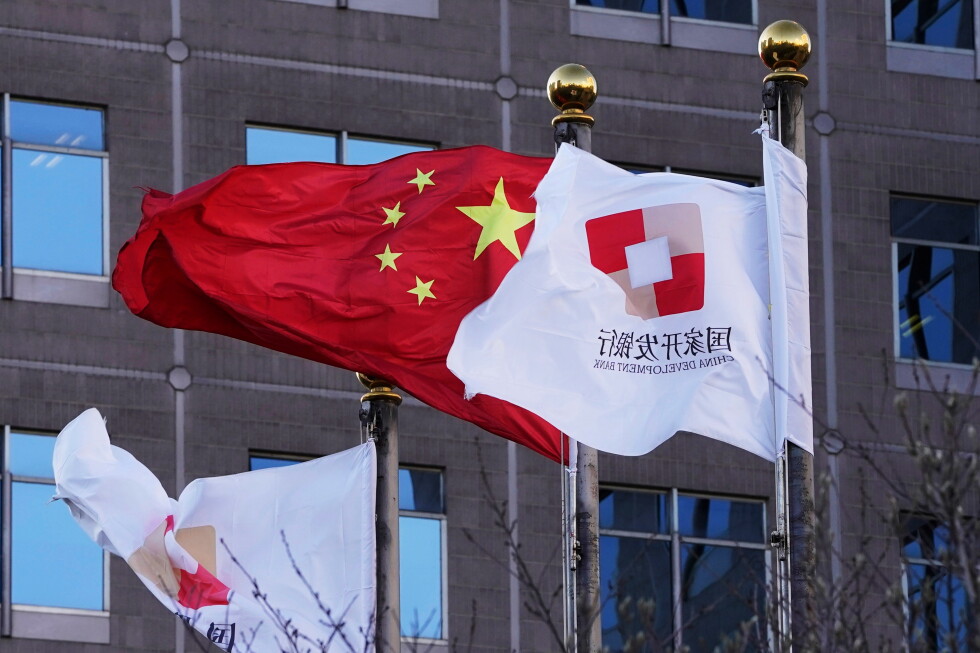
    BEIJING – China’s top anti-corruption oversight body revealed Sunday that Ouyang Weimin, the former president of the state-owned China Development Bank, is facing formal investigation over allegations of severe violations of Communist Party of China discipline and national law. The Central Commission for Discipline Inspection (CCDI) released a brief initial statement confirming the probe, which is being carried out jointly by the CCDI and the National Commission of Supervision, with no further details on the specific allegations disclosed in the initial announcement.

    State-run publication China Daily has shared key biographical details of Ouyang’s decades-long career in public finance and government. Ouyang entered the workforce and joined the Communist Party of China in 1986, with the majority of his early professional tenure spent at the People’s Bank of China, China’s central monetary authority. He later went on to serve as vice-governor of Guangdong Province, China’s dynamic southern economic hub bordering Hong Kong, before being appointed president and deputy Communist Party secretary of the China Development Bank in 2019. He retired from the presidency of the bank in 2023.

    Established in 1994, the China Development Bank is a fully state-owned development finance institution operating under the direct supervision of China’s State Council. Per its official public mandate, the bank focuses on financing projects that support national economic growth, strategic development of key industries, and expansion of infrastructure and services in less developed regions of the country.

    Ouyang’s investigation comes amid a years-long national anti-corruption campaign launched under Chinese President Xi Jinping, which has targeted thousands of current and former officials across all levels of government, state-owned enterprises, and the People’s Liberation Army, including high-ranking generals and senior political leaders. While the campaign frames itself as a crackdown on systemic graft, external critics have argued that it also functions in part as a mechanism to remove political opponents of President Xi from positions of power.

  • Chinese company demands compensation from the UK over British Steel nationalization

    Chinese company demands compensation from the UK over British Steel nationalization

    In a formal statement released Sunday, China’s Jingye Group, the former owner of British Steel, has launched a formal challenge against the United Kingdom government, demanding financial compensation for billions in investment losses one week after the U.K. seized the historic steel manufacturer into public ownership. The dispute has escalated into a bilateral diplomatic flashpoint that risks shaking confidence in the U.K.’s reputation among global cross-border investors.

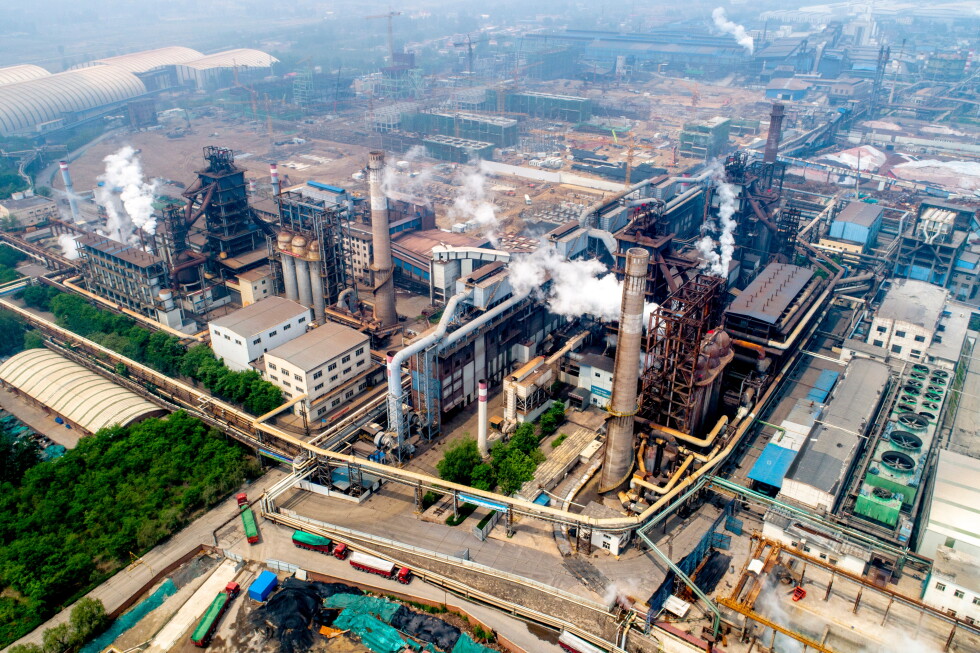
    The sequence of events that led to nationalization began in 2020, when Jingye purchased struggling British Steel out of insolvency, an acquisition the Chinese firm frames as pulling the iconic industrial brand back from the brink of collapse. Tensions flared last year, however, after Jingye warned it was considering shutting down the blast furnaces at British Steel’s Scunthorpe facility—currently the last remaining site in the U.K. that produces virgin steel from raw iron ore and other primary inputs. The British government responded by assuming full operational control of the company, a move formalized by the Department for Business and Trade on July 17. Officials framed the nationalization as a necessary step to protect 2,700 local jobs at the 130-year-old plant, which traces its industrial roots to the U.K.’s Industrial Revolution when British innovations revolutionized global steelmaking. The government added that maintaining domestic steel production is critical for national security, ensuring a steady supply of material for large public construction projects and the country’s defense sector.

    In its statement posted to China’s WeChat social platform, Jingye Group launched a scathing critique of the U.K.’s actions. The company accused the British government of offering “almost zero compensation” for its asset seizure, despite years of sustained investment and major contributions from Jingye to the British steel sector. The nationalization, the firm claimed, has damaged the British government’s global credibility, sown uncertainty among international investors, and caused severe financial harm to both Jingye’s operations and public funds held by British taxpayers. It further called on the U.K. to end its “trampling on international investment rules.”

    Jingye confirmed it has already activated negotiation procedures under the China-U.K. bilateral investment treaty, and has reserved all legal rights, including the option to pursue binding international arbitration. The firm also says it will advocate on behalf of British taxpayers to pursue legal action against both the U.K. government and former British Steel management, though it did not release further details on its planned legal strategy. A spokesperson for the U.K. government noted last week that an independent assessment will be conducted to evaluate if any compensation is owed to Jingye, with no figure or timeline publicly confirmed to date.

    The dispute drew a formal response from China’s Foreign Ministry on Saturday, which warned that how the U.K. resolves the compensation issue will directly shape how Chinese investors evaluate the British investment environment and the reliability of government commitments there. “China urges the UK to earnestly respect market principles and the spirit of contract, and find solutions on compensation and other issues acceptable to both sides,” the ministry said in a statement, adding that Beijing fully supports Chinese companies in defending their legitimate legal rights through formal legal channels.