BEIJING – China’s top anti-corruption oversight body revealed Sunday that Ouyang Weimin, the former president of the state-owned China Development Bank, is facing formal investigation over allegations of severe violations of Communist Party of China discipline and national law. The Central Commission for Discipline Inspection (CCDI) released a brief initial statement confirming the probe, which is being carried out jointly by the CCDI and the National Commission of Supervision, with no further details on the specific allegations disclosed in the initial announcement.
State-run publication China Daily has shared key biographical details of Ouyang’s decades-long career in public finance and government. Ouyang entered the workforce and joined the Communist Party of China in 1986, with the majority of his early professional tenure spent at the People’s Bank of China, China’s central monetary authority. He later went on to serve as vice-governor of Guangdong Province, China’s dynamic southern economic hub bordering Hong Kong, before being appointed president and deputy Communist Party secretary of the China Development Bank in 2019. He retired from the presidency of the bank in 2023.
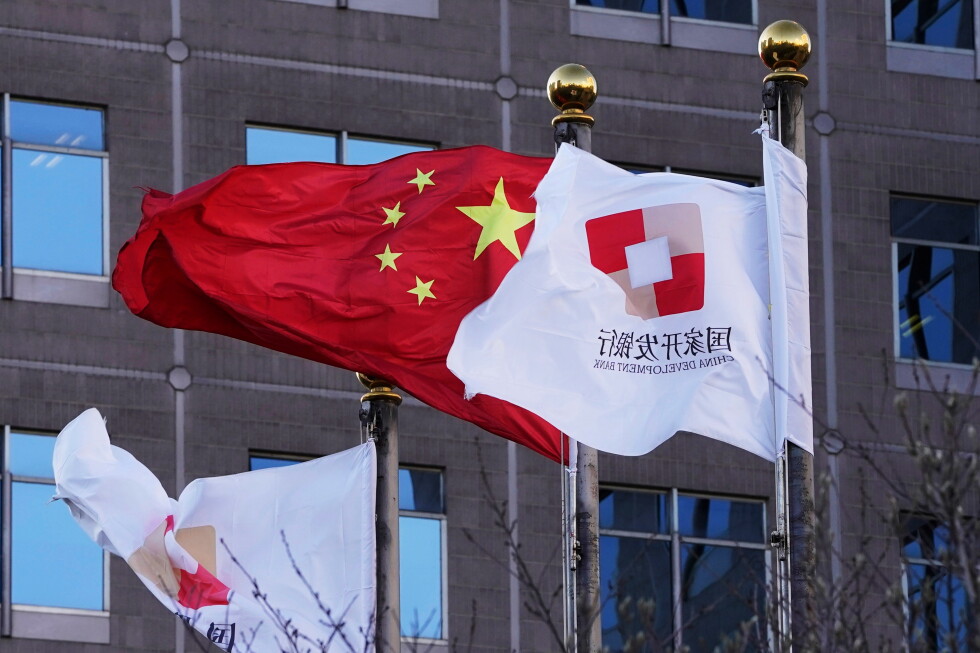
Established in 1994, the China Development Bank is a fully state-owned development finance institution operating under the direct supervision of China’s State Council. Per its official public mandate, the bank focuses on financing projects that support national economic growth, strategic development of key industries, and expansion of infrastructure and services in less developed regions of the country.
Ouyang’s investigation comes amid a years-long national anti-corruption campaign launched under Chinese President Xi Jinping, which has targeted thousands of current and former officials across all levels of government, state-owned enterprises, and the People’s Liberation Army, including high-ranking generals and senior political leaders. While the campaign frames itself as a crackdown on systemic graft, external critics have argued that it also functions in part as a mechanism to remove political opponents of President Xi from positions of power.