In a formal statement released Sunday, China’s Jingye Group, the former owner of British Steel, has launched a formal challenge against the United Kingdom government, demanding financial compensation for billions in investment losses one week after the U.K. seized the historic steel manufacturer into public ownership. The dispute has escalated into a bilateral diplomatic flashpoint that risks shaking confidence in the U.K.’s reputation among global cross-border investors.
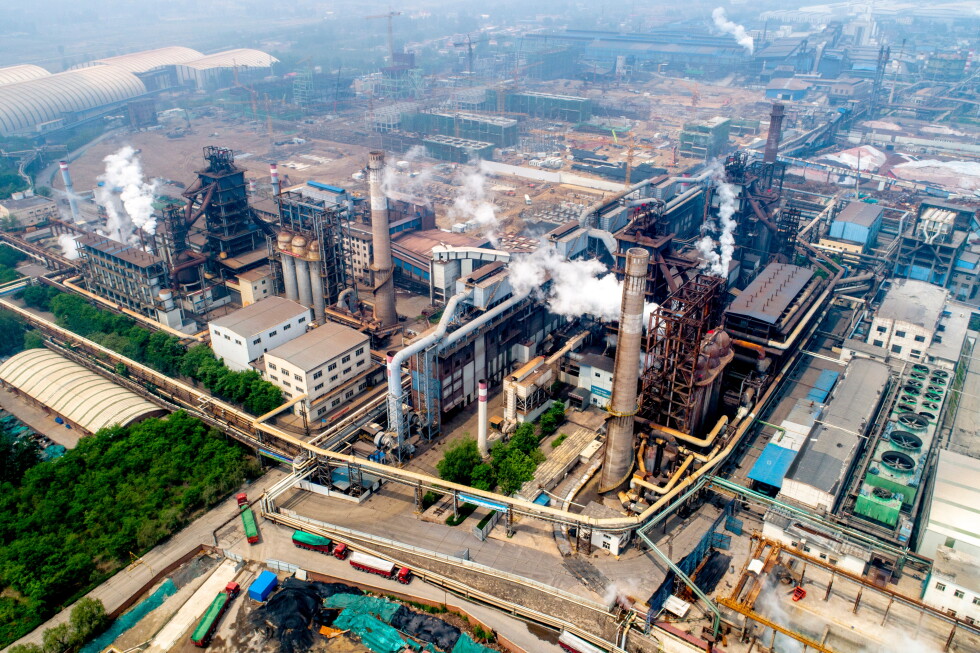
The sequence of events that led to nationalization began in 2020, when Jingye purchased struggling British Steel out of insolvency, an acquisition the Chinese firm frames as pulling the iconic industrial brand back from the brink of collapse. Tensions flared last year, however, after Jingye warned it was considering shutting down the blast furnaces at British Steel’s Scunthorpe facility—currently the last remaining site in the U.K. that produces virgin steel from raw iron ore and other primary inputs. The British government responded by assuming full operational control of the company, a move formalized by the Department for Business and Trade on July 17. Officials framed the nationalization as a necessary step to protect 2,700 local jobs at the 130-year-old plant, which traces its industrial roots to the U.K.’s Industrial Revolution when British innovations revolutionized global steelmaking. The government added that maintaining domestic steel production is critical for national security, ensuring a steady supply of material for large public construction projects and the country’s defense sector.
In its statement posted to China’s WeChat social platform, Jingye Group launched a scathing critique of the U.K.’s actions. The company accused the British government of offering “almost zero compensation” for its asset seizure, despite years of sustained investment and major contributions from Jingye to the British steel sector. The nationalization, the firm claimed, has damaged the British government’s global credibility, sown uncertainty among international investors, and caused severe financial harm to both Jingye’s operations and public funds held by British taxpayers. It further called on the U.K. to end its “trampling on international investment rules.”
Jingye confirmed it has already activated negotiation procedures under the China-U.K. bilateral investment treaty, and has reserved all legal rights, including the option to pursue binding international arbitration. The firm also says it will advocate on behalf of British taxpayers to pursue legal action against both the U.K. government and former British Steel management, though it did not release further details on its planned legal strategy. A spokesperson for the U.K. government noted last week that an independent assessment will be conducted to evaluate if any compensation is owed to Jingye, with no figure or timeline publicly confirmed to date.
The dispute drew a formal response from China’s Foreign Ministry on Saturday, which warned that how the U.K. resolves the compensation issue will directly shape how Chinese investors evaluate the British investment environment and the reliability of government commitments there. “China urges the UK to earnestly respect market principles and the spirit of contract, and find solutions on compensation and other issues acceptable to both sides,” the ministry said in a statement, adding that Beijing fully supports Chinese companies in defending their legitimate legal rights through formal legal channels.