博客

  • After an extremely rare pregnancy, an Australian woman gives birth to identical quadruplet girls

    After an extremely rare pregnancy, an Australian woman gives birth to identical quadruplet girls

    In an unprecedented medical event for Australia, 34-year-old Jenitar Sau Na’amoana has safely given birth to four identical quadruplet girls, a natural conception that experts call a one-in-15-million statistical anomaly.

    Na’amoana, who already shares four children with her husband Jorthan, never planned an expanded family — the couple was stunned when prenatal tests confirmed she carried four identical fetuses, all developed from a single fertilized egg that spontaneously split into four embryos. The delivery took place last week at Royal Brisbane and Women’s Hospital (RBWH) in Queensland, marking the first recorded case of naturally conceived identical quadruplets in Australian history.

    Maternal-fetal medicine specialist Dr. Alexa Bendall, who led Na’amoana’s care team, called the case medically extraordinary. While the general odds of spontaneous quadruplet conception hover at roughly 1 in 700,000 worldwide, the subset of identical quadruplets from one fertilized egg is far rarer, with odds estimated at 1 in 15 million. The vast majority of higher-order multiple pregnancies today result from fertility assistance treatments, making this all-natural conception even more unusual.

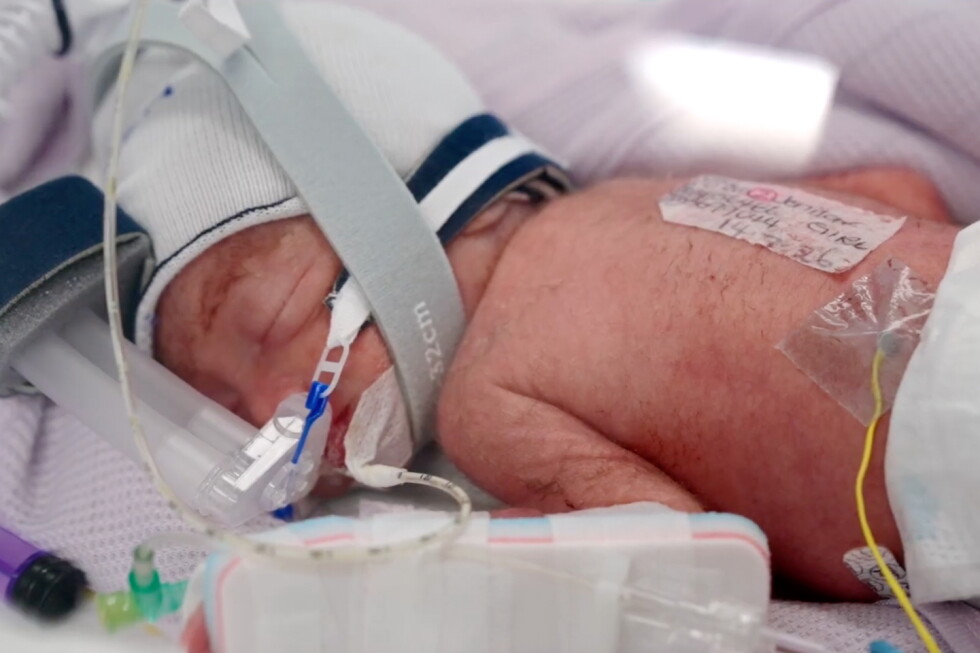
    Multiple pregnancies carry inherently elevated health risks for both birthing parent and fetuses, particularly when multiple fetuses share a single placenta — a common trait in identical multiple births. According to Johns Hopkins Medicine, people carrying multiple fetuses face far higher risks of preterm delivery, miscarriage, and congenital abnormalities than those carrying single fetuses. To mitigate these risks, RBWH assembled a large specialized care team that began closely monitoring Na’amoana starting at just 10 weeks gestation. By 25 weeks, she was admitted as an inpatient to receive around-the-clock observation to track the development of the four fetuses. On July 14, Na’amoana delivered the four girls via planned cesarean section at 28 weeks and four days gestation.

    In a post-delivery statement, Dr. Bendall emphasized just how positive the outcome has been for the family. “The fact that we’ve got four beautiful, healthy babies born at 28 weeks and four days is incredible,” she said. While Na’amoana experienced some mild blood loss during delivery, Bendall noted the amount was well within expected ranges for a quadruplet birth, and the mother is now recovering well.

    All four infants are currently being cared for in RBWH’s neonatal intensive care unit, where they are progressing steadily. In a touching gesture to the care team, the couple named their daughters Emily, Harriet, Catherine, and Alexa — with the youngest named in honor of Dr. Bendall. The specialist called the tribute deeply moving, saying she feels privileged to have supported the family through their unprecedented journey.

    “From an academic perspective, it’s really interesting,” Bendall said of the case. “But also from a human perspective, to be able to be part of the family’s journey and come out with four beautiful babies and a healthy mum is very precious.”

    This reporting from the Associated Press Health and Science Department was supported by funding from the Howard Hughes Medical Institute’s Department of Science Education and the Robert Wood Johnson Foundation, with the AP retaining full editorial control over all content.

  • Hitler’s Austrian birthplace to become a police station

    Hitler’s Austrian birthplace to become a police station

    On Wednesday, Austria will formally inaugurate a new police station inside the building where Nazi dictator Adolf Hitler was born, a long-planned intervention aimed at halting the site’s use as a gathering place for rising far-right extremist groups. This conversion brings an end to decades of contentious, sensitive debate over the future of the property, located in the border town of Braunau-am-Inn. The project comes as Austria faces ongoing international criticism for failing to fully confront its culpability for atrocities committed during the Holocaust.

    After a major 20-million-euro ($23 million) refurbishment that finished three years behind its original schedule, the unassuming 17th-century town center building where Hitler was born on April 20, 1889, is barely recognizable to returning visitors. Its iconic rough-cast yellow exterior, located just a short distance from Austria’s border with Germany, has been completely whitewashed by the lead Austrian architecture firm Marte. A official police insignia now hangs above the main entrance, while the pavement outside retains a permanent memorial stone inscribed with the words: “For Peace, Freedom and Democracy. Never Again Fascism. Millions of Dead Warn.”

    The legacy of Nazism in Austria remains a deeply fraught issue. Following Hitler’s 1938 annexation of the country, 65,000 Austrian Jews were murdered in the Holocaust, and an additional 130,000 were forced into exile. Today, the far-right Freedom Party of Austria (FPOe), which was originally founded by former Nazi officials, holds the position of the most popular political party in the country, with polling aggregator Europe Elects recording its support at roughly 37 percent among Austrian voters.

    For nearly a century, the building was owned by the same private family from 1912 onward. Starting in 1972, the Austrian state leased the property and operated it as a community center for people with disabilities, a group targeted for mass extermination by the Third Reich. Despite repeated calls for change driven by the steady stream of neo-Nazi visitors making pilgrimages to the site, the last private owner Gerlinde Pommer blocked all proposed alterations and fought the state’s attempt to seize the property through legal channels until her legal challenge concluded.

    It was not until 2019, three years after the Austrian legislature passed a special law to enable state seizure of the decaying building, that the country’s Supreme Court gave final approval for the 810,000-euro purchase of the 800 square-meter property. When evaluating possible uses for the site after acquisition, outright demolition was ruled out by leading historians, who argued that Austria must maintain a visible reminder of the country’s Nazi past, rather than erase it. Historians pushed for Austria to confront its role in the Nazi regime’s murder of more than six million Jews, along with Roma, LGBTQ+ people, political dissidents and communists.

    Officials rejected converting the building into a dedicated Holocaust memorial out of concern that it would still act as a draw for extremist sympathizers. After months of deliberation, an expert commission ultimately settled on the plan to repurpose it as a permanent police station. The Austrian government has stated that the constant police presence at the site will send an unambiguous message that any glorification of Nazism is unacceptable in the country, and will permanently neutralize the property as a far-right gathering spot.

    However, the plan has drawn sharp criticism from Holocaust remembrance groups. Robert Eiter, spokesperson for the Mauthausen Committee Austria, an organization founded by survivors of the Mauthausen concentration camp, called the approach absurd. “Humanity will not forget where the worst mass murderer in history was born,” Eiter told Agence France-Presse. “And this renovation will not prevent a single neo-Nazi from making the pilgrimage to Braunau.”

  • Japan’s exports and imports grow as yen weakens

    Japan’s exports and imports grow as yen weakens

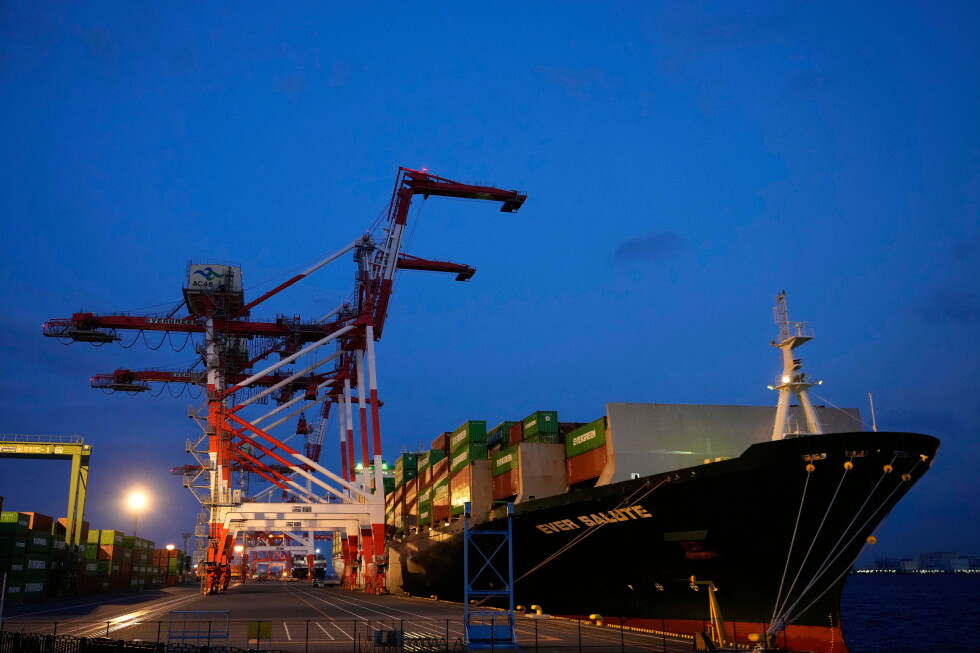
    TOKYO — Japan logged a second straight monthly trade deficit in June, new government data released Wednesday confirmed, with skyrocketing global oil prices and persistent currency weakness combining to push the nation’s import bill sharply higher. The Ministry of Finance’s preliminary figures put the June deficit at 406.9 billion Japanese yen, equal to roughly $2.5 billion. This marks a sharp reversal from June 2023, when Japan recorded a 122 billion yen trade surplus.

    While exports have maintained solid momentum, growing faster than many economists projected, import gains have outpaced them by a wide margin. Preliminary data shows exports climbed 19% year-over-year in June to hit 10.9 trillion yen, with strong demand for Japanese semiconductors leading the growth expansion. Exports increased across key trading partners, including both the United States and China, the nation’s two largest commercial markets. Imports, by contrast, rose 25% year-over-year to 11.3 trillion yen, outstripping export gains by six percentage points.

    The sustained weakness of the Japanese yen against the U.S. dollar has amplified shifts in both import and export values. Most global energy and commodity shipments are priced in dollars, so a weaker yen raises the domestic cost of imported goods while making Japanese exports more price-competitive in global markets. Over the past 12 months, the yen has depreciated significantly, with the U.S. dollar trading around 163 yen in recent sessions, up from roughly 140 yen a year earlier.

    Japan relies almost entirely on imported oil to meet its domestic energy demand, and prolonged geopolitical disruption has upended traditional supply chains for the commodity. For decades, the majority of Japan’s oil imports traveled through the Strait of Hormuz, a critical global chokepoint for energy shipping. Ongoing tensions in the region have severely disrupted vessel traffic through the strait, forcing Japanese importers to pivot to new supply sources. Wednesday’s data illustrates this shift: Japanese oil imports from the United States surged nearly 500% compared to June 2023 as importers seek alternative supplies.

    Global crude oil prices have also swung dramatically since the start of the year. Brent crude, the global benchmark, traded around $60 per barrel in January, before spiking to a peak of $114 per barrel amid supply disruptions. While prices have pulled back from that high point, they have stabilized at much higher levels than seen at the start of 2024, with Brent recently trading around $90 per barrel.

    Looking at the first half of the 2024 fiscal year as a whole, Japan’s cumulative trade picture also shows a deficit. Total exports from January to June rose nearly 14% year-over-year to 60.6 trillion yen, while total imports climbed nearly 11% to 61.9 trillion yen, resulting in an overall cumulative deficit of approximately 1 trillion yen for the half-year period.

    The trade data comes as Japan’s first female prime minister, Sanae Takaichi, leads an administration pursuing aggressive economic stimulus policies designed to boost long-term growth, with targeted public spending on artificial intelligence, defense, and robotics sectors. However, recent public opinion polls indicate that the prime minister’s previously high approval ratings among Japanese voters have started to decline amid ongoing economic pressures.

  • Gruesome images in D4vd hearing are ‘worst nightmare’ for teen girl’s family

    Gruesome images in D4vd hearing are ‘worst nightmare’ for teen girl’s family

    On the opening day of a high-profile preliminary murder case against 21-year-old rising singer David Anthony Burke, known professionally by his stage name D4vd, prosecutors presented gruesome, never-before-publicly-seen evidence of 14-year-old victim Celeste Rivas Hernandez’s dismembered remains — forcing the teen’s grieving parents to confront horrific details of their daughter’s death in a packed Los Angeles downtown courtroom.

    Prosecutors laid out graphic photographs of Celeste’s body, which was discovered last September inside the trunk of a Tesla registered to Burke at a Hollywood tow yard. The photos, which had only previously been referenced in sealed court filings, marked the first time the physical evidence was displayed publicly during the hearing, which will determine whether there is sufficient proof to move the case to a full jury trial.

    According to lead homicide detective Joshua Byers’ testimony, online purchase records show Burke ordered a collection of disturbing items just days after Celeste’s death: a heavy-duty body bag, multiple chainsaws, a large inflatable pool, and a shovel, all of which were delivered to his home address under a false name. Prosecutors allege these items were purchased specifically to dismember Celeste’s body and cover up the killing.

    Prosecutors’ narrative of the crime alleges that Burke, who had sexually abused Celeste over a period of years, murdered her to protect his burgeoning multi-million dollar music career. They claim he stabbed the 14-year-old to death after she threatened to expose their inappropriate relationship, then dismembered her body with a chainsaw to hide evidence of the killing. Burke has formally pleaded not guilty to all charges of murder and aggravated sexual abuse.

    For Celeste’s family, the first day of the hearing was an unimaginable ordeal, according to their attorney Patrick Steinfeld, who spoke with reporters after the session wrapped. Steinfeld said he had warned both parents that viewing the graphic evidence would leave an indelible, traumatic mark, and offered them the option to step out of the courtroom during the presentation of photographs. Celeste’s mother, Mercedes Hernandez, insisted on staying, telling her lawyer she wanted to be present to stand with her daughter.

    “This is the first time they’ve heard this evidence in detail, and they’re horrified,” Steinfeld told the BBC. “There was an image of Celeste’s torso and her head in the trunk of the car, and the prosecutor had to ask what it was because you could not tell it was a head. It was absolutely deplorable. They’re at a loss for words and they’re just trying to do the best they can.” Steinfeld added that Mercedes Hernandez broke down crying immediately after seeing the images, and that the experience has been “a parent’s worst nightmare” for the intensely private family.

    Lead prosecutor Beth Silverman repeatedly paused before displaying each graphic photograph, turning to Celeste’s parents to warn them of the content and offer them the chance to look away. At multiple points during the evidence presentation, Mercedes was comforted by supporters seated beside her in the courtroom gallery.

    Detective Byers told the court that when he first opened the locked trunk of the Tesla at the tow yard, he found a sealed cadaver bag containing heavily decomposed remains: a severed torso and head, with a second black garbage bag holding additional dismembered limbs tucked underneath. Due to the advanced state of decomposition, Byers testified, Celeste’s face was no longer identifiable when her body was found.

    Additional physical evidence presented on Tuesday linked Burke directly to the victim, the court heard. Prosecutors displayed photographs of two tattoos on Burke’s hands: a red-ink rendering of “Celeste” on his left ring finger, and a tattoo reading “Shhh…” on his right index finger. Matching photos showed Celeste had an identical “Shhh…” tattoo on her right index finger, and prosecutors also presented a photograph of a severed hand found with Celeste’s remains that included the ring and little finger.

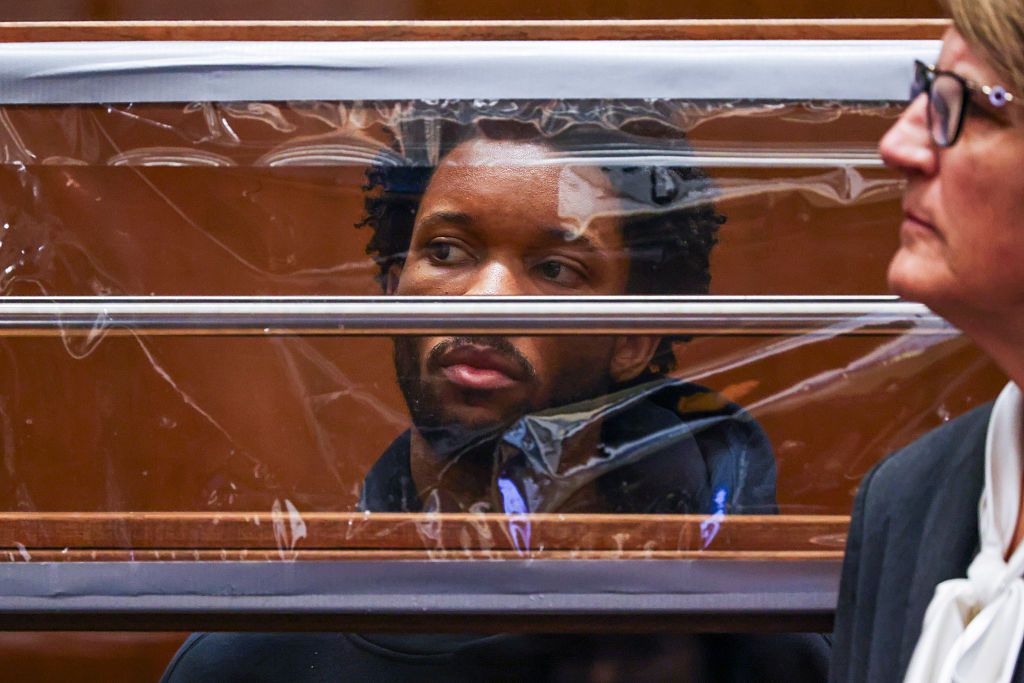
    The small Los Angeles courtroom was filled to capacity long before the hearing got underway Tuesday. Members of the press, independent content creators from YouTube and TikTok, and curious members of the public entered a public lottery to win one of the limited number of public seats, and a tense, anticipatory hush fell over the room when Burke was led into the courtroom. Clad in a standard-issue orange jail uniform and shackled at the wrists and ankles, Burke remained chained to his defense table throughout the entire proceeding. He offered a brief smile to his legal team before responding politely to the judge’s opening comments, and otherwise remained quiet during the day’s testimony.

    The preliminary hearing is scheduled to continue over multiple additional days, with prosecutors set to call additional witnesses to build their case that sufficient evidence exists to move the murder case to a full jury trial.

  • A once wary Hollywood slowly warms to AI

    A once wary Hollywood slowly warms to AI

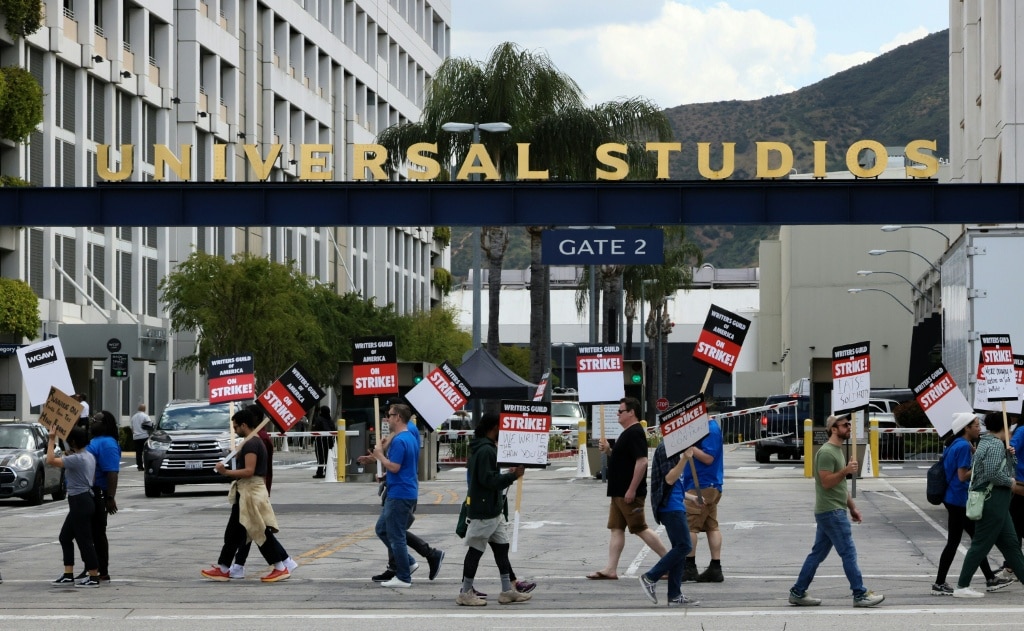
    For years, Hollywood viewed artificial intelligence with deep suspicion, but a quiet shift is underway across the global film and television industry. What began as a source of widespread anxiety, triggering major labor unrest just two years ago, has evolved into growing collaboration between major studios, streaming platforms, and AI startups – with industry leaders uniformly emphasizing that human-led creative work will remain at the heart of filmmaking. As recently as 2025, Shadowbox Studios COO Mike Mosallam acknowledged to entertainment outlet Variety that the industry is still coming to terms with AI’s expanding role. The initial reaction to generative AI in Hollywood was defensive, rooted in widespread uncertainty about the technology’s impact. Major studios feared their vast libraries of copyrighted intellectual property would be exploited without permission, while actors raised alarms that AI could reduce human performers to mere source data for digital replications. These concerns became a core negotiating issue that drove the 2023 Hollywood actors’ strike, one of the longest work stoppages in the industry’s recent history. Early adopters who experimented with early AI tools also encountered clear technical limitations: from digital characters with misformed six-fingered hands to disjointed, unnatural mouth movements that pulled audiences out of stories. The tide began to turn dramatically in early March of this year, when streaming giant Netflix announced its acquisition of little-known AI startup InterPositive for an impressive $587 million. The small firm, founded just three years prior in 2022 by industry veteran Ben Affleck (who boasts credits as a producer, director, and actor), has built an AI platform specifically designed to streamline and support film and television production workflows. The wave of industry investment continued into early June, when major studio Lionsgate took a strategic stake in Runway, one of the most prominent developers of AI-generated video technology. The pair have since partnered to develop original creative projects that leverage Runway’s tools. Just days after Lionsgate’s announcement, tech giant Google made a similar complementary move, investing in acclaimed independent production studio A24 to support AI integration in its slate of projects. Recent industry projects, from national ad campaigns to independent short films, demonstrate that AI video technology has crossed a key quality threshold – even when generating human characters for on-screen stories. As Runway stated in a public update back in May, “In many cases, if the story is strong enough, the technology is now good enough to become invisible.” Runway Chief Creative Officer Jamie Umpherson explained that as the technology has advanced at a pace “unimaginable a couple of years ago,” industry professionals have rapidly improved their ability to use AI tools effectively. “There’s more familiarity than there was even a year ago,” he noted, adding that this growing comfort frees up creative teams to dedicate more time and energy to refining core story and visual style rather than grappling with logistical production hurdles. Netflix Co-CEO Ted Sarandos echoed this sentiment during the company’s mid-July earnings presentation, highlighting that AI is already delivering tangible production benefits. “We’re making higher quality output more quickly and efficiently than we could have using traditional methods,” he said. Sarandos confirmed that generative AI workflows have already been deployed across roughly 300 Netflix original titles, with most use cases concentrated in post-production. “We’re leveraging GenAI for really complicated shots and sequences that would be far more time-consuming or costly to create through traditional methods,” he added. To date, Netflix has focused AI integration primarily on the peripheral stages of production, from visualizing creative concepts during pre-production to handling color grading after principal photography wraps – a hybrid approach that leaves core creative work in human hands. Independent director and producer Jon Erwin, a leading adopter of new AI production methods, shares the view that the core of cinematic craft will remain untouched by automation. “Actors drive all the performances, and we use these tools to amplify the sets and the scope of the shows,” Erwin explained. “But we preserve the core of the filmmaking process, which is the relationship between the actor, the director and the camera. These tools do not replace that.” Back in April, Erwin’s production company Wonder Project launched a joint venture named Innovative Dreams with Luma AI, a Runway competitor specializing in AI-generated visual content. Together, the partners developed a revolutionary new production process that eliminates the need for green screens and motion capture suits entirely, allowing actors to perform naturally on a minimal set before AI generates a hyper-realistic surrounding digital environment. Erwin dubs the approach “hybrid” or “nonlinear” filmmaking. The technology is fast enough that the AI-generated backdrop can be processed and added to a scene just minutes after filming wraps, giving directors an instant preview of the final shot and allowing them to reshoot immediately if adjustments are needed, rather than waiting until post-production to catch flaws. The first full-length feature film created with this method, *Young Washington* starring William Franklyn-Miller alongside Oscar winner Ben Kingsley and two Golden Globe winners, has already earned more than $40 million at the global box office – double its entire production budget. While the new AI-augmented production ecosystem still relies on skilled technicians, actors, and camera crews, the question of how many traditional roles will remain in demand as AI adoption grows remains unresolved. High-profile actor Matt Damon has publicly voiced concern about the long-term impact of cost-cutting driven by AI, noting that big-budget location shoots like Christopher Nolan’s upcoming *The Odyssey*, which filmed across three continents, may become a thing of the past. “I don’t think people are going to be given the resources to shoot movies that way for much longer,” Damon warned. To date, Hollywood’s biggest traditional studio powerhouses – including Paramount, Universal, Sony, Walt Disney, and Warner Bros. – have not announced major public investments or partnerships in AI production technology, staying officially on the sidelines of the current AI shift. But Tanya Porquez, CEO of Generated Group, which recently launched a searchable database of AI-generated video content for the industry, predicts that this public hesitation will not last. “Studios will have to get on board. Not because they necessarily want to, but I think it’s just the wave,” Porquez said. The industry’s shift from AI anxiety to gradual integration is well underway, with early results already proving the technology’s ability to cut costs, speed up production, and expand creative scope – even as open questions remain about its long-term impact on jobs and traditional filmmaking practices.

  • US appeals court overturns ruling requiring release of pro-Palestinian activist Mohsen Mahdawi

    US appeals court overturns ruling requiring release of pro-Palestinian activist Mohsen Mahdawi

    On Tuesday, a federal appeals court in the United States reversed a lower court’s 2025 order that had required the Trump administration to release Palestinian-American permanent resident Mohsen Mahdawi from immigration detention, delivering a significant blow to free speech advocates and supporters of Palestinian rights.

    While the ruling does not explicitly mandate that law enforcement re-arrest Mahdawi, legal analysts warn it establishes a troubling precedent that will narrow pathways for Green Card holders to secure release from immigration detention when challenging their incarceration through claims of violated First Amendment rights.

    Mahdawi, 35, was a graduate student pursuing a master’s degree at Columbia University’s School of International and Public Affairs when he was taken into custody by U.S. Immigration and Customs Enforcement (ICE) agents. His detention came directly after he joined campus protests condemning Israel’s military campaign in Gaza, which the original reporting describes as genocide. The activist, who holds U.S. permanent resident status, was apprehended by ICE in mid-April of last year, while he was attending a routine interview to process his application for U.S. citizenship in Vermont.

    Following his detention, Vermont-based U.S. District Judge Geoffrey Crawford granted Mahdawi release on bond, ruling that as a permanent legal resident, he was entitled to the same First Amendment free speech protections extended to U.S. citizens. But the Manhattan-headquartered Second U.S. Circuit Court of Appeals overturned that ruling this week, holding that Crawford lacked legal jurisdiction over the matter — arguing the case should have been adjudicated exclusively in immigration court.

    A Palestinian born in a refugee camp in the Israeli-occupied West Bank, Mahdawi relocated to the U.S. a decade ago. In 2023, he co-founded Columbia University’s Palestinian Student Union alongside Mahmoud Khalil, a high-profile leader in the national pro-Palestinian student movement who has also been targeted by the Trump administration. Tuesday’s appeals court decision aligns with a nearly identical ruling issued by another U.S. appeals court earlier this year, which also found the lower court judge that granted Khalil release from detention lacked jurisdiction to hear his case. Like Mahdawi, Khalil is also a Green Card holder.

    Notably, neither case has resulted in a formal ruling on the substance of the two activists’ First Amendment claims. But taken together, the dual jurisdiction rulings create a new legal barrier that will make it far more difficult for non-citizens held in immigration detention to challenge their imprisonment on the grounds that their detention violates their constitutional free speech rights.

    In July, Khalil filed a federal lawsuit against senior Trump administration officials, as well as conservative think tank the Heritage Foundation and pro-Israel advocacy groups Betar and Canary Mission. The suit seeks financial damages for what it alleges is an unlawful conspiracy targeting pro-Palestinian activists. It claims Khalil’s targeting was motivated by explicit anti-Palestinian bias, and that private anti-Palestinian organizations colluded with senior administration officials to target Khalil and other advocates for Palestinian human rights.

  • AFL 2026: Melbourne veteran Jack Viney takes ‘steps forward’ to return from injury

    AFL 2026: Melbourne veteran Jack Viney takes ‘steps forward’ to return from injury

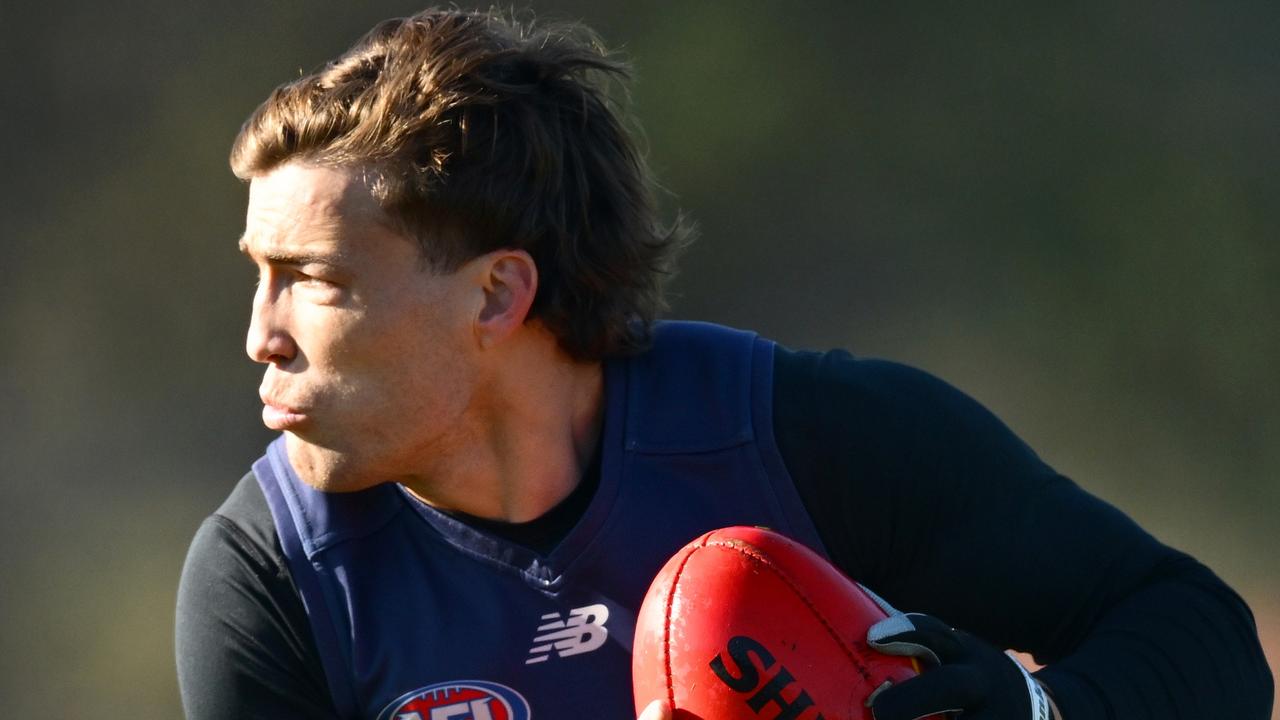
    The old adage that a week can turn fortunes upside down in Australian Rules football has never rung more true for Melbourne Demons veteran Jack Viney. Just seven days ago, Demons acting coach Steven King publicly confirmed the club was on the verge of writing off the midfielder’s 2026 season entirely, as a persistent, debilitating back injury had derailed his training and match availability for months.

    But in a sudden, encouraging turnaround, Viney took part in the full team training session at Melbourne’s Casey Fields base on Wednesday morning, marking a clear step forward in his rehabilitation that has reopened the door for his return to the pitch this year. King told reporters post-session that the 29-year-old hard-nosed onballer had responded far better to an increased training load than medical and coaching staff had anticipated.

    “Sometimes when you ramp up a player’s load after an extended injury break, their body either can’t handle the stress or it adapts positively – and right now, Jack is moving in the right direction,” King explained. “We might have finally gotten past that stubborn barrier that was stopping him from stringing multiple sessions together. I’m not going to put a hard timeline on his return, though – he could get three-quarters of the way through a session tomorrow and feel sore again. That’s just how back injuries go.”

    The coach emphasized that the club never fully closes the door on any injured player’s comeback, adding that Viney’s progress is a welcome boost as the Demons begin to get multiple long-term injured players back in the fold. “We focus on the guys we have available week to week, so when you get some much-needed depth back on the list, it’s a nice little bonus,” King said. “Right now, we’ve got a few players who’ve been out for a long time starting to push for selection, and that gives us a lot more flexibility with our team structure.”

    While Viney won’t be suiting up for Melbourne’s high-stakes Friday night clash against league contenders Geelong, he will be joined in the stands by another returning injured star: improved key defender Daniel Turner. Turner was forced out of last round’s win over North Melbourne with a rib injury that required hospital assessment, and was initially ruled out for four weeks of game time.

    King called Turner’s absence for the Geelong game a significant loss, noting that “he’s emerged as one of the best key defenders in the competition this season, and he’s really hard to replace.” Even so, the coach expressed confidence the Demons have enough cover to step up, with several options already in the selection frame.

    “Tom McDonald is a veteran option who can swing down back, Lucas Cook is back fit after his own injury layoff, Xavier Taylor has been in great form at the VFL level, and Harrison Petty is available for selection this week and can easily slot into the defensive line,” King outlined. “We’ll get through Thursday’s final training session, then the match committee will sit down and work out the best match-up for Geelong’s forward group.”

    In further positive injury news for the Demons, Christian Salem is also nearing a comeback, while Changkuoth Jiath is considered a potential inclusion for Friday night despite being forced off the ground with a minor injury in last week’s win.

  • ‘This will be your legacy’: Aoun seeks financing for Lebanon, pressure on Israel

    ‘This will be your legacy’: Aoun seeks financing for Lebanon, pressure on Israel

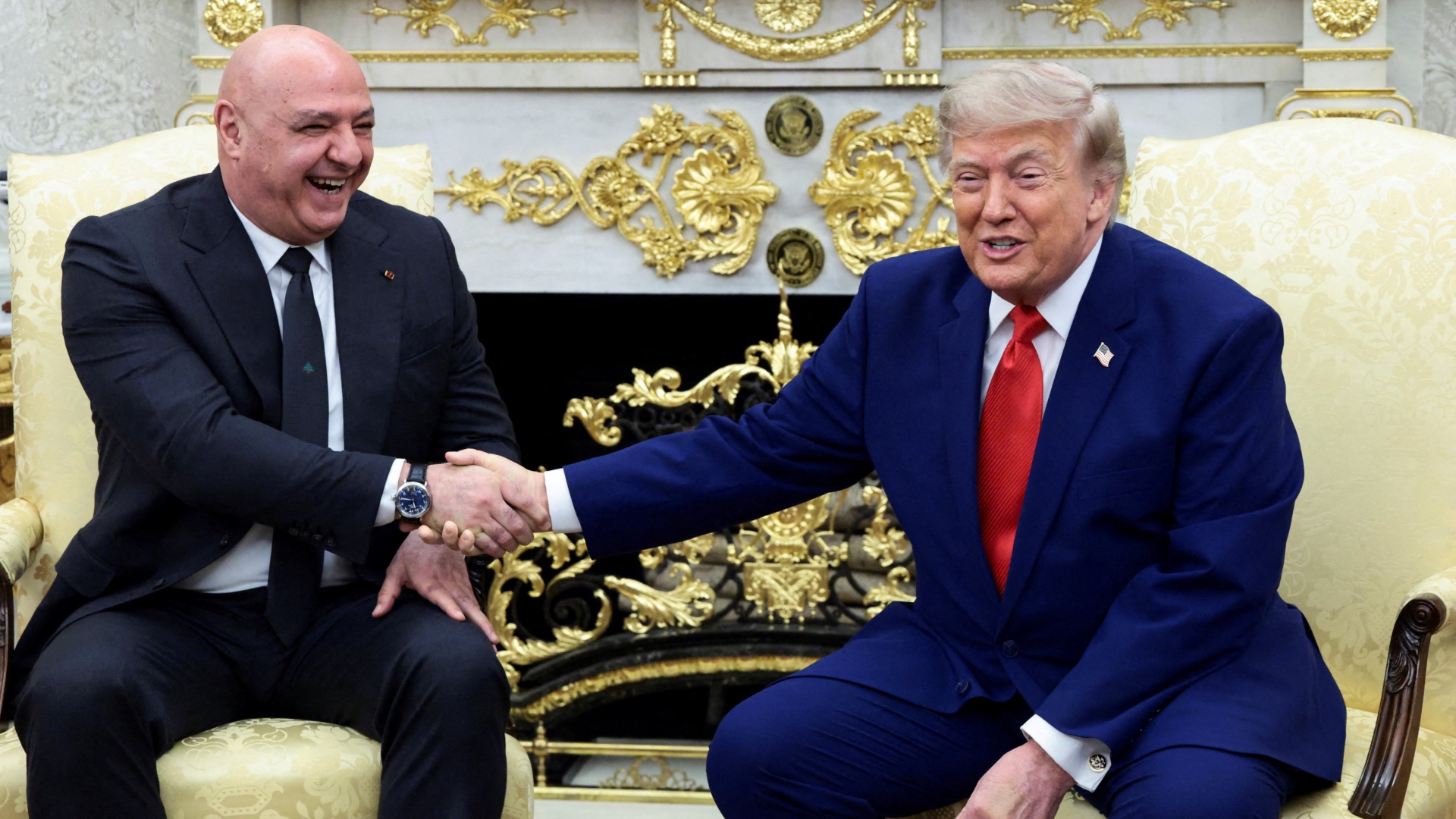
    On a historic Tuesday at the White House, Lebanese President Joseph Aoun sat down for his first face-to-face meeting with U.S. President Donald Trump, marking the first Oval Office gathering between leaders of the two nations in 16 years. Aoun, who took office just two weeks before Trump’s 2025 inauguration, had long waited for this high-stakes diplomatic opportunity, with the last Lebanese president to visit the Oval Office being Michel Sleiman alongside former U.S. President Barack Obama in 2009.

    Opening the press availability with diplomatic grace, Aoun addressed Trump in English, saying, “Been looking forward to this visit for a very long time, meeting such a great president like yourself.” The remark drew a lighthearted response from Trump, who joked, “See, he knows how to get to me. Now he can have anything he wants.”

    Behind the cordial opening exchanges lay stark, urgent priorities that Aoun brought to the table. Lebanon’s new president arrived in Washington seeking three core outcomes: consistent, committed U.S. diplomatic engagement that increases pressure on Israel to end its occupation of southern Lebanon, expanded military financing for the Lebanese Armed Forces (LAF), and substantial international support for reconstructing the war-ravaged southern region of the country. What Aoun left with, however, was far more modest: a White House announcement that U.S. commercial airlines would be permitted to resume direct flights to Lebanon, a service that has been suspended for 40 years.

    The ban on direct U.S. flights was first imposed by the Ronald Reagan administration in 1985, after Hezbollah operatives hijacked TWA Flight 847 to demand the release of Lebanese citizens held in Israeli custody. In a post on his social media platform TruthSocial, Trump wrote, “I am hereby directing my Administration to allow all US airline carriers to fly directly to Lebanon so that Americans can easily visit this beautiful land.”

    Regional analysts note that even this limited concession carries some upside for Lebanon. “It’s a win [for Aoun] if it’s easier for people to travel to Lebanon in a safe fashion,” Anthony Wanis-St John, a conflict resolution professor at American University in Washington D.C., told Middle East Eye. Still, the practical benefit of restored flights remains contingent on broader stability: until open hostilities between Lebanon and Israel end, American tourists are unlikely to visit in significant numbers.

    Like every Arab leader who has met with Trump at the Oval Office over the past 18 months, Aoun has stressed that only Trump holds the unique leverage to curb Israeli Prime Minister Benjamin Netanyahu’s ongoing military campaign in Lebanon. Aoun made his long-term goal clear to reporters, stating, “The ultimate objective [is] ending the state of hostility between Lebanon and Israel forever.” He added, turning to Trump, “I think, Mr President, this will be your legacy.”

    The conflict that has ravaged southern Lebanon dates back to October 8, 2023, when Hezbollah launched rocket attacks on Israel in solidarity with Palestinians in Gaza. Since Israel launched its counteroffensive and occupied large swathes of southern Lebanon in March 2025, more than 4,300 Lebanese people have been killed.

    In a surprising shift from longstanding U.S. policy, Trump acknowledged Hezbollah’s outsized influence in Lebanese politics and its critical role in any future peace framework, telling reporters, “I would speak to Hezbollah. I speak to everybody. If the president wanted me to speak to Hezbollah – you know he’s lived with Hezbollah for a long time – if the president wanted me to speak to Hezbollah, I would.” However, Aoun’s visit was rooted in a core goal: affirming that the Lebanese state is the sole legitimate authority in the country, making it extremely unlikely he would approve such a meeting. Hezbollah has been classified as a terrorist organization by the U.S. government since 1997.

    When pressed on concerns raised by Lebanese Parliament Speaker Nabih Berri that armed confrontation between the LAF and Hezbollah could spark a new Lebanese civil war, Aoun pushed back on the idea of widespread division. Aoun noted that Berri, leader of the Amal Movement, a Shia political party aligned with Hezbollah, is originally from southern Lebanon and has watched the region’s destruction firsthand. “He really wants to see the end of this war,” Aoun said. “He’s actually supporting what we are doing, but we need to be careful. His position as a speaker and as a leader of the Shia community, we have to understand how critical is his position.” Aoun also emphasized that the current negotiation framework falls under the constitutional prerogative of the presidency and does not require parliamentary endorsement.

    In the lead-up to the meeting, U.S. Ambassador to Lebanon Michel Issa hinted that Aoun would not leave Washington empty-handed. But after the nearly two-hour meeting, Massad Boulos, Trump’s senior advisor on Arab and Middle Eastern Affairs and a member of the Trump family through marriage, told reporters that the main outcome of the meeting was advancing implementation of the June 26 U.S.-brokered framework for southern Lebanon. Pilot zone operations for the agreement launched just one day before the meeting, in the southern Lebanese villages of Froun, Srifa, and Zawtar Al-Gharbiya, overseen by an international military coordination group.

    The core premise of the pilot zones is straightforward: as Israeli forces redeploy out of the area, the LAF will move in to take control and implement disarmament of Hezbollah fighters. But Trump clarified on Tuesday that this is not a full Israeli withdrawal, saying Israeli troops are only “in the process of redeploying to other sections” of southern Lebanon.

    That distinction has led many regional analysts to dismiss the pilot plan as a largely symbolic step that fails to address Lebanon’s core demand for full sovereignty. “In other words, the implication is Israel is staying on Lebanese territory,” said Khalil Jahshan, executive director of the Arab Center Washington DC. “It doesn’t solve the issue of sovereignty for Lebanon. It doesn’t solve the issue of foreign occupation for Lebanon. It does not offer the Lebanese government any potential to kind of go back to Hezbollah and say, ‘See, it’s working partially – a small area, but it’s working.’ So it’s basically a small step to nowhere.”

    Wanis-St John added that ongoing Israeli violence and occupation in the south is ironically boosting Hezbollah’s popular support among Lebanese, even as the group faces growing backlash over the enormous human cost of the conflict. “While Hezbollah is losing popularity on its own accord among the Lebanese because of the high cost of death and displacement, the Israelis go and make them more popular by staying and being extremely violent,” he explained.

    When asked what leverage the U.S. holds to push Hezbollah to comply with the disarmament framework, Boulos hinted at continued punitive action, referencing existing sanctions imposed by the U.S. Treasury Department on entities linked to the group. “There are always options,” he said. “It’s going to take time. This is not easy. Nobody believes for a second that this is going to be an easy task in any way. But we are determined – President Trump is absolutely determined – to see this through. He is the president of peace, as we all know.”

    Aaron David Miller, a veteran U.S. Middle East negotiator who served in both Republican and Democratic administrations, wrote on social media ahead of the meeting that unless Aoun could secure a massive expansion of U.S. training, weapons, and intelligence support for the LAF, any agreement would amount to little more than political performance. In line with that speculation, The Wall Street Journal reported Tuesday that the Trump administration is considering a new program to vet and train elite LAF units specifically to counter Hezbollah’s well-entrenched and heavily armed fighters.

    Many analysts argue the U.S. is currently pursuing a waiting game tied to Israel’s upcoming legislative elections, scheduled for the end of October. “What the US is trying to do is keep the process alive somehow until the Israeli elections take place, and there is a government – this government or a new one – that can deliver,” Jahshan explained. “In the interim, Lebanon has no choice under its current leadership but to put up with what are essentially promises. Undeliverable promises.” Wanis-St John echoed this analysis, noting, “This is definitely tied to Israeli political and electoral cycles.”

    Boulos pushed back on this characterization when questioned by reporters, insisting, “There is no direct link. The agreement is an agreement that is going to be implemented step by step. It’s not a question of specific dates that are cast in stone. There is a verification mechanism. We have to give it a chance. It has to work and it’s going to work.”

    The meeting also included a small, awkward unscripted moment: during the press availability, Trump referenced his Middle East envoy Tom Barrack, noting Barrack is of Lebanese descent, but failed to mention Boulos, who is married to Trump’s youngest daughter Tiffany, even after Aoun gestured to Boulos to draw him to Trump’s attention. Boulos was present in the Oval Office for the meeting but did not receive a public shoutout from the U.S. president.

  • Wagering giant Tabcorp slapped with $2.7m fine over ‘serious’ marketing breaches

    Wagering giant Tabcorp slapped with $2.7m fine over ‘serious’ marketing breaches

    One of Australia’s biggest gambling and wagering operators, Tabcorp, has incurred a $2.7 million penalty for widespread violations of the country’s spam and telemarketing consumer protection laws, the Australian Communications and Media Authority (ACMA) has confirmed.

    The federal regulator’s investigation uncovered a pattern of non-compliant marketing activity spanning from February 2024 through mid-2025, targeted specifically at the company’s high-value VIP customer base. ACMA’s findings show Tabcorp placed nearly 4,000 unsolicited marketing calls to these customers that failed to meet basic disclosure requirements, with no clear statement of the company’s identity or the promotional purpose of the call. Of those unauthorized calls, 351 went to numbers registered on the national Do Not Call Register, and an additional 82 were placed outside of legally permitted calling hours.

    In a separate 16-day period in 2025, the company also sent more than 217,000 unsolicited marketing emails and text messages to customers who had already explicitly unsubscribed from Tabcorp’s marketing communications. This marks the second major penalty imposed on the wagering giant in 2025: just months earlier in June, Tabcorp was ordered to pay more than $4 million in fines for separate violations involving non-compliant marketing messages sent to VIP clients.

    ACMA’s investigation into the earlier case found that between February and May 2024, Tabcorp sent nearly 2,600 SMS and WhatsApp marketing messages that failed to include a required unsubscribe option. More than 3,100 additional messages during that same period lacked clear, accurate sender identification, and 11 messages were sent to customers who had never given consent to receive marketing communications.

    ACMA board member Samantha Yorke emphasized that the company’s conduct is unacceptable, particularly given the well-documented harms linked to excessive gambling marketing. “When people join the Do Not Call Register or unsubscribe from marketing messages, they are making a clear choice that must be respected,” Yorke explained. “This is especially critical given the heightened risks of financial loss and psychological harm that come from unregulated gambling marketing. The scale and range of these breaches point to serious, systemic weaknesses in Tabcorp’s compliance systems.”

    When determining the size of the most recent penalty, ACMA did take into account mitigating factors: the company self-reported the latest violations, the non-compliant activity was limited to a 16-day window, and the customers affected had only withdrawn consent for marketing through one specific channel, not all communications.

    In a formal statement provided to NewsWire, a Tabcorp spokesperson acknowledged the regulator’s findings and committed to improving the company’s compliance framework. “We’re committed to being a compliant company and commenced a whole business transformation under new leadership at the end of 2024,” the spokesperson said. “Tabcorp assisted the ACMA throughout the investigation and will continue to work closely with all regulators as we continue our transformation.”

  • UK humanitarian worker monitored for Ebola in London hospital

    UK humanitarian worker monitored for Ebola in London hospital

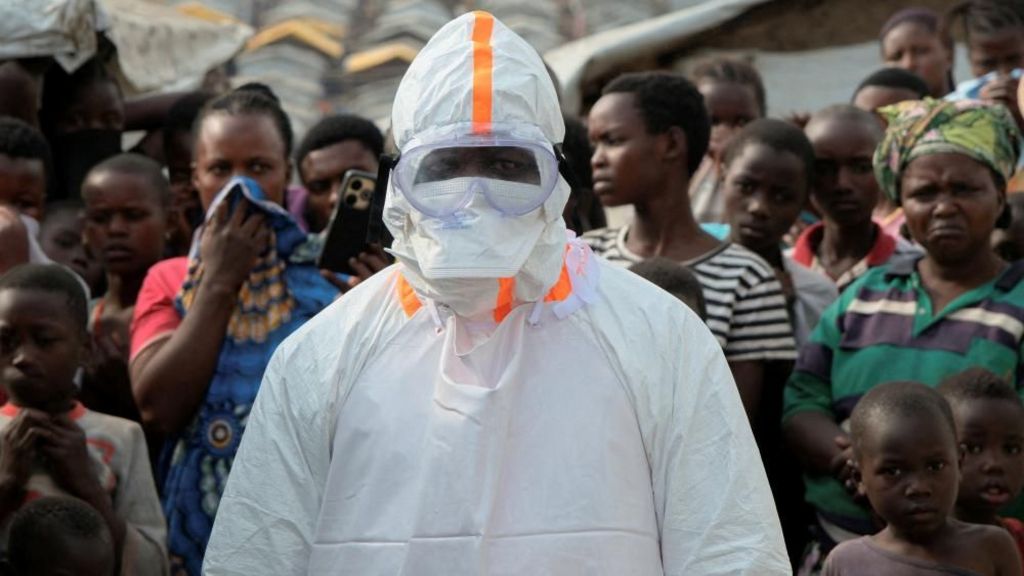
    A British-resident humanitarian worker deployed to the Democratic Republic of Congo (DRC to support local Ebola outbreak response operations has been evacuated to the United Kingdom for medical care following a potential occupational exposure to the deadly virus, public health officials confirmed this week.

    The UK Health Security Agency (UKHSA) emphasized in an official statement that the evacuated individual, who has not been publicly identified, is currently not showing any symptoms of Ebola infection. The evacuation and subsequent hospitalization were undertaken purely as a precautionary measure, the agency added. As of the latest update, the worker remains in good health while undergoing continuous assessment and monitoring at an undisclosed London hospital.

    While the facility has not been named, public health sources confirm the Royal Free Hospital in north London – which hosts the UK’s national high-level isolation unit and serves as the country’s primary treatment center for high-consequence infectious diseases – is the likely site of care. Per UK public health protocols, the worker will remain in isolation for the full duration of Ebola’s 2 to 21 day incubation period, the maximum window for symptoms to emerge after exposure.

    Ebola is classified as a high-risk pathogen that spreads exclusively through direct contact with infected bodily fluids, unlike respiratory viruses such as influenza or COVID-19 which transmit via airborne particles. Initial symptoms of infection typically onset suddenly, mirroring early signs of flu or malaria including fever, headaches and fatigue. As the infection progresses, patients often develop vomiting and diarrhea, which can progress to organ failure. While not universal for all cases, internal and external bleeding is a known complication of advanced Ebola infection.

    Richard Pebody, UKHSA’s director of epidemic and emerging infections, sought to reassure the public that the incident poses very little danger to the wider UK population. “The risk to the general public remains low,” Pebody said in the statement. “This individual has been transferred out of an abundance of caution, and we’re pleased they remain well.”

    UKHSA also confirmed that as of this update, there are no confirmed cases of active Ebola transmission within the UK. Previous Ebola exposure events in the UK occurred between 2014 and 2015, when three healthcare workers returning from West African outbreak zones tested positive for the virus. All three patients recovered fully, and no secondary transmission to the general public was recorded in any of those cases.

    The current evacuation comes amid a major ongoing Ebola outbreak centered in the DRC that has spread to neighboring Uganda. As of July 19, DRC government data collated by the World Health Organization (WHO) recorded 2,423 confirmed cases of Ebola since the outbreak was first declared in mid-May, including 967 fatalities and 469 recoveries. Uganda has reported an additional 20 confirmed cases and two deaths linked to the regional outbreak.

    This current outbreak is driven by the Bundibugyo strain of Ebola, a variant for which no licensed vaccine is currently available, although multiple candidate vaccines are in late stages of development. WHO Director-General Dr Tedros Adhanom Ghebreyesus has categorized the event as the third-worst Ebola outbreak recorded in modern history.